

OBD-II Code P2204: NOx Sensor Circuit Intermittent (Bank 1)
What P2204 means, why it triggers, and how to fix it
- OBD-II code P2204 indicates an unstable signal from the Bank 1 NOx sensor, which is most frequently caused by water intrusion or chafed wiring rather than a failed sensor.
- Driving with an active P2204 code drops fuel economy by up to 10% and forces the engine into a reduced-power limp mode while guaranteeing an emissions test failure.
- Ignoring this intermittent fault prevents proper exhaust regeneration, which clogs the Diesel Particulate Filter (DPF) and leads to secondary repair bills ranging from $2,500 to $8,000.
- Perform a live-data 'wiggle test' on the sensor harness before spending $400+ on a replacement part, as repairing a $50 corroded connector resolves the issue in many cases.
- Check your VIN for extended emissions warranties or Technical Service Bulletins (TSBs), as manufacturers like Ford, VW, and Mercedes-Benz offer free software updates or replacements for known P2204 defects.
What Does P2204 Mean?
The trouble code P2204 means your car's Powertrain Control Module (PCM) detects an unstable signal from the Nitrogen Oxide (NOx) sensor for engine Bank 1. This sensor measures harmful exhaust gases to manage the Selective Catalytic Reduction (SCR) system. An 'intermittent' fault means the signal drops in and out, confusing the computer.
Technical definition: The official SAE/OBD-II definition for P2204 is "NOx Sensor Circuit Intermittent Bank 1 Sensor 1". This indicates the PCM detects an intermittent electrical fault in the circuit for the upstream NOx sensor on the engine bank containing cylinder #1. This sensor sits before the SCR catalyst and provides crucial data for the DEF injection system.
Can I Drive With P2204?
Yes, But With Caution. You can drive temporarily, but prolonged driving risks severe damage. An intermittent signal forces the engine to over-consume Diesel Exhaust Fluid (DEF) and triggers improper Diesel Particulate Filter (DPF) regeneration. Ignoring this clogs the DPF with soot, leading to a $2,500 to $8,000 replacement. Your vehicle will also enter a reduced power 'limp mode' and fail emissions tests until repaired.
Common Causes
- Damaged or Corroded Wiring/Connectors (Very Common) — The wiring harness and connectors for the NOx sensor endure extreme heat, vibration, and road debris. Wires break, melt, or chafe, and connectors corrode, causing an intermittent signal. Water intrusion into connectors is a frequent cause, especially on Ford Super Duty trucks. 🎬 Watch: How to replace the NOx sensor on a Powerstroke.
- Failed NOx Sensor (Common) — The sensor fails internally due to age or develops faults in its integrated heater circuit. Contamination from soot, oil, or crystallized DEF also causes it to send erratic signals.
- Soot/Carbon Buildup on Sensor (Common) — Excessive soot from incomplete combustion or frequent short trips coats the sensor element. This insulates it from the exhaust gas and causes erratic readings, sometimes triggering a forced DPF regeneration cycle.
- Software or PCM Glitches (Less Common) — The vehicle's software often requires an update to correct how it interprets NOx sensor data. Manufacturers frequently issue Technical Service Bulletins (TSBs) to widen acceptable parameters and prevent false codes.
- Exhaust System Leaks (Less Common) — A crack or leak in the exhaust manifold, flex pipe, or gaskets near the NOx sensor allows fresh air into the exhaust stream. This skews the sensor's readings and the PCM interprets it as an intermittent fault.
- Mechanical Damage to Sensor (Less Common) — The sensor's measuring element is a fragile ceramic plate. Impacts from road debris or thermal shock from driving through deep, icy water cracks the element, leading to intermittent signal failure.
- Contaminated DEF or SCR System Issues (Rare) — Using old, diluted, or contaminated Diesel Exhaust Fluid (DEF) causes crystallization on the SCR components, including the NOx sensor tip. A failing DEF injector also creates incorrect exhaust composition, forcing the sensor to report out-of-range values.
Symptoms
- Check Engine Light On — The Malfunction Indicator Lamp (MIL) illuminates. Because the fault is intermittent, the light occasionally turns off and on by itself.
- Reduced Engine Performance (Limp Mode) — The vehicle enters a 'limp mode' with noticeably less power, especially in diesel trucks. This protective measure prevents engine or emissions system damage.
- Decreased Fuel Economy and Increased DEF Consumption — The engine's fuel management and DEF injection systems become inefficient, causing a 5-10% drop in fuel economy and rapid DEF fluid consumption.
- AdBlue or DEF Warnings (Diesel only) — Diesel vehicles display warnings related to the DEF system, often including a countdown timer indicating when the engine will refuse to start (common on Mercedes-Benz models). 🎬 Watch: How to perform a NOx sensor teach-in procedure.
- Failed Emissions Test — The vehicle's emissions of harmful nitrogen oxides increase, resulting in an automatic failure during a smog or emissions inspection.
- Black Smoke from Exhaust — The faulty NOx sensor forces an incorrect air/fuel mixture, resulting in incomplete combustion and visible black smoke exiting the tailpipe.
Diagnostic Flowchart
Tap your situation to follow the diagnostic path that matches what you're seeing on this code.
Common Fixes & Costs
- Repairing Damaged Wiring or Connectors — Parts: $10-$50, Labor: $120-$240, ~1.5 hr book time (Intermediate)
- Replacing the NOx Sensor — Parts: $250-$800+, Labor: $100-$250, ~1.2 hr book time (DIY)
- Updating Powertrain Control Module (PCM) Software — Parts: $0, Labor: $100-$200, ~1 hr book time (Professional)
- Repairing Exhaust Leaks — Parts: $20-$100, Labor: $150-$300, ~2 hr book time (Intermediate)
- Forced DPF Regeneration / System Cleaning — Parts: $0-$100, Labor: $100-$200, ~1 hr book time (Professional)
DIY vs Professional
- Repairing Damaged Wiring or Connectors — Beginner: No. Requires intermediate skills.
Tools: Multimeter, wire strippers, soldering iron, heat shrink tubing, automotive-grade wiring. - Replacing the NOx Sensor — Beginner: Yes, for those with mechanical aptitude.
Tools: NOx sensor socket (typically 22mm), penetrating oil, torque wrench, safety glasses, advanced scan tool. - Updating Powertrain Control Module (PCM) Software — Beginner: No. This must be done by a dealer or qualified shop.
Tools: OEM-specific diagnostic tool with a subscription to the manufacturer's service portal. - Repairing Exhaust Leaks — Beginner: Yes, for simple gasket replacement. No, for manifold or pipe welding.
Tools: Socket set, torque wrench, gasket scraper, new gaskets/hardware.
Used vs. New Parts: Buying Guide
When a used part is worth it: A used NOx sensor is a high-risk purchase. It only makes sense if the budget is extremely tight and the vehicle has very high mileage. Because failure is caused by heat and soot, a used sensor has an unknown lifespan.
Donor-vehicle mileage cap: roughly under 60000 miles for the part to have meaningful remaining life.
Donor quality checklist:
- Verify the donor vehicle was not scrapped for emissions-related failures.
- Match the OEM part number exactly; superseded parts fail to communicate correctly.
- Avoid sensors from rust-belt regions to minimize pre-existing corrosion damage.
Decision logic:
- If Vehicle is under warranty or covered by an emissions settlement (VW, Mercedes) → Use OEM parts installed by a dealer to ensure coverage.
- If Vehicle is high-mileage (>150k miles) and the new part cost is prohibitive → A low-mileage used part is a gamble but serves as a temporary solution.
- If The goal is a long-term, reliable repair → Buy a new OEM or reputable aftermarket (e.g., Bosch, NTK) sensor. Reliability outweighs the savings.
Warranty tradeoff: Used parts offer a 30-90 day functional warranty at best. New aftermarket parts include a 1-year or limited lifetime warranty. New OEM parts carry a 1-2 year warranty.
Worst-case if a used part fails: $350-$1050 if a used part fails shortly after installation, representing the cost of another part plus repeat labor charges.
What Happens If You Wait — Timeline
- 0-1 month: Check Engine Light illuminates intermittently. No noticeable drivability symptoms, but the vehicle fails OBD-II emissions tests. (MPG impact: 0-2%% · Added cost: $0)
- 1-3 months: Fuel economy decreases and DEF consumption increases. The vehicle occasionally enters a brief 'limp mode' that resolves after restarting. (MPG impact: 2-5%% · Added cost: $30-$80 in wasted fuel and DEF.)
- 3-6 months: The PCM runs inefficient DPF regeneration cycles. Excessive soot builds up in the DPF, and the SCR catalyst begins to overheat. (MPG impact: 5-10%% · Added cost: $1,500-$4,000 if the SCR catalyst sustains damage.)
- 6+ months: Improper regeneration cycles completely clog the DPF. The vehicle enters a permanent, severe limp mode. The DPF requires full replacement. (MPG impact: 10-20%+% · Added cost: $2,500-$8,000+ for a new DPF assembly.)
Cost of Not Fixing It
- 0-1 Month: Reduced fuel economy by 2-10%, increased DEF consumption, and an automatic failure of any emissions test. (Added cost: $20-$60 in wasted fuel.)
- 1-6 Months: The PCM triggers improper DPF regeneration cycles. This leads to excessive soot buildup or overheating of the SCR catalyst, causing permanent damage. (Added cost: $1,500-$4,000 for SCR catalyst replacement.)
- 6+ Months: Improper regeneration cycles completely clog the Diesel Particulate Filter (DPF) with soot. The vehicle enters permanent limp mode, requiring DPF replacement. (Added cost: $2,500-$8,000+ for DPF assembly replacement.)
Diagnosis Steps
- Read the Trouble Codes & Freeze Frame Data
Use an OBD-II scanner to confirm P2204 is active. Check for related codes (e.g., heater circuit or misfires) to guide your diagnosis. Note the freeze-frame data to identify the vehicle's speed and load when the code set.
Tools: OBD-II Scanner (Beginner) - Check for Technical Service Bulletins (TSBs)
Before touching the vehicle, check for manufacturer TSBs related to P2204. Many models (like Ford Super Duty) have known software bugs that falsely trigger this code, requiring a simple dealer PCM reflash rather than parts replacement.
Tools: Internet Access, OEM Service Information (Beginner) - Visually Inspect the Sensor and Wiring
Locate the upstream NOx sensor for Bank 1. Thoroughly inspect the sensor, its connector, and the entire wiring harness for melted wires, chafing against the frame, loose connections, or green corrosion inside the pins.
Tools: Flashlight, Safety Glasses (Beginner) - Perform a Live Data 'Wiggle Test'
With the key on and engine off, use a scanner's live data function to monitor the NOx sensor voltage. Gently wiggle the wiring harness and connector. If the reading jumps or drops out, you found an intermittent connection requiring repair.
Tools: OBD-II Scanner with Live Data (Intermediate) - Analyze Live Data & Operating Temperature
Monitor the sensor's live NOx readings (in PPM) and operating temperature. The sensor must reach 700-800°C to provide accurate readings. Watch for erratic or impossible readings. A reading defaulting to a negative value (e.g., -10 PPM) confirms a failed sensor.
Tools: Advanced Scan Tool (Advanced) - Test the Sensor's Electrical Circuit
Disconnect the sensor and turn the ignition on. Use a multimeter to verify the power supply. Place the black probe on a chassis ground and the red probe on the power supply pin in the harness. A stable 12 volts is required; anything lower indicates a wiring or fuse issue.
Tools: Multimeter, Vehicle Service Manual (Advanced) - Test Sensor Heater Circuit Resistance
Disconnect the NOx sensor module. Using a multimeter set to Ohms (Ω), measure the resistance across the heater circuit pins on the sensor side. A reading of 'OL' indicates an open circuit, confirming the sensor's internal heater failed and requires replacement.
Tools: Multimeter, Vehicle Wiring Diagram (Advanced) - Check for Exhaust Leaks
Start the engine cold and listen for hissing or puffing sounds around the exhaust manifold and near the NOx sensor. Look for black soot trails indicating a leak that allows fresh air to skew the sensor readings.
Tools: Mechanic's Stethoscope (optional), Flashlight (Intermediate) - Analyze CAN Bus Signals with an Oscilloscope
Connect an oscilloscope to the two CAN bus wires at the NOx sensor module. A healthy signal shows two mirror-image square waves. An intermittent fault reveals itself as distortion or a complete drop-out of this signal when the wiring is wiggled.
Tools: Oscilloscope, Back-probe connectors (Professional)
When This Code Triggers (Freeze-Frame Conditions)
- Engine Coolant Temp: 175-210°F (80-99°C) (The NOx sensor monitor runs only when the engine is fully warmed up.)
- RPM: 1300-1900 (The fault logs during steady-state cruise conditions, not during heavy acceleration or deceleration.)
- Engine Load: 25-55% (A moderate and stable engine load, consistent with highway cruising, is required for the NOx monitor to run.)
- Vehicle Speed: 45-65 mph (72-105 km/h) (The diagnostic monitor flagging P2204 is most active during steady highway driving.)
Related Codes
- P2200 — P2200 is a general circuit malfunction, while P2204 specifies an *intermittent* fault. With P2200, the signal is gone completely. With P2204, the signal drops in and out.
- P2201 — P2201 indicates a 'Range/Performance' problem, meaning the sensor's signal is stable but incorrect. P2204 means the signal cuts out entirely. P2201 points to a dirty sensor, while P2204 points to a bad connection.
- P229F — This code is for the NOx sensor on Bank 2. If your vehicle shows both P2204 and P229F, suspect a systemic issue like a PCM software glitch, contaminated DEF fluid, or a shared wiring harness problem.
- P2209 — This code is for the NOx sensor's internal heater circuit. If the heater fails (P2209), the sensor cannot provide a stable reading, causing the PCM to flag an intermittent signal (P2204). If heater resistance is open, replace the sensor.
Climate & Environmental Factors
- Cold Temperatures: Condensation forms within the sensor housing and freezes, causing electrical shorts or damaging the internal ceramic element. Rapid temperature changes, like driving through icy water, cause thermal shock and crack the sensor.
- High Humidity / Water Intrusion: Moisture wicks into the electrical connector, causing corrosion on the pins and degrading the signal. This is a known issue for underbody sensors and is specifically addressed by Ford TSBs.
- DEF Crystallization Temperatures: DEF freezes and crystallizes below 12°F (-11°C). Temperatures above 86°F (30°C) cause water to evaporate from the fluid, also leading to crystallization. These crystals insulate the sensor tip, causing inaccurate readings.
How to Talk to a Mechanic About This Code
Say this: "I have an OBD-II code P2204 for an intermittent NOx sensor circuit on Bank 1. Please start by inspecting the wiring harness and connector for damage or corrosion, and perform a live data wiggle test before recommending a part replacement."
This signals you understand the most common causes are wiring-related. It directs the technician to perform proper diagnostics instead of immediately replacing an expensive part, saving you hundreds of dollars.
Avoid saying:
- 'My check engine light is on.' (Too vague, invites a broad diagnostic process.)
- 'Just replace the NOx sensor.' (You pay for a part you don't need if the fault is in the wiring.)
- 'Do whatever you think is best.' (Gives the shop a blank check.)
Questions to ask before authorizing the repair:
- Did you perform a 'wiggle test' on the wiring harness while watching live data, and did the signal drop out?
- Can you show me the damage to the wiring or the corrosion on the connector?
- What were the live data readings (PPM and temperature) from the old sensor that prove it failed?
- Does my vehicle have any Technical Service Bulletins (TSBs) for a software update related to this code?
- What is the warranty on the recommended parts and labor?
Where to Take It: Dealer vs Independent vs Chain
- Dealer:
Go here first ONLY if your vehicle is covered by an emissions warranty or a known TSB. Otherwise, it is the most expensive option.
Best for: Vehicles under a factory or extended emissions warranty (e.g., VW, Mercedes)., Known software issues requiring a dealer-only PCM reflash (e.g., Ford TSBs).
Downsides: Highest labor rates, often 1.5-2x more than independent shops., Defaults to replacing expensive modules rather than performing detailed wiring repairs. (Typical cost: +50% vs. baseline) - Independent Shop:
Best fit for most out-of-warranty vehicles. Seek out an ASE-certified shop specializing in diesel or electrical diagnostics.
Best for: Out-of-warranty vehicles, especially diesel trucks., Finding a mechanic who performs detailed wiring inspections and repairs.
Downsides: Quality varies; you must find a shop with strong experience in diesel emissions systems., Lacks access to the latest manufacturer software updates. (Typical cost: +0% vs. baseline) - Chain Shop:
AVOID for diagnosing P2204. The risk of misdiagnosis and unnecessary parts replacement is extremely high.
Best for: Simple, unrelated maintenance like oil changes or tires.
Downsides: Technicians lack specialized training for complex emissions diagnostics., High pressure to sell parts leads to replacing the NOx sensor without diagnosing the circuit., Lacks advanced scan tools needed for sensor adaptation/resets. (Typical cost: -10% vs. baseline)
When to Walk Away From the Repair
If the total estimated repair cost for the P2204 fault and related issues (like a damaged DPF) exceeds 40-50% of your vehicle's private-party value, seriously consider selling or trading it in.
- Car worth $30000, fix is $800: Fix it. The repair cost is a small fraction of the vehicle's value.
- Car worth $15000, fix is $5500: Borderline. The repair is over one-third of the truck's value. Get a second opinion before proceeding.
- Car worth $8000, fix is $4500: Walk away. The repair cost exceeds 50% of the vehicle's value. It is not a sound financial decision.
What Scan Tool You Need for This Code
Minimum: A scanner that reads and clears codes, shows freeze-frame data, and displays live data streams for the NOx sensor (PPM, temperature, and voltage).
A basic $20 code reader only shows the P2204 code. It lacks the live data needed to determine if the fault is a bad wire (signal drops out when wiggled) or a failed sensor (stuck readings), leading to wasted money on parts.
Budget: BlueDriver Pro Scan Tool (~$100) — Connects to your smartphone via Bluetooth. It reads the code, views freeze-frame data, and graphs live sensor data, essential for performing a 'wiggle test' on the wiring harness.
Mid-range: Innova 5610 (~$350) — A handheld unit providing live data, graphing, and special functions. It performs the critical 'NOx sensor adaptation' required after installing a new sensor on many vehicles.
Professional: Autel MaxiCOM MK808 / TopDon Phoenix Lite 2 (~$500-800) — Professional-grade tablets offering full bidirectional control. They command the NOx sensor heater, run system tests, and perform all OEM-level resets and adaptations for virtually any make.
Rent vs buy: Auto parts stores read codes for free but lack tools capable of live data analysis or resets. If diagnosing the issue yourself, buy at least a budget pick. If replacing the sensor on a modern European car, a mid-range tool capable of the reset procedure is mandatory.
How to Clear the Code After You Fix It
- Use an OBD-II scan tool to clear active and pending codes.
- Perform a complete OBD-II drive cycle to allow readiness monitors to run.
- For many makes (BMW, VW, Mercedes), perform a 'NOx sensor adaptation' or reset with an advanced scan tool.
Drive cycle (~30 minutes): A generic drive cycle includes a cold start (engine temp below 122°F/50°C), a 2-5 minute idle, 10-15 minutes of steady highway driving between 50-60 mph, and several coast-down periods without braking.
Readiness monitors affected: NOx/SCR Aftertreatment, Catalyst Monitor, Exhaust Gas Sensor Monitor
Before emissions retest: drive at least 100 miles to fully set monitors.
Watch out for:
- Clearing the code with a scanner does not reset readiness monitors; a drive cycle is required.
- Disconnecting the battery clears codes but resets all adaptive memory, making it harder to pass an emissions test.
- If the underlying intermittent fault (e.g., a corroded wire) remains unfixed, the code returns during the drive cycle.
Will This Fail Emissions / State Inspection?
Yes — this code typically fails an OBD-II emissions inspection.
- California: An active P2204 code is an automatic failure. After repair, most readiness monitors must be 'complete'. For 2001+ vehicles, only one incomplete monitor is permitted.
- New York: The NYVIP3 inspection includes an OBD-II scan. An illuminated Check Engine Light and a P2204 fault code result in an automatic failure.
- Texas: Emissions inspections are required in 17 counties. In these areas, a P2204 code causes the vehicle to fail the OBD portion of the test.
Most Commonly Affected Vehicles
- Ford Super Duty (F-250, F-350) (2017-2022) — TSB 18-2365 addresses water intrusion in the sensor connector for 2017-19 models. TSB 24-2136 addresses a PCM software bug on 2020-21 models falsely triggering NOx sensor codes.
- Ram 2500/3500 (2013-2018) — Vehicles with the 6.7L Cummins engine frequently set NOx sensor codes. A combined DPF and NOx sensor replacement on these trucks exceeds $5,000.
- Chevrolet/GMC Silverado/Sierra 2500/3500 HD (2017-2021) — Models with the L5P Duramax diesel experience issues with the entire NOx sensor module failing as a unit. Testing wiring before replacing this expensive assembly is critical.
- Mercedes-Benz Sprinter, E-Class, GL-Class (Diesel Models) (2010-2018) — Diesel BlueTEC models frequently report NOx sensor circuit faults, triggering a 'start countdown' warning that prevents the engine from starting if ignored.
- Volkswagen Jetta/Passat/Touareg TDI (2012-2016) — A negative PPM reading on a scan tool is a definitive sign of a bad sensor on these vehicles. Many are covered by the 'Dieselgate' extended emissions warranty.
- BMW 335d, X5 xDrive35d (2009-2013) — BMW diesel models are prone to NOx sensor failures causing significant drivability issues. Replacement costs often exceed $1000 for parts and labor.
- Peugeot/Citroën Expert, C4 Picasso (1.6/2.0 BlueHDi) (2016-2020) — These European vehicles with BlueHDi diesel engines set P2204, often in conjunction with DPF or AdBlue pump pressure faults.
- Hyundai/Kia Santa Fe, Sorento (Diesel Models) (2015-2020) — Diesel versions experience intermittent NOx sensor faults. A full diagnostic is required before replacing the sensor, as wiring issues are common.
- Volvo Trucks (VNL, VHD) (2014-2019) — Heavy-duty Volvo trucks with D11 and D13 engines frequently experience NOx sensor issues as part of broader aftertreatment system faults.
Manufacturer-Specific Notes
- Mercedes-Benz: The BlueTEC emissions settlement provides an extended warranty covering NOx sensors for 10 years/120,000 miles. These vehicles also trigger a 'starts remaining' countdown on the dashboard, preventing the engine from starting if unfixed.
- Volkswagen/Audi: Many TDI models are covered by the 'Dieselgate' extended emissions warranty for up to 11 years or 162,000 miles. A negative PPM reading (-10ppm) on live data is a definitive sign the sensor failed. Non-OEM sensors often cause the code to return.
- Ford: TSB 18-2365 addresses water intrusion in the NOx sensor connector for 2017-2019 models. TSB 24-2136 addresses a PCM software bug on 2020-2021 models inaccurately detecting NOx sensor faults, requiring a dealer reflash.
- Chevrolet/GMC: On Duramax engines, the NOx sensor and its control module are sold as a single, expensive unit. Verifying if the fault is in the sensor or the wiring before replacing the assembly is critical.
Real Owner Stories
2016 Ford F-450 Power Stroke with 46k miles
Check engine light came on with codes P2200 and P2204, and the truck entered a derated power mode.
What they tried:
- A visual inspection revealed the wiring to the upstream NOx sensor (Bank 1, Sensor 1) was chafed against the frame, creating an open circuit.
Outcome: The faulty NOx sensor was replaced with a new OEM part (FC3A-5L227-AD). The technician reset the NOx strategy using a diagnostic tool (IDS), resolving the fault codes. An additional drive cycle cleared the 'idle only' message.
Lesson: Even at low mileage, physical damage to the wiring harness is a primary cause. Always inspect the full length of the wire from the sensor to the module before assuming the sensor itself failed.
Mercedes C-Class (Petrol) with recurring P2204
The amber engine warning light appeared for the 14th time in 6 years. The dealer repeatedly blamed the owner's driving habits for the NOx sensor failure.
What they tried:
- Dealer replaced the NOx sensor multiple times.
- The owner found a report of a loose battery cable connection causing similar electrical issues.
- The owner tightened the battery cable, improving charging system performance.
Outcome: The root cause was a poor electrical connection at the battery causing voltage instability, which triggered the intermittent circuit fault code. Tightening the cable resolved the recurring issue permanently.
Lesson: For recurring intermittent electrical faults, look beyond the component. A weak battery or loose ground causes system-wide voltage fluctuations that sensitive modules report as a fault.
2018 Citroen C4 Picasso with P2201 & P2204
Check engine light on with codes for NOx sensor performance (P2201) and intermittent circuit (P2204). Live data showed the upstream NOx sensor reading zero parts per million (PPM).
What they tried:
- Technician noted the sensor heater was inactive initially.
- Performed a test drive to warm the engine over 60°C.
- The AdBlue injection system authorized, but upstream NOx sensor readings remained at zero.
Outcome: The upstream NOx sensor was diagnosed as faulty because it failed to provide any reading after reaching operating temperature. Replacing the part restored changing PPM values on the live data stream.
Lesson: Live data is crucial. A sensor stuck on a specific value (like 0 or -10 PPM) after the engine is fully warmed up (10-15 minutes of driving) confirms a failed sensor.
How to Prevent This Code From Triggering
- Use High-Quality Diesel Fuel and DEF (Every fill-up) — Quality fuel reduces soot buildup that fouls the sensor. Fresh, pure DEF prevents crystallization that coats and insulates the sensor tip.
- Perform Regular Long-Distance Drives (At least once a month) — Sustained highway driving allows the exhaust system to reach optimal operating temperature, burning off soot deposits and evaporating accumulated condensation that causes corrosion.
- Apply Dielectric Grease to Connectors (During any underbody service or sensor replacement) — Applying dielectric grease to the NOx sensor electrical connector seal prevents water intrusion and corrosion, the leading causes of P2204.
- Install PCM Software Updates (During routine service visits) — Manufacturers release software updates (TSBs) to improve sensor data interpretation, widening acceptable parameters and preventing false codes.
Frequently Asked Questions
Can I fix a P2204 code myself?
If the cause is a bad sensor, it is a straightforward DIY replacement similar to an oxygen sensor, provided you have the right tools. However, diagnosing the problem correctly first is key. Always start with a thorough inspection of the wiring and connector, as this is a very common and cheaper fix.
How much does it cost to fix P2204?
The cost varies significantly based on the root cause. A simple wiring repair costs $150-$300, while replacing the NOx sensor ranges from $350 to $1,050 including parts and labor. On some trucks, a combined DPF and NOx sensor repair at a dealer exceeds $5,000.
Will P2204 go away on its own?
Because it is an 'intermittent' code, the check engine light occasionally turns off if the connection temporarily stabilizes. However, the underlying problem still exists. The light will return until you properly repair the corroded wire or failing sensor.
What happens if you don't replace a bad NOx sensor?
Ignoring a bad NOx sensor leads to serious and expensive secondary damage. The vehicle suffers higher emissions, poor fuel economy, and enters limp mode. Most critically, it causes premature failure of the Diesel Particulate Filter (DPF), a repair costing thousands of dollars.
Can I clean a NOx sensor instead of replacing it?
While some owners try cleaning soot off the sensor tip, it is rarely a reliable fix. The fault usually lies within the sensor's internal electronics or heater element, which cleaning cannot resolve. If the sensor fails electrical diagnostics, replacement is the only solution.
Does a new NOx sensor need to be coded or adapted?
Yes, on many modern vehicles (especially BMW, Mercedes, and VW), a new NOx sensor requires 'adaptation' using an advanced diagnostic tool. This resets learned values and tells the PCM a new sensor is installed. Skipping this step causes the P2204 code to return immediately.
What are the most common mistakes when diagnosing P2204?
The biggest mistake is immediately replacing the expensive NOx sensor without inspecting the wiring and connectors first. A simple wiggle test on the harness while watching live data often pinpoints a bad connection. Another pitfall is overlooking PCM software updates (TSBs) that fix false codes.
Can a bad NOx sensor cause black smoke?
Yes, a faulty NOx sensor causes the PCM to command an overly rich fuel mixture. This results in incomplete combustion. You will often see visible black smoke exiting the exhaust pipe as a direct result.
What does 'Bank 1' mean?
'Bank 1' refers to the side of the engine containing the number one cylinder. On an inline engine, there is only one bank. On a V-engine, you have Bank 1 and Bank 2, helping you locate the specific faulty sensor.
Is a NOx sensor the same as an O2 sensor?
No, they serve different functions. An O2 sensor measures unburned oxygen to control the air-fuel ratio, while a NOx sensor measures nitrogen oxides to manage the DEF/SCR emissions system. Modern diesel vehicles utilize both types.
Key Takeaways
- OBD-II code P2204 indicates an unstable signal from the Bank 1 NOx sensor, which is most frequently caused by water intrusion or chafed wiring rather than a failed sensor.
- Driving with an active P2204 code drops fuel economy by up to 10% and forces the engine into a reduced-power limp mode while guaranteeing an emissions test failure.
- Ignoring this intermittent fault prevents proper exhaust regeneration, which clogs the Diesel Particulate Filter (DPF) and leads to secondary repair bills ranging from $2,500 to $8,000.
- Perform a live-data 'wiggle test' on the sensor harness before spending $400+ on a replacement part, as repairing a $50 corroded connector resolves the issue in many cases.
- Check your VIN for extended emissions warranties or Technical Service Bulletins (TSBs), as manufacturers like Ford, VW, and Mercedes-Benz offer free software updates or replacements for known P2204 defects.
Helpful Videos
Shop the Parts Behind P2204
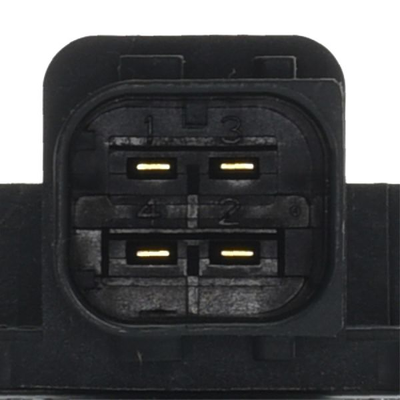
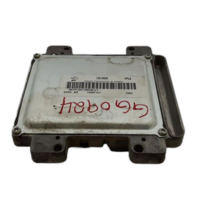
Below are the parts most often responsible for code P2204, ranked by how frequently each one is the actual culprit (per the diagnosis above). Tap any to see what we have for your vehicle.


The information in this article is provided for general reference and educational purposes only. Vehicle specifications, procedures, and part compatibility can vary by production date, trim level, and region. Always consult your vehicle's factory service manual and verify part numbers before purchasing or performing repairs. Safety-critical components such as airbags, seat belts, and braking systems should be installed by a qualified professional.
- 🧭 Diagnostic Flowchart
- 🎬 Helpful Videos
- 🛍️ Shop This Part
- What Does P2204 Mean?
- Can I Drive With P2204?
- Common Causes
- Symptoms
- Common Fixes & Costs
- DIY vs Professional
- Used vs. New Parts: Buying Guide
- What Happens If You Wait — Timeline
- Cost of Not Fixing It
- Diagnosis Steps
- When This Code Triggers (Freeze-Frame Conditions)
- Related Codes
- Climate & Environmental Factors
- How to Talk to a Mechanic About This Code
- Where to Take It: Dealer vs Independent vs Chain
- When to Walk Away From the Repair
- What Scan Tool You Need for This Code
- How to Clear the Code After You Fix It
- Will This Fail Emissions / State Inspection?
- Most Commonly Affected Vehicles
- Manufacturer-Specific Notes
- Real Owner Stories
- 2016 Ford F-450 Power Stroke with 46k miles
- Mercedes C-Class (Petrol) with recurring P2204
- 2018 Citroen C4 Picasso with P2201 & P2204
- How to Prevent This Code From Triggering
- Frequently Asked Questions
- Can I fix a P2204 code myself?
- How much does it cost to fix P2204?
- Will P2204 go away on its own?
- What happens if you don't replace a bad NOx sensor?
- Can I clean a NOx sensor instead of replacing it?
- Does a new NOx sensor need to be coded or adapted?
- What are the most common mistakes when diagnosing P2204?
- Can a bad NOx sensor cause black smoke?
- What does 'Bank 1' mean?
- Is a NOx sensor the same as an O2 sensor?
- Key Takeaways
- 🎟️ Get 5% Off