

OBD-II Code P2215: NOx Sensor Circuit Low (Bank 2)
A Comprehensive Guide to Diagnosing and Fixing P2215
What Does P2215 Mean?
P2215 means the Powertrain Control Module (PCM) detects a signal from the Bank 2 NOx sensor that falls below the minimum expected voltage. The NOx sensor measures nitrogen oxide gases in the exhaust to monitor the Selective Catalytic Reduction (SCR) and DEF (AdBlue) systems. This code specifically flags an electrical circuit fault, indicating the sensor's voltage is stuck near zero.
Technical definition: The SAE/OBD-II definition is 'NOx Sensor Circuit Low Bank 2 Sensor 1'. The PCM detects the signal voltage from the Bank 2 NOx sensor is below its operational range, typically stuck under 0.2V. Because the sensor is a 'smart' device with an integrated module, this code signifies a hard electrical fault in the sensor element, its internal module, or the wiring harness.
Can I Drive With P2215?
Yes, But With Caution. You can drive temporarily, but do not ignore it. The vehicle will suffer reduced fuel economy and increased emissions. Most diesels enter 'limp mode' (reduced power) and trigger a countdown (e.g., '10 starts remaining') before permanently disabling the engine. Ignoring P2215 causes severe soot buildup, destroying the DPF and SCR catalyst and adding $1,500 to $3,000+ in repair costs.
Common Causes
- Faulty or failing NOx sensor (Very Common) — The sensor itself is the most common point of failure. Internal electronics in the sensor's integrated module fail, or the sensing element degrades from heat and vibration, sending a persistent low voltage signal.
- Damaged wiring or connectors (Very Common) — The sensor's wiring harness sits under the vehicle, exposed to extreme heat, road debris, and moisture. Melted insulation, corroded connector pins, or broken wires cause a short to ground or an open circuit.
- Failed NOx sensor heater circuit (Common) — The NOx sensor uses an internal heater to reach operating temperature. If this heater circuit develops high resistance or fails, the sensor cannot provide a plausible signal, triggering a low voltage code.
- Heavy soot buildup on the sensor (Common) — Excessive exhaust soot coats the sensor's tip, insulating it from the exhaust gas and preventing accurate readings. This usually indicates incomplete combustion or failed DPF regeneration.
- Contaminated or old DEF fluid (Common) — Poor-quality, expired, or contaminated Diesel Exhaust Fluid (DEF) causes crystallization within the SCR system. The system interprets the resulting abnormal NOx levels as a sensor fault.
- DEF system component failure (Less Common) — A malfunctioning DEF injector, pump, or heater prevents the SCR system from working, leading to out-of-range NOx readings that the PCM flags as a sensor circuit fault.
- Exhaust system leaks (Less Common) — A leak upstream of the NOx sensor allows fresh air into the exhaust stream. This dilutes the exhaust gases and skews the sensor's readings.
- Faulty Powertrain Control Module (PCM) (Rare) — The vehicle's main computer has an internal fault, misinterpreting the signal from a functional sensor. Rule out all other possibilities before replacing the PCM.
Symptoms
- Check Engine Light is on — This is the most common and often the only initial symptom a driver notices.
- Engine goes into 'limp mode' or has a start countdown — To prevent excessive pollution, diesel vehicles limit engine power ('limp mode') or display a 'XX starts remaining' warning, eventually leading to a no-start condition.
- DEF or AdBlue warning light is on — A fault in the NOx monitoring system almost always illuminates the warning light for the Diesel Exhaust Fluid system. 🎬 See this Mercedes Sprinter NOx sensor replacement walkthrough.
- Increased black smoke from exhaust — Visible black smoke from the tailpipe increases during acceleration because the SCR system is not treating the exhaust gases.
- Reduced fuel economy (also visible on scanner) — The engine's fuel management alters to compensate for the fault, resulting in a noticeable drop of 2-4 MPG as the system runs rich.
- Irregular or failed DPF regeneration (also visible on scanner) — The DPF regeneration process relies on accurate NOx data. A faulty sensor prevents regeneration, leading to a clogged DPF.
Common Fixes & Costs
- Replace the NOx Sensor
— Parts: $350-$900, Labor: $150-$250, ~1 hr book time
(Intermediate)
: OEM
: OEM
: OEM - Repair Damaged Wiring or Connector — Parts: $20-$60, Labor: $150-$300, ~2 hr book time (Intermediate)
- Service the DEF System — Parts: $50-$400, Labor: $150-$400, ~2.5 hr book time (Intermediate)
- Clean Soot from Sensor and Exhaust — Parts: $20-$40, Labor: $100-$200, ~0.8 hr book time (DIY)
- Update or Reprogram the PCM/ECM — Parts: $0, Labor: $100-$250, ~1 hr book time (Professional)
Used vs. New Parts: Buying Guide
When a used part is worth it: Buying a used NOx sensor is not recommended. NOx sensors are sensitive electronic components with a finite lifespan, and failure rates for used sensors are extremely high.
Donor-vehicle mileage cap: roughly under 40000 miles for the part to have meaningful remaining life.
Donor quality checklist:
- Verify the part is a genuine OEM sensor, not a cheap knock-off.
- Ensure the part number is an exact match for your vehicle's VIN.
- Avoid parts with any visible damage to the wiring, connector, or sensor probe.
Decision logic:
- If The cost savings for a used part are minimal (<$100 vs. a new aftermarket part) → Buy a new, high-quality aftermarket or OEM part. The risk of premature failure on a used sensor is too high.
- If Your vehicle is old and you have a very tight budget → A used OEM sensor from a low-mileage, accident-damaged vehicle is a gamble but may be an option. Be prepared for it to fail.
- If The part is for a critical application or a vehicle you depend on daily → Always buy a new OEM or reputable aftermarket sensor (e.g., Bosch, NTK) to ensure reliability and avoid repeat labor costs.
Warranty tradeoff: Used parts from a salvage yard typically have a 30-90 day warranty. Reputable aftermarket brands offer 1-3 years, while OEM parts offer a 1-2 year warranty.
Worst-case if a used part fails: $300-$600 if a used or cheap aftermarket part fails shortly after installation, requiring repeat labor costs plus the price of another sensor.
What Happens If You Wait — Timeline
- 0-1 month: Check Engine Light is on. Emissions test fails. On diesel vehicles, the 'Starts Remaining' countdown begins. No other symptoms are likely. (MPG impact: 0-5%% · Added cost: $0-50 in wasted fuel)
- 1-3 months: Engine power is reduced ('limp mode') as the PCM protects the emissions system. Fuel economy worsens noticeably. Soot accumulates faster in the DPF. (MPG impact: 10-15%% · Added cost: $250-$800 for a forced DPF regeneration or cleaning.)
- 3-6 months: The 'Starts Remaining' countdown expires, preventing the engine from starting. The DPF clogs with hardened soot that cannot be burned off. (MPG impact: 15%+% · Added cost: $2,000-$5,000 as the DPF is permanently damaged and requires replacement.)
- 6+ months: Catastrophic failure. Extreme backpressure from a fully clogged DPF damages the turbocharger and SCR catalyst. (MPG impact: N/A (vehicle likely inoperable)% · Added cost: $4,000-$8,000+ for replacement of the DPF, SCR catalyst, and turbocharger.)
Cost of Not Fixing It
- Immediate (0-1 month): Reduced fuel economy (2-4 MPG loss), failed emissions test, and potential for 'limp mode' or a 'starts remaining' countdown to activate. (Added cost: $50-$100 in wasted fuel.)
- Medium-Term (1-6 months): The SCR system operates inefficiently, causing excessive soot to clog the Diesel Particulate Filter (DPF). This requires a forced regeneration or professional cleaning. (Added cost: $250-$800 for forced regeneration or DPF cleaning.)
- Long-Term (6+ months): Permanent damage to the DPF and/or SCR catalyst from excessive soot and heat. The DPF becomes so clogged it must be replaced. (Added cost: $2,000-$7,000+ for DPF and/or catalyst replacement.)
Diagnosis Steps
- Scan for Codes and Review Freeze Frame Data
Use an OBD-II scanner to confirm P2215 is active. Document any other codes present (e.g., heater circuit codes, communication codes). Review the freeze frame data to see the engine conditions when the fault triggered.
Tools: OBD-II Scanner (Beginner) - Perform a Thorough Visual Inspection
Locate the Bank 2 NOx sensor under the vehicle. Inspect the entire wiring harness from the sensor to its control module. Look for burnt insulation near the exhaust, chafed wires, and corrosion in the connectors.
Tools: Flashlight, Safety Glasses (Beginner) - Check for Technical Service Bulletins (TSBs)
Before replacing parts, check for manufacturer TSBs related to P2215. Manufacturers like Ford and GM issue software updates that resolve false codes caused by overly sensitive PCM parameters.
Tools: Online Repair Database or Dealer Access (Intermediate) - PRO TIP: Analyze Live Sensor Data
Monitor the live data PID for the Bank 2 NOx sensor voltage. A healthy, warm sensor shows fluctuating voltage between 0.1V and 0.7V. If the voltage is stuck under 0.2V and unresponsive to RPM changes, the sensor or circuit has failed.
Tools: Advanced Scan Tool with Live Data (Advanced) - PRO TIP: Test Sensor Circuit Integrity at the Connector
Disconnect the NOx sensor harness. Check for battery voltage (12V+) and a solid ground (<0.1 ohm to chassis) on the vehicle-side connector. Check for continuity between the signal pin and chassis ground; any continuity indicates a short in the harness.
Tools: Multimeter, Vehicle-specific Repair Manual (Advanced) - PRO TIP: Test NOx Sensor Heater Resistance
With the sensor disconnected and cool, measure the resistance between the two heater circuit pins on the sensor. Compare the reading to the manufacturer's specification (typically 2-30 ohms). Infinite resistance (OL) or zero resistance means the sensor is faulty.
Tools: Multimeter, Vehicle-specific Repair Manual (Advanced) - PRO TIP: Test DEF Quality and Concentration
For diesel vehicles, use a DEF refractometer to test the urea concentration. The reading must be between 31.8% and 33.2%. Fluid that is cloudy, discolored, or smells like anything other than faint ammonia is contaminated.
Tools: DEF Refractometer (Intermediate) - Check for Exhaust Leaks
With the engine running, listen and feel for air leaking from exhaust gaskets, flex pipes, or welds upstream of the NOx sensor. A leak introducing oxygen causes incorrect readings and triggers this code.
Tools: Mechanic's Stethoscope (optional) (Intermediate)
When This Code Triggers (Freeze-Frame Conditions)
- Engine Coolant Temp: 180-210°F (82-99°C) (Fully warmed up and in closed-loop operation.)
- RPM: 1500-2500 RPM (Steady cruise or light acceleration, not at idle.)
- Engine Load: 30-60% (The engine is under a consistent load, typical of highway driving.)
- Vehicle Speed: 45-65 mph (72-105 kph) (Sustained highway or freeway driving conditions where the SCR system is active.)
Related Codes
- P2214 — P2214 indicates a 'Range/Performance' issue with the same Bank 2 NOx sensor. The sensor's readings are erratic, whereas P2215 points to a short circuit or complete internal failure.
- P2200 — This is a general circuit malfunction code for the NOx sensor on Bank 1. If you have P2215, the issue is on Bank 2 (the side without cylinder #1).
- P2216 — This code is for 'NOx Sensor Circuit High Bank 2', the direct opposite of P2215. It means the signal voltage is stuck higher than the expected range, pointing to an open circuit.
- U029E — This code means 'Lost Communication With NOx Sensor B'. A 'U' code indicates a complete communication failure on the CAN bus network, suggesting a cut wire or dead module.
Climate & Environmental Factors
- Cold Weather: Diesel Exhaust Fluid (DEF) freezes at 12°F (-11°C). This stresses the DEF tank heater in extreme cold, leading to delivery issues misinterpreted as a sensor fault.
- Rapid Temperature Changes: Driving through deep snow or icy puddles causes thermal shock to the hot NOx sensor. This cracks the internal ceramic element, causing immediate failure.
- High Humidity / Water Intrusion: Moisture and road salt penetrate non-sealed electrical connectors, causing corrosion on the pins and leading to high resistance or short circuits.
How to Clear the Code After You Fix It
- Use an OBD-II scan tool to clear the diagnostic trouble code.
- Perform any required sensor reset or relearn procedures with an advanced scan tool.
- Perform a complete drive cycle to allow the readiness monitors to run.
Drive cycle (~30 minutes): Start the engine cold and idle for 2-3 minutes. Drive at a steady speed between 50-60 mph for 15 minutes, including several coast-down periods. Idle for 5 minutes before shutting down. Repeat if monitors are not ready.
Readiness monitors affected: Catalyst Monitor, NOx/SCR Aftertreatment Monitor, Exhaust Gas Sensor Monitor
Before emissions retest: drive at least 100 miles to fully set monitors.
Watch out for:
- Disconnecting the battery will not clear a 'permanent' DTC (PDTC) on 2010+ vehicles.
- The code returns immediately if the underlying electrical fault is not fixed.
- Failure to perform a manufacturer-specific relearn procedure after sensor replacement prevents the code from clearing.
Will This Fail Emissions / State Inspection?
Yes — this code typically fails an OBD-II emissions inspection.
- California: An active P2215 code is an automatic failure for a smog check. All OBD readiness monitors must be set to 'Ready', requiring a proper drive cycle after the repair.
- New York: The NYS DMV emissions inspection includes an OBD-II scan. The presence of this trouble code results in an immediate test failure.
- Texas: In the 17 Texas counties that require emissions testing, a vehicle with an illuminated Check Engine Light and an active code like P2215 fails the OBD portion of the inspection.
Most Commonly Affected Vehicles
- Mercedes-Benz Sprinter (2500/3500) (2010-2021) — Extremely common failure. These diesel vans are notorious for NOx sensor issues, leading to AdBlue warnings and the 'starts remaining' countdown.
- Ram 1500/2500/3500 EcoDiesel (2014-2020) — Ram trucks with the 3.0L EcoDiesel engine frequently experience NOx sensor faults. An emissions settlement for 2014-2016 models included an extended warranty.
- Ford Super Duty (F-250, F-350, F-450) (2020-2023) — TSB 24-2136 applies to 2020-2022 trucks with the 6.7L Powerstroke engine. The fix requires replacing the sensor and reprogramming the PCM.
- BMW 335d, X5 xDrive35d, 535d (2009-2018) — BMW issued warranty extension SIB 01 19 18 for NOx sensors on many of these models. Check for coverage before paying for a repair.
- Volkswagen Jetta, Golf, Passat, Touareg (TDI) (2009-2015) — VW's TDI diesel models are prone to NOx sensor and DPF issues that trigger this code, sometimes related to 'Dieselgate' software updates.
- Chevrolet / GMC Silverado / Sierra HD (2500/3500) (2011-2016) — Duramax diesel engines (LML) in this era experience NOx sensor failures as part of their complex SCR emissions system.
- Audi A3, Q5, Q7 (TDI) (2009-2016) — Sharing engines and emissions platforms with Volkswagen, Audi's TDI models experience nearly identical NOx sensor and SCR system faults.
- Hyundai H-1 / i800 / Starex (2011-2018) — This code appears on Hyundai's diesel van models equipped with a NOx reduction system, particularly in the second generation.
Manufacturer-Specific Notes
- Ford: For 2020-2022 Super Duty trucks (6.7L), TSB 24-2136 is critical. It explicitly states that codes in the P2201 family require replacing the sensor and reprogramming the PCM.
- Mercedes-Benz: On Sprinter vans, a failing NOx sensor is almost always accompanied by AdBlue/DEF system warnings and a strict countdown of remaining starts before the vehicle is disabled.
- BMW: Due to high failure rates, BMW extended the warranty on NOx sensors for many diesel models to 10 years or 120,000 miles under Service Information Bulletin (SIB) 01 19 18.
- Ram: For 2014-2016 EcoDiesel models, an emissions settlement provided an 'Approved Emissions Modification' (AEM) and an extended warranty covering the entire emissions system.
Real Owner Stories
2015 Mercedes Sprinter 2500 at 110K miles
Check engine light and '10 starts remaining' countdown appeared suddenly. The van ran fine, but the owner was at risk of being stranded.
What they tried:
- Initially ignored the warning, countdown continued.
- A local shop read the P2215 code and immediately quoted for a new NOx sensor ($800+ part).
Outcome: The owner inspected the wiring harness for the Bank 2 NOx sensor and found it had rubbed against the driveshaft, wearing through the insulation and causing a short. He repaired the damaged wires with a splice and heat shrink for under $10. The code was cleared and did not return.
Lesson: Always perform a thorough visual inspection of the wiring harness before replacing an expensive NOx sensor. Damage from heat, chafing, or road debris is a very common cause for circuit-low codes.
2016 Ram 1500 EcoDiesel at 85K miles
P2215 code appeared along with a P20EE (SCR NOx Catalyst Efficiency Below Threshold) code. The truck had noticeably lower power and was using more DEF fluid than usual.
What they tried:
- The owner replaced the Bank 2 NOx sensor himself ($450 part). The P2215 code cleared, but the P20EE code returned within 50 miles.
- He then took it to a dealer, who diagnosed a contaminated DEF system.
Outcome: The dealer drained the DEF tank, flushed the system, and replaced the DEF injector, which was clogged with crystals. Total cost was nearly $1,200. The root cause was poor quality DEF purchased from a truck stop pump.
Lesson: Multiple emissions codes point to a systemic issue, not just one bad sensor. A NOx sensor fault is often a symptom of a larger problem in the SCR system, like bad DEF fluid.
2018 Ford F-350 Powerstroke at 60K miles
The check engine light came on with code P2215. There were no other symptoms.
What they tried:
- The owner cleared the code, but it returned the next day.
- He took it to the Ford dealership for diagnosis.
Outcome: The dealer found Technical Service Bulletin (TSB) 24-2136, noting false NOx sensor codes set by PCM software. They performed a PCM reflash with updated software calibration under the emissions warranty. The code did not return.
Lesson: Always check for manufacturer TSBs before starting repairs. A simple software update at the dealer fixes the problem, saving hundreds of dollars on unnecessary parts.
How to Prevent This Code From Triggering
- Use high-quality, ISO 22241 certified DEF (AdBlue) (Every fill-up) — Prevents urea crystallization in the DEF injector, pump, and lines, which causes system blockages and incorrect NOx readings.
- Perform regular highway driving (At least once a month) — Sustained highway speeds (50+ mph for 20+ minutes) generate enough exhaust heat to passively regenerate the DPF and burn off soot deposits.
- Use a quality diesel fuel system cleaner/cetane booster (Every 5,000-6,000 miles) — Detergents remove carbon deposits from fuel injectors, ensuring complete combustion. This reduces soot production, keeping the DPF and NOx sensors clean.
- Avoid short trips and extended idling (Daily habit) — Short drives prevent the exhaust system from reaching full operating temperature, allowing moisture to build up and damage internal electronics.
- Allow the engine to idle for a minute after stopping (After long drives) — Allows the DEF system to complete a purge cycle, retracting remaining fluid from the injector nozzle to prevent crystallization.
Helpful Videos
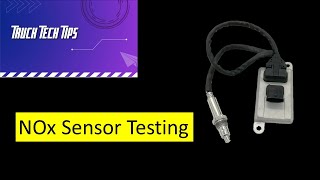
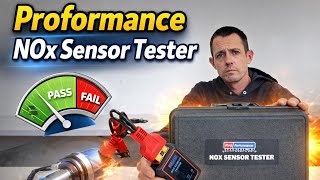
Shop the Parts Behind P2215
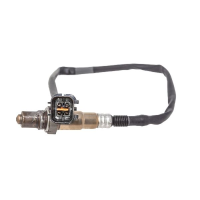
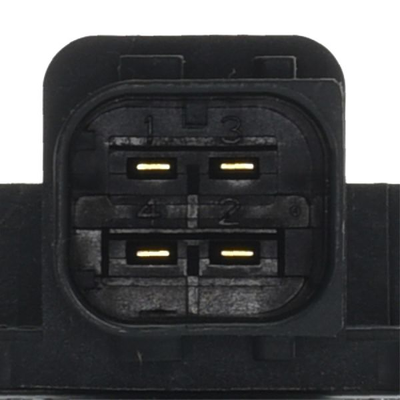
Below are the parts most often responsible for code P2215, ranked by how frequently each one is the actual culprit (per the diagnosis above). Tap any to see what we have for your vehicle.


The information in this article is provided for general reference and educational purposes only. Vehicle specifications, procedures, and part compatibility can vary by production date, trim level, and region. Always consult your vehicle's factory service manual and verify part numbers before purchasing or performing repairs. Safety-critical components such as airbags, seat belts, and braking systems should be installed by a qualified professional.
- 🎬 Helpful Videos
- 🛍️ Shop This Part
- What Does P2215 Mean?
- Can I Drive With P2215?
- Common Causes
- Symptoms
- Common Fixes & Costs
- Used vs. New Parts: Buying Guide
- What Happens If You Wait — Timeline
- Cost of Not Fixing It
- Diagnosis Steps
- When This Code Triggers (Freeze-Frame Conditions)
- Related Codes
- Climate & Environmental Factors
- How to Clear the Code After You Fix It
- Will This Fail Emissions / State Inspection?
- Most Commonly Affected Vehicles
- Manufacturer-Specific Notes
- Real Owner Stories
- 2015 Mercedes Sprinter 2500 at 110K miles
- 2016 Ram 1500 EcoDiesel at 85K miles
- 2018 Ford F-350 Powerstroke at 60K miles
- How to Prevent This Code From Triggering
- 🎟️ Get 5% Off