

P2227 on 2015-2016 Dodge Charger: Barometric Pressure Circuit Performance Causes and Fixes
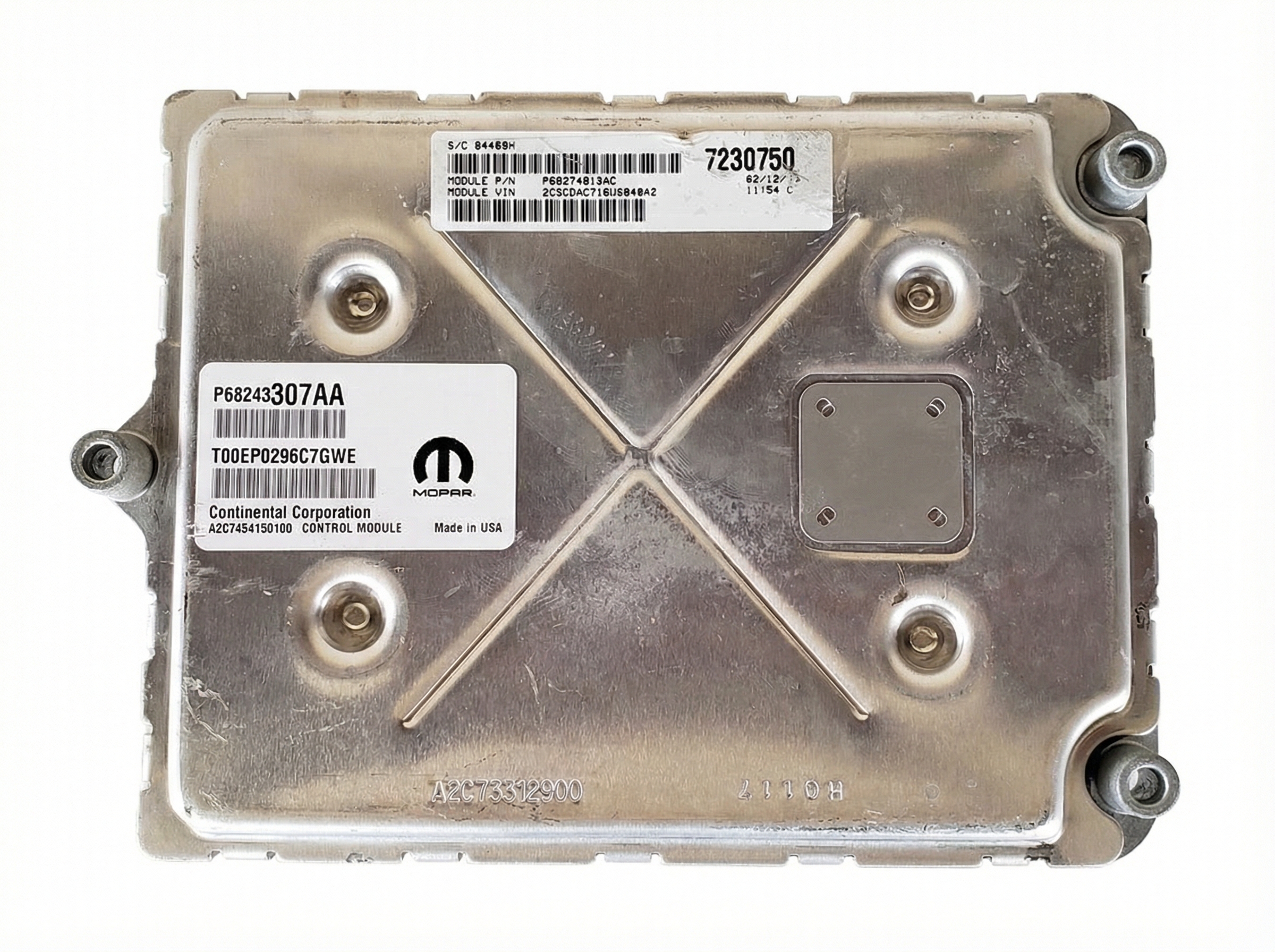
On a 2015-2016 Dodge Charger, code P2227 is often caused by a software glitch needing a PCM update from a dealer. Before replacing any parts, check for software updates, as the barometric pressure sensor is typically integrated inside the Powertrain Control Module (PCM), making it an expensive repair. This is especially true for 6.2L Hellcat models, where a specific TSB warns against immediate PCM replacement.
- P2227 on a 2015-2016 Charger is most often a software issue, not a hardware failure.
- Your first step should always be to have a dealer check for Powertrain Control Module (PCM) software updates.
- The barometric pressure sensor is likely inside the PCM, so you cannot buy or replace it separately.
- If you own a Hellcat model, do not let a shop replace the PCM for this code without referencing TSB #05150872A.
- Replacing the PCM is the most expensive and final step, only to be done after all other possibilities are exhausted.
What's Unique About the 2015-2016 Dodge CHARGER
On many modern Dodge vehicles, including the 2015-2016 Charger, the barometric pressure sensor is not a separate, replaceable part. Instead, it is integrated directly into the Powertrain Control Module (PCM). This design means a 'bad sensor' diagnosis often leads to replacing the entire expensive computer. However, multiple manufacturer Technical Service Bulletins (TSBs) show that this code is frequently triggered by software errors that can be fixed with a simple PCM reflash, especially on high-performance models like the Hellcat.
Diagnostic Flowchart
Tap your situation to follow the diagnostic path that matches what you're seeing on this vehicle.
Symptoms You May Notice
- Check Engine Light is on
- Rough or unstable idle, which may worsen as the engine warms up.
- Sluggish acceleration and hesitation, especially when going uphill or to a higher altitude.
- Reduced engine power or entering 'limp mode'.
- Decreased fuel efficiency.
- Stalling at low speeds or in extreme weather conditions like heavy rain or sudden pressure drops.
- Engine knock or pinging sound under load due to incorrect ignition timing.
- Replacing the MAP (Manifold Absolute Pressure) sensor. While related, the MAP sensor is a separate component and replacing it will not fix an issue with the BARO sensor circuit, especially when the BARO sensor is internal to the PCM. An owner on a Hellcat forum reported cleaning and checking all four MAP sensors did not resolve the P2227 code.
Most Likely Causes
- Outdated Powertrain Control Module (PCM) Software 🔴 High Probability → Shop Engine Control Module (ECM) Multiple Technical Service Bulletins (TSBs) for 2015-2016 Dodge vehicles list P2227 as a code that can be resolved with a PCM software update. These TSBs cover various engines, including the 6.2L Supercharged V8, and address a range of false codes set by the PCM.
How to confirm: A Dodge dealership or a properly equipped independent shop using a tool like wiTECH can check for and install available PCM updates by referencing your vehicle's VIN.
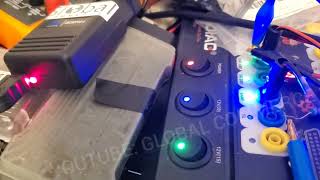
Typical fix: Flashing the PCM with the latest manufacturer software. 🎬 See how a PCM is flashed and reprogrammed. This procedure takes only a few minutes once connected to the proper scan tool.
Est. part cost: $0 - Faulty Powertrain Control Module (PCM) 🟡 Medium Probability → Shop Engine Control Module (ECM) The barometric pressure sensor is internal to the PCM on these models. An internal failure of this sensor circuit requires PCM replacement. An internal circuitry drift can cause the voltage to go outside the normal 0.5-4.5V range.
How to confirm: This is a diagnosis of exclusion. All other possibilities (software, wiring) must be ruled out first. A technician may perform advanced bench tests on the PCM. A Hellcat owner on a forum confirmed that even after checking all related external sensors, the P2227 code pointed to an internal PCM issue.
Typical fix: Replace and program the Powertrain Control Module. NOTE: For 6.2L Hellcat models, TSB #05150872A specifically warns *against* replacing the PCM for this code without consulting FCA support, as it is often misdiagnosed.
Est. part cost: $600-$900 - Wiring or Connector Issue ⚪ Low Probability While not specific to this vehicle, wiring issues are always a possibility. The PCM connectors are a critical point of failure to inspect for corrosion, spread terminals, or pushed-back pins.
How to confirm: Visually inspect the PCM connectors and associated wiring harness for damage, corrosion, or loose pins. A multimeter can be used to check for continuity and proper voltage at the PCM connector, specifically verifying the integrity of the main power and ground pins for the module.
Typical fix: Repair the damaged section of the wiring harness or clean/replace the faulty connector. Applying dielectric grease can prevent future corrosion.
Est. part cost: $10-$50
Rare But Worth Checking
- Clogged Air Intake or Dirty Air Filter: → Shop Air Cleaner Assembly A severely restricted air filter can create an unnatural pressure differential in the intake, which may cause the PCM to log a P2227 code because the BARO reading doesn't correlate with other sensor data like the MAP or MAF sensor. This is a simple and inexpensive check to perform first.
- Major Vacuum Leak: A significant vacuum leak allows unmetered air into the engine, which can cause MAP sensor readings to conflict with the internal BARO sensor's reading, potentially triggering the code. A smoke test is the most effective way to find a vacuum leak.
Diagnosis Steps
- Check for TSBs: The first step for this specific code and vehicle is to check if any PCM software updates are available. This is the most common fix and is confirmed by multiple TSBs (e.g., 18-047-16, 18-061-17, 18-062-17).
- Scan for Other Codes: Use an OBD-II scanner to check for any other stored codes that might provide more context. Codes like P2299, P0441, and P0335 are often seen with P2227 and are addressed by the same software updates.
- Inspect the Air Intake System: Check the engine air filter and intake tube for any blockages or dirt that could restrict airflow and cause implausible sensor readings.
- Inspect PCM Wiring and Connectors: Perform a thorough visual inspection of the wiring harness going to the PCM. Look for any signs of damage, corrosion, or loose connections, as a bad connection can mimic a failed sensor.
- Test for Vacuum Leaks: If symptoms suggest it, perform a test for vacuum leaks using a smoke machine. A leak can cause MAP and BARO readings to conflict.
- Diagnose the PCM: If all other steps fail to find a fault, the issue is likely internal to the PCM. Given the cost, this step should be performed by a professional to confirm the diagnosis before replacement. For Hellcat models, follow the specific instructions in TSB #05150872A and contact FCA support before ordering a new PCM.
Parts You'll Likely Need
- Powertrain Control Module (PCM)
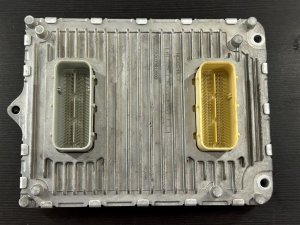
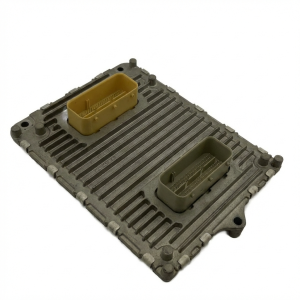
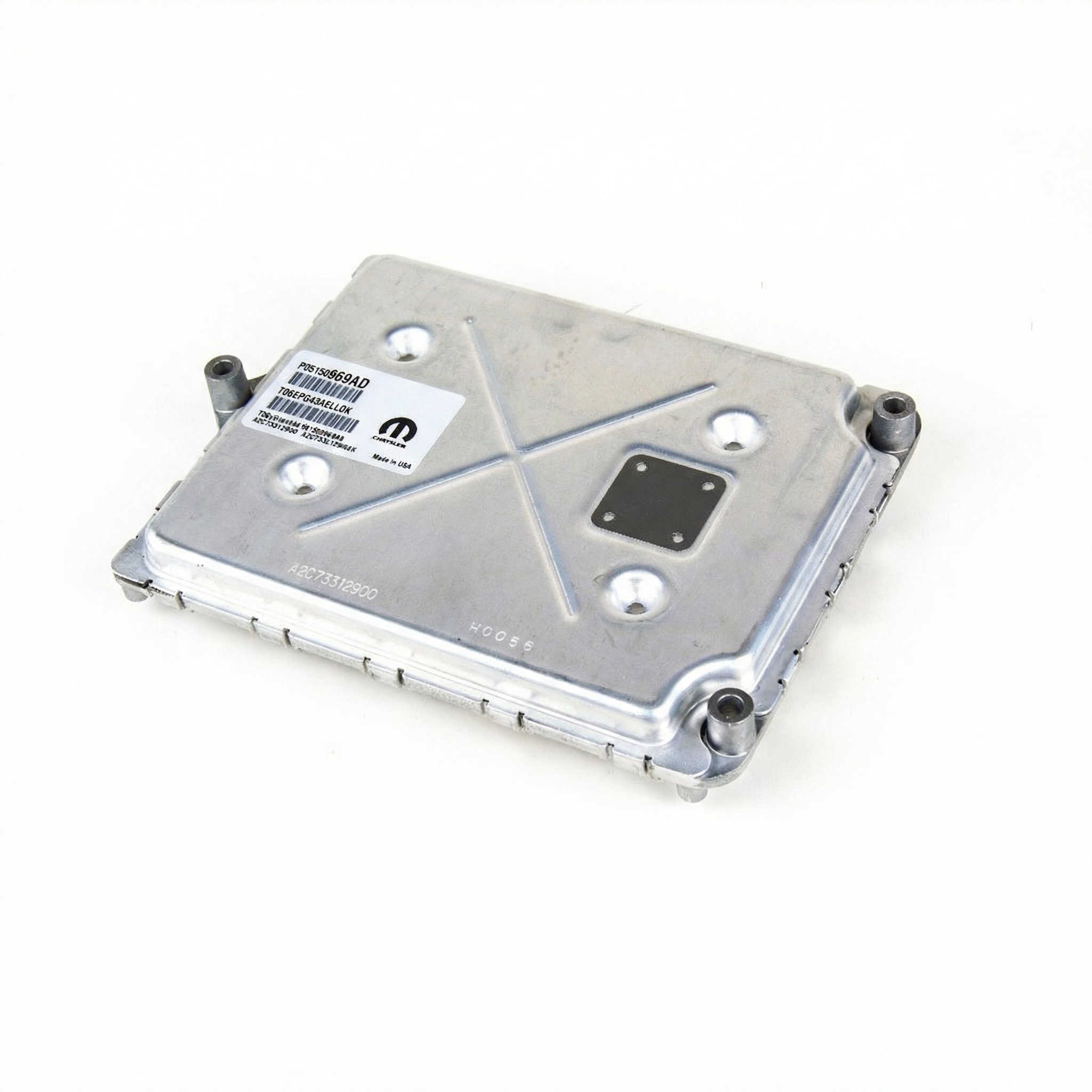
(OEM #Varies by VIN and calibration. Example for 2015 5.7L is 68228422AB. Example for 2016 6.2L Hellcat is P05035890AD. Always verify with a dealer.)— This part is only needed if the internal barometric pressure sensor has failed and software updates do not resolve the code. It is the last resort.
Trusted brands: Mopar (OEM)
OEM price range: $600-$900
Aftermarket price range: $400-$700
Related Codes That Often Appear With This One
- P2299 — This code for 'Brake Pedal Position/Accelerator Pedal Position Incompatible' is listed alongside P2227 in multiple TSBs (18-062-17, 18-061-17, 18-032-16), suggesting a PCM software update addresses them together.
- P0441 — Also listed in TSBs with P2227 (18-062-17, 18-032-16), an 'Evap Purge System Performance' code can be another indicator that a PCM software update is needed.
- P0335 / P0339 — 'Crankshaft Position Sensor' codes are also mentioned in the same software update TSBs (18-061-17, 18-062-17), indicating a group of false codes fixed by a reflash.
Technical Service Bulletins (TSBs) & Recalls
- 18-062-17: Lists P2227 as a code that can be resolved by a PCM software update for 2016 models.
- 18-061-17: Lists P2227 as a code that can be resolved by a PCM software update for 2015 models.
- 18-032-16: Lists P2227 as a code that can be resolved by a PCM software update for 2016 6.2L models.
- 18-047-16: Lists P2227 as a code that can be resolved by a PCM/TCM software update for 2015 6.2L models.
- 05150872A: Warns against replacing the PCM for P2227 on 6.2L Supercharged Hellcat engines without further instruction.
Platform-Specific Known Issues
- For 2015-2016 Charger models with the 6.2L Supercharged (Hellcat) engine, TSB #05150872A gives a specific warning: do not replace the Powertrain Control Module for a P2227 fault without first contacting FCA technical support. This indicates a high likelihood of misdiagnosis for this specific engine.
- TSB #18-047-16 specifically addresses P2227 on 2015 Chargers with the 6.2L engine, indicating a PCM/TCM reflash is the solution.
- TSB #18-061-17 covers 2015 Chargers and lists P2227 among many other codes that are resolved by a PCM software update.
- TSB #18-032-16 REV. A applies to 2016 Chargers with the 6.2L engine and also lists P2227 as a code fixed by a PCM reflash.
Mechanic-Grade Diagnostic Values
- BARO Sensor/Circuit Voltage Range — expected: 0.5 - 4.5 Volts. Failure: Voltage is below 0.5V or above 4.5V, indicating an internal PCM fault or wiring issue.
- Live Data BARO Pressure vs. Local Weather — expected: Scan tool reading should match local atmospheric pressure (e.g., ~101 kPa at sea level).. Failure: Scan tool reading is off by 10 kPa or more from the actual local pressure.
- PCM Ground Circuit Resistance — expected: < 1.0 Ohm. Failure: Resistance is greater than 5.0 Ohms, indicating a poor ground connection that needs to be cleaned or repaired.
Scan Tool Commands That Help
- wiTECH: Reprogram the PCM with the latest available software. — This is the primary repair step recommended by multiple TSBs for a P2227 code on this vehicle, used after verifying no other physical faults exist.
- wiTECH: Software Level Check — Technicians must ensure their wiTECH software is at level 15.04 or higher to perform the PCM reflash procedure as specified in TSBs from 2015.
Wiring & Ground Locations
- PCM Connectors — The Powertrain Control Module is typically located in the engine bay.. Since the BARO sensor is internal to the PCM, the module's main connectors are the most critical wiring inspection point. Check for corrosion, moisture intrusion, pushed-back pins, or spread terminals that could compromise the PCM's power, ground, or internal sensor readings.
- PCM Ground to Chassis — Specific ground points (e.g., G-studs) are located on the chassis and engine block; exact locations require a factory service manual.. A high-resistance ground connection for the PCM can cause erratic behavior and false sensor codes. A multimeter test between the PCM's ground pin and a clean chassis point should show less than 1 ohm of resistance.
OEM Part Supersession History
68228422AB→68228422AC, 68228422AD, and other subsequent numbers in the 6822842X series.— Standard hardware and software revisions by the manufacturer to fix bugs and improve performance.
Heads up: For a 2015 Dodge Charger with a 5.7L engine, multiple part numbers are listed as compatible and interchangeable, including 68228422 through 68228430 with various revision letters (AB, AC, AD). Always confirm the specific compatible part number with a dealer using the vehicle's VIN.
Model Year Variations Within This Range
- 2015: Multiple TSBs addressing the P2227 code with a software update apply specifically to vehicles built on or before March 23, 2015 (MDH 0323XX). This indicates that models built after this date may have received the updated software from the factory, making earlier 2015 models more prone to this specific software-related fault.
Helpful Videos

We Have This Part in Stock

The information in this article is provided for general reference and educational purposes only. Vehicle specifications, procedures, and part compatibility can vary by production date, trim level, and region. Always consult your vehicle's factory service manual and verify part numbers before purchasing or performing repairs. Safety-critical components such as airbags, seat belts, and braking systems should be installed by a qualified professional.
- Dodge CHARGER:
- 🧭 Diagnostic Flowchart
- 🎬 Helpful Videos
- 🛍️ Shop This Part
- What's Unique About the 2015-2016 Dodge CHARGER
- Symptoms You May Notice
- Most Likely Causes
- Rare But Worth Checking
- Diagnosis Steps
- Parts You'll Likely Need
- Related Codes That Often Appear With This One
- Technical Service Bulletins (TSBs) & Recalls
- Platform-Specific Known Issues
- Mechanic-Grade Diagnostic Values
- Scan Tool Commands That Help
- Wiring & Ground Locations
- OEM Part Supersession History
- Model Year Variations Within This Range
- 🎟️ Get 5% Off