

P2251 on 2014-2015 Jeep Cherokee: O2 Sensor Circuit Open Causes and Fixes
This code indicates an open circuit for the upstream oxygen sensor on Bank 1. The most common causes are a failed O2 sensor or damaged wiring. For some 2014-2015 Jeeps, a PCM software update may be required as noted in manufacturer bulletins, especially if seen with code P0031.
- P2251 on a 2014-2015 Jeep Cherokee points to an open electrical circuit for the front (upstream) oxygen sensor on Bank 1.
- Before replacing any parts, check for applicable TSBs, as a PCM software update might be the correct fix, especially if other codes like P0031 are present.
- The most common physical causes are a failed O2 sensor itself or damaged wiring leading to it. Inspect the harness for melting near the exhaust.
- On the 3.2L V6, Bank 1 is the rear bank, closer to the firewall.
What's Unique About the 2014-2015 Jeep CHEROKEE
For the 2014-2015 Jeep Cherokee (KL generation), the appearance of P2251 is specifically mentioned in Technical Service Bulletins (TSBs) issued by the manufacturer. These bulletins often group P2251 with other codes like P0031 (O2 Sensor Heater Circuit Low), suggesting a related underlying issue that could sometimes be resolved with a PCM software update rather than just a part replacement. This indicates a known software logic issue on this platform that can misinterpret sensor data and set a false code. Owners and technicians should be aware of this before defaulting to replacing the sensor, as a dealer reflash may be the actual required fix.
Diagnostic Flowchart
Tap your situation to follow the diagnostic path that matches what you're seeing on this vehicle.
Symptoms You May Notice
- Check Engine Light is on.
- Reduced fuel economy, potentially a 5-10% drop.
- Rough or fluctuating idle.
- Engine hesitation or lack of power during acceleration.
- Noticeable smell of rich exhaust (unburned fuel).
- Replacing the O2 sensor without first checking for applicable TSBs for a PCM software update, especially when P0031 is also present.
- Replacing the PCM when the actual fault is a simple break in the wiring harness or a blown fuse.
- Replacing the wrong O2 sensor. P2251 is always for Bank 1, Sensor 1 (Upstream). On the 3.2L V6, Bank 1 is the rear bank near the firewall.
Most Likely Causes
- Failed Upstream Oxygen Sensor (Bank 1, Sensor 1) 🔴 High Probability → Shop Oxygen Sensor O2 sensors are wear-and-tear items that degrade over time from heat and exhaust contaminants. On the 2.4L 'Tigershark' engine, excessive oil consumption can also lead to premature sensor failure due to contamination.
How to confirm: After checking wiring, test the sensor's internal resistance with a multimeter; an infinite reading (open) confirms failure. For the 3.2L V6, Bank 1 is the cylinder bank against the firewall. For the 2.4L I4, there is only one bank. Sensor 1 is always the upstream sensor, before the catalytic converter.
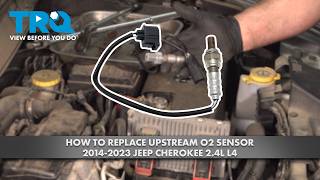
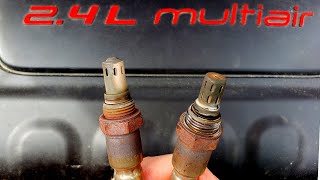
Typical fix: Replace the Bank 1, Sensor 1 oxygen sensor. A specialized 22mm oxygen sensor socket is recommended. 🎬 Watch: Step-by-step upstream O2 sensor replacement for the 2.4L engine.
Est. part cost: $50-$150 - Damaged Wiring or Connector 🟡 Medium Probability The O2 sensor wiring harness is routed near hot exhaust components and is exposed to road debris. On some Jeeps, the harness can contact the exhaust manifold, melting the insulation and causing a short or open circuit.
How to confirm: Visually inspect the entire wiring harness from the O2 sensor to the main engine harness for any signs of damage, melting, chafing, or corrosion at the connector. Pay close attention to where the harness is secured and if it's resting on any part of the exhaust. Perform a continuity test on the negative current control wire between the PCM connector and the sensor connector.
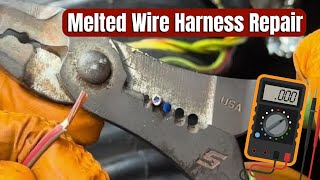
Typical fix: Repair the damaged section of the wire or replace the connector pigtail. Use heat-resistant loom and secure the harness away from the exhaust manifold. 🎬 Watch: How to identify and fix a melted wiring harness.
Est. part cost: $15-$50 - PCM Software Update Required ⚪ Low Probability Manufacturer TSBs #1800416REVA and #18-005-15 REV F specifically list P2251 along with other codes, and the fix for these issues can sometimes be a PCM reflash to correct software logic that falsely flags the code.
How to confirm: A Jeep dealership or a qualified shop with access to OEM software (like wiTECH) can check if the vehicle's PCM calibration is outdated by referencing its VIN against the TSBs.
Typical fix: Update the Powertrain Control Module (PCM) software to the latest version. This must be done by a dealer or a properly equipped independent shop.
Est. part cost: $0-$200
Rare But Worth Checking
- Exhaust Leak: An exhaust leak near the sensor can allow outside air to enter the exhaust stream, skewing the sensor's readings and sometimes triggering circuit-related codes. Check for soot marks or listen for hissing sounds around the exhaust manifold and flanges.
- Blown Fuse: Before extensive wiring tracing, check the fuses related to the emissions system and O2 sensors in the under-hood fuse box. 🎬 See this guide to locate your O2 sensor fuses and relays. A shorted wire can blow a fuse, creating an open circuit. Fuses F07, F08, F10, F16, F30, F59, and F83 have been associated with engine management and should be checked.
- Faulty Powertrain Control Module (PCM): → Shop Engine Control Module (ECM) While rare, the internal driver circuit within the PCM that controls the O2 sensor can fail. This should only be considered after all other possibilities (sensor, wiring, software, fuses) have been definitively ruled out.
Diagnosis Steps
- Scan the vehicle for all DTCs. Note if P2251 appears with other codes like P0031, as this strongly points towards a known TSB issue.
- Check for any applicable Technical Service Bulletins (TSBs) or recalls for your vehicle's VIN. A PCM software update may be the prescribed fix.
- Perform a thorough visual inspection of the Bank 1 Sensor 1 O2 sensor wiring and connector. On the 3.2L V6, this is the upstream sensor on the rear bank (by the firewall). On the 2.4L, it's the upstream sensor. Look for signs of melting, chafing, corrosion, or loose pins, especially where the harness might contact the engine or exhaust.
- Check relevant fuses in the engine bay fuse box (F07, F08, F10, F16, F30, F59, F83) before proceeding.
- If the wiring appears intact, disconnect the sensor and use a multimeter to check the resistance of the heater circuit within the sensor itself. An open circuit (infinite resistance) confirms a failed sensor.
- If the sensor tests good, check for proper voltage and ground signals at the sensor connector with the key on. This verifies the integrity of the circuit from the PCM.
- If there is no voltage or ground at the connector, you must trace the wiring back to the PCM to find the break in the circuit.
- If the sensor, wiring, and software all check out, the final step is to consider a faulty PCM, although this is the least likely cause.
Parts You'll Likely Need
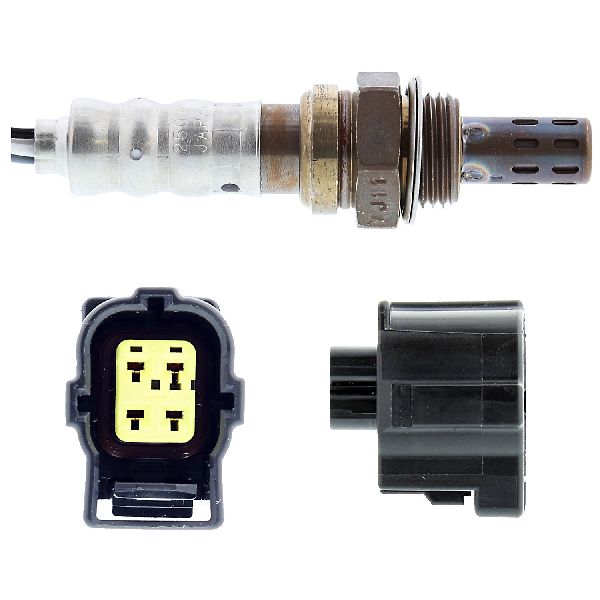
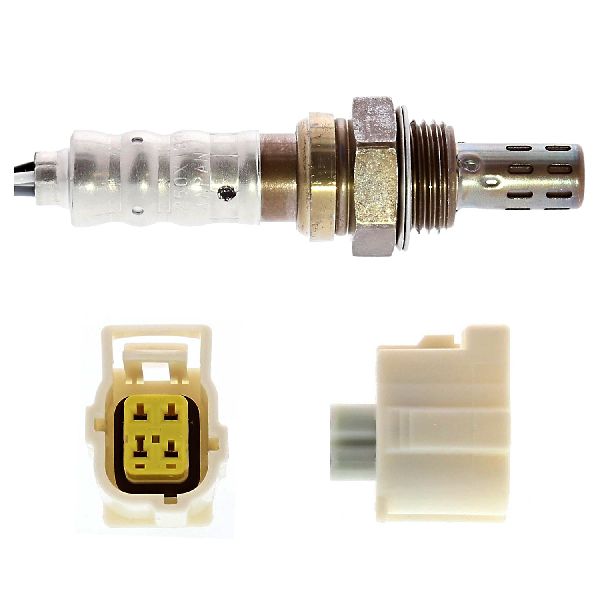
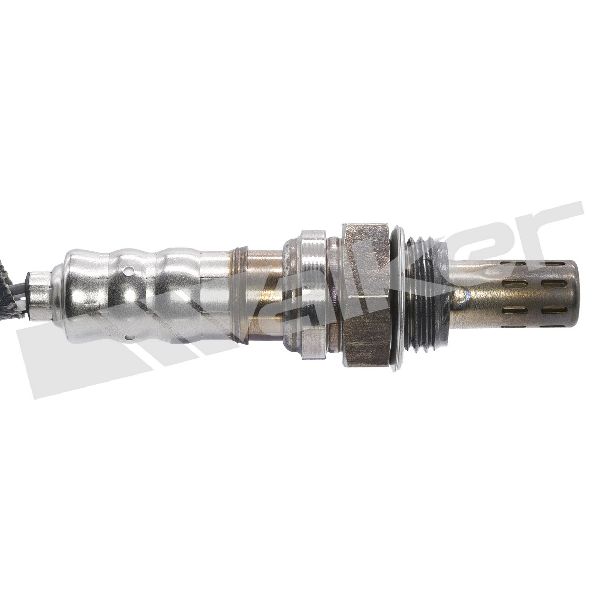
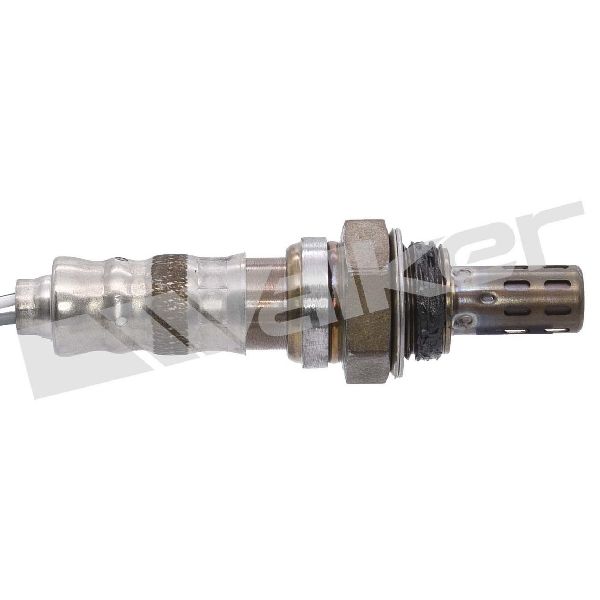
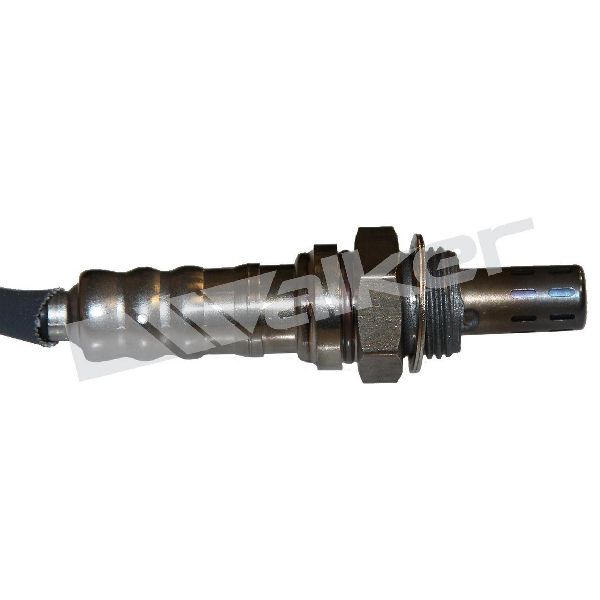
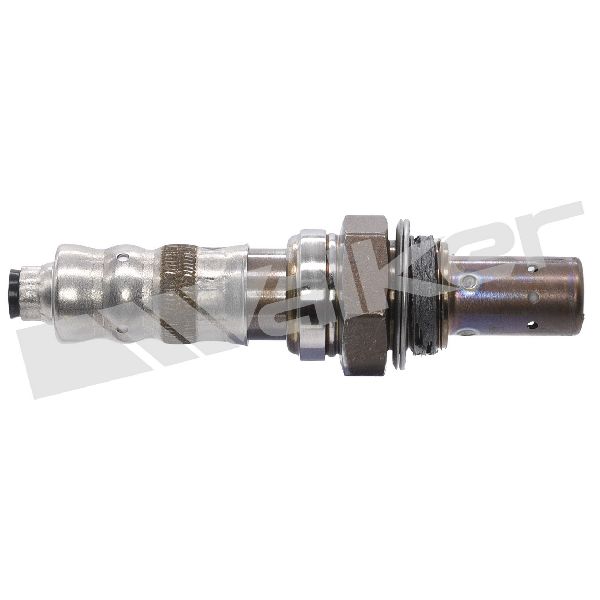
- Upstream Oxygen Sensor (Bank 1, Sensor 1)
(OEM #68195741AA (For 2.4L Engine))— This is the most frequent point of failure for code P2251, as the sensor's internal circuits can fail from age and extreme heat cycles.
Trusted brands: Mopar, NTK, Denso, Bosch
OEM price range: $100-$180
Aftermarket price range: $50-$120
Related Codes That Often Appear With This One
- P0031 — This code for 'O2 Sensor 1/1 Heater Circuit Low' is mentioned in the same TSBs (#1800416REVA, #18-005-15 REV F) as P2251, indicating they often stem from the same root cause, be it the sensor's internal failure, wiring, or a PCM software issue.
- P106A — Also listed in TSBs #1800416REVA and #18-005-15 REV F, this manufacturer-specific code for 'Cylinder 3 Oil Supply Solenoid Valve Switch Off Time Out Of Range' can appear alongside P2251, pointing towards a potential PCM software calibration issue that affects multiple systems.
Technical Service Bulletins (TSBs) & Recalls
- 1800416REVA: Mentions P2251 - O2 Sensor 1/1 Negative Current Control Circuit Open in a list of codes that may be addressed by a PCM software update.
- 18-005-15 REV F: Also lists P2251 with other DTCs that could indicate the need for a PCM reflash on certain 2014 models.
Platform-Specific Known Issues
- TSB #1800416REVA and #18-005-15 REV F both indicate that code P2251 can be set along with P0031 and P106A. The resolution may involve a software update to the Powertrain Control Module (PCM).
- On some models, the O2 sensor wiring harness was not properly secured, allowing it to rest against the hot exhaust manifold, which melts the wiring and causes an open or short circuit. A user on Jeep Cherokee Forum described this exact failure mode.
- The 2.4L Tigershark engine can be prone to oil consumption, which can foul and destroy O2 sensors over time, leading to repeat failures if the root oil consumption issue is not addressed.
Mechanic-Grade Diagnostic Values
- O2 Sensor Heater Element Resistance — expected: Typically 2-15 Ohms when cold. A common value is around 5.5 Ohms.. Failure: Infinite resistance (OL on a multimeter) indicates an open circuit and a failed heater element. A reading near zero ohms indicates a short.
- O2 Sensor Heater Circuit Voltage (at connector, KOEO) — expected: Battery voltage (approx. 12V) on the power supply wire.. Failure: Zero volts on the power supply wire indicates a blown fuse or a break in the power feed wire from the fuse box.
- O2 Sensor Negative Current Control Wire (at connector, engine running) — expected: A pulsing ground signal controlled by the PCM, visible as a square wave on an oscilloscope. A multimeter may show an average voltage that fluctuates.. Failure: A constant 12V signal indicates the PCM is not providing the ground path (open circuit). A constant 0V could indicate a short to ground in the harness.
Scan Tool Commands That Help
- wiTECH (or equivalent advanced scan tool): O2 Sensor Heater Test — This bidirectional command allows the technician to manually activate the O2 sensor heater circuit. This is used to verify if the PCM driver is capable of commanding the circuit and to check for voltage drop and current flow when the circuit is active, confirming the integrity of the wiring and heater element under load.
Wiring & Ground Locations
- G104 (or similar engine block ground) — On older Jeep models (WJ), a ground point labeled G104 on the engine block served the O2 sensors. While the specific designator for the KL Cherokee may differ, the principle remains: a critical ground point for the O2 sensor circuits is located on the engine block, often near the dipstick tube mount or A/C compressor.. A corroded or loose engine block ground can cause a variety of sensor issues, including creating a high-resistance path that could be interpreted as an open circuit by the PCM.
- PCM Connector C1 (Bank 1 Sensor 1 Pins) — The Powertrain Control Module is located in the right front of the engine compartment.. For continuity testing, you must identify the specific pins for the B1S1 O2 sensor. The 'O2 1/1 Signal' and 'O2 1/1 Heater Control' wires must be tested from this connector back to the sensor connector to find a break in the harness.
Real Owner Repair Stories
- Jeep Cherokee Forum (Jeep Cherokee (KL)) — Check Engine Light, rough running.
❌ Tried (didn't work) Not specified, but the user was investigating the O2 sensor as the cause.
✅ What actually fixed it The user discovered the upstream O2 sensor wiring harness had fallen from its clip and melted against the hot exhaust manifold, causing a short/open circuit. The fix was to repair the melted wires and secure the harness properly away from the exhaust.
OEM Part Supersession History
68195741AA→N/A - This part number is still current.— N/A
Heads up: This part number (68195741AA) is specified for the 2.4L I4 engine as the upstream sensor. It is also used in other FCA vehicles with the 2.4L engine, such as the Chrysler 200 and Fiat 500X. Ensure the correct part is used for the 3.2L V6, which will be different.
Helpful Videos

We Have This Part in Stock

The information in this article is provided for general reference and educational purposes only. Vehicle specifications, procedures, and part compatibility can vary by production date, trim level, and region. Always consult your vehicle's factory service manual and verify part numbers before purchasing or performing repairs. Safety-critical components such as airbags, seat belts, and braking systems should be installed by a qualified professional.
- Jeep CHEROKEE:
- 🧭 Diagnostic Flowchart
- 🎬 Helpful Videos
- 🛍️ Shop This Part
- What's Unique About the 2014-2015 Jeep CHEROKEE
- Symptoms You May Notice
- Most Likely Causes
- Rare But Worth Checking
- Diagnosis Steps
- Parts You'll Likely Need
- Related Codes That Often Appear With This One
- Technical Service Bulletins (TSBs) & Recalls
- Platform-Specific Known Issues
- Mechanic-Grade Diagnostic Values
- Scan Tool Commands That Help
- Wiring & Ground Locations
- Real Owner Repair Stories
- OEM Part Supersession History
- 🎟️ Get 5% Off