

P2251 on 2016-2018 Land Rover Range Rover 3.0L Diesel: O2 Sensor Circuit Fault Causes & Fixes
This code indicates an open circuit for the upstream oxygen sensor on Bank 1. On the 2016-2018 3.0L Diesel Range Rover, this is most commonly caused by a chafed or broken wire in the sensor's harness, a known issue for JLR vehicles confirmed by a TSB. The second most likely cause is a failed oxygen sensor itself. A thorough wiring inspection is critical before replacing any parts.
- P2251 on a 2016-2018 Range Rover 3.0L Diesel points to an open circuit in the upstream O2 sensor (Bank 1, Sensor 1).
- Always inspect the wiring harness for chafing or breaks before replacing the O2 sensor; this is a common failure point on JLR vehicles and the first step in the official TSB.
- This issue is documented by Land Rover in TSB LTB01191NAS2.
- Driving with this fault will cause poor fuel economy and will prevent the vehicle from passing an emissions test.
What's Unique About the 2016-2018 Land Rover RANGE ROVER
For the 2016-2018 Range Rover with the 3.0L TDV6 Diesel engine, this code is specifically addressed by Land Rover Technical Service Bulletin LTB01191NAS2. This TSB confirms a known issue and outlines a diagnostic procedure: first, inspect for a wiring fault (open/short circuit), and if none is found, then replace the heated oxygen sensor. This highlights that a wiring issue is a primary suspect. On related Jaguar Land Rover (JLR) vehicles with the same engine family, similar codes have been traced to chafed or broken wires where the harness passes through the body or near engine components, making a thorough wiring inspection critical before replacing the sensor itself. A Jaguar specialist noted that it is unusual for the sensor itself to fail on this engine, further suggesting wiring should be the primary suspect.
Diagnostic Flowchart
Tap your situation to follow the diagnostic path that matches what you're seeing on this vehicle.
Symptoms You May Notice
- Check Engine Light (Malfunction Indicator Lamp) is illuminated.
- Decreased fuel economy.
- Possible rough idle or engine hesitation.
- Failure to pass an emissions test.
- Noticeable smell of unburned fuel from the exhaust due to a rich-running condition.
- Immediately replacing the oxygen sensor without first inspecting the wiring harness. Many owners and shops have replaced the sensor multiple times only to find the root cause was a simple broken wire. A French forum user with a 2016 Evoque reported this exact scenario.
Most Likely Causes
- Damaged or Broken O2 Sensor Wiring Harness 🔴 High Probability → Shop Oxygen Sensor JLR vehicles have documented cases of wiring harnesses chafing against the chassis or engine components, leading to open circuits. The issue is often found where the harness passes through a grommet or makes a sharp bend near the transmission or exhaust. The official TSB instructs checking wiring first.
How to confirm: Visually inspect the entire length of the Bank 1 Sensor 1 harness from the sensor to the main engine loom. Pay close attention to areas where it contacts metal or plastic. Perform a continuity test on each wire in the connector with a multimeter to confirm an open circuit. The TSB specifically instructs technicians to check for short or open circuits before any other step. Also check for connector pins that may have been pushed back during previous service.
Typical fix: Repair the broken wire(s) using solder and heat-shrink tubing or weatherproof butt connectors. 🎬 Watch: How to properly repair damaged O2 sensor wiring Secure the harness away from any sharp edges using zip ties or conduit to prevent future damage.
Est. part cost: $5-$25 - Faulty Upstream Oxygen Sensor (Bank 1, Sensor 1) 🟡 Medium Probability → Shop Oxygen Sensor Oxygen sensors are wear-and-tear items that operate in a harsh exhaust environment. The internal heating element or sensing circuit can fail over time, creating an open circuit. This is considered a 'component fault' by the TSB. In some cases, excessive soot from other engine issues can foul the sensor, causing it to fail.
How to confirm: If the wiring harness and connectors are confirmed to be in good condition with no open circuits, the sensor itself is the likely culprit. A scan tool may show a fixed, unresponsive voltage from the sensor (stuck flat instead of fluctuating). The sensor's internal heater circuit resistance can be tested with a multimeter; a reading outside the 4-19 Ohm range indicates a fault.
Typical fix: Replace the Bank 1, Sensor 1 oxygen sensor. This is the upstream sensor on the passenger side of the engine for North American vehicles, located in a tight space above the catalytic converter and front prop shaft. 🎬 Watch: Complete guide to locating and replacing all L405 sensors
Est. part cost: $75-$200
Rare But Worth Checking
- Exhaust Leak: A significant leak in the exhaust manifold or downpipe before the O2 sensor can introduce outside air, causing incorrect readings that the PCM might interpret as a sensor circuit fault.
- Faulty Powertrain Control Module (PCM): → Shop Engine Control Module (ECM) This is extremely rare. The internal driver transistor for the O2 sensor circuit can fail, but all other possibilities, especially wiring and the sensor itself, must be exhaustively ruled out before considering PCM replacement.
Diagnosis Steps
- Read the fault codes with a JLR-compatible OBD-II scanner (like Pathfinder) and confirm P2251-13 and any other related codes like P0030-29 are present.
- Locate the Bank 1, Sensor 1 oxygen sensor. On a LHD vehicle, it is tucked above the catalytic converter, the front prop shaft, and the transmission, behind the front passenger-side wheel. 🎬 See a walkthrough of the Td6 oxygen sensor replacement
- Perform a thorough visual inspection of the sensor's wiring harness and connector. Look for any signs of chafing, melting, corrosion, or breaks, especially where the harness is secured or passes through grommets near the engine or transmission.
- Disconnect the sensor and inspect the connector pins for damage, corrosion, or pushed-back pins.
- Using a multimeter, perform a continuity test on each wire from the sensor connector back to the PCM or the next junction point to check for an open circuit (infinite resistance), as instructed by the TSB. Also perform a voltage drop test; a drop greater than 0.2V indicates high resistance in the wiring.
- Test the sensor's internal heater circuit resistance between the two similar-colored wires. A healthy sensor should read between 4 and 19 Ohms.
- If a broken wire is found, repair it securely. Clear the codes and test drive the vehicle to see if the fault returns.
- If the wiring is intact, the oxygen sensor is the most likely cause. Replace the Bank 1, Sensor 1 oxygen sensor (Bosch P/N 0 281 004 706 or JLR P/N FPLA-9D375-AA).
- After replacement, clear the codes and perform a test drive to confirm the fix. If issues persist, a 'Configure existing module – Powertrain control module' function may need to be run using a dealer-level scan tool.
Parts You'll Likely Need
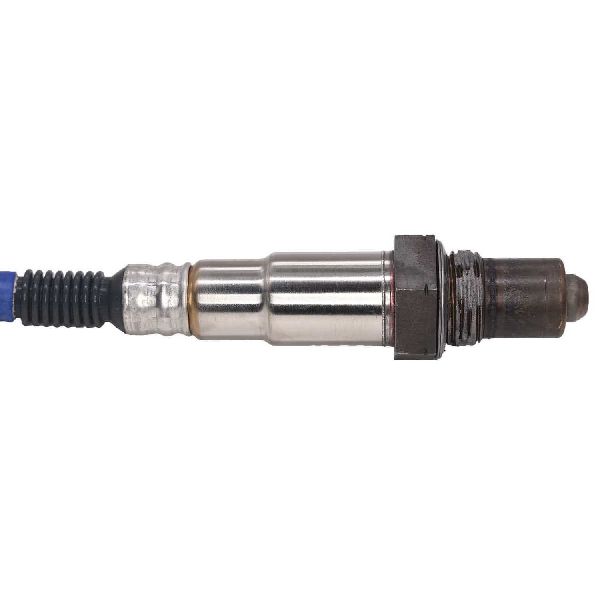
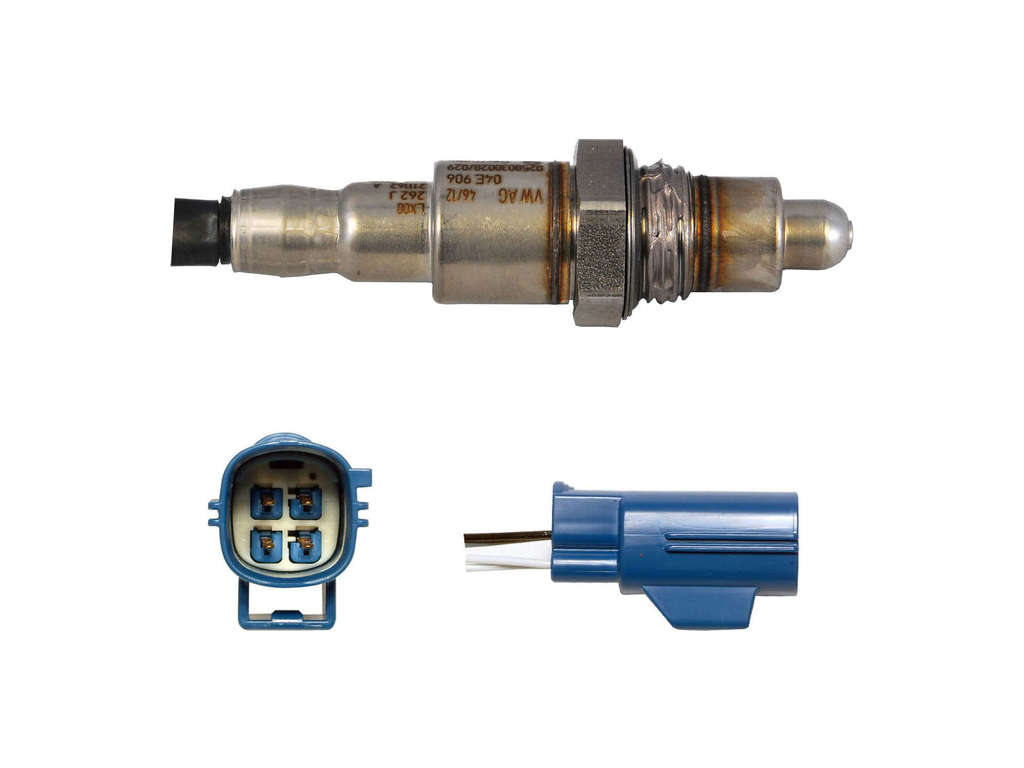
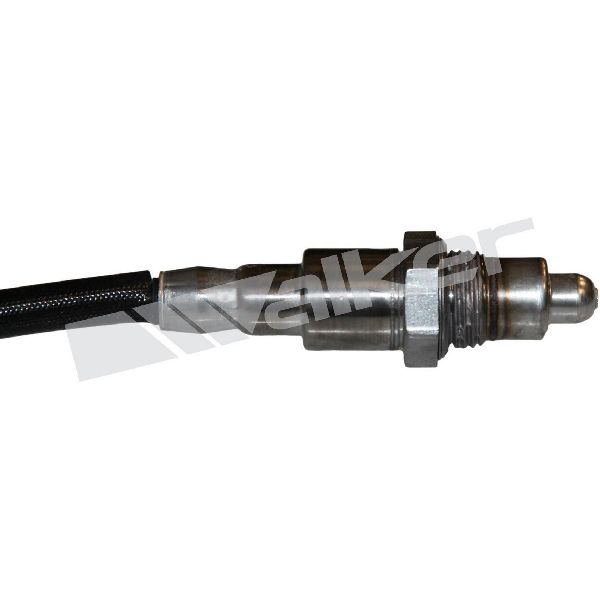
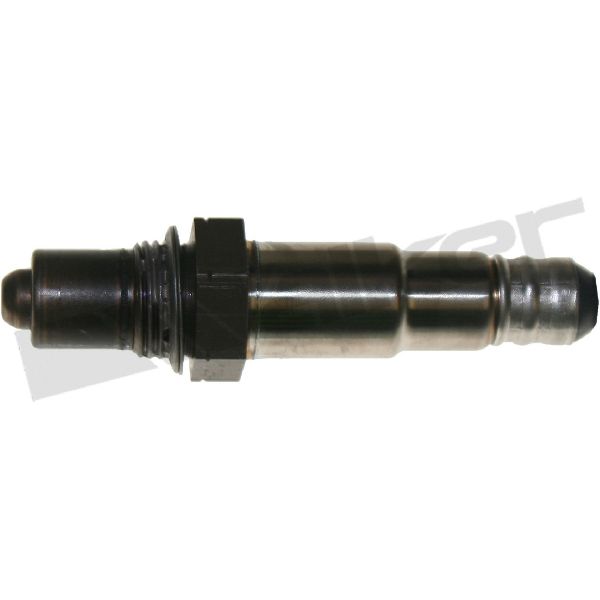
- Upstream Oxygen Sensor (Bank 1, Sensor 1)
(OEM #FPLA-9D375-AA)— If the wiring is confirmed to be good, the sensor's internal circuitry has likely failed, which is a common wear item and the second step in the official TSB diagnostic procedure. Soot fouling can also cause failure.
Trusted brands: Bosch (OEM), Genuine Land Rover
OEM price range: $150-$250
Aftermarket price range: $75-$150
Related Codes That Often Appear With This One
- P0030 — This code relates to the O2 sensor heater control circuit. Since the wiring for the heater and the sensor signal are in the same harness, a wiring fault that triggers P2251 can easily trigger P0030 as well. The official TSB LTB01191NAS2 lists these codes together as the primary concern.
Technical Service Bulletins (TSBs) & Recalls
- LTB01191NAS2: 'Engine MIL Illuminated With DTC P0030-29 and/or P2251-13 Stored' - This TSB directly addresses the code for the specified vehicle and engine, instructing technicians to check for wiring faults before replacing the O2 sensor.
- LTB01191NAS1: An earlier version of the same TSB.
- SSM72448: A general service message that lists P2251 among many other oxygen sensor-related codes for JLR vehicles.
Platform-Specific Known Issues
- A known issue on 2016-2018 models with the 3.0L TDV6 Diesel engine is a fault in the O2 sensor circuit, as documented in TSB LTB01191NAS2.
- The wiring harness for the upstream O2 sensor is susceptible to chafing and breaking, particularly where it is routed near the engine or through body grommets.
Mechanic-Grade Diagnostic Values
- O2 Sensor Heater Circuit Resistance — expected: 4-19 Ohms. Failure: A reading of infinite resistance (open circuit) or a value outside the specified range.
- Wiring Harness Voltage Drop — expected: Less than 0.2V. Failure: A voltage drop greater than 0.2V between the PCM connector and the sensor plug indicates high resistance in the wiring.
- Upstream O2 Sensor Live Data Voltage (at idle) — expected: Fluctuating rapidly between approximately 0.1V and 0.9V.. Failure: Voltage is stuck flat, unresponsive, or fixed at a specific value (e.g., 0.45V).
Hidden / Shadow Codes Worth Checking
- P2251-13: This is the JLR-specific sub-code for P2251, which directly translates to 'Circuit Open'. It confirms the PCM is seeing a complete break in the negative current control circuit. (see via JLR-specific diagnostic tools like SDD or Pathfinder, though some advanced consumer scanners may also display it.)
Scan Tool Commands That Help
- JLR SDD / Pathfinder: Configure existing module – Powertrain control module — This function should be run after replacing the O2 sensor or repairing wiring to ensure the PCM is correctly calibrated to the new/repaired component. It is typically performed after clearing all DTCs.
Wiring & Ground Locations
- Bank 1 Sensor 1 Connector — On a 2016-2018 Range Rover TDV6 (LHD), the connector is located near the sensor, in the tight space above the transmission and front prop shaft, accessible from behind the passenger-side front wheel.. This connector is the primary point for testing both the sensor and the wiring harness leading back to the PCM. Corrosion or pushed-back pins here can cause the P2251 open circuit code.
- Engine Ground Strap — A key ground strap on the TDV6 runs from the off-side (right side on LHD) wheel arch body, to the chassis, and then to the off-side engine mount.. A poor engine ground can create floating voltages and unstable sensor readings, potentially leading the PCM to incorrectly flag a circuit fault. Ensuring this strap is clean and tight is a crucial step in diagnosing any electrical fault.
Real Owner Repair Stories
- YouTube video 'A Fat American Replaces a Range Rover L405 Td6 Oxygen Sensor' (2016 Range Rover L405 Td6) — Check Engine Light with code P2251-13: 'oxygen sensor negative current control circuit open Bank One Sensor One'.
❌ Tried (didn't work) Owner received a quote for nearly $1000 from an independent shop, with half the cost being the sensor itself.
✅ What actually fixed it The owner replaced the Bank 1 Sensor 1 oxygen sensor himself. He noted the sensor was likely fouled by soot from a previous issue. He sourced an OEM Bosch sensor (updated P/N 0 281 004 706) from eBay for a fraction of the dealer price and successfully installed it despite the very tight access above the prop shaft, using a magnet to help manipulate the O2 sensor socket.
OEM Part Supersession History
FPLA-9D375-AA (JLR) / 0281004601/602 (Bosch)→0 281 004 706 (Bosch)— Standard part update/revision by the OEM manufacturer, Bosch.
Heads up: The updated Bosch part is a confirmed fit and fix for the 2016 TDV6 model.
Helpful Videos

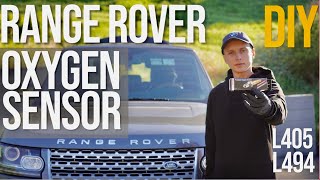
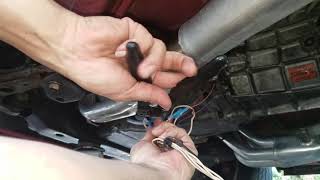

We Have This Part in Stock
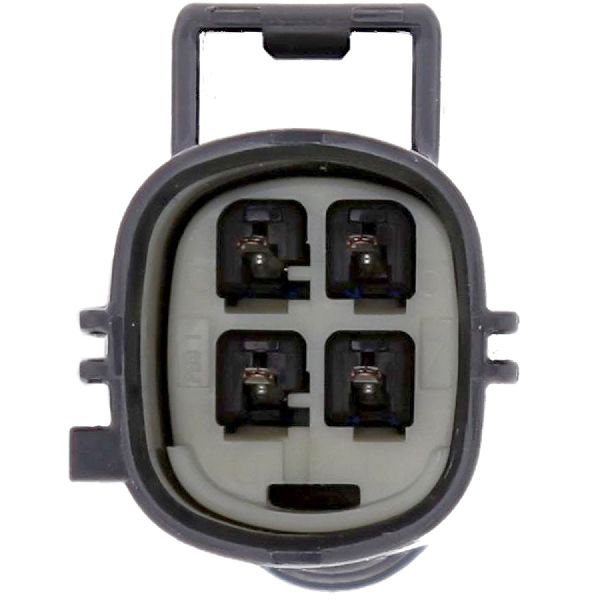
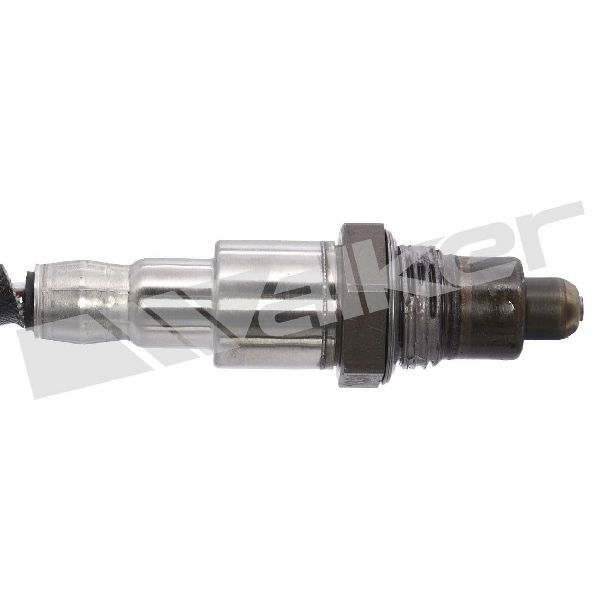

The information in this article is provided for general reference and educational purposes only. Vehicle specifications, procedures, and part compatibility can vary by production date, trim level, and region. Always consult your vehicle's factory service manual and verify part numbers before purchasing or performing repairs. Safety-critical components such as airbags, seat belts, and braking systems should be installed by a qualified professional.
- Land Rover RANGE ROVER:
- 🧭 Diagnostic Flowchart
- 🎬 Helpful Videos
- 🛍️ Shop This Part
- What's Unique About the 2016-2018 Land Rover RANGE ROVER
- Symptoms You May Notice
- Most Likely Causes
- Rare But Worth Checking
- Diagnosis Steps
- Parts You'll Likely Need
- Related Codes That Often Appear With This One
- Technical Service Bulletins (TSBs) & Recalls
- Platform-Specific Known Issues
- Mechanic-Grade Diagnostic Values
- Hidden / Shadow Codes Worth Checking
- Scan Tool Commands That Help
- Wiring & Ground Locations
- Real Owner Repair Stories
- OEM Part Supersession History
- 🎟️ Get 5% Off