

P2261 on 2023-2024 Chevrolet Equinox: Turbo Bypass Valve and ECM Causes
On a 2023-2024 Equinox, code P2261 usually points to a faulty turbocharger bypass valve. However, a key issue for this specific model is a known problem with the Engine Control Module (ECM) that can also trigger this code, as documented in a GM Technical Service Bulletin.
- P2261 on a 2023-2024 Equinox is not a simple diagnosis; it can be the bypass valve itself or the Engine Control Module (ECM).
- A key symptom pointing to the ECM issue is a rattling noise on a cold start, as noted in GM TSB #23-NA-033.
- Do not immediately replace the turbocharger; the fault is almost always a less expensive component like the bypass valve, a vacuum line, or the ECM.
- Due to the potential need for ECM replacement and programming, professional diagnosis is highly recommended. The ECM replacement for this issue is covered by GM's emissions warranty.
What's Unique About the 2023-2024 Chevrolet EQUINOX

While the most common cause for P2261 on any turbocharged car is a faulty bypass valve, the 2023-2024 Equinox and its platform mate, the GMC Terrain, have a specific, documented issue. General Motors issued Technical Service Bulletin #23-NA-033 which identifies a faulty Engine Control Module (ECM) as a primary cause for this code. The bulletin states the condition may be caused by 'repetitive back voltages low enough to trigger ECU short circuit detection,' which can set P2261 and/or cause a cold start rattle. This makes it critical to consider the ECM as a primary suspect, not just the mechanical valve itself.
Diagnostic Flowchart

Tap your situation to follow the diagnostic path that matches what you're seeing on this vehicle.
Symptoms You May Notice
- Check Engine Light is on 🎬 Watch: A quick breakdown of what code P2261 means
- Reduced engine power or sluggish acceleration
- Vehicle enters "Limp Mode"
- Unusual whooshing or fluttering noise when letting off the throttle
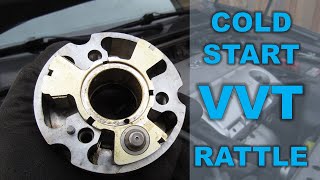
- A rattle noise during a cold start 🎬 See how a technician diagnoses this specific cold start rattle (as noted in TSB #23-NA-033)
- Replacing the entire turbocharger assembly when only the inexpensive bypass valve is faulty.
- Replacing the bypass valve when the actual root cause is a faulty ECM, as per TSB #23-NA-033.
Most Likely Causes

- Faulty Engine Control Module (ECM) 🔴 High Probability → Shop Engine Control Module (ECM) A specific GM Technical Service Bulletin (#23-NA-033) was issued for this model, directly linking P2261 and a rattling noise to an internal ECM fault caused by repetitive back voltages.
How to confirm: This requires a dealer-level diagnosis where they can reference the TSB. The repair is covered under the emissions warranty (8 years/80,000 miles in the U.S.).
Typical fix: Replace the Engine Control Module and program it to the vehicle per the TSB procedure.
Est. part cost: $400-$800 - Faulty Turbocharger Bypass Valve (Diverter Valve) 🔴 High Probability → Shop Turbocharger This is the most common cause for this code across all turbocharged vehicles. The valve can stick open or closed due to carbon buildup, diaphragm failure, or a weak spring.
How to confirm: Inspect the valve for physical damage or sticking. A technician can apply vacuum to test its operation. Also, inspect the wiring and connector to the valve's solenoid.
Typical fix: Replace the turbocharger bypass valve solenoid.
Est. part cost: $140-$210 - Leaking Vacuum Lines 🟡 Medium Probability The bypass valve is often vacuum-actuated. The rubber or plastic lines that supply this vacuum can become brittle, crack, or disconnect, causing the valve to malfunction.
How to confirm: Perform a visual inspection of all vacuum lines connected to the bypass valve and intake manifold. A smoke test is the most effective way to find small leaks.
Typical fix: Replace the damaged vacuum hose(s).
Est. part cost: $10-$50
Rare But Worth Checking
- Wiring or Connector Issue: The wiring harness to the bypass valve solenoid can become damaged, or the connector pins can corrode, leading to an intermittent signal.
- Internal Turbocharger Fault: → Shop Turbocharger In rare cases, a mechanical issue within the turbocharger assembly itself can cause symptoms that trigger a P2261 code.
Diagnosis Steps
- Scan the vehicle's computer for P2261 and any other stored codes.
- Check for applicable Technical Service Bulletins (TSBs), specifically #23-NA-033 for the 2023-2024 Equinox and GMC Terrain.
- Listen for a rattle on cold start, which strongly points towards the ECM issue described in the TSB.
- Visually inspect all vacuum lines running to and from the turbocharger bypass valve for cracks, brittleness, or loose connections.
- Inspect the electrical connector and wiring harness for the bypass valve solenoid for any signs of damage or corrosion.
- If accessible, command the bypass valve open and closed with a capable scan tool to check its response.
- If a vacuum-actuated valve, use a hand-held vacuum pump to test if the valve holds vacuum and actuates correctly.
- If the valve and its circuits test good, diagnosis must shift to the Engine Control Module (ECM) per TSB #23-NA-033, which is a warrantable repair.
Parts You'll Likely Need

- Engine Control Module (ECM)
(OEM #12719250)— A known issue documented in TSB #23-NA-033 identifies a faulty ECM as a primary cause for this code on this specific vehicle.
Trusted brands: ACDelco, GM Genuine
OEM price range: $500-$800
Aftermarket price range: $300-$600 - Turbocharger Bypass Valve Solenoid
(OEM #55499323)— This is the most common mechanical failure point for code P2261. The solenoid controls the valve's operation, and if it fails, the valve will not function correctly.
Trusted brands: ACDelco, GM Genuine
OEM price range: $140-$211
Aftermarket price range: $50-$120
Related Codes That Often Appear With This One
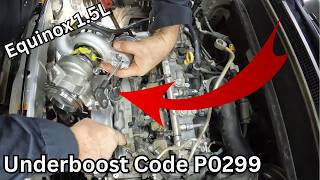
- P0299 — This code indicates a "Turbocharger Underboost 🎬 Watch: Troubleshooting underboost codes on the GM 1.5L engine" condition, which can happen if the bypass valve is stuck open, preventing the turbo from building proper pressure.
- P0234 — This code indicates a "Turbocharger Overboost" condition, which can occur if the bypass valve is stuck closed and cannot vent excess pressure.
Technical Service Bulletins (TSBs) & Recalls
- Bulletin #23-NA-033: ...procedure to replace the ECM to correct customer concerns of a rattle noise during cold start, Malfunction Indicator Lamp (MIL) Illuminated - DTC P2261 Set.
Platform-Specific Known Issues
- TSB #23-NA-033: Some vehicles may have a Malfunction Indicator Lamp (MIL) on with DTC P2261 set, potentially accompanied by a customer concern of a rattle noise during a cold start. The bulletin provides a procedure to replace the ECM to correct this condition. The cause is noted as 'repetitive back voltages' and the repair is covered under the emissions warranty for 8 years/80,000 miles (U.S.) or 8 years/130,000 km (Canada).
Scan Tool Commands That Help
- GM GDS2 (Global Diagnostic System 2): Output Control Functions: Turbocharger Bypass Valve — This function allows a technician to command the bypass valve to cycle on and off, verifying its electrical and mechanical operation without removing it from the vehicle. This is a critical step to differentiate between a failed valve and other issues like a wiring fault or the ECM problem noted in TSB #23-NA-033.
- GM GDS2 (Global Diagnostic System 2): Turbocharger Learn — After replacing a turbocharger or related component like the bypass valve, this procedure should be performed. It allows the ECM to learn the new component's characteristics and adaptive values for precise boost control.
Wiring & Ground Locations
- Engine Compartment Fuse Block - Fuse F25 — In the fuse block located in the engine compartment.. According to a fuse diagram for a similar GM vehicle architecture, fuse F25 supplies power to several engine components, including the 'Turbo Bypass' solenoid. Checking this fuse is a quick and essential first step if the bypass valve is unresponsive to scan tool commands.
Real Owner Repair Stories
- YouTube video on a Hyundai Veloster Turbo (Hyundai Veloster Turbo (year not specified)) — Check Engine Light with code P2261.
❌ Tried (didn't work) The owner had already replaced the bypass valve solenoid, but the code persisted.
✅ What actually fixed it The mechanical diverter valve (blow-off valve) itself had failed. The internal rubber diaphragm had a small hole or tear, preventing it from holding vacuum and operating correctly. Replacing the mechanical valve assembly resolved the code.
OEM Part Supersession History
12680194, 12691559, 12693292, 12693524, 12696017, 12697426, 12698174, 12698175, 12703776, 12711695→12719250— This is the part number for the Engine Control Module (ECM). The extensive list of previous part numbers indicates multiple revisions and updates over the years for this component family.
Heads up: The final part number, 12719250, is the one specified in TSB #23-NA-033 for the fix. Using an older, superseded part number may not resolve the 'repetitive back voltages' issue. The module requires programming by a dealer or qualified shop after installation.12653613→55499323— This is the part number for the Turbocharger Bypass Valve Solenoid. The supersession indicates a design or manufacturing update to the part.
Heads up: Part number 55499323 is the current replacement for the 1.5L Turbo engine in the 2023-2024 Equinox. While the older part may fit, using the latest superseded part is recommended to ensure any design improvements are included.
Model Year Variations Within This Range
- 2023-2024: There are no significant mechanical or engine hardware differences between the 2023 and 2024 Chevrolet Equinox models with the 1.5L LSD engine that would affect the diagnosis of code P2261. The primary changes for the 2024 model year were cosmetic, such as new paint colors and minor adjustments to driver-aid packages. The TSB #23-NA-033 applies equally to both model years.
Helpful Videos
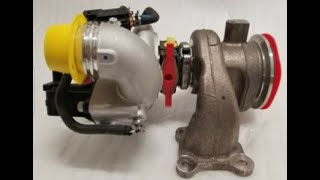
Used OEM Parts in Stock
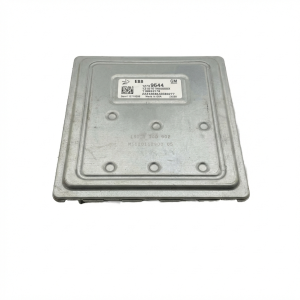
New Aftermarket Parts Available


The information in this article is provided for general reference and educational purposes only. Vehicle specifications, procedures, and part compatibility can vary by production date, trim level, and region. Always consult your vehicle's factory service manual and verify part numbers before purchasing or performing repairs. Safety-critical components such as airbags, seat belts, and braking systems should be installed by a qualified professional.
- Chevrolet EQUINOX:
- 🧭 Diagnostic Flowchart
- 🎬 Helpful Videos
- 🛍️ Shop This Part
- What's Unique About the 2023-2024 Chevrolet EQUINOX
- Symptoms You May Notice
- Most Likely Causes
- Rare But Worth Checking
- Diagnosis Steps
- Parts You'll Likely Need
- Related Codes That Often Appear With This One
- Technical Service Bulletins (TSBs) & Recalls
- Platform-Specific Known Issues
- Scan Tool Commands That Help
- Wiring & Ground Locations
- Real Owner Repair Stories
- OEM Part Supersession History
- Model Year Variations Within This Range
- 🎟️ Get 5% Off