

P2263 on 2016 Chevrolet Express: Turbo Boost Performance Causes and Fixes
On a 2016 Express van with the 6.6L Duramax diesel, P2263 is most often caused by a snow-clogged or frozen air filter, which triggers 'Reduced Engine Power' mode. The fix involves replacing the air filter and installing a winter grille cover (GM Part #20945968). Other causes include charge air cooler (CAC) hose leaks, a cracked EGR cooler bypass pipe (per TSB 17-NA-161), or a sticking turbo actuator due to soot buildup.
- For a 2016 Express Van, P2263 is very frequently caused by a snow-clogged and frozen air filter in cold weather.
- The official GM fix for the snow issue is to replace the air filter and install a winter grille cover (P/N 20945968).
- If the air filter is not the issue, the next most likely causes are a boost leak from a cracked charge air cooler hose or a sticking variable geometry turbo (VGT).
- The vehicle will enter 'Reduced Engine Power' mode, making it sluggish and difficult to drive, so a prompt diagnosis is necessary.
What's Unique About the 2016-2016 Chevrolet EXPRESS
The 2016 Chevrolet Express with the 6.6L Duramax LGH engine has a well-documented issue where the air intake system's design makes it prone to ingesting snow and ice in cold weather. This leads to a soaked and frozen air filter, causing a major airflow restriction that directly triggers the P2263 code and a 'Reduced Engine Power' message. General Motors issued a specific Technical Service Bulletin (TSB #PI1164B) to address this exact problem, which is the most common cause for this code on this specific van in winter conditions. Additionally, the LGH engine in these vans is also noted in TSB 17-NA-161 for having a cracked EGR cooler bypass pipe, which can also cause this code.
Diagnostic Flowchart
Tap your situation to follow the diagnostic path that matches what you're seeing on this vehicle.
Symptoms You May Notice
- Check Engine Light is on
- "Service Engine" message displayed
- Vehicle enters 'Reduced Engine Power' mode
- Significant loss of engine power and poor acceleration
- Low boost pressure reading on a gauge
- Unusual whistling or whining noises from the engine bay or turbocharger
- Hissing noise from under the hood during acceleration
- Black or white smoke from the exhaust
- Replacing the turbocharger without first checking for a clogged air filter (especially in winter) or boost leaks in the charge air cooler piping.
- Replacing the VGT actuator when the root cause is soot-seized vanes within the turbocharger housing, which will cause the new actuator to fail prematurely.
Most Likely Causes
- Restricted Air Intake / Clogged Air Filter 🔴 High Probability → Shop Air Cleaner Assembly Per GM TSB #PI1164B, the air intake design on Express and Savana vans can directly ingest snow and ice, which soaks and freezes the air filter element, causing a severe restriction. This is the most widely reported cause for P2263 on these vans in winter.
How to confirm: Visually inspect the air filter element. Look for signs of it being wet, frozen solid, or packed with snow. Check the entire air intake duct for any accumulated ice or snow.
Typical fix: Replace the air filter element. Clear any snow or ice from the air cleaner housing and intake duct. Install the GM-recommended winter radiator grille cover (P/N 20945968) to prevent recurrence.
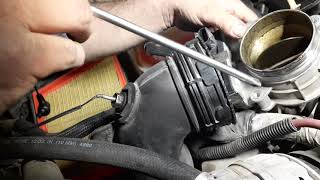
Est. part cost: $30-$70 - Leaking Charge Air Cooler (CAC) Hoses or Connections 🟡 Medium Probability The rubber and plastic components of the charge air system are exposed to high temperatures and pressures. Hoses can become oil-soaked, soft, and spongy, or develop cracks over time, causing boost leaks. The hot-side CAC hose is a common failure point. 🎬 Watch: How to remove the intercooler pipe to check for leaks.
How to confirm: Visually inspect all hoses and clamps between the turbocharger, intercooler, and intake manifold. Look for cracks, tears, oil residue, or loose clamps. A soft, spongy hose may suck itself shut under boost. A smoke test is the most effective way to pinpoint less obvious leaks.
Typical fix: Tighten any loose clamps or replace the damaged hose section. GM TSB 17-NA-114 also notes that loose CAC duct clamps can be a cause.
Est. part cost: $50-$250 - Sticking Variable Geometry Turbocharger (VGT) Vanes or Actuator 🟡 Medium Probability → Shop Turbocharger The Duramax engine, especially in vans that see a lot of idle time or short trips, can accumulate soot in the turbocharger housing from the EGR system. This soot can cause the VGT vanes, which control boost, to stick or move slowly.
How to confirm: Use a capable bidirectional scan tool to command the VGT actuator through its range of motion while monitoring the vane position sensor data. If the actual position doesn't match the commanded position, the vanes are likely sticking. You can also remove the actuator and manually move the sector gear on the turbo to feel for binding.
Typical fix: In some cases, the turbocharger can be removed and professionally cleaned. More often, the entire turbocharger assembly is replaced. Driving the vehicle under heavy load periodically can help clean out some soot.
Est. part cost: $1500-$2500 - Faulty Boost Pressure Sensor (MAP Sensor) ⚪ Low Probability The Manifold Absolute Pressure (MAP) sensor on Duramax engines can become clogged with soot from the EGR system, leading to slow or inaccurate readings that don't match the actual boost pressure.
How to confirm: With the engine off, use a scan tool to check if the boost pressure sensor reading (MAP) matches the barometric pressure sensor reading. If they differ significantly, the sensor is likely faulty. The sensor can also be removed and visually inspected for soot buildup.
Typical fix: Remove and clean the sensor with a dedicated electronic parts or MAF sensor cleaner. If cleaning does not resolve the issue, replace the sensor. The OEM part number is 25203477 (which supersedes 12643955).
Est. part cost: $40-$100
Rare But Worth Checking
- Cracked EGR Cooler Bypass Pipe: → Shop Exhaust Gas Recirculation (EGR) Valve A known failure point documented in TSB 17-NA-161 for 2011-2016 Duramax engines can cause a hissing noise, exhaust smell in the cabin, and set P2263 and/or P0299. The fix is to replace the pipe (GM P/N 12632253).
- Failed Turbocharger: → Shop Turbocharger While other components are more likely to fail, a mechanical failure within the turbocharger itself, such as worn bearings or damaged turbine wheels, will cause a loss of boost and trigger this code.
Diagnosis Steps
- Check the air filter and air intake housing for snow, ice, water, or excessive debris. This is the most common cause per TSB PI1164B.
- If the air filter is clear, perform a thorough visual inspection of the entire charge air system, from the turbo outlet to the intake manifold. Look for cracked hoses, loose connections, or signs of oil residue that would indicate a leak. Pay special attention to the hot-side CAC hose for softness or swelling.
- Use an OBD-II scanner to view live data. Monitor the commanded vs. actual boost pressure during a test drive to see the discrepancy. Also, check the MAP sensor reading against the BARO sensor reading with the key on, engine off.
- If a boost leak is suspected but not visible, perform a boost leak test using a smoke machine or a regulated pressure source to pressurize the system and find the leak.
- Inspect the EGR cooler bypass pipe for cracks or signs of soot, as detailed in TSB 17-NA-161. Listen for a hissing or whistling noise under acceleration.
- Using a bidirectional scan tool, command the turbocharger VGT actuator to move and monitor the vane position sensor's response. If it is slow, erratic, or does not match the command, suspect a sticking VGT mechanism or a faulty actuator.
- If VGT issues are suspected, remove the actuator and manually operate the linkage/sector gear on the turbocharger. It should move smoothly through its full range of motion. If it is stuck or gritty, the turbo needs to be cleaned or replaced.
- If all other components check out, the issue may be with the turbocharger itself. Inspect the turbine wheels for damage and the shaft for excessive play.
Parts You'll Likely Need
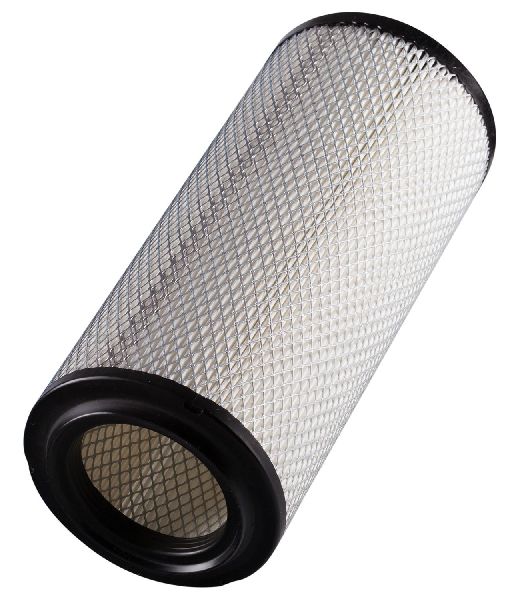
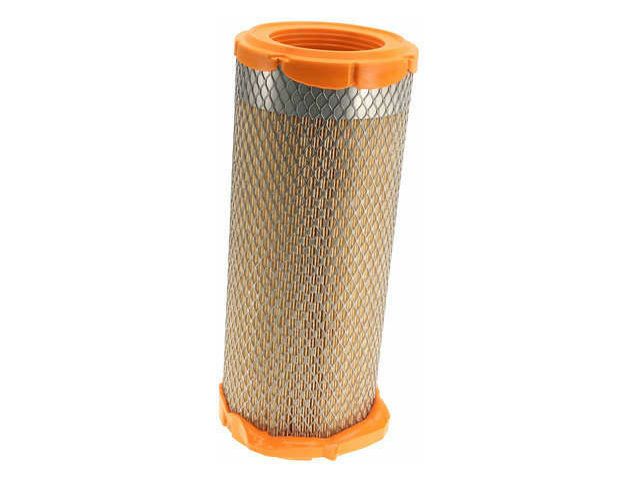
- Engine Air Filter
(OEM #A3132C)— Per TSB PI1164B, this is the most common failure point, as it becomes clogged with snow and ice, restricting airflow and causing the code.
Trusted brands: ACDelco, Wix, Donaldson
OEM price range: $50-$70
Aftermarket price range: $30-$50 - Radiator Grille Cover (Winter Cover)
(OEM #20945968)— This is the official GM-recommended part to prevent the primary cause of this code in cold climates by blocking snow from entering the air intake. Note: GM states this part is included with new vehicles shipped to cold regions and is not responsible for replacement costs if lost. This part number may be superseded by 84174729.
Trusted brands: GM Genuine Parts
OEM price range: $50-$80 - Turbocharger Assembly
(OEM #19419247)— If the VGT vanes are stuck due to soot or if there is a mechanical failure like worn bearings, the entire turbocharger assembly is typically replaced.
Trusted brands: Garrett (OEM), ACDelco
OEM price range: $1800-$2500
Aftermarket price range: $1000-$1600
Related Codes That Often Appear With This One
- P0299 — P0299 indicates a specific 'Turbo Underboost Condition,' which is a common result of the same problems that cause the general P2263 performance code, such as a clogged air filter, boost leak, or a cracked EGR bypass pipe.
- P003A — This code for 'Turbocharger Boost Control 'A' Position Exceeded Learning Limit' often points directly to sticking VGT vanes or a faulty VGT actuator, which is a primary cause of P2263.
- P2563 — This code indicates a performance problem with the 'Turbocharger Boost Control Position Sensor,' which is integral to the VGT system. A fault here will prevent the ECM from correctly controlling boost, leading to P2263.
Technical Service Bulletins (TSBs) & Recalls
- PI1164B: Reduced Engine Power with Service engine message displayed and DTC P2263 Set. This TSB identifies that snow or ice being ingested into the air cleaner housing can cause the code and recommends replacing the filter and installing a winter grille cover.
Platform-Specific Known Issues
- A primary issue for this vehicle is the ingestion of snow and ice into the air cleaner housing, leading to a frozen, blocked air filter and triggering P2263 with reduced engine power, as detailed in GM TSB #PI1164B.
- Owners on forums report this code appearing suddenly while towing up a grade, which can be an early sign of sticking VGT vanes or another underlying issue. A simple key cycle often clears the limp mode temporarily.
Mechanic-Grade Diagnostic Values
- VGT Control Solenoid Coil Resistance — expected: 3.42 to 4.18 Ω (at 73°F / 23°C). Failure: Resistance outside this range indicates a faulty solenoid coil.
- Turbo Vane Position Sensor Signal Voltage — expected: A smooth sweep from approximately 0.5V to 4.5V when the sensor is manually moved through its range.. Failure: Voltage that is stuck, jumps erratically, or does not change smoothly indicates a faulty sensor.
- MAP Sensor vs. Barometric Pressure (Key On, Engine Off) — expected: Both sensor readings should be nearly identical, matching the local atmospheric pressure.. Failure: A significant difference between the two readings points to a faulty MAP sensor or wiring issue.
Scan Tool Commands That Help
- GDS2 (GM Tech Tool): Turbocharger Learn Procedure — This procedure is required after replacing the VGT actuator or vane position sensor to allow the ECM to learn the new component's range of motion. Failure to perform this can cause the P2263 code to persist.
- GDS2 (GM Tech Tool): VGT Actuator Control — Used during diagnosis to command the VGT actuator through its full range of motion while observing live data for the vane position sensor. This helps determine if the actuator is responding correctly or if the vanes are sticking.
Wiring & Ground Locations
- Main Engine Ground — A heavy gauge cable from the negative battery terminal to the engine block, typically near the starter or alternator.. A poor main engine ground can cause voltage drops and electrical noise, affecting the accuracy of sensor readings like the MAP sensor and VGT position sensor, leading to false performance codes.
- Chassis/Block Ground Strap — A braided strap connecting the rear of the engine block (top side) to the vehicle's firewall/chassis.. This is a critical ground path for many sensors and the ECM. Corrosion or breakage of this strap is a common GM truck issue and can lead to a host of intermittent electrical problems and sensor-related fault codes.
- ECM Connector X2, Pin 22 — At the Engine Control Module (ECM).. This is the 'Variable Nozzle Turbo Solenoid High Signal' circuit (Dark Blue wire). Issues with this specific pin or wire can directly cause a loss of VGT control.
- ECM Connector X2, Pin 66 — At the Engine Control Module (ECM).. This is the 'Variable Nozzle Turbo Position Sensor Voltage Reference' circuit (Tan wire). A fault here would starve the position sensor of its reference voltage, causing incorrect readings and triggering a P2263.
Real Owner Repair Stories
- DuramaxDiesels.com forum user (2016 Chevrolet Silverado 3500, 25,000 miles) — While towing up a grade with tow/haul and exhaust brake active, the truck went into limp mode and set code P2263.
❌ Tried (didn't work) The user had not yet attempted repairs.
✅ What actually fixed it The immediate issue was resolved by pulling over, shutting the truck off, and restarting it. The truck then completed a 400-mile trip without another incident, though the owner planned to have it checked. This indicates the fault was intermittent and could be reset, which is characteristic of a sticking VGT mechanism that frees itself or a sensor reading that temporarily goes out of range under high load.
OEM Part Supersession History
PI1164A→PI1164B— Updated Technical Service Bulletin to address P2263 caused by snow/ice ingestion in the air intake. The newer version likely contains refined procedures or information.12643955→25203477— Part number update for the MAP (Boost Pressure) Sensor. Reasons for supersession often include minor design improvements, change in manufacturer, or consolidation of parts.
Helpful Videos
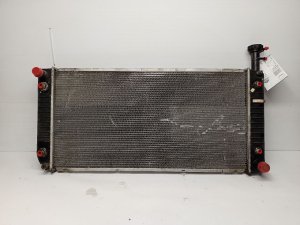
Used OEM Parts in Stock
New Aftermarket Parts Available


The information in this article is provided for general reference and educational purposes only. Vehicle specifications, procedures, and part compatibility can vary by production date, trim level, and region. Always consult your vehicle's factory service manual and verify part numbers before purchasing or performing repairs. Safety-critical components such as airbags, seat belts, and braking systems should be installed by a qualified professional.
- Chevrolet EXPRESS:
- 🧭 Diagnostic Flowchart
- 🎬 Helpful Videos
- 🛍️ Shop This Part
- What's Unique About the 2016-2016 Chevrolet EXPRESS
- Symptoms You May Notice
- Most Likely Causes
- Rare But Worth Checking
- Diagnosis Steps
- Parts You'll Likely Need
- Related Codes That Often Appear With This One
- Technical Service Bulletins (TSBs) & Recalls
- Platform-Specific Known Issues
- Mechanic-Grade Diagnostic Values
- Scan Tool Commands That Help
- Wiring & Ground Locations
- Real Owner Repair Stories
- OEM Part Supersession History
- 🎟️ Get 5% Off