

P2263 on 2011-2015 GMC Savana: Turbo Boost Performance Causes and Fixes
On a 2011-2015 GMC Savana with the 6.6L Duramax engine, code P2263 is most often caused by a restricted air intake from snow or ice clogging the air filter. This triggers a 'Reduced Engine Power' message. The fix is to clear the intake, replace the air filter, and install a winter grille cover (GM Part #20945968). A cracked EGR cooler bypass pipe is another common cause.
- For a 2011-2015 GMC Savana with a 6.6L Duramax, P2263 plus 'Reduced Engine Power' in cold weather almost always points to a snow-clogged air filter.
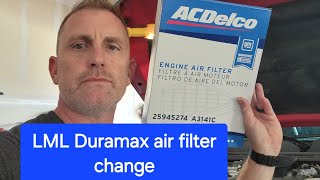
- Before buying any parts, inspect the air filter. If it's wet or frozen, replace it and clear the intake.
- To prevent the issue from happening again, install the GM winter grille cover (Part #20945968).
- If the intake is clear, the next most likely cause is a cracked EGR cooler bypass pipe (Part #12632253), especially if you hear a hissing noise.
What's Unique About the 2011-2015 Gmc SAVANA
The 2011-2015 GMC Savana and its twin, the Chevrolet Express, with the 6.6L Duramax LGH diesel engine have a well-documented vulnerability to this code, particularly in cold climates. Manufacturer Technical Service Bulletins (TSBs) point to the air intake system's design, which can allow snow and ice to be pulled into the air filter housing. This wets and freezes the air filter, severely restricting airflow and causing the turbo to underperform, which sets the P2263 code. GM even provides a specific winter grille cover to prevent this issue, which is supposed to be included with vans shipped to colder regions.
Diagnostic Flowchart
Tap your situation to follow the diagnostic path that matches what you're seeing on this vehicle.
Symptoms You May Notice
- Reduced Engine Power message on the dashboard
- Check Engine Light (Service Engine Soon light) is on
- Noticeable lack of acceleration and sluggish performance
- Whistling or hissing noise from under the hood during acceleration
- Black smoke from the exhaust under acceleration
- Vehicle may stall or have a rough idle
- Replacing the turbocharger immediately without first inspecting the air intake system, especially in winter conditions.
- Replacing the boost pressure sensor without checking for air intake restrictions or boost leaks first.
- Assuming a faulty vane position sensor when the VGT vanes themselves are stuck due to soot.
Most Likely Causes
- Restricted Air Intake / Clogged Air Filter 🔴 High Probability → Shop Air Cleaner Assembly As documented in GM TSB PI1164B, the air intake design on these vans makes them susceptible to ingesting snow and ice, which then clogs the air filter element. This is the most widely reported cause for P2263 on these specific vans in winter conditions.
How to confirm: Visually inspect the air filter element for signs of being wet, frozen, or packed with snow. Check the air intake ducting for any obstructions. The filter may look soaked or completely encased in ice.
Typical fix: Replace the air cleaner element, clear all snow/ice from the air intake housing and ducting, and install the GM winter radiator grille cover (Part #20945968) to prevent recurrence.
Est. part cost: $30-$80 for a new air filter and grille cover. - Cracked EGR Cooler Bypass Pipe 🟡 Medium Probability → Shop Exhaust Gas Recirculation (EGR) Valve GM issued TSB 17-NA-161 for 2011-2016 Duramax engines (including the LGH in the Savana), noting that a cracked EGR cooler bypass pipe can cause boost performance issues and set P2263 along with P0299. This is a known failure point due to heat and vibration.
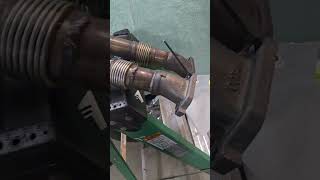
How to confirm: Inspect the EGR cooler bypass pipe for visible cracks or signs of exhaust leaks (soot). A hissing or whistling noise under acceleration is a strong indicator. The pipe is often located in a difficult-to-reach area, sometimes requiring removal of other components for a clear view.
Typical fix: Replace the cracked EGR valve pipe (GM Part #12632253). 🎬 See this walkthrough on replacing a cracked EGR pipe. This can be a labor-intensive job due to the tight spacing around the engine in the van's doghouse.
Est. part cost: $70-$120 for the pipe. - Faulty Boost Pressure Sensor (MAP Sensor) ⚪ Low Probability The sensor itself can become clogged with soot from the EGR system or fail electronically. While not unique to this platform, it's a common failure point on modern diesels.
How to confirm: Use a scan tool to monitor the boost pressure sensor reading (often labeled as MAP). If the reading is erratic, stuck at a certain value, or does not change with engine RPM, the sensor may be faulty. The sensor can be removed and cleaned with a dedicated MAP sensor cleaner as a first step. On the 6.6L Duramax, it is typically mounted on the intake manifold and is relatively easy to access.
Typical fix: Clean or replace the boost pressure/MAP sensor. OEM Part Number examples include 19418812 and 12623671.
Est. part cost: $40-$100 - Boost Leaks (Hoses, Clamps, Intercooler) ⚪ Low Probability
How to confirm: Visually inspect all charge air cooler hoses and clamps between the turbo, intercooler, and intake manifold. Look for cracked, swollen, or oil-soaked hoses and loose clamps. Listen for audible hissing sounds. A smoke test can be performed to pinpoint hard-to-see leaks. A soft or spongy hot-side CAC hose has been known to suck itself shut under boost, causing this code.
Typical fix: Tighten loose clamps or replace cracked/damaged hoses. TSB 17-NA-114 mentions that loose charge air cooler duct clamps can cause leaks.
Est. part cost: $20-$200 depending on which hose needs replacement.
Rare But Worth Checking
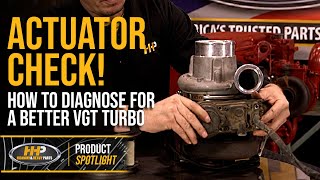
- Sticking Turbocharger Vanes (VGT Actuator): → Shop Turbocharger The variable geometry turbocharger (VGT) vanes can get stuck due to soot and carbon buildup, preventing them from adjusting to create the correct amount of boost. This is more common on higher mileage engines or those that do a lot of idling. The actuator solenoid can also fail. A scan tool can command the VGT position 🎬 Watch: How to diagnose a sticking VGT turbo actuator. to test its operation.
- Failed Turbocharger: → Shop Turbocharger In rare cases, the turbocharger itself may have failed mechanically (e.g., damaged fins, worn bearings). This is a last resort after all other possibilities have been ruled out and is the most expensive repair.
- Wiring Issues to Boost Pressure Sensor: GM TSB PI0759 mentions that intermittent conditions and poor connections in the MAP sensor connector wiring harness can cause P2263 and other related codes on 2011-2012 models.
Diagnosis Steps
- Check for Technical Service Bulletins (TSBs) related to P2263 for your vehicle. Specifically, look for PI1164B (snow ingestion) and 17-NA-161 (cracked EGR pipe).
- Thoroughly inspect the air filter and the entire air intake system for obstructions like snow, ice, or excessive debris. This is the #1 cause on these vans in cold weather.
- If the air filter is wet, frozen, or dirty, replace it and clear the intake tract. Install the winter grille cover (P/N 20945968) if you live in a cold climate.
- Inspect the EGR cooler bypass pipe for cracks or signs of soot, which indicate a leak. Listen for hissing/whistling noises under the hood during acceleration.
- Inspect all charge air hoses and the intercooler for cracks, damage, or loose connections. Pay special attention to the hot-side hose for softness.
- Use a capable OBD-II scanner to monitor live data for desired vs. actual boost pressure while driving. A large discrepancy points to a mechanical issue (leak, restriction) or a sensor problem.
- Remove and inspect the Boost Pressure (MAP) sensor. Clean it with dedicated electronics cleaner if it's covered in soot. Test the sensor and its wiring for proper operation per TSB PI0759.
- As a final step, use a scan tool to command the VGT actuator and listen for changes in turbo pitch. If it doesn't respond, inspect the variable geometry turbocharger (VGT) actuator for movement and check the turbocharger for excessive shaft play or damage.
Parts You'll Likely Need
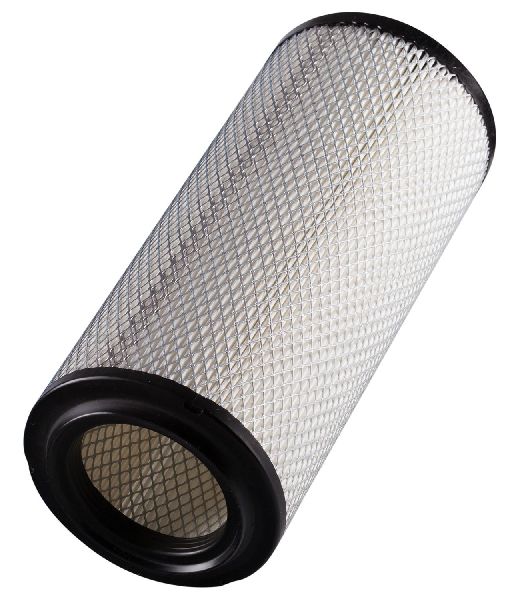
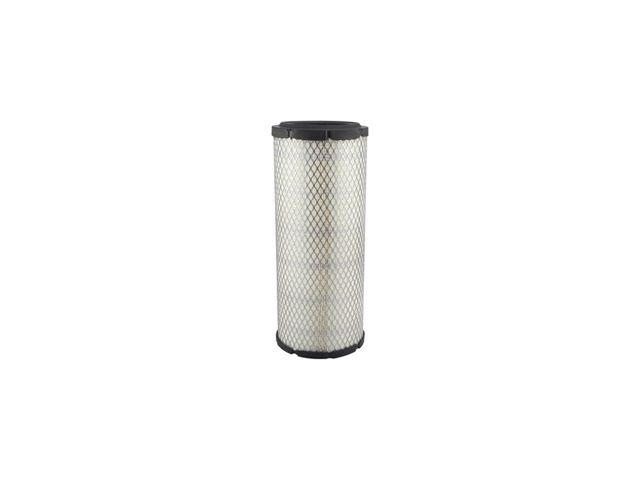
- Air Filter
(OEM #ACDelco A3132C)— Often becomes clogged with snow, ice, or debris, directly causing the P2263 code on this vehicle.
Trusted brands: ACDelco, Wix, Fram
OEM price range: $30-$50
Aftermarket price range: $20-$40 - Radiator Grille Opening Cover (Winter Cover)
(OEM #20945968)— This is the official GM part recommended in TSB PI1164B to prevent snow ingestion into the air intake, which is a primary cause of this code.
Trusted brands: GM Genuine Parts
OEM price range: $40-$60 - EGR Valve Pipe (EGR Cooler Bypass Pipe)
(OEM #12632253)— A known failure point documented in TSB 17-NA-161 that causes boost performance issues and can trigger P2263.
Trusted brands: ACDelco, Dorman
OEM price range: $90-$120
Aftermarket price range: $60-$90
Related Codes That Often Appear With This One
- P0299 — This code means 'Turbocharger Underboost Condition.' It is often seen with P2263 because a cracked EGR pipe, a major boost leak, or a restricted intake will cause the turbo to fail to produce the commanded boost pressure.
- P0106, P0107, P0108 — These codes relate to the Manifold Absolute Pressure (MAP)/Barometric Pressure Sensor circuit. A faulty sensor or wiring issue that triggers P2263 can also trigger these codes.
Technical Service Bulletins (TSBs) & Recalls
- PI1164B: Reduced Engine Power with Service engine message displayed and DTC P2263 Set - Points to snow/ice ingestion in the air cleaner.
- 17-NA-161: Exhaust Smell in Cabin, Reduced Engine Power... DTCs P0299 and/or P2263 Set - Identifies a cracked EGR cooler bypass pipe as the cause.
- PI0759: Malfunction Indicator Lamp (MIL) Illuminated, Reduced Engine Power Message Displayed, DTC P0106, P0107, P0108, P0299 or P2263 Set - Suggests checking for poor connections at the MAP sensor wiring harness.
Platform-Specific Known Issues
- A primary issue for the 2011-2015 Savana with the 6.6L Duramax is the air intake's tendency to ingest snow in cold weather, leading to a frozen, restrictive air filter and triggering P2263. GM released TSB PI1164B to address this exact problem.
- These models are also covered by TSB 17-NA-161 for a cracking EGR cooler bypass pipe, another common source of P2263.
Mechanic-Grade Diagnostic Values
- Fuel Rail Pressure Sensor (Cranking) — expected: Greater than 10 MPa. Failure: If less than 10 MPa, indicates a problem with the high-pressure fuel system which could indirectly affect performance.
- Wastegate Actuator Circuit Resistance — expected: Less than 5 Ω. Failure: Resistance greater than 5 Ω suggests a wiring fault between the ECM and the actuator.
Scan Tool Commands That Help
- GDS2 / Tech2: Turbocharger Vane Position Control — This bidirectional command allows a technician to manually command the VGT actuator to different positions (e.g., 0-100%) while the engine is running to verify if the actuator is physically moving and if the turbo vanes are responding. This helps distinguish a stuck vane mechanism from a faulty actuator or sensor.
- GDS2 / Tech2: VGT Actuator Relearn / Turbocharger Learn — After replacing the VGT actuator or the turbocharger assembly, this function must be performed. It allows the ECM to learn the new actuator's minimum and maximum travel limits, ensuring accurate boost control and preventing P2263 from being set due to incorrect position readings.
Wiring & Ground Locations
- MAP Sensor Connector — On the Manifold Absolute Pressure (MAP) sensor, typically mounted on the intake manifold.. TSB PI0759 specifically calls out poor terminal crimps and intermittent connections in this connector as a cause for P2263 on 2011-2012 models. Wiggling the harness while monitoring MAP data can help identify a fault.
- Cab-to-Engine Ground Strap — Connects from the vehicle cab (firewall) to the rear of the engine block, typically on the driver's side head.. A poor or corroded main ground connection between the engine and the body can cause erratic sensor readings and communication issues for the ECM, potentially leading to incorrect performance calculations and triggering codes like P2263.
- Main Engine Block Grounds — There are multiple ground points on the engine block. Key locations include the lower driver's side (three grounds, including a large cable) and the passenger side (three grounds, including the main battery cable).. The ECM and its associated sensors (like the MAP and VGT position sensors) rely on these grounds for a stable reference. A loose or corroded ground can cause voltage fluctuations that lead to false readings and performance codes.
Real Owner Repair Stories
- YouTube user 'The Fit RV' (2013 Chevrolet Express Van with Duramax engine) — Vehicle started dying intermittently, illuminating the Stabilitrak and security system lights. The problem became progressively worse, leading to constant stalling.
❌ Tried (didn't work) Initial diagnosis focused on the Stabilitrak system as indicated by the warning light., Pulled the ABS fuse to disable the Stabilitrak system, but the stalling issue persisted.
✅ What actually fixed it The root cause was a 12V power wire for an aftermarket lift pump that was not secured properly. It had chafed against the alternator, causing an intermittent short to ground. This electrical fault was causing the engine to stall and triggering unrelated warning lights. Securing and repairing the chafed wire resolved all symptoms. - DuramaxDiesels.com forum user (2016 GM 3500 with 25,000 miles) — While towing up a grade with tow/haul mode and exhaust brake on, the truck went into limp mode and set code P2263.
✅ What actually fixed it The user shut the truck off and restarted it. The code cleared and did not return for the remaining 400 miles of the trip. This indicates the condition was intermittent, which is characteristic of the VGT vanes sticking temporarily under high load/heat or a momentary sensor glitch.
Model Year Variations Within This Range
- 2011-2012: TSB PI0759 specifically targets the 2011-2012 models for potential poor terminal crimps in the MAP sensor wiring harness causing P2263. While it could happen on later years, these model years were singled out in the bulletin.
- 2011-2016: The LGH engine in the Savana/Express vans is a de-rated version of the LML engine found in Silverado/Sierra trucks. It uses a smaller Garrett turbocharger and is paired with a GM 6L90E transmission instead of the Allison 1000. This results in lower power ratings (260 hp, 525 lb-ft) compared to its truck counterpart.
Helpful Videos
Used OEM Parts in Stock
New Aftermarket Parts Available


The information in this article is provided for general reference and educational purposes only. Vehicle specifications, procedures, and part compatibility can vary by production date, trim level, and region. Always consult your vehicle's factory service manual and verify part numbers before purchasing or performing repairs. Safety-critical components such as airbags, seat belts, and braking systems should be installed by a qualified professional.
- Gmc SAVANA:
- 🧭 Diagnostic Flowchart
- 🎬 Helpful Videos
- 🛍️ Shop This Part
- What's Unique About the 2011-2015 Gmc SAVANA
- Symptoms You May Notice
- Most Likely Causes
- Rare But Worth Checking
- Diagnosis Steps
- Parts You'll Likely Need
- Related Codes That Often Appear With This One
- Technical Service Bulletins (TSBs) & Recalls
- Platform-Specific Known Issues
- Mechanic-Grade Diagnostic Values
- Scan Tool Commands That Help
- Wiring & Ground Locations
- Real Owner Repair Stories
- Model Year Variations Within This Range
- 🎟️ Get 5% Off