

P2270 on 2014-2017 Subaru Forester: O2 Sensor Stuck Lean Causes and Fixes
On a 2014-2017 Subaru Forester, code P2270 is most often caused by a failing rear oxygen sensor. For turbo models, a specific Technical Service Bulletin (TSB) also points to an ECM software issue that requires an update from a dealer. Always check for exhaust leaks before replacing parts, as this is another common cause.
- P2270 on a 2014-2017 Forester points to the rear oxygen sensor (Sensor 2) reading a 'stuck lean' condition.
- The most common fix is replacing the rear O2 sensor, but it is critical to use a genuine Subaru or OEM-equivalent Denso part.
- Before replacing parts, inspect for exhaust leaks between the catalytic converter and the sensor, and check the condition of the exhaust ground strap.
- If you have a Forester Turbo model, be aware of TSB #11-169-16, which indicates a software update from Subaru may be the actual fix, especially if you also experience surging during acceleration.
What's Unique About the 2014-2017 Subaru FORESTER
While a faulty sensor is a common cause on any vehicle, the 2014-2017 Forester, particularly the 2.0L turbo (FA20DIT) models, has a specific issue identified by Subaru. Technical Service Bulletin #11-169-16 states that this code can be triggered by a software glitch related to phantom knock detection during high intake air temperatures, causing a surge on acceleration. In these cases, the fix is not a new sensor but an ECM software update performed by a dealer. Another TSB, #11-164-16R, also addresses surging on turbo models under high ambient temperatures, which could be related.
Diagnostic Flowchart
Tap your situation to follow the diagnostic path that matches what you're seeing on this vehicle.
Symptoms You May Notice
- Check Engine Light is on
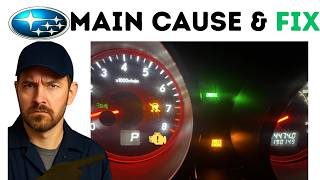
- Flashing cruise control light (a common Subaru behavior when the CEL is on) 🎬 Watch: Why your cruise control light flashes and how to fix it.
- Vehicle will fail an emissions test
- Surge on acceleration (specifically noted for turbo models in TSB #11-169-16)
- Hesitation or loss of power, which may be intermittent at first and worsen over time
- Potential for reduced fuel economy
- Possible rough or unstable idle
- Replacing the front Air/Fuel Ratio sensor (Bank 1, Sensor 1) instead of the rear Oxygen Sensor (Bank 1, Sensor 2). The code specifically points to Sensor 2.
- Replacing the O2 sensor with a cheap, non-OEM brand. Subarus are known to be picky, and an aftermarket sensor may not resolve the code.
- On turbo models, replacing the sensor when the actual root cause is the software issue described in TSB #11-169-16.
Most Likely Causes
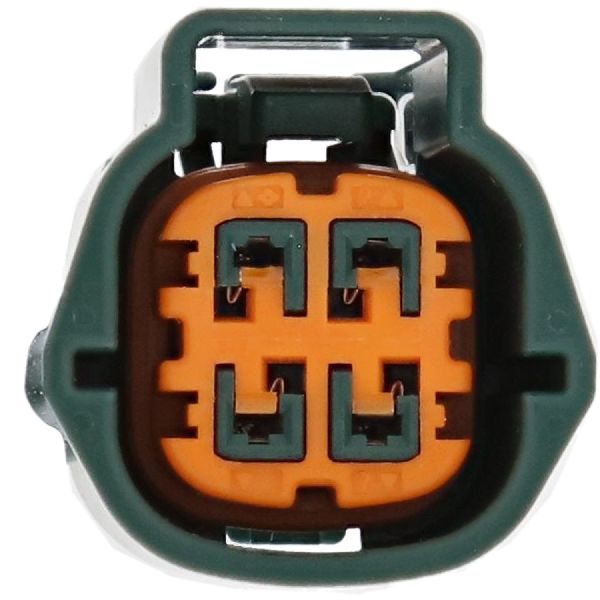
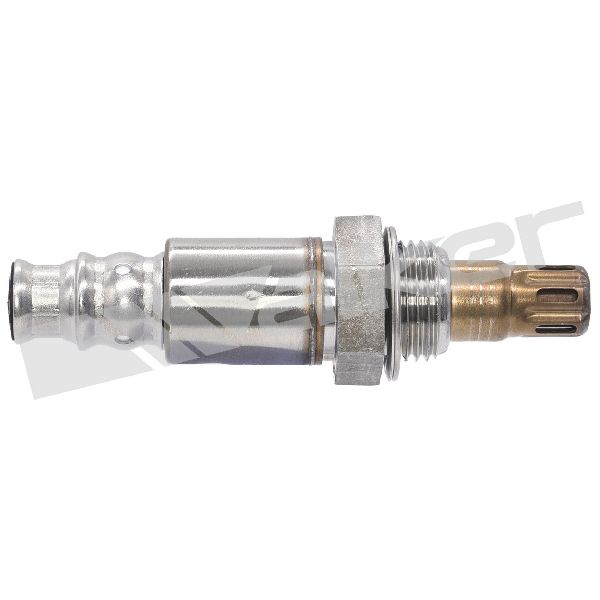
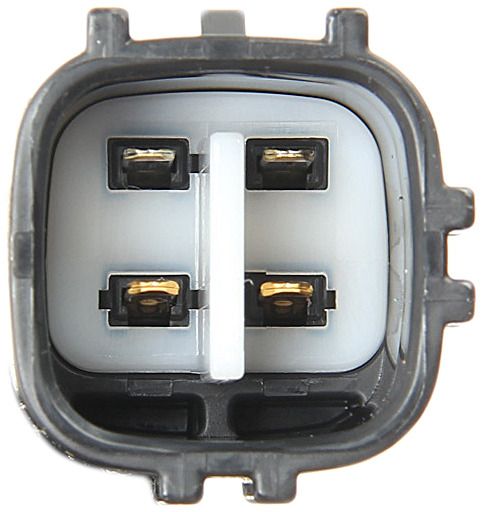
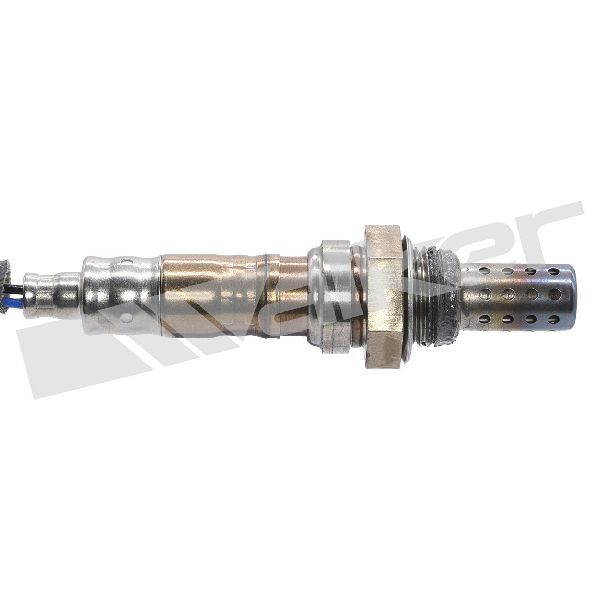
- Faulty Rear Oxygen Sensor (Bank 1, Sensor 2) 🔴 High Probability → Shop Oxygen Sensor Oxygen sensors are wear items that degrade over time from heat and contaminants. Forum users and mechanics widely report this as the most frequent fix. Subarus can be particularly sensitive to aftermarket sensors; using an OEM-equivalent brand like Denso is highly recommended.
How to confirm: Use a scan tool to monitor the live voltage data for Bank 1 Sensor 2. A healthy sensor will show fluctuating voltage. If the voltage is stuck low (e.g., under 0.2V) and does not respond when the engine is revved, the sensor is likely faulty.
Typical fix: Replace the rear (downstream) oxygen sensor. Ensure the electrical connector is clean and secure. 🎬 Watch: Step-by-step guide to replacing the rear O2 sensor. Some owners have also noted the importance of a small grounding strap on the exhaust, which can corrode and cause sensor issues if not intact.
Est. part cost: $60-$180 - ECM Software Update Needed 🟡 Medium Probability Specifically affects 2014-2017 Forester Turbo models as per TSB #11-169-16. The logic for detecting phantom knock can incorrectly trigger this emissions code, especially in high intake air temperatures.
How to confirm: A Subaru dealer or a qualified shop with access to Subaru's technical information can check if your vehicle's VIN has this update pending by referencing the TSB. The new logic was incorporated into production starting with VIN H*486635.
Typical fix: Reprogram the Engine Control Module (ECM) with the updated software file. This is a dealer-only procedure.
Est. part cost: $0 (if under warranty) - $200. Dealer labor rates for reprogramming typically range from $100-$200. - Exhaust Leak 🟡 Medium Probability Rust and corrosion can cause leaks at gaskets or welds in the exhaust system, especially in regions that use road salt. A leak between the engine and the rear O2 sensor allows outside oxygen to enter, which mimics a lean condition.
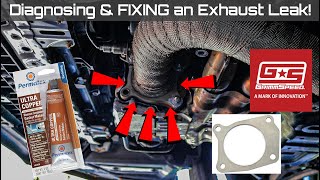
How to confirm: Visually inspect the exhaust system from the engine to the rear O2 sensor for black soot marks, cracks, or holes. Listen for hissing or ticking sounds. A smoke test is the most effective way to find small, hard-to-see leaks. 🎬 See how to find and fix common Subaru exhaust leaks.
Typical fix: Repair the leak by replacing the damaged pipe section, gasket, or by welding the crack.
Est. part cost: $10-$300 - Damaged Wiring or Connector ⚪ Low Probability The wiring is located under the vehicle and is exposed to road debris, moisture, and heat. Oil leaks from above, such as from a camshaft carrier, can also drip onto and contaminate the sensor and its wiring.
How to confirm: Visually inspect the wiring harness and connector for the rear O2 sensor for any signs of melting, corrosion, chafing, oil contamination, or broken wires. Check for a secure connection.
Typical fix: Repair the damaged section of the wiring harness or replace the connector. Clean any oil residue.
Est. part cost: $5-$50
Rare But Worth Checking
- Corroded or Missing Exhaust Ground Strap:
Diagnosis Steps
- Scan for Codes: Use an OBD-II scanner to confirm P2270 is the active code and check for any other codes, like P0137. Note if the cruise control light is flashing, which is typical for Subaru.
- Check for TSBs: For 2.0L turbo models, the first step should be to determine if TSB #11-169-16 applies to your vehicle's VIN. If it does, and you have symptoms like surging, an ECM reflash is the most likely fix.
- Inspect the Exhaust System: Thoroughly inspect for leaks. Look for soot, listen for unusual noises, and feel for escaping air (when the exhaust is cool). A professional smoke test is the most definitive method.
- Inspect Wiring and Grounding: Check the rear O2 sensor's wiring and connector for any signs of damage, melting, oil contamination, or corrosion. Also, locate and inspect the exhaust ground strap for integrity.
- Analyze Live Data: Use a scan tool to watch the voltage of Bank 1, Sensor 2 at idle and while revving the engine. If it's stuck below 0.2V and doesn't fluctuate, the sensor is the primary suspect (assuming no exhaust leaks).
- Replace the Sensor: If the wiring, exhaust, and software are all confirmed to be good, the rear O2 sensor has likely failed. Replace it with a quality OEM (Subaru) or OEM-equivalent (Denso) part.
- Clear Codes and Test Drive: After the repair, clear the codes with a scan tool and perform a test drive to ensure the Check Engine Light does not return.
Parts You'll Likely Need
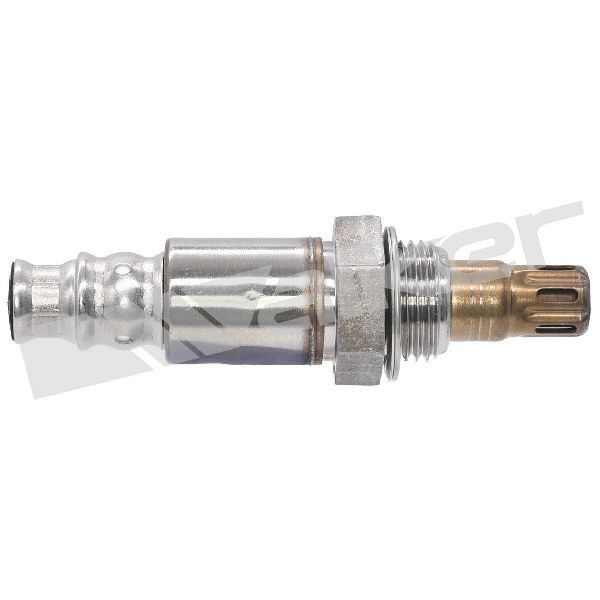
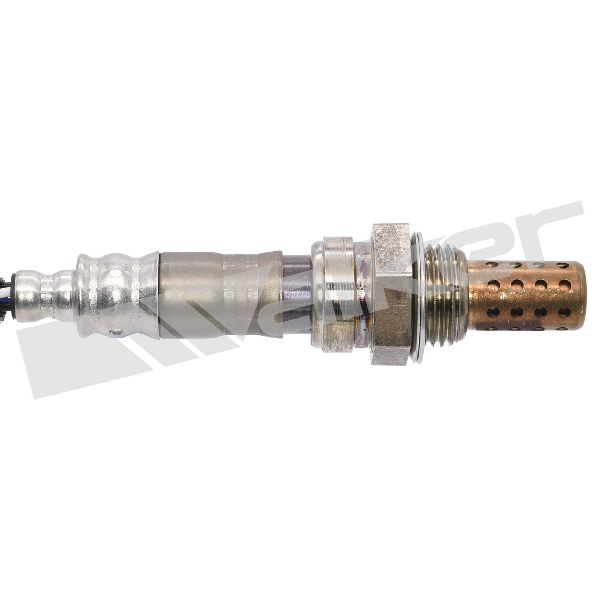
- Rear Oxygen Sensor (Bank 1, Sensor 2)
(OEM #22690AB010)— This sensor is the most common point of failure for code P2270. It either fails internally or becomes contaminated, leading to an incorrect 'stuck lean' signal. Using a quality brand is critical.
Trusted brands: Denso (OEM Manufacturer), NTK, Subaru (OEM)
OEM price range: $150-$220
Aftermarket price range: $60-$120
Related Codes That Often Appear With This One
- P0137 — P0137 (O2 Sensor Circuit Low Voltage Bank 1, Sensor 2) is often seen with P2270. Subaru TSB #11-169-16 explicitly mentions that these codes can appear together for the same underlying software issue on turbo models.
Technical Service Bulletins (TSBs) & Recalls
- Bulletin #11-169-16: Addresses DTC P2270 and/or P0137 on turbo models, which can be caused by a software issue related to phantom knock detection. Recommends an ECM reprogram.
- Bulletin #11-164-16R: A related TSB for 2014-2016 Forester 2.0L Turbo models that addresses a surging/power decrease condition at 2000-2500 RPM in high ambient temperatures, also fixed by an ECM reprogram.
Platform-Specific Known Issues
- TSB #11-169-16 documents an issue on 2014-2017 Forester Turbo models where the ECM software can cause P2270 and/or P0137, along with a surging sensation on acceleration. The fix is a dealer-installed software update.
- Subarus in general can be sensitive to non-OEM oxygen sensors. Multiple owner accounts across different forums suggest that using a Denso or genuine Subaru sensor is the best practice to avoid the code returning.
Mechanic-Grade Diagnostic Values
- Rear O2 Sensor (B1S2) Voltage via Scan Tool — expected: Fluctuating between approximately 0.1V and 0.9V when the engine is at operating temperature.. Failure: Voltage is static or 'stuck' at a low value, typically under 0.2V.
- Rear O2 Sensor Heater Circuit Resistance — expected: Approximately 5 to 8 ohms when tested across the two heater wires (often both white) with a multimeter.. Failure: No reading (open circuit) or a very high resistance (over 50 ohms).
Scan Tool Commands That Help
- Subaru Select Monitor (SSM): Current Data Display & Save — To view live data parameters like 'Rear O2 Sensor' voltage in real-time, which is essential for diagnosing a stuck sensor. The SSM provides manufacturer-specific data PIDs that may be more accurate than a generic OBD-II scanner.
- Subaru Select Monitor (SSM): Clear Memory — After a repair is completed, this function is used to clear the DTC from the ECM. The procedure requires turning the ignition off after the 'Done' message is displayed to finalize the reset.
Wiring & Ground Locations
- Rear O2 Sensor Connector (E25) — On the 2.0L Turbo (FA20DIT) engine, the rear O2 sensor is located in the exhaust downpipe after the catalytic converter. The electrical connector is typically clipped to a bracket on the transmission housing.. This connector and its wiring are exposed to heat and road debris, making them susceptible to damage, which can cause a loss of signal and trigger P2270.
- Exhaust Ground Strap — Subaru vehicles often have one or more braided ground straps connecting the exhaust system to the chassis or engine block. On WRX models with the same engine family, one is known to be on the driver's side connecting the downpipe to the frame, and another on the passenger side. Their exact location on the Forester may vary slightly but they are typically found on the left and right sides of the engine/exhaust assembly.. A corroded or broken ground strap can introduce electrical noise or an improper ground path for the O2 sensor, leading to incorrect readings and fault codes like P2270.
- ECU Main Ground — The Subaru ECU receives its primary ground connection from the top of the intake manifold, not directly from the battery or chassis.. Because the ECU's ground reference is the intake manifold, a poor connection between the engine block, manifold, and chassis can cause a variety of sensor reading issues, including for the oxygen sensors. This makes ensuring all engine ground straps are intact critical.
Real Owner Repair Stories
- Reddit user on r/WRX (2015 Subaru WRX (Stage 2 built motor, shares FA20DIT engine with Forester XT)) — Persistent P2270 code (Rear O2 Stuck Lean) despite passing smog two years prior.
❌ Tried (didn't work) Replaced battery, Replaced rear O2 sensor with an OEM part, Performed smoke test for intake and exhaust leaks (none found), Replaced MAF sensor and MAF extension harness
✅ What actually fixed it The user's final update indicated the issue was still ongoing but that live data showed inconsistent voltage from the rear O2 sensor (sometimes fluctuating normally around 0.7-0.9V, other times stuck around 0.1V), leading them to suspect a wiring issue between the sensor and the ECU as the final unresolved culprit.
OEM Part Supersession History
22690AB010→No official supersession found. This part number remains the current OEM part for the 2014-2018 Forester XT and 2015-2021 WRX.— N/A
Heads up: This is listed as a special order electrical part by some vendors and is non-returnable, emphasizing the need to confirm diagnosis before purchase.
Model Year Variations Within This Range
- 2014-2017 (Turbo Models): As per TSB #11-169-16, the ECM software logic was updated to prevent phantom knock detection from falsely triggering P2270. This new logic was incorporated into production for vehicles with VIN H*486635 and newer. Vehicles produced before this VIN may require the dealer-installed software update to fix the issue.
Helpful Videos
We Have This Part in Stock

The information in this article is provided for general reference and educational purposes only. Vehicle specifications, procedures, and part compatibility can vary by production date, trim level, and region. Always consult your vehicle's factory service manual and verify part numbers before purchasing or performing repairs. Safety-critical components such as airbags, seat belts, and braking systems should be installed by a qualified professional.
- Subaru FORESTER:
- 🧭 Diagnostic Flowchart
- 🎬 Helpful Videos
- 🛍️ Shop This Part
- What's Unique About the 2014-2017 Subaru FORESTER
- Symptoms You May Notice
- Most Likely Causes
- Rare But Worth Checking
- Diagnosis Steps
- Parts You'll Likely Need
- Related Codes That Often Appear With This One
- Technical Service Bulletins (TSBs) & Recalls
- Platform-Specific Known Issues
- Mechanic-Grade Diagnostic Values
- Scan Tool Commands That Help
- Wiring & Ground Locations
- Real Owner Repair Stories
- OEM Part Supersession History
- Model Year Variations Within This Range
- 🎟️ Get 5% Off