

P2299 on 2015-2017 Dodge Caravan: Brake and Accelerator Pedal Conflict Explained
On a 2015-2017 Dodge Caravan, code P2299 almost always means the brake and gas pedals were pressed at the same time. This is a function of the built-in Brake-Throttle Override safety system. The fix is usually changing driving habits ('two-footed driving'), not replacing parts. This is confirmed by multiple manufacturer bulletins.
- P2299 on a Dodge Caravan is almost always a behavioral issue (two-footed driving), not a part failure.
- Before any repairs, check for 'two-footed' driving habits or an obstructed floor mat.
- Do NOT replace the accelerator pedal assembly unless all other possibilities have been exhausted; manufacturer TSBs specifically warn against this.
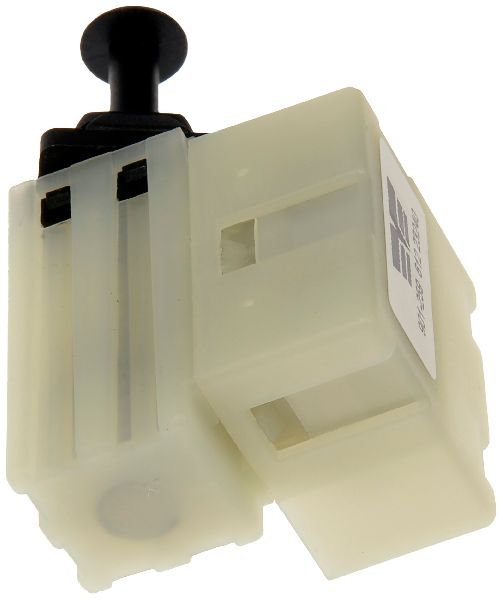
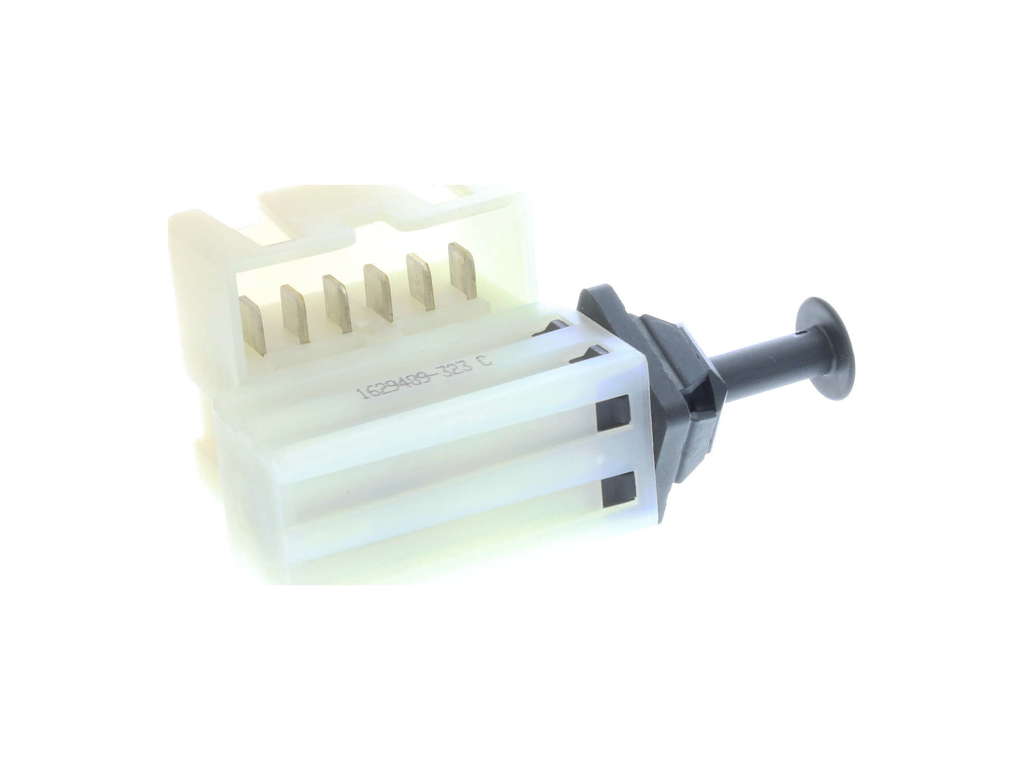
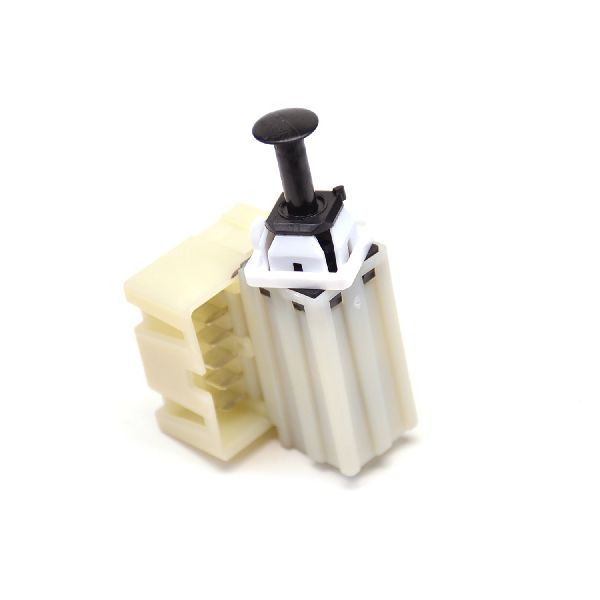
- If a part has failed, the most likely culprit is the inexpensive brake light switch (OEM Part #04671336AD), not the expensive pedal assembly.
What's Unique About the 2015-2017 Dodge CARAVAN
For this generation of Dodge Caravan and its platform-mate, the Chrysler Town & Country, the manufacturer has been very clear about the cause of P2299. They issued Technical Service Bulletins (TSBs) stating this code is overwhelmingly caused by driver habit—specifically, resting a foot on the brake while accelerating (two-footed driving). The TSBs explicitly warn technicians not to replace the accelerator pedal assembly for this fault, as it is rarely the cause. This strong guidance underscores that it's a feature, not a fault, and the first diagnostic step is always to question the driver's habits.
Diagnostic Flowchart
Tap your situation to follow the diagnostic path that matches what you're seeing on this vehicle.
Symptoms You May Notice
- Check Engine Light is on
- Electronic Throttle Control (ETC) or 'lightning bolt' warning light is illuminated
- Reduced engine performance or 'limp mode'
- Poor or no throttle response
- Cruise control is disabled or will not engage
- Vehicle may be hard to start or have a rough idle after the code has been triggered
- Accelerator Pedal Assembly: TSBs #9003413 and #53034160A explicitly warn that the accelerator pedal should not be replaced for this fault, as the cause is almost always driver habit.
Most Likely Causes
- Driver Pressing Both Pedals Simultaneously ('Two-Footed Driving') 🔴 High Probability This is the most common cause, as stated directly in manufacturer TSBs #9003413 and #53034160A. The vehicle's Brake-Throttle Override software is designed to flag this as a fault to prevent unintended acceleration.
How to confirm: Question the driver about their driving habits. Ask if they use their left foot for the brake and right foot for the gas. This is the first and most important diagnostic step. One owner on a Ram forum admitted the code appeared after using two feet to manage a trailer.
Typical fix: Advise the driver to use only their right foot for both pedals. Clear the code with an OBD-II scanner. No parts are required.
Est. part cost: $0 - Improperly Placed or Bunched-Up Floor Mat 🟡 Medium Probability A floor mat that slides forward can hold the accelerator pedal down slightly or prevent it from returning to idle. When the brake is then applied, the PCM sees a conflict.
How to confirm: Visually inspect the driver's side floor area. Ensure the floor mat is properly secured in its anchors and is not interfering with the travel of either the brake or accelerator pedal. A YouTube video for a 2015 Ram 1500 with the same code demonstrated this exact issue was the cause.
Typical fix: Reposition and secure the floor mat. If it's the wrong type or worn out, replace it with a correctly fitting one. Clear the code.
Est. part cost: $0-$70 - Faulty Brake Light Switch (Brake Pedal Position Sensor) ⚪ Low Probability → Shop Brake Light Switch If the brake light switch fails or is stuck in the 'on' position, the PCM will think the brakes are applied even when they are not. When the driver then presses the accelerator, the PCM sees a conflict. This is a common failure point on many vehicles. A recall (U09) was issued for some 2017 models for faulty brake switches.
How to confirm: With the vehicle on and the brake pedal not being touched, check if the brake lights are illuminated. If they are, the switch is likely faulty. A scan tool can also be used to monitor the live data from the brake switch; its status should toggle cleanly between 'On' and 'Off'.
Typical fix: Replace the brake light switch. This is typically a small, inexpensive sensor located at the top of the brake pedal arm.
Est. part cost: $15-$40
Rare But Worth Checking
- Faulty Accelerator Pedal Position (APP) Sensor: → Shop Accelerator Pedal Assembly The manufacturer TSBs specifically warn *against* replacing the accelerator pedal for this code. However, in the rare event that the sensor itself has an internal failure and sends incorrect voltage signals (e.g., reporting 15% throttle at idle) after all other causes are ruled out, it may need replacement.
- Wiring or Connector Issue: Corrosion or damage to the wiring or connectors for either the brake pedal switch or the accelerator pedal sensor can cause erratic signals, leading to the P2299 code. This should be investigated after confirming driver habit is not the cause. Check for rodent damage or chafing near the pedal assemblies.
- PCM Software Issue: On related Chrysler/Dodge/Jeep vehicles, TSBs like #18-086-16 and #18-049-16 have been issued where P2299 can be resolved with a PCM software update (reflash) from a dealer. This suggests the original logic for detecting the fault can sometimes be too sensitive.
Diagnosis Steps
- Read all stored fault codes with an OBD-II scanner. Record any other codes and the freeze frame data.
- Interview the driver about their driving habits, specifically asking if they use two feet to operate the pedals. This is the most critical step.
- Inspect the driver's floor mat to ensure it is properly secured and not interfering with pedal operation.
- Clear the fault code and test drive the vehicle using only the right foot for both pedals. If the code does not return, the issue was driver habit.
- If the code returns, check if the brake lights are stuck on. If they are, the brake light switch is the likely culprit.
- Using a scan tool, monitor the live data for the Accelerator Pedal Position (APP) sensor and the Brake Pedal Position (BPP) sensor. Depress each pedal individually and ensure they report logical values. APP sensor 1 should sweep smoothly from ~0.8V to ~4.5V, and the BPP status should toggle cleanly between 'On' and 'Off'.
- If scan tool data is inconclusive, inspect the wiring harnesses and connectors for both pedal assemblies for any signs of damage, corrosion, or looseness.
- Check for applicable TSBs related to a PCM reflash, especially if the issue is intermittent and no other cause can be found.
- As a last resort, consider performing a throttle body relearn procedure by disconnecting the battery for ~90 seconds, reconnecting, and turning the key to 'ON' (without starting) for 10+ seconds.
Parts You'll Likely Need
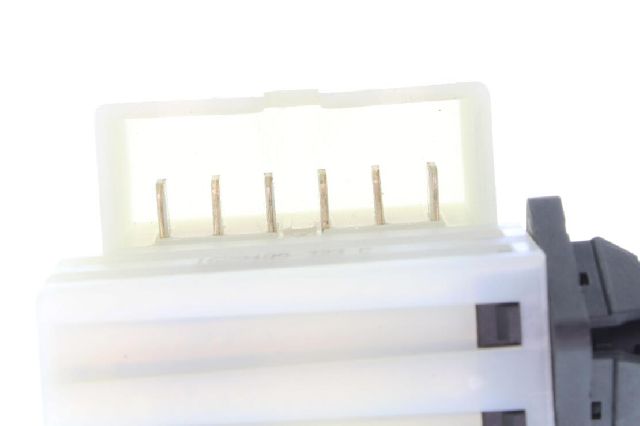
- Brake Light Switch
(OEM #04671336AD)— If the code is not caused by driver habit, a faulty brake light switch stuck in the 'on' position is the next most likely component failure. This part number supersedes previous versions like 4671336AC.
Trusted brands: Mopar, Standard Motor Products, Duralast
OEM price range: $25-$45
Aftermarket price range: $15-$30
Technical Service Bulletins (TSBs) & Recalls
- 9003413: States P2299 is usually caused by a 'two footed driver' and the accelerator pedal should not be replaced for this fault.
- 53034160A: Repeats the warning about 'two footed drivers' and advises checking wiring and connectors before replacing the accelerator pedal.
- 18-086-16: A TSB for the related Dodge Journey which lists P2299 as a code that may be resolved with a PCM software update, suggesting the logic can be overly sensitive.
Platform-Specific Known Issues
- Manufacturer TSBs #9003413 and #53034160A directly address this code, stating it is 'usually caused by a two footed driver and accelerator pedal should not be replaced for this fault.' This is the most significant vehicle-specific issue for P2299 on a Dodge Caravan.
- A recall (Chrysler #U09) was issued for some 2017 Dodge Grand Caravan models for brake switches that could fail, causing the brake lights to stick on or allowing the vehicle to be shifted from Park without the brake applied, both of which can relate to a P2299 code.
Mechanic-Grade Diagnostic Values
- Accelerator Pedal Position (APP) Sensor Signal Voltage — expected: Approximately 0.2–1.0 Volts at idle (pedal at rest), sweeping smoothly up to approximately 3.5–4.8 Volts when fully depressed.. Failure: Voltage is stuck at a certain value, does not change smoothly with pedal movement, or is outside the expected range at rest or full depression.
- Accelerator Pedal Position (APP) Sensor 5-Volt Reference — expected: Approximately 5.0 Volts at the APP sensor connector with the key on.. Failure: Voltage is significantly lower than 5.0V or is absent, indicating a wiring or PCM issue.
- Brake Light Switch Continuity — expected: Using a multimeter in continuity mode, there should be an audible beep (continuity) when the switch's plunger is out (brake pedal pressed) and no beep (no continuity) when the plunger is pushed in (brake pedal released).. Failure: Continuity exists in both states (stuck on) or in neither state (stuck off).
Scan Tool Commands That Help
- wiTECH or equivalent professional scan tool: Live Data Monitoring — This is the primary professional diagnostic step. Use it to view the live status of the 'Brake Light Switch' (On/Off) and the voltage/percentage of the APP sensors simultaneously. This allows a technician to visually confirm the PCM is receiving conflicting signals that trigger P2299.
Wiring & Ground Locations
- Accelerator Pedal Position (APP) Sensor Connector — Located directly at the top of the accelerator pedal assembly, under the driver's side dashboard.. This 6-pin connector is the single point of failure for all signals from the accelerator pedal. Checking for 5V supply, ground, and signal integrity at these pins is a critical diagnostic step. A typical pinout for the 3.6L engine is: Pin 1 (APP Signal 2), Pin 2 (APP Sensor Ground 2), Pin 3 (5V Supply 2), Pin 4 (APP Signal 1), Pin 5 (APP Sensor Ground 1), Pin 6 (5V Supply 1).
- Brake Light Switch Connector — Located at the top of the brake pedal arm, under the driver's side dashboard.. A poor connection or damaged wire at this switch can send a false 'brake applied' signal to the PCM, which will conflict with the accelerator signal and trigger P2299.
- Main Chassis/Engine Grounds — A key ground point is where the main negative battery cable attaches to the chassis. Another is a small, often inadequate, braided strap from the engine block to the frame, near the passenger side motor mount.. These vans are known for having weak factory grounds that can corrode and cause a wide range of intermittent electrical issues, including erratic sensor readings. Cleaning these grounds or adding redundant, heavy-gauge ground wires can solve hard-to-diagnose electrical problems that might manifest as a P2299 code.
Real Owner Repair Stories
- YouTube user comment on 'Dodge Caravan electrical problems SOLVED' (2008 Dodge Grand Caravan 3.3L (Applies to entire generation)) — Multiple electrical issues including stalling, no-start, ESP/BAS lights, and various fault codes.
❌ Tried (didn't work) The owner was considering replacing the starter, ABS module, and Wireless Ignition Module (WIN) based on the symptoms.
✅ What actually fixed it The owner solved all electrical issues for under $20 by adding two heavy-gauge ground cables: one from the battery's chassis ground point to the transmission housing, and another from the alternator bracket to the same chassis ground point, bypassing the weak factory ground strap.
"I Checked Everything" — The Actual Cause
- For code P2299, the equivalent of a 'smoke test clean' scenario is when a technician replaces the Accelerator Pedal Position (APP) sensor assembly based on the code, but the fault persists. The manufacturer TSBs for this platform specifically warn against this misdiagnosis. The actual cause, in this case, is almost always the driver's habit of pressing both pedals simultaneously ('two-footed driving'), which requires no parts replacement to fix.
OEM Part Supersession History
4671336, 4671336AB, 4671336AC→04671336AD— Standard part revision and improvement by the manufacturer.
Heads up: The newest part number (04671336AD) is the correct service replacement for the previous versions.
Model Year Variations Within This Range
- 2017: Certain 2017 Dodge Grand Caravan models were subject to Chrysler recall U09 (NHTSA 18V-098) for a malfunctioning brake switch. The issue was traced to a suspect batch of components used in vehicles built between August and September 2017. A failure of this switch could cause the brake lights to stick on, directly leading to a P2299 fault. Owners of a 2017 model should check if their VIN was included in this recall.
We Have This Part in Stock


The information in this article is provided for general reference and educational purposes only. Vehicle specifications, procedures, and part compatibility can vary by production date, trim level, and region. Always consult your vehicle's factory service manual and verify part numbers before purchasing or performing repairs. Safety-critical components such as airbags, seat belts, and braking systems should be installed by a qualified professional.
- Dodge CARAVAN:
- 🧭 Diagnostic Flowchart
- 🛍️ Shop This Part
- What's Unique About the 2015-2017 Dodge CARAVAN
- Symptoms You May Notice
- Most Likely Causes
- Rare But Worth Checking
- Diagnosis Steps
- Parts You'll Likely Need
- Technical Service Bulletins (TSBs) & Recalls
- Platform-Specific Known Issues
- Mechanic-Grade Diagnostic Values
- Scan Tool Commands That Help
- Wiring & Ground Locations
- Real Owner Repair Stories
- "I Checked Everything" — The Actual Cause
- OEM Part Supersession History
- Model Year Variations Within This Range
- 🎟️ Get 5% Off