

P2299 on 2015-2017 Jeep Wrangler: Brake and Accelerator Pedal Incompatibility Fixes
On a 2015-2017 Jeep Wrangler, code P2299 is almost always caused by the driver pressing the brake and accelerator pedals at the same time ('two-footed driving'). The fix is typically to change driving habits. Do not replace any parts until you have ruled this out. In some cases, a software update may be needed to reduce sensor sensitivity, but part failure is rare.
- P2299 on a Jeep Wrangler is most often a behavioral issue, not a broken part.
- Before any repair, check for two-footed driving habits and inspect for floor mat obstruction.
- Do NOT replace the expensive accelerator pedal assembly unless it has been definitively proven to be faulty through testing.
- If driving habits are not the cause, the next most likely solution is a PCM software update from a Jeep dealer.
- The vehicle may enter a 'limp mode' with reduced power, so it should be addressed for safe operation.
What's Unique About the 2015-2017 Jeep WRANGLER
For the Jeep Wrangler JK platform, this code is exceptionally well-documented in manufacturer Technical Service Bulletins (TSBs). Unlike in many other vehicles where this code might point to a faulty sensor, Jeep explicitly and repeatedly states that P2299 is 'usually caused by a two footed driver'. [Bulletin #9003413, Bulletin #53034160A] This strong manufacturer guidance suggests that owners should heavily scrutinize driving habits before considering any parts replacement. Forum discussions on JK-Forum.com corroborate this, where the first question asked to users with this code is 'Do you drive with two feet?'. The cramped footwell of the Wrangler may also contribute to accidental pedal overlap, especially when wearing bulky footwear like boots.
Diagnostic Flowchart
Tap your situation to follow the diagnostic path that matches what you're seeing on this vehicle.
Symptoms You May Notice
- Check Engine Light is on
- Electronic Throttle Control (ETC) warning light (a lightning bolt symbol) may be illuminated 🎬 Watch: Troubleshooting the Jeep ETC lightning bolt warning light
- Vehicle enters a reduced power or 'limp' mode
- Poor or no throttle response.
- Cruise control may be disabled.
- Brake light warning lamp may flash or stay on.
- Replacing the Accelerator Pedal Position (APP) Sensor. Jeep TSBs #9003413 and #53034160A specifically warn *not* to replace the accelerator pedal for this fault code without thorough diagnosis, as it is usually caused by the driver. This is a costly and typically unnecessary repair for P2299.
Most Likely Causes
- Driver Pressing Both Pedals Simultaneously ('Two-Footed Driving') 🔴 High Probability The PCM logic is sensitive to any overlap between brake and accelerator pedal signals. This is often a learned driving habit, especially for drivers who rest their left foot on the brake pedal. The Wrangler's footwell ergonomics can also make it easier to accidentally press both pedals, especially with large boots. Off-road driving techniques sometimes involve using both pedals, which can trigger this code on-road.
How to confirm: Observe driving habits. Ask the primary driver if they use two feet or rest their left foot on the brake pedal. Clear the code and drive using only the right foot for both pedals to see if the code returns. This is consistently the first diagnostic step recommended in owner forums.
Typical fix: Change driving habits to use only the right foot for both pedals on pavement. No parts are required.
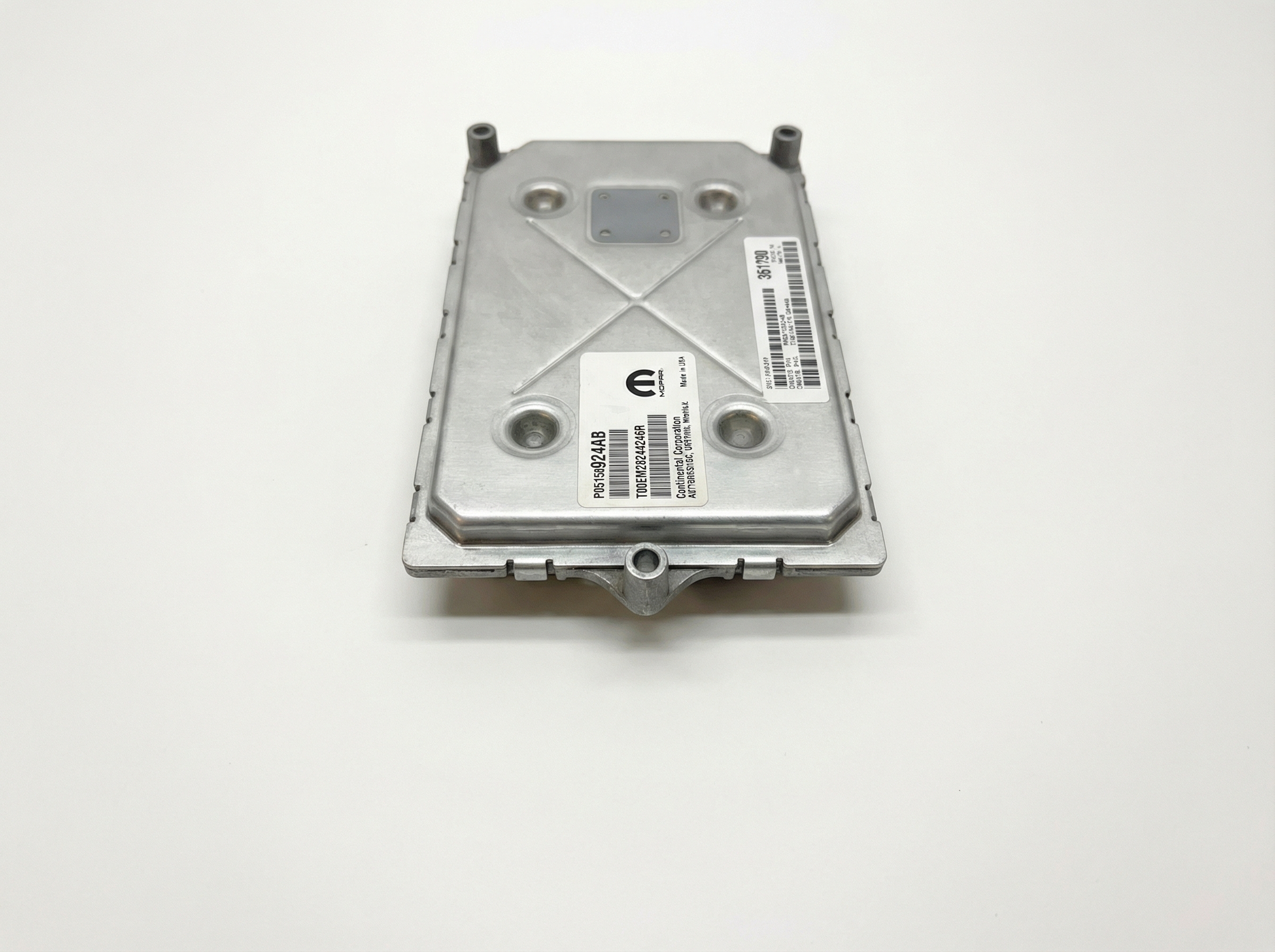
Est. part cost: $0 - Outdated Powertrain Control Module (PCM) Software 🟡 Medium Probability → Shop Engine Control Module (ECM) Jeep has issued software updates to address the sensitivity of the pedal monitoring logic. TSB 18-090-16 mentions a software enhancement for a group of codes including P2299, suggesting the factory calibration may be too sensitive.
How to confirm: A Jeep dealership or a qualified repair shop with a wiTECH scan tool can check the current software calibration ID (CalID) of the PCM and determine if an update is available by checking against FCA's service portal.
Typical fix: Reprogram the PCM with the latest software version. This is often referred to as 'flashing' the computer and typically takes less than an hour. Some dealers may require the symptom to be present before performing a flash under warranty.
Est. part cost: $0 (parts), $100-$250 (labor for flashing) - Floor Mat Interference ⚪ Low Probability Thick or improperly placed aftermarket floor mats can bunch up under the pedals, preventing either the accelerator or brake pedal from returning to its resting position. This has been documented by owners as a cause after getting a vehicle detailed or cleaned.
How to confirm: Visually inspect the floor mats. Ensure they are properly secured by the factory retaining clips and not obstructing the full travel of either pedal. Remove the mats entirely and perform a test drive to see if the code returns.
Typical fix: Reposition, remove, or replace the floor mat.
Est. part cost: $0-$100
Rare But Worth Checking
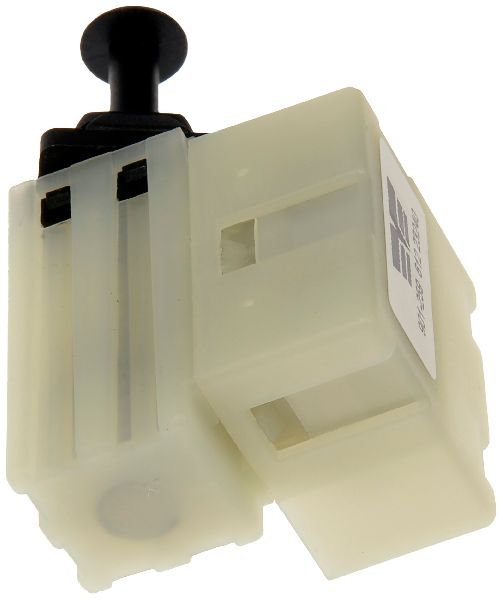
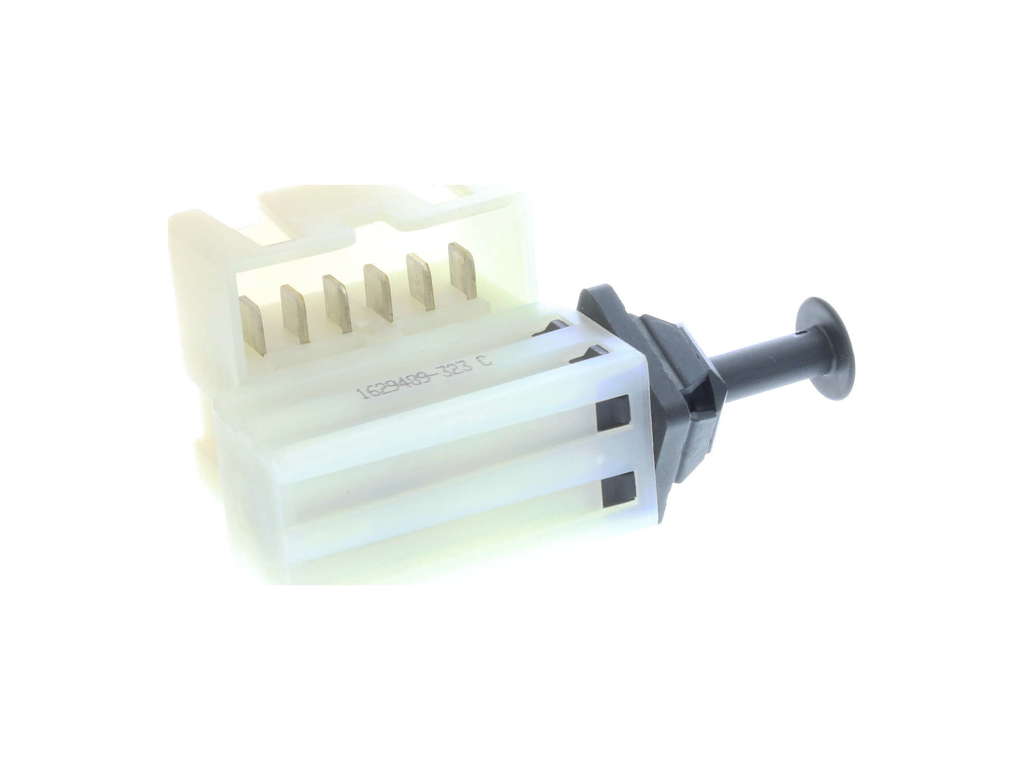
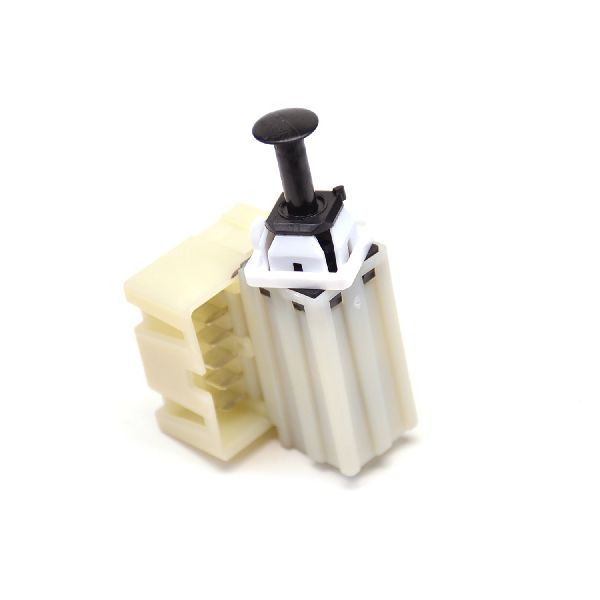
- Failing Brake Light Switch (Brake Pedal Position Sensor): → Shop Brake Light Switch While less common for this specific code on a Wrangler, a faulty brake switch can stick, sending a constant 'brake applied' signal to the PCM even when the pedal is released. This would cause the brake lights to remain on and trigger P2299 when the accelerator is pressed.
- Wiring or Connector Issue: Corrosion or damage to the wiring or connectors for the Accelerator Pedal Position (APP) sensor or the Brake Pedal Position (BPP) sensor can cause erratic signals, triggering the code. The TSBs recommend checking wiring before replacing parts. [Bulletin #53034160A] A visual inspection of the harnesses near the pedals is a good starting point.
Diagnosis Steps
- Question the Driver: The first and most important step is to ask about driving habits. Specifically, ask if they drive with two feet or rest their left foot on the brake pedal. This is the cause cited in multiple TSBs and confirmed in owner forums.
- Inspect Floor Mats: Check for any obstruction around the brake and accelerator pedals. Remove the floor mat entirely and test drive to rule it out completely.
- Clear the Code and Test Drive: Use an OBD-II scanner to clear the P2299 code. Perform a test drive using only the right foot. If the code does not return, the issue is confirmed as two-footed driving.
- Check for TSBs and Software Updates: If the code returns, contact a Jeep dealer or qualified shop to check if the PCM has the latest software. TSB 18-090-16 points to a software fix that can adjust sensitivity.
- Scan Live Data: Use a scan tool to monitor the live data streams for the Accelerator Pedal Position (APP) sensor and the Brake Pedal Position (BPP) sensor. Check if the BPP sensor shows 'On' or 'Applied' when the brake pedal is not being touched. Verify the APP sensor reads 0% at rest and increases smoothly when pressed.
- Inspect Wiring: If sensor data is implausible, visually inspect the wiring harnesses and connectors going to both the accelerator pedal assembly and the brake light switch for any signs of damage, corrosion, or looseness.
- Test Sensors: Only after confirming the above should you consider testing the sensors themselves. A faulty brake light switch is more likely than a faulty accelerator pedal sensor for this code. Replace a sensor only if it fails specific tests outlined in the service manual.
Parts You'll Likely Need
- PCM Software Update — A software update (flash) may be required to adjust the sensitivity of the pedal monitoring logic, as suggested by TSB 18-090-16.
Trusted brands: Mopar (dealer service)
OEM price range: $100-$250 (Labor)
Aftermarket price range: N/A - Brake Light Switch
(OEM #04671336AD (supercedes 4671336AC, 4671336AB))— If diagnostics show the switch is stuck in the 'on' position (e.g., brake lights are always on), it would need replacement. This is a rare cause for this specific code.
Trusted brands: Mopar, Standard Motor Products, Duralast
OEM price range: $20-$40
Aftermarket price range: $15-$30 - Accelerator Pedal Assembly
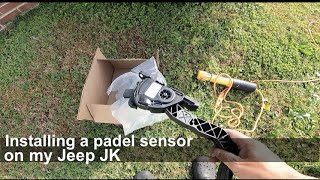
(OEM #53032868AD (supercedes 53032868AC, AB, AA))— This part should only be replaced as a last resort if all other diagnostic steps have been exhausted and the sensor is confirmed to be faulty. Jeep TSBs explicitly 🎬 Watch: Step-by-step guide for installing a new pedal sensor warn against replacing this part for a P2299 code without proper diagnosis. [Bulletin #9003413]
Trusted brands: Mopar
OEM price range: $115-$210
Aftermarket price range: $70-$130
Related Codes That Often Appear With This One
- P0123 — Throttle Position Sensor 1 Circuit High. TSB 18-090-16 lists this code in conjunction with P2299 as being potentially resolved by a software update.
- P0222 — Throttle Position Sensor 2 Circuit Low. Also mentioned in TSB 18-090-16 as part of a group of codes related to a software update.
- U1424 — Implausible Engine Torque Signal Received. This network code can appear when the PCM receives conflicting data, such as the P2299 condition, and is also listed in TSB 18-090-16 and other related TSBs for platform mates.
Technical Service Bulletins (TSBs) & Recalls
- 18-090-16: Mentions a software enhancement that can correct P2299 along with other throttle and engine torque codes.
- 9003413: States that DTC P2299 is usually caused by a two-footed driver and the accelerator pedal should not be replaced for this fault.
- 53034160A: Reiterates that P2299 is usually caused by a two-footed driver and the accelerator pedal should not be replaced for this fault.
Platform-Specific Known Issues
- High likelihood of being caused by 'two-footed driving', as explicitly stated in multiple Jeep Technical Service Bulletins (TSBs). [Bulletin #9003413, Bulletin #53034160A]
- A known software update exists (TSB 18-090-16) that can resolve this and other related throttle body codes, indicating a potential sensitivity issue from the factory.
- The relatively cramped driver footwell may increase the chances of accidental pedal contact, especially when wearing boots or larger shoes.
Mechanic-Grade Diagnostic Values
- Accelerator Pedal Position Sensor 1 (APP1) Voltage — expected: Approximately 0.45V at idle, increasing to approximately 4.6V at wide-open throttle (WOT).. Failure: Voltage is below 0.25V, above 4.8V, or does not change smoothly when the pedal is pressed.
- Accelerator Pedal Position Sensor 2 (APP2) Voltage — expected: Approximately 0.22V at idle, increasing to approximately 2.31V at WOT. The APP2 signal voltage should always be approximately half of the APP1 voltage.. Failure: Voltage does not correlate with APP1 (is not ~50% of APP1), or does not change smoothly with pedal movement.
- APP Sensor 5-Volt Supply at Harness Connector — expected: Between 4.5 and 5.2 volts with ignition on, engine off.. Failure: Voltage is outside the expected range, indicating an open or short in the supply circuit from the PCM.
- Brake Pedal Position Sensor (BPP) Live Data — expected: Should show 'Released' or 'Off' when the pedal is not touched, and 'Pressed' or 'On' as soon as the pedal is depressed.. Failure: The sensor status is stuck 'On' or 'Pressed' even when the pedal is fully released.
Scan Tool Commands That Help
- wiTECH or AlfaOBD: Brake Pedal Calibration — After replacing the brake light switch (Brake Pedal Position Sensor), a calibration may be required to teach the ABS module the new sensor's resting position. Failure to do so can cause the brake lights to stay on, which would trigger P2299 when the accelerator is used.
- Snap-on or similar professional scan tool: Replace/Relearn Brake Pedal Position Sensor — Used after installing a new brake pedal position sensor to initialize the component within the vehicle's control modules. The tool guides the user through the process, which may involve pressing and holding the pedal.
Wiring & Ground Locations
- Accelerator Pedal Position (APP) Sensor Connector — At the top of the accelerator pedal assembly, under the driver's side dashboard.. This 6-pin connector provides power, ground, and signal lines for the two internal pedal sensors. A poor connection, corrosion, or damaged wire at this connector can cause erratic or missing signals, leading to P2299 or other throttle-related codes.
- APP Sensor Pin 1: (K23) APP Signal 1 — Pin 1 on the accelerator pedal connector.. This is the primary signal wire for the first pedal position sensor. An open or short on this circuit will cause a direct failure of the APP sensor reading.
- APP Sensor Pin 2: (F855) 5-Volt Supply — Pin 2 on the accelerator pedal connector.. This wire provides the 5-volt reference from the PCM. Loss of this voltage will cause both internal sensors to fail.
- APP Sensor Pin 4: (K167) Sensor Ground — Pin 4 on the accelerator pedal connector.. This is the ground return circuit for the sensor. A poor ground connection can cause fluctuating voltage readings that the PCM may interpret as a fault.
Real Owner Repair Stories
- YouTube user 'Jeepers Creepers' (Jeep Wrangler JK) — Check engine light and Electronic Throttle Control (lightning bolt) light on. Codes P2135 (Throttle/Pedal Position Sensor/Switch A/B Voltage Correlation) and P0123 (Throttle Position Sensor Circuit High). Vehicle may enter limp mode.
❌ Tried (didn't work) Initially unsure if the problem was the pedal sensor or the throttle body sensor.
✅ What actually fixed it Replaced both the accelerator pedal assembly and the entire throttle body assembly to resolve the correlation codes. While not P2299, the diagnostic process for these related throttle codes is very similar, and this demonstrates a case where part replacement was necessary.
Helpful Videos
Used OEM Parts in Stock
New Aftermarket Parts Available


The information in this article is provided for general reference and educational purposes only. Vehicle specifications, procedures, and part compatibility can vary by production date, trim level, and region. Always consult your vehicle's factory service manual and verify part numbers before purchasing or performing repairs. Safety-critical components such as airbags, seat belts, and braking systems should be installed by a qualified professional.
- Jeep WRANGLER:
- 🧭 Diagnostic Flowchart
- 🎬 Helpful Videos
- 🛍️ Shop This Part
- What's Unique About the 2015-2017 Jeep WRANGLER
- Symptoms You May Notice
- Most Likely Causes
- Rare But Worth Checking
- Diagnosis Steps
- Parts You'll Likely Need
- Related Codes That Often Appear With This One
- Technical Service Bulletins (TSBs) & Recalls
- Platform-Specific Known Issues
- Mechanic-Grade Diagnostic Values
- Scan Tool Commands That Help
- Wiring & Ground Locations
- Real Owner Repair Stories
- 🎟️ Get 5% Off