

P2309 on 2021-2024 Ford Bronco: Ignition Coil 'D' Circuit Low Causes and Fixes
On a 2021-2024 Ford Bronco with the 2.3L or 3.0L EcoBoost engine, code P2309 is most often caused by a PCM software glitch that requires a dealer update per TSB 24-2406. This software issue can incorrectly map the fault code to the wrong cylinder. If software is not the cause, the next most likely culprits are a failed ignition coil or spark plug for the actual misfiring cylinder, which must be identified using a power balance test.
- For a 2021-2024 Bronco, P2309 is very likely a software issue that a Ford dealer must fix by reprogramming the PCM per TSB 24-2406.
- Do not immediately replace the ignition coil or spark plug for cylinder 4 without first checking for the TSB, as you may be wasting money.
- If the TSB doesn't apply or the software is already up to date, the most common hardware failures are the ignition coil and spark plug for cylinder 4.
- A simple diagnostic step is to swap the ignition coil from cylinder 4 with another cylinder to see if the fault code follows the coil.
- Continued driving with this fault can damage your catalytic converter, so it's best to address the issue promptly.
What's Unique About the 2021-2024 Ford BRONCO
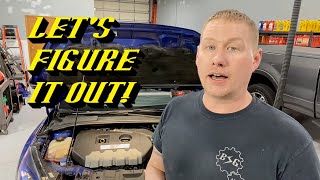
For the 2021-2024 Bronco, this code is frequently not a simple part failure. Ford has issued Technical Service Bulletins (TSBs) 24-2406 and SSM 52342 for both the 2.3L and 3.0L EcoBoost engines, indicating that a software issue within the Powertrain Control Module (PCM) can cause incorrect DTC mapping. This means the PCM may set a code for one cylinder (e.g., P2309 for cylinder 4) when the actual ignition fault is on another. A dealership PCM reprogram is often the first and only required step. SSM 52342 explicitly states that even with the mapping error, a real ignition problem exists and must be diagnosed using a power balance test to find 🎬 Watch: How to perform a Ford power balance test. the true offending cylinder before replacing parts.
Diagnostic Flowchart
Tap your situation to follow the diagnostic path that matches what you're seeing on this vehicle.
Symptoms You May Notice
- Check Engine Light is on.
- Rough or vibrating idle.
- Engine hesitation or stumbling during acceleration.
- Noticeable loss of power.
- Reduced fuel economy.
- Engine may stall in some cases.
- Replacing the ignition coil and spark plug on cylinder 4 (as indicated by P2309) without first performing a power balance test. The actual fault may be on a different cylinder due to the PCM software glitch described in TSB 24-2406, leading to the code returning and unnecessary expense.
Most Likely Causes
- PCM Software Error (Incorrect DTC Mapping) 🔴 High Probability Ford has released TSB 24-2406 and SSM 52342 specifically for this issue on 2021-2024 Broncos with 2.3L and 3.0L engines. This is a widely acknowledged problem for this platform.
How to confirm: A Ford dealership or a qualified shop with a Ford Diagnostic & Repair System (FDRS) scan tool can check the current PCM software version against the latest available update mentioned in the TSBs. The presence of P2309 alongside other ignition codes like P035x is a strong indicator.
Typical fix: Reprogramming the PCM to the latest software level. This is a dealer-only procedure and is often covered under the vehicle's emissions warranty.
Est. part cost: $0 - Faulty Ignition Coil 🟡 Medium Probability → Shop Ignition Coil Coil-on-plug ignition systems are common failure points on many modern engines due to constant exposure to high heat and vibration.
How to confirm: After performing a power balance test with FDRS to identify the *actual* misfiring cylinder, swap its ignition coil with a known good cylinder. Clear the codes and drive the vehicle. If the misfire code moves to the other cylinder, the coil is faulty.
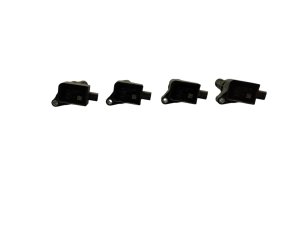
Typical fix: Replace the failed ignition coil. It is often recommended to replace the corresponding spark plug at the same time. The OEM Motorcraft part for the 🎬 See this guide on replacing EcoBoost ignition coils. 2.3L EcoBoost is a common choice.
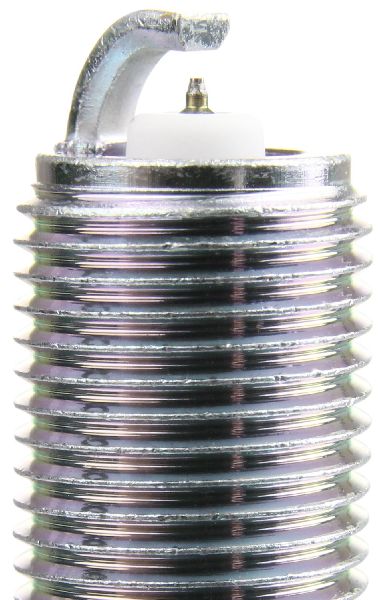
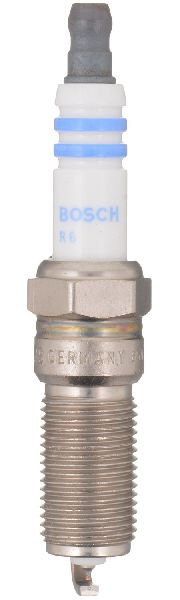
Est. part cost: $40-$90 - Worn or Fouled Spark Plug 🟡 Medium Probability → Shop Spark Plug
How to confirm: After confirming the coil is good, inspect the spark plug in the misfiring cylinder. Look for excessive wear on the electrode, carbon buildup, oil fouling, or a cracked insulator. You can also swap the spark plug with another cylinder to see if the misfire follows.
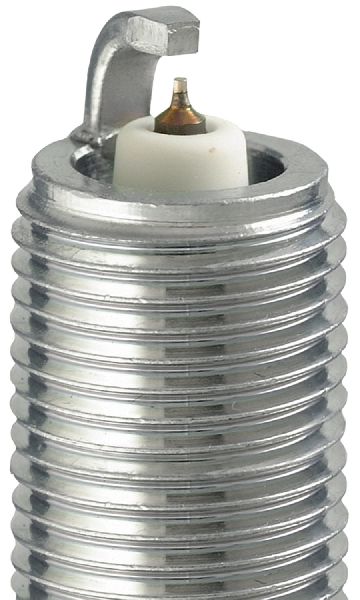
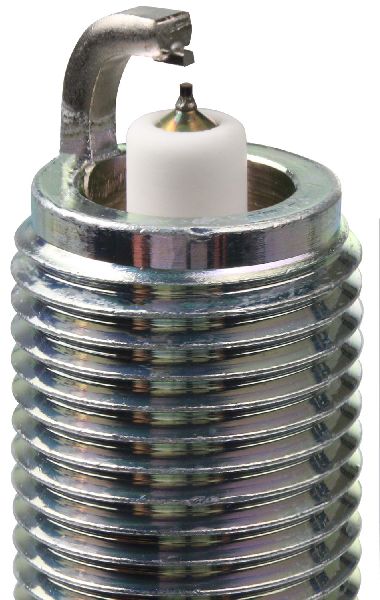
Typical fix: Replace the spark plug. It is best practice to replace all spark plugs as a set 🎬 Watch: Step-by-step spark plug replacement for the Bronco. if they are near the end of their service life (typically around 60,000-100,000 miles for iridium plugs).
Est. part cost: $15-$25 - Damaged Wiring or Connector ⚪ Low Probability
How to confirm: Visually inspect the wiring harness and connector for the identified misfiring cylinder's ignition coil. Look for any signs of chafing, melting, corrosion, or loose pins in the connector. A multimeter can be used to check for continuity and proper voltage at the connector.
Typical fix: Repair the damaged section of the wiring harness or replace the connector pigtail. Motorcraft offers connector kits like WPT-1492 for this purpose.
Est. part cost: $15-$50
Rare But Worth Checking
- Faulty Powertrain Control Module (PCM): → Shop Engine Control Module (ECM) This is very rare. The internal driver circuit for the ignition coil can fail, but all other possibilities, especially the TSB-related software update, must be exhausted before condemning the PCM. A PCM failure is a last resort diagnosis after all components and wiring have been proven to be good. One owner of a 3.5L Ecoboost with similar codes (P2306, P2309) ultimately traced the issue to a failed PCM after extensive wiring diagnostics.
Diagnosis Steps
- Check for Technical Service Bulletins (TSBs): The absolute first step for this specific vehicle and code is to check if TSB 24-2406 or SSM 52342 applies. If the vehicle's PCM has not been updated, a reprogram at a Ford dealership is the most likely fix and should be done before any parts are replaced.
- Read All Fault Codes: Use an OBD-II scanner to confirm P2309 and look for any other related codes, such as misfire codes (P030x) or other ignition circuit codes (P035x).
- Perform a Power Balance Test: As advised by Ford in SSM 52342, use a diagnostic tool like the Ford FDRS to run a power balance test. This test measures the contribution of each cylinder to identify the *actual* source of the misfire, bypassing the incorrect DTC mapping. The cylinder that shows a drop in performance is the one that needs diagnosis.
- Inspect the Correct Ignition Coil and Connector: Based on the power balance test result, visually inspect the ignition coil, wiring, and connector on the *true* misfiring cylinder for any obvious damage, corrosion, or loose connections.
- Swap the Ignition Coil: To test the coil, swap it with an adjacent one (e.g., from cylinder 2 to cylinder 3). Clear the codes and run the engine. If the fault code (or the misfire identified by the power balance test) moves to the new cylinder, the ignition coil is bad and needs replacement.
- Swap the Spark Plug: If the misfire remains on the original cylinder after the coil swap, perform the same test with the spark plug. Move the suspect spark plug to another cylinder and see if the misfire follows.
- Check for Power and Ground: If parts swapping doesn't identify the issue, use a multimeter to verify that the ignition coil connector on the affected cylinder is receiving proper voltage from the PCM and has a solid ground connection.
- Wiring Inspection: If power and ground are good, carefully inspect the signal wire from the coil connector back to the PCM for any breaks, shorts to ground, or chafing against engine components.
- PCM Diagnosis: If all wiring and components check out and the PCM software is confirmed to be up-to-date, the issue may be with the PCM itself, specifically a failed internal driver. This is an uncommon outcome.
Parts You'll Likely Need
- Ignition Coil
(OEM #DG-576 (Motorcraft, for 2.3L))— A faulty ignition coil is a common cause of primary circuit low voltage codes if the TSB does not apply or if a hardware fault is confirmed.
Trusted brands: Motorcraft, NGK, Delphi, Denso
OEM price range: $60-$90
Aftermarket price range: $40-$70 - Spark Plug
(OEM #SP-594 (Motorcraft, for 2.3L & 3.0L), SP-578 (Motorcraft, for 2.3L))— A worn or fouled spark plug can increase resistance and stress the coil, contributing to faults. It's best practice to replace plugs when replacing a coil.
Trusted brands: Motorcraft, NGK
OEM price range: $15-$25
Aftermarket price range: $10-$20 - Ignition Coil Connector Kit
(OEM #WPT-1492 (Motorcraft))— If the connector or pigtail wiring is found to be melted, corroded, or damaged, a replacement kit is needed.
Trusted brands: Motorcraft, Dorman, Standard Motor Products
OEM price range: $40-$55
Aftermarket price range: $20-$40
Related Codes That Often Appear With This One
- P0304 — P0304 indicates a misfire detected on cylinder 4. P2309 is a more specific code explaining that the ignition coil primary circuit for that cylinder is the likely cause of the misfire. However, due to the mapping TSB, the actual misfire could be on another cylinder (e.g., P0302).
- P0354 — This code also relates to the ignition coil 'D' primary/secondary circuit. Both P0354 and P2309 can be triggered by the same fault and are listed together in Ford's TSBs for this issue.
- P2303, P2306, P2312 — These are the equivalent 'Ignition Coil Primary Control Circuit Low' codes for cylinders B, C, and E respectively. Due to the PCM mapping issue described in TSB 24-2406, one of these codes might appear when the actual fault is on a different cylinder.
Technical Service Bulletins (TSBs) & Recalls
- TSB 24-2406: States that some 2021-2024 Broncos with 2.3L/3.0L engines may set various ignition DTCs, including P2309, due to incorrect cylinder-to-DTC mapping in the PCM. The fix is a PCM reprogram. This is the superseding and final TSB for this issue.
- SSM 52342: An earlier bulletin describing the same incorrect cylinder mapping issue. It provides crucial diagnostic advice, telling technicians to use a power balance test to find the true source of the misfire because the code itself is unreliable for locating the fault.
Platform-Specific Known Issues
- A known PCM software issue can cause incorrect cylinder-to-DTC mapping, meaning the code may point to the wrong cylinder. This is documented in TSB 24-2406 and SSM 52342 and is the most critical vehicle-specific issue for this code.
Mechanic-Grade Diagnostic Values
- Ignition Coil Connector Power Supply Voltage — expected: Approximately battery voltage (12V+). Failure: No voltage or significantly low voltage indicates a problem with the fuse, relay, or wiring harness leading to the coil.
- Ignition Coil Primary Circuit Resistance — expected: Typically around 1.0 ohm. Failure: A reading of zero, infinity (OL), or a value significantly outside the expected range can indicate a faulty coil.
Hidden / Shadow Codes Worth Checking
- Mode 6, Test ID $A2-$AF: Mode 6 data can reveal misfire counts per cylinder even before a P030x code is set. For Ford vehicles, these are often listed under Test IDs like $A2 for cylinder 1, $A3 for cylinder 2, and so on. A non-zero value indicates misfires have occurred on that specific cylinder during the current or previous 10 driving cycles. (see via Advanced scan tools like FORScan or professional-grade scanners can access Mode 6 data. This is useful for identifying an intermittent misfire that hasn't yet triggered a check engine light.)
Scan Tool Commands That Help
- Ford FDRS: Power Balance Test — This is the most critical diagnostic step for this code on a Bronco, as mandated by Ford in SSM 52342. It must be used *before* replacing parts to identify the actual misfiring cylinder, bypassing the PCM's incorrect DTC mapping.
- Ford FDRS: Reset Battery Monitor Sensor Learned Values — This should be performed after any battery replacement or significant electrical system work to ensure the charging system and modules operate correctly. While not directly for P2309, electrical instability can cause various PCM issues.
Wiring & Ground Locations
- PCM Connector C175B — This is one of the main connectors for the Powertrain Control Module (PCM).. The control signal for each ignition coil originates from a specific pin on this connector. A poor connection or corrosion at the relevant pin can cause a 'Circuit Low' fault. A pinout diagram is required to test for continuity between this connector and the ignition coil connector.
- Engine Compartment Body Grounds — Inside the engine compartment, along the seam between the cowl and the firewall, there are body grounds screwed into welded nuts on both the driver and passenger sides.. The ignition coils rely on a solid ground connection to function correctly. A loose or corroded ground point can introduce high resistance into the circuit, potentially causing misfires and various electrical faults. While the coils have their own ground wires in the harness, these eventually terminate at a chassis ground point.
- Ignition Coil Fuse — In the engine compartment fuse box.. Fuse F69 (20A) is listed for the ignition coils in the 2021-2022 Bronco fuse diagram. A problem with this fuse would likely affect multiple coils, but it's a primary check for any ignition-related power issue.
Real Owner Repair Stories
- Ford Truck Enthusiasts Forums (2013 Ford F-150 3.5L EcoBoost (Note: Different vehicle but same engine family and codes)) — Misfire with codes P2306 and P2309.
❌ Tried (didn't work) Replacing ignition coil on cylinder 3., Replacing the connector pigtail on cylinder 3.
✅ What actually fixed it The owner performed continuity tests from the PCM connector to the ignition coil connectors and found no signal for cylinders 3 and 4. The PCM was sent out for repair, and upon reinstallation, the problem was resolved. The conclusion was that an unfixed misfire eventually damaged the PCM's internal driver circuits. - Bronco6G Forum (2021+ Ford Bronco (mileage not specified)) — Hesitation and obvious misfire under acceleration.
❌ Tried (didn't work) Refilling with premium gas and clearing codes (issue returned).
✅ What actually fixed it The dealer inspected and gapped the existing spark plugs, then reset the control modules and a function they called the “misfire detection algorithm” under warranty, which resolved the issue. The owner then proactively replaced the spark plugs themselves as a preventative measure, noting that EcoBoost engines are known to have a shorter spark plug life of around 40k-50k miles.
OEM Part Supersession History
DG-574→DG-576, JX6Z12029B— Standard part revision and improvement by the manufacturer.
Heads up: DG-576 is the current recommended Motorcraft ignition coil for the 2.3L EcoBoost in the Bronco.SP-578, SP-542, CYFS092YPT→SP-594 (Motorcraft P/N: CYFS12YRT3)— Standard part revision for improved performance and durability.
Heads up: SP-594 is the current recommended OEM spark plug for 2021-2023 Broncos with both 2.3L and 3.0L engines. Always use iridium plugs as specified for EcoBoost engines.
Helpful Videos
Used OEM Parts in Stock
New Aftermarket Parts Available


The information in this article is provided for general reference and educational purposes only. Vehicle specifications, procedures, and part compatibility can vary by production date, trim level, and region. Always consult your vehicle's factory service manual and verify part numbers before purchasing or performing repairs. Safety-critical components such as airbags, seat belts, and braking systems should be installed by a qualified professional.
- Ford BRONCO:
- 🧭 Diagnostic Flowchart
- 🎬 Helpful Videos
- 🛍️ Shop This Part
- What's Unique About the 2021-2024 Ford BRONCO
- Symptoms You May Notice
- Most Likely Causes
- Rare But Worth Checking
- Diagnosis Steps
- Parts You'll Likely Need
- Related Codes That Often Appear With This One
- Technical Service Bulletins (TSBs) & Recalls
- Platform-Specific Known Issues
- Mechanic-Grade Diagnostic Values
- Hidden / Shadow Codes Worth Checking
- Scan Tool Commands That Help
- Wiring & Ground Locations
- Real Owner Repair Stories
- OEM Part Supersession History
- 🎟️ Get 5% Off