

P2310 on 2021-2024 Ford Bronco 2.3L: Ignition Coil 'D' Causes and Fixes
On a 2021-2024 Bronco with the 2.3L engine, code P2310 often points to a PCM software glitch, not a bad part. A Ford dealer may need to update the software per TSB 24-2406. This issue also affects platform mates like the Ford Ranger. If not software, it's likely a faulty ignition coil on cylinder 4, which costs about $40-$70 for an OEM part.
- Before buying any parts for a P2310 code on a 2021-2024 Bronco, be aware of Ford TSB 24-2406.
- The most likely cause is a software glitch in the PCM that requires a dealer-installed update.
- If hardware is the cause, the code points to the ignition coil or spark plug on cylinder 4 (closest to the driver).
- A simple diagnostic step is to swap the cylinder 4 coil with another cylinder's coil to see if the trouble code follows it.
- Ignoring this code can lead to catalytic converter damage, a much more expensive repair.
What's Unique About the 2021-2024 Ford BRONCO
For this specific generation of Ford Bronco and its platform mates like the Ford Ranger, P2310 is not always a straightforward parts failure. Ford issued Technical Service Bulletins (TSBs) stating that these vehicles can have "incorrect cylinder to DTC mapping within the PCM." In simple terms, the computer can get confused and set a code for the wrong cylinder or set a code when no hardware fault exists. Because of this known software bug, the actual fix is often a PCM software update performed by a dealer, rather than replacing a perfectly good ignition coil. The TSB lists a wide array of ignition codes, including P2310, that can be triggered by this software issue.
Diagnostic Flowchart
Tap your situation to follow the diagnostic path that matches what you're seeing on this vehicle.
Symptoms You May Notice
- Check Engine Light (MIL) illuminated
- Engine misfiring or running rough, especially under load
- Hesitation or stumbling during acceleration
- Reduced engine power
- Rough idle
- Audible popping or "back-fire" from the exhaust during a misfire event.
- Replacing the ignition coil and/or spark plug without first checking for required PCM software updates per Ford's TSBs. This is a very common mistake that can lead to the code returning because the root cause was software, not a physical part.
Most Likely Causes
- PCM Software Requires Update 🔴 High Probability Ford has identified a PCM software issue causing incorrect DTC-to-cylinder mapping, as documented in TSB 24-2406 and SSM 52342. This is the most common cause for this code on this specific vehicle.
How to confirm: A Ford dealer or a shop with access to Ford's service information (like the Ford Diagnostic & Repair System - FDRS) can check if your vehicle's VIN is affected by these TSBs and if a PCM update is available.
Typical fix: Reprogramming the Powertrain Control Module (PCM) to the latest software version using a Ford diagnostic tool. 🎬 Watch: A guide to understanding the Ford PCM reprogramming process. This is a warranty-covered repair if the vehicle is still within its emissions warranty period.
Est. part cost: $0 - Faulty Ignition Coil 🟡 Medium Probability → Shop Ignition Coil Coil-on-plug systems are common failure points on many modern engines due to constant exposure to high heat and vibration in the cylinder head.
How to confirm: Swap the ignition coil from cylinder 4 with one from another cylinder (e.g., cylinder 3). Clear the codes and drive. If the code changes to P2307 (Coil 'C'), the coil is bad. You can also test the coil's primary resistance with a multimeter and compare it to a known good coil; it should typically be between 0.2-2.0 ohms.
Typical fix: Replace the faulty ignition coil on cylinder 4.
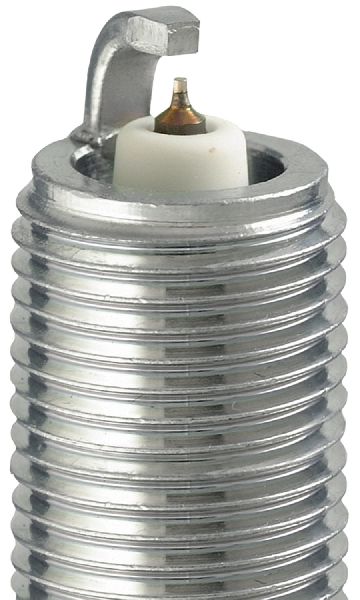
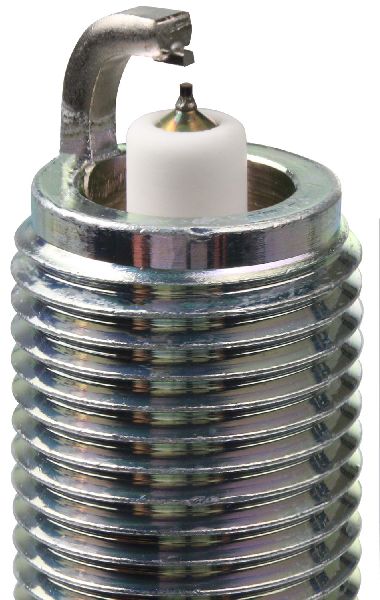
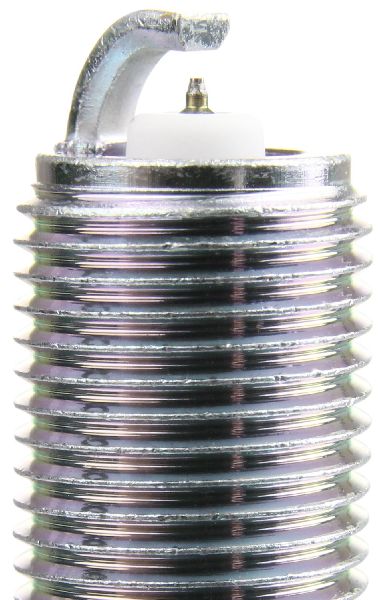
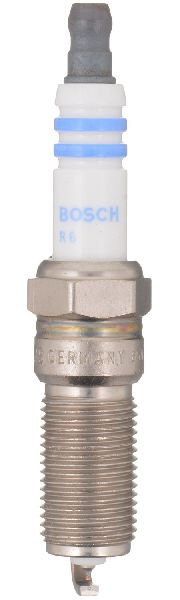
Est. part cost: $40-$100 - Worn or Fouled Spark Plug 🟡 Medium Probability → Shop Spark Plug
How to confirm: After removing the ignition coil, remove the spark plug from cylinder 4 and inspect it for wear, carbon buildup, or oil fouling. A worn electrode or cracked insulator indicates it needs replacement. This should be done after ruling out the coil.
Typical fix: Replace the spark plug in cylinder 4. It is best practice to replace all four spark plugs at the same time to maintain consistent performance.
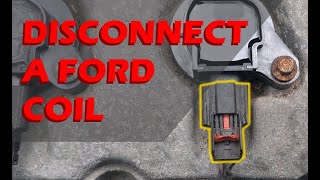
Est. part cost: $15-$30 per plug - Damaged Wiring or Connector ⚪ Low Probability The plastic locking tabs on Ford ignition coil connectors are known to become brittle and break, 🎬 Watch: How to disconnect these fragile connectors without breaking them. leading to a poor connection. The wiring harness can also be susceptible to damage from heat or chafing against other engine components.
How to confirm: Visually inspect the wiring harness and connector going to the ignition coil on cylinder 4. Look for any signs of chafing, breaks, melted plastic, or corroded pins. Wiggle the connector with the engine running to see if it induces a misfire.
Typical fix: Repair the damaged section of the wiring harness or replace the connector pigtail.
Est. part cost: $15-$50
Rare But Worth Checking
- Failed Powertrain Control Module (PCM): → Shop Engine Control Module (ECM) This is very rare. Before condemning the PCM, all other possibilities, especially the TSB regarding a software update, must be thoroughly exhausted. A PCM driver circuit can fail internally, but it's the least likely cause.
Diagnosis Steps
- Read the trouble codes with an OBD-II scanner. Note all present codes and their freeze-frame data.
- Crucial First Step: Check for Technical Service Bulletins (TSBs) for your vehicle's VIN. Specifically look for TSB 24-2406 or SSM 52342. If applicable, the recommended fix is a PCM reprogram at a Ford dealership. Do not skip this step.
- If no TSBs apply or you want to perform physical checks, inspect the wiring and connector for the cylinder 4 ignition coil (closest to the firewall). Ensure it's secure and free of damage, corrosion, or broken locking tabs.
- To test the coil, swap the cylinder 4 ignition coil with the coil from cylinder 3 (which would set code P2307).
- Clear the DTCs and drive the vehicle until the check engine light returns.
- Re-read the codes. If the code has moved to P2307 ('Ignition Coil C'), the ignition coil you moved is faulty and needs to be replaced.
- If the code P2310 returns, the problem is not the coil. The next step is to inspect the spark plug in cylinder 4 for wear or damage.
- If the spark plug is in good condition, the issue is highly likely to be the PCM software glitch, or, in rare cases, a wiring problem or faulty PCM. A professional may need to use a multimeter to check for B+ voltage at the coil connector and test the control wire for continuity back to the PCM.
Parts You'll Likely Need
- Ignition Coil
(OEM #DG-576)— This is the most common hardware failure for this code, after ruling out the software issue.
Trusted brands: Motorcraft, NGK, Denso, MSD
OEM price range: $50-$80
Aftermarket price range: $30-$60 - Iridium Spark Plug
(OEM #SP-594)— A worn spark plug can cause a misfire and should be inspected when replacing a coil. It's often replaced as preventative maintenance.
Trusted brands: Motorcraft, NGK, Bosch
OEM price range: $20-$30
Aftermarket price range: $12-$20 - Ignition Coil Connector Pigtail
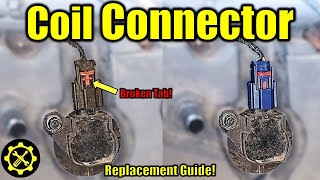
(OEM #WPT-1253 (Verify fitment))— The plastic locking tabs on the original connectors often break, causing a loose connection and intermittent faults. Replacing the pigtail is a common repair. 🎬 See this walkthrough on how to replace damaged coil connectors.
Trusted brands: Motorcraft, Dorman, Ballenger Motorsports
OEM price range: $25-$40
Aftermarket price range: $15-$30
Related Codes That Often Appear With This One
- P0304 — P0304 indicates a misfire on cylinder 4. Since P2310 is an ignition coil fault for cylinder 4, the two codes often appear together as the coil issue is causing the misfire.
- P0354 — This code also relates to the ignition coil 'D' circuit. It can appear with P2310 as they both point to a malfunction in the same ignition system component.
- P2309, P2312, P2313, etc. — The relevant TSBs list a wide range of ignition DTCs that can be set due to the PCM mapping error. Seeing P2310 with other seemingly unrelated coil codes is a strong indicator of the software issue.
Technical Service Bulletins (TSBs) & Recalls
- TSB 24-2406: States that an illuminated MIL with various ignition DTCs, including P2310, may be due to incorrect cylinder to DTC mapping within the PCM and advises a PCM reprogram. This is the primary document for this issue.
- SSM 52342: An earlier Special Service Message describing the same potential for incorrect cylinder to DTC mapping in the PCM for ignition system faults, corroborating the issue described in TSB 24-2406.
Platform-Specific Known Issues
- A known PCM software issue can cause incorrect diagnostic trouble codes for the ignition system to be stored. The official fix is a software update.
- Owners on forums like Bronco6G.com frequently discuss various electronic gremlins and the positive effects of PCM updates, which can sometimes improve performance and drivability beyond just fixing a specific code.
Mechanic-Grade Diagnostic Values
- Ignition Coil Connector Voltage (Power Supply Pin) — expected: Should be equal to battery voltage (approx. 12V) with Key On, Engine Off (KOEO).. Failure: A reading significantly below battery voltage could indicate a wiring or fuse issue. The P2310 code specifically refers to a 'high' circuit, which in this context often means the PCM's control circuit is open, not that the supply voltage is too high.
Scan Tool Commands That Help
- Ford IDS/FDRS: Power Balance Test — This test allows a technician to disable individual cylinders one by one to observe the RPM drop. If disabling cylinder 4 results in no change to engine RPM, it confirms that cylinder is not contributing (misfiring), which helps isolate the fault.
- Ford IDS/FDRS: Ignition Test / Coil-On-Plug Stress Test — This is a specific function within the Ford diagnostic software to actively test the ignition system. It can help determine if the coil is firing correctly when commanded by the PCM, which is more precise than a simple resistance test.
Wiring & Ground Locations
- Engine Bay Body Grounds — Inside the engine compartment, along the seam between the cowl and the firewall, there are body grounds screwed into welded nuts on each side.. The ignition coils rely on a solid ground path to function. While the primary ground is through the PCM driver, poor body or engine grounds can introduce electrical noise and voltage issues throughout the system. Ensuring these main grounds are clean and tight is a fundamental step in diagnosing any electrical fault.
OEM Part Supersession History
DG-574, JX6Z12029A, JX6Z12029B→DG-576— Part has been updated or consolidated by the manufacturer.
Model Year Variations Within This Range
- 2021-2024: No significant variations have been identified for the 2.3L EcoBoost engine's ignition system within this model year range that would specifically alter the diagnosis or common causes of code P2310. The primary issue remains the software glitch covered by TSBs.
Helpful Videos
Used OEM Parts in Stock
New Aftermarket Parts Available


The information in this article is provided for general reference and educational purposes only. Vehicle specifications, procedures, and part compatibility can vary by production date, trim level, and region. Always consult your vehicle's factory service manual and verify part numbers before purchasing or performing repairs. Safety-critical components such as airbags, seat belts, and braking systems should be installed by a qualified professional.
- Ford BRONCO:
- 🧭 Diagnostic Flowchart
- 🎬 Helpful Videos
- 🛍️ Shop This Part
- What's Unique About the 2021-2024 Ford BRONCO
- Symptoms You May Notice
- Most Likely Causes
- Rare But Worth Checking
- Diagnosis Steps
- Parts You'll Likely Need
- Related Codes That Often Appear With This One
- Technical Service Bulletins (TSBs) & Recalls
- Platform-Specific Known Issues
- Mechanic-Grade Diagnostic Values
- Scan Tool Commands That Help
- Wiring & Ground Locations
- OEM Part Supersession History
- Model Year Variations Within This Range
- 🎟️ Get 5% Off