

P2402 on 2011-2017 Hyundai Sonata: EVAP Pump Control Circuit High Causes and Fixes
For a 2011-2017 Hyundai Sonata, code P2402 is almost always caused by a failed EVAP Leak Detection Pump or its corroded electrical connector. The fix typically involves replacing the pump assembly, which is located under the rear of the vehicle near the fuel tank. This is an electrical fault, not a fuel vapor leak.
- P2402 is an electrical fault, not a fuel vapor leak. Do not waste money on a new gas cap.
- The most likely cause is a failed EVAP Leak Detection Pump, located under the rear of the car.
- Before replacing the pump, always inspect its electrical connector for corrosion or damage, as this is a common issue due to its exposed location.
- The vehicle is safe to drive, but the Check Engine Light will remain on and it will not pass an emissions test.
- Ensure you purchase the correct part number, as it differs between the 2011-2014 (YF) and 2015-2017 (LF) Sonata generations.
- Owners of these vehicles should be aware of separate, major issues like
What's Unique About the 2011-2017 Hyundai Sonata
The 2011-2017 Sonata spans two generations, the YF (2011-2014) and LF (2015-2017). While the EVAP leak detection pump has a different part number for each generation, its function, location under the car, and failure modes are consistent across both. The pump and its wiring are highly exposed to road salt and moisture, making corrosion of the connector a very common point of failure leading to this specific electrical code. This issue is also prevalent on platform-mates like the Kia Optima and Hyundai Elantra.
Generation note: This guide covers the YF (2011-2014) and LF (2015-2017) generations of the Hyundai Sonata. The primary cause and diagnostic approach are the same for both, but the replacement part number for the leak detection pump is different. The issue is also common on other Hyundai/Kia models from this era.
Symptoms You May Notice
- Check Engine Light is on.
- Vehicle will fail an emissions inspection.
- EVAP readiness monitor will show as "not ready".
- Replacing the gas cap. A P2402 code is an electrical circuit fault, not a system leak, so a gas cap will not be the cause.
- Replacing the EVAP purge valve. The purge valve is a different component in the EVAP system and has its own set of diagnostic codes (e.g., P0442, P0456).
- Searching for a vapor leak. 🎬 See why replacing random parts for EVAP leaks fails This code specifically points to an electrical issue with the pump's control circuit, not a physical leak in a hose or the canister.
Most Likely Causes
- Failed EVAP Leak Detection Pump 🔴 High Probability → Shop Vapor Canister The pump is an electrical component that can wear out over time, leading to an internal short or open circuit. This is the most common failure for P2402 on Hyundai vehicles of this era.
How to confirm: After confirming the wiring is intact, the pump is the likely culprit. You can test the internal resistance of the pump motor with a multimeter; an out-of-spec or infinite reading ('OL') indicates a failed pump. Another test is to listen for a brief whirring sound from the pump area when the key is first turned to 'On'; silence suggests a dead pump.
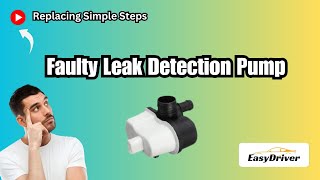
Typical fix: Replace the EVAP leak detection pump assembly. 🎬 Watch this step-by-step leak detection pump replacement guide
Est. part cost: $100-$200 - Damaged Wiring or Corroded Connector 🟡 Medium Probability The pump is located under the rear of the vehicle, exposing its electrical connector and wiring to road salt, water, and debris. This leads to corrosion on the connector pins (often appearing green or white) or breaks in the wiring, causing a 'Circuit High' fault.
How to confirm: Visually inspect the wiring harness and connector for any signs of corrosion, physical damage, or loose pins. Use a multimeter to test for battery voltage and a good ground at the connector with the key on. A poor ground connection is a common cause for circuit high codes.
Typical fix: Clean the connector terminals with an electrical contact cleaner and apply dielectric grease. If the wiring is broken, it will need to be repaired or spliced. If the connector itself is damaged, it may need to be replaced.
Est. part cost: $5-$50
Rare But Worth Checking
- Faulty Powertrain Control Module (PCM): → Shop Engine Control Module (ECM) This is very rare. Before condemning the PCM, all other possibilities, especially the pump and its entire circuit, must be exhaustively tested. A faulty PCM driver can fail to ground the circuit, causing a constant high voltage reading.
- Blown Fuse or Faulty Relay: A blown fuse or a stuck relay for the pump circuit could cause this code, though it's less common than the pump or wiring failing. Check the fuse box for any fuses related to the emissions or EVAP system.
Diagnosis Steps
- Scan the PCM for any other stored trouble codes. Address other codes first if present.
- Safely lift and support the rear of the vehicle.
- Locate the EVAP leak detection pump. It is mounted on or near the charcoal canister, which is near the fuel tank.
- Perform a thorough visual inspection of the pump's electrical connector and wiring harness. Look for any signs of corrosion, chafing, or breaks.
- Disconnect the connector and check for corrosion on the pins. Clean as necessary.
- With the key on, engine off, use a multimeter to check for battery voltage on the power wire and a good ground on the ground wire at the connector. A weak or missing ground is a common fault.
- Probe the control circuit wire. A 'Circuit High' condition often means you will see constant voltage here when the PCM is not commanding the pump on. When commanded on with a bi-directional scan tool, this voltage should drop to near zero. If it doesn't, the problem is either the wiring or the PCM.
- If power and ground are good, test the resistance of the pump motor itself across its terminals. Compare the reading to the manufacturer's specification. An open circuit ('OL') or a shorted reading confirms the pump has failed.
- If the wiring and pump test good, the fault may lie within the PCM, but this is highly unlikely.
Parts You'll Likely Need
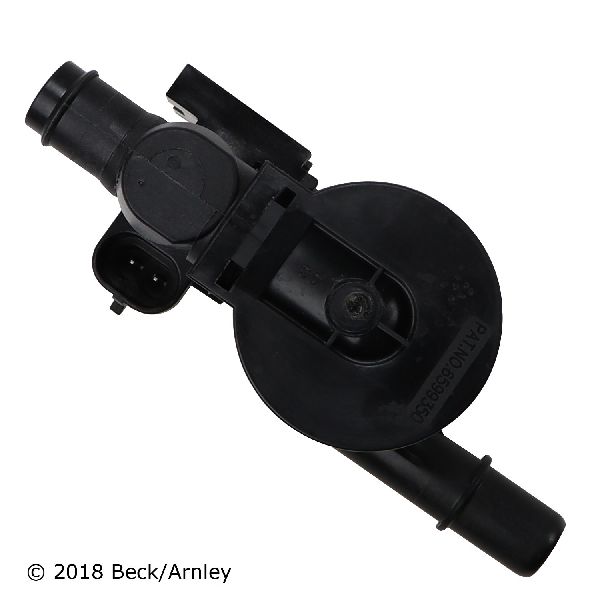
- EVAP Leak Detection Pump
(OEM #31430-3S500)— This is the most common component to fail for a P2402 code, usually due to an internal electrical fault. This part number is for the YF generation (2011-2014).
Trusted brands: Hyundai (OEM), Bosch, Standard Motor Products
OEM price range: $150-$220
Aftermarket price range: $100-$160 - EVAP Leak Detection Pump
(OEM #31430-C1000)— This is the most common component to fail for a P2402 code, usually due to an internal electrical fault. This part number is for the LF generation (2015-2017).
Trusted brands: Hyundai (OEM), Bosch, Standard Motor Products
OEM price range: $150-$220
Aftermarket price range: $100-$160
Technical Service Bulletins (TSBs) & Recalls
- While no TSBs directly address P2402, TSB #17-ST-002 is highly relevant for Sonata owners as it details the widespread steering coupler failure, a common non-engine-related issue for this platform.
Platform-Specific Known Issues
- Owners on forums like Hyundai-Forums and Reddit frequently report solving P2402 by replacing the leak detection pump after a visual inspection of the wiring confirms no obvious damage.
- A user on a Hyundai forum noted that after replacing the pump, the code cleared itself after a few drive cycles without needing a scanner.
Mechanic-Grade Diagnostic Values
- Leak Detection Pump (LDP) Motor Winding Resistance — expected: 4 to 50 Ohms. Failure: A reading of infinite resistance ('OL' on a multimeter) indicates an open circuit within the pump motor, confirming failure.
- LDP Control Circuit Voltage (Key On, Engine Off) — expected: 11.5 V to 12.5 V. Failure: A reading consistently above 13 V confirms the 'Circuit High' condition that triggers the P2402 code.
- LDP Circuit Ground Connection Resistance — expected: Less than 1 Ohm to chassis ground. Failure: A high resistance reading indicates a corroded or loose ground connection, which is a common cause of circuit high faults.
Scan Tool Commands That Help
- Hyundai GDS (Global Diagnostic System) or equivalent professional scan tool: EVAP Leak Detection Pump Actuation Test — Use this bi-directional command to manually turn the pump on and off. This allows you to verify if the pump is physically working (you should hear it run) and to check if the voltage on the control circuit wire drops to near zero when commanded ON, which confirms the PCM driver and wiring are capable of grounding the circuit.
Wiring & Ground Locations
- Rear Chassis Ground — While not specified with a designator in available data, the main chassis ground for rear components is typically located under the rear seat cushion or in the trunk area, bolted directly to the vehicle body. Trace the black wire from the LDP harness to find its termination point.. A corroded or loose ground connection is a common cause for 'Circuit High' codes. The PCM detects high voltage because the circuit has a poor path to ground, causing voltage to build up instead of dissipating.
Diagnostic Flowchart
Other Known Issues on This Vehicle
Issues unrelated to this code that are worth knowing about as an owner of this generation:
- Theta II Engine Seizure/Failure 🔴 High — Widespread on 2011-2019 models with 2.0L & 2.4L GDI engines. Can occur at various mileages, often preceded by knocking noises. (Ref: Subject of multiple recalls (e.g., NHTSA 15V568000) and a major class-action lawsuit settlement providing lifetime warranties for the engine short block.)
- Steering Coupler Disintegration 🟠 Medium — Extremely common on YF generation (2011-2014). Causes a distinct clicking or clunking noise in the steering column when turning. (Ref: Hyundai TSB #17-ST-002 extended the warranty for the coupler to 10 years/100,000 miles. The part is inexpensive but labor can be significant.)
- Excessive Oil Consumption 🟠 Medium — Frequently reported, particularly in the 2015-2017 LF generation and models with the 2.4L Theta II engine.
- Paint Peeling and Fading 🟡 Low — Common complaints of paint, especially white, bubbling, chipping, or peeling on the roof and hood across both generations.
- Timing Chain Tensioner Wear 🟠 Medium — Can cause a rattling or chattering noise on cold starts for 5-6 seconds. If ignored, can lead to timing chain failure.
Used vs. New Parts: Buying Guide for This Vehicle
When a used part is the smart pick: For this repair, a used part is generally not recommended. The leak detection pump is an electronic component exposed to harsh under-vehicle conditions, and its failure rate is high. The low cost of a new aftermarket part (often under $150) with a warranty makes it a much smarter investment than a used part with an unknown history and limited remaining life.
Donor-vehicle mileage cap: roughly under 50000 miles for the part to have meaningful remaining life.
What to inspect on the donor part:
- Inspect the electrical connector for any signs of green or white corrosion.
- Ensure the plastic housing has no visible cracks or damage.
- If possible, test the resistance across the motor pins with a multimeter before purchase to confirm it is within the 4-50 Ohm specification.
OEM-only on this vehicle (don't cheap out):
- The EVAP Leak Detection Pump is not considered an OEM-only part for this repair, as several reputable aftermarket options are available.
Aftermarket brands forum-validated for this vehicle:
- Bosch
- Dorman
- Standard Motor Products (SMP)
Brands owners have reported issues with on this vehicle:
- No specific brands are consistently reported as problematic, but be cautious with unbranded, ultra-low-cost parts from online marketplaces as they carry a higher risk of premature failure.
Real Owner Stories
Aggregated from forums and TSBs cited above. Mileages and costs reflect what owners reported in those sources.
2011-2017 Hyundai Sonata
Symptoms: The owner performed a visual inspection of the wiring and confirmed no obvious damage was present, despite the P2402 code being active.
What fixed it: Replacing the leak detection pump assembly.
Source hint: Hyundai-Forums and Reddit as cited in 'vehicle_specific_issues'
2011-2017 Hyundai Sonata
Symptoms: Check engine light was on for P2402; the owner replaced the pump and needed to know if the code would clear.
What fixed it: Replacing the pump; the code cleared itself after a few drive cycles without needing a scanner.
Source hint: Hyundai forum user noted in 'vehicle_specific_issues'
Related OBD-II Codes
Frequently Asked Questions
Does TSB #17-ST-002 for the Hyundai Sonata address the P2402 code?
I have a 2017 Sonata with a P2402 code; is this related to the engine failure lawsuits?
Can I use a used leak detection pump from a salvage yard to fix my P2402?
Where is the leak detection pump located on my 2011-2017 Sonata?
Will my Sonata pass emissions with the P2402 code active?
Is there a specific part number I should look for if I have the common steering clunk alongside this EVAP code?
Helpful Videos
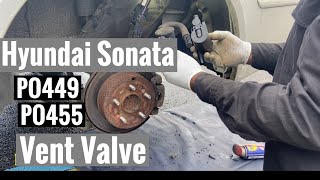
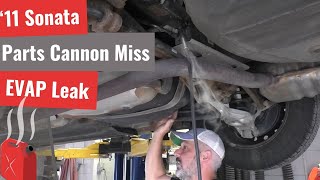
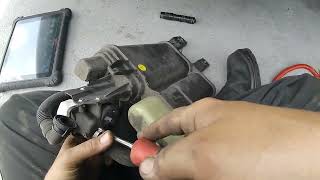
Used OEM Parts in Stock

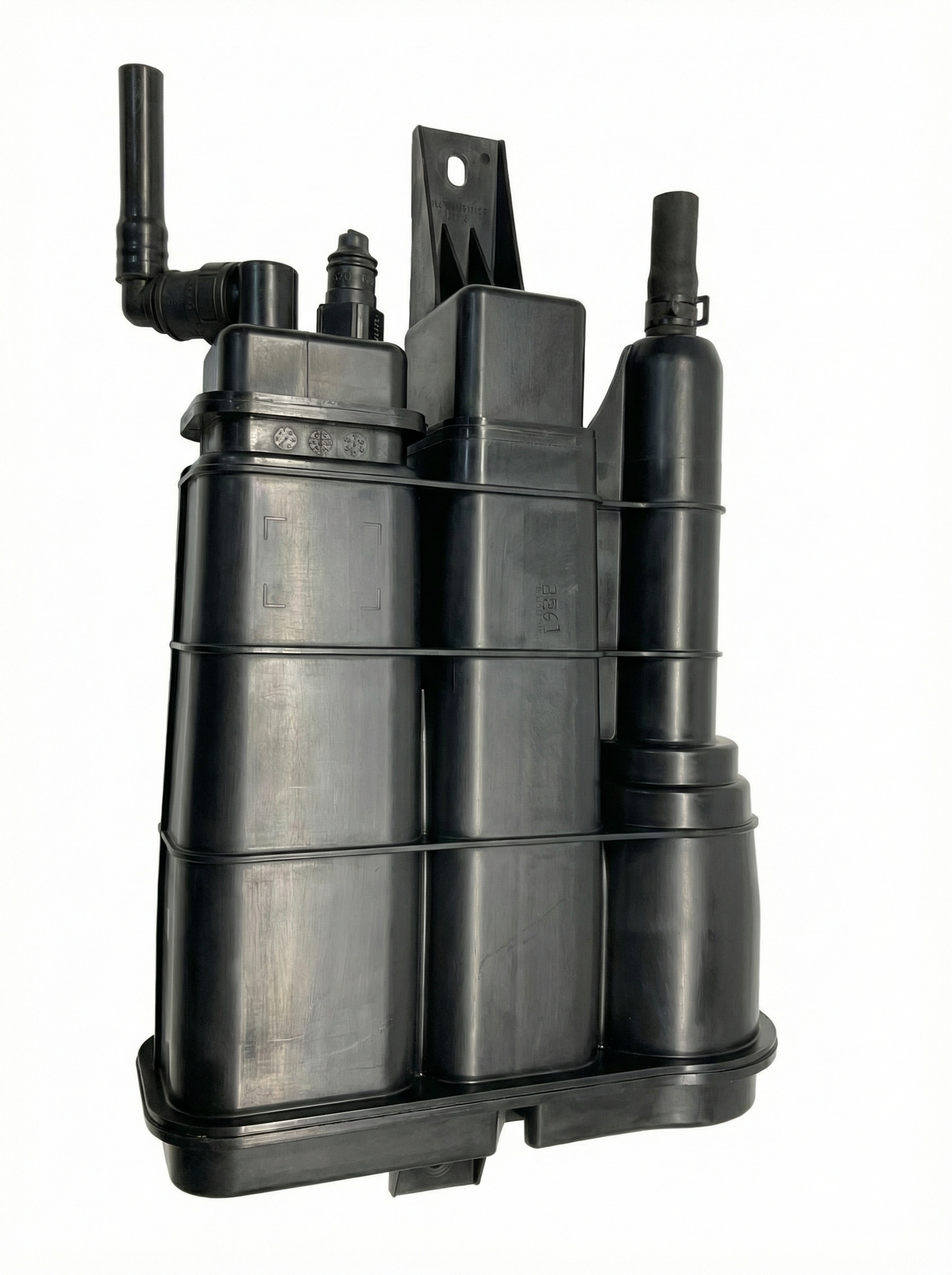
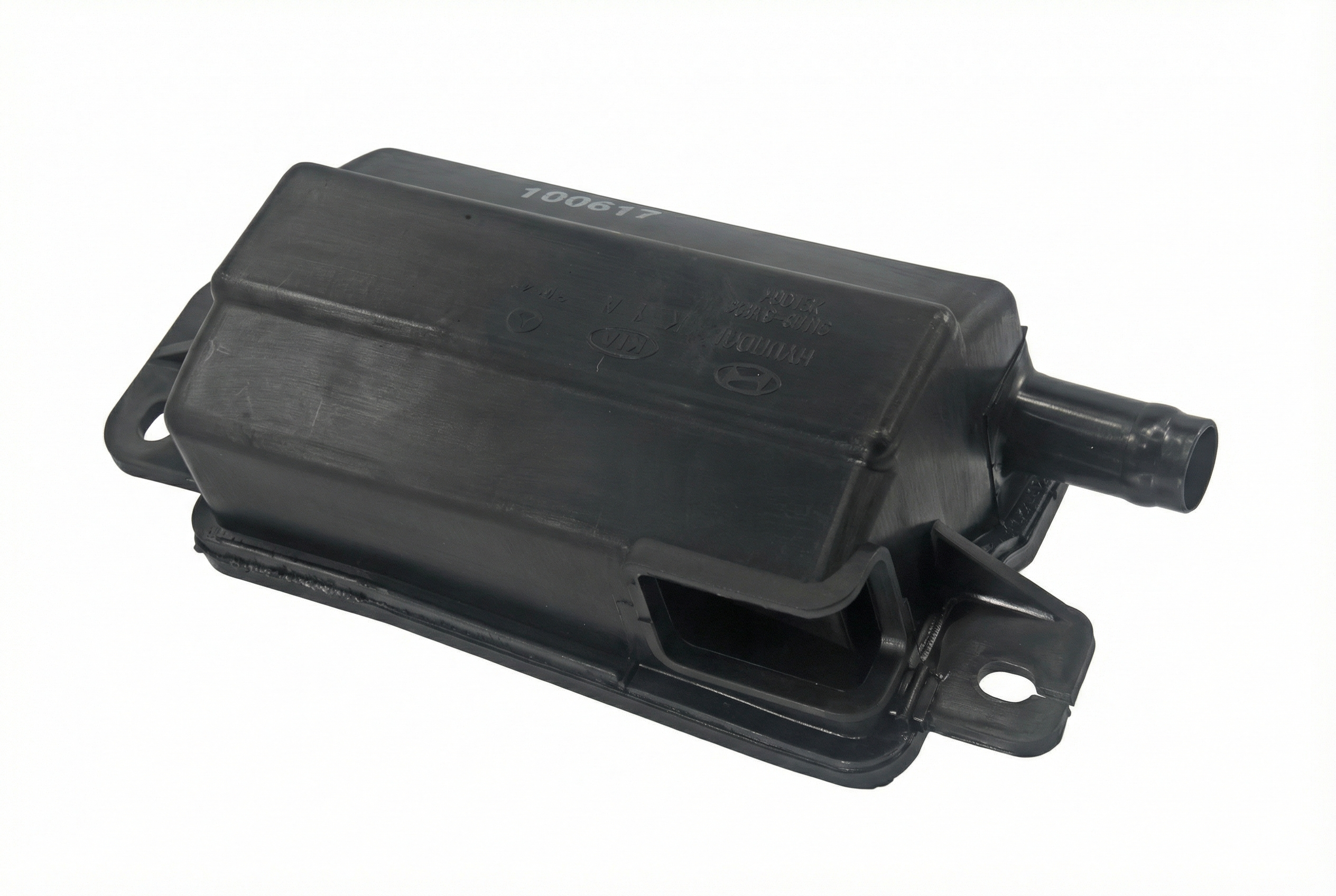
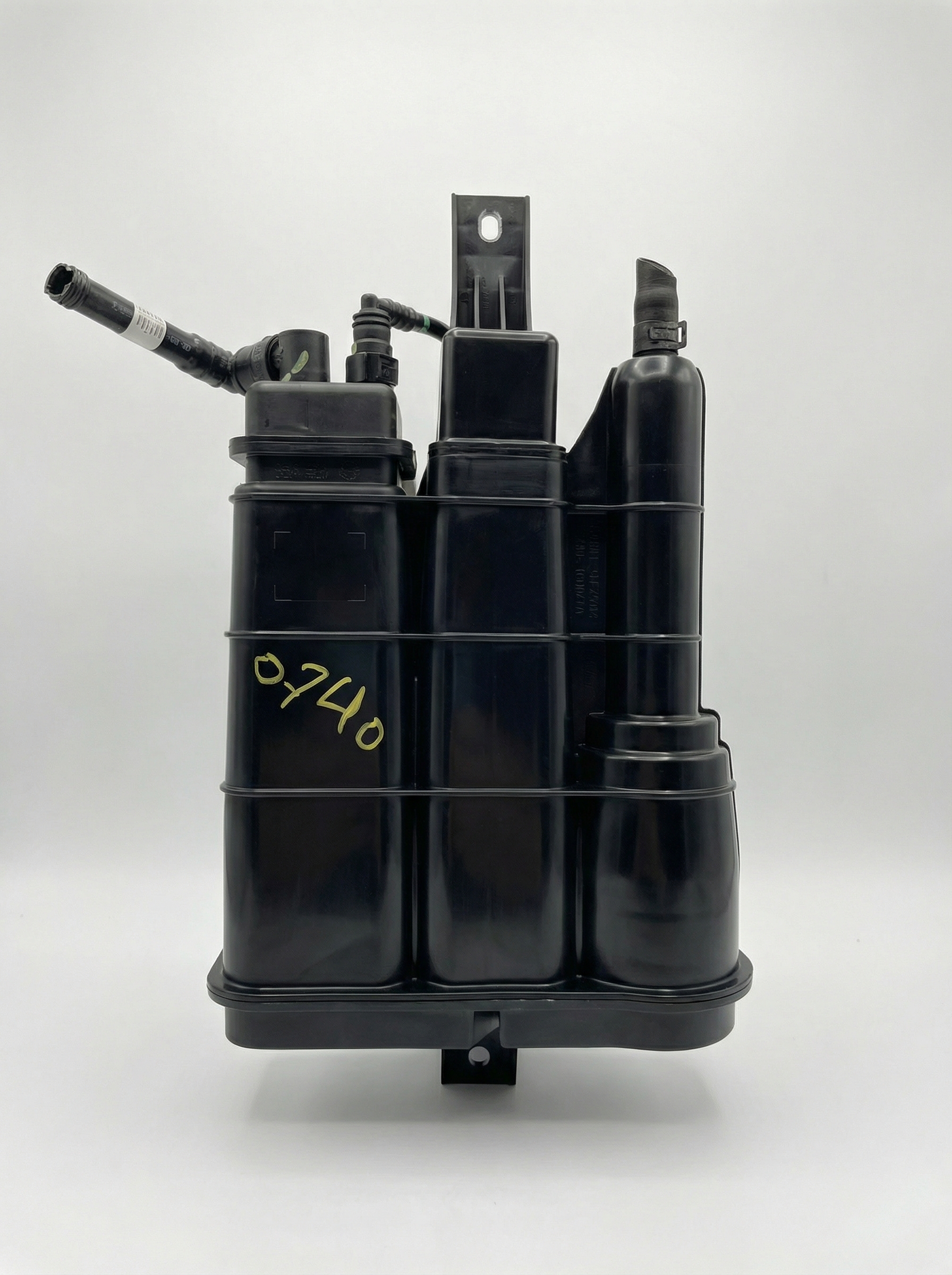
New Aftermarket Parts Available

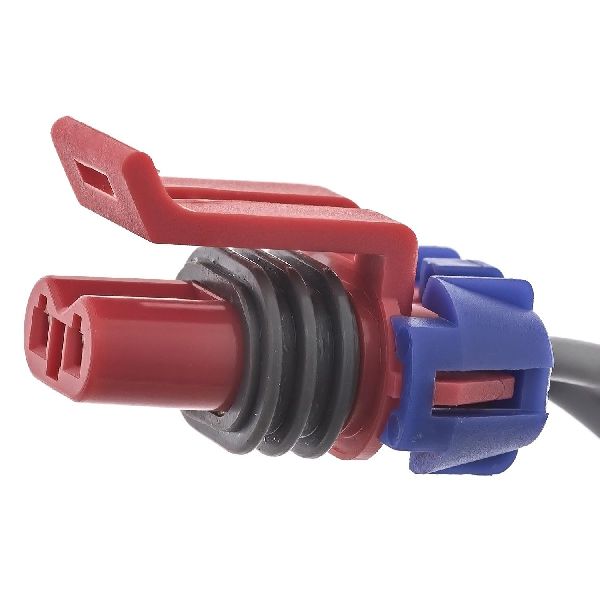

The information in this article is provided for general reference and educational purposes only. Vehicle specifications, procedures, and part compatibility can vary by production date, trim level, and region. Always consult your vehicle's factory service manual and verify part numbers before purchasing or performing repairs. Safety-critical components such as airbags, seat belts, and braking systems should be installed by a qualified professional.
- Hyundai Sonata:
- 🧭 Diagnostic Flowchart
- 🎬 Helpful Videos
- 🛍️ Shop This Part
- What's Unique About the 2011-2017 Hyundai Sonata
- Symptoms You May Notice
- Most Likely Causes
- Rare But Worth Checking
- Diagnosis Steps
- Parts You'll Likely Need
- Technical Service Bulletins (TSBs) & Recalls
- Platform-Specific Known Issues
- Mechanic-Grade Diagnostic Values
- Scan Tool Commands That Help
- Wiring & Ground Locations
- Other Known Issues on This Vehicle
- Used vs. New Parts: Buying Guide for This Vehicle
- Real Owner Stories
- 2011-2017 Hyundai Sonata
- 2011-2017 Hyundai Sonata
- Related OBD-II Codes
- Frequently Asked Questions
- 🎟️ Get 5% Off