

P2402 on 2010-2015 Toyota Prius: EVAP Pump Circuit High Causes and Fixes
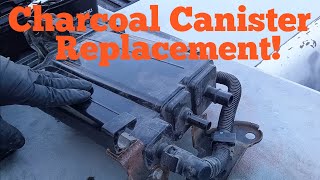
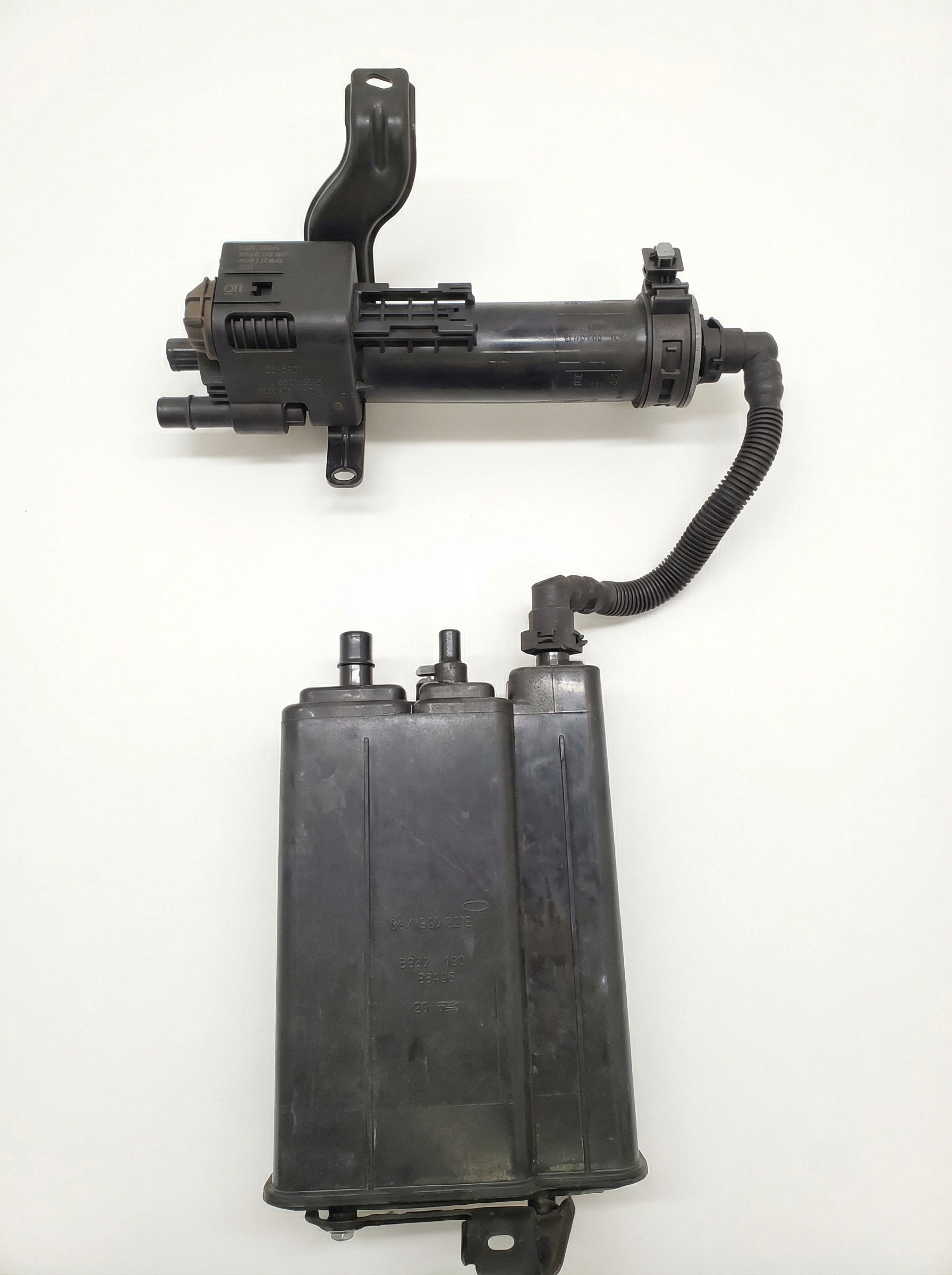
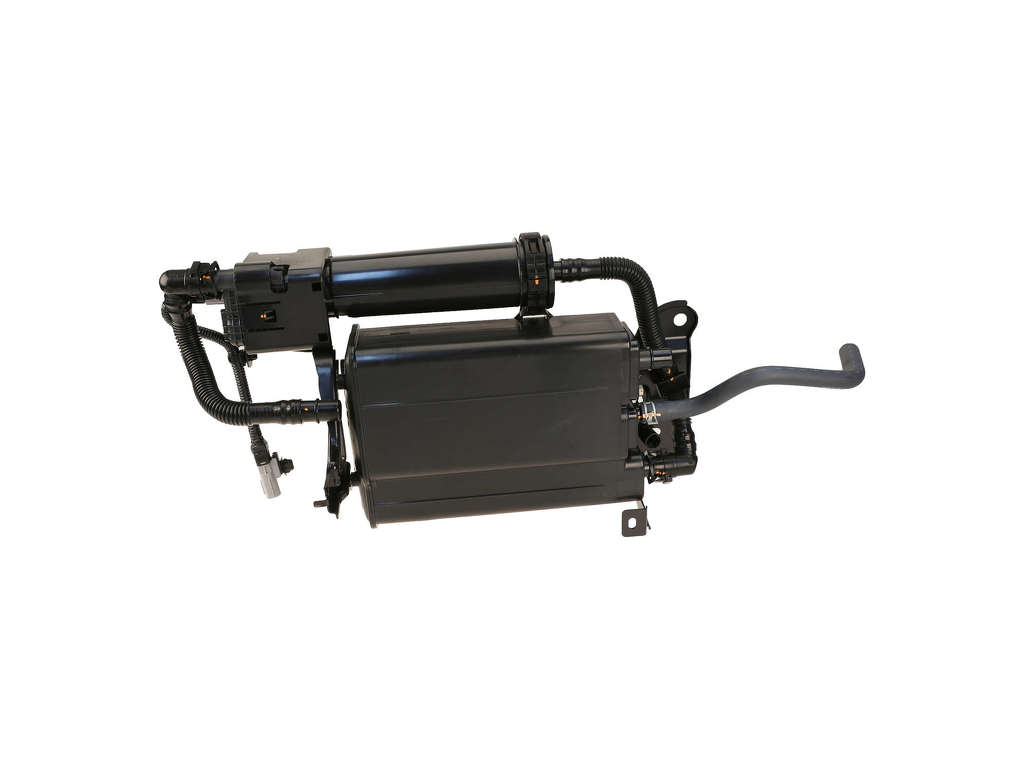
On a 2010-2015 Prius, code P2402 almost always means the entire charcoal canister assembly has failed. This is especially true if it appears with codes P043E, P043F, P2401, and P2419. The fix is to replace the canister assembly, which costs around $500-$600 for a new OEM part.
- P2402 on a 2010-2015 Prius is an electrical code for the EVAP leak detection pump circuit.
- It almost always indicates a failed charcoal canister assembly, especially if seen with codes P043E, P043F, P2401, and P2419.
- The fix is to replace the entire canister assembly (OEM Part # 77740-47060).
- The vehicle is safe to drive, but it will not pass an emissions inspection until repaired.
- This is a manageable DIY repair for those with basic tools, taking about 1-1.5 hours.
What's Unique About the 2010-2015 Toyota Prius
On the third-generation Prius, this code is rarely a simple wiring or fuse issue. Experience from owners and mechanics shows that P2402, especially when accompanied by a cluster of other EVAP codes (P043E, P043F, P2401, P2419), points directly to an internal failure of the canister pump module. A TSB for other Toyota models of the same era (Corolla, Matrix, Tundra) confirms this failure pattern where water intrusion can destroy the canister assembly, leading to this exact group of codes. Owners on PriusChat have documented finding water inside the failed canister, corroborating this failure mode on the Prius itself.
Symptoms You May Notice
- Check Engine Light is on.
- Vehicle will fail an emissions test.
- No noticeable drivability problems like rough idle or poor performance.
- In some cases, difficulty refueling the car (the gas pump nozzle clicks off repeatedly) may occur if the canister is saturated with water, fuel, or if the vent is clogged.
- Replacing only the leak detection pump (it is not sold separately from the canister assembly for this model).
- Searching for an EVAP leak with a smoke machine. P2402 is an electrical circuit code, not a leak code, though a leak could lead to canister failure over time.
Most Likely Causes
- Failed Charcoal Canister Assembly 🔴 High Probability → Shop Vapor Canister The leak detection pump is integrated into the canister assembly. The entire unit is susceptible to internal electrical failure. A common cause is water intrusion through the fresh air inlet, which can get clogged with debris, shorting out the pump electronics. Over-filling the gas tank can also saturate the canister with fuel, leading to failure.
How to confirm: Scan for other codes. If P043E, P043F, P2401, and P2419 are also present, the canister assembly has almost certainly failed. If P2402 is alone, inspect the connector at the canister for corrosion or damage before condemning the part. You can also remove the canister and check for signs of water or raw fuel.
Typical fix: Replace the entire charcoal canister assembly. It is located under the vehicle, typically on the driver's side near the rear axle.
Est. part cost: $500-$600
Rare But Worth Checking
- Wiring Harness Damage: While less common than a failed canister, wiring between the ECM and the canister assembly could be damaged or corroded, causing a high circuit reading. A visual inspection of the harness leading to the canister is always a good first step. NHTSA ODI #11387241 notes that research into this specific code cluster often points back to either EVAP canister failure or possible wiring failure.
- Engine Control Module (ECM) Fault: → Shop Engine Control Module (ECM) This is extremely rare. The ECM should only be considered a potential cause after the canister assembly and wiring have been thoroughly checked and confirmed to be good.
Diagnosis Steps
- Scan the vehicle's ECM for trouble codes. Note if P2402 appears alone or with the common cluster (P043E, P043F, P2401, P2419).
- If the full cluster of codes is present, the charcoal canister assembly is the confirmed cause. Proceed to replacement.
- If only P2402 is present, perform a visual inspection of the charcoal canister, located under the vehicle near the fuel tank, usually on the driver's side.
- Check the electrical connector and wiring harness going to the canister for any signs of damage, corrosion, or loose connections.
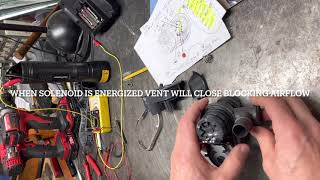
- If the wiring and connector are intact, the failure is almost certainly internal to the canister pump module. 🎬 See how to repair the internal pump module You can try removing the canister to check for evidence of water or fuel saturation.
- Replace the charcoal canister assembly.
Parts You'll Likely Need
- Charcoal Canister Assembly
(OEM #77740-47060)— This is the primary failure point for code P2402 on this vehicle, as it contains the integrated leak detection pump that has failed electrically.
Trusted brands: Toyota (Genuine OEM)
OEM price range: $500-$765
Aftermarket price range: $350-$500
Related Codes That Often Appear With This One
- P043E — This code for 'EVAP System Leak Detection Reference Orifice Low Flow' is part of the common failure cluster pointing to the canister assembly.
- P043F — This code for 'EVAP System Leak Detection Reference Orifice High Flow' is part of the common failure cluster pointing to the canister assembly.
- P2401 — This code for 'EVAP System Leak Detection Pump Control Circuit Low' is the direct counterpart to P2402 and indicates a failure within the same pump module.
- P2419 — This code for 'EVAP System Switching Valve Control Circuit Low' is also part of the common failure cluster pointing to the canister assembly.
Technical Service Bulletins (TSBs) & Recalls
- T-SB-0200-11 (for Corolla/Matrix): While not for the Prius, it documents the exact same cluster of codes (P043E, P043F, P2401, P2402, P2419) being caused by water intrusion into the charcoal canister, which corroborates the diagnosis for the Prius. The TSB states all five DTCs must be present for it to apply.
- Similar TSBs exist for other Toyota models like the Tundra (T-SB-0178-11) and Scion xA, indicating a common design vulnerability in this era of Toyota EVAP systems.
- TSB EG048-07: As noted in NHTSA ODI #10694017, this bulletin describes how water can enter the filler pipe cover and contaminate EVAP components, leading to the stored DTCs P043E, P043F, P2401, P2402, and P2419.
Platform-Specific Known Issues
- A Toyota Technical Service Bulletin (TSB) for other models (T-SB-0200-11) describes how water intrusion into the EVAP system can cause the P2402 code cluster, a failure mode also reported by Prius owners.
- A PriusChat forum thread titled "Evaporative System Codes P043E, P043F, P2401, P2402, P2419." details a user's experience finding water in the canister as the root cause, and another user confirming gravel blocking the vent holes led to the same issue.
- Manufacturer records for related Toyota platforms (NHTSA ODI #11533362) confirm that P2402 specifically indicates the EVAP leak detection pump control circuit is high, often occurring alongside P2401 for a circuit low condition.
Mechanic-Grade Diagnostic Values
- Voltage at Leak Detection Pump Driver Input — expected: 11.5–12.5 V (with ignition on). Failure: A reading above 13 V indicates a high-voltage condition that can trigger P2402.
- Leak Detection Pump Motor Test — expected: A clicking sound should be heard when applying battery voltage.. Failure: No clicking sound indicates a failed pump motor, requiring canister assembly replacement.
- Canister Vent Valve Solenoid Resistance — expected: 20 to 30 ohms. Failure: A reading outside this range indicates a damaged solenoid winding.
Scan Tool Commands That Help
- Toyota Techstream: Active Test for EVAP System / Leak Detection Pump — This bidirectional command allows a technician to manually activate the leak detection pump to check for function. If the pump does not respond (e.g., no clicking or buzzing sound), it confirms a failure in the pump or its circuit. This is used to verify the failure before ordering a replacement canister.
Wiring & Ground Locations
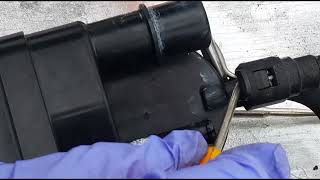
- Charcoal Canister Assembly Connector — On the charcoal canister assembly, which is located under the rear of the vehicle, near the fuel tank and typically above the rear subframe.. This is the main electrical connection for the integrated leak detection pump. Technicians test for power and ground at this connector's pins to differentiate between a wiring fault and a failed pump module. It is typically a 7-pin or 8-pin female connector. 🎬 Watch: How to disconnect Toyota vapor hose connections
- Leak Detection Pump Power/Ground Pins — Within the main canister connector. A service manual indicates applying battery voltage across terminal 5 (+) and terminal 1 (-) to test the pump motor.. Directly testing these specific pins allows a technician to confirm if the pump motor itself is functional, bypassing the rest of the vehicle's wiring. If the pump runs with direct power but not via the harness, the fault is in the wiring or ECM; if it doesn't run, the canister assembly is bad.
- Powertrain Ground Points — Multiple ground points for the powertrain are located on the inverter, engine block, and chassis. A primary ground runs from the inverter to the body.. While a bad ground is a rare cause for this specific code (which is a 'circuit high' fault), verifying major ground connections is a standard step in diagnosing any electrical issue to rule out intermittent voltage problems.
Real Owner Repair Stories
- PriusChat user 'High Mileage' (2010 Toyota Prius) — Check Engine Light with the full cluster of EVAP codes (P043E, P043F, P2401, P2402, P2419) and difficulty fueling the car.
❌ Tried (didn't work) Clearing the codes (they returned).
✅ What actually fixed it The user removed the charcoal canister assembly and found a significant amount of water inside the canister filter and pump module. After drying out all the components and reinstalling, the codes stayed cleared and the fueling issue was resolved. However, the problem re-occurred after the next rainy season, indicating the water intrusion was the root cause and a permanent fix would require either sealing the leak source or replacing the canister. - NHTSA ODI #11419086 — An owner reported that an "AWD malfunction" light was accompanied by a check engine light with codes P043E, P043F, P2401, P2402, and P2419, requesting that the manufacturer address the recurring problem.
"I Checked Everything" — The Actual Cause
- P2402 is an electrical circuit code, not a leak code, so a smoke test is not the primary diagnostic step and would be expected to come back clean unless a separate physical leak exists. The common failure is an internal electrical short within the pump module inside the canister, often due to water intrusion, which a smoke test cannot detect. NHTSA ODI #10442353 describes a similar scenario where the check engine lamp illuminated constantly during highway travel with the P2402 code cluster stored.
OEM Part Supersession History
77740-47060→77740-47060— No supersession found. The part number appears to be consistent for the entire 2010-2015 model year range for the standard (non-plug-in) Prius.
Heads up: This part is for the standard hybrid model only and will NOT fit the Prius Plug-in Hybrid (PHEV) models, which use a different canister assembly.
Diagnostic Flowchart
Other Known Issues on This Vehicle
Issues unrelated to this code that are worth knowing about as an owner of this generation:
- EGR System Clogging 🔴 High — Common after 100,000 miles, especially with short-trip driving. A clogged EGR cooler and passages can lead to engine knocking, rough idle, and eventually a blown head gasket.
Used vs. New Parts: Buying Guide for This Vehicle
When a used part is the smart pick: A used OEM charcoal canister from a junkyard can be a cost-effective option, as the part itself is often durable. The primary failure mode is water or fuel contamination, not simple wear and tear. A part from a dry, low-mileage donor vehicle is a reasonable gamble.
Donor-vehicle mileage cap: roughly under 100000 miles for the part to have meaningful remaining life.
What to inspect on the donor part:
- Inspect the donor part for any signs of physical damage or cracks.
- Check the electrical connector pins for corrosion or moisture.
- If possible, shake the canister to listen for sounds of loose charcoal or sloshing water.
- Source the part from a vehicle in a dry climate to minimize the risk of pre-existing water intrusion.
- Avoid parts from vehicles that show signs of being in a flood or having rear-end collision damage.
OEM-only on this vehicle (don't cheap out):
- Charcoal Canister Assembly: While some aftermarket brands like Dorman exist, owner feedback is sparse. Given the critical function and the high probability of the OEM part fixing the issue, sticking with a new or quality-inspected used OEM unit (77740-47060) is the safest bet to avoid repeat repairs.
Brands owners have reported issues with on this vehicle:
- No specific brands are consistently reported as problematic, but general caution is advised for non-OEM EVAP components due to precise calibration requirements.
Real Owner Stories
Aggregated from forums and TSBs cited above. Mileages and costs reflect what owners reported in those sources.
2010 Toyota Prius 1.8L
Symptoms: Check engine light with codes P043E, P043F, P2401, P2402, P2419; difficulty fueling with the gas pump constantly clicking off.
What fixed it: The owner found gravel blocking the vent holes and water in the lines and canister. They attempted to clean and dry the components, but the error returned, suggesting a canister replacement was necessary.
Source hint: PriusChat - Evaporative System Codes P043E, P043F, P2401, P2402, P2419.
2014 Toyota Prius 1.8L
Symptoms: Check Engine Light with permanent codes P2402, P043F, P043E, and P2401.
What fixed it: The owner replaced both the vapor canister and the EVAP canister with new OEM parts; however, the permanent codes required several warm-up cycles to clear on their own.
Source hint: PriusChat - Evaporative System Codes P043E, P043F, P2401, P2402, P2419. | Page 2
2010 Toyota Prius 1.8L
Symptoms: Check Engine Light on with codes P043E, P043F, P2402, and P2419.
What fixed it: Diagnosed as a failed leak detection pump; the owner had to purchase the entire charcoal canister assembly because the pump is not sold separately.
Cost: $650
Source hint: Reddit - Girl with a 2010 Prius
2015 Lexus CT200h 1.8L
Symptoms: Identical cluster of codes: P043E, P043F, P2401, P2402, P2419.
What fixed it: Replacement of the charcoal canister assembly, as the vehicle shares the same platform and EVAP design as the Prius.
Source hint: Reddit r/CT200h
Related OBD-II Codes
Frequently Asked Questions
Does Toyota TSB T-SB-0200-11 apply to my 2010-2015 Prius?
Can I just replace the leak detection pump on my 2010 Prius to fix P2402?
Why does the gas pump nozzle keep clicking off when I try to refuel my Prius?
Is P2402 related to the EGR clogging issues common on the 2ZR-FXE engine?
If I have P2402, P043E, P043F, P2401, and P2419 all at once, what is the fix?
Will replacing my gas cap fix the P2402 code?
Other Known Issues on This Vehicle
Issues unrelated to this code that are worth knowing about as an owner of this generation:
- EGR System Clogging 🔴 High — Common after 100,000 miles, especially with short-trip driving. A clogged EGR cooler and passages can lead to engine knocking, rough idle, and eventually a blown head gasket.
Used vs. New Parts: Buying Guide for This Vehicle
When a used part is the smart pick: A used OEM charcoal canister from a junkyard can be a cost-effective option, as the part itself is often durable. The primary failure mode is water or fuel contamination, not simple wear and tear. A part from a dry, low-mileage donor vehicle is a reasonable gamble.
Donor-vehicle mileage cap: roughly under 100000 miles for the part to have meaningful remaining life.
What to inspect on the donor part:
- Inspect the donor part for any signs of physical damage or cracks.
- Check the electrical connector pins for corrosion or moisture.
- If possible, shake the canister to listen for sounds of loose charcoal or sloshing water.
- Source the part from a vehicle in a dry climate to minimize the risk of pre-existing water intrusion.
- Avoid parts from vehicles that show signs of being in a flood or having rear-end collision damage.
OEM-only on this vehicle (don't cheap out):
- Charcoal Canister Assembly: While some aftermarket brands like Dorman exist, owner feedback is sparse. Given the critical function and the high probability of the OEM part fixing the issue, sticking with a new or quality-inspected used OEM unit (77740-47060) is the safest bet to avoid repeat repairs.
Brands owners have reported issues with on this vehicle:
- No specific brands are consistently reported as problematic, but general caution is advised for non-OEM EVAP components due to precise calibration requirements.
Real Owner Stories
Aggregated from forums and TSBs cited above. Mileages and costs reflect what owners reported in those sources.
2010 Toyota Prius 1.8L
Symptoms: Check engine light with codes P043E, P043F, P2401, P2402, P2419; difficulty fueling with the gas pump constantly clicking off.
What fixed it: The owner found gravel blocking the vent holes and water in the lines and canister. They attempted to clean and dry the components, but the error returned, suggesting a canister replacement was necessary.
Source hint: PriusChat - Evaporative System Codes P043E, P043F, P2401, P2402, P2419.
2014 Toyota Prius 1.8L
Symptoms: Check Engine Light with permanent codes P2402, P043F, P043E, and P2401.
What fixed it: The owner replaced both the vapor canister and the EVAP canister with new OEM parts; however, the permanent codes required several warm-up cycles to clear on their own.
Source hint: PriusChat - Evaporative System Codes P043E, P043F, P2401, P2402, P2419. | Page 2
2010 Toyota Prius 1.8L
Symptoms: Check Engine Light on with codes P043E, P043F, P2402, and P2419.
What fixed it: Diagnosed as a failed leak detection pump; the owner had to purchase the entire charcoal canister assembly because the pump is not sold separately.
Cost: $650
Source hint: Reddit - Girl with a 2010 Prius
2015 Lexus CT200h 1.8L
Symptoms: Identical cluster of codes: P043E, P043F, P2401, P2402, P2419.
What fixed it: Replacement of the charcoal canister assembly, as the vehicle shares the same platform and EVAP design as the Prius.
Source hint: Reddit r/CT200h
Related OBD-II Codes
Frequently Asked Questions
Does Toyota TSB T-SB-0200-11 apply to my 2010-2015 Prius?
Can I just replace the leak detection pump on my 2010 Prius to fix P2402?
Why does the gas pump nozzle keep clicking off when I try to refuel my Prius?
Is P2402 related to the EGR clogging issues common on the 2ZR-FXE engine?
If I have P2402, P043E, P043F, P2401, and P2419 all at once, what is the fix?
Will replacing my gas cap fix the P2402 code?
Helpful Videos

Used OEM Parts in Stock
New Aftermarket Parts Available


The information in this article is provided for general reference and educational purposes only. Vehicle specifications, procedures, and part compatibility can vary by production date, trim level, and region. Always consult your vehicle's factory service manual and verify part numbers before purchasing or performing repairs. Safety-critical components such as airbags, seat belts, and braking systems should be installed by a qualified professional.
- Toyota Prius:
- 🧭 Diagnostic Flowchart
- 🎬 Helpful Videos
- 🛍️ Shop This Part
- What's Unique About the 2010-2015 Toyota Prius
- Symptoms You May Notice
- Most Likely Causes
- Rare But Worth Checking
- Diagnosis Steps
- Parts You'll Likely Need
- Related Codes That Often Appear With This One
- Technical Service Bulletins (TSBs) & Recalls
- Platform-Specific Known Issues
- Mechanic-Grade Diagnostic Values
- Scan Tool Commands That Help
- Wiring & Ground Locations
- Real Owner Repair Stories
- "I Checked Everything" — The Actual Cause
- OEM Part Supersession History
- Other Known Issues on This Vehicle
- Used vs. New Parts: Buying Guide for This Vehicle
- Real Owner Stories
- 2010 Toyota Prius 1.8L
- 2014 Toyota Prius 1.8L
- 2010 Toyota Prius 1.8L
- 2015 Lexus CT200h 1.8L
- Related OBD-II Codes
- Frequently Asked Questions
- Other Known Issues on This Vehicle
- Used vs. New Parts: Buying Guide for This Vehicle
- Real Owner Stories
- 2010 Toyota Prius 1.8L
- 2014 Toyota Prius 1.8L
- 2010 Toyota Prius 1.8L
- 2015 Lexus CT200h 1.8L
- Related OBD-II Codes
- Frequently Asked Questions
- 🎟️ Get 5% Off