

P2404 on 2010-2015 Jaguar XJ: EVAP Pump Circuit Fault Causes and Fixes
On a 2010-2015 Jaguar XJ, code P2404 is almost always caused by water or ice from road spray getting into the EVAP system's leak detection pump. The official fix involves replacing several EVAP components and adding a protective foam shield as detailed in Jaguar's technical service bulletins JTB00436NAS1 and JTB00436NAS2.
- P2404 on a 2010-2015 Jaguar XJ is not a random failure; it's a known issue addressed by Jaguar in a service bulletin.
- The root cause is almost always water or ice from road spray damaging the EVAP leak detection (DMTL) pump.
- Do not simply replace the pump. The official fix requires replacing the canister and filler pipe, and crucially, adding a special protective foam shield (Part No. C2D49253) to prevent the problem from happening again.
- This is a manageable DIY repair for someone comfortable working under their car, but it is more involved than a simple part swap.
What's Unique About the 2010-2015 Jaguar XJ
The 2010-2015 Jaguar XJ (X351 generation) is highly susceptible to this specific code due to a design vulnerability. Jaguar issued Technical Service Bulletin JTB00436NAS2, which explicitly states that water and ice thrown up by the tires can get into the Diagnostic Module Tank Leakage (DMTL) pump's filter. This water intrusion is the primary cause of the fault, leading to a series of related EVAP codes, including P2404. The official repair is more involved than on other vehicles, often requiring the replacement of multiple parts and the addition of a protective foam piece to prevent recurrence. The DMTL pump and charcoal canister are located above the rear differential, making access and repair more labor-intensive.
Diagnostic Flowchart
Tap your situation to follow the diagnostic path that matches what you're seeing on this vehicle.
Symptoms You May Notice
- Check Engine Light (Malfunction Indicator Lamp, MIL) is illuminated.
- Vehicle will not pass an emissions/smog inspection.
- In rare cases, a faint fuel odor may be present if other EVAP system leaks exist.
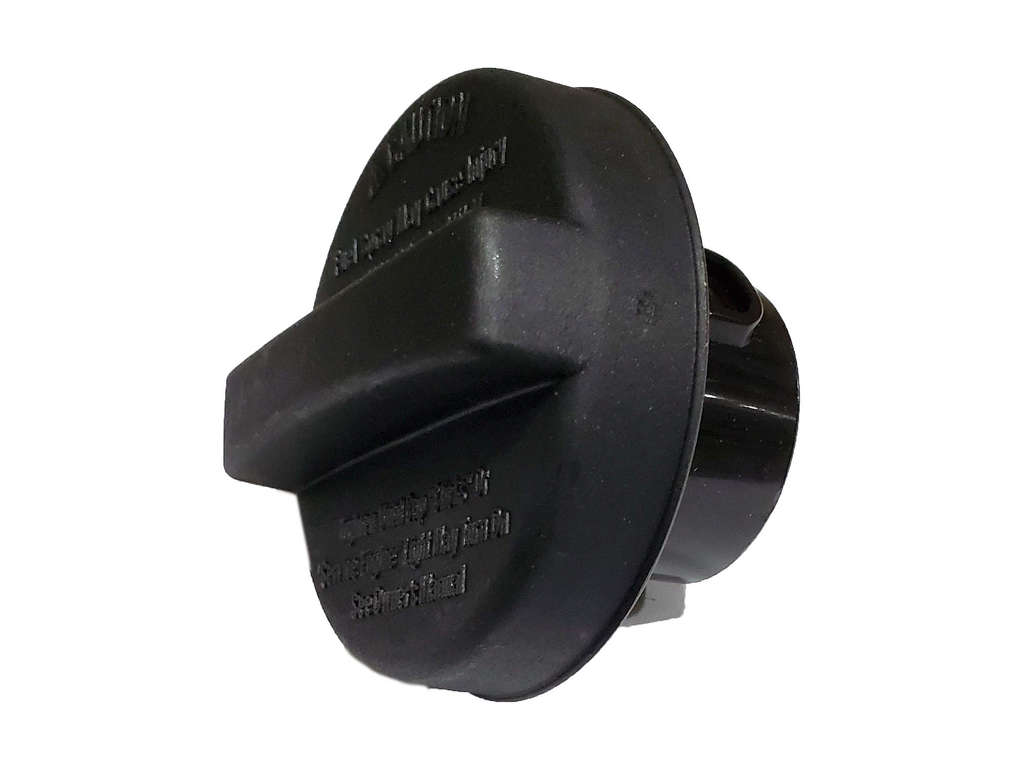
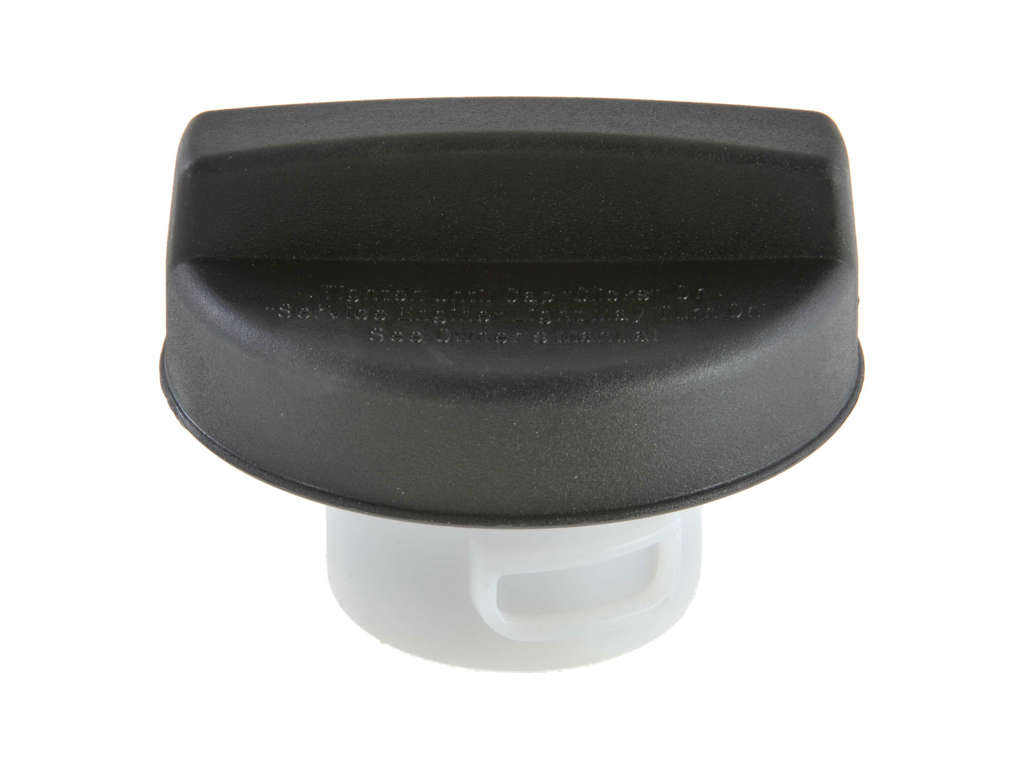
- Replacing the gas cap. While a loose gas cap can cause other EVAP codes (like P0455 for a large leak), it does not cause a P2404 circuit code. One F-Type owner reported P2404 was fixed by a gas cap, but this is atypical for the XJ.
- Replacing the charcoal canister without addressing the root cause of water intrusion. If the water path isn't blocked with the new protective foam, the new canister and pump will likely fail again.
- Replacing just the filter. One owner on a forum reported paying for a filter replacement, only to have the check engine light return with a different EVAP code, indicating the pump or canister was the true failure.
Most Likely Causes
- Water/Ice Intrusion into DMTL Pump 🔴 High Probability → Shop Evaporative Emissions System Leak Detection Pump As documented in Jaguar TSB #JTB00436NAS2, road spray from the tires can directly enter the DMTL pump's filter, causing it to freeze or corrode. The pump is located in a vulnerable position near the rear wheel well, above the rear differential.
How to confirm: Visually inspect the DMTL pump and its filter, located near the charcoal canister by the rear of the vehicle, for signs of water damage, corrosion, or ice. The TSB service instruction requires verifying DMTL pump failure or a blocked atmospheric vent pipe due to debris. This often requires lowering the rear differential for access.
Typical fix: Follow the procedure in TSB #JTB00436NAS2: Replace the evaporative emission canister, the fuel tank filler pipe, and install a new piece of protective foam (Part No. C2D49253) to shield the components. A forum user confirmed this exact parts list was required to fix related EVAP codes. After replacement, clear the DTCs using a compatible scan tool.
Est. part cost: $350-$550 for all required OEM parts. - Faulty Diagnostic Module Tank Leakage (DMTL) Pump 🟡 Medium Probability Aside from water damage, the pump itself can fail electrically or mechanically over time. This is a common failure point for EVAP systems on many modern vehicles. Overfilling the gas tank can also damage the pump.
How to confirm: After ruling out water intrusion, a technician can use a high-end scan tool (like the Jaguar SDD system) to command the pump to run and observe its reported voltage and current draw. If the pump doesn't respond or its sensor readings are incorrect, it is faulty.
Typical fix: Replace the DMTL pump. It is often sold as part of the charcoal canister assembly. On the XJ, this requires significant labor, including potentially lowering the rear differential.
Est. part cost: $200-$350 - Wiring or Connector Issues ⚪ Low Probability The wiring harness leading to the DMTL pump is located underneath the vehicle and is exposed to the elements, which can lead to corrosion or physical damage over time. One forum user reported a burnt connector on their XJ, requiring a replacement from a salvage yard as Jaguar does not sell the pigtail separately.
How to confirm: Visually inspect the wiring and connector for the DMTL pump. Check for corrosion, broken wires, or loose/burnt pins. Use a multimeter to test for continuity and proper voltage at the connector.
Typical fix: Repair the damaged section of the wiring harness or replace the connector pigtail, which may require sourcing from a salvage yard.
Est. part cost: $10-$50
Diagnosis Steps
- Read the trouble codes with an OBD-II scanner to confirm P2404 and any other related codes are present. 🎬 Watch: Understanding how the EVAP leak detection system works.
- Review Jaguar Technical Service Bulletin JTB00436NAS2, as it directly addresses the most common cause for this specific vehicle.
- Raise the vehicle and locate the EVAP charcoal canister and the attached DMTL pump. This is located above the rear differential.
- Visually inspect the DMTL pump, its filter, and the surrounding area for any signs of water, ice, or corrosion. Pay close attention to the atmospheric vent pipe.
- If water damage is evident, proceed with the repair outlined in the TSB, which includes replacing the canister, filler pipe, and adding the protective foam. This repair may require lowering the rear differential for access.
- If no water damage is found, inspect the electrical connector and wiring going to the DMTL pump for damage, corrosion, or burnt pins.
- If wiring is intact, use a bi-directional scan tool (Jaguar SDD is recommended) to command the DMTL pump to activate. Monitor the pump's sensor voltage to see if it's within the specified range. An out-of-range reading indicates a faulty pump.
- After repairs are complete, clear all DTCs using the scan tool and perform a drive cycle to confirm the fix was successful.
Parts You'll Likely Need
- Evaporative Emission Canister
(OEM #C2D40532)— This part is explicitly required for replacement by TSB JTB00436NAS2, as the DMTL pump is often integrated with it and gets damaged by water. This part number supersedes C2C26576, C2C35068, and C2C39518.
Trusted brands: Jaguar (OEM)
OEM price range: $290-$350
Aftermarket price range: $200-$280 - Protective Foam
(OEM #C2D49253)— This is the key part of the TSB fix, designed to shield the new components from the road spray that caused the initial failure.
Trusted brands: Jaguar (OEM)
OEM price range: $20-$40
Aftermarket price range: N/A - Fuel Tank Filler Pipe
(OEM #C2D30506)— Also listed as a required replacement part in TSB JTB00436NAS2 to ensure the integrity of the updated EVAP system. A forum member cited part number C2D49256 for this repair on their XJ.
Trusted brands: Jaguar (OEM)
OEM price range: $100-$150
Aftermarket price range: N/A
Related Codes That Often Appear With This One
- P043E-00 — This code for EVAP Leak Detection Reference Orifice Flow is listed in the same TSB (JTB00436NAS2) and is caused by the same water intrusion issue.
- P0442-00 — This code for a small EVAP leak can also be triggered by the water/ice issue affecting the DMTL pump's operation, as noted in the TSB.
- P2401-00 — This code for the EVAP Leak Detection Pump Control Circuit Low is a related circuit fault, also mentioned in TSB JTB00436NAS2.
- P2402-00 — This code for the EVAP Leak Detection Pump Control Circuit High is another related circuit fault, also mentioned in TSB JTB00436NAS2.
- P2406 — A related code for the EVAP Leak Detection Pump Sense Circuit Low, reported by an XFR owner alongside P2404.
Technical Service Bulletins (TSBs) & Recalls
- JTB00436NAS2: "DMTL Pump Water/Ice Ingress" - Details the primary cause of the fault (water/ice from road spray) and the comprehensive repair procedure involving component replacement and adding protective foam.
- JTB00436NAS1: An earlier version of the same TSB, also identifying water/ice ingress as the cause and listing the required replacement parts.
Platform-Specific Known Issues
- Jaguar Technical Service Bulletin JTB00436NAS2 identifies a specific design flaw where road spray from the tires can get trapped in the Diagnostic Module Tank Leakage (DMTL) pump filter, causing water/ice damage and triggering code P2404 among others.
- A JaguarForums user with an XJ confirmed the TSB repair requires replacing the canister, filler pipe, and foam shield, and noted that the job took five hours of labor due to the need to remove the rear differential for access.
Mechanic-Grade Diagnostic Values
- DMTL Pump Sense Circuit Voltage — expected: 0.5 V (pump off) to 5.0 V (pump at full speed). Failure: A voltage reading outside of the 0.5 V to 5.0 V range indicates a fault in the circuit or pump sensor.
- Resistance between Canister Purge Valve and ECM — expected: Less than 5 ohms. Failure: A resistance greater than 5 ohms indicates high resistance in the circuit, which should be repaired.
Scan Tool Commands That Help
- Jaguar SDD (Symptom Driven Diagnostics): Evaporative System Diagnostic Test — This specific application within the dealer software is used to actively test the EVAP system. It can differentiate between a leak failure and an electrical/hardware failure, which is critical for diagnosing P2404. It should be used to verify a leak before replacing components.
- Jaguar SDD (Symptom Driven Diagnostics): Service Functions / Recommendations / Actuator Activation — The SDD software allows technicians to manually activate components like the DMTL pump. This bidirectional control is essential to confirm if the pump motor responds to commands from the ECM, helping to isolate the fault to the pump itself or the wiring/control circuit.
Wiring & Ground Locations
- G2D116AR / G4D171AR — These ground points are listed for the rear of the vehicle in connector reference guides for the 2011+ Jaguar XJ. G2D116AR is specified for the Rear RH Quarter, and G4D171AR for the Rear LH Quarter.. The DMTL pump is located at the rear of the vehicle, above the differential. A poor ground connection at one of these nearby points could cause erratic voltage and trigger a circuit performance code like P2404. Checking the integrity of these grounds is a key diagnostic step.
- DMTL Pump Connector — On the DMTL pump, which is attached to the charcoal canister located above the rear differential.. The connector itself is a common failure point due to its exposed location. Water intrusion can cause corrosion, and vibrations can lead to broken wires or pins. One forum user reported a burnt connector on their XJ. A visual inspection and pinout voltage test are crucial.
"I Checked Everything" — The Actual Cause
- A Jaguar technical bulletin notes that for an electrical or hardware fault like P2404, a smoke test should NOT be performed as it is not a leakage test. The bulletin emphasizes that the SDD diagnostic test will differentiate between a leak and a hardware fault. This is a key distinction, as mechanics might default to a smoke test for any EVAP code, which would waste time and not identify the root cause of a P2404 circuit fault.
OEM Part Supersession History
C2C26576, C2C35068, C2C39518→C2D40532— Component revision and update, likely related to the TSB fix for water intrusion.
Heads up: The newer part C2D40532 is the correct replacement for all previous versions when performing the TSB.
Model Year Variations Within This Range
- 2010 onwards: The TSB JTB00436NAS1 and its successor JTB00436NAS2 apply to all 2010 and later Jaguar XJ models within the affected vehicle range (VIN V00001 onwards). There are no documented variations in the cause or fix within this model year range; the water intrusion issue is inherent to the design from the start of the X351 generation.
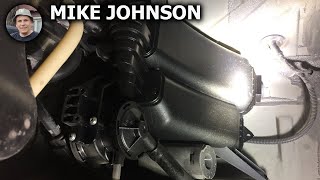
Helpful Videos
We Have This Part in Stock


The information in this article is provided for general reference and educational purposes only. Vehicle specifications, procedures, and part compatibility can vary by production date, trim level, and region. Always consult your vehicle's factory service manual and verify part numbers before purchasing or performing repairs. Safety-critical components such as airbags, seat belts, and braking systems should be installed by a qualified professional.
- Jaguar XJ:
- 🧭 Diagnostic Flowchart
- 🎬 Helpful Videos
- 🛍️ Shop This Part
- What's Unique About the 2010-2015 Jaguar XJ
- Symptoms You May Notice
- Most Likely Causes
- Diagnosis Steps
- Parts You'll Likely Need
- Related Codes That Often Appear With This One
- Technical Service Bulletins (TSBs) & Recalls
- Platform-Specific Known Issues
- Mechanic-Grade Diagnostic Values
- Scan Tool Commands That Help
- Wiring & Ground Locations
- "I Checked Everything" — The Actual Cause
- OEM Part Supersession History
- Model Year Variations Within This Range
- 🎟️ Get 5% Off