

P2420 on 2010-2011 Toyota Camry 2.5L: EVAP Switching Valve Circuit High Explained
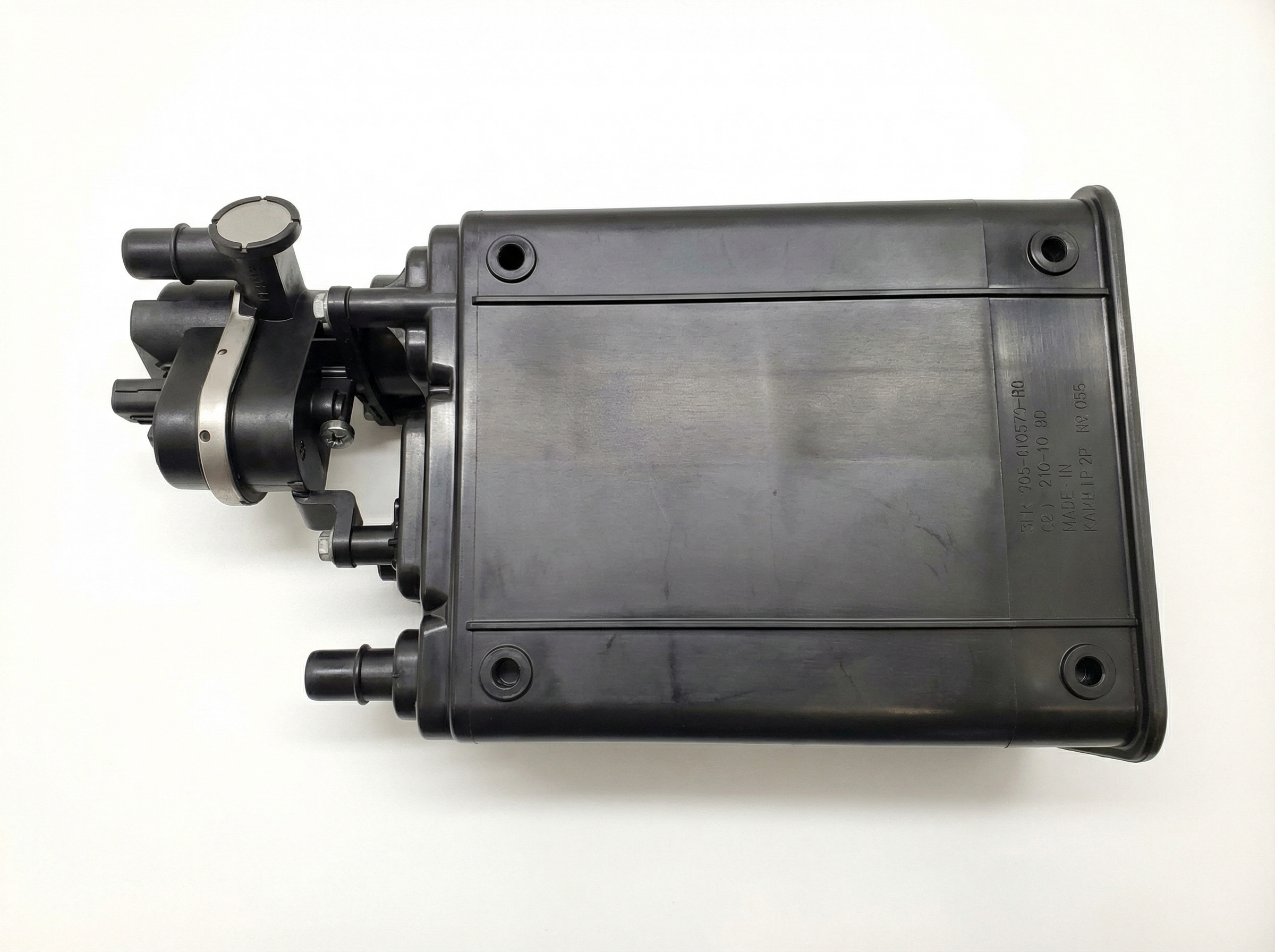
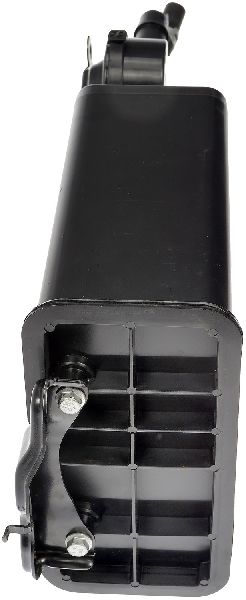
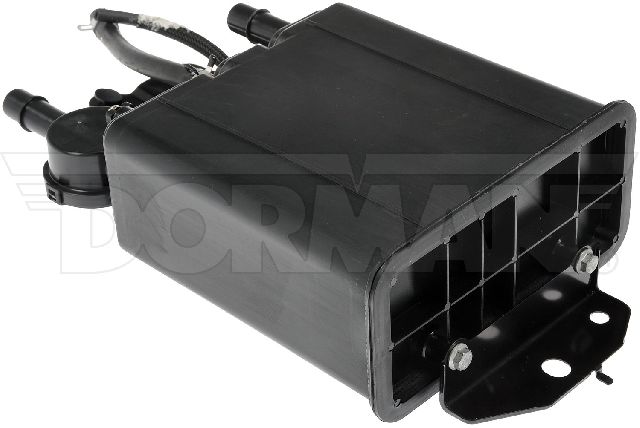
On a 2010-2011 Toyota Camry, P2420 almost always means the entire charcoal canister assembly needs to be replaced. The faulty valve is integrated into this unit. Expect to pay $300-$500 for an OEM part, with a DIY difficulty of 3/5. This is a known issue covered by Toyota TSB T-SB-0028-11.
- P2420 on a 2010-2011 Camry is a very specific code pointing to the charcoal canister assembly, a known issue confirmed by Toyota TSB T-SB-0028-11.
- Do not waste money on a new gas cap or engine bay purge valve for this code.
- The fix is to replace the entire charcoal canister, as the faulty valve inside is not sold separately.
- Always check the wiring harness for damage and verify voltages at the connector before ordering the expensive canister assembly.
- An OEM replacement part is highly recommended to ensure compatibility and avoid new issues, as aftermarket parts can sometimes cause similar codes.
What's Unique About the 2007-2011 Toyota Camry
For this generation of Camry with the 2AR-FE engine, Toyota issued a Technical Service Bulletin (TSB T-SB-0028-11) acknowledging this exact issue for 2010 models. The problem is so common that the prescribed fix is to replace the entire charcoal canister with an updated part. Unlike some other EVAP codes that point to a loose gas cap or a simple hose leak, P2420 on this vehicle points very specifically to a failure of the canister-mounted valve or its circuit.
Generation note: The 2007-2011 year range covers the Toyota Camry XV40 generation. However, the 2AR-FE 2.5L engine was only used in the 2010 and 2011 model years. This guide is specific to those 2010-2011 models. The preceding 2007-2009 models used the 2.4L 2AZ-FE engine.
Symptoms You May Notice
- Check Engine Light is on
- Inability to pass a state emissions inspection
- A faint fuel odor may be noticeable near the rear of the vehicle in some cases, though this is less common for a circuit fault.
- Replacing the gas cap. A loose or faulty gas cap typically causes a P0455 (gross leak) or P0456 (small leak) code, not a circuit code like P2420.
- Replacing the EVAP purge valve/solenoid. The purge valve is located in the engine bay and is a different part of the EVAP system. 🎬 Watch: Locate the purge valve and canister on your Camry P2420 specifically refers to the switching/vent valve on the canister at the rear of the vehicle.
Most Likely Causes
- Failed Charcoal Canister Assembly 🔴 High Probability → Shop Vapor Canister The internal switching/vent valve is a known failure point, as acknowledged by Toyota in TSB T-SB-0028-11. The valve's internal solenoid circuit fails, causing the 'circuit high' condition. The valve is not sold separately, requiring replacement of the whole assembly.
How to confirm: After confirming the wiring is intact, the canister assembly is the default point of failure. A bi-directional scan tool can attempt to command the valve on/off; a lack of response or audible click points to a failed valve. Per TSB T-SB-0028-11, a technician can test the connector pins: with the key ON, voltage between Pin 9 and ground should be 9-14V, and voltage between Pin 8 and ground should also be 9-14V. If those voltages are correct, the canister is faulty.
Typical fix: Replace the entire charcoal canister assembly, which is located near the fuel tank, under the vehicle. 🎬 Watch: How to remove and replace the charcoal canister
Est. part cost: $300-$500 - Wiring Harness or Connector Damage 🟡 Medium Probability The wiring runs underneath the vehicle to the canister and is exposed to road debris and moisture, which can lead to corrosion or physical damage over time. A short to power on the control wire will cause this code.
How to confirm: Visually inspect the wiring harness and the connector at the charcoal canister for any breaks, corrosion, or loose pins. Use a multimeter to check for a short to power in the control circuit wire. With the valve connector unplugged and ignition ON, the control wire should read 0V; if it reads near battery voltage, there is a short in the harness.
Typical fix: Repair the damaged section of the wiring harness or clean/replace the connector. The connector housing is often Toyota P/N 90980-10916.
Est. part cost: $10-$50
Rare But Worth Checking
- Faulty Engine Control Module (ECM): → Shop Engine Control Module (ECM) This is very uncommon. The ECM's internal driver for the valve circuit can fail, causing the code. This should only be considered after the canister and wiring have been thoroughly tested and ruled out.
Diagnosis Steps
- Scan for any other DTCs. If other codes are present, diagnose them first.
- Visually inspect the wiring harness and electrical connector leading to the charcoal canister assembly (located near the fuel tank, typically above the rear subframe) for any signs of damage, corrosion, or loose connections.
- Disconnect the connector at the switching valve. With the ignition ON (engine off), use a multimeter to check for voltage at the harness connector.
- Following the diagnostic procedure from TSB T-SB-0028-11: Check voltage between Pin 9 (Power) and chassis ground. It should be 9-14 volts.
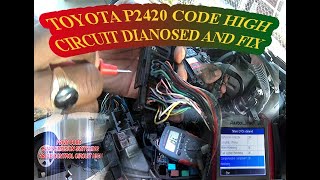
- Check voltage between Pin 8 (Control/Ground from ECM) and chassis ground. With the key ON, it should also read 9-14 volts. If you use a scan tool to command the valve ON (closed), this voltage should drop to near 0. 🎬 See how to diagnose the P2420 circuit high code
- If both voltage tests pass and the valve does not operate, the charcoal canister assembly has failed and must be replaced.
- If Pin 9 has no voltage, there is an open in the power supply circuit. If Pin 8 has 0 volts even when the valve is commanded OFF, there is a short to ground in the control wire.
- Before replacing the canister, clear the code and perform a drive cycle to see if it returns, confirming it is not an intermittent issue.
Parts You'll Likely Need
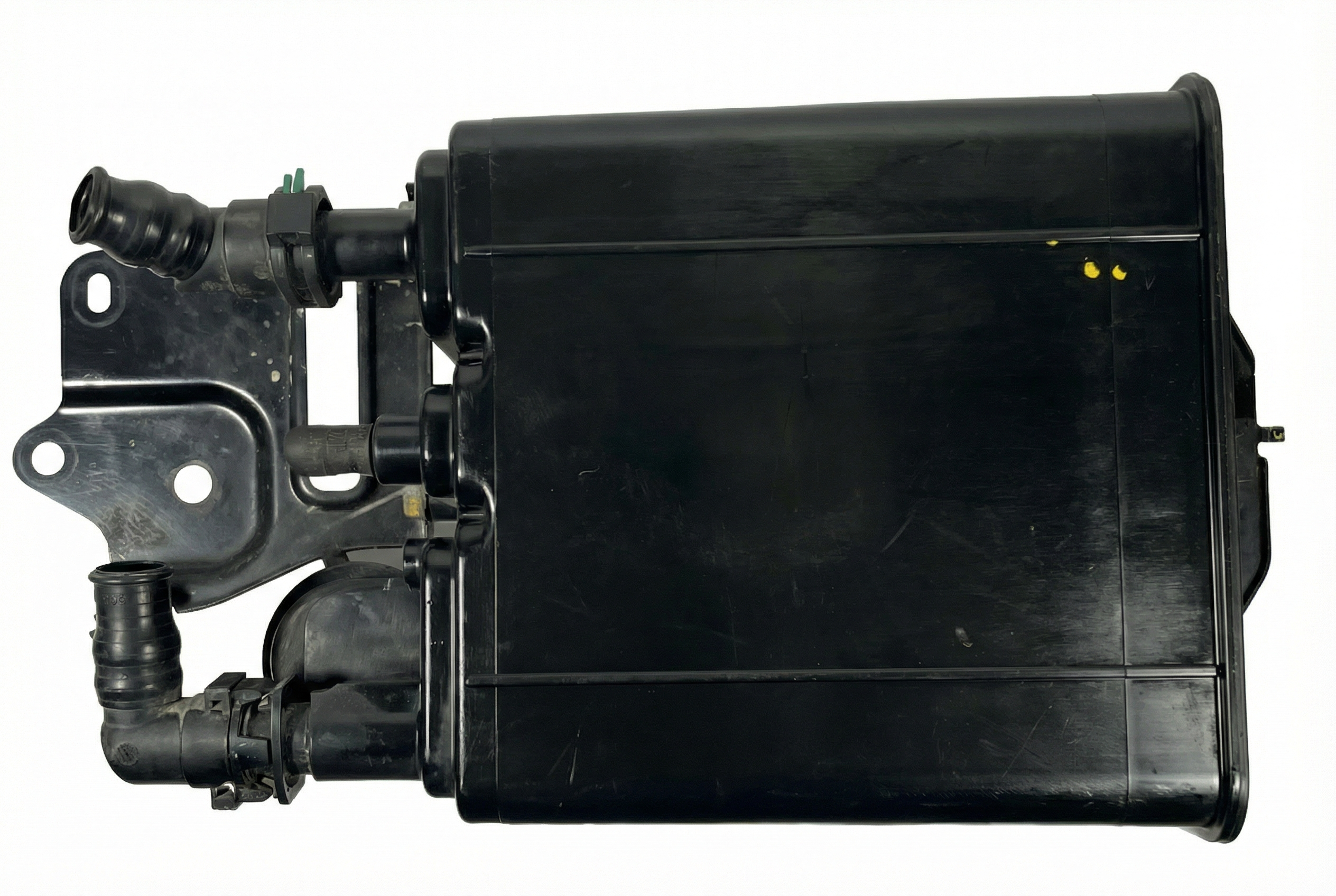
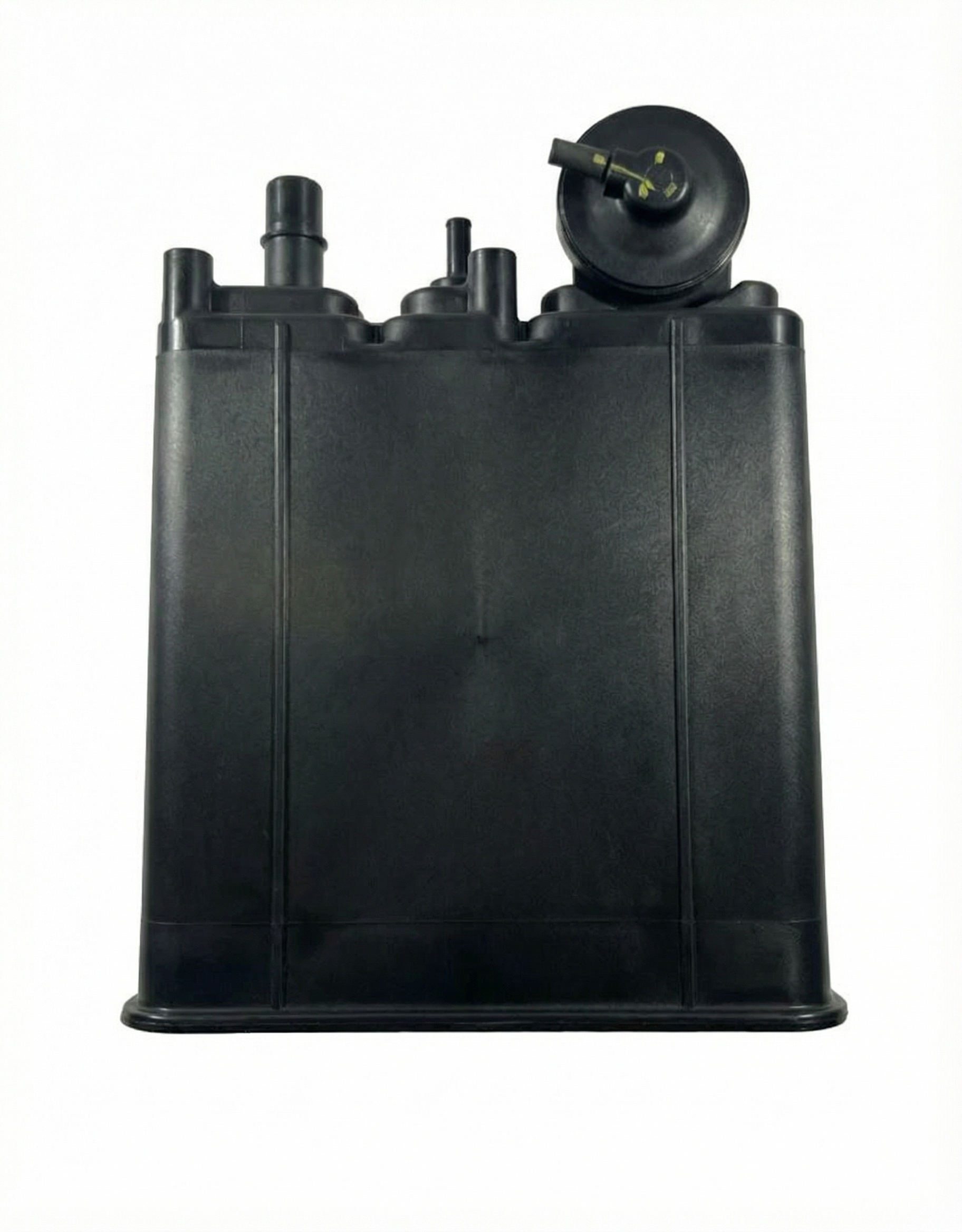
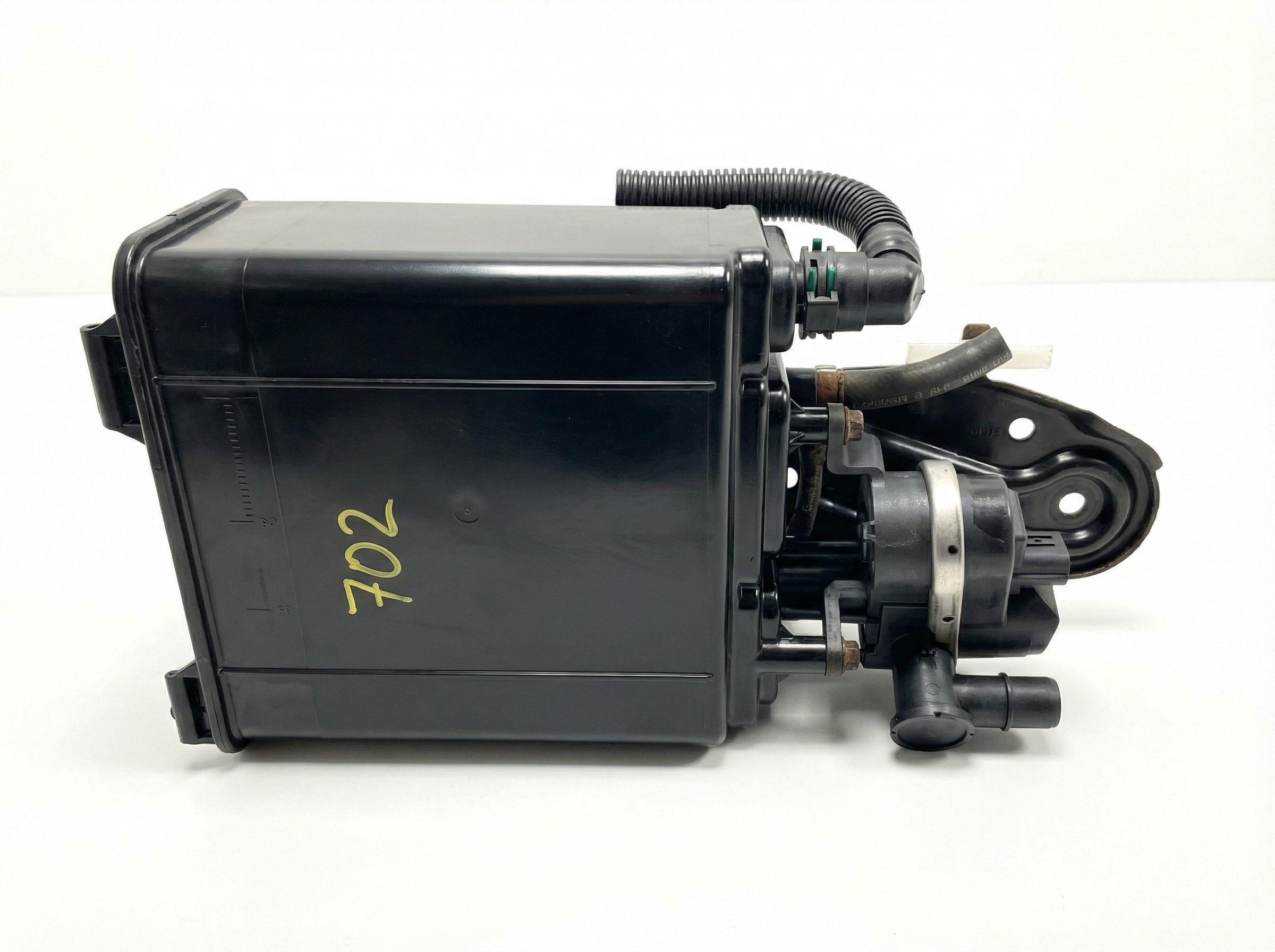
- Charcoal Canister Assembly
(OEM #77740-06130)— This is the most common failure for code P2420 on this vehicle, as the non-serviceable switching valve is integrated into this assembly. TSB T-SB-0028-11 recommends replacing it with an updated part.
Trusted brands: Toyota (Genuine OEM)
OEM price range: $300-$500
Aftermarket price range: $200-$400
Related Codes That Often Appear With This One
- P043E: This code often appears with P2420 on related Toyota platforms, as both can be triggered by a single failure within the canister assembly.
- P2195, P0138, and P0031: According to NHTSA ODI #10573840, these codes may sometimes be found in conjunction with a MIL "ON" condition on related Toyota models.
Technical Service Bulletins (TSBs) & Recalls
- T-SB-0028-11: Issued April 7, 2011, for some 2010 model year Camry vehicles (and other Toyota models) that may exhibit a MIL ON condition with DTC P2420. The bulletin advises that the charcoal canister has been updated to address this condition and provides the replacement procedure and specific electrical diagnostic steps.
- TSB Bulletin #T-SB-0024-15: While issued for a different model, this bulletin confirms that Toyota vehicles may exhibit a MIL "ON" condition with DTC P2420 specifically due to the Evaporative Emission Pressure Switching Valve being stuck OFF.
- TSB Bulletin #T-SB-0024-15_Rev: A revised manufacturer service bulletin further documenting the P2420 condition as a "Pressure Switching Valve Stuck Off" issue requiring specific repair procedures.
Mechanic-Grade Diagnostic Values
- EVAP Switching/Vent Valve Solenoid Resistance — expected: 20-50 Ohms. Failure: An open circuit (infinite resistance) or a direct short (near zero ohms) indicates a failed solenoid coil inside the canister assembly.
Hidden / Shadow Codes Worth Checking
- Mode $06: This is not a trouble code, but a diagnostic function showing results of the ECM's self-tests. For P2420, a technician can view the test results for the EVAP system monitors to see if the vent valve component is passing or failing its self-test, sometimes before a permanent DTC is stored. (see via Advanced OBD-II scan tools or Toyota's Techstream software.)
Scan Tool Commands That Help
- Toyota Techstream: Active Test -> Activate the VSV for Vent Valve — This is a direct, manual bidirectional command to cycle the switching/vent valve ON and OFF. A technician should listen for an audible click from the canister area when commanding the valve. A lack of a click, combined with correct voltage at the connector, confirms a failed valve inside the canister assembly.
- Toyota Techstream: Utility -> Evaporative System Check — This is a comprehensive, automated test of the entire EVAP system. After replacing the canister, running this utility can confirm the repair and ensure no other leaks or issues are present. It forces the system through its self-test monitors without waiting for the natural key-off cycle.
Wiring & Ground Locations
- ECM Connector A24 (2AR-FE) — The Engine Control Module (ECM) is typically located in the engine bay, often near the battery or against the firewall.. The control wire (Pin 8, VGND) from the charcoal canister connector terminates at the ECM. If there is a suspected break in the harness, a continuity test can be performed between Pin 8 at the canister connector and the corresponding pin at the A24 ECM connector to confirm the wire's integrity.
- Canister Connector Pin 8 (VGND) — On the electrical connector attached to the charcoal canister assembly at the rear of the vehicle.. This is the control wire that the ECM grounds to activate the switching valve. The TSB diagnostic procedure focuses on measuring voltage at this pin while using a scan tool to command the valve on and off.
- Canister Connector Pin 9 (VLVB) — On the electrical connector attached to the charcoal canister assembly at the rear of the vehicle.. This pin supplies battery voltage to the switching valve. According to the TSB, it should have 9-14V with the ignition on. A lack of voltage here indicates a problem with the power supply circuit, not the canister itself.
OEM Part Supersession History
77740-06100, 77740-06101, 77740-06102→77740-06170— Part has been updated and revised by the manufacturer over time. The TSB for P2420 specifically calls for replacing the original canister with an updated part.
Heads up: While older part numbers may physically fit, the TSB implies an internal design change was made to prevent the valve failure that causes P2420. Using a new old stock or used part with an older number may lead to a repeat failure.
Model Year Variations Within This Range
- 2010: The TSB T-SB-0028-11 specifically lists the 2010 model year Camry as being affected by the faulty charcoal canister causing P2420. While the 2011 model uses the same engine and likely the same part, the TSB is explicit to 2010, suggesting a specific batch of parts may have been the primary issue.
Diagnostic Flowchart
Other Known Issues on This Vehicle
Issues unrelated to this code that are worth knowing about as an owner of this generation:
- Melting/Sticky Dashboard 🟠 Medium — Very common in high-heat and high-humidity climates. Affects the entire 2007-2011 generation. (Ref: Toyota Warranty Enhancement Program ZE6 extended coverage for this issue.)
- Torque Converter Shudder 🟠 Medium — Common between 25-50 mph under light throttle, typically appearing after 80,000 miles. Affects the U760E transmission used in 2010-2011 models. (Ref: Toyota issued a Warranty Enhancement Program (ZE5) and TSBs for this issue, often recommending a software update or torque converter replacement.)
- Excessive Oil Consumption 🟠 Medium — While the 2AR-FE is a significant improvement over the previous 2AZ-FE, early versions (2010-2012) can still consume oil, especially if oil change intervals were extended past 5,000 miles.
- VVT Gear Rattle on Cold Start 🟡 Low — A brief rattling or knocking sound for a few seconds upon starting the engine when cold. It is a known issue with the VVT-i actuator. (Ref: Toyota issued a TSB for this issue on earlier 2AR-FE engines.)
Used vs. New Parts: Buying Guide for This Vehicle
When a used part is the smart pick: For this specific P2420 repair, a used part is NOT recommended. The failure is a known design or manufacturing defect in the internal, non-serviceable valve. A used part from a junkyard has a high probability of having the same defect or failing soon after installation.
Donor-vehicle mileage cap: roughly under 30000 miles for the part to have meaningful remaining life.
What to inspect on the donor part:
- If forced to use a part from a donor vehicle, choose one from the newest possible model year (e.g., a 2011 or later if compatible).
- Inspect the plastic housing for any cracks or signs of physical damage.
- Ensure all hose connection nipples are intact and not brittle.
- Check the electrical connector pins for corrosion or damage.
OEM-only on this vehicle (don't cheap out):
- Charcoal Canister Assembly: Due to the known failure pattern and the TSB recommending an updated part, using a Genuine Toyota OEM replacement is the most reliable way to ensure a lasting repair.
Brands owners have reported issues with on this vehicle:
- Unbranded / 'White-box' parts: Some owners on forums have reported getting P2420 or other EVAP codes immediately after installing a cheap, non-branded aftermarket canister. While some may work, the quality control can be inconsistent.
Real Owner Stories
Aggregated from forums and TSBs cited above. Mileages and costs reflect what owners reported in those sources.
2014 Toyota Camry
Symptoms: The owner replaced the charcoal canister to fix other EVAP codes, but then immediately received a P2420 code.
What fixed it: The discussion highlighted checking for a faulty aftermarket part or a bad electrical connection at the circuit.
Source hint: Reddit r/MechanicAdvice - P2420 after changing charcoal canister
2010 Toyota Camry
Symptoms: MIL ON condition with DTC P2420.
What fixed it: Replacement of the charcoal canister with an updated version as specified in the official Toyota technical service bulletin.
Source hint: T-SB-0028-11
Owner Reported MIL Condition
Symptoms: An owner reported a MIL "ON" condition with DTC P2420 stored, alongside other codes such as P2195, P0138, and P0031.
What fixed it: Diagnostic records indicate these codes often appear together during fuel system failures on related Toyota platforms.
Source hint: NHTSA ODI #10573840
Frequently Asked Questions
Does TSB T-SB-0028-11 apply to my 2010 Toyota Camry?
Can I just replace the switching valve on my Camry's charcoal canister to fix P2420?
What voltage should I see at the canister connector on my 2AR-FE Camry?
Is there a specific connector part number if I find corrosion at the canister?
Should I buy a used charcoal canister from a junkyard to save money?
Are there other common issues on the 2007-2011 Camry I should look out for while fixing this?
Helpful Videos



Used OEM Parts in Stock
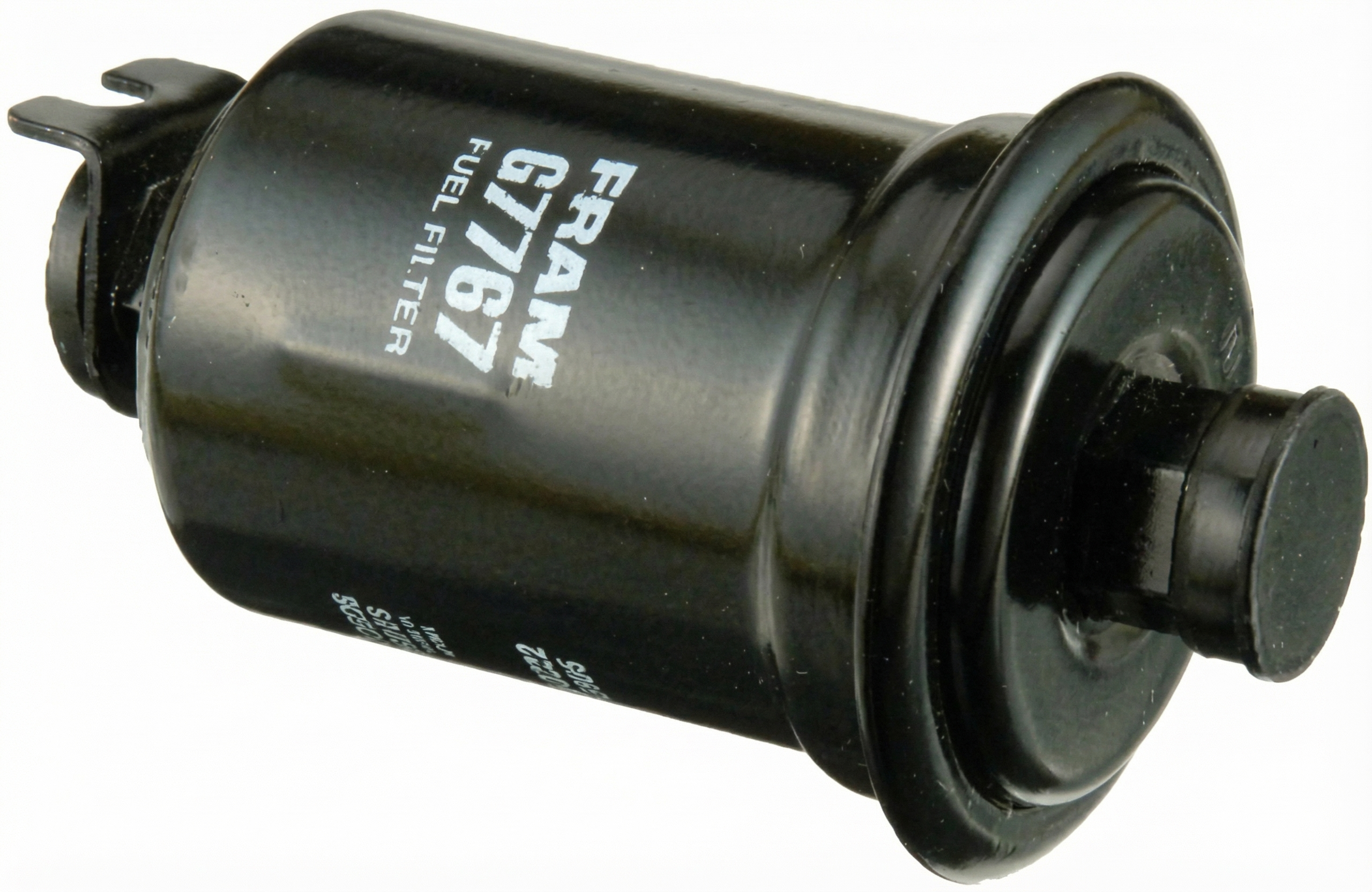
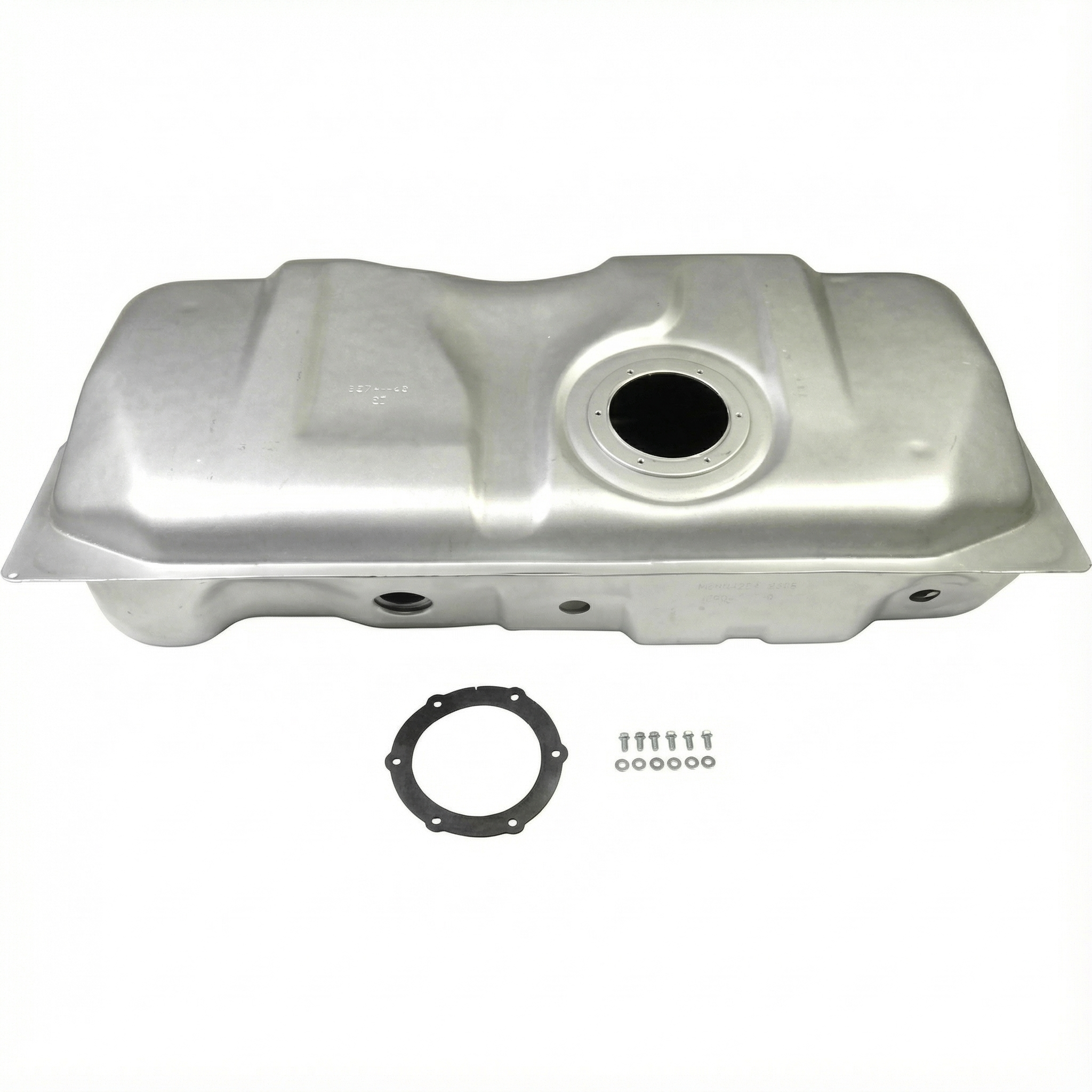
New Aftermarket Parts Available


The information in this article is provided for general reference and educational purposes only. Vehicle specifications, procedures, and part compatibility can vary by production date, trim level, and region. Always consult your vehicle's factory service manual and verify part numbers before purchasing or performing repairs. Safety-critical components such as airbags, seat belts, and braking systems should be installed by a qualified professional.
- Toyota Camry:
- 🧭 Diagnostic Flowchart
- 🎬 Helpful Videos
- 🛍️ Shop This Part
- What's Unique About the 2007-2011 Toyota Camry
- Symptoms You May Notice
- Most Likely Causes
- Rare But Worth Checking
- Diagnosis Steps
- Parts You'll Likely Need
- Related Codes That Often Appear With This One
- Technical Service Bulletins (TSBs) & Recalls
- Mechanic-Grade Diagnostic Values
- Hidden / Shadow Codes Worth Checking
- Scan Tool Commands That Help
- Wiring & Ground Locations
- OEM Part Supersession History
- Model Year Variations Within This Range
- Other Known Issues on This Vehicle
- Used vs. New Parts: Buying Guide for This Vehicle
- Real Owner Stories
- 2014 Toyota Camry
- 2010 Toyota Camry
- Owner Reported MIL Condition
- Frequently Asked Questions
- 🎟️ Get 5% Off