

P2421 on 2012-2020 Chevrolet Sonic: EVAP Vent Valve Stuck Open Causes and Fixes
On a 2012-2020 Chevy Sonic, code P2421 is almost always caused by a failed EVAP Vent Valve Solenoid located near the fuel tank. Do NOT confuse this with the purge valve in the engine bay. Replacing the correct vent valve is the most likely fix, costing about $40-$90 for the part.
- P2421 points to the EVAP Vent Valve, located at the rear of the car by the fuel tank, NOT the Purge Valve in the engine bay.
- The most common fix is to replace the EVAP Vent Valve Solenoid (ACDelco/GM part #23481275).
- Before buying parts, confirm the diagnosis by checking for an audible click from the valve when commanding it with a scan tool.
- Driving with this code is safe, but you will fail an emissions test.
- Check the wiring and connector to the valve for corrosion or damage, as its location makes it vulnerable.
What's Unique About the 2012-2020 Chevrolet Sonic
For the Chevy Sonic and its 1.4L Turbo engine, there is significant confusion surrounding EVAP codes. Many owners and even some mechanics mistakenly replace the engine bay-mounted Purge Valve (related to code P0496) when they see an EVAP code. However, P2421 specifically points to the Vent Valve, which is a different part located at the rear of the car near the charcoal canister. While GM has issued special coverage programs for the frequently-failing purge valve on some Sonic model years, no such program exists for the vent valve related to P2421.
Symptoms You May Notice
- Check Engine Light illuminated
- A faint smell of gasoline, especially around the rear of the vehicle
- Inability to pass a state emissions inspection
- Difficulty starting the engine immediately after refueling. The engine may stall and require holding the gas pedal down to restart.
- Replacing the EVAP Purge Valve (Solenoid) in the engine bay. This is the single most common mistake for this code on a Chevy Sonic. The purge valve is associated with code P0496, not P2421. The correct part for P2421 is the Vent Valve near the fuel tank.
Most Likely Causes
- Failed EVAP Vent Valve Solenoid 🔴 High Probability → Shop Vapor Canister The valve is a solenoid-actuated mechanical part located under the vehicle, exposed to the elements. It can fail over time by getting mechanically stuck open or through an internal electrical fault in the solenoid coil.
How to confirm: Use a bidirectional scan tool to command the vent valve closed. If it doesn't make an audible 'click', it has likely failed. A smoke test is the definitive confirmation: command the valve closed and introduce smoke into the EVAP system; if smoke escapes from the vent valve's filter, it is mechanically stuck open.
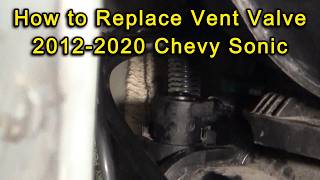
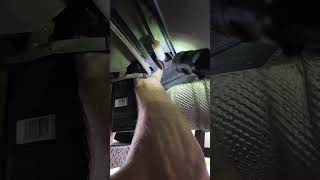
Typical fix: Replace the EVAP vent valve solenoid. It is mounted directly to the charcoal canister with a quarter-turn lock. 🎬 Watch: How to replace the Sonic's vent solenoid
Est. part cost: $40-$90 - Damaged Wiring or Connector 🟡 Medium Probability The vent valve and its wiring are located underneath the car, typically above the rear axle area. This exposes them to road debris, moisture, and corrosion which can damage the connector or break the wires, leading to a loss of signal. A common failure point on GM vehicles is a wire breaking inside the insulation right at the connector, appearing visually intact but creating an open circuit.
How to confirm: Visually inspect the wiring harness and 2-pin connector leading to the vent valve for any signs of corrosion, breaks, or loose pins. Test for 12V power on one pin and a ground signal at the connector with a multimeter. When the valve is commanded by a scan tool, the ground signal should toggle. If you read 12V on both wires, you have an open in the ground-side control wire from the PCM.
Typical fix: Repair the damaged section of the wiring harness or replace the connector pigtail.
Est. part cost: $15-$30 - Clogged or Debris-Filled Vent Valve ⚪ Low Probability Dirt, dust, and even insects can get into the vent valve's fresh air intake filter, traveling into the valve itself and preventing the valve's plunger from sealing completely when it's commanded to close.
How to confirm: Remove the valve from the charcoal canister and inspect the port and filter for physical blockages or debris. Sometimes tapping the valve can dislodge debris, but the internal mechanism may be compromised.
Typical fix: Cleaning is sometimes possible, but replacement is often the most reliable and recommended fix.
Est. part cost: $40-$90
Rare But Worth Checking
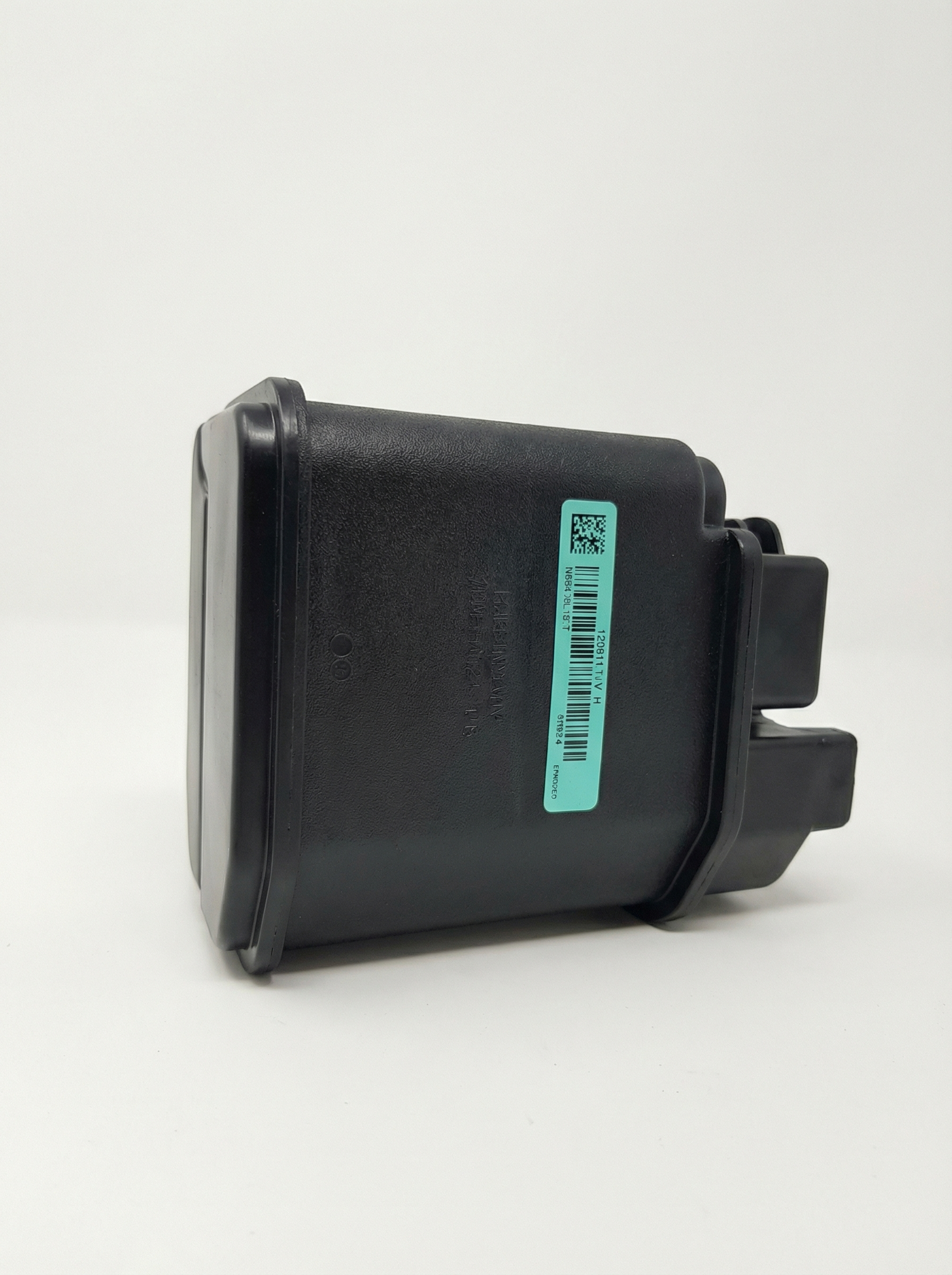
- Cracked Charcoal Canister: → Shop Vapor Canister The vent valve is often mounted directly to the charcoal canister. A physical impact from road debris or stress fracture to the canister housing can cause a permanent leak that the system interprets as a stuck-open valve.
- Faulty Powertrain Control Module (PCM): → Shop Engine Control Module (ECM) This is extremely rare. The PCM itself could fail to send the correct signal, but all other possibilities, especially the valve and wiring, should be exhausted before considering PCM replacement.
Diagnosis Steps
- Confirm code P2421 is present using an OBD-II scanner.
- Locate the EVAP vent valve and charcoal canister at the rear of the vehicle. On the Sonic, this is typically located above the rear axle, near the fuel tank, and may require removing a small plastic shield for access.
- Visually inspect the vent valve, canister, and all attached hoses for obvious cracks, damage, or loose connections.
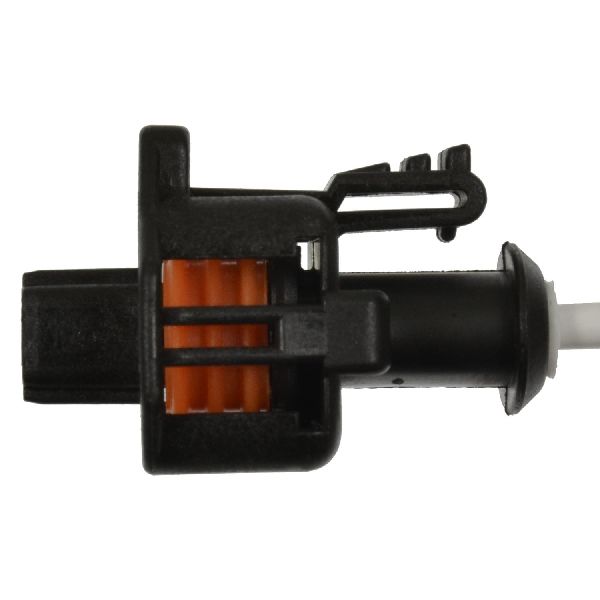
- Inspect the electrical connector on the vent valve for corrosion, damage, or loose pins. It is a 2-wire connector.
- Using a bidirectional scan tool, command the EVAP vent valve to close (cycle from 0% to 100%). Listen for an audible 'click' from the valve. No click suggests an electrical or internal solenoid failure.
- If the valve does not click, disconnect the connector and use a multimeter to check for 12V power on one pin and a toggling ground signal from the PCM on the other when the valve is commanded on/off. The power feed comes from the 10A 'EVAP' fuse (position F15) in the under-hood fuse box.
- If the valve clicks but the code persists, perform an EVAP system smoke test. Command the vent valve closed and introduce smoke into the system's service port. If smoke exits from the vent valve's filter area, the valve is mechanically stuck open and must be replaced.
- If no smoke is seen at the vent valve, check the rest of the EVAP lines and the charcoal canister for cracks or leaks that could be misinterpreted by the system.
Parts You'll Likely Need
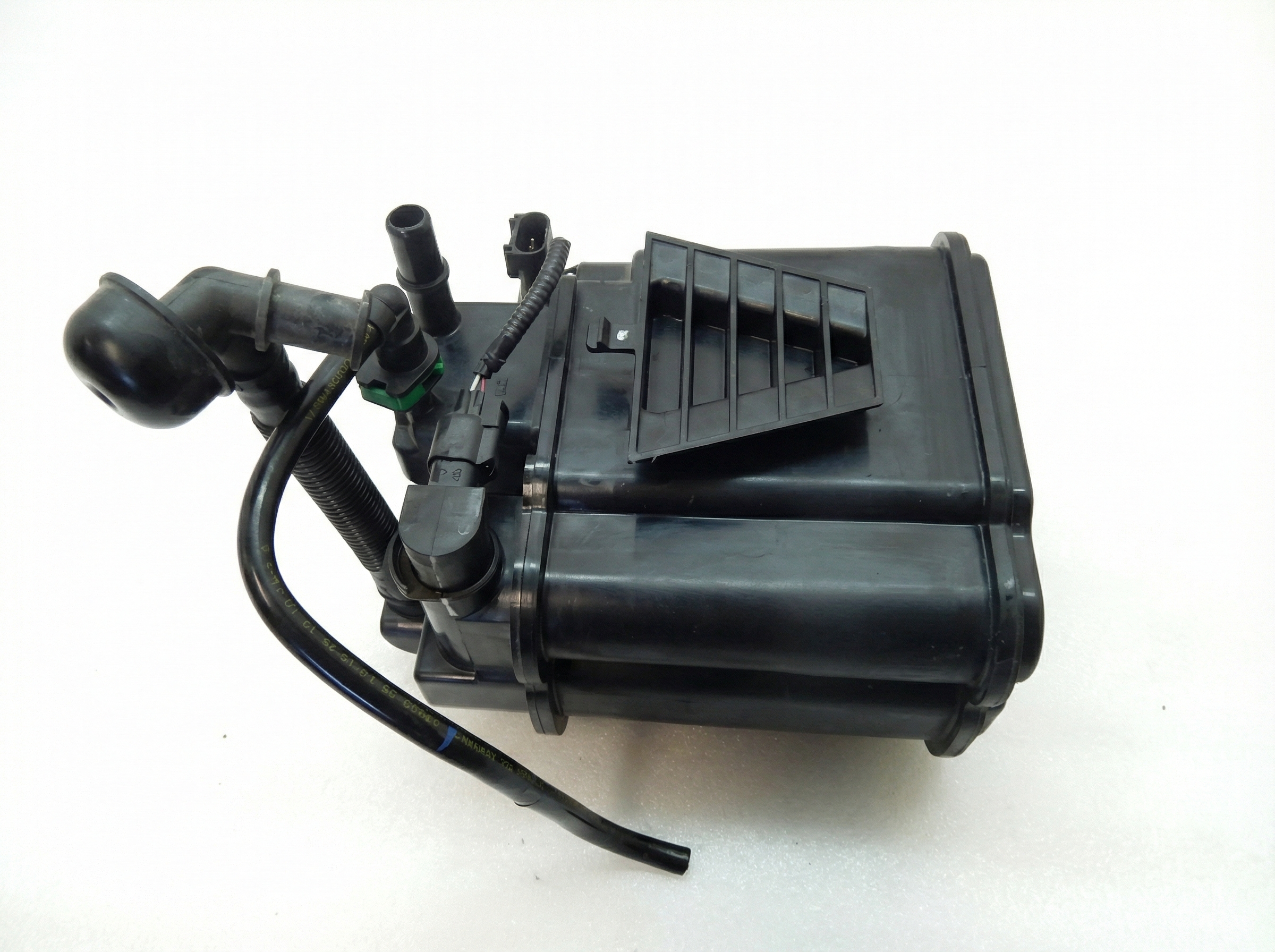
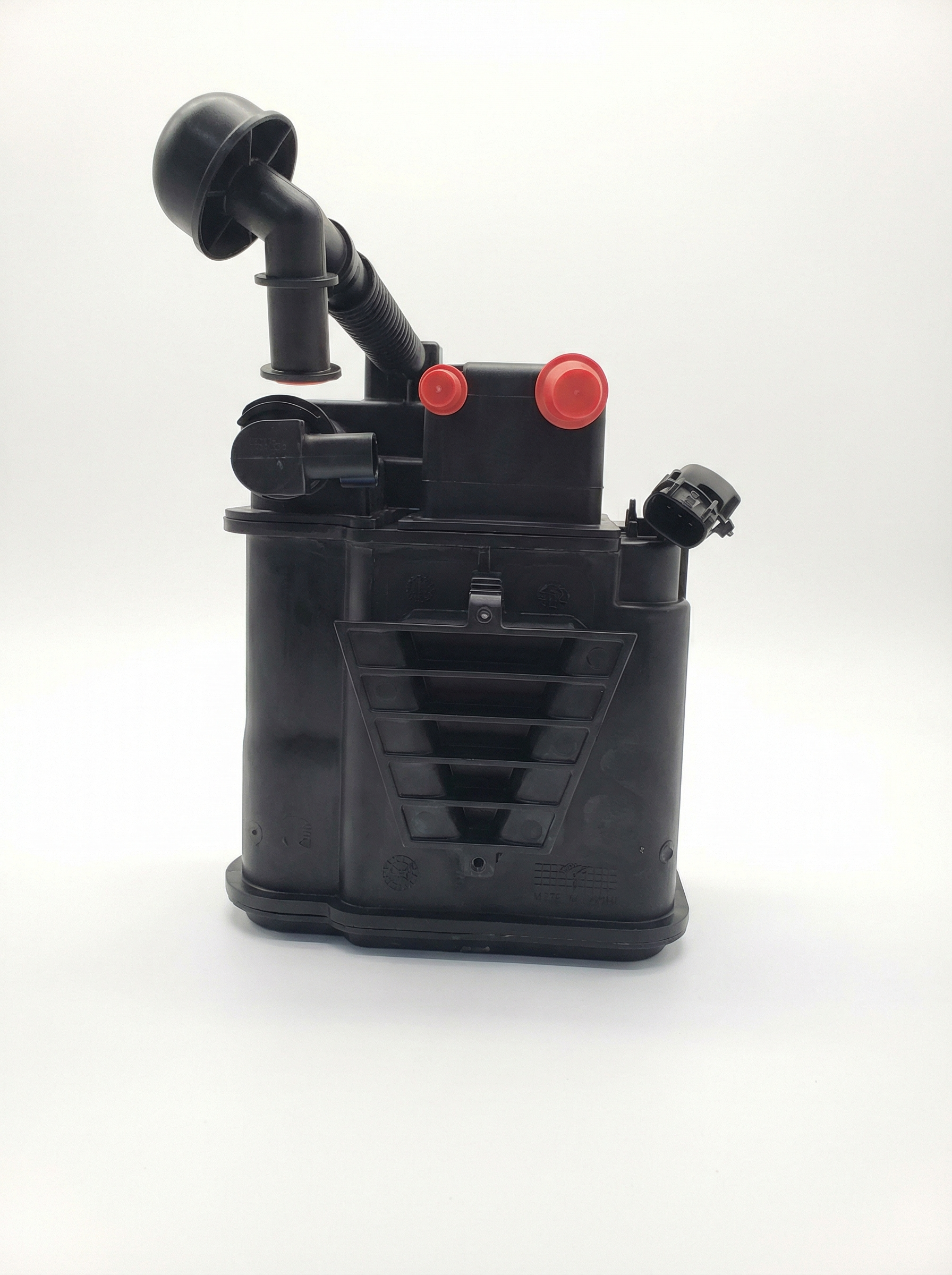
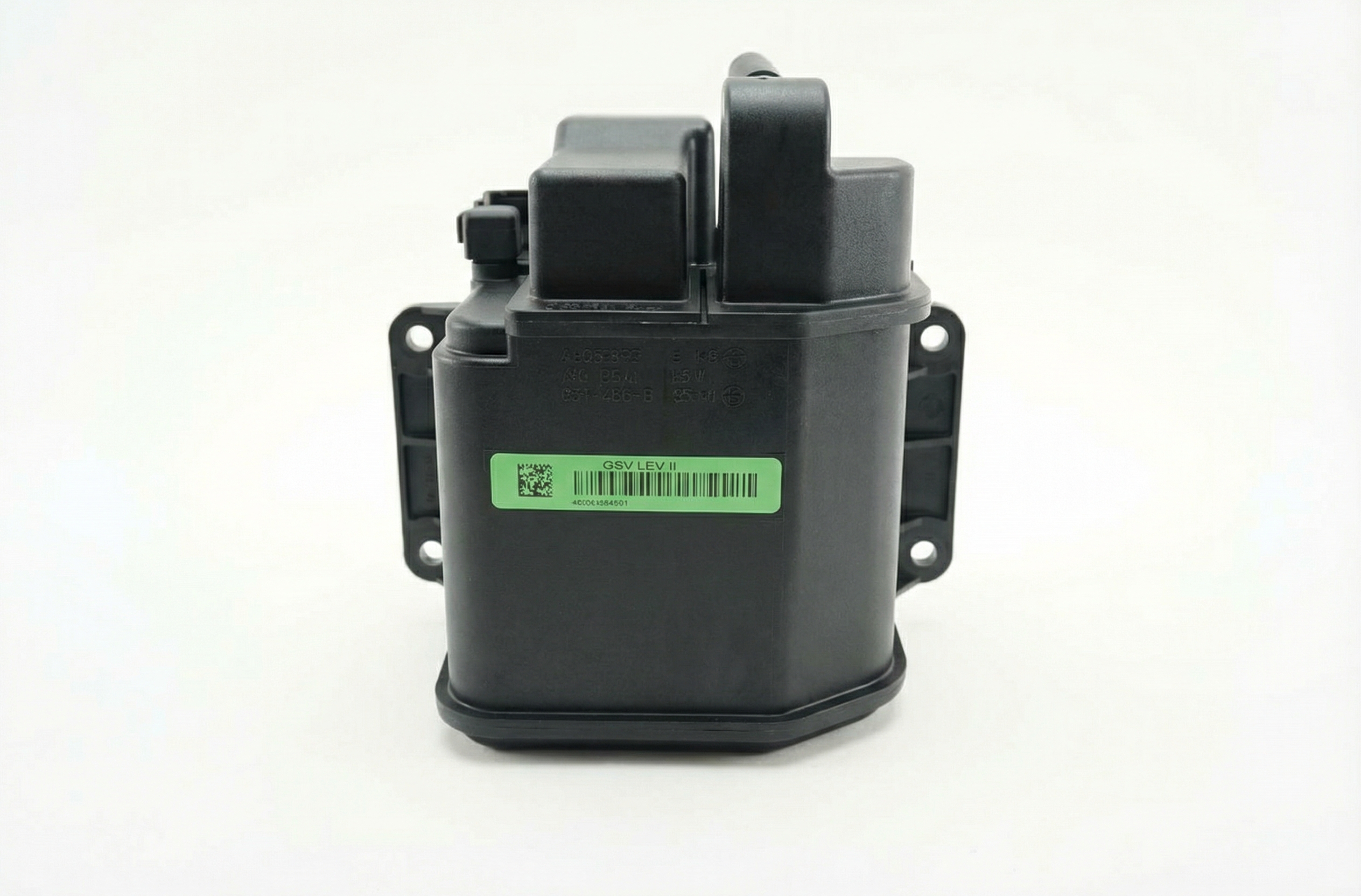
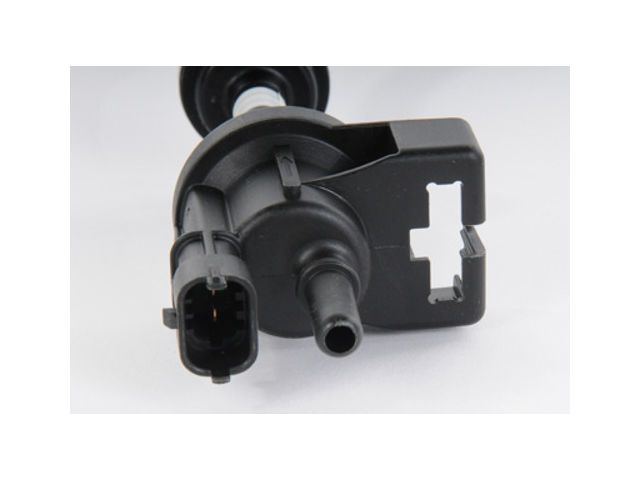
- EVAP Vapor Canister Vent Valve Solenoid
(OEM #ACDelco 22865590 or 84524035)— This is the valve that the code directly identifies as being stuck open. Mechanical or electrical failure of this part is the primary cause of P2421. Note: Part number 23481275 is often listed but fits larger GM trucks, not the Sonic.
Trusted brands: ACDelco, GM Genuine Parts, Dorman, Standard Motor Products (SMP)
OEM price range: $45-$70
Aftermarket price range: $35-$60
Related Codes That Often Appear With This One
- P0455 — A 'Gross Leak Detected' code. A vent valve that is stuck wide open is a very large leak, so the system may flag both the specific valve fault (P2421) and the general system leak (P0455) at the same time.
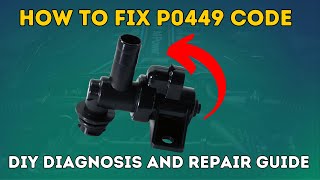
- P0449 — An 'EVAP Vent Valve/Solenoid Circuit Malfunction' code. This indicates an electrical problem (like a broken wire or bad solenoid coil) with the same part, and can 🎬 See this step-by-step P0449 diagnosis and repair guide sometimes appear alongside P2421 if the failure is both electrical and mechanical.
Platform-Specific Known Issues
- A voluntary emissions recall was issued for some 2012 Sonics for an improperly installed fuel filler hose clamp, which could also cause a fuel odor and Check Engine Light, but is unrelated to code P2421.
- GM has a Special Coverage Adjustment (N192210240) for the EVAP *Purge* Valve on 2016-2017 Sonics, but this does not apply to the *Vent* Valve or code P2421. This highlights the frequent confusion between the two parts.
Mechanic-Grade Diagnostic Values
- EVAP Vent Valve Solenoid Coil Resistance — expected: 15 to 30 Ohms. Failure: A reading of infinite resistance (open circuit) or near-zero resistance (short circuit) indicates a failed solenoid coil.
- Voltage at Vent Valve Connector (Power Feed Pin) — expected: ~12V (Battery Voltage) with Key On. Failure: 0V indicates a problem with the power supply, likely the F15 (10A) fuse in the under-hood fuse box or a broken wire.
- Voltage at Vent Valve Connector (Control Pin) — expected: ~12V with key on, valve commanded OFF. Drops to 0V when commanded ON (closed) by the PCM.. Failure: Voltage staying at 12V when commanded ON indicates an open in the control wire back to the PCM. Voltage always at 0V could indicate a short to ground.
Scan Tool Commands That Help
- GDS2 / Tech 2: EVAP Service Bay Test — This is a comprehensive, automated test that allows the technician to force the EVAP monitor to run in the service bay. It will command the vent valve closed and the purge valve open to create a vacuum and test the system's integrity, confirming if a leak (like a stuck-open vent valve) is present without a full drive cycle.
- GDS2 / Tech 2 / Bidirectional Scanner: Output Controls > EVAP Vent Solenoid Commanded State (On/Off or 0-100%) — This is the direct command used to isolate the vent valve. A technician uses this to listen for the valve's 'click' and to seal the system for a smoke test, confirming if the valve is responding electrically and sealing mechanically.
Wiring & Ground Locations
- EVAP Fuse F15 — In the under-hood fuse box, position #15, rated at 10 amps.. This fuse provides the 12V power supply to the EVAP vent valve solenoid. If this fuse is blown, the valve will have no power and cannot operate, which can contribute to setting EVAP codes.
- Chassis Ground Stud — On the chassis frame rail directly beneath the battery tray. The main engine block ground and the battery negative cable ground attach to separate studs a few inches apart in this area.. While not the direct ground for the vent valve (which is controlled by the PCM), poor main chassis and engine grounds in this area can cause a host of unpredictable electrical issues and voltage drops across the entire vehicle, potentially affecting PCM operation and sensor readings. A forum user noted this as a design 'flaw' and recommended cleaning and combining them onto a single stud for better conductivity.
OEM Part Supersession History
22865590→84524035— Standard part number update by GM. The parts are functionally identical.
Heads up: Some parts catalogs show 22865590 being superseded by 42933353, but 84524035 is the more commonly referenced and available replacement for the Sonic.
Diagnostic Flowchart
Other Known Issues on This Vehicle
Issues unrelated to this code that are worth knowing about as an owner of this generation:
- PCV System Failure (Intake Manifold & Valve Cover) 🔴 High — Extremely common. A check valve in the intake manifold can fail and be ingested by the engine, and a diaphragm in the valve cover can rupture. This leads to oil consumption, rough idle, and codes like P0171. (Ref: GM TSB PIP5197)
- Cracked Plastic Thermostat Housing 🟠 Medium — Very common failure point, leading to coolant leaks, often noticed as orange Dex-Cool dripping onto the transmission. Many owners upgrade to a more durable aftermarket aluminum housing.
- Leaking Water Pump 🟠 Medium — Common, especially on earlier models (2012-2014). Leaks can be slow and lead to overheating if not addressed. (Ref: GM Special Coverage 14371A extends warranty to 10 years/150,000 miles for this specific issue on 2012-2014 models.)
- Failing Ignition Coil Pack 🟡 Low — The integrated coil pack is a common failure item, often before 100,000 miles, causing misfires.
Used vs. New Parts: Buying Guide for This Vehicle
When a used part is the smart pick: A used part is generally not recommended for this specific repair. The EVAP vent valve is a relatively low-cost electronic and mechanical part that is exposed to the elements under the car. Its failure is due to age, heat cycles, and environmental exposure. A used part from a junkyard will have similar wear and an unknown remaining lifespan, making the small cost savings a poor value proposition compared to the labor of replacing it again.
Donor-vehicle mileage cap: roughly under 40000 miles for the part to have meaningful remaining life.
What to inspect on the donor part:
- Check for cracks in the plastic housing.
- Ensure the electrical connector pins are clean, straight, and free of corrosion.
- Inspect the fresh air filter port for excessive dirt or debris, which could indicate internal contamination.
Aftermarket brands forum-validated for this vehicle:
- ACDelco (Professional or GM Genuine)
- Standard Motor Products (SMP)
- Dorman
Brands owners have reported issues with on this vehicle:
- Unbranded, no-name parts from online marketplaces should be avoided, as their quality control and material durability are often questionable for emissions components.
Real Owner Stories
Aggregated from forums and TSBs cited above. Mileages and costs reflect what owners reported in those sources.
2012-2020 Chevrolet Sonic 1.4L Turbo
Symptoms: Difficulty starting the engine immediately after refueling; the owner noted the engine would stall and required holding the gas pedal down to restart. This persisted even after the purge valve was replaced.
What fixed it: Replacement of the Vapor Canister Vent Solenoid located above the rear axle.
Source hint: YouTube - 'How to Replace Vapor Canister Vent Solenoid 2012-2020 Chevy Sonic' by user 'Slowly but Surely'
Chevrolet Sonic 1.4L Turbo
Symptoms: The owner experienced idle issues and incorrectly attempted to fix the problem by replacing the ECM and PCV components first due to confusion over EVAP system codes.
What fixed it: Replacement of the EVAP valve (Part 55573017).
Source hint: Reddit
Related OBD-II Codes
Frequently Asked Questions
Does the Special Coverage Adjustment (N192210240) for the 2016-2017 Chevrolet Sonic cover my P2421 code?
I have a 2012 Sonic with a fuel smell and a Check Engine Light; could this be the fuel filler hose clamp recall?
Where is the EVAP vent valve located on the 1.4L Turbo Sonic?
Can I just clean the vent valve to fix P2421?
Which fuse should I check if my vent valve isn't clicking during a scan tool test?
Is the P2421 issue common on other vehicles similar to the Sonic?
Helpful Videos
Used OEM Parts in Stock
New Aftermarket Parts Available


The information in this article is provided for general reference and educational purposes only. Vehicle specifications, procedures, and part compatibility can vary by production date, trim level, and region. Always consult your vehicle's factory service manual and verify part numbers before purchasing or performing repairs. Safety-critical components such as airbags, seat belts, and braking systems should be installed by a qualified professional.
- Chevrolet Sonic:
- 🧭 Diagnostic Flowchart
- 🎬 Helpful Videos
- 🛍️ Shop This Part
- What's Unique About the 2012-2020 Chevrolet Sonic
- Symptoms You May Notice
- Most Likely Causes
- Rare But Worth Checking
- Diagnosis Steps
- Parts You'll Likely Need
- Related Codes That Often Appear With This One
- Platform-Specific Known Issues
- Mechanic-Grade Diagnostic Values
- Scan Tool Commands That Help
- Wiring & Ground Locations
- OEM Part Supersession History
- Other Known Issues on This Vehicle
- Used vs. New Parts: Buying Guide for This Vehicle
- Real Owner Stories
- 2012-2020 Chevrolet Sonic 1.4L Turbo
- Chevrolet Sonic 1.4L Turbo
- Related OBD-II Codes
- Frequently Asked Questions
- 🎟️ Get 5% Off