

P2421 on 2009-2019 Ford Flex: EVAP Vent Valve Stuck Open Causes and Fixes
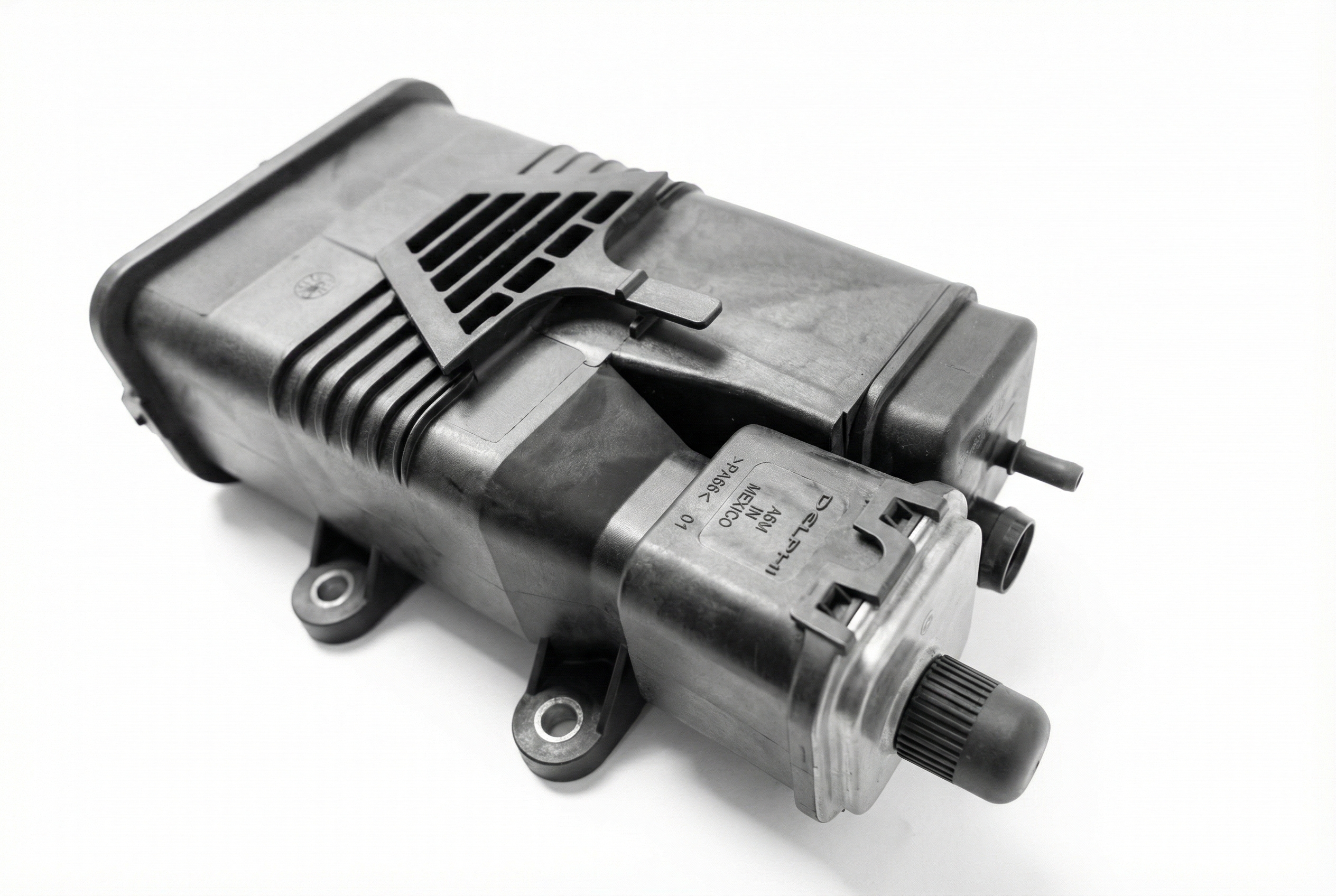
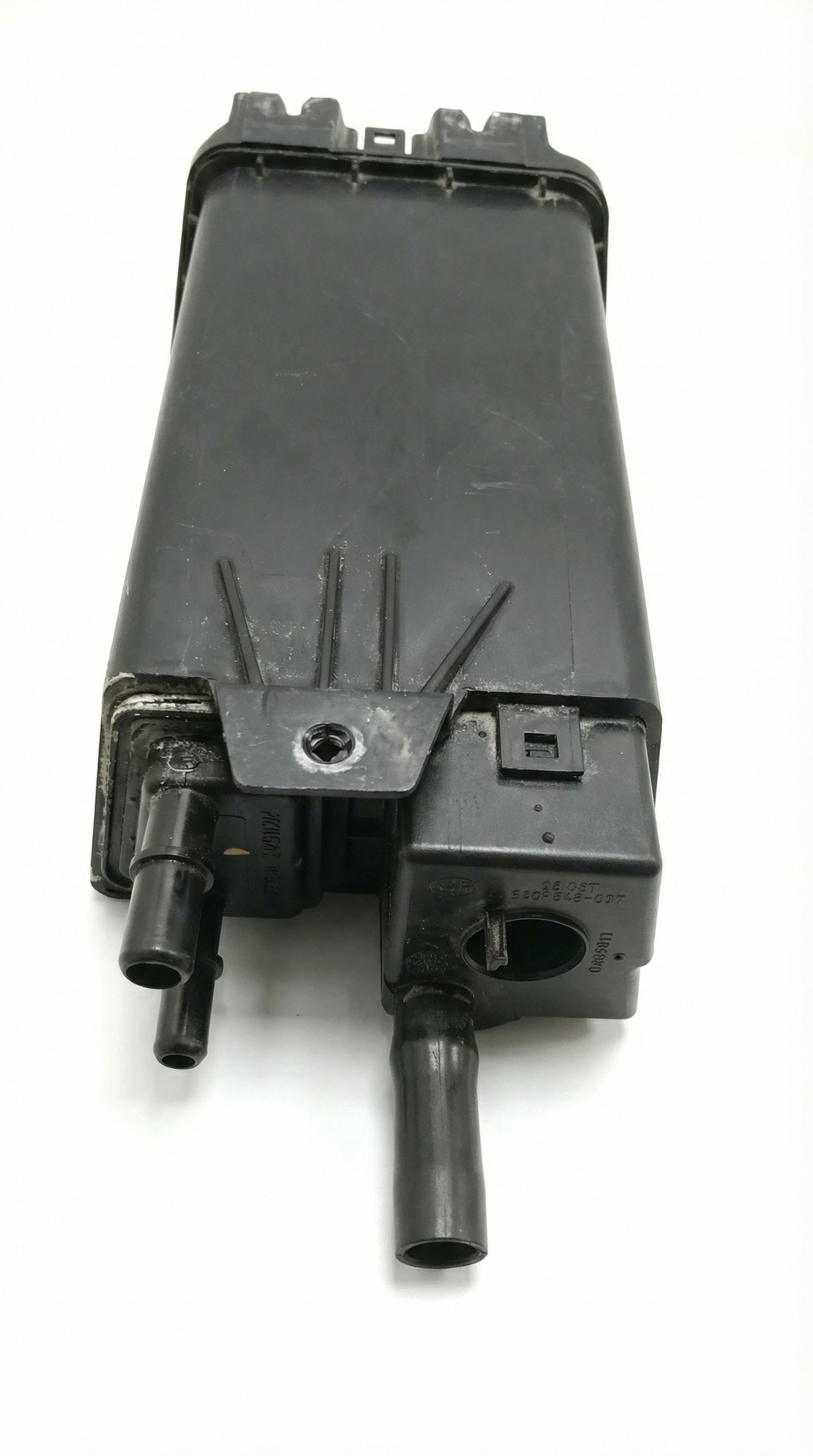
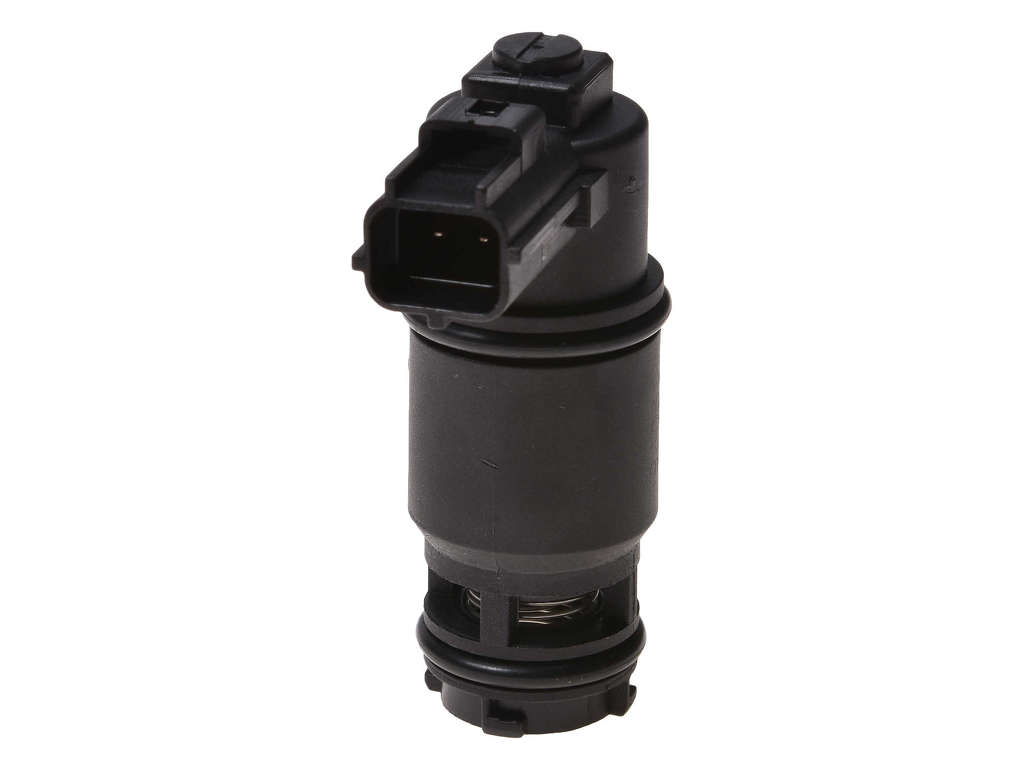
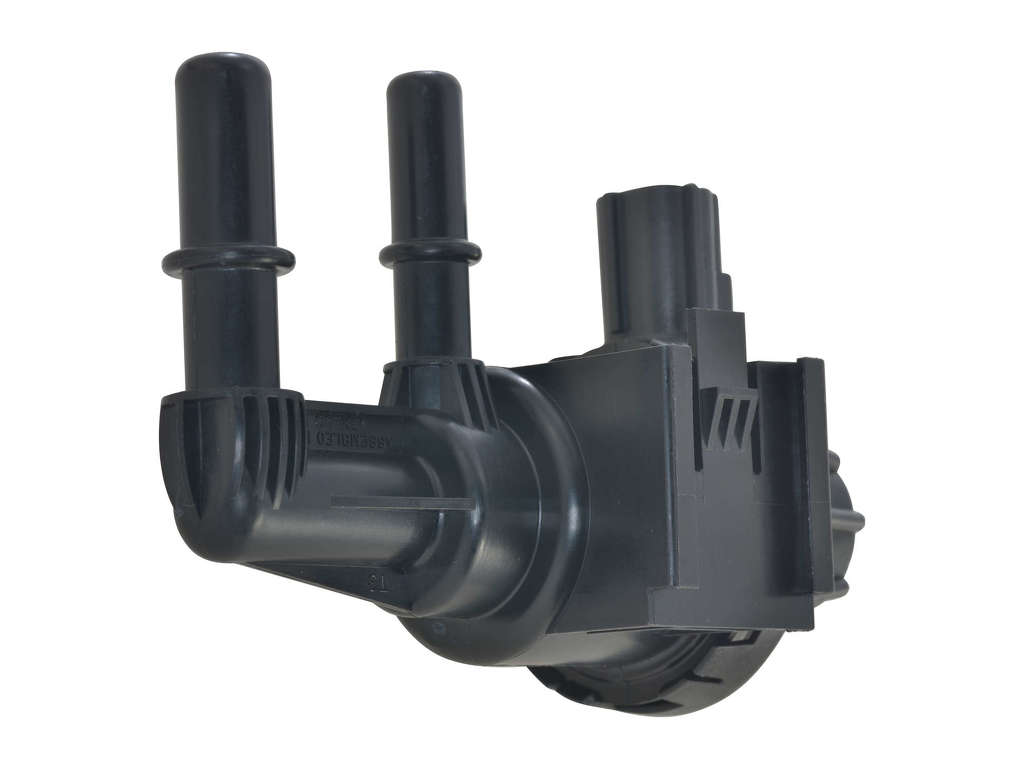
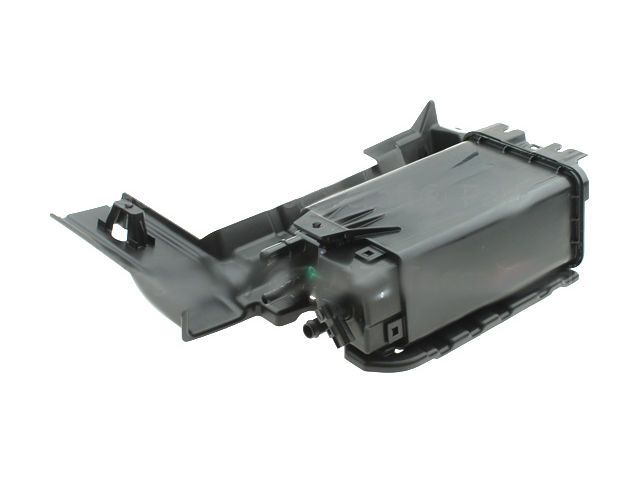
On a 2009-2019 Ford Flex, code P2421 almost always means the EVAP canister vent valve solenoid is stuck open. This part, often identified by OEM part number 9U5Z-9C915-H (Motorcraft CX2407), is located under the rear of the vehicle near the fuel tank and charcoal canister. Expect to pay $40-$80 for an aftermarket part and consider it a DIY-friendly repair with a difficulty of 2/5.
- P2421 on a Ford Flex points directly to a problem with the EVAP vent valve, not the purge valve in the engine bay or the gas cap.
- The most likely fix is replacing the EVAP canister vent solenoid, which is located under the rear of the vehicle near the fuel tank.
- This is a DIY-friendly repair for those comfortable with safely working under their vehicle.
- Driving with this code is safe, but it will cause an automatic failure on an emissions test.
What's Unique About the 2009-2019 Ford Flex
The Ford Flex, across its entire 2009-2019 production run, uses a conventional EVAP system design shared with its D4 platform mates like the Ford Taurus and Lincoln MKT. The P2421 code is a very common fault across these Ford platforms. The cause is almost always a straightforward component failure of the vent valve solenoid, which is exposed to road debris and moisture under the rear of the vehicle, leading to internal corrosion or mechanical binding.
Symptoms You May Notice
- Check Engine Light is illuminated.
- A faint fuel odor may be noticeable near the rear of the vehicle.
- In some cases, the fuel tank may be hard to fill, causing the pump nozzle to click off prematurely.
- Vehicle will fail an emissions test.
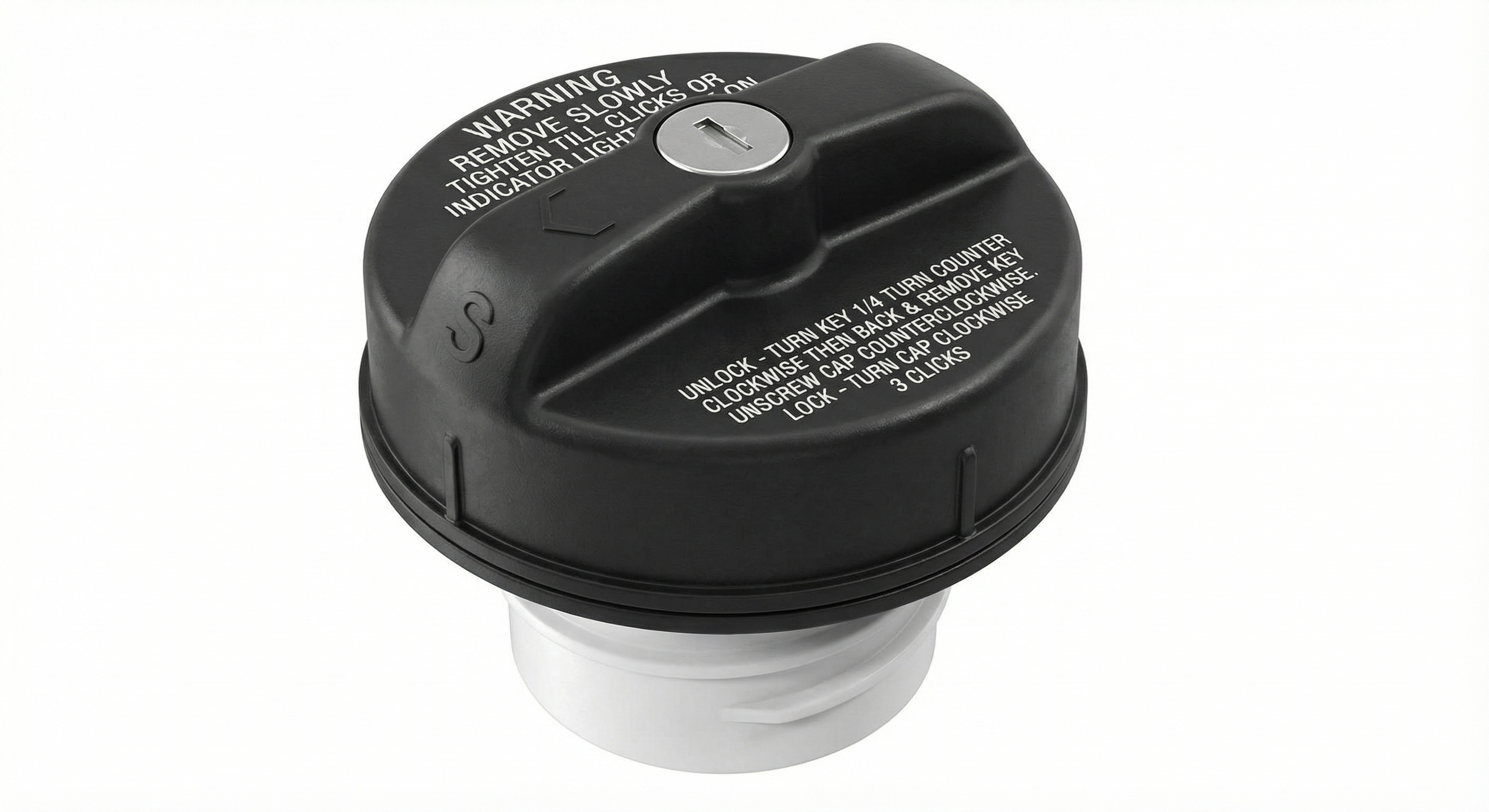
- Replacing the gas cap. A faulty gas cap or an issue with the capless fuel filler neck typically triggers a gross leak code like P0455 or a small leak code like P0442, not a specific component code like P2421.
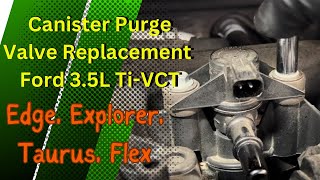
- Replacing the EVAP purge valve. The purge valve is located in the engine bay and has its own distinct trouble codes (e.g., P1450, P0443, P0496). 🎬 See how to replace a faulty purge valve on a Ford Flex P2421 specifically points to the vent valve circuit near the fuel tank.
Most Likely Causes
- Failed EVAP Canister Vent Valve Solenoid 🔴 High Probability → Shop Vapor Canister The vent valve is located under the vehicle near the fuel tank, where it is exposed to road salt, moisture, and dirt, which can lead to corrosion and mechanical failure over time. Debris or spider webs can also physically block the valve from closing.
How to confirm: Use a bidirectional scan tool to command the valve closed; if it doesn't make an audible click, it has likely failed. You can also test for 12V power and a ground signal from the PCM at the valve's electrical connector. Resistance across the solenoid's two pins should be within a specific range (e.g., 12-80 Ohms is common for similar Ford parts).
Typical fix: Replace the canister vent valve solenoid. This part is mounted on or near the charcoal canister under the rear of the vehicle.
Est. part cost: $40 - $90 - Damaged Wiring or Corroded Connector 🟡 Medium Probability The wiring and connector for the vent solenoid are in an exposed location under the car, making them susceptible to corrosion from road salt and physical damage from debris.
How to confirm: Visually inspect the wiring harness and connector leading to the vent valve for any green corrosion, frayed wires, or physical damage. Perform a continuity test on the wires if a break is suspected.
Typical fix: Repair the damaged section of wiring or replace the connector pigtail.
Est. part cost: $15 - $30 - Clogged Vent Valve or Hoses ⚪ Low Probability Insects, spider webs, or road debris can create a blockage in the vent valve's air inlet or the attached hoses, preventing it from sealing correctly.
How to confirm: After removing the vent valve, inspect its ports and the connected hoses for any foreign material or blockages.
Typical fix: Clean out the obstruction from the valve and hoses. If the valve itself is clogged internally, replacement is recommended.
Est. part cost: $0 - $10 (for cleaning supplies)
Rare But Worth Checking
- Faulty Powertrain Control Module (PCM): → Shop Engine Control Module (ECM) This is extremely rare. The PCM should only be considered a potential cause after the vent valve, wiring, and connectors have all been thoroughly tested and confirmed to be in good working order.
Diagnosis Steps
- Retrieve the P2421 code and any other stored codes with an OBD-II scanner.
- Safely raise and support the rear of the vehicle to access the EVAP system.
- Locate the EVAP charcoal canister and the attached vent valve solenoid, typically near the spare tire or rear subframe.
- Visually inspect the vent valve, its electrical connector, and the associated wiring for any obvious signs of damage, corrosion, or loose connections.
- If a bidirectional scanner is available, command the EVAP vent valve to close and listen for an audible 'click' from the solenoid.
- If no click is heard, disconnect the valve and use a multimeter to check for 12-volt power on one pin of the connector (with the key on).
- Check the other wire for a ground signal from the PCM when the valve is commanded closed by the scan tool.
- If power and ground signals are present but the valve does not operate, the vent valve solenoid is faulty and needs to be replaced.
- If the valve clicks but the code returns, remove the valve and check it and its hoses for obstructions like spider webs or debris.
- If no other issues are found, perform a smoke test on the EVAP system to check for other leaks that could be contributing to the system's inability to seal.
Parts You'll Likely Need
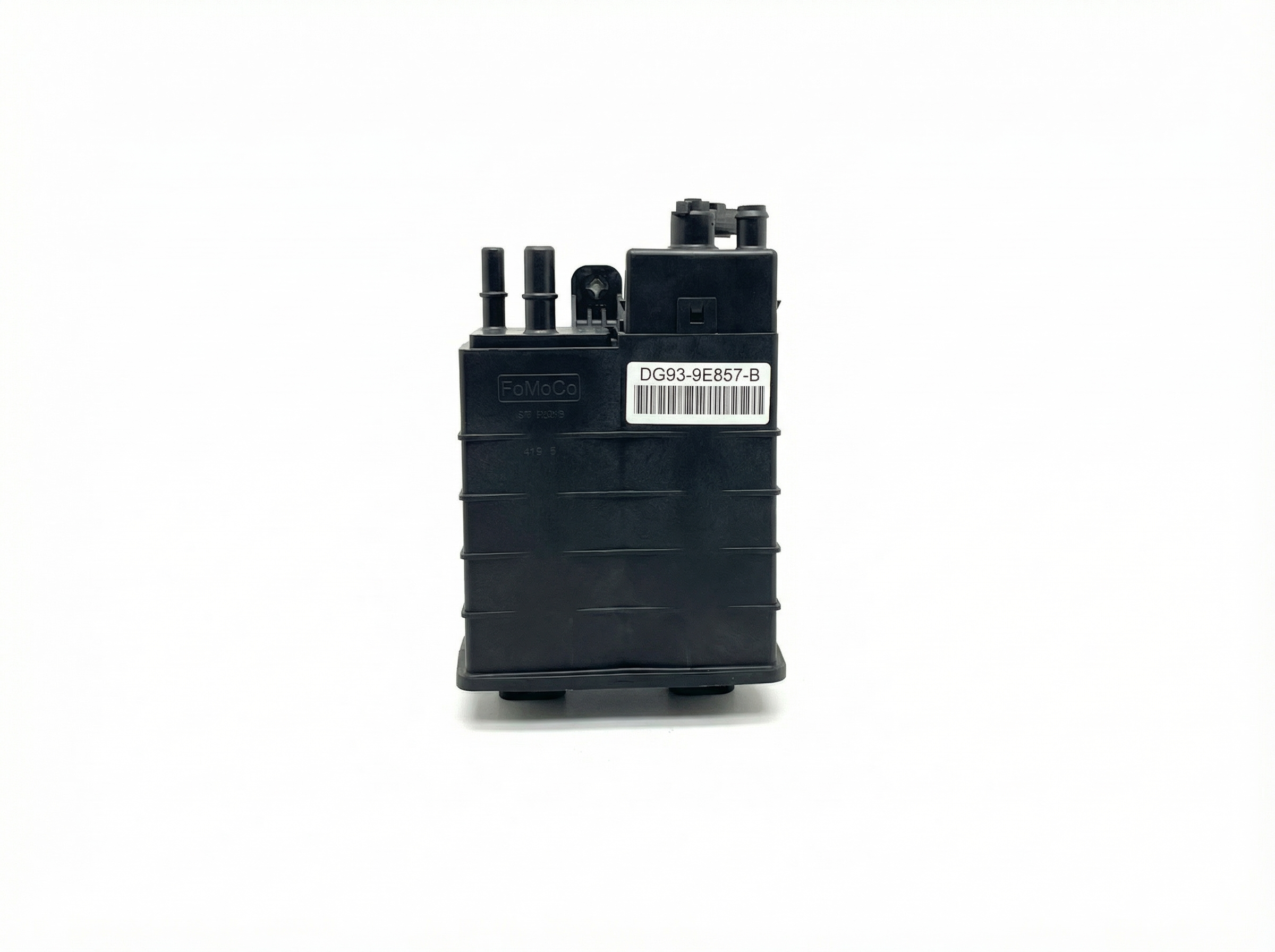
- Vapor Canister Vent Solenoid
(OEM #9U5Z-9C915-H (Motorcraft CX2407))— This is the component that fails in the vast majority of P2421 cases on the Ford Flex. It either gets mechanically stuck or fails electrically.
Trusted brands: Motorcraft, Dorman, Standard Motor Products
OEM price range: $70-$120
Aftermarket price range: $40-$90
Related Codes That Often Appear With This One
- P0455 — This code indicates a 'Gross EVAP Leak Detected.' Since a vent valve stuck wide open is a very large leak, P0455 often appears alongside P2421.
- P0446 — This code indicates a 'Vent Control Circuit Malfunction.' While P2421 points to a mechanical 'stuck open' condition, P0446 points to a general electrical fault in the same circuit. A wiring issue or internal solenoid failure could potentially trigger either code.
Platform-Specific Known Issues
- The vent solenoid's location under the rear of the vehicle makes it highly susceptible to corrosion and damage in regions that use road salt during winter.
Mechanic-Grade Diagnostic Values
- EVAP Canister Vent Solenoid Resistance — expected: 48 - 65 Ohms. Failure: A reading of infinity (OL) indicates an open coil, while a reading near zero ohms indicates a shorted coil.
- Voltage at Vent Solenoid Connector (Power Pin) — expected: ~12V (Battery Voltage) with Key On, Engine Off. Failure: 0V indicates a problem with the power supply circuit, such as a blown fuse or broken wire.
- Voltage at Vent Solenoid Connector (Control Pin, Commanded Closed) — expected: Near 0V. Failure: If the voltage remains high (~12V) when the PCM commands the valve closed, it indicates a break in the control wire or a faulty PCM driver circuit.
- Fuel Tank Pressure (FTP) Sensor Voltage (KOEO, system at rest) — expected: ~2.6 Volts. Failure: This is a baseline reading. When the EVAP monitor runs, this voltage is expected to change as vacuum is applied. If it doesn't change when the vent valve is commanded closed and the purge valve is opened, it confirms the system is not sealing.
Hidden / Shadow Codes Worth Checking
- Mode $06, Monitor ID $21: On many Ford vehicles, this monitor ID corresponds to the EVAP system leak test. A failing value for the associated Test ID (TID) can provide an early warning that the system is failing the leak test, even before a full diagnostic trouble code like P2421 is set. (see via An advanced OBD-II scanner capable of displaying Mode $06 (Non-Continuous Monitor Test Results).)
Scan Tool Commands That Help
- Ford IDS (or equivalent bidirectional scanner): EVAP Canister Vent Valve (or Vapor Management Valve) Active Command — This is a primary diagnostic step. It allows the technician to directly command the vent valve solenoid to close (energize) and open (de-energize). Listening for an audible click confirms the solenoid coil and control circuit are likely functional, pointing towards a mechanical blockage. No click suggests an electrical failure. This command is also essential for sealing the system before performing a smoke test.
Wiring & Ground Locations
- Canister Vent Solenoid Connector (C435) — At the EVAP canister vent solenoid, located under the rear of the vehicle near the fuel tank and spare tire area.. This is the primary point for all electrical testing of the vent valve. Pin 1 is typically the control wire (grounded by the PCM), and Pin 2 is the 12V power feed. Corrosion or damage to this connector or its wiring is a common cause of EVAP circuit codes.
OEM Part Supersession History
9U5Z-9C915-H→9U5Z-9C915-J— Standard part revision by the manufacturer, likely for improved durability or material changes.
Heads up: The parts are interchangeable. Ordering the original 'H' version will likely result in receiving the newer 'J' version.
Diagnostic Flowchart
Other Known Issues on This Vehicle
Issues unrelated to this code that are worth knowing about as an owner of this generation:
- Internal Water Pump Failure 🔴 High — Common after 80,000-150,000 miles. The timing chain-driven water pump is internal to the engine. When its seal fails, it leaks coolant directly into the engine oil, which can lead to catastrophic engine failure if not caught immediately.
- Power Transfer Unit (PTU) Failure (AWD Models) 🔴 High — Common across all model years. The PTU (transfer case) is located next to the hot exhaust, causing its gear oil to break down prematurely. This leads to overheating, seal failure, and eventual gear destruction. Symptoms include a burning gear oil/propane smell, whining/grinding noises, and fluid leaks. (Ref: TSB 19-2017 addresses fluid leaks from the intermediate shaft seal.)
- Faulty Door Latch / 'Door Ajar' Light 🟠 Medium — Common across multiple model years. A faulty switch within the door latch mechanism fails to recognize that the door is closed, causing the 'Door Ajar' light to stay on, the dome light to remain illuminated, and preventing doors from locking automatically. This can lead to a drained battery. (Ref: Ford issued recall 16S30 and Customer Satisfaction Program 19N09 for related door latch issues on various models and years.)
- Fractured Rear Toe Links 🔴 High — Affects 2013-2018 models. The rear suspension toe links can fracture, leading to a sudden loss of steering control and increasing the risk of a crash. (Ref: Ford issued a recall for this issue.)
- Faulty Fuel Pump Control Module 🟠 Medium → Shop Fuel Pump — More common on 2013-2015 models. A failing fuel pump control module can cause the engine to stall unexpectedly or fail to start.
Used vs. New Parts: Buying Guide for This Vehicle
When a used part is the smart pick: A used EVAP vent solenoid is a reasonable choice for this repair. It is a simple, externally mounted electromechanical part that is not subject to internal engine wear. A part from a lower-mileage, non-salt-belt donor vehicle can be a cost-effective alternative to a new aftermarket part.
Donor-vehicle mileage cap: roughly under 100000 miles for the part to have meaningful remaining life.
What to inspect on the donor part:
- Check for a clean, uncorroded electrical connector.
- Inspect the plastic housing for cracks or signs of physical damage.
- If possible, test the part by applying 12V to the pins and listening for a solid 'click'.
- Avoid parts from vehicles in regions with heavy road salt use, as corrosion is the primary failure mode.
OEM-only on this vehicle (don't cheap out):
- Powertrain Control Module (PCM) - In the extremely rare event the PCM is the cause, a new or professionally remanufactured unit programmed to the vehicle's VIN is required.
Aftermarket brands forum-validated for this vehicle:
- Motorcraft (OEM)
- Dorman
- Standard Motor Products (SMP)
Real Owner Stories
Aggregated from forums and TSBs cited above. Mileages and costs reflect what owners reported in those sources.
2009-2019 Ford Flex 3.5L Cyclone V6
Symptoms: General discussion regarding the longevity of the platform and the occurrence of straightforward repairs like the EVAP system alongside other high-mileage concerns.
What fixed it: Replacement of the canister vent valve solenoid or cleaning out obstructions from the valve and hoses.
Source hint: r/FordFlex on Reddit: A thread titled 'What years have the water pump issue?'
Related OBD-II Codes
Frequently Asked Questions
Where is the EVAP vent valve located on my Ford Flex?
Why is my Ford Flex having trouble at the gas station with the pump clicking off?
Does the road salt in my area affect this P2421 code?
Can I use a used part to fix this on my Flex?
Are there any recalls for the EVAP system on the 2009-2019 Ford Flex?
What brands should I look for when replacing the vent valve?
Helpful Videos


Used OEM Parts in Stock

New Aftermarket Parts Available


The information in this article is provided for general reference and educational purposes only. Vehicle specifications, procedures, and part compatibility can vary by production date, trim level, and region. Always consult your vehicle's factory service manual and verify part numbers before purchasing or performing repairs. Safety-critical components such as airbags, seat belts, and braking systems should be installed by a qualified professional.
- Ford Flex:
- 🧭 Diagnostic Flowchart
- 🎬 Helpful Videos
- 🛍️ Shop This Part
- What's Unique About the 2009-2019 Ford Flex
- Symptoms You May Notice
- Most Likely Causes
- Rare But Worth Checking
- Diagnosis Steps
- Parts You'll Likely Need
- Related Codes That Often Appear With This One
- Platform-Specific Known Issues
- Mechanic-Grade Diagnostic Values
- Hidden / Shadow Codes Worth Checking
- Scan Tool Commands That Help
- Wiring & Ground Locations
- OEM Part Supersession History
- Other Known Issues on This Vehicle
- Used vs. New Parts: Buying Guide for This Vehicle
- Real Owner Stories
- 2009-2019 Ford Flex 3.5L Cyclone V6
- Related OBD-II Codes
- Frequently Asked Questions
- 🎟️ Get 5% Off