

P2421 on 2008-2014 Ford Mustang: EVAP Vent Valve Stuck Open Causes and Fixes
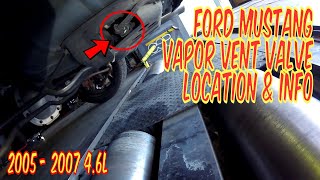
On a 2008-2014 Mustang, code P2421 almost always points to a failed EVAP canister vent valve located at the rear of the car near the fuel tank. It gets stuck open from dirt, road salt, and corrosion. The valve is the most common fix, costing around $40-$80 for the part. Do not confuse this with the purge valve in the engine bay.
- P2421 on a 2008-2014 Mustang is an emissions code for a stuck-open EVAP vent valve.
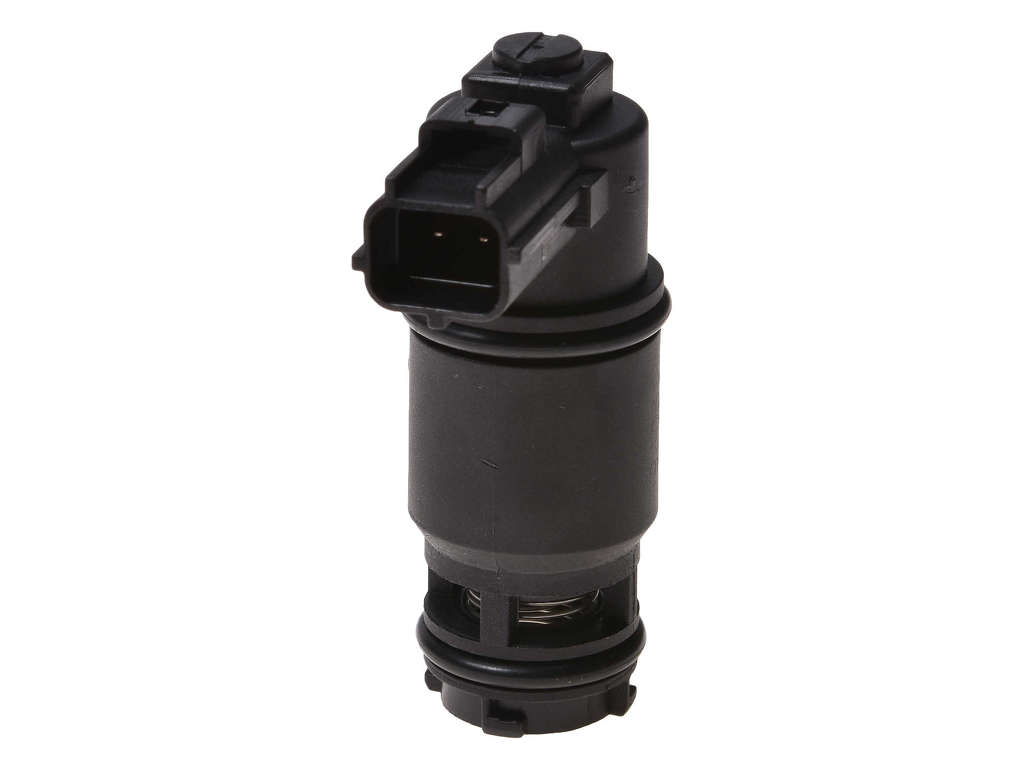
- The most common cause is the vent valve solenoid itself (Ford P/N 9C9Z-9F945-A), which is located at the rear of the car and fails due to dirt and corrosion.
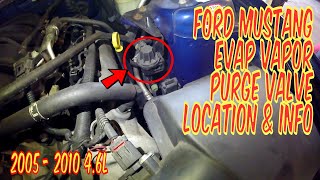
- Do not confuse the vent valve (rear of car) with the purge valve (engine bay).
- The repair is straightforward for a DIYer, requiring basic tools and safe access to the underside of the vehicle.
- You can continue to drive the car, but it will fail an emissions test until fixed.
What's Unique About the 2008-2014 Ford Mustang
The 2008-2014 Mustang's EVAP vent valve is located underneath the rear of the car, making it highly susceptible to contamination from road dirt, debris, and corrosion, which is the primary cause of failure. Unlike some other Ford models where the purge valve (in the engine bay) is the common failure point for EVAP issues, on the S197 Mustang, the P2421 code almost exclusively points to this rear-mounted vent valve. The part itself is relatively simple and its failure is typically mechanical (stuck open) rather than electrical.
Generation note: The 2008-2014 year range covers the S197 platform, including the 2008-2009 pre-facelift and the 2010-2014 facelift models. Engines included the 4.0L V6, 4.6L V8, 3.7L V6, and 5.0L V8. The cause and general location of the EVAP vent valve near the rear axle are consistent across these models, though specific part numbers may vary slightly.
Symptoms You May Notice
- Check Engine Light is on.
- Possible faint fuel odor near the rear of the vehicle.
- Vehicle will not pass an emissions test.
- In rare cases, difficulty starting after refueling, though this is more common with a faulty purge valve.
- Replacing the EVAP Purge Valve/Solenoid in the engine bay. The purge valve is a different part and typically causes other codes like P0443, P1450, or rough running/stalling after refueling. P2421 specifically points to the vent valve at the rear of the vehicle.
Most Likely Causes
- Faulty EVAP Canister Vent Valve/Solenoid 🔴 High Probability → Shop Vapor Canister The valve is located under the vehicle near the rear axle, exposing it to road debris, moisture, and salt, which can cause it to corrode or become clogged with dirt and get stuck open.
How to confirm: Locate the valve on or near the charcoal canister at the rear of the car, under the trunk area. Use a bidirectional scan tool to command the valve closed; listen for a click. If it clicks but the code returns, the valve is likely mechanically stuck. If it doesn't click, test for power and ground at the connector. If power and ground are present, the solenoid has failed. The solenoid coil resistance should be between 48 and 65 ohms.
Typical fix: Replace the EVAP canister vent valve solenoid. This is a common DIY repair.
Est. part cost: $40-$80 - Blocked or Damaged Vent Hose 🟡 Medium Probability Insects (like spiders) can build nests in the vent hose, or it can become clogged with dirt and mud, preventing proper airflow and tricking the system into thinking the valve is stuck.
How to confirm: Disconnect the hose from the vent valve and inspect it for any blockages or obstructions. Use compressed air to blow through it.
Typical fix: Clear the blockage from the hose or replace the hose if it is cracked or damaged.
Est. part cost: $10-$30 - Damaged Wiring or Connector ⚪ Low Probability The wiring and connector for the vent valve are also exposed to the elements under the car and can become corroded, frayed, or damaged by road debris. Check for corrosion inside the connector pins.
How to confirm: Visually inspect the wiring harness and connector leading to the vent valve for any signs of corrosion, broken wires, or loose pins. Use a multimeter to check for continuity.
Typical fix: Repair the damaged section of wiring or replace the connector pigtail.
Est. part cost: $15-$40
Rare But Worth Checking
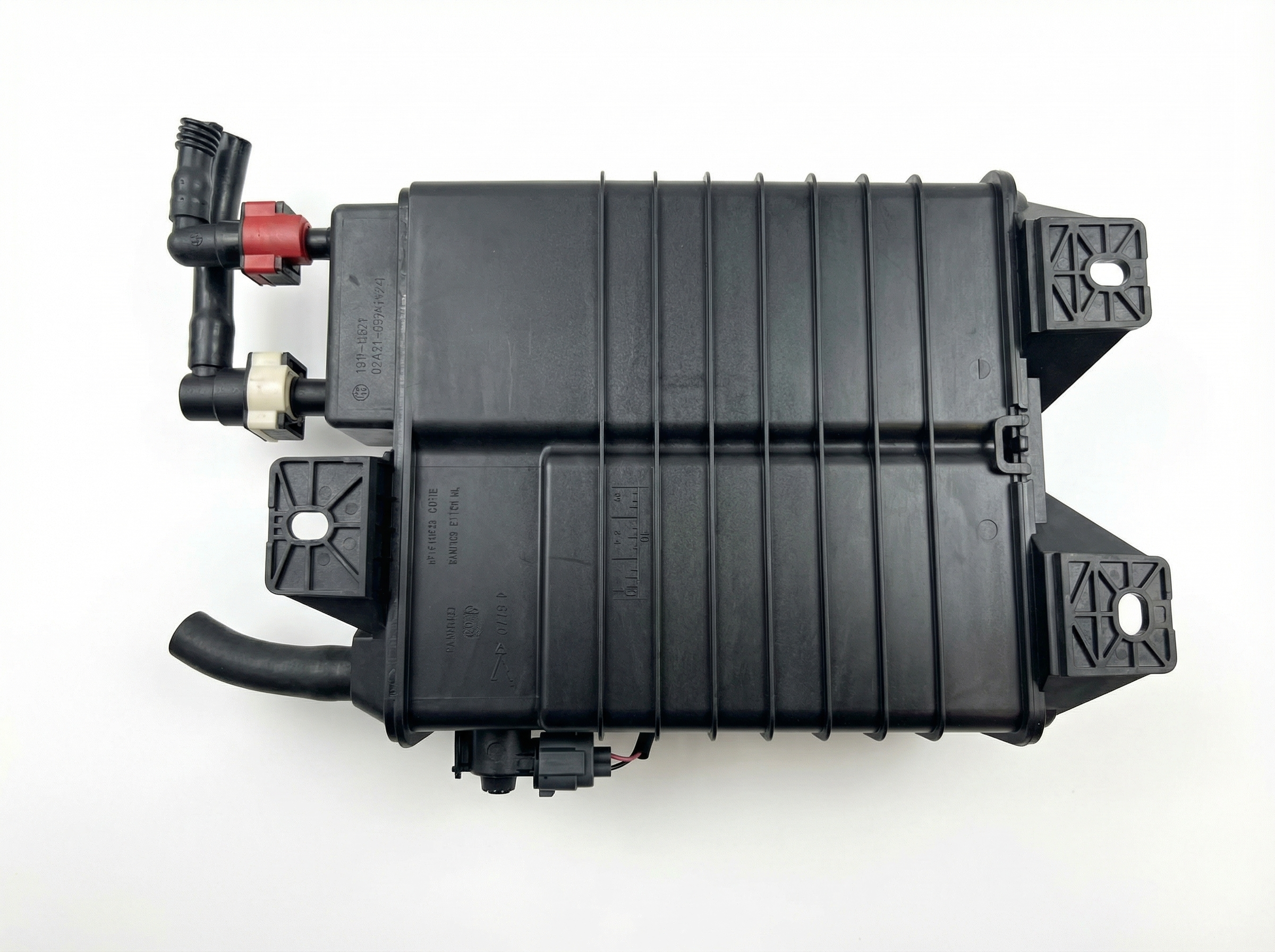
- Faulty Charcoal Canister: → Shop Vapor Canister While not common for this specific code, if the canister is cracked or internally damaged, it can affect the entire EVAP system's function. Charcoal pellets can sometimes break loose and clog the vent valve or lines. Sometimes the vent valve is replaced with the canister as an assembly.
- Faulty Fuel Tank Pressure (FTP) Sensor: → Shop Fuel Tank A faulty FTP sensor could theoretically report incorrect pressure readings, leading the PCM to misinterpret the status of the vent valve. However, this usually sets its own specific trouble codes.
Diagnosis Steps
- Verify the P2421 code is present using an OBD-II scanner.
- Safely raise and support the rear of the vehicle. Use jack stands on the factory-indicated frame points.
- Locate the EVAP canister and vent valve. On the S197 Mustang, it is typically near the rear axle, above the differential or near the spare tire well, under the trunk floor.
- Visually inspect the vent valve, its electrical connector, and all attached hoses for obvious signs of damage, cracking, or corrosion.
- Inspect the vent hose for blockages from dirt, debris, or insect nests.
- If you have a bidirectional scanner, command the vent valve solenoid to close. Listen for an audible click from the valve.
- If no click is heard, disconnect the electrical connector. Use a multimeter to check for 12V power at the connector with the key on, engine off. The PCM provides a ground signal to activate the valve.
- If power and ground are present but the valve does not actuate, the vent valve solenoid is faulty and needs to be replaced.
- If the valve clicks but the code returns, the valve may be mechanically stuck open despite the solenoid working. It should be replaced. You can also try removing the valve and attempting to blow through it; if air passes freely, it is stuck open.
- If no power is found at the connector, trace the wiring back toward the PCM to find the open circuit or check the relevant fuse in the vehicle's fuse box (Smart Junction Box).
Parts You'll Likely Need
- EVAP Canister Vent Valve Solenoid
(OEM #9C9Z-9F945-A (Motorcraft CX2120))— This is the component that fails over 90% of the time for a P2421 code, getting stuck open due to contamination or internal failure.
Trusted brands: Motorcraft, Dorman, Standard Motor Products
OEM price range: $60-$90
Aftermarket price range: $40-$70
Related Codes That Often Appear With This One
- P0455 — A vent valve that is stuck wide open is considered a very large or "gross" leak by the EVAP system, which is what P0455 signifies.
- P0456 — Although less common, a valve that is not fully closed but not wide open might be interpreted as a small leak, triggering P0456. This was a noted issue on the S197 platform.
Platform-Specific Known Issues
- Owner Repair Experience: An owner of a 2006 Mustang GT documented the replacement of the canister vent valve solenoid, confirming its location under the trunk at the rear of the vehicle. The process was straightforward, involving disconnecting the electrical connector and hoses, and unbolting the valve.
Mechanic-Grade Diagnostic Values
- EVAP Canister Vent Valve Solenoid Coil Resistance — expected: 48 - 65 Ohms. Failure: A reading of infinity (OL) indicates an open coil, while a reading near zero ohms indicates a shorted coil. Readings significantly outside the expected range indicate a faulty solenoid.
- Voltage at Vent Valve Connector (Key On, Engine Off) — expected: ~12 Volts (Battery Voltage). Failure: Zero or very low voltage indicates a problem in the power supply wire or a blown fuse. The PCM controls the valve by switching the ground circuit.
- Fuel Tank Pressure (FTP) Sensor Voltage (Key On, Engine Off, Static) — expected: Approximately 2.6 - 2.65 Volts. Failure: This is a baseline reading. When the vent valve is commanded closed during a test, this voltage should change as vacuum is applied. If it remains static, it confirms the system is not sealing.
Hidden / Shadow Codes Worth Checking
- Mode $06, Monitor ID $21: This refers to the non-continuous monitor test results for the EVAP system leak test. A failing value for the associated Test ID (TID) can indicate the system is failing the leak test, confirming the condition of P2421, sometimes before the main DTC is set. (see via An advanced OBD-II scanner or software like FORScan that can display Mode $06 test results.)
Scan Tool Commands That Help
- Ford IDS (Integrated Diagnostic System) or equivalent bidirectional scanner: Manual Control of EVAP Canister Vent Valve (CVV) — This command is used to manually toggle the vent valve solenoid on and off. A technician can command it closed to listen for an audible click, confirming the solenoid is actuating, or to seal the system for a smoke test to see if smoke escapes from the vent port, which would confirm it's mechanically stuck open.
Wiring & Ground Locations
- EVAP Canister Vent Valve Connector (C435) — At the EVAP canister vent valve solenoid, located on or near the charcoal canister assembly at the rear of the vehicle, often above the rear axle or in the spare tire well area.. This is the direct electrical connection to the faulty component. Checking for power, ground, and physical condition (corrosion, damage) at this connector is a primary diagnostic step.
- Rear Chassis Ground — Inside the trunk, on the driver or passenger side, there are factory ground bolts to the chassis. These are common grounding points for rear-body electrical components.. While not the specific ground for the EVAP circuit, a poor main chassis ground in this area could potentially cause intermittent issues with various rear-mounted components. Verifying these grounds are clean and tight is good practice when troubleshooting electrical faults in the area.
Model Year Variations Within This Range
- 2011-2014: The EVAP vapor canister assembly is different for Coupe and Convertible models. While the vent valve itself may be the same, if you are replacing the entire canister assembly, you must use the correct part for your body style.
- 2010-2014: These model years feature the capless fuel filler system. While not directly related to the vent valve, issues with the filler neck's seal can cause other EVAP codes and complicate diagnosis if multiple leaks are present.
Diagnostic Flowchart
Other Known Issues on This Vehicle
Issues unrelated to this code that are worth knowing about as an owner of this generation:
- Passenger Footwell Water Leak 🔴 High — Very common across 2005-2014 models. Caused by clogged cowl drains or bad grommets under the cowl cover, leading to water damaging the Smart Junction Box (SJB) and causing major electrical problems. (Ref: TSB 08-26-7)
- MT82 Manual Transmission Faults 🔴 High — Widespread on 2011-2014 GT and V6 models. Owners report high-RPM lockouts, grinding gears, slipping, and premature failure. This led to a class-action lawsuit. (Ref: Multiple TSBs issued; subject of class-action lawsuit.)
- 4.0L SOHC V6 Timing Chain Rattle 🔴 High — Common on 2008-2010 V6 models. Plastic-housed tensioners and guides fail, causing a rattling noise, typically between 2000-3000 RPM. If left unaddressed, can lead to catastrophic engine failure. (Ref: TSB 04-15-4)
- 5.0L V8 'Coyote Tick' 🟡 Low — Extremely common on 2011-2014 5.0L engines. A 'typewriter' ticking noise is often heard at idle when the engine is warm. Ford has stated this is a normal operating characteristic and does not affect durability. (Ref: SSM 52334 (supersedes earlier versions))
- 4.6L 3V Spark Plug Breakage 🟠 Medium — A notorious issue on 2008-2010 GT models with the 4.6L 3-Valve V8. The two-piece spark plug design can cause the lower portion to seize in the cylinder head and break off during removal, requiring a special extraction tool.
Used vs. New Parts: Buying Guide for This Vehicle
When a used part is the smart pick: Given the relatively low cost of a new aftermarket part (around $40-$70) and the fact that failure is caused by exposure to road debris and corrosion, buying a used vent valve is generally not recommended. A used part carries a high risk of having the same issue or a very short remaining lifespan. It would only be a viable option if sourced from a very low-mileage, accident-damaged vehicle from a dry climate.
Donor-vehicle mileage cap: roughly under 30000 miles for the part to have meaningful remaining life.
What to inspect on the donor part:
- Verify the donor vehicle is from a dry, salt-free region.
- Inspect the electrical connector pins for any signs of green or white corrosion.
- Check the valve's vent port for excessive dirt or mud caking.
- If possible, test the resistance of the used part before purchase; it should be within the 48-65 ohm range.
OEM-only on this vehicle (don't cheap out):
- No parts for this specific repair are strictly OEM-only, but Motorcraft is generally recommended for best fit and durability.
Aftermarket brands forum-validated for this vehicle:
- Motorcraft (OEM)
- Standard Motor Products (SMP)
- Dorman is a widely available and functional alternative, though some forums have general debates about its long-term durability compared to OEM.
Brands owners have reported issues with on this vehicle:
- No-name, unbranded parts from online marketplaces should be avoided due to inconsistent quality control.
Real Owner Stories
Aggregated from forums and TSBs cited above. Mileages and costs reflect what owners reported in those sources.
2006 Mustang GT
Symptoms: The owner documented a failure of the canister vent valve solenoid located under the trunk at the rear of the vehicle.
What fixed it: Replacement of the canister vent valve solenoid; the process involved disconnecting the electrical connector and hoses and unbolting the valve.
Source hint: vehicle_specific_issues: Owner Repair Experience
2005 Mustang (Coyote-swapped)
Symptoms: A complex EVAP-related issue involving diagnostic challenges when multiple systems are involved.
What fixed it: Detailed troubleshooting of the EVAP system components.
Source hint: forum_citations: https://www.s197forum.com/threads/fuel-or-evap-issue.142851/
Related OBD-II Codes
Frequently Asked Questions
Where is the EVAP canister vent valve located on my 2008-2014 Mustang?
Can I use a used vent valve from a salvage yard to fix my P2421 code?
What electrical resistance should I look for when testing the Mustang's vent valve solenoid?
Is there a specific TSB for the P2421 code on my Mustang?
Why is my Mustang prone to this specific EVAP failure?
Does the P2421 code mean I need a new charcoal canister?
Helpful Videos
Used OEM Parts in Stock

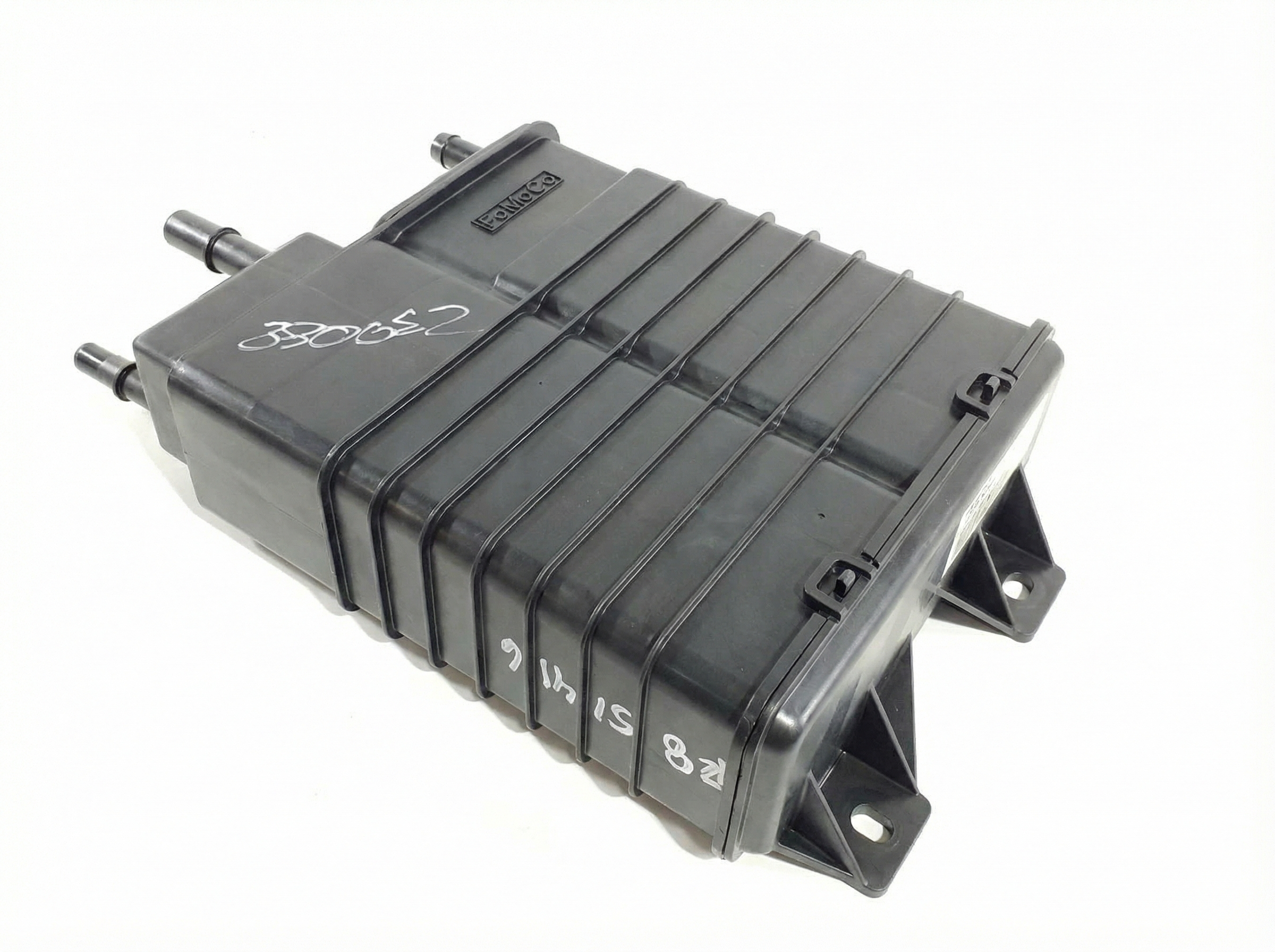
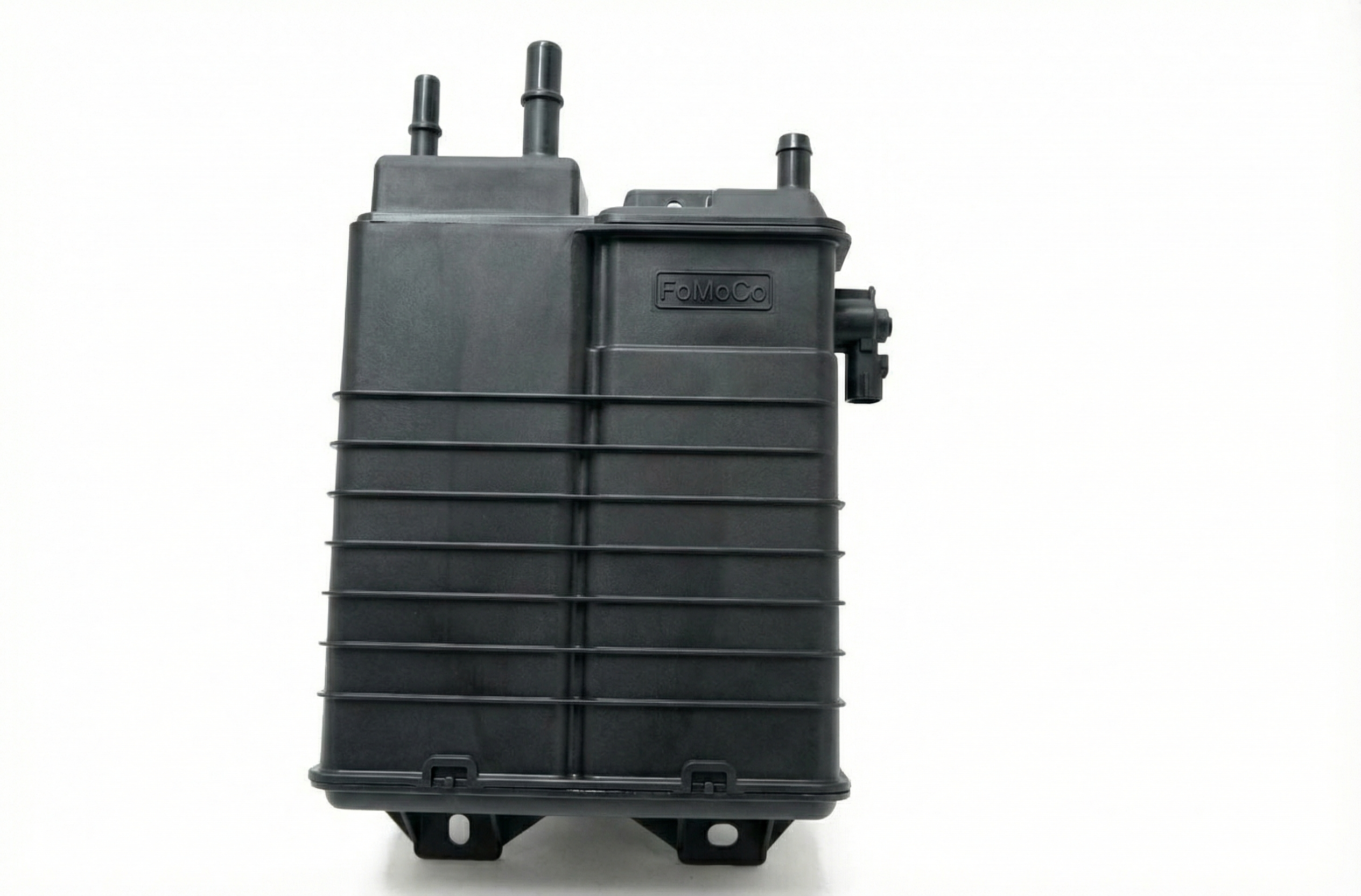
New Aftermarket Parts Available

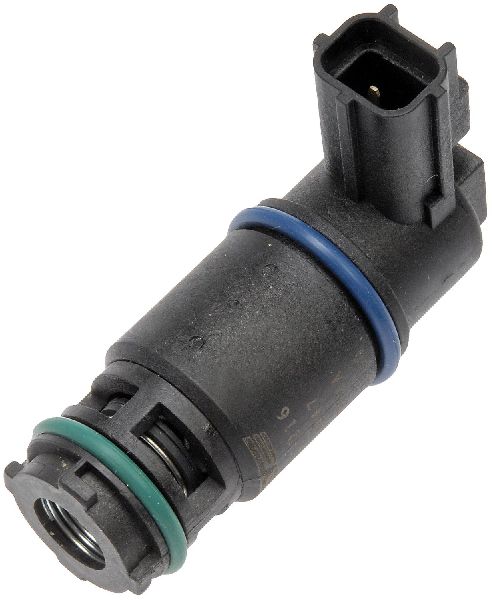

The information in this article is provided for general reference and educational purposes only. Vehicle specifications, procedures, and part compatibility can vary by production date, trim level, and region. Always consult your vehicle's factory service manual and verify part numbers before purchasing or performing repairs. Safety-critical components such as airbags, seat belts, and braking systems should be installed by a qualified professional.
- Ford Mustang:
- 🧭 Diagnostic Flowchart
- 🎬 Helpful Videos
- 🛍️ Shop This Part
- What's Unique About the 2008-2014 Ford Mustang
- Symptoms You May Notice
- Most Likely Causes
- Rare But Worth Checking
- Diagnosis Steps
- Parts You'll Likely Need
- Related Codes That Often Appear With This One
- Platform-Specific Known Issues
- Mechanic-Grade Diagnostic Values
- Hidden / Shadow Codes Worth Checking
- Scan Tool Commands That Help
- Wiring & Ground Locations
- Model Year Variations Within This Range
- Other Known Issues on This Vehicle
- Used vs. New Parts: Buying Guide for This Vehicle
- Real Owner Stories
- 2006 Mustang GT
- 2005 Mustang (Coyote-swapped)
- Related OBD-II Codes
- Frequently Asked Questions
- 🎟️ Get 5% Off