

P2421 on 2015-2020 Honda Fit: EVAP Vent Valve Stuck Open Causes and Fixes
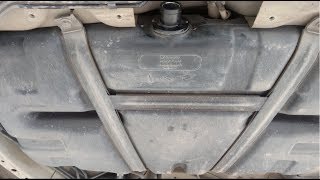
On a 2015-2020 Honda Fit, code P2421 almost always means the EVAP canister vent valve has failed and is stuck open. This part is located under the car on the driver's side, near the fuel tank. Replacing the valve is the most common fix, costing around $40-$70 for an aftermarket part or $90-$120 for an OEM part. It's a DIY-friendly job for most home mechanics.
- P2421 on a 2015-2020 Fit points directly to a problem with the EVAP vent valve located under the car by the gas tank.
- The most likely fix is to replace the vent valve solenoid, part number 17312-T5R-A01.
- This is a common failure and a relatively simple DIY repair that can be done with basic hand tools.
- Before replacing the valve, it's wise to quickly inspect the attached hoses for blockages (like spider nests) and the wiring connector for corrosion or damage.
What's Unique About the 2015-2020 Honda Fit
For the third-generation Honda Fit (2015-2020), the P2421 code is a very common and straightforward component failure. Unlike some vehicles where the vent valve is integrated into a costly canister assembly, Honda makes the valve available as a separate, affordable part. While there are no recalls or specific service bulletins for P2421 on the Fit, the failure of this valve is a well-documented issue across many different Honda models like the Odyssey, Ridgeline, and HR-V 🎬 See: Diagnosing P2421 on a Honda HR-V, pointing to a common part design that is susceptible to failure.
Symptoms You May Notice
- Check Engine Light is on
- A noticeable fuel smell, especially around the rear of the car.
- Difficulty refueling (the gas pump nozzle clicks off repeatedly before the tank is full). 🎬 Watch: Troubleshooting Honda Fit refueling issues
- Audible 'whoosh' of air when opening the gas cap, even if the car has been sitting.
- Remote start may not function.
- Replacing the gas cap. A faulty gas cap typically causes a large leak code like P0455 or P0457, not a vent valve functional code like P2421.
- Replacing the EVAP Purge Valve. The purge valve is a different component located in the engine bay. A bad purge valve usually triggers other codes, such as P0441 (Incorrect Purge Flow) or P0496 (High Purge Flow).
Most Likely Causes
- Failed EVAP Canister Vent Valve (Solenoid) 🔴 High Probability → Shop Vapor Canister This is the most common failure point for this code across many Honda models. The valve is exposed to road grime and moisture under the car, and its internal solenoid can burn out or the mechanical pintle can get stuck open due to corrosion or debris.
How to confirm: Locate the valve on the EVAP canister under the rear of the vehicle, on the driver's side. You can test it by applying 12V power to its pins; a healthy valve will make an audible click. If it doesn't click, or if you can blow air through it when it's unpowered, it is stuck open and has failed. A multimeter test of the solenoid's two pins should show a resistance between 20 and 30 ohms.
Typical fix: Replace the EVAP canister vent valve solenoid. This is a simple repair involving a few 10mm bolts and hose connections.
Est. part cost: $40 - $120 - Blocked EVAP Vent Hose 🟡 Medium Probability The fresh air inlet hose for the EVAP system is located under the car, making it susceptible to blockages from road debris, dirt, or even insect nests (like spiders), which is a known issue on many Honda models.
How to confirm: Visually inspect the rubber hose connected to the vent valve. Disconnect it and check for any obstructions inside. A puff of compressed air can clear minor debris.
Typical fix: Clear the blockage from the hose. If the hose is cracked or damaged, it should be replaced.
Est. part cost: $0 - $25 - Damaged Wiring or Connector ⚪ Low Probability The wiring for the vent valve is exposed to the elements under the vehicle, which can lead to corrosion on the connector pins, chafing, or wire breaks from road debris.
How to confirm: Inspect the electrical connector and the wiring harness leading to the vent valve for any signs of green/white corrosion, breaks, or loose pins. Check for 12V power at the connector with the key on.
Typical fix: Clean the connector pins with a contact cleaner or repair the damaged section of wiring. If the connector itself is broken, a replacement pigtail can be spliced in.
Est. part cost: $5 - $30
Rare But Worth Checking
- Clogged or Failed EVAP Canister: → Shop Vapor Canister If you frequently 'top off' your gas tank after the pump clicks off, liquid fuel can be forced into the charcoal canister. This saturates the charcoal, turning it into a sludge that can block the system or send charcoal granules into the vent valve, causing it to stick. This is an expensive mistake to fix, as it usually requires replacing the entire canister.
- PCM/ECU Fault: In extremely rare cases, the driver circuit within the Powertrain Control Module (PCM) that controls the vent valve can fail. This would typically be the last item to suspect after all other components and wiring have been thoroughly tested and proven to be good.
Diagnosis Steps
- Scan the vehicle for trouble codes to confirm P2421 is the primary code.
- Check the gas cap to ensure it is tight and the seal is not cracked. While unlikely to be the cause, it is a simple first step.
- Safely raise and support the rear of the vehicle to access the EVAP system. The components are on the driver's side, just ahead of the rear wheel.
- Locate the EVAP canister and the attached vent valve solenoid.
- Inspect the electrical connector and wiring going to the vent valve for any visible damage, corrosion, or loose connections.
- Disconnect the vent hose from the valve and inspect the hose for any blockages from dirt or insect nests.
- If you have a bidirectional scanner (like the Honda HDS), command the 'EVAP CVS ON' function to close the vent valve. If you hear no click, the valve is likely bad. If it clicks, perform a smoke test; smoke exiting the vent valve confirms it is stuck open.
- If you do not have a scanner, remove the valve (typically held by two 10mm bolts). Try to blow through it. If air passes freely, it is stuck open. Apply 12V and ground to the electrical pins; it should click shut. If it does not, the solenoid has failed. Check the resistance between the two pins; a good valve should read between 20-30 ohms.
- If the valve tests good and the hose is clear, check for 12V on one pin of the harness connector (with key on) and check the other wire for continuity back to the PCM (Connector A, Pin 17).
Parts You'll Likely Need
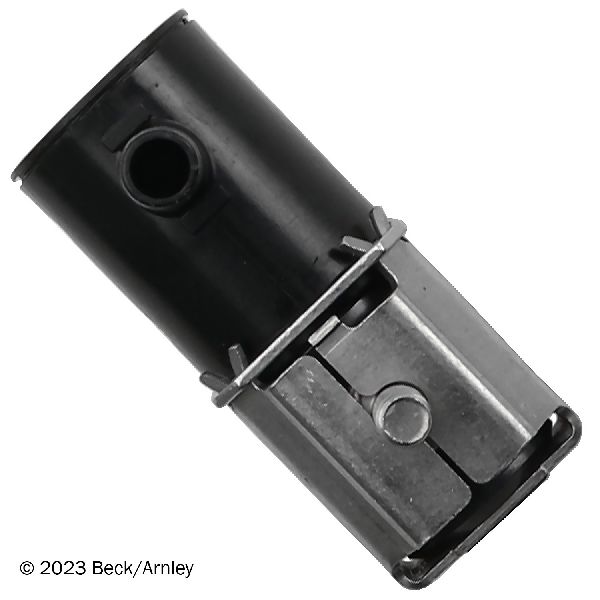
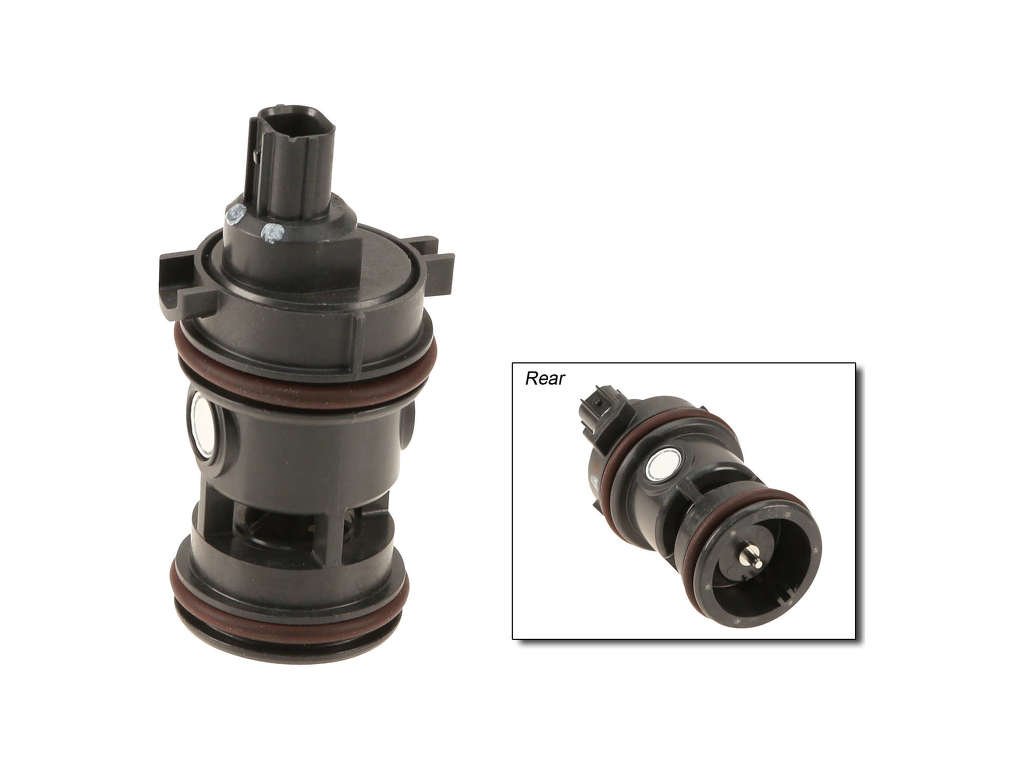
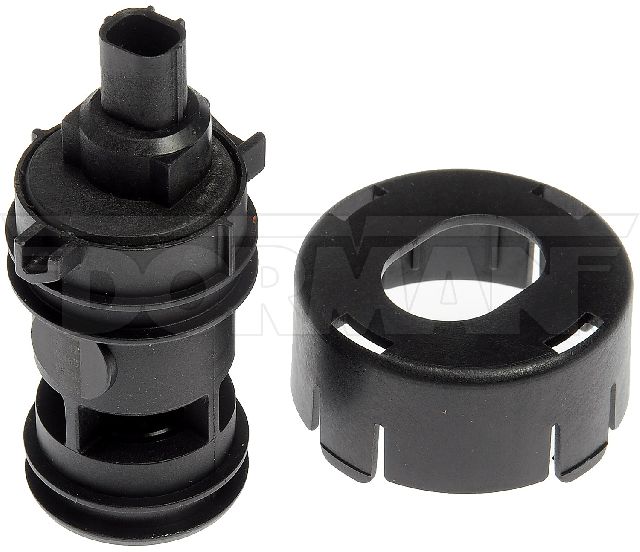
- Vapor Canister Vent Valve Solenoid
(OEM #17312-T5R-A01)— This is the component that the code directly identifies as being stuck open. It is the most frequent point of failure for P2421 on this vehicle and its platform mates.
Trusted brands: Honda (Genuine OEM), Dorman (911-422), Standard Motor Products (CVS78), SKP (SK911422)
OEM price range: $90-$120
Aftermarket price range: $40-$70
Platform-Specific Known Issues
- A user on a Honda Fit forum with a 2015 model experienced the related code P2422 (Stuck Closed), attempted to clean the valve without success, and ultimately fixed it by replacing the part. The process for replacement is identical for P2421.
- Owners on Reddit discussing P2421 on other Honda models note that the code can sometimes appear intermittently, especially at certain fuel levels (like 1/4 tank), before becoming a constant issue.
Mechanic-Grade Diagnostic Values
- EVAP Canister Vent Valve Solenoid Resistance — expected: 20 - 30 Ohms. Failure: A reading of infinity (open circuit) or near zero (short circuit) indicates a failed solenoid coil.
- Voltage at Vent Valve Connector (Key On) — expected: One pin should have ~12V (battery voltage).. Failure: No voltage suggests a problem with the power supply fuse or wiring from the fuse box.
- PCM Control Signal at Vent Valve Connector — expected: The second pin is a ground-side control from the PCM. It will show ~12V when inactive and will be pulsed to ground by the PCM when commanded ON.. Failure: A constant ground or no activity when commanded indicates a wiring issue or a faulty PCM driver.
Scan Tool Commands That Help
- Honda Diagnostic System (HDS) or equivalent bidirectional scanner: EVAP FUNCTION TEST / EVAP CVS ON — This command is used to manually close the canister vent shut (CVS) valve. A technician would use this to listen for the valve's 'click' to confirm electrical activation and to seal the system for a smoke or vacuum test.
Wiring & Ground Locations
- G1 / G3 — G1 is the primary battery ground cable. G3 is the transmission ground cable.. A poor main ground connection can cause a variety of unpredictable electrical issues across the vehicle, including erratic behavior of solenoids and sensors in the EVAP system. Always ensure these are clean and tight.
- Vent Valve Connector (A17) — The control wire for the vent valve originates at Pin 17 of the PCM's Connector A.. If the valve and its power supply are good, but the valve still doesn't activate, a continuity test from the connector back to this PCM pin is necessary to rule out a broken wire in the harness.
- Interior Ground Point — A large metal frame piece with a pre-drilled hole is accessible next to the interior fuse box after removing the lower dashboard cover under the steering wheel.. While not the factory ground for the EVAP harness, this is a known-good, easily accessible ground location for testing purposes or if a wiring repair requires a new ground point.
Real Owner Repair Stories
- MBWorld.org user 'vchris11' (2007 Mercedes-Benz R350 (shares similar EVAP system design principles)) — Persistent Check Engine Light with code P2421, smell of fuel fumes.
❌ Tried (didn't work) Replacing the EVAP vent valve, Replacing the EVAP purge valve, Replacing the gas cap
✅ What actually fixed it A smoke test revealed a significant leak from the fuel pump locking ring under the rear seat. Replacing the rubber seal under the locking ring permanently resolved the P2421 code.
OEM Part Supersession History
17312-T5R-A01→No supersession found.— The original part number remains current for all specified model years.
Diagnostic Flowchart
Other Known Issues on This Vehicle
Issues unrelated to this code that are worth knowing about as an owner of this generation:
- Premature Starter Motor Failure 🟠 Medium — Commonly fails between 45,000 and 70,000 miles, especially on 2015 models. Symptoms include a single click with no crank.
- Faulty Engine Start/Stop Switch 🟡 Low — Affects push-button start models, causing a no-start condition that can be mistaken for a bad starter. (Ref: TSB 20-098 (Warranty Extension to 9 years/125,000 miles))
- Direct Injection Carbon Buildup 🟠 Medium — As a direct-injection engine, the intake valves are prone to carbon deposits over time, which can cause misfires (P0300-P0304) and rough idle. Onset can be as early as 30,000 miles. (Ref: TSB 21-007 (Addresses misfire DTCs related to carbon buildup))
- VTC Actuator Rattle on Cold Start 🟡 Low — A brief, loud rattle for 1-2 seconds upon cold startup is common, caused by a faulty Variable Timing Control (VTC) actuator. While alarming, it is often considered an annoyance that doesn't typically lead to immediate failure. (Ref: TSB 16-088 (Applies to some Honda models, details repair))
- Failing Fuel Injectors 🔴 High — Particularly noted on 2015-2016 models, faulty fuel injectors can cause rough idle, hesitation, and misfire codes. (Ref: Warranty Extension (10 years/150,000 miles for 2015-2016 models))
Used vs. New Parts: Buying Guide for This Vehicle
When a used part is the smart pick: Given the low cost of a new aftermarket part ($40-$70) and the fact that this component fails due to wear and exposure, buying a used part from a junkyard is generally not recommended. The risk of the used part failing soon after installation is high, and the savings are minimal compared to the labor involved.
Donor-vehicle mileage cap: roughly under 30000 miles for the part to have meaningful remaining life.
What to inspect on the donor part:
- Check for a clean, corrosion-free electrical connector.
- Ensure the plastic housing is not cracked or brittle.
- If possible, test the part with a 12V source to confirm it 'clicks' before purchasing.
OEM-only on this vehicle (don't cheap out):
- While not strictly 'OEM-only', the Genuine Honda part is the safest bet for longevity and avoiding intermittent issues. If the budget allows, OEM is recommended over aftermarket for this specific valve.
Aftermarket brands forum-validated for this vehicle:
- Standard Motor Products (SMP)
- SKP
Brands owners have reported issues with on this vehicle:
- Dorman (911-422) has mixed reviews for this application; some users report premature failure, though the warranty process is reportedly straightforward. Consider it a budget option with some risk.
Real Owner Stories
Aggregated from forums and TSBs cited above. Mileages and costs reflect what owners reported in those sources.
2015 Honda Fit
Symptoms: Experienced a related EVAP code (P2422) and attempted to clean the valve without success.
What fixed it: Replacing the EVAP canister vent valve solenoid.
Source hint: vehicle_specific_issues citing FitFreak forum
2015 Honda Fit
Symptoms: The owner confirmed this is a known issue for the GK5 generation regarding the evaporative emission system vent valve.
What fixed it: Replacement of the vent valve component.
Source hint: reddit.com/r/hondafit thread titled 'evaporative emission system vent valve'
2021 Honda Odyssey
Symptoms: Intermittent P2421 error code; replacing the canister and solenoid separately did not resolve the issue, suggesting a potential wiring fault.
What fixed it: The source suggests a deeper wiring or electrical problem rather than just the valve.
Source hint: reddit.com/r/HondaOdyssey thread titled 'p2421_error_code_evap_system_vent_valve_stuck_open'
Related OBD-II Codes
Frequently Asked Questions
Where is the EVAP canister vent valve located on my 2015-2020 Honda Fit?
Is there a TSB for the P2421 code on the 3rd Gen Honda Fit?
Can I test the vent valve myself before buying a new one?
Why does the gas pump keep clicking off when I try to fill up my Fit?
Will a bad vent valve affect my Honda Fit's remote start?
Is this a common problem for the GK5 (2015+) Honda Fit generation?
Helpful Videos
Used OEM Parts in Stock
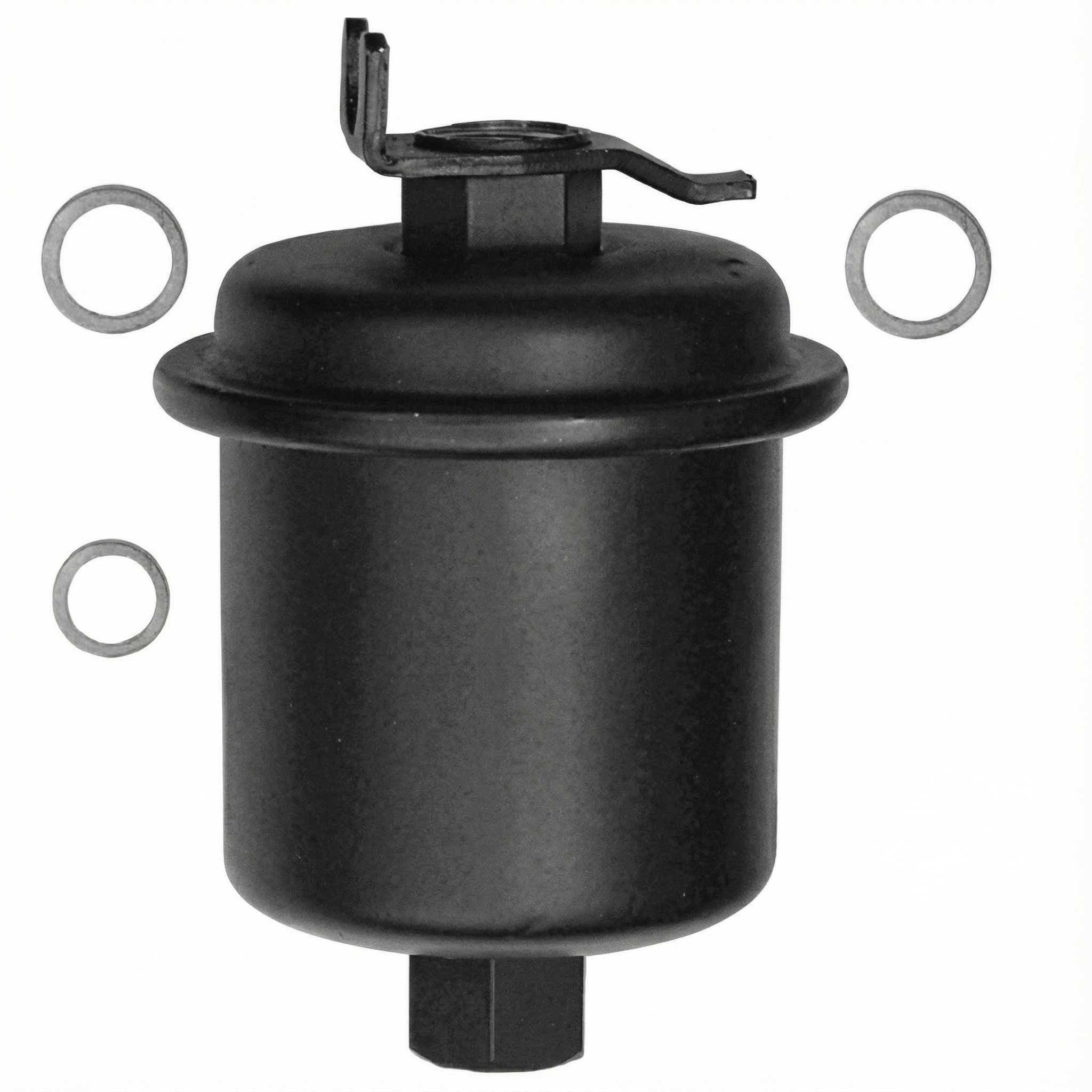
New Aftermarket Parts Available


The information in this article is provided for general reference and educational purposes only. Vehicle specifications, procedures, and part compatibility can vary by production date, trim level, and region. Always consult your vehicle's factory service manual and verify part numbers before purchasing or performing repairs. Safety-critical components such as airbags, seat belts, and braking systems should be installed by a qualified professional.
- Honda Fit:
- 🧭 Diagnostic Flowchart
- 🎬 Helpful Videos
- 🛍️ Shop This Part
- What's Unique About the 2015-2020 Honda Fit
- Symptoms You May Notice
- Most Likely Causes
- Rare But Worth Checking
- Diagnosis Steps
- Parts You'll Likely Need
- Platform-Specific Known Issues
- Mechanic-Grade Diagnostic Values
- Scan Tool Commands That Help
- Wiring & Ground Locations
- Real Owner Repair Stories
- OEM Part Supersession History
- Other Known Issues on This Vehicle
- Used vs. New Parts: Buying Guide for This Vehicle
- Real Owner Stories
- 2015 Honda Fit
- 2015 Honda Fit
- 2021 Honda Odyssey
- Related OBD-II Codes
- Frequently Asked Questions
- 🎟️ Get 5% Off