

P2421 on 2016-2022 Honda HR-V: EVAP Vent Valve Stuck Open Causes and Fixes
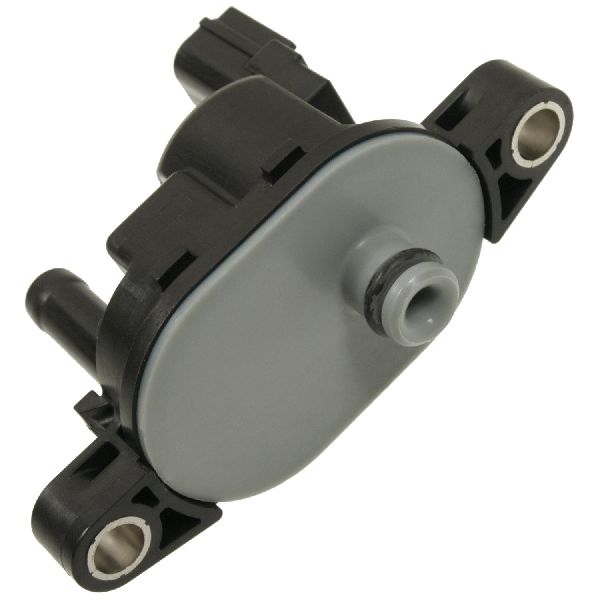
On a 2016-2022 Honda HR-V, code P2421 almost always means the EVAP canister vent valve has failed. This part is located under the vehicle near the fuel tank, attached to the charcoal canister. Expect to pay around $65-$95 for an OEM valve (Part #17310-TBA-A01) and $35-$70 for an aftermarket one. It's a common and straightforward DIY repair that can be done with basic tools.
- P2421 on your HR-V almost certainly points to a bad EVAP vent valve, Honda part number 17310-TBA-A01.
- The repair is straightforward and accessible for a DIYer with basic tools; the part is located under the car near the gas tank, attached to the charcoal canister.
- Do not confuse the vent valve (by the tank) with the purge valve (in the engine bay). P2421 is for the vent valve.
- Driving with this code is safe, but you will fail an emissions test, so it's best to repair it before your next inspection.
What's Unique About the 2016-2022 Honda HR-V
🎬 Watch: Diagnostic and repair guide for the Honda HR-VThe 2016-2022 Honda HR-V uses a common EVAP system design shared across many Honda models of this era, including the Odyssey, Ridgeline, Civic, and Fit. While no major platform-specific defect is documented for this code, the failure of the canister vent valve is a frequent issue on Hondas in general. The diagnosis and repair are straightforward and consistent with other vehicles from the manufacturer. The valve is sold as a separate component 🎬 See: How to diagnose a stuck open vent valve from the more expensive charcoal canister, making the repair relatively affordable.
Symptoms You May Notice
- Check Engine Light is on
- A faint fuel smell may be noticeable near the rear of the vehicle.
- In some cases, the gas pump nozzle may click off repeatedly when trying to refuel.
- Remote start may be disabled while the Check Engine Light is active.
- In rare cases, minor fluctuations in fuel trim may be visible on a scan tool as the ECU compensates for vapor flow.
- Replacing the gas cap. A faulty gas cap typically causes codes like P0455 (Gross Leak) or P0457 (Cap Loose), not P2421.
- Replacing the EVAP Purge Valve. The purge valve is a different component located in the engine bay. A failure of the purge valve usually triggers other codes, such as P0441 or P0497.
Most Likely Causes
- Failed EVAP Canister Vent Valve (Solenoid) 🔴 High Probability → Shop Vapor Canister The valve is an electromechanical part with a solenoid that can fail over time due to dirt, debris, moisture, or internal wear. It's a very common failure point on many modern Honda vehicles.
How to confirm: The valve is located under the vehicle, near the charcoal canister by the fuel tank. A technician can command the valve to close with a bidirectional scan tool and listen for a click. If the valve is removed, it can be tested by applying 12V power to its pins; it should actuate with a click. If unpowered, air should not pass through it easily if it is working correctly; if air passes, it is stuck open. A smoke test performed on the EVAP system will show smoke exiting the vent valve if it is stuck open. The solenoid coil resistance should be between 48 and 65 ohms.
Typical fix: Replace the canister vent valve.
Est. part cost: $35-$110 - Damaged Wiring or Connector 🟡 Medium Probability The valve and its wiring are located under the vehicle, exposed to road debris, moisture, and potential corrosion, which can damage the wiring harness or connector pins. Critters have also been known to chew on under-vehicle wiring.
How to confirm: Visually inspect the wiring harness leading to the vent valve for any signs of fraying, breaks, or corrosion. Check for a stable 12V supply and ground at the connector with the key on. A loss of signal from the PCM can also cause this code.
Typical fix: Repair the damaged section of the wiring harness or replace the connector.
Est. part cost: $10-$50 - Blockage in Vent Hose or Canister ⚪ Low Probability Insects (like spiders) can build nests in the vent hose, or dirt and debris can clog the charcoal canister, preventing the valve from sealing or venting correctly.
How to confirm: Disconnect the hoses from the charcoal canister and vent valve and inspect for any physical blockages. Attempt to blow low-pressure air through them. A clogged canister may also be indicated if the canister itself is saturated with fuel or has charcoal granules in the lines.
Typical fix: Clear the blockage from the hose or replace the charcoal canister if it is internally clogged.
Est. part cost: $0-$250
Rare But Worth Checking
- Faulty Powertrain Control Module (PCM): → Shop Engine Control Module (ECM) This is extremely rare. The PCM should only be considered after all other possibilities, including the valve, wiring, and hoses, have been thoroughly tested and ruled out. A PCM command fault could theoretically cause the issue.
Diagnosis Steps
- Read the code from the OBD-II port to confirm P2421 is the primary code present.
- Inspect the gas cap to ensure it is tight and the seal is intact, although this is an unlikely cause for this specific code.
- Safely raise and support the rear of the vehicle. Locate the EVAP canister vent valve under the vehicle, typically on the driver's side near the fuel tank and spare tire area. The valve is attached to or near the black charcoal canister.
- Visually inspect the vent valve, its connector, and the wiring harness for any obvious damage, corrosion, or loose connections.
- Using a capable OBD-II scanner, command the vent valve to close (EVAP CVS ON). Listen for an audible click from the valve. If it clicks, proceed to a smoke test. If smoke exits the vent valve, it confirms it's stuck open.
- If no scanner is available, test the valve directly. Disconnect the electrical connector and remove the valve. Test the resistance across the two pins; it should be between 48 and 65 ohms. Apply 12V power and a ground to the valve's pins; it should click. If it doesn't actuate, it has failed. You can also try to blow through it when unpowered; if air passes freely, it is stuck open.
- If the valve works when tested manually, the problem is likely in the wiring. Use a multimeter to check for ~12V (battery voltage) at one pin of the connector with the ignition on. The other pin is the control from the PCM.
- Inspect the vent hoses connected to the canister and valve for any blockages from dirt, insects, or debris.
- If the valve, wiring, and hoses are all confirmed to be good, the charcoal canister itself could be internally blocked or saturated, but this is a less common cause.
Parts You'll Likely Need
- EVAP Canister Vent Valve / Solenoid
(OEM #17310-TBA-A01 🎬 Watch: Step-by-step Honda vent valve replacement walkthrough)— This valve is the most common failure point for code P2421. It gets stuck open, preventing the EVAP system from sealing for its self-test. This part number is widely used across many Honda models.
Trusted brands: Honda (Genuine), Dorman (911-422), Standard Motor Products, SKP
OEM price range: $65-$95
Aftermarket price range: $35-$70
Platform-Specific Known Issues
- Intermittent Code Triggered by Low Fuel: Some Honda owners have reported that code P2421 appears intermittently, often when the fuel tank level drops to around 1/4 full during city driving. This suggests the EVAP system's self-test, which triggers the code, runs under these specific conditions, making a marginal valve more likely to fail the test.
- Potential for ECM Software Update Requirement: On some modern Honda models, an error in the Engine Control Module's (ECM) monitoring logic can erroneously trigger EVAP codes like P2421. In some cases, a dealership software update (reflash) may be required to permanently resolve the issue after hardware has been confirmed to be working properly.
Mechanic-Grade Diagnostic Values
- EVAP Canister Vent Valve Solenoid Coil Resistance — expected: 48 to 65 ohms. Failure: A reading outside this range indicates a damaged internal solenoid winding.
- Voltage at Vent Valve Connector (Key On, Engine Off) — expected: ~12V (battery voltage) on one pin, ground control on the other pin.. Failure: Absence of 12V power points to an issue with the fuse or wiring upstream of the connector.
Scan Tool Commands That Help
- Honda Diagnostic System (HDS) or equivalent: EVAP System Function Test — This is an automated test that commands various EVAP components to check overall system integrity and can confirm if the vent valve is responding to PCM commands.
- Professional Bidirectional Scanner (Autel, Foxwell, etc.): EVAP Vent Solenoid ON/OFF (or CLOSE/OPEN), often labeled 'EVAP CVS ON/OFF' for Honda. — This is a direct command used to manually actuate the vent valve. It allows a technician to listen for the solenoid's 'click' and to seal the system for a smoke test. If commanded closed and smoke still escapes, the valve is confirmed stuck open.
Wiring & Ground Locations
- EVAP Canister Vent Valve Connector — On the EVAP canister vent valve itself, located under the vehicle near the charcoal canister, typically on the driver's side near the fuel tank.. This 2-pin connector provides power and ground control to the solenoid. Corrosion, damage, or a broken wire at the connector is a common failure point that can cause P2421.
OEM Part Supersession History
17310-SNA-A01, 17310-TA0-A01, 17311-TA0-A01→17310-TBA-A01— Part consolidation and potential design updates across multiple Honda and Acura models.
Diagnostic Flowchart
Other Known Issues on This Vehicle
Issues unrelated to this code that are worth knowing about as an owner of this generation:
- CVT Belt Durability and Software Issues 🔴 High — Common enough to warrant a warranty extension (TSB 21-047) for 2016-2020 models. Can lead to shuddering, hesitation, or complete transmission failure. (Ref: TSB 21-047)
- Failing Start/Stop Button 🟡 Low — Common on 2016-2018 models, causing intermittent no-start conditions or difficulty turning the vehicle off. (Ref: TSB 20-116 (Warranty Extension))
- Fuel Injector Problems 🟠 Medium — Some vehicles may experience clogged or failing fuel injectors, leading to misfires or other engine performance issues. Honda has extended the warranty for this issue on some models. (Ref: Warranty Extension (e.g., TSB 22-002 for some models))
- Fuel Pump Failure 🔴 High → Shop Fuel Pump — A recall was issued for 2018-2020 models due to a faulty fuel pump that could seize, causing the engine to stall. (Ref: NHTSA Recall (e.g., 20V-314))
- Peeling White Paint 🟡 Low — Affects vehicles with specific white paint colors (e.g., White Orchid Pearl), leading to peeling and flaking. (Ref: Warranty Extension for affected paint codes)
- Uncomfortable Front Seats 🟡 Low — A widespread subjective complaint among owners is that the front seats lack lumbar support and are uncomfortable on long drives.
Used vs. New Parts: Buying Guide for This Vehicle
When a used part is the smart pick: For this repair, a used OEM part from a low-mileage donor vehicle is a reasonable choice. The part is relatively simple, and failure is often due to age and exposure rather than a complex defect. Given the low cost of a new aftermarket part, the savings may be minimal, but a used OEM part can be preferable to a budget aftermarket one.
Donor-vehicle mileage cap: roughly under 60000 miles for the part to have meaningful remaining life.
What to inspect on the donor part:
- Check the electrical connector pins for any signs of green or white corrosion.
- Inspect the plastic housing for cracks or significant damage from road debris.
- If possible, bring a 12V power source (like a small battery pack) to test for a 'click' before purchasing.
- Avoid parts from vehicles in the rust belt, as corrosion is a primary failure mode.
Aftermarket brands forum-validated for this vehicle:
- Standard Motor Products (SMP)
- Dorman (generally considered a budget-friendly option)
Brands owners have reported issues with on this vehicle:
- No-name or unbranded parts from online marketplaces should be avoided, as quality control can be highly variable.
Real Owner Stories
Aggregated from forums and TSBs cited above. Mileages and costs reflect what owners reported in those sources.
2021 Honda Odyssey — 48000 miles
Symptoms: The user reported getting code P2421; the code appeared intermittently specifically when the gas tank was low.
What fixed it: Replacement of the EVAP system vent valve.
Source hint: r/HondaOdyssey - A user with a 2021 model reported getting code P2421 at 48k miles
2018-2021 Honda Ridgeline
Symptoms: Intermittent P2421 codes.
What fixed it: Repair of under-vehicle wiring that had been chewed by critters.
Source hint: r/hondaridgeline - Multiple users in this thread reported intermittent P2421 codes on their 2018-2021 Ridgelines
Related OBD-II Codes
Frequently Asked Questions
Why does my Honda HR-V's remote start stop working when the P2421 code is active?
I have a 2016 Honda HR-V with a shuddering transmission; is this related to the P2421 EVAP code?
Is there a software update for the P2421 code on my Honda?
Why does the gas pump nozzle keep clicking off when I try to fill up my HR-V?
Does the fuel level affect when the P2421 code appears on a Honda HR-V?
Could a spider nest really be causing my Check Engine Light?
Helpful Videos
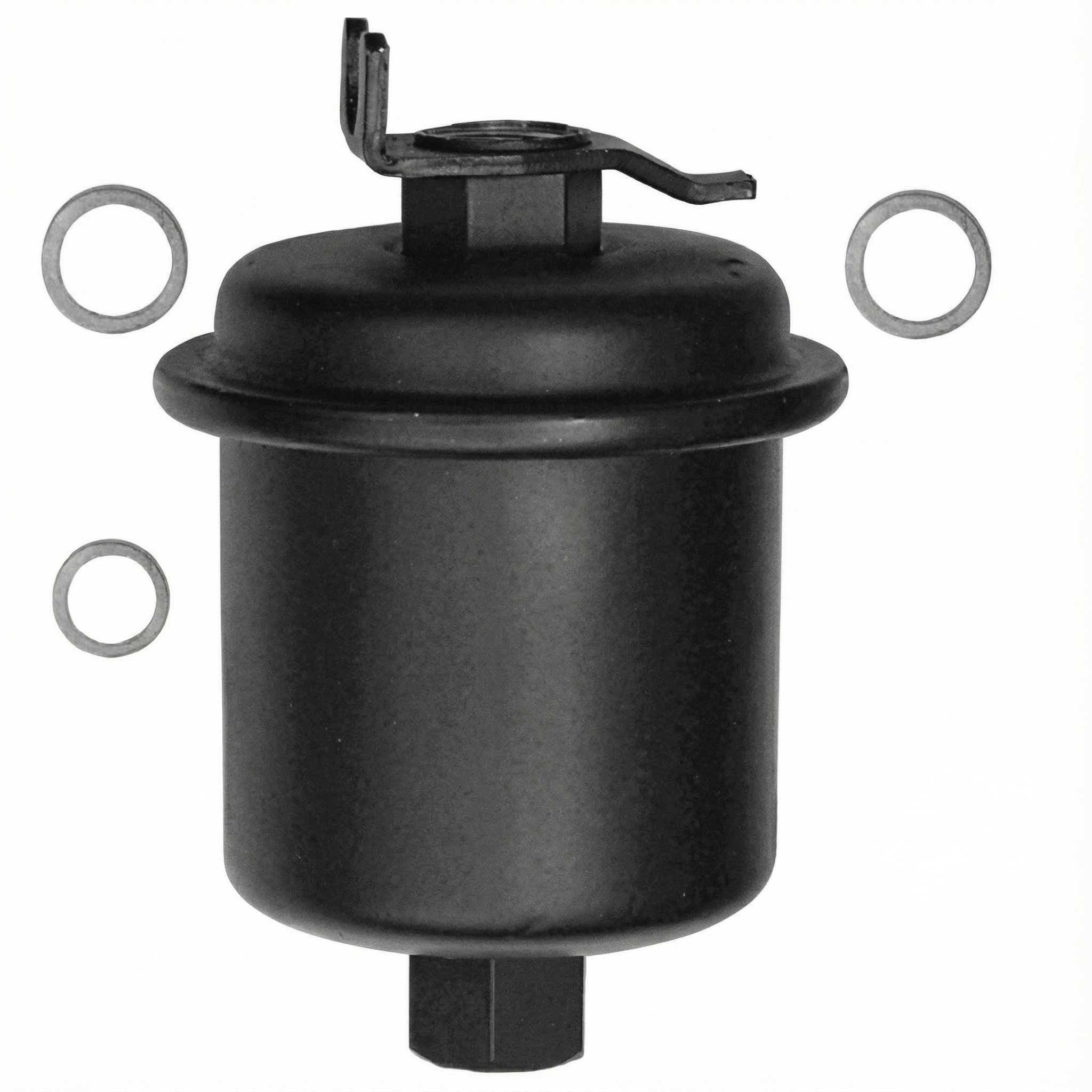
Used OEM Parts in Stock
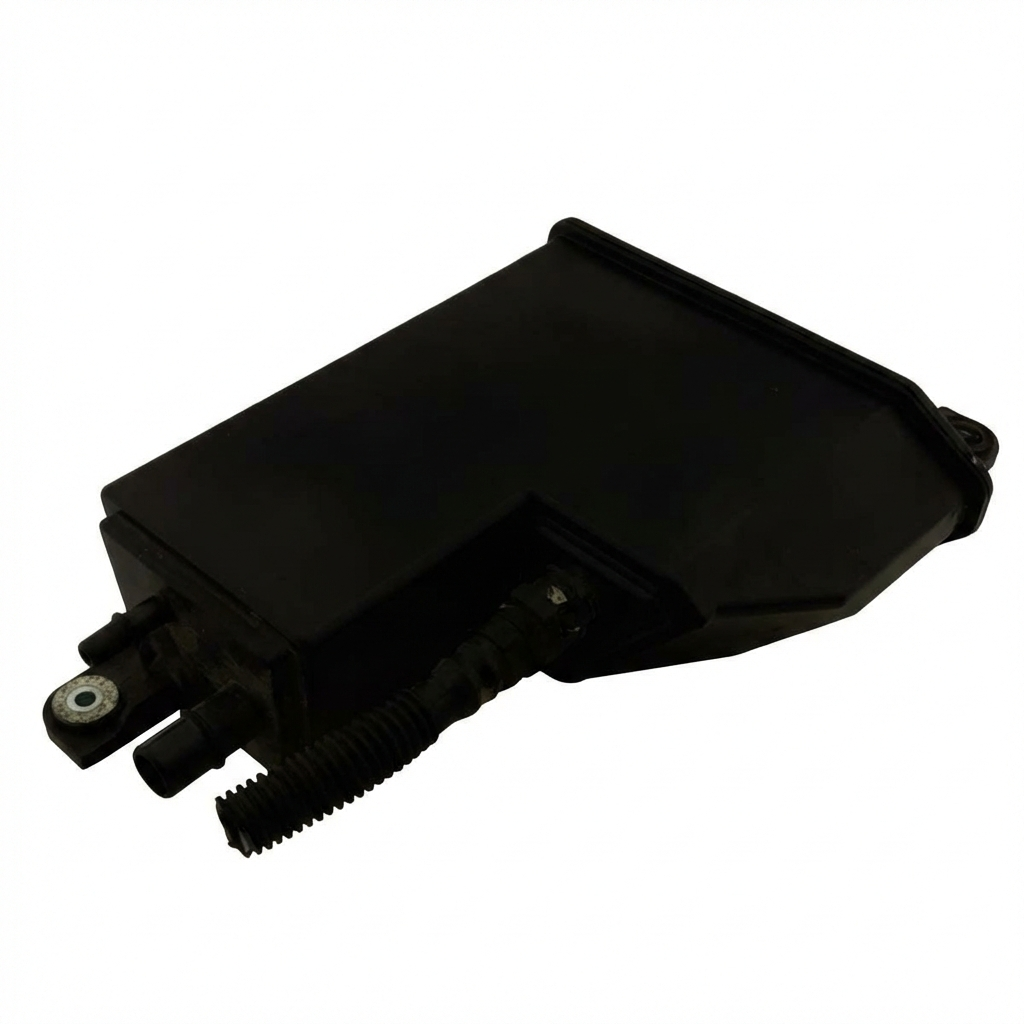
New Aftermarket Parts Available


The information in this article is provided for general reference and educational purposes only. Vehicle specifications, procedures, and part compatibility can vary by production date, trim level, and region. Always consult your vehicle's factory service manual and verify part numbers before purchasing or performing repairs. Safety-critical components such as airbags, seat belts, and braking systems should be installed by a qualified professional.
- Honda HR-V:
- 🧭 Diagnostic Flowchart
- 🎬 Helpful Videos
- 🛍️ Shop This Part
- What's Unique About the 2016-2022 Honda HR-V
- Symptoms You May Notice
- Most Likely Causes
- Rare But Worth Checking
- Diagnosis Steps
- Parts You'll Likely Need
- Platform-Specific Known Issues
- Mechanic-Grade Diagnostic Values
- Scan Tool Commands That Help
- Wiring & Ground Locations
- OEM Part Supersession History
- Other Known Issues on This Vehicle
- Used vs. New Parts: Buying Guide for This Vehicle
- Real Owner Stories
- 2021 Honda Odyssey — 48000 miles
- 2018-2021 Honda Ridgeline
- Related OBD-II Codes
- Frequently Asked Questions
- 🎟️ Get 5% Off