

P2421 on 2010-2014 Subaru Outback 2.5L: EVAP Vent Valve Stuck Open Causes and Fixes
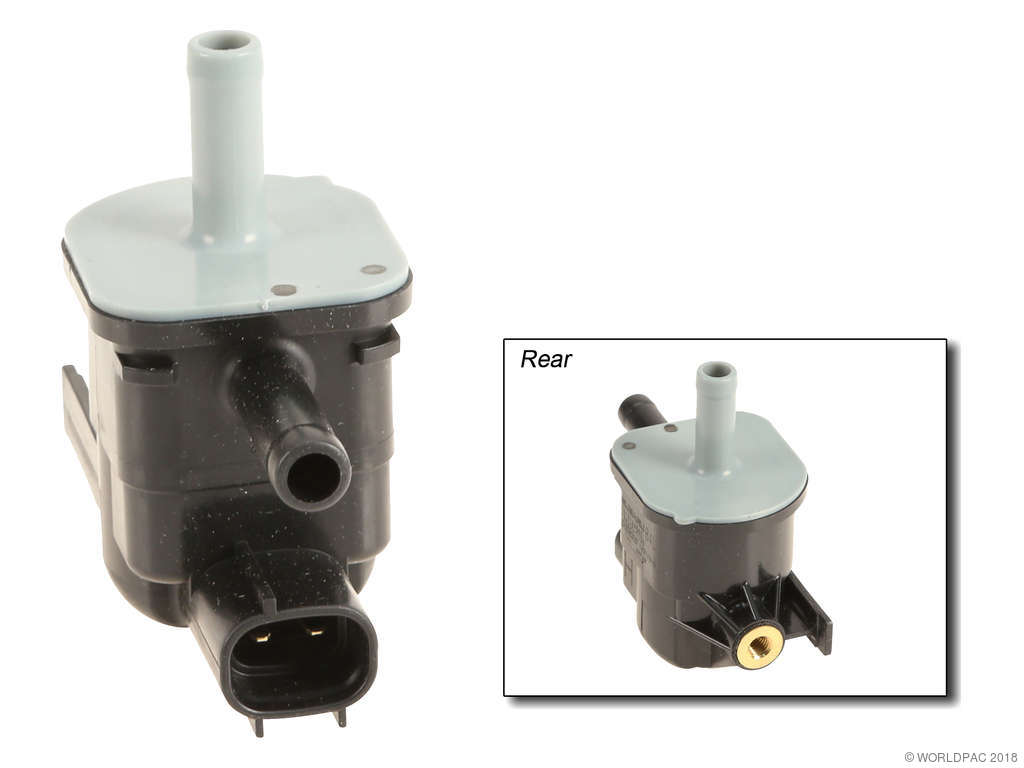
This code means the EVAP vent valve, located at the rear of the car near the charcoal canister, is stuck open. The most common fix is to replace the vent valve solenoid. This part may be sold separately in the aftermarket or as part of the entire charcoal canister assembly from the dealer. Before replacing, check for debris like spider webs or dirt clogging the valve, which is a common issue.
- P2421 means the EVAP vent valve is stuck open, not the purge valve in the engine bay.
- The most likely cause is a failed or clogged vent valve solenoid, located on the charcoal canister at the rear of the car.
- Before buying parts, inspect the valve and hoses for debris (like spider webs) and test the valve by checking for a 'click' when commanding it with a scan tool or by applying 12V power directly to it.
- You can continue to drive the car, but you will not pass an emissions test until it is fixed.
- The vent valve may only be available from Subaru as part of the complete charcoal canister assembly (P/N 42035AJ08A), but aftermarket valves are available separately.
What's Unique About the 2010-2014 Subaru Outback
For the 2010-2014 Subaru Outback, the P2421 code almost always points to the vent valve assembly (also called a drain valve by Subaru) located at the rear of the vehicle, attached to the charcoal canister. It is often confused with the purge solenoid, which is located in the engine bay and typically causes different codes (like P0441). While there are no specific recalls for P2421, the valve's location makes it prone to contamination from dirt and debris, including spider nests, which can cause it to stick. This is a common failure mode not unique to Subaru but frequently seen.
Symptoms You May Notice
- Check Engine Light is on
- A faint smell of fuel may be noticeable around the rear of the vehicle
- Vehicle will fail an emissions test
- Difficulty filling the gas tank (if the valve is stuck closed, not open, but sometimes misdiagnosed)
- Slightly rough idle in some cases
- Replacing the gas cap. While a loose or faulty gas cap can cause other EVAP codes (like P0457), it will not cause a P2421. 🎬 See: Diagnosing EVAP codes on this Subaru platform
- Replacing the purge valve/solenoid in the engine bay. This is a common mistake. The purge valve is a different part and typically causes other codes like P0441 or P0449.
Most Likely Causes
- Faulty EVAP Vent Valve Solenoid 🔴 High Probability → Shop Vapor Canister The valve is located under the vehicle and is exposed to road grime, moisture, and debris, which can lead to corrosion and mechanical failure over time. The solenoid can also fail electrically. Spiders have been known to build nests in the vent tube, causing a blockage that leads to this code.
How to confirm: With a bidirectional scan tool, command the vent valve to close while listening for an audible click from the valve at the rear of the vehicle. You can also remove the valve and apply 12V power to its terminals to see if it actuates. When de-energized, you should be able to blow through it; when energized, it should seal completely. A good valve should have a coil resistance between 20 and 30 ohms. Visually inspect the valve and its hoses for obstructions like dirt, debris, or spider webs.
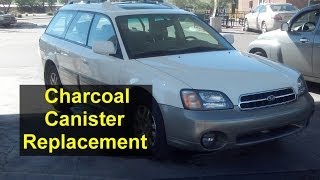
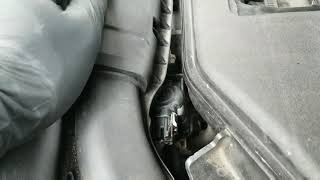
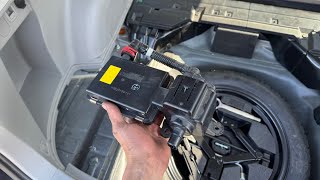
Typical fix: Replace the vent valve solenoid. On this vehicle, the valve is located on the charcoal canister assembly at the rear. It may be replaceable on its own, or you may need to replace the entire canister assembly. 🎬 Watch: How to replace the charcoal canister assembly Sometimes, simply cleaning debris out of the valve and its lines can resolve the issue.
Est. part cost: $40-$100 for an aftermarket valve, $250+ for an OEM charcoal canister assembly. - Damaged or Corroded Wiring/Connector 🟡 Medium Probability The wiring to the vent valve is located underneath the car and is susceptible to damage from road debris, moisture, and corrosion, which can cause an open or short in the circuit.
How to confirm: Visually inspect the wiring harness and connector leading to the vent valve for any breaks, chafing, or green/white corrosion on the pins. Use a multimeter to check for battery voltage (approx. 12V) and ground at the connector with the key on. One pin should have constant power, and the other is the ground switched by the PCM.
Typical fix: Repair the damaged section of wire or clean/replace the connector.
Est. part cost: $5-$30 for wiring repair supplies. - Cracked or Disconnected EVAP Hoses ⚪ Low Probability Rubber hoses become brittle with age and exposure to the elements, leading to cracks, especially at the connection points to the charcoal canister and vent valve.
How to confirm: Visually inspect all rubber hoses connected to the charcoal canister and vent valve for cracks, splits, or loose connections. A smoke test is the most effective way to find small leaks.
Typical fix: Replace the cracked or broken hose.
Est. part cost: $10-$50 for replacement EVAP hose.
Rare But Worth Checking
- Failed Charcoal Canister: → Shop Vapor Canister The canister itself can crack or become saturated with fuel if the tank is frequently overfilled, which can damage the vent valve or cause charcoal pellets to contaminate the valve. If the vent valve is integrated, the whole canister must be replaced.
- Faulty Powertrain Control Module (PCM): → Shop Engine Control Module (ECM) This is extremely rare. The PCM should only be considered after all other possibilities (valve, wiring, hoses) have been exhaustively tested and ruled out. A failed driver in the PCM could fail to send the signal to close the valve.
Diagnosis Steps
- Verify the code with an OBD-II scanner. Note any other codes present and check freeze-frame data.
- Visually inspect the rear of the vehicle, around the driver's side rear wheel, for the charcoal canister and attached vent valve. Look for any obvious damage, loose hoses, or broken wires.
- Specifically inspect the vent hose outlet for any obstructions like spider webs, mud, or other debris.
- Inspect the electrical connector at the vent valve for corrosion or damage. Test for power and ground at the connector with a multimeter. With the ignition on, one pin should show battery voltage (~12V).
- If you have a bidirectional scanner, command the vent valve to close. Listen for a click from the valve. If it clicks, the solenoid is likely working electrically, but the valve could be mechanically stuck or clogged.
- If the valve does not click, remove it from the vehicle.
- Test the valve directly by applying 12V and ground to its pins. It should click. Test if it holds air/vacuum when commanded closed. When de-energized, air should pass through; when energized, it should seal.
- With the valve removed, measure the resistance across the two pins. A good reading is typically between 20 and 30 ohms. An open circuit (infinite resistance) or a short (zero resistance) indicates a failed solenoid.
- If the valve works when tested off the car, the problem is likely in the wiring. If the valve does not work, it is faulty and needs to be replaced.
- If the valve and wiring are good, perform a smoke test on the EVAP system to check for other leaks in hoses or the charcoal canister itself.
- After replacing any parts, clear the codes and perform a complete drive cycle to allow the EVAP monitor to run and confirm the fix.
Parts You'll Likely Need
- EVAP Vent Valve Solenoid
(OEM #The valve is typically not sold separately from Subaru, but is part of the canister assembly.)— This is the component that P2421 specifically identifies as being stuck open. It's the most common failure point for this code.
Trusted brands: Denso, Standard Motor Products (e.g., CVS123), Dorman (e.g., 911-647, though listed for older models, cross-check fitment)
OEM price range: $250-$350 (as part of canister assembly)
Aftermarket price range: $40-$100 (for valve only) - Charcoal Canister Assembly
(OEM #42035AJ08A)— On many Subarus, the vent valve is integrated with or sold as part of the charcoal canister assembly. If the valve is not available separately as an OEM part, this entire assembly is required for the fix. This part number is listed for 2013-2019 models but may fit earlier years in the generation.
Trusted brands: Subaru (Genuine)
OEM price range: $250-$580
Related Codes That Often Appear With This One
- P0455 — A 'Gross Leak Detected' code can accompany P2421 because a vent valve that is stuck wide open is considered a very large leak by the system.
- P0449 — This code indicates a malfunction in the vent valve's electrical circuit. It may appear alongside P2421 if the root cause is electrical, such as a bad solenoid coil or wiring issue.
Platform-Specific Known Issues
- Spider/Insect Infestation: A well-documented cause for EVAP codes on many vehicles, including Subarus, is spiders building nests inside the EVAP vent hose. This blocks airflow, and the ECM interprets this as a stuck valve. Before replacing parts, it is crucial to disconnect the hoses from the vent valve and canister and inspect/clean them thoroughly with compressed air.
- DIY Replacement Experience: Owners on forums like subaruoutback.org report that replacing the vent valve or the entire canister is a straightforward DIY job. It is located behind the driver's side rear wheel, attached to the subframe. Access is improved by removing the wheel. It is typically held on by three 12mm bolts. Corrosion on the bolts can make removal difficult, so applying penetrating oil beforehand is recommended.
Mechanic-Grade Diagnostic Values
- EVAP Vent Valve (Drain Valve) Solenoid Coil Resistance — expected: 20 - 30 Ohms. Failure: An open circuit (infinite resistance) or a direct short (near zero Ohms) indicates the solenoid coil has failed.
- Voltage at EVAP Vent Valve Connector — expected: ~12V (Battery Voltage). Failure: No voltage present when the ignition is on suggests a wiring issue, blown fuse, or a problem with the power supply circuit.
Scan Tool Commands That Help
- Subaru Select Monitor (SSM): Evaporative System Leak Test — This is a dealer-level function used to command the entire EVAP self-test to run with the engine off. It closes the vent valve and uses the system's own leak detection pump to draw a vacuum, allowing a technician to monitor the 'Evap System Absolute Pressure' data PID in real-time to confirm if the system can seal. If pressure does not drop when the test is running, it confirms a leak, and since the code is P2421, the vent valve is the primary suspect.
Wiring & Ground Locations
- Chassis Ground Straps — On the 2.5L engine, there is one ground strap on the driver's side and one on the passenger side, connecting the engine to the chassis. A key ground point is where the main negative battery cable attaches to the chassis.. Corroded or loose ground straps can cause a variety of intermittent electrical issues. While not a direct cause of P2421, a poor ground can affect the PCM's ability to accurately control and monitor various solenoids, including the EVAP vent valve. Ensuring all grounds are clean and tight is a crucial step in diagnosing any electrical fault.
- EVAP Vent Valve Connector — Attached to the EVAP vent valve (drain valve) on the charcoal canister assembly, located behind the driver's side rear wheel.. This is the direct connection point for testing voltage and the solenoid's resistance. One pin is the 12V supply, and the other is the switched ground controlled by the PCM.
Real Owner Repair Stories
- Reddit user on r/subaru ('05 Outback XT (Note: Older model, but EVAP system principles and failure modes are highly relevant)) — Check Engine Light with code P0457 (Large EVAP Leak).
❌ Tried (didn't work) Replacing the entire vapor canister assembly (which included a new vent/drain valve)., Replacing the ECM.
✅ What actually fixed it The actual cause was a rusted-off vapor line port on the top of the fuel tank. This was discovered after filling the fuel tank, which caused fuel to leak profusely from the broken port. This highlights that even with codes pointing to a valve, the leak can be elsewhere in the system.
OEM Part Supersession History
42035AJ04A→Unknown, but this PN is specific to 2010-2012 models.— Model year update.
Heads up: The charcoal canister for 2010-2012 models is part number 42035AJ04A. For 2013-2014 models, the part number is 42035AJ08A. These parts may have different mounting points or hose connections and are likely not interchangeable.
Model Year Variations Within This Range
- 2010-2012 vs 2013-2014: The charcoal canister assembly, which includes the vent valve, has a different part number for the 2010-2012 models (42035AJ04A) compared to the 2013-2014 models (42035AJ08A). This indicates a design change mid-generation, and parts are likely not cross-compatible. Additionally, the 2013 model year introduced the FB25 engine to the Outback, replacing the EJ253, though both were available in 2012. While the EVAP system function is similar, some hose routing or component locations may differ slightly between the two engines.
Diagnostic Flowchart
Other Known Issues on This Vehicle
Issues unrelated to this code that are worth knowing about as an owner of this generation:
- Excessive Oil Consumption 🟠 Medium — More prevalent in the 2013-2014 models with the FB25 engine, but also reported in the earlier EJ253. Can start early in the vehicle's life. Subaru considers 1 quart per 3,600 miles acceptable. (Ref: Subaru issued warranty extensions and TSB 02-157-14R for some FB-series engines related to this issue.)
- CVT Torque Converter Shudder/Stalling 🔴 High — A notable number of owners of 2010-2014 models report a shudder or vibration during light acceleration/deceleration (around 35-45 mph) or a feeling like the engine is about to stall when coming to a stop. (Ref: Subaru released TSB 16-90-13R for 2010-2012 models, which involved replacing the torque converter with an improved design to fix a stalling condition. TSB 16-156-25R addresses shudder in later models.)
- Head Gasket Failure 🔴 High — While significantly improved from prior generations, the EJ253 engine can still experience external oil or coolant leaks from the head gaskets at higher mileage (typically over 100k miles).
- Takata Airbag Recalls 🔴 High — Affects the entire 2010-2014 generation. These vehicles were part of the massive Takata airbag recall. The inflators could rupture, sending metal fragments into the cabin. (Ref: Multiple active recalls. Owners should verify their VIN with NHTSA or a Subaru dealer to ensure the repair has been performed.)
- Rattling Exhaust Heat Shields 🟡 Low — Very common across all years. The thin metal heat shields above the exhaust components corrode and the bolt holes widen, causing a metallic rattle at certain RPMs. (Ref: No TSB, but a common fix is to use larger washers (often called 'heat shield clamps') to re-secure them.)
- Camshaft Position Sensor Faults 🟠 Medium — Some 2013 models could experience difficulty starting, rough idle, and set various camshaft position sensor codes (P0340, P0341, etc.) due to incorrect sensor clearance. (Ref: TSB 11-130-13R provides inspection and repair procedures.)
Used vs. New Parts: Buying Guide for This Vehicle
When a used part is the smart pick: A used charcoal canister assembly from a junkyard can be a cost-effective option, especially since the OEM part is expensive and the vent valve is often integrated. This is a viable choice if the donor vehicle is from a dry climate to minimize rust and has reasonably low mileage.
Donor-vehicle mileage cap: roughly under 80000 miles for the part to have meaningful remaining life.
What to inspect on the donor part:
- Physically inspect the plastic body of the canister for any cracks, especially around mounting tabs and hose ports.
- Ensure all hose connection nipples are intact and not brittle or broken.
- Check the electrical connector on the vent valve for corrosion or broken pins.
- If possible, find a donor vehicle with a known history (e.g., rear-end collision vs. engine failure) to avoid getting a part that was part of the original problem.
- Verify the part number matches your vehicle's model year range (2010-2012 vs. 2013-2014).
Aftermarket brands forum-validated for this vehicle:
- Denso (often the OEM supplier)
- Standard Motor Products (SMP)
- Dorman (check for specific vehicle fitment)
Brands owners have reported issues with on this vehicle:
- No-name, unbranded parts from online marketplaces should be avoided, as their internal valve quality and longevity can be questionable.
Real Owner Stories
Aggregated from forums and TSBs cited above. Mileages and costs reflect what owners reported in those sources.
2010-2014 Subaru Outback 2.5L
Symptoms: Owners report the vent valve or canister replacement is a straightforward DIY job, though the mounting bolts are often corroded.
What fixed it: Replacing the vent valve or the entire canister assembly, often requiring penetrating oil for the 12mm bolts.
Source hint: vehicle_specific_issues section titled 'DIY Replacement Experience' referencing subaruoutback.org
2001 Subaru Outback
Symptoms: The owner demonstrated testing the valve by applying power and attempting to blow through it to check for mechanical sticking.
What fixed it: Replacement of the evaporator system vent valve near the charcoal canister.
Source hint: VOTD YouTube - 'Evaporator system vent valve near charcoal canister replacement, Subaru Outback'
Related OBD-II Codes
Frequently Asked Questions
Where is the EVAP vent valve located on my 2010-2014 Subaru Outback?
Is there a specific TSB for the stalling or shuddering I'm feeling alongside this EVAP code?
Could a spider nest really be causing my P2421 code?
What is the correct resistance for a healthy vent valve solenoid on this model?
Can I replace just the valve, or do I need the whole charcoal canister assembly (part 42035AJ08A)?
Does my 2010-2014 Legacy share this same EVAP system and potential for P2421?
Helpful Videos
Used OEM Parts in Stock
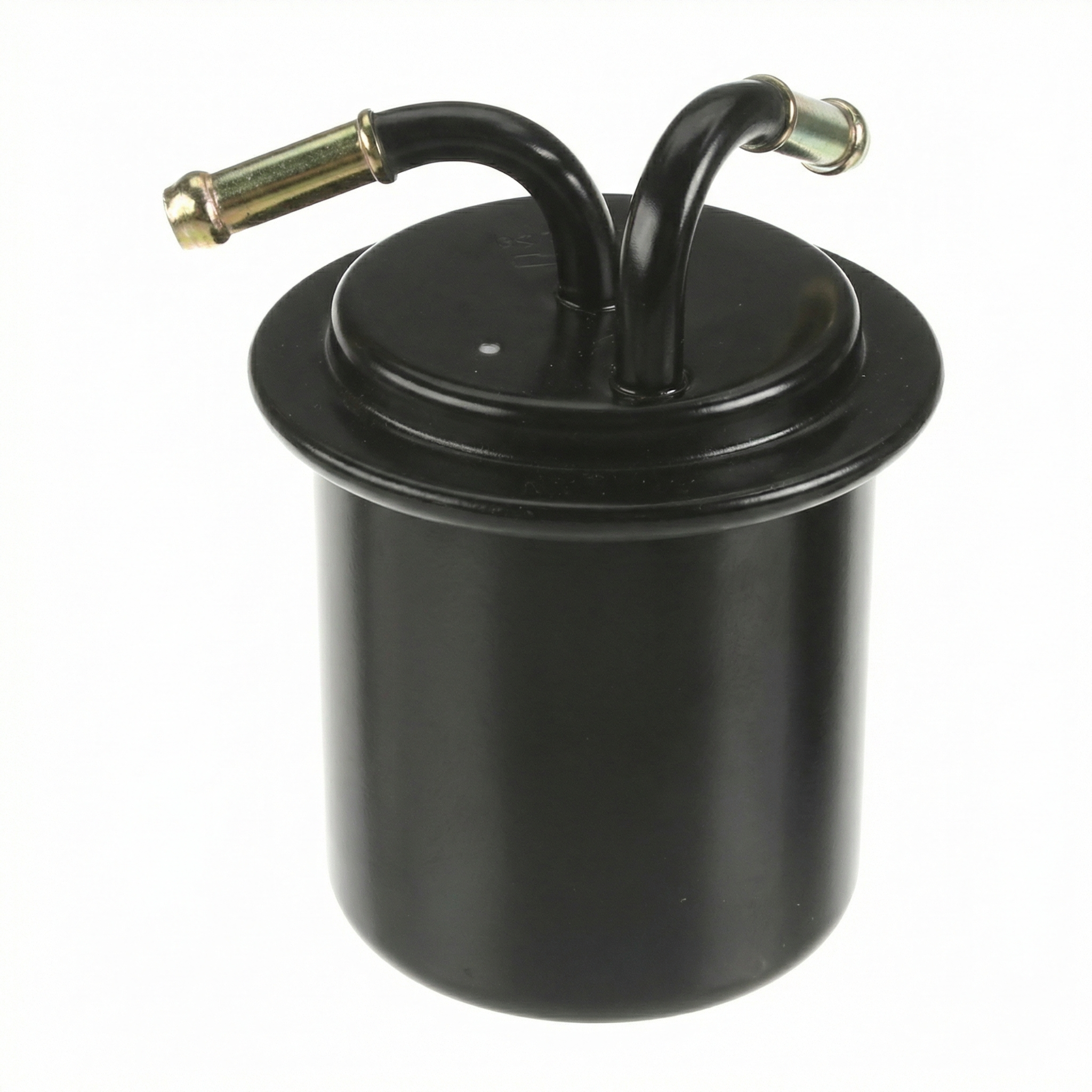
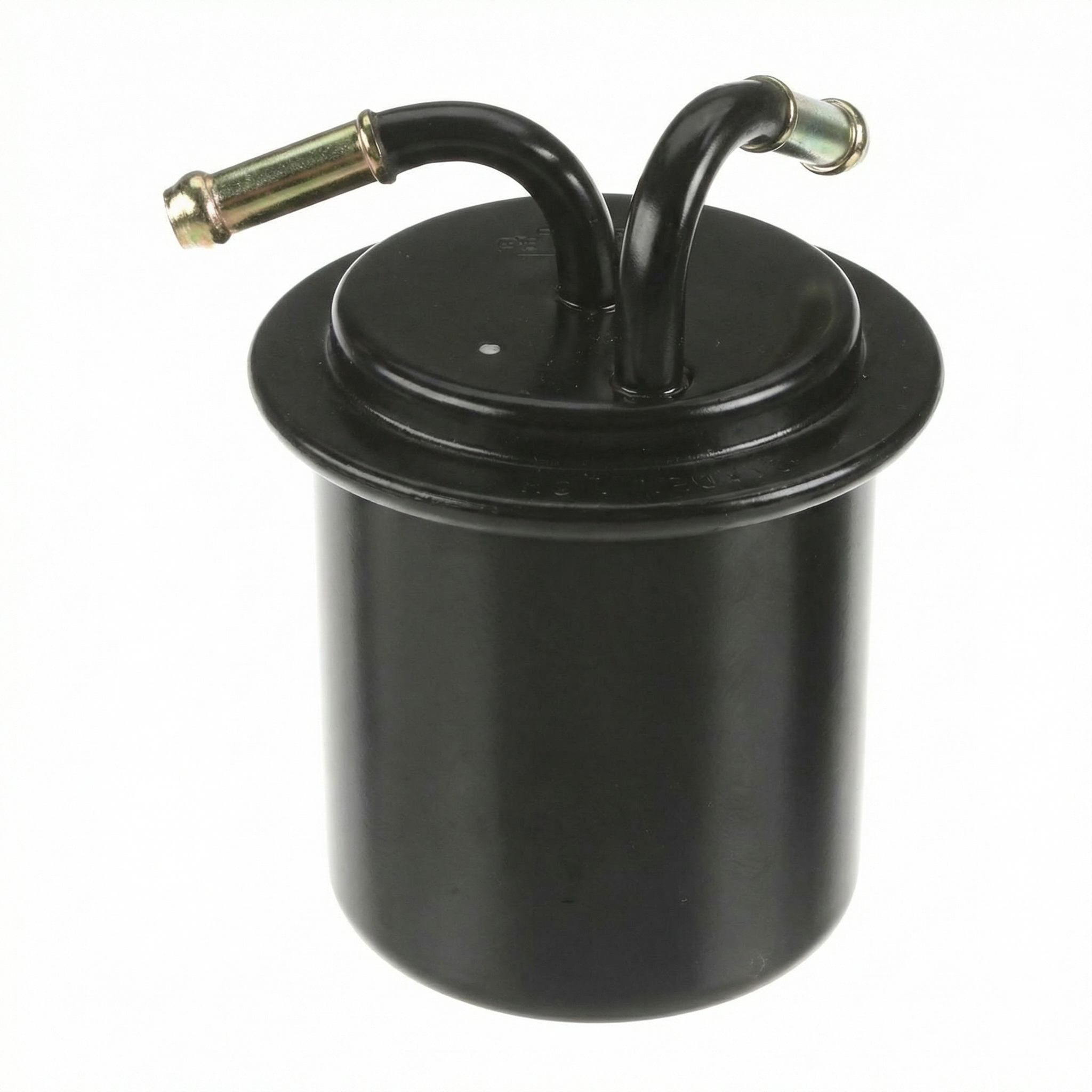
New Aftermarket Parts Available


The information in this article is provided for general reference and educational purposes only. Vehicle specifications, procedures, and part compatibility can vary by production date, trim level, and region. Always consult your vehicle's factory service manual and verify part numbers before purchasing or performing repairs. Safety-critical components such as airbags, seat belts, and braking systems should be installed by a qualified professional.
- Subaru Outback:
- 🧭 Diagnostic Flowchart
- 🎬 Helpful Videos
- 🛍️ Shop This Part
- What's Unique About the 2010-2014 Subaru Outback
- Symptoms You May Notice
- Most Likely Causes
- Rare But Worth Checking
- Diagnosis Steps
- Parts You'll Likely Need
- Related Codes That Often Appear With This One
- Platform-Specific Known Issues
- Mechanic-Grade Diagnostic Values
- Scan Tool Commands That Help
- Wiring & Ground Locations
- Real Owner Repair Stories
- OEM Part Supersession History
- Model Year Variations Within This Range
- Other Known Issues on This Vehicle
- Used vs. New Parts: Buying Guide for This Vehicle
- Real Owner Stories
- 2010-2014 Subaru Outback 2.5L
- 2001 Subaru Outback
- Related OBD-II Codes
- Frequently Asked Questions
- 🎟️ Get 5% Off