

P2422 on 2012-2017 Hyundai Azera: EVAP Vent Valve Stuck Closed Causes and Fixes
This code almost always means the EVAP Canister Close Valve, located near the driver's side rear wheel, has failed. Replacing this valve is a straightforward DIY fix, typically costing under $50 for the part. The most common symptom, besides the check engine light, is the gas pump repeatedly clicking off during refueling.
- P2422 on your Azera almost certainly means you need a new EVAP Canister Close Valve.
- The most noticeable symptom, besides the Check Engine Light, will be the gas pump shutting off constantly when you try to refuel.
- This is a very DIY-friendly repair that can be done in under an hour with basic tools like a 10mm socket and screwdriver.
- The correct part to replace is near the driver's side r
What's Unique About the 2012-2017 Hyundai Azera
For this generation of Hyundai Azera and its platform-mate, the Kia Cadenza, the P2422 code is a very common and well-documented issue pointing directly to the canister close valve. Unlike some vehicles where this code can be ambiguous, on the Azera it's a highly probable component failure. The fix is accessible to DIYers, as the valve is located behind the driver's side rear wheel liner, not integrated into a hard-to-reach fuel tank assembly.
Symptoms You May Notice
- Check Engine Light is on
- Difficulty filling the fuel tank (gas pump nozzle clicks off repeatedly).
- A faint fuel smell near the rear of the vehicle.
- In some cases, a slight rough idle or change in engine performance, though this is less common than the refueling issue.
- Replacing the gas cap. A bad gas cap typically causes a leak-related code (like P0455 or P0456), not a 'stuck closed' code for the vent valve.
- Replacing the EVAP Purge Solenoid. The purge solenoid (or purge valve) is located in the engine bay and controls the flow of vapors to the engine, often causing codes like P0441. The P2422 code specifically refers to the vent valve (canister close valve) located at the rear of the vehicle near the charcoal canister.
Most Likely Causes
- Failed EVAP Canister Close Valve (Vent Valve) 🔴 High Probability → Shop Vapor Canister The valve is mounted under the car behind the rear wheel, exposing it to road grime, water, and salt, which can lead to corrosion and mechanical failure. Dust and debris can also be drawn into the valve, causing it to jam internally.
How to confirm: With the vehicle off, the valve should be normally open. You can remove it and try to blow through it; if no air passes, it is stuck closed and faulty. A scan tool with bidirectional controls can also command the valve to open and close; a lack of an audible click suggests failure. 🎬 See how to diagnose a stuck vent valve step-by-step.
Typical fix: Replace the canister close valve. This is a simple unbolt-and-replace procedure.
Est. part cost: $20-$50
Rare But Worth Checking
- Clogged EVAP vent hose or charcoal canister: → Shop Vapor Canister Spiders or insects can build nests in the vent hose, or the charcoal canister itself can become saturated with fuel or break down internally, causing a blockage that mimics a stuck valve. This can happen if you habitually 'top off' your fuel tank after the pump clicks off.
- Damaged wiring or electrical connector: The wiring to the canister close valve is located under the vehicle and can be damaged by road debris or corrosion, preventing the valve from receiving the signal to open or causing an intermittent connection.
- Faulty Powertrain Control Module (PCM): → Shop Engine Control Module (ECM) This is extremely rare. The PCM driver circuit for the valve could fail, but all other possibilities should be exhausted before considering PCM replacement.
Diagnosis Steps
- Verify the P2422 code is present using an OBD-II scanner.
- Attempt to fill the fuel tank. If the pump clicks off repeatedly, this strongly corroborates a blocked EVAP vent path.
- Safely raise and support the rear of the vehicle and remove the driver's side rear wheel.
- Remove the plastic fender liner by taking out the screws and clips holding it in place. A 10mm socket and a Phillips screwdriver are typically required.
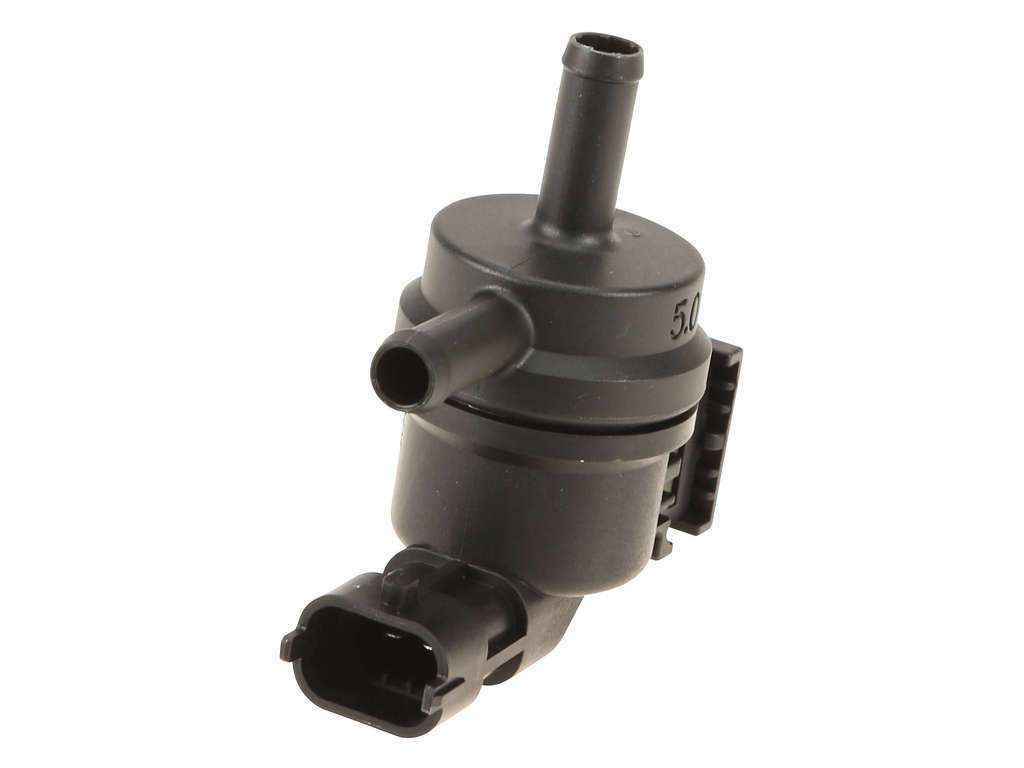
- Locate the canister close valve. It is a small black plastic valve mounted to a bracket, with one electrical connector and one or two hoses attached.
- Inspect the electrical connector and wiring going to the valve for any signs of damage, corrosion, or looseness.
- If you have a bidirectional scan tool, command the vent valve to open and close. Listen for an audible click from the valve.
- If the valve does not click, disconnect the connector and test for power and ground at the connector with the key on. If power and ground are present, the valve is faulty.
- If the valve does click or if you don't have a scan tool, remove the 10mm nut holding the valve to its bracket. Disconnect the hose(s) and electrical connector.
- With the valve removed, attempt to blow through it. It is a normally-open valve, so air should pass through freely. If it does not, it is mechanically stuck closed and must be replaced.
- If the valve works and is not stuck, inspect the attached rubber hoses and the port on the charcoal canister for blockages or kinks. Spiders are known to build webs in these lines.
Parts You'll Likely Need
- Canister Close Valve
(OEM #31453-3K600)— This is the component that fails in the vast majority of P2422 cases on this vehicle. It gets stuck internally, preventing the EVAP system from venting properly. The part has been superseded by 31453-3K600-FFF.
Trusted brands: Hyundai (Genuine), Dorman (P/N 911-808), Standard Motor Products (P/N CVS89), CarQuest (P/N 73-1554)
OEM price range: $21-$40
Aftermarket price range: $20-$35
Technical Service Bulletins (TSBs) & Recalls
- While no TSBs were found specifically for the 2012-2017 Azera for P2422, Hyundai did issue TSB Bulletin #21-01-009H for the Sonata to update the ECM software logic for detecting P2422, indicating it's a code they monitor closely. This bulletin provides information related to an Electronic Control Module (ECM) software update which revises detection logic for DTC P2422: EVAP System Restricted Vent Valve logic.
Platform-Specific Known Issues
- A YouTube video titled 'How to fix code P2422, 2012 Hyunday Azera Evap Canister Valve' provides a clear, 10-minute walkthrough of the replacement, confirming the part number and ease of access without even needing to remove the tire. 🎬 Watch: This 10-minute walkthrough shows the Azera valve replacement.
- A user on r/MechanicAdvice with a Hyundai Sonata experiencing P2422 described the classic symptom: 'Tried to fill the car with fuel at the pump and the fuel just shot back out of the filler neck.' 🎬 Watch: See how a stuck vent valve causes refueling issues. This confirms the direct link between the code and the refueling problem.
Mechanic-Grade Diagnostic Values
- Canister Close Valve (CCV) coil resistance — expected: 19.8 - 21.8 Ω at 20°C (68°F). Failure: A reading significantly outside this range, or an open circuit (infinite resistance), indicates a failed valve coil.
- Voltage at CCV connector — expected: Battery voltage (approx. 12V) should be present at one pin with the key on, engine off. The other pin is the ground control from the PCM.. Failure: Absence of voltage could indicate a wiring issue or a blown fuse. If voltage is present but the valve doesn't work, the valve itself is likely faulty.
Scan Tool Commands That Help
- Hyundai GDS or equivalent professional scan tool: EVAP System / Canister Close Valve (CCV) Actuation Test — This bidirectional control is used to command the normally-open valve to close and then open again. The technician should listen for an audible click from the valve. A lack of a click when commanded, assuming power and ground are good at the connector, confirms a failed valve.
- Hyundai GDS or equivalent professional scan tool: EVAP Leak Detection Test — After replacing the part and clearing the code, this special function can be run to have the vehicle perform a self-test of the entire EVAP system to confirm the repair was successful and that no other issues are present.
Wiring & Ground Locations
- Canister Close Valve Connector — Behind the driver's side rear wheel well liner, attached to the canister close valve.. This 2-pin connector provides power and ground to the valve solenoid. It is exposed to road spray and debris, making it a potential point of failure due to corrosion or wire damage. A visual inspection and voltage test here are critical steps.
- Chassis Ground — While a specific ground point identifier for this circuit (e.g., Gxxx) is not documented in available resources, the valve's circuit grounds to the chassis. Technicians often use a known-good factory ground bolt on the subframe or chassis for testing purposes.. A poor ground connection can prevent the solenoid from actuating correctly, mimicking a failed valve. If the valve tests bad, it's wise to verify the ground path before replacing the part.
Real Owner Repair Stories
- Reddit user on r/MechanicAdvice (2008 Hyundai Sonata V6 (platform mate with shared 3.3L engine and EVAP components)) — P2422 code that kept returning after being cleared.
❌ Tried (didn't work) Clearing the code; it would return in 5-7 minutes.
✅ What actually fixed it The user discovered the true nature of the problem when they tried to refuel and gasoline shot back out of the filler neck. This confirmed a physical blockage in the venting system, not just an electrical fault with the valve, even though the valve could be heard clicking with a scan tool. The diagnosis shifted from a failed valve to a blocked canister or vent line. - Reddit user on r/Honda (2020 Honda Accord (different make, but illustrates a relevant failure mode)) — P2422 code appeared after driving through a deep puddle.
❌ Tried (didn't work) Replacing only the vapor canister vent valve. The code returned 15 minutes later.
✅ What actually fixed it The final fix was replacing both the vent valve AND the charcoal canister. The canister had become saturated with water, which caused the blockage that triggered the code. Blowing out the hoses was also part of the successful repair.
"I Checked Everything" — The Actual Cause
- For code P2422, a smoke test is used differently. Instead of looking for leaks, a technician checks if smoke introduced into the system can freely exit through the vent valve path. A 'failed' test (no smoke comes out) confirms the blockage. A story from a Hyundai Sonata owner highlights a scenario where preliminary electrical tests can be misleading: the canister close valve passed a bidirectional scan tool test (it clicked), suggesting it was functional. However, the root cause was a complete physical blockage of the vent path, proven when fuel violently splashed back during refueling. This demonstrates that even if the valve's solenoid actuates, the valve can be mechanically jammed internally or the line can be blocked elsewhere, which is the true failure P2422 detects.
OEM Part Supersession History
31453-3K600→31453-3K600-FFF— Standard part revision by the manufacturer. Often indicates minor improvements in materials or design to increase longevity.
Diagnostic Flowchart
Other Known Issues on This Vehicle
Issues unrelated to this code that are worth knowing about as an owner of this generation:
- Theta II Engine Failure 🔴 High — Widespread across multiple Hyundai/Kia models, including some Azera model years, leading to class-action lawsuits. Failures can occur at various mileages, often manifesting as knocking, seizing, or fire risk. (Ref: Multiple recalls and a lifetime warranty extension for the engine short block were issued for affected vehicles that received a required Knock Sensor Detection System (KSDS) software update.)
- Worn Steering Coupler 🟠 Medium — Very common. Owners report a distinct clicking or clunking noise from the steering column when turning the wheel, noticeable around 60,000+ miles. (Ref: Hyundai issued TSB 17-ST-001 for the 2012-2014 Azera, outlining the replacement procedure for the flexible coupler (P/N 56315-2K000-FFF). While not a full recall for the Azera, other models like the Sonata and Elantra had warranty extensions for the same part.)
- No Sound from Speakers 🟡 Low — A frequently reported issue where the factory amplifier fails, causing a complete loss of audio from all speakers.
- Timing Chain Tensioner Noise 🟠 Medium — Some owners experience a rattling or noise on startup, which can be due to faulty timing chain tensioners. If left unaddressed, it could lead to more significant engine issues. (Ref: RepairPal notes that improved tensioners are available to correct the issue.)
Used vs. New Parts: Buying Guide for This Vehicle
When a used part is the smart pick: For this specific repair, a used part from a salvage yard is NOT recommended. The canister close valve is a known high-failure item, and the cost of a new OEM or quality aftermarket part is very low.
What to inspect on the donor part:
- Not applicable as a used part is not advised.
OEM-only on this vehicle (don't cheap out):
- While not strictly 'OEM-only', the genuine Hyundai part (31453-3K600-FFF) is so inexpensive (often under $25) that it is the most logical and reliable choice.
Aftermarket brands forum-validated for this vehicle:
- Dorman (911-808)
- Standard Motor Products (CVS89)
Brands owners have reported issues with on this vehicle:
- No-name, unbranded parts from online marketplaces should be avoided due to uncertain quality control, even if they are slightly cheaper than the already low-cost OEM part.
Real Owner Stories
Aggregated from forums and TSBs cited above. Mileages and costs reflect what owners reported in those sources.
2012 Hyundai Azera
Symptoms: Check Engine Light with code P2422.
What fixed it: Replaced the canister valve, part number 31453-3k600.
Cost: <$20
Source hint: YouTube comment on 'How to fix code P2422, 2012 Hyunday Azera Evap Canister Valve'
2008 Hyundai Sonata V6
Symptoms: Tried to fill the car with fuel at the pump and the fuel just shot back out of the filler neck.
What fixed it: The issue was confirmed to be a vent blockage, which is fixed by replacing the canister close valve.
Source hint: r/MechanicAdvice: 2008 Hyundai Sonata v6 - P2422 - EVAP Vent Valve Stuck Close
Related OBD-II Codes
Frequently Asked Questions
Where is the part that causes the P2422 code located on my 2012-2017 Azera?
My Azera is suddenly very difficult to refuel; the gas pump keeps clicking off. Is this related to the P2422 Check Engine Light?
I found part number 31453-3k600 online. Is this the correct canister close valve for my Azera?
Will replacing the purge valve under the hood fix the P2422 code?
How can I test the vent valve myself before buying a new one?
Are there any official recalls or TSBs for P2422 on the 2012-2017 Azera?
Can I use a canister close valve from a Hyundai Sonata or Kia Cadenza for this repair?
Helpful Videos
Used OEM Parts in Stock
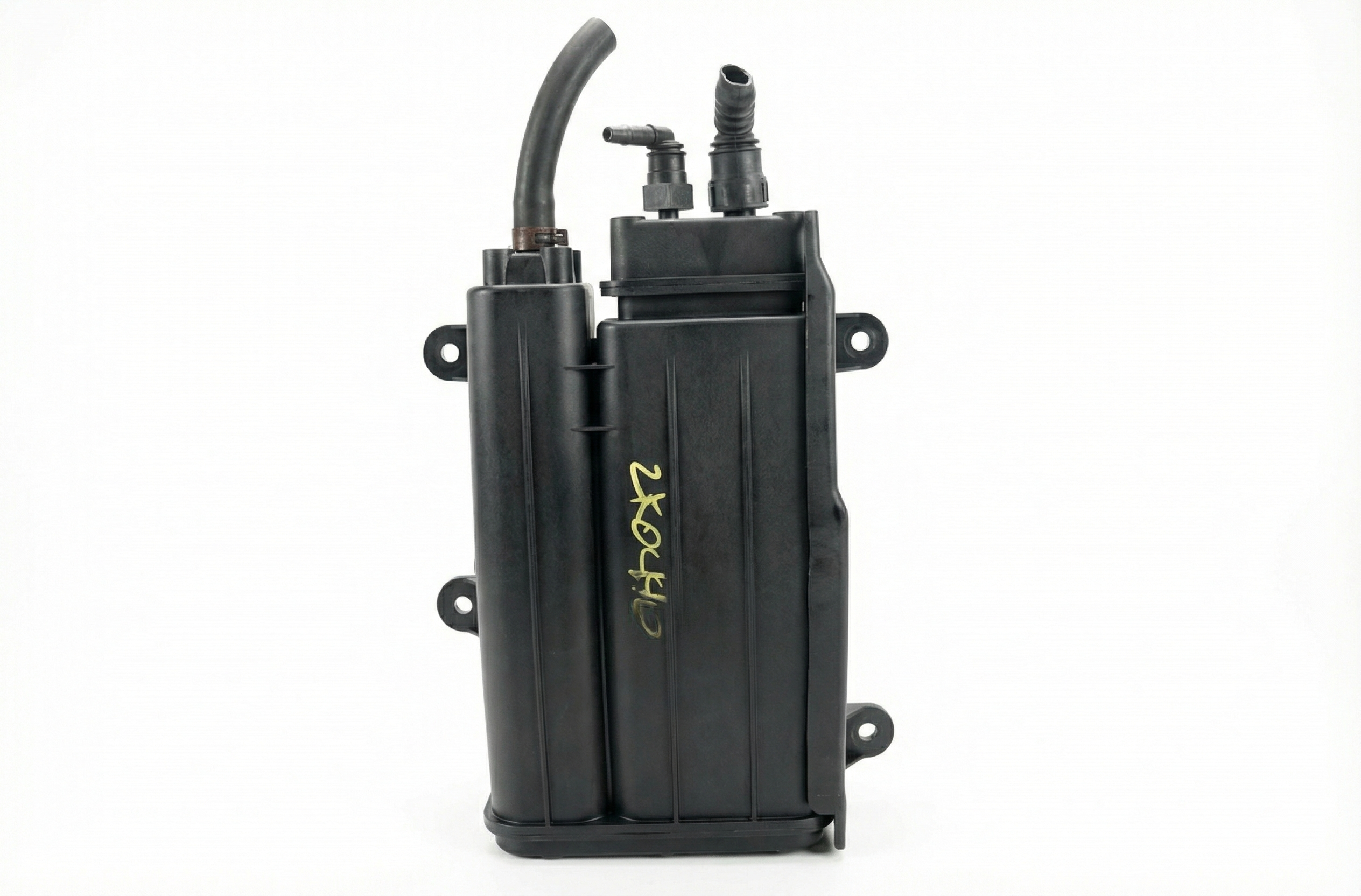
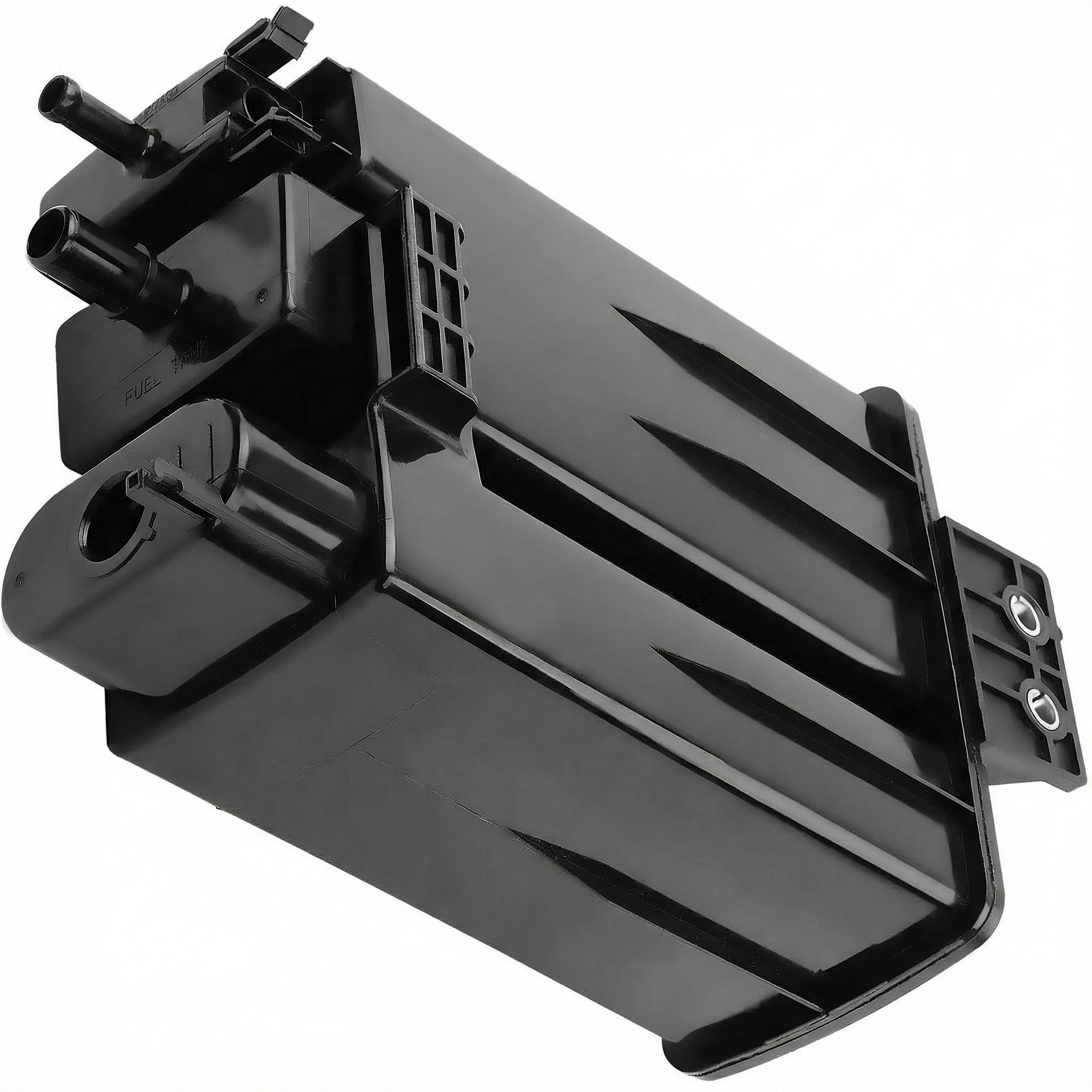
New Aftermarket Parts Available

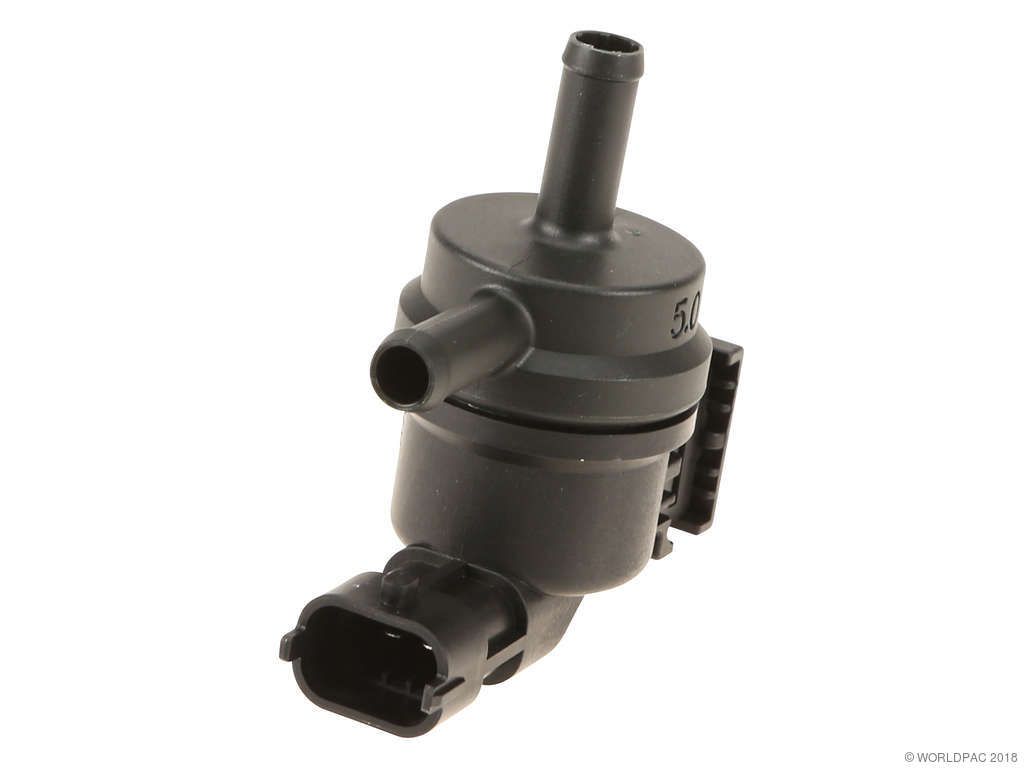
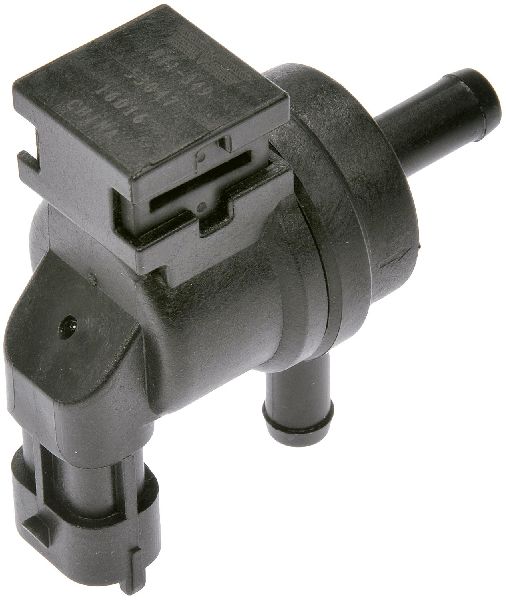

The information in this article is provided for general reference and educational purposes only. Vehicle specifications, procedures, and part compatibility can vary by production date, trim level, and region. Always consult your vehicle's factory service manual and verify part numbers before purchasing or performing repairs. Safety-critical components such as airbags, seat belts, and braking systems should be installed by a qualified professional.
- Hyundai Azera:
- 🧭 Diagnostic Flowchart
- 🎬 Helpful Videos
- 🛍️ Shop This Part
- What's Unique About the 2012-2017 Hyundai Azera
- Symptoms You May Notice
- Most Likely Causes
- Rare But Worth Checking
- Diagnosis Steps
- Parts You'll Likely Need
- Technical Service Bulletins (TSBs) & Recalls
- Platform-Specific Known Issues
- Mechanic-Grade Diagnostic Values
- Scan Tool Commands That Help
- Wiring & Ground Locations
- Real Owner Repair Stories
- "I Checked Everything" — The Actual Cause
- OEM Part Supersession History
- Other Known Issues on This Vehicle
- Used vs. New Parts: Buying Guide for This Vehicle
- Real Owner Stories
- 2012 Hyundai Azera
- 2008 Hyundai Sonata V6
- Related OBD-II Codes
- Frequently Asked Questions
- 🎟️ Get 5% Off