

OBD-II Code P2440: Secondary Air Injection System Switching Valve Stuck Open, Bank 1
The Ultimate Guide to P2440: What it means, why it triggers, and how to fix it for good.
- Code P2440 indicates the Bank 1 secondary air injection switching valve is stuck open, which immediately forces the vehicle into a 25-45 mph 'limp mode'.
- Never replace just the switching valve on Toyota or Lexus V8s without inspecting the air pump; a disintegrating pump filter is the root cause 90% of the time and destroys the new valve.
- Before buying a $500 replacement valve for a Volkswagen or Audi 2.0T, inspect the corrugated plastic air hoses, as a $70 cracked hose is the most common culprit.
- Dealership repairs for this code often exceed $2,500, so always call a dealer with your VIN first to check for active 10-year/150,000-mile warranty extensions (like Toyota's CSP ZHA).
What Does P2440 Mean?
Your car's computer detected a serious problem with the emissions system that helps it warm up cleanly. A critical component called the Secondary Air Injection Switching Valve is stuck open on engine Bank 1 when it must be closed. This system pumps fresh air into the exhaust for 30-90 seconds during a cold start. This action helps the catalytic converter reach its effective operating temperature faster, significantly reducing harmful pollutants.
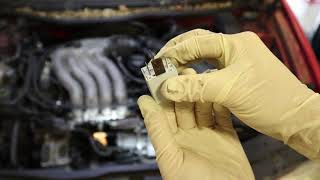
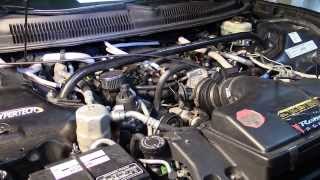
🎬 Watch: A deep dive into how air injection systems function.Technical definition: The official SAE/OBD-II definition is "Secondary Air Injection System Switching Valve Stuck Open (Bank 1)". The powertrain control module (PCM) detected that the switching valve for engine bank 1 is allowing air to flow into the exhaust system when commanded closed. The PCM uses an integrated pressure sensor to monitor the system. When the valve is closed, the sensor detects stable air pressure. If it detects exhaust gas pulsations instead, the PCM concludes the valve is stuck open and triggers the P2440 code.
Can I Drive With P2440?
Yes, But With Caution. Yes, but it is strongly discouraged. Your vehicle enters a 'limp mode' with severely reduced power, making highway driving and acceleration unsafe. Continuing to drive with the valve stuck open allows hot exhaust gases to flow backward, destroying the air pump and pressure sensor. Over time, the incorrect air mixture overheats and damages the catalytic converter, a repair costing between $950 and $2,500.
Common Causes
- Moisture/Debris from a failed Air Pump (Very Common) — On many Toyota and Lexus models, the foam filter inside the secondary air pump disintegrates over time. This foam debris is forced through the air lines, where it clogs and jams the delicate switching valves in the open position.
- Faulty or failing Air Injection Switching Valve (Very Common) — The valve itself fails due to internal corrosion from moisture, carbon buildup, or simple mechanical wear, causing it to physically stick open.
- Cracked or Leaking Air Hoses (Common) — Common on Volkswagen and Audi 2.0T engines, 🎬 See how to diagnose air injection issues on VW and Audi. the corrugated plastic hoses carrying air from the pump to the valves become brittle and crack. This leak causes an incorrect pressure reading, which the PCM misinterprets as a stuck-open valve.
- Defective one-way check valve (Common) — One-way check valves prevent hot, moist exhaust gases from flowing backward into the air lines. If a check valve fails, this backflow rapidly corrodes and destroys the switching valve and air pump.
- Faulty Pressure Sensor (Common) — Driving with a stuck-open valve exposes the pressure sensor to hot exhaust gases, destroying it. The code returns immediately even after replacing the valve because the damaged sensor sends a false 'stuck open' signal.
- Intermittent failure in sub-freezing temperatures (Common) — Moisture inside the system freezes in cold weather, causing the valve to stick temporarily. The code clears as the engine warms up, signaling a moisture intrusion problem that eventually causes permanent failure.
- Carbon buildup in valve or cylinder head ports (Less Common) — On direct-injection engines from VW and Audi, carbon builds up in the cylinder head air passages. This restricts airflow and alters pressure readings, triggering the code.
- Clogged or disconnected vacuum hoses (Less Common) — Older systems use vacuum lines to actuate the switching valves. A cracked, disconnected, or clogged vacuum hose prevents the valve from receiving the vacuum signal needed to close.
- Damaged wiring or electrical connectors (Rare) — Frayed wires or corroded connectors leading to the switching valve's control solenoid cause a loss of signal, preventing the valve from closing.
- Failed Air Injection Control Driver or PCM (Very Rare) — The control driver or the Powertrain Control Module (PCM) fails and sends incorrect commands. Consider this only after exhaustively ruling out all wiring and mechanical faults.
Symptoms
- Vehicle enters 'Limp Mode' — The vehicle's computer drastically limits engine power and speed (often to 25-45 mph) to prevent damage. Acceleration is extremely poor, making the vehicle unsafe in normal traffic.
- Check Engine Light and Warning Lights — In many trucks and SUVs (especially Toyota), the Check Engine Light is accompanied by an illuminated Traction Control (TRAC OFF) light and a flashing 4LO light to grab the driver's attention.
- Loud noise like a vacuum cleaner on cold start — The secondary air pump running is normal for 30-90 seconds on a cold start. However, a grinding noise indicates failing pump vanes. If this sound abruptly stops followed by the check engine light, the system has failed.
- Rough running or poor acceleration — The engine runs poorly, hesitates, or feels sluggish during the warm-up phase due to the incorrect air/fuel mixture caused by un-metered oxygen entering the exhaust.
- Failed emissions test — The secondary air injection system is a critical emissions component. A P2440 code guarantees an automatic failure of any vehicle emissions inspection.
Diagnostic Flowchart
Tap your situation to follow the diagnostic path that matches what you're seeing on this code.
Common Fixes & Costs
- Replace Air Injection Switching Valve(s) and Air Pump Assembly
— Parts: $800-$1500, Labor: $500-$1500, ~6 hr book time
(Professional)
: OEM - Replace Cracked/Leaking Air Hoses
— Parts: $50-$200, Labor: $50-$150, ~1 hr book time
(Intermediate)
: OEM - Replace Air Injection Switching Valve Assembly (Bank 1)
— Parts: $400-$900, Labor: $400-$1200, ~5 hr book time
(Professional)
: OEM
: OEM - Replace Faulty One-Way Check Valve
— Parts: $50-$150, Labor: $100-$200, ~1.5 hr book time
(Intermediate)
: OEM - Install Secondary Air Injection System Bypass Kit — Parts: $150-$500, Labor: $100-$250, ~1.5 hr book time (DIY)
- Cylinder Head Carbon Cleaning — Parts: $50, Labor: $800-$2000+, ~12 hr book time (Professional)
Used vs. New Parts: Buying Guide
When a used part is worth it: Given the high failure rate of SAIS components due to moisture and debris, buying used is extremely risky. It only makes sense if the budget is tight and the donor part is from a verified low-mileage vehicle wrecked for non-engine reasons.
Donor-vehicle mileage cap: roughly under 50000 miles for the part to have meaningful remaining life.
Donor quality checklist:
- Verify donor vehicle VIN to ensure it wasn't scrapped for this specific emissions failure.
- Inspect the part for signs of corrosion, water damage, or melted components.
- Match the OEM part number exactly.
- Avoid parts from regions with high humidity or heavy road salt usage.
Decision logic:
- If Part is a known high-failure item like the air pump or valve → Buy new OEM. Cheap aftermarket parts fail quickly.
- If Vehicle is over 150,000 miles and repair cost exceeds 25% of vehicle value → A used OEM part is a calculated risk to keep the vehicle running.
- If The failed part is a simple hose or bracket → Used is acceptable if in good condition.
Warranty tradeoff: Used parts from a salvage yard offer a 30-90 day warranty. New aftermarket parts offer a 1-year to limited lifetime warranty. New OEM parts carry a 1-year/12,000-mile warranty.
Worst-case if a used part fails: 400-1500. This represents the cost of paying for the significant labor to install the part a second time after a premature failure.
What Happens If You Wait — Timeline
- Immediate: Check Engine Light illuminates, traction control light turns on. Vehicle immediately enters 'limp mode,' with power and speed severely restricted. Fails any emissions test. (MPG impact: 0-5%% · Added cost: $0)
- 1-4 weeks of continued driving: Hot exhaust gas continuously flows backward through the stuck-open valve. This damages the delicate integrated pressure sensor and seizes the air pump motor. (MPG impact: 5-10%% · Added cost: $200-$600 (Cost of a new air pump))
- 1-6 months: The pressure sensor is permanently damaged, meaning the code cannot be cleared. The constant flow of extra oxygen into the exhaust causes the catalytic converter to operate at excessively high temperatures. (MPG impact: 10-15%% · Added cost: $400-$1500 (Cost of valve assembly with integrated sensor + pump))
- 6+ months: The catalytic converter is destroyed from sustained overheating. Persistent electrical issues and back-feeding voltage from damaged components harms the Engine Control Module (ECM). (MPG impact: 15-25%% · Added cost: $1500-$4000+ (Full system replacement including catalytic converter))
Cost of Not Fixing It
- Immediate: Vehicle enters 'limp mode,' making it unsafe for highway driving. Failed emissions test is guaranteed. (Added cost: 0)
- 0-3 months: Hot exhaust flows backward through the open valve, destroying the integrated pressure sensor and seizing the air pump motor. This adds the cost of a new pump. (Added cost: 200-600)
- 3-12 months: The constant flow of unmetered air into the exhaust causes the catalytic converter to overheat and fail internally. (Added cost: 1000-4000)
- 12+ months: Persistent electrical issues and back-feeding voltage from damaged components harms the Engine Control Module (ECM). (Added cost: 1500-2500)
Diagnosis Steps
- Verify the Code with an OBD-II Scanner
Connect an OBD-II scanner to your vehicle's diagnostic port. Confirm P2440 is the active code. Check for related codes (like P2442, P0410, P2445) and document the freeze-frame data to see the exact conditions when the fault triggered.
Tools: OBD-II Scanner (Beginner) - Listen to the Air Pump at Cold Start
With the engine completely cold, have a helper start the vehicle while you listen near the air pump (often in a fender well). You must hear a sound like a loud vacuum cleaner for 30-90 seconds. If you hear nothing, the pump or relay is dead. A grinding noise means the pump is failing.
Tools: None (Beginner) - Check for Debris in Air Lines
Disconnect the main air hose leading from the air pump to the switching valve(s). Inspect the inside of the hose and the valve inlet for black, crumbly, foam-like debris. Finding this debris proves the air pump's filter disintegrated and contaminated the system.
Tools: Pliers, Screwdriver (Intermediate) - Visual Inspection of Hoses and Wiring
Thoroughly inspect the entire Secondary Air Injection system. On VW/Audi models, look closely at the corrugated plastic hoses for cracks. On all models, check for brittle vacuum lines and inspect electrical connectors on the switching valve and air pump for corrosion.
Tools: Flashlight (Beginner) - [PRO TIP] Test Valve Operation with a Bi-Directional Scanner
Navigate to the SAIS system controls on a bi-directional scanner and command the Bank 1 switching valve to open and close. You must hear a distinct click. Monitor the live data from the integrated pressure sensor; the pressure reading must change significantly when the valve opens and stabilize when it closes. No click or no pressure change confirms a faulty valve.
Tools: Bi-directional OBD-II Scanner (Advanced) - [PRO TIP] Check for Soot/Moisture at Air Pump Inlet
Disconnect the air pump's inlet hose (the one drawing fresh air). Inspect the inlet port for black soot or moisture. Finding either proves a one-way check valve failed, allowing hot exhaust gas to flow backward and contaminate the pump.
Tools: Screwdriver or Pliers (Advanced) - [PRO TIP] Measure Switching Valve Solenoid Resistance
Disconnect the electrical connector from the Bank 1 switching valve solenoid. Using a digital multimeter set to Ohms (Ω), measure the resistance between the two pins on the valve. A reading outside the manufacturer's specified range indicates a failed solenoid.
Tools: Digital Multimeter (Advanced) - [PRO TIP] Test Electrical Circuit Integrity
With the valve connector unplugged and the key on (engine off), use a digital multimeter to verify one pin of the harness connector has battery voltage (approx. 12.6V). Check for continuity between the other pin and the corresponding pin at the PCM connector to confirm intact wiring. A voltage drop below 11.5V indicates a fuse, relay, or wiring problem.
Tools: Digital Multimeter, Vehicle-specific wiring diagram (Advanced)
When This Code Triggers (Freeze-Frame Conditions)
- Engine State: After cold start warm-up phase (The fault detects when the PCM runs a system self-test after the initial 30-90 second air pump cycle completes. It commands the valve closed and monitors the pressure sensor for leaks.)
- Engine Coolant Temp: 140-210°F (The engine is at or approaching full operating temperature when the diagnostic monitor runs.)
- RPM: 700-2500 (The test performs at idle or during steady-state cruise, depending on the manufacturer's strategy.)
- Vehicle Speed: 0 mph or 40-60 mph (The monitor runs while the vehicle idles or during steady highway driving.)
Related Codes
- P2442 — This is the identical 'Stuck Open' code, but for Bank 2. Seeing P2440 and P2442 together points to a systemic failure like a bad air pump sending debris to both valves.
- P2441 — This code means the Bank 1 switching valve is stuck closed. P2440 sets when the sensor sees exhaust pulsations when it shouldn't, while P2441 sets when the sensor fails to see pulsations when commanded open.
- P2443 — This is the 'Stuck Closed' code for Bank 2. Seeing P2441 and P2443 together indicates a seized air pump or a major blockage preventing airflow.
- P0410 — A general code for 'Secondary Air Injection System Malfunction,' indicating a flow problem rather than a specific valve fault. Fixing the stuck valve likely resolves both.
- P2445 — Means the 'Secondary Air Injection System Pump is Stuck Off'. When a switching valve sticks open, hot exhaust gas flows backward and seizes the air pump motor, triggering P2445.
Climate & Environmental Factors
- Sub-Freezing Temperatures: Moisture collected in the system freezes, causing the mechanical switching valve to physically stick open. The code appears on cold starts in winter and disappears as the engine bay warms up.
- High Humidity / Heavy Rain: The air pump inlet design on Toyota Tundras and Sequoias draws in moisture from the air in humid climates. This water pumps through the system, causing long-term corrosion and valve failure.
- Altitude: The system calibrates to atmospheric pressure at startup. Moving a vehicle to a significantly different altitude without a battery relearn cycle alters pressure readings, though this rarely causes a 'stuck open' fault.
How to Talk to a Mechanic About This Code
Say this: "I have an active P2440 code and the vehicle is in limp mode. I need a diagnostic to confirm if the switching valve is physically stuck or if it's a sensor or pump issue. Please check for debris in the air lines from the pump."
This shows you understand the common failure modes (valve, pump, sensor) and directs the mechanic to the root cause (pump debris), preventing them from just replacing the valve, which leads to a repeat failure.
Avoid saying:
- 'My check engine light is on, can you fix it?'
- 'The car is running weird, I think it's an emissions thing.'
- 'Just replace the part for the P2440 code.'
Questions to ask before authorizing the repair:
- Did you find debris in the air lines? If so, does your quote include replacing the air pump as well as the valve?
- Have you tested the one-way check valve to ensure it's not allowing exhaust backflow?
- If the valve is under the intake manifold, does your labor quote include new intake gaskets?
- What is the warranty on the parts and labor for this specific repair?
Where to Take It: Dealer vs Independent vs Chain
- Dealer:
Recommended first stop ONLY for Toyota/Lexus owners to check for hidden warranty coverage. If not covered, get a quote and go to an independent shop for a second opinion.
Best for: Toyota/Lexus vehicles to check for warranty extensions (CSP ZHA/ZLA), Vehicles still under the 8-year/80,000-mile federal emissions warranty, Complex electrical or software-related issues (e.g., ECM updates for cold weather)
Downsides: Highest labor rates, often 1.5-2x more than independent shops., Very high prices for OEM parts; quotes a full system replacement ($2500+) when only one component is needed. (Typical cost: +75% vs. baseline) - Independent Shop:
Best fit for most out-of-warranty repairs. An experienced independent shop is familiar with this common failure and performs the repair for significantly less than a dealer.
Best for: Out-of-warranty vehicles where cost is a major factor., Well-known P2440 issues on common vehicles (Toyota, VW, Subaru)., Owners who want to discuss repair options and use high-quality aftermarket parts.
Downsides: Diagnostic capabilities for complex electrical issues vary., Quality is shop-dependent; vet carefully through reviews and ASE certifications. (Typical cost: +0% vs. baseline) - Chain Shop:
AVOID. This repair is complex, requiring significant disassembly (like intake manifold removal). It is not a good fit for a generalist chain shop due to the high risk of misdiagnosis.
Best for: Simple, unrelated maintenance like oil changes or tires.
Downsides: Technician experience with complex, labor-intensive jobs like this is inconsistent., Lacks the advanced diagnostic tools (bi-directional scanners) needed to accurately pinpoint the failure., High pressure to upsell; recommends unnecessary related work. (Typical cost: -10% vs. baseline)
When to Walk Away From the Repair
If the estimated repair cost for the P2440 fault exceeds 40-50% of your vehicle's current private-party market value, it's time to seriously consider alternatives to a full repair.
- Car worth $5000, fix is $2500: Walk away. The repair cost is 50% of the car's value. This is a poor investment.
- Car worth $15000, fix is $2800: Fix it. The repair cost is less than 20% of the vehicle's value and is a worthwhile investment to restore full function and value.
- Car worth $8000, fix is $3500: Borderline. Get a second opinion from an independent shop. If the cost is firm, consider less expensive alternatives like a bypass kit or selling as-is.
What Scan Tool You Need for This Code
Minimum: A scanner that reads live data streams and has bidirectional control (active test) capability to command the secondary air injection valve and pump on and off.
A basic $20 code reader only confirms the P2440 code. It cannot determine *why* the valve is stuck. You need live pressure sensor data and the ability to command components to function to save hundreds in diagnostic fees.
Budget: Ancel BD310 (~$60) — Provides live data streaming to your phone via Bluetooth, allowing you to monitor the system's pressure sensor. While it lacks full bidirectional control, it offers more diagnostic data than a basic code reader.
Mid-range: Innova 5610 / Foxwell NT510 Elite (~$330) — Offers bidirectional control, which is crucial for this code. It allows you to command the air switching valve and air pump on and off directly from the tool, letting you hear and feel if they work without disassembling parts.
Professional: Autel MaxiCOM MK808 / XTOOL D7 (~$500-800) — Provides full, dealer-level bidirectional control of the entire secondary air injection system. You actuate individual components, view manufacturer-specific data PIDs, and access detailed troubleshooting guides directly on the tool.
Rent vs buy: For a one-time diagnosis, auto parts stores read the code for free. However, their basic scanners lack bidirectional controls. If you plan to diagnose the issue yourself to avoid a shop's diagnostic fee, buying a mid-range scanner with active test capabilities is a worthwhile investment.
How to Clear the Code After You Fix It
- Use an OBD-II scan tool to clear the P2440 and related fault codes.
- Reconnect the battery if disconnected for the repair.
- Perform the specific drive cycle to set the readiness monitors.
Drive cycle (~20 minutes): Start the engine from cold (after sitting 8+ hours). Let it idle for 2-5 minutes. Drive at a steady speed between 45-60 mph for 5-10 minutes. Perform a mix of city driving for 5 minutes. Allow the vehicle to cool down completely and repeat if monitors are not set.
Readiness monitors affected: Secondary Air System, Catalyst, O2 Sensor
Before emissions retest: drive at least 50 miles to fully set monitors.
Watch out for:
- Disconnecting the battery clears the code but resets all readiness monitors, requiring a full drive cycle before an emissions test.
- The code returns on the next cold start if the underlying mechanical problem is not fixed.
- Failing to allow the engine to cool completely (8+ hour soak) before starting the drive cycle prevents the SAIS monitor from running.
Will This Fail Emissions / State Inspection?
Yes — this code typically fails an OBD-II emissions inspection.
- California: An active P2440 code is an automatic failure. Bypass kits are illegal and fail the visual Smog Check. All required readiness monitors must be 'Ready'.
- New York: The NYVIP3 inspection includes an OBD-II scan. An active P2440 code causes an immediate failure. The Secondary Air System readiness monitor must be complete.
- Texas: In the 17 counties requiring emissions testing, an active P2440 code results in a failure. The vehicle will not pass until repaired and readiness monitors reset.
Most Commonly Affected Vehicles
- Toyota Tundra (2007-2021) — Extremely common issue on 4.6L and 5.7L V8s. A design flaw allows moisture into the system, causing valves to corrode or freeze. The problem persists beyond the initial 2007-2010 models covered by warranty extension CSP ZHA.
- Toyota Sequoia (2008-2022) — Shares the same failure-prone V8 engines and SAIS design as the Tundra. Susceptible to moisture intrusion and air pump filter disintegration. Covered under similar warranty extensions and TSBs.
- Lexus GX 460 (2010-2017) — Highly prone to failure from air pump filter disintegration or sub-freezing temperatures. Lexus issued TSB L-SB-0038-16 for 2014-2016 models (ECM update) and TSB L-SB-0028-14 Rev2 for hardware failure on 2010-2013 models.
- Toyota Tacoma (2012-2015) — The secondary air injection system on V6 models is failure-prone, often triggering P2440 and P2442 simultaneously due to moisture intrusion. A Customer Support Program (CSP ZHA) covered 2012 models.
- Lexus LX 570 (2008-2021) — Utilizes the same 5.7L V8 engine as the Tundra and Sequoia, making it susceptible to the same moisture-related SAIS failures and expensive repairs.
- Subaru Impreza (WRX/STI), Forester (XT), Legacy (GT) (2006-2014) — On turbo models, the air pump and valves fail due to moisture and corrosion. Recall WTM-73 covers the SAIS relay, which sticks and causes the pump to run continuously, leading to fire risk.
- Volkswagen / Audi GTI, Jetta, Golf, Tiguan, A3, A4 (2008-2020) — On 2.0T engines, the most common cause for P2440 is a cracked corrugated plastic air hose running from the pump to the valve, not the valve itself.
- Chevrolet / GMC Trailblazer, Envoy, Impala (2004-2009) — On engines like the 4.2L inline-6 and various V6s, the one-way check valve is a very common failure point due to corrosion from moisture, leading to a P2440 code.
Manufacturer-Specific Notes
- Toyota / Lexus: The root cause is a design flaw where moisture enters the system or the air pump's filter disintegrates, seizing the valves. Toyota/Lexus issued warranty extensions (CSP ZHA, ZLA) and TSBs. Owners must check with a dealer by VIN before paying for repairs, as coverage is often 10 years/150,000 miles.
- Volkswagen / Audi: On 2.0T engines, always suspect a cracked plastic air hose before condemning the expensive 'combi valve'. Check for TSBs related to ECM software updates that resolve erroneous P2440 faults before replacing hardware.
- Subaru: On many turbo models, the air valves seize from moisture and corrosion. Safety recall WTM-73 covers the SAIS relay on 2007-2014 turbo models, as a faulty relay causes the pump to run continuously and create a fire risk.
- Chevrolet / GMC: On many GM trucks and cars from the mid-2000s, the one-way check valve is the weakest link. It corrodes and fails, allowing exhaust backflow that destroys other components. Diagnosing this specific part avoids repeat repairs.
Real Owner Stories
2012 Toyota Tundra 4.6L with 72,000 miles
The check engine light, TRAC OFF light, and limp mode suddenly appeared. The owner thought the issue was fixed on post-2010 models.
Outcome: Repaired at an independent shop for a lower cost. The owner contacted Toyota corporate for reimbursement, as service reps acknowledged the problem exists on newer models.
Lesson: The notorious Toyota SAIS failure occurs on models newer than those covered by the original warranty extension (CSP ZHA). Check your VIN with a dealer, but seek independent shop quotes if denied.
2012 Toyota Tacoma with P2440 & P2442
Check Engine Light and TRAC light came on, and the truck went into limp mode with no power above 2500 RPM.
Outcome: A mobile mechanic replaced the valve for $100, but codes returned a month later. The owner cleared codes with a personal scan tool to escape limp mode while traveling.
Lesson: Replacing just one component (like a solenoid or valve) fails if the root cause is the pump or moisture. A personal OBD-II scanner is invaluable for clearing codes to escape limp mode in an emergency.
2007 Subaru Impreza WRX with SAIS codes
Check engine light appeared shortly after purchasing the vehicle, related to the secondary air injection system.
Outcome: Subaru recall WTM-73 covered the SAIS relay on 2008-2014 Impreza turbo models. A faulty relay causes the air pump to run continuously and overheat. The dealer replaced the relay for free.
Lesson: For Subaru turbo models, always check for recall WTM-73 before paying for SAIS repairs. A continuously running air pump is a key symptom of this relay failure.
VW Jetta 2.0T with P2440
Check Engine Light on with code P2440.
Outcome: The owner removed the SAI combination valve, cleaned the carbon buildup with carburetor cleaner, and tested its function with a 12V source. This resolved the issue.
Lesson: On VW/Audi 2.0T engines, the cause is often a cracked hose or a carbon-stuck valve. Cleaning the valve is a successful, low-cost repair if the valve is not mechanically broken. Always inspect hoses before condemning the valve.
How to Prevent This Code From Triggering
- Install a Uni-Filter or similar pre-filter on the air pump inlet (Once) — On many Toyota trucks, the air pump's internal foam filter disintegrates and jams the valves. An external, washable foam filter on the pump's intake tube prevents this primary failure mode.
- Periodically run the air pump to purge moisture (Monthly (or via ECU update)) — Moisture causes corrosion and freezing that seizes the valves. Some Toyotas received an ECU update to automatically run the pump at shutdown to dry the system. Manually activating the pump with a bi-directional scanner serves a similar purpose.
- Install a preventative SAIS bypass relay kit (Once) — For owners of high-risk vehicles (like the Toyota 4.7L V8) who want to avoid the failure entirely, a relay kit prevents the SAIS from ever running. This stops components from wearing out, though it disables the emissions function.
- Ensure the one-way check valve is functional (Inspect every 60,000 miles) — A failing check valve allows hot, corrosive exhaust gases to flow backward into the air pump and valves. Inspecting and replacing a faulty check valve is cheap insurance against a complete system failure.
Frequently Asked Questions
Can I just clear the P2440 code and keep driving?
You can clear the code with a scanner, but it returns on the next cold start. Clearing the code does not permanently disable 'limp mode'. The computer re-engages limp mode as soon as the fault is detected again, requiring a mechanical fix to restore full power.
What is the difference between Bank 1 and Bank 2?
Bank 1 is the side of the engine containing cylinder #1. On V-type engines, this is typically the passenger side on US-market vehicles. Inline engines only have one bank, so they only trigger Bank 1 codes like P2440.
My mechanic replaced the valve, but the code came back. What happened?
This happens when the root cause, like a failing air pump sending debris into the system, is ignored. The new valve quickly clogs and fails again. Other culprits include a failed one-way check valve allowing exhaust backflow or a damaged pressure sensor.
What is a 'bypass kit' and is it a good idea?
A bypass kit is an aftermarket electronic module that tricks the car's computer into thinking the air injection system works perfectly. While it clears the code and limp mode cheaply, it does not fix the mechanical issue and is illegal for on-road use in most regions. It causes an automatic failure during visual emissions inspections.
Why is the repair so expensive?
The high cost is driven by expensive OEM parts and intensive labor. OEM switching valve assemblies often cost several hundred dollars each. On many V-type engines, the valves sit buried under the intake manifold, requiring 5-8 hours of labor to access.
Are cheap aftermarket parts a good idea for this repair?
Using low-quality aftermarket pumps or valves is strongly discouraged. These parts have an extremely high failure rate, often breaking within weeks or months. This forces you to pay for the expensive labor all over again.
Can a bad O2 sensor cause a P2440 code?
No, a bad oxygen (O2) sensor does not directly cause a P2440 code. The P2440 code is triggered specifically by the system's internal pressure sensor detecting exhaust pulsations when the valve should be closed. A bad O2 sensor triggers its own specific codes, like P013x or P015x.
Key Takeaways
- Code P2440 indicates the Bank 1 secondary air injection switching valve is stuck open, which immediately forces the vehicle into a 25-45 mph 'limp mode'.
- Never replace just the switching valve on Toyota or Lexus V8s without inspecting the air pump; a disintegrating pump filter is the root cause 90% of the time and destroys the new valve.
- Before buying a $500 replacement valve for a Volkswagen or Audi 2.0T, inspect the corrugated plastic air hoses, as a $70 cracked hose is the most common culprit.
- Dealership repairs for this code often exceed $2,500, so always call a dealer with your VIN first to check for active 10-year/150,000-mile warranty extensions (like Toyota's CSP ZHA).
Helpful Videos


Shop the Parts Behind P2440
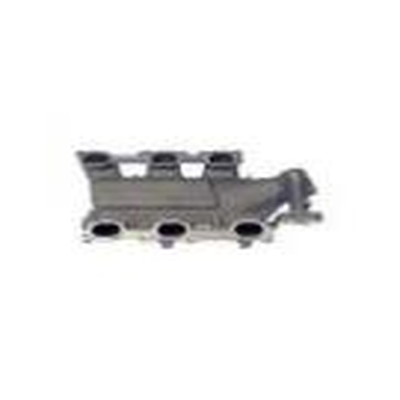
Below are the parts most often responsible for code P2440, ranked by how frequently each one is the actual culprit (per the diagnosis above). Tap any to see what we have for your vehicle.





The information in this article is provided for general reference and educational purposes only. Vehicle specifications, procedures, and part compatibility can vary by production date, trim level, and region. Always consult your vehicle's factory service manual and verify part numbers before purchasing or performing repairs. Safety-critical components such as airbags, seat belts, and braking systems should be installed by a qualified professional.
- 🧭 Diagnostic Flowchart
- 🎬 Helpful Videos
- 🛍️ Shop This Part
- What Does P2440 Mean?
- Can I Drive With P2440?
- Common Causes
- Symptoms
- Common Fixes & Costs
- Used vs. New Parts: Buying Guide
- What Happens If You Wait — Timeline
- Cost of Not Fixing It
- Diagnosis Steps
- When This Code Triggers (Freeze-Frame Conditions)
- Related Codes
- Climate & Environmental Factors
- How to Talk to a Mechanic About This Code
- Where to Take It: Dealer vs Independent vs Chain
- When to Walk Away From the Repair
- What Scan Tool You Need for This Code
- How to Clear the Code After You Fix It
- Will This Fail Emissions / State Inspection?
- Most Commonly Affected Vehicles
- Manufacturer-Specific Notes
- Real Owner Stories
- 2012 Toyota Tundra 4.6L with 72,000 miles
- 2012 Toyota Tacoma with P2440 & P2442
- 2007 Subaru Impreza WRX with SAIS codes
- VW Jetta 2.0T with P2440
- How to Prevent This Code From Triggering
- Frequently Asked Questions
- Can I just clear the P2440 code and keep driving?
- What is the difference between Bank 1 and Bank 2?
- My mechanic replaced the valve, but the code came back. What happened?
- What is a 'bypass kit' and is it a good idea?
- Why is the repair so expensive?
- Are cheap aftermarket parts a good idea for this repair?
- Can a bad O2 sensor cause a P2440 code?
- Key Takeaways
- 🎟️ Get 5% Off