

P2441 on 2005-2009 Toyota 4Runner: Air Injection Valve Stuck Close Causes and Fixes
On a 2005-2009 Toyota 4Runner with the 4.7L V8, code P2441 almost always means the Bank 1 Air Injection Switching Valve is stuck closed due to moisture and corrosion. This is a widespread design flaw. The complete repair involves replacing the faulty valve(s) and the air injection pump, which is the source of the moisture. An electronic bypass kit is a popular alternative to a full repair.
- P2441 on a V8 4Runner points directly to a stuck Air Injection Switching Valve for Bank 1.
- The most common cause is moisture and corrosion originating from the air injection pump.
- While driving is generally safe, the vehicle will fail emissions testing and may enter a 'limp mode'.
- The correct repair involves replacing the faulty valve(s) and often the air pump to prevent recurrence. This requires removing the intake manifold.
- For off-road use, electronic bypass kits are a popular but legally restricted alternative to the expensive component replacement.
What's Unique About the 2005-2009 Toyota 4RUNNER
This issue is extremely common on Toyota and Lexus trucks and SUVs from this era equipped with the 4.7L V8 (2UZ-FE) engine, including the 4Runner, Tundra, Sequoia, Land Cruiser, and Lexus GX470. The system's design is notoriously prone to ingesting moisture through the air pump, which is then sent into the switching valves, causing them to corrode, seize, and fail. Toyota acknowledged this widespread problem by issuing Technical Service Bulletin T-SB-0230-12 Rev, which outlines the diagnosis for this and related codes.
Diagnostic Flowchart
Tap your situation to follow the diagnostic path that matches what you're seeing on this vehicle.
Symptoms You May Notice
- Check Engine Light is on.
- Traction Control (TRAC) and Vehicle Stability Control (VSC) lights are also illuminated.
- Vehicle may enter a "limp mode," limiting speed and acceleration, sometimes to under 50 mph.
- Loud whining or vacuum cleaner-like noise from the engine bay for a minute after a cold start, which is a sign of a failing air pump.
- Failure to pass an emissions inspection.
- Replacing oxygen (O2) sensors. The SAI system's operation affects the exhaust gas composition that the O2 sensors read, but the sensors themselves are not the cause of the fault. The ECU may disable O2 sensor monitoring when an SAI fault is present.
Most Likely Causes
- Failed Air Switching Valve (Bank 1) 🔴 High Probability The valve is highly susceptible to corrosion and sticking due to moisture being introduced into the system by the air pump. The valve can become seized with rust or carbon buildup. This is a well-documented design flaw across multiple Toyota V8 platforms.
How to confirm: With the engine off, remove the intake manifold to access the valves. Visually inspect for rust and debris. Apply 12v power to the valve's solenoid connector to see if it clicks open and closed; a stuck valve will not actuate. A professional scan tool can also run an active test of the system.
Typical fix: Replace the failed Air Switching Valve assembly. It is located under the intake manifold at the rear of the engine. 🎬 Watch: Step-by-step guide to replacing the pump and check valves.
Est. part cost: $150-$400 - Failed Secondary Air Injection Pump 🟡 Medium Probability → Shop Secondary Air Injection Pump The pump is often the root cause of the entire system failure. Its foam filter can degrade or get saturated, allowing water to be drawn in. This water corrodes the pump's motor and is then sent downstream to the valves, causing them to fail.
How to confirm: Listen for the pump to run during the first minute of a cold start. It should sound like a small vacuum. If it is silent, unusually loud, or sounds like it's full of water, it has likely failed. Check the associated fuses and relays first. The pump is located in the passenger-side front fender well.
Typical fix: Replace the air injection pump assembly. It is strongly recommended to replace the pump and valves together to prevent a repeat failure of the new valves.
Est. part cost: $200-$600 - Moisture/Debris in Air Lines 🟡 Medium Probability As a consequence of a failing pump, water and rust particles from the pump can be sent through the lines, contaminating new valves if not cleaned out.
How to confirm: When replacing the valves or pump, inspect the inside of the rubber hoses and metal tubes for water, rust, or black debris.
Typical fix: Blow out all air lines with compressed air and ensure they are dry before installing new components. Some owners drill a small drain hole in the bottom of the new pump housing as a preventative measure.
Est. part cost: $0
Rare But Worth Checking
- Wiring or Connector Issue: A damaged wire or corroded connector pin for the Bank 1 switching valve can prevent it from receiving the signal to open. This is less common than mechanical failure but should be checked with a multimeter before replacing parts.
- Faulty Air Injection Control Driver: This is the electronic module that controls the pump and valves. While rare, a failure in the driver module can cause codes. TSB T-SB-0230-12 includes instructions for diagnosing the driver.
- Clogged Cylinder Head Air Injection Ports: In rare cases, the small passages in the cylinder head where the air is injected can become clogged with carbon. This would prevent airflow even if the valve opens correctly. This would require significant labor to clean.
Diagnosis Steps
- Confirm the presence of P2441 with an OBD-II scanner. Note any other accompanying SAI codes like P2440, P2443, or P2445.
- On a cold start, listen for the air pump in the front passenger fender area. It should run for 30-90 seconds. A loud grinding, a sound of sloshing water, or a complete lack of sound points to a pump issue.
- If the pump runs, the issue is likely with the switching valve. The valve assembly is located under the intake manifold at the rear of the engine.
- To access the valves, the intake manifold must be removed. This is a labor-intensive job requiring removal of the throttle body and other components.
- Visually inspect the valves and hoses for signs of water intrusion, rust, or carbon buildup.
- Test the Bank 1 valve directly by applying 12V to its connector. A healthy valve will make an audible click. No click indicates it is seized.
- If the valve tests good, check for 12V at the harness connector when the system is commanded on with a scan tool (or during a cold start) to rule out a wiring issue.
- If replacing parts, it is critical to inspect and clean all associated air hoses to remove any moisture or debris from the old failed pump.
- A professional-level scan tool like Toyota Techstream can be used to perform an 'Active Test' to manually command the pump and valves on and off to pinpoint the failure without a cold soak.
Parts You'll Likely Need
- Air Switching Valve Assembly (Bank 1)
(OEM #25710-50022)— This is the valve for Bank 1 (driver's side) that the code directly points to. It fails by sticking closed due to internal corrosion from moisture. This part number supersedes 25710-50020 and 25710-50021.
Trusted brands: Toyota (OEM), Dorman (911-643)
OEM price range: $200-$300
Aftermarket price range: $150-$250 - Air Injection Pump Assembly
(OEM #17600-0F010)— The pump is the root cause of the failure in many cases, as it ingests water and sends it to the valves. Replacing a failed pump is crucial to prevent the new valves from failing again.
Trusted brands: Toyota (OEM), Dorman
OEM price range: $470-$720
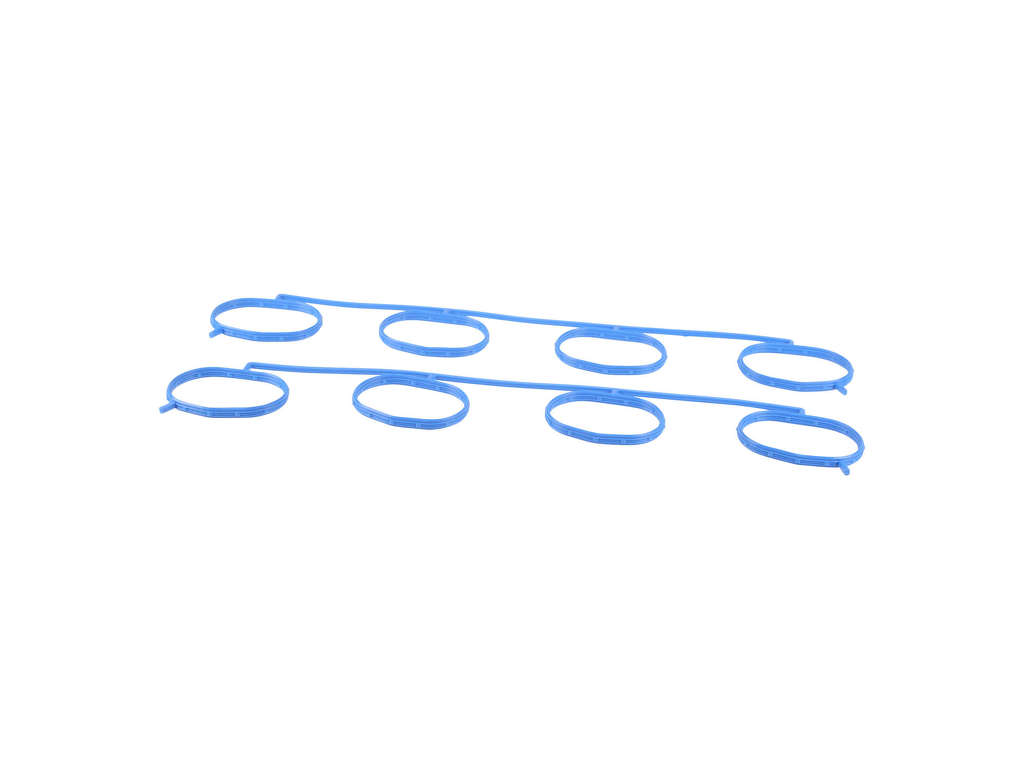
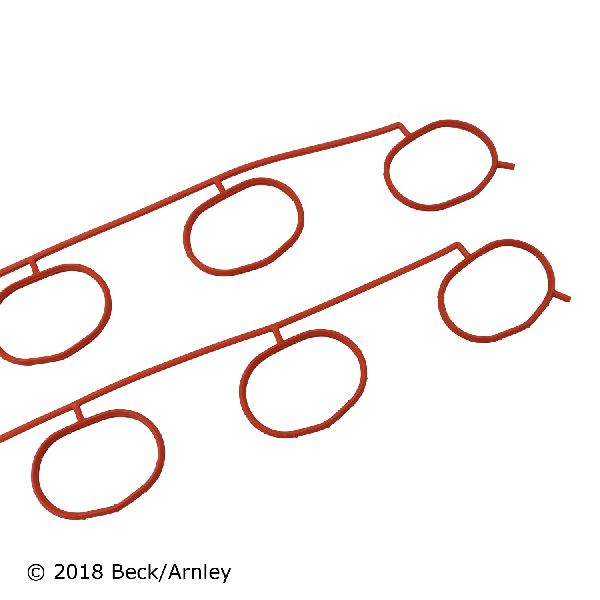
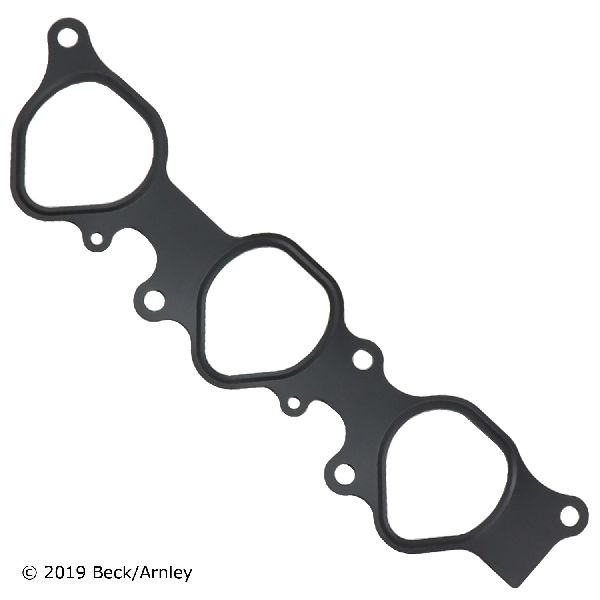
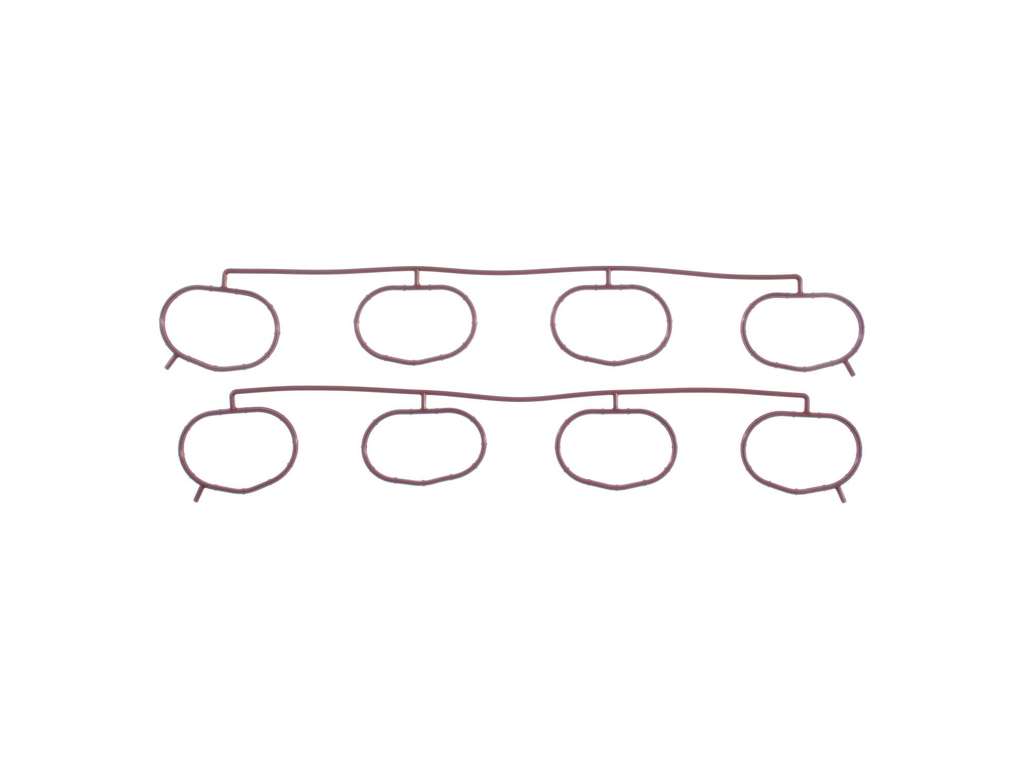
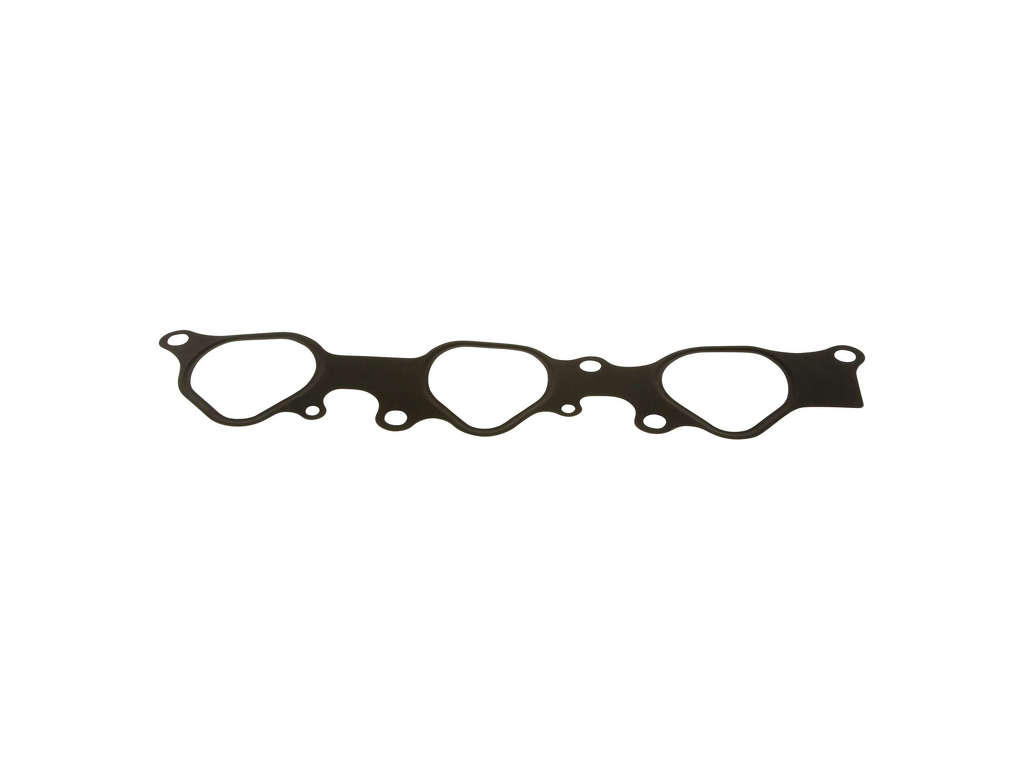
Aftermarket price range: $200-$350 - Intake Manifold Gaskets
(OEM #17171-50030)— These are required for re-installing the intake manifold after accessing the switching valves. They are a one-time use part and must be replaced.
Trusted brands: Toyota (OEM), Fel-Pro, Mahle
OEM price range: $30-$50
Aftermarket price range: $15-$30
Related Codes That Often Appear With This One
- P2440 — Indicates the same valve (Bank 1) is stuck open, which can happen intermittently with a failing valve.
- P2442 — Indicates the switching valve for Bank 2 (passenger side) is stuck open.
- P2443 — Indicates the switching valve for Bank 2 (passenger side) is stuck closed.
- P2445 — Indicates the air injection pump is stuck off. This often occurs when the pump motor fails completely due to water intrusion.
- P1442 / P1445 — These are older, related codes for the valves being stuck closed, as seen in Toyota's TSB.
Technical Service Bulletins (TSBs) & Recalls
- T-SB-0230-12 Rev: Acknowledges MIL 'ON' for P2441 and other related codes on 2005-2009 4Runners with the 2UZ-FE engine, attributing the cause to debris/moisture from the air pump and providing diagnostic steps for the valves, pump, and control driver.
Platform-Specific Known Issues
- Toyota issued Technical Service Bulletin T-SB-0230-12 Rev, which details the diagnostic and repair procedure for P2441 and related codes on the 4.7L 2UZ-FE engine. It confirms the cause is often debris/moisture from the air pump.
- Due to the high failure rate and expensive OEM repair costs (often quoted at $2000-$3500 by dealers), many owners opt for an electronic bypass module from Hewitt-Tech. These kits electronically simulate the system to the ECU, preventing codes and limp mode. Note that this is for off-road use only and will not pass visual emissions inspections in some states.
- Failure is often triggered by weather changes, where condensation can form and freeze inside the valve, causing it to stick.
- In a Tundra forum thread, a user documented successfully cleaning the soot and carbon from a stuck valve to restore its function, though replacement is the more common and reliable fix.
Mechanic-Grade Diagnostic Values
- Air Injection System Pressure (Gauge) — expected: 2.5 kPa or more when the AIR system operates. Failure: Pressure below 2.5 kPa indicates a weak pump or a leak in the system.
Scan Tool Commands That Help
- Toyota Techstream: Active Test: Air Injection Check (Manual Mode) — This function allows a technician to individually command the air pump and air switching valves (ASV1, ASV2) ON and OFF to verify their operation without needing a cold start. It's used to isolate whether the pump, a specific valve, or the wiring is the point of failure.
- Toyota Techstream: Utility: All Readiness — After a repair, this function is used to check if the ECU's internal monitor for the Secondary Air Injection system has completed its self-test and whether the result is 'NORMAL' or 'ABNORMAL'. This confirms if the fix was successful before the vehicle is driven extensively.
Real Owner Repair Stories
- Toyota Tundra Forum user 'havee60' (2011 Tundra 5.7L (Similar SAI system design and failure mode)) — P2441 code persisted, and the air pumps were not heard running on a cold start.
❌ Tried (didn't work) Replaced both secondary air injection pumps with aftermarket units from Amazon., Replaced the Bank 1 (driver's side) switching valve.
✅ What actually fixed it The user discovered one of the new aftermarket air pumps was wired backwards from the factory, causing it to suck air instead of blow. After correcting the faulty new part, the system began to function correctly. This highlights the risk of faulty new aftermarket parts.
OEM Part Supersession History
25710-50020, 25710-50021→25710-50022— Component revision and improvement by the manufacturer.
Heads up: The newer part number 25710-50022 is the correct and current replacement for the older versions on the 2005-2009 4Runner 4.7L V8.
Model Year Variations Within This Range
- 2005-2009: The 2005 model year marked a significant update for the 2UZ-FE engine, adding VVT-i (Variable Valve Timing-intelligent) and the Secondary Air Injection system. This means 2003-2004 4Runners with the 4.7L V8 do not have this SAI system and will not experience this specific code. The intake manifold material also changed from aluminum to plastic.
Helpful Videos
We Have This Part in Stock


The information in this article is provided for general reference and educational purposes only. Vehicle specifications, procedures, and part compatibility can vary by production date, trim level, and region. Always consult your vehicle's factory service manual and verify part numbers before purchasing or performing repairs. Safety-critical components such as airbags, seat belts, and braking systems should be installed by a qualified professional.
- Toyota 4RUNNER:
- 🧭 Diagnostic Flowchart
- 🎬 Helpful Videos
- 🛍️ Shop This Part
- What's Unique About the 2005-2009 Toyota 4RUNNER
- Symptoms You May Notice
- Most Likely Causes
- Rare But Worth Checking
- Diagnosis Steps
- Parts You'll Likely Need
- Related Codes That Often Appear With This One
- Technical Service Bulletins (TSBs) & Recalls
- Platform-Specific Known Issues
- Mechanic-Grade Diagnostic Values
- Scan Tool Commands That Help
- Real Owner Repair Stories
- OEM Part Supersession History
- Model Year Variations Within This Range
- 🎟️ Get 5% Off