

P2450 on 2020-2023 Lincoln Aviator: EVAP Switching Valve Stuck Open Causes & Fixes
On a 2020-2023 Lincoln Aviator, P2450 almost always means the EVAP switching/vent valve, located on the fuel tank, has failed. This is a labor-intensive repair (est. $400-$700) as the fuel tank must be dropped. Before replacing parts, ensure you are not habitually overfilling the fuel tank, as this is a known trigger for the code. The specific part is often called the 'Vapor Blocking Valve' by Ford/Lincoln.
- P2450 on an Aviator points to the EVAP switching/vent valve near the fuel tank, NOT the purge valve in the engine bay.
- To prevent this code, avoid topping off your fuel tank after the pump stops.
- A specific TSB (SSM 53601) confirms this is a known issue on 2020-2023 Aviator Hybrids and can be caused by overfilling.
- The repair is labor-intensive as it requires dropping the fuel tank to access the failed valve.
What's Unique About the 2020-2023 Lincoln AVIATOR
For the second-generation Lincoln Aviator and its platform-mate, the Ford Explorer, this code is a known issue, particularly on the Grand Touring (Hybrid) models. Technical Service Bulletins for other Ford/Lincoln hybrids, including the Aviator, explicitly state that P2450 can be caused by an EVAP system concern or by the customer overfilling the fuel tank. This means the common driver habit of "topping off" after the pump clicks off is a significant potential cause, as it can flood the charcoal canister and vapor lines with liquid fuel, damaging the valve.
Diagnostic Flowchart
Tap your situation to follow the diagnostic path that matches what you're seeing on this vehicle.
Symptoms You May Notice
- Check Engine Light is illuminated
- Failed emissions inspection
- A faint fuel odor may be noticeable around the rear of the vehicle, especially after refueling.
- In rare cases, a rough idle or difficulty starting immediately after refueling.
- Replacing the Canister Purge Valve. 🎬 See this quick test for a stuck open purge valve This is the most common misdiagnosis. The purge valve is located in the engine bay and is a different part with a different function. P2450 specifically refers to the switching/vent/blocking valve located near the fuel tank.
- Replacing the Gas Cap. While a loose or faulty gas cap can cause other EVAP system codes, it does not cause P2450, which points to a specific valve performance issue, not a general system leak. 🎬 Watch: How to find and diagnose common EVAP system leaks
Most Likely Causes
- Faulty EVAP Switching / Vapor Blocking Valve 🔴 High Probability This valve is an electromechanical part that can fail by sticking open due to internal wear, corrosion, or contamination from fuel or charcoal canister debris. It is mounted directly on the fuel tank, requiring significant labor to access.
How to confirm: A technician will use a high-end bidirectional scan tool to command the valve closed while monitoring the Fuel Tank Pressure (FTP) sensor. If the valve fails to close and the system cannot build a vacuum or pressure, the valve is confirmed as faulty. This test is crucial before undertaking the labor of dropping the fuel tank.
Typical fix: Replace the EVAP switching/vapor blocking valve located on the fuel tank.
Est. part cost: $50-$120 - Habitual Overfilling of the Fuel Tank 🟡 Medium Probability → Shop Fuel Tank As noted in TSBs for Ford/Lincoln hybrid systems (including the Aviator), repeatedly adding fuel after the pump automatically shuts off can force liquid gasoline into the EVAP system, which is designed only for vapor. This can saturate the charcoal canister and damage the switching valve.
How to confirm: This is diagnosed by interviewing the driver about refueling habits and inspecting the charcoal canister and associated lines for signs of liquid fuel saturation. The code may appear shortly after a refueling event.
Typical fix: Advise the owner to stop overfilling the tank. If the valve is already damaged from being flooded with liquid fuel, it will still need to be replaced.
Est. part cost: $0 if caught early, otherwise cost of valve replacement. - Wiring or Connector Issue ⚪ Low Probability The wiring harness to the tank-mounted valve is exposed to the elements under the vehicle, making it susceptible to corrosion, or damage from road debris or improper servicing.
How to confirm: Visually inspect the wiring and connector for damage. Test for proper voltage and ground at the valve's electrical connector when it is commanded on and off by a scan tool.
Typical fix: Repair the damaged section of the wiring harness or clean/replace the corroded connector.
Est. part cost: $10-$50
Rare But Worth Checking
- PCM Software Glitch: On related Lincoln models like the Corsair, a PCM software update (TSB 25-2326) has been issued to correct a false P2450 code. While not specifically documented for the Aviator in the same TSB, it's a possibility a dealership should investigate before replacing hardware, as modern vehicles often receive software fixes for emission system logic.
Diagnosis Steps
- Connect an OBD-II scanner to confirm P2450 is the active code 🎬 Watch: How to diagnose and fix the P2450 engine code and check for any other related codes. Record the freeze-frame data.
- Ask the driver about their refueling habits, specifically if they 'top off' the tank after the pump clicks off.
- Reference any applicable TSBs. For the Aviator Hybrid, TSB SSM 53601 directly links DTC P2450 to 'customer overfilling' the fuel tank or a general EVAP concern.
- Using a bidirectional scan tool, command the EVAP system switching/vent valve (often labeled Vapor Blocking Valve in Ford's software) to open and close. Monitor the EVAP system Fuel Tank Pressure (FTP) sensor data to see if the valve is responding and sealing the system.
- If the valve does not respond or the pressure doesn't change, gain access to its electrical connector near the fuel tank.
- Inspect the connector and wiring for corrosion, damage, or loose pins.
- Test for power and ground at the connector while commanding the valve with the scan tool. If power and ground are present but the valve doesn't work, the valve has failed.
- If the valve is confirmed to be faulty, the fuel tank will need to be lowered or removed for access to replace it. An older TSB for a similar issue on an F-150 (18-2387) confirms this is the standard procedure.
Parts You'll Likely Need
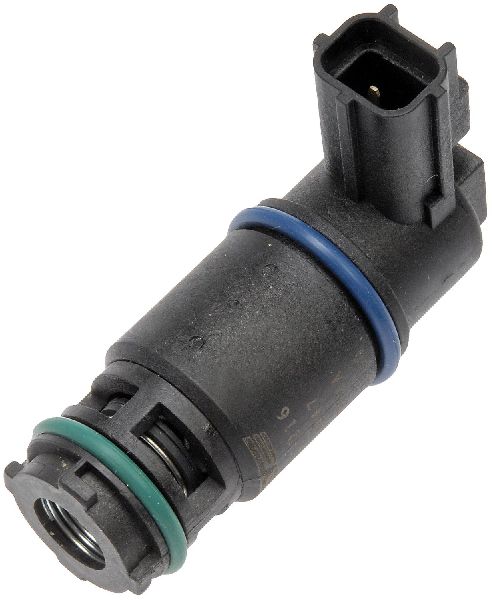
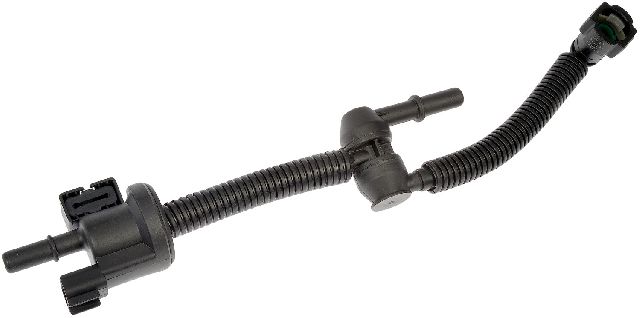
- EVAP Vapor Canister Vent Solenoid
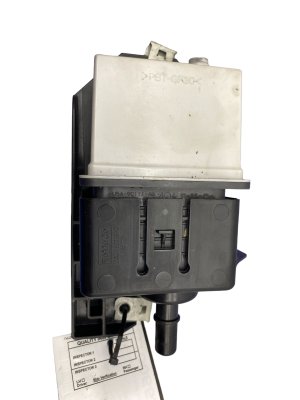
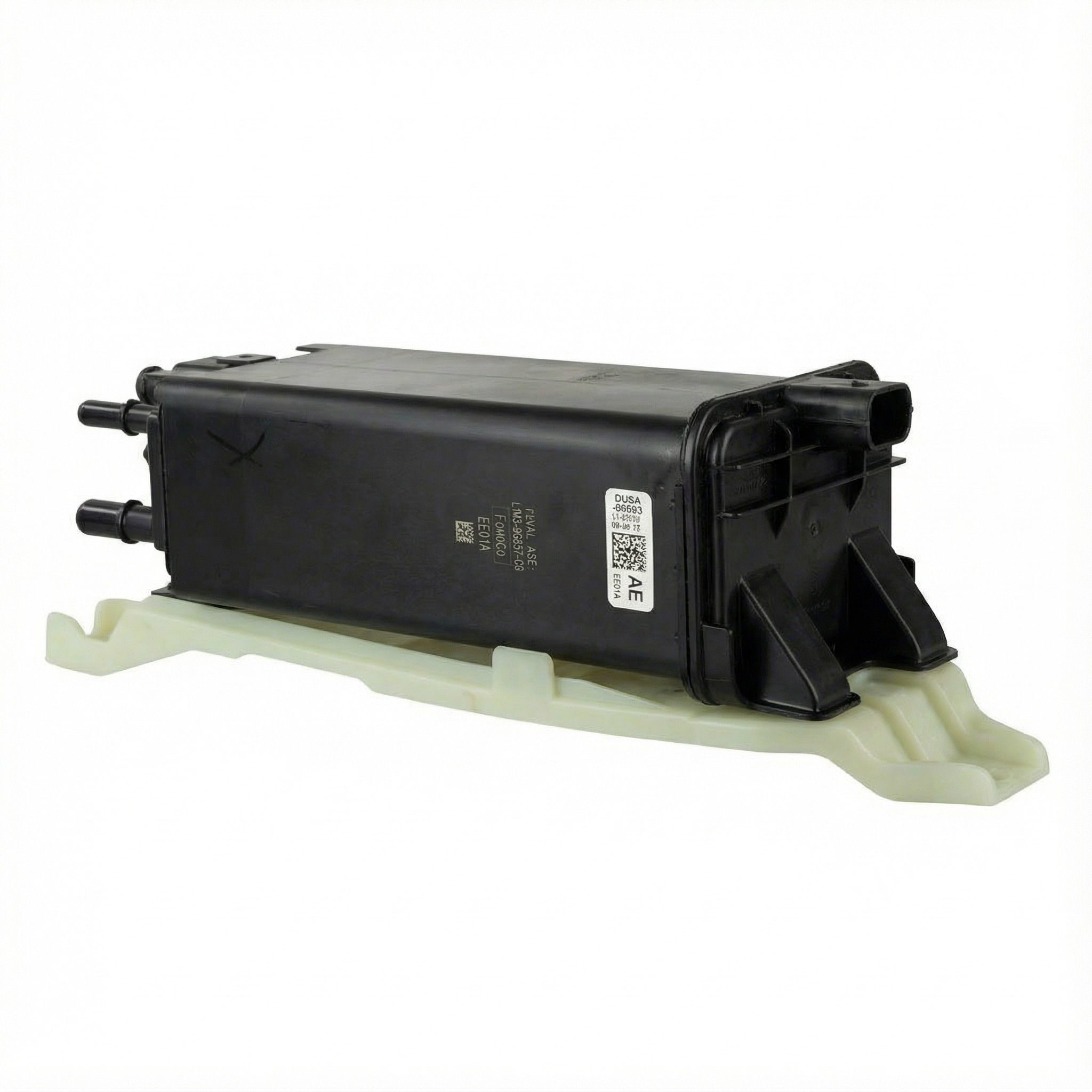
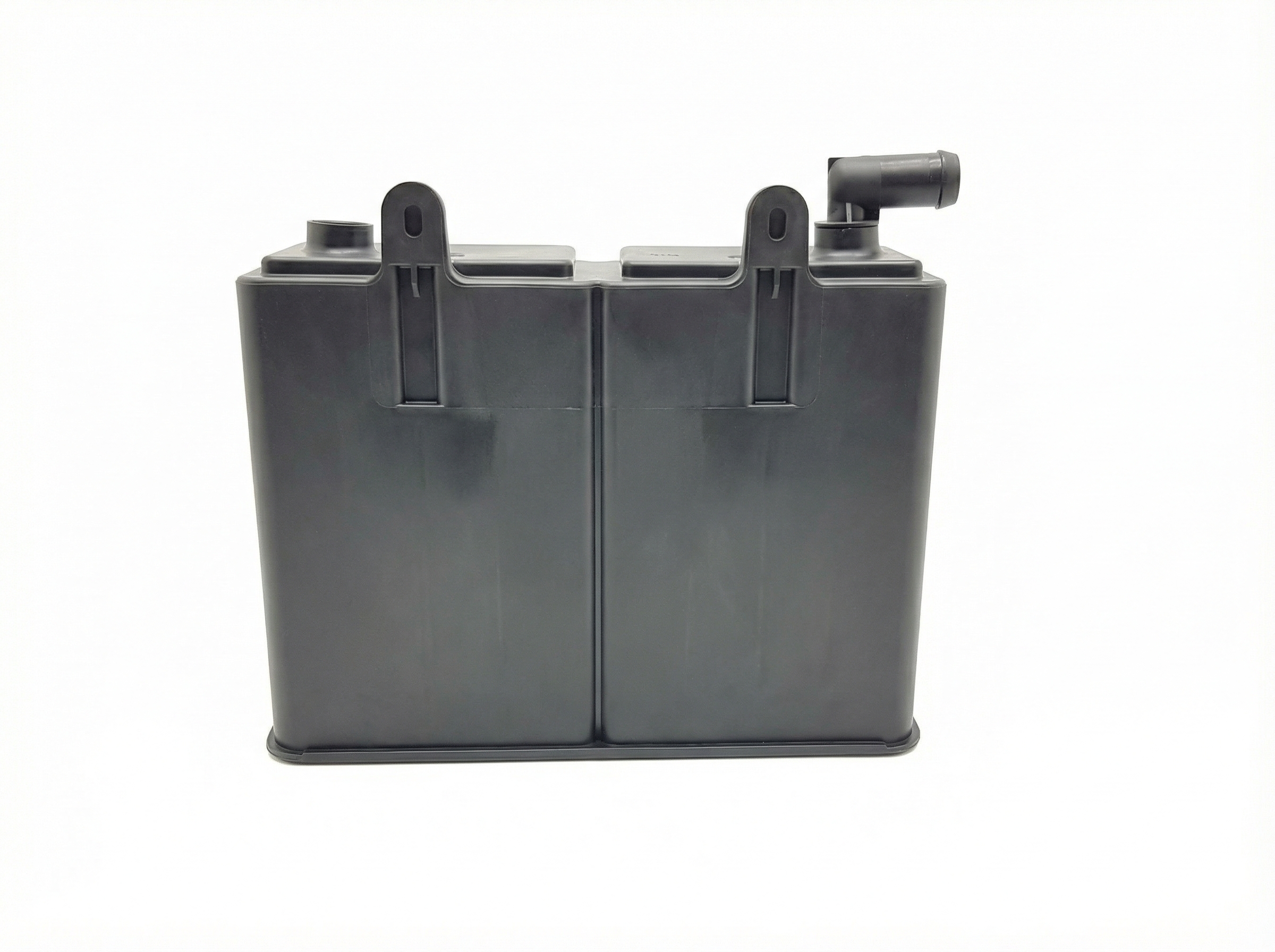
(OEM #9U5Z-9F945-C)— This is the specific valve, also known as the switching or blocking valve, that the P2450 code identifies as being stuck open. Its failure is the most common root cause. The part number 9U5Z-9F945-C supersedes the older 7U5Z-9F945-D and is listed for many modern Ford/Lincoln applications.
Trusted brands: Motorcraft, Dorman, Standard Motor Products
OEM price range: $70-$110
Aftermarket price range: $50-$80
Technical Service Bulletins (TSBs) & Recalls
- SSM 53601: Directly applies to 2020-2023 Aviator Hybrids. States that an illuminated MIL with DTC P2450 may be due to an evaporative emission system concern or may be caused by the customer overfilling the fuel tank.
- SSM 53982: Mentions P2450 on other Ford hybrid powertrains (Maverick) can be caused by an EVAP concern or customer overfilling, showing a pattern across the manufacturer's hybrid lineup.
- TSB 18-2387: Though for an older F-150, this TSB for P2450 instructs technicians to replace the fuel tank mounted 'evaporative emission blocking valve', confirming the failed part and repair procedure are consistent on Ford trucks and SUVs.
Platform-Specific Known Issues
- While no TSB is exclusive to the Aviator for P2450, TSB SSM 53601 explicitly includes the 2020-2023 Aviator Hybrid and links DTC P2450 to 'customer overfilling' the fuel tank, indicating a known sensitivity on this platform.
- The Aviator Grand Touring (PHEV) models seem particularly prone to various electrical and powertrain faults, and this EVAP code is a commonly reported issue among them.
Mechanic-Grade Diagnostic Values
- Fuel Tank Pressure (FTP) Sensor Voltage — expected: 2.6 - 2.65 Volts. Failure: The voltage reading is static and does not change, or it does not start at this baseline value. If the reading does not return to near zero when the fuel filler funnel is inserted, the sensor or circuit is suspect.
- EVAP Switching / Vapor Blocking Valve Commanded Voltage — expected: ~12 Volts (commanded ON/closed) and ~0 Volts (commanded OFF/open). Failure: Voltage is present at the connector when commanded, but the valve does not actuate (audibly click or change system pressure).
- Fuel Tank Pressure (FTP) PID Value (Scan Tool) — expected: Near 0 inches of water (inH2O) or ambient atmospheric pressure.. Failure: The pressure reading is significantly positive or negative after the vehicle has been sitting with the engine off. If opening the fuel filler does not cause the reading to go to zero, the sensor or its wiring may be faulty.
Hidden / Shadow Codes Worth Checking
- P2450:00: The ':00' suffix is a Failure Type Code (FTC) used by Ford. In this context, it typically means 'No Sub Type Information' or a general component failure, indicating the PCM has detected the performance issue but has no more specific data on why (e.g., circuit short, open circuit). (see via Professional scan tools like the Ford Integrated Diagnostic System (IDS) or high-end aftermarket scanners will display the code with its FTC suffix.)
- Mode 6, Test ID $82 (and others): Mode 6 data provides raw results from the PCM's self-tests. For the EVAP system, this includes test values for pressure decay and sensor readings. A technician can analyze this data to see if the system is borderline failing, even before a DTC like P2450 is set. (see via A scan tool that supports Mode 6 data display, such as FORScan or professional-grade scanners.)
Scan Tool Commands That Help
- Ford IDS (or FORScan): Manual EVAP Test / Active Commands — This is the primary method to confirm if the switching/vent valve is mechanically stuck. The technician commands the 'EVAP Canister Vent Valve' ON (which closes the normally open valve) and ensures the 'Vapor Management Valve' (purge valve) is OFF (closed). Then, they monitor the 'FTP' PID. In a healthy system, the pressure should hold steady. If it changes, it indicates a leak or a valve not responding to the command.
Wiring & Ground Locations
- EVAP Switching / Vapor Blocking Valve Connector — On top of the fuel tank, connected to the valve itself. Access requires lowering the fuel tank.. This 2-pin connector and its associated wiring are exposed to road debris and moisture, making them a potential point of failure due to corrosion or damage. A bad connection here can mimic a failed valve.
- Fuel Tank Pressure (FTP) Sensor Connector — Also located on or near the fuel tank, often bundled with the switching valve assembly or nearby.. A poor connection at the FTP sensor can send incorrect (but still plausible) pressure data to the PCM, causing it to misinterpret the EVAP test results and falsely set a P2450 code, even if the switching valve is working correctly.
Real Owner Repair Stories
- f150forum.com user report (2015 Ford F-150 2.7L) — P2450 code that would reproduce immediately after clearing.
❌ Tried (didn't work) Replacing the EVAP Blocking Valve (the part indicated by the code)., Replacing the canister purge valve., Replacing the battery due to a low voltage concern.
✅ What actually fixed it The issue was a faulty electrical connector for the Fuel Tank Pressure (FTP) sensor. The sensor was providing incorrect pressure readings that were still within the normal range, so it never set an FTP-specific code but caused the EVAP monitor to fail and flag the P2450 code. - Reddit user @BrownL in r/f150 (2021 F-150 Powerboost (Hybrid)) — Intermittent P2450 code.
❌ Tried (didn't work) Dealer ran diagnostics, found the valve was functioning at the time, and cleared the code.
✅ What actually fixed it The issue was not permanently resolved. The dealer suggested the charcoal canister was likely flooded with fuel from the valve being stuck open and recommended replacing it for $800, but the owner declined, believing it wasn't the root cause. The code remained intermittent. - Reddit user in r/F150Powerboost (2023 F-150 XLT Powerboost (Hybrid)) — P2450 code on a new vehicle.
❌ Tried (didn't work) Dealer replaced the 'fuel tank isolation valve'.
✅ What actually fixed it The repair was unsuccessful; the same P2450 code returned five days after the valve was replaced, indicating a more complex or different underlying issue.
"I Checked Everything" — The Actual Cause
- In cases where the P2450 code is caused by an electrical issue with the Fuel Tank Pressure (FTP) sensor or its connector, a smoke test will come back clean. The system has no physical leak, but the PCM is receiving erroneous data that makes it believe the switching valve has failed its performance test. Technicians may chase a non-existent leak when the root cause is purely electrical data corruption.
OEM Part Supersession History
7U5Z-9F945-D, 7U5Z-9F945-E→9U5Z-9F945-C— Part revision and consolidation for newer models.
Model Year Variations Within This Range
- 2020-2023: While no specific hardware changes are documented for the Aviator's EVAP system in this range, software logic is a key variable. On the related 2020-2025 Ford Escape platform, a PCM software update (TSB 25-2326) was issued to correct false P2450 codes. It is critical for a technician to check for the latest PCM calibration for the Aviator before replacing any hardware.
Helpful Videos
Used OEM Parts in Stock

New Aftermarket Parts Available


The information in this article is provided for general reference and educational purposes only. Vehicle specifications, procedures, and part compatibility can vary by production date, trim level, and region. Always consult your vehicle's factory service manual and verify part numbers before purchasing or performing repairs. Safety-critical components such as airbags, seat belts, and braking systems should be installed by a qualified professional.
- Lincoln AVIATOR:
- 🧭 Diagnostic Flowchart
- 🎬 Helpful Videos
- 🛍️ Shop This Part
- What's Unique About the 2020-2023 Lincoln AVIATOR
- Symptoms You May Notice
- Most Likely Causes
- Rare But Worth Checking
- Diagnosis Steps
- Parts You'll Likely Need
- Technical Service Bulletins (TSBs) & Recalls
- Platform-Specific Known Issues
- Mechanic-Grade Diagnostic Values
- Hidden / Shadow Codes Worth Checking
- Scan Tool Commands That Help
- Wiring & Ground Locations
- Real Owner Repair Stories
- "I Checked Everything" — The Actual Cause
- OEM Part Supersession History
- Model Year Variations Within This Range
- 🎟️ Get 5% Off