

P2453 on 2014-2017 Ram 1500 EcoDiesel: DPF Sensor Causes and Fixes
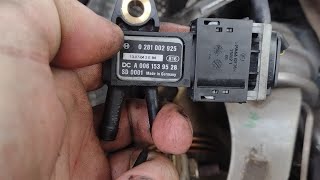
On a 2014-2017 Ram 1500 EcoDiesel, code P2453 is most often caused by a failed Diesel Particulate Filter (DPF) differential pressure sensor or its connecting hoses and metal pipes being clogged with soot. Replacing the sensor and thoroughly cleaning the hoses and pipes is the most common and effective fix.
- For code P2453 on a Ram 1500 EcoDiesel, always check the simple things first: the rubber hoses and metal pipes for the DPF pressure sensor are very likely to be clogged with soot.
- If the hoses are clear, the DPF pressure sensor itself is the next most likely culprit and is a straightforward part to replace.
- Do not assume you need a new DPF. This code relates to the sensor circuit, and replacing the entire DPF is an expensive and often unnecessary repair for this specific code.
- This code will put your truck in 'limp mode' and prevent DPF regeneration, so it should be addressed promptly to avoid cascading damage to the costly emissions system.
What's Unique About the 2014-2017 Ram 1500

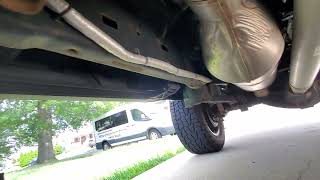
The 3.0L EcoDiesel engine in the Ram 1500 is known for issues related to its emissions system. The DPF pressure sensor and its associated hoses are common failure points. Unlike some other diesel trucks where the sensor itself is the primary culprit, on the EcoDiesel, the small rubber hoses and the metal pipes they connect to are highly prone to getting clogged with hard-packed soot, which mimics a sensor failure. Several Technical Service Bulletins (TSBs) have been issued by the manufacturer for this and related codes, indicating it's a well-documented problem area. The sensor is located roughly in the middle of the truck, attached to a crossmember near the transmission.
🎬 Watch: See how ash accumulation affects the sensor before replacement.Diagnostic Flowchart

Tap your situation to follow the diagnostic path that matches what you're seeing on this vehicle.
Symptoms You May Notice

- Check Engine Light is on
- Message on the dash like 'Exhaust Filter Full', 'Service DEF System See Dealer', or 'Service Electronic Throttle Control'
- Reduced engine power or 'limp mode'
- Noticeable decrease in fuel economy
- The automatic DPF regeneration process may stop working
- Visible smoke from the exhaust, which is abnormal for a DPF-equipped truck
- Replacing the DPF assembly. The P2453 code points to an issue with the sensor or its circuit, not usually the filter itself. Always diagnose the cheaper components like hoses and the sensor first before considering a very expensive DPF replacement.
- Performing a forced regeneration without fixing the root cause. A user on Reddit reported a mechanic charged $500 for a DPF clean and regen, only for the light to return two days later, requiring a sensor replacement. The sensor or its hoses should be the first suspect.
Most Likely Causes

- Clogged DPF Pressure Sensor Hoses or Metal Pipes 🔴 High Probability The small diameter rubber hoses and the metal pipes they connect to are susceptible to becoming blocked with hard-packed soot and carbon over time. This is a very common point of failure on the EcoDiesel.
How to confirm: Disconnect the hoses from the sensor and the metal pipes. Try to blow air through them. Crucially, use a piece of stiff wire (like mechanic's wire or a section of weed eater line) to probe the metal pipes to check for and clear any hard-packed soot blockages.
Typical fix: Clean the hoses and pipes thoroughly. If the rubber hoses are cracked, melted, or brittle, they must be replaced with new high-temperature silicone hoses.
Est. part cost: $20-$60 - Failed DPF Differential Pressure Sensor 🔴 High Probability The sensor itself is exposed to harsh conditions and can fail electronically or drift out of its calibrated range over time. It is a common replacement item.
How to confirm: After confirming the hoses and pipes are clear, use a scan tool to monitor the sensor's data with the key on, engine off (KOEO). It should read at or very near zero pressure. If it shows a significant pressure reading, the sensor is faulty. The reading should also increase steadily with engine RPM when the engine is running. 🎬 Watch: A professional walkthrough on how to test the sensor.
Typical fix: Replace the DPF differential pressure sensor. The original part number 56044587AC has been discontinued but is still referenced for fitment.
Est. part cost: $75-$150 - Damaged Wiring or Connector 🟡 Medium Probability The wiring harness is located near hot exhaust components and can become brittle, corroded, or damaged over time. A large connector above the transmission is a known trouble spot for corrosion and poor connections.
How to confirm: Visually inspect the sensor's electrical connector and wiring for any signs of melting, corrosion, or broken wires. Use a multimeter to check for the correct reference voltage (usually 5V) and ground at the connector. Trace the harness for chafing, especially where it crosses over the transmission or near frame brackets.
Typical fix: Repair the damaged section of the wiring harness or replace the connector pigtail. Cleaning corroded connectors with a dielectric cleaner may also resolve the issue.
Est. part cost: $25-$75 - Severely Clogged Diesel Particulate Filter (DPF) ⚪ Low Probability → Shop Diesel Particulate Filter (DPF)
How to confirm: If the sensor, hoses, and wiring are all good, the DPF itself may be clogged beyond the sensor's normal operating range. This is often accompanied by code P2463. A scan tool can show DPF soot load percentage; a reading of 100% or more indicates a severe clog.
Typical fix: A forced regeneration may be attempted with a capable scan tool. If that fails, the DPF will need to be professionally cleaned or, in worst-case scenarios, replaced.
Est. part cost: $500-$4000
Rare But Worth Checking
- Outdated PCM Software: Manufacturer TSBs, specifically #18-068-20 REV. B, involve a software update (reflash) for the Powertrain Control Module (PCM) to adjust the sensitivity and diagnostic logic for P2453 and a host of other emissions-related codes. This can only be checked and performed by a dealership or a shop with OEM tools.
- Upstream Exhaust Leaks: A crack in the exhaust manifold or a leaking gasket before the DPF can alter the pressure readings, causing the sensor to report irrational data. Look for black soot stains around exhaust flanges.
Diagnosis Steps
- Read all stored fault codes with an OBD-II scanner. Note any other codes present with P2453, as they can provide clues (e.g., P2463, P2454, P2455).
- Perform a thorough visual inspection of the DPF differential pressure sensor, its electrical connector, and the two associated rubber hoses. The sensor is located near the middle of the truck, on a transmission crossmember. Look for obvious damage like cracks, melting, or corrosion.
- Disconnect the rubber hoses from both the sensor and the metal pipes on the exhaust. Inspect them for blockages from soot.
- Crucially, use a long, stiff piece of wire (mechanic's wire, coat hanger, or weed eater line) to clean out the metal pipes that the hoses connect to. They are often plugged with hard carbon deposits that must be physically broken up.
- If hoses and pipes are clear, check the sensor's electricals. With the key on and engine off (KOEO), use a scan tool to view the live data for the DPF pressure sensor. The reading should be 0 psi or very close to it. If it's not, the sensor is likely faulty.
- Start the engine and monitor the sensor's reading on the scan tool. It should rise smoothly as you increase engine RPM. If it's stuck or responds erratically, the sensor has failed.
- If the sensor and hoses check out, inspect the wiring harness for power (5V reference), ground, and signal integrity using a multimeter. Pay close attention to the harness where it runs over the transmission.
- If all components test good, check with a dealer if any PCM software updates are available, referencing TSB #18-068-20 REV. B for 2017 models.
- As a final check, inspect the DPF soot load percentage on your scan tool. If it is excessively high, a forced regeneration may be necessary after the primary fault is repaired.
Parts You'll Likely Need

- DPF Differential Pressure Sensor
(OEM #56044587AC)— This sensor is the most common part to fail electronically, causing irrational signal performance. The original Mopar part is noted as discontinued but is still the primary reference number.
Trusted brands: Mopar, Standard Motor Products, Bosch
OEM price range: $100-$150
Aftermarket price range: $75-$120 - DPF Pressure Sensor Hoses — The rubber hoses are a frequent point of failure, becoming clogged with soot or cracking from heat, which blocks the pressure signal from reaching the sensor.
Trusted brands: Mopar, Gates, Dayco
OEM price range: $40-$60
Aftermarket price range: $20-$40
Related Codes That Often Appear With This One
- P2463 — This code means 'Diesel Particulate Filter Soot Accumulation'. It often appears with P2453 because a severely clogged filter (P2463) can cause pressure readings so high that the sensor's performance is flagged as irrational (P2453). This is confirmed by TSB #S2008000063.
- P0401 — This code indicates 'EGR Flow Insufficient'. TSB #18-068-20 REV. B lists this code alongside P2453, suggesting a potential software issue or a broader problem within the emissions system that can trigger multiple codes.
- P2454 — This code for 'DPF Pressure Sensor A Circuit Low' points to a specific electrical fault (like a short to ground), which can stem from the same wiring or sensor problems that cause the general performance code P2453.
- P2455 — This code for 'DPF Pressure Sensor A Circuit High' points to a specific electrical fault (like a short to voltage) and is also closely related to the causes of P2453.
- P0299 — This code for 'Turbocharger Underboost Condition' is also listed in TSB #18-068-20 REV. B, indicating a PCM software update may address it along with P2453. A clogged DPF can also increase backpressure and negatively affect turbo performance.
Technical Service Bulletins (TSBs) & Recalls
- 18-068-20 REV. B
- S2008000063
- 18-028-14 REV. A
- 18-068-20 REV. A
- 1806820
Platform-Specific Known Issues
- Ram has issued multiple Technical Service Bulletins (TSBs) that mention the P2453 code, confirming it is a known issue on this platform.
- TSB #18-068-20 REV. B specifically calls out a PCM software update for 2017 models that can resolve P2453 along with a long list of other emissions-related DTCs.
- Owners on forums like EcoDieselRam.com and Reddit frequently discuss this code, with the consensus repair being to first clean the metal pipes leading to the sensor, then inspect/replace the rubber hoses, and finally replace the sensor if the problem persists.
Mechanic-Grade Diagnostic Values
- DPF Pressure Sensor Live Data (Key On, Engine Off) — expected: ~0 PSI / 0 kPa.. Failure: Any significant pressure reading indicates a faulty, biased sensor.
- DPF Pressure Sensor Live Data (Engine at Idle) — expected: 0.5 - 2.0 PSI.. Failure: A reading of 0 or an excessively high reading suggests a clogged hose, pipe, or failed sensor.
- Sensor 5V Reference Voltage (at sensor connector) — expected: 4.5V - 5.0V.. Failure: Voltage below 4.5V or at 0V indicates a wiring issue, short to ground, or a problem with the ECM.
- Sensor Signal Circuit (K355) Resistance — expected: Below 10.0 ohms (measured between sensor connector and ECM connector).. Failure: Resistance above 10.0 ohms indicates an open or high resistance in the signal wire.
- Sensor 5V Supply Circuit (K354) Resistance to Ground — expected: Above 1000 ohms.. Failure: Resistance below 1000 ohms indicates a short to ground in the power supply wire.
Scan Tool Commands That Help
- wiTECH (or equivalent professional scanner): DPF Pressure Sensor Learning / Reset Adaptive Settings — This function should be performed after replacing the DPF differential pressure sensor to clear old learned values and calibrate the system to the new sensor's baseline.
- wiTECH (or equivalent professional scanner): Learning Values Save / Write — This is used when the entire ECM/PCM is being replaced. The 'Save' function is run on the old module, and 'Write' is used on the new one to transfer critical vehicle data.
Wiring & Ground Locations
- Main Emissions Harness Connector — The wiring for the DPF sensor and other emissions components runs in a harness that goes up and over the top of the transmission.. This harness and its main connector are a known trouble spot for corrosion, poor connections, and chafing due to its location, which can cause intermittent signal faults for the DPF pressure sensor.
- DPF Sensor Circuit (K-numbers) — These are circuit designators within the wiring harness between the ECM and the sensor.. For professional diagnosis, the specific circuits are: (K354) for the 5V supply, (K355) for the signal wire, and (K951) for the ground. Using these identifiers helps accurately trace wires when testing for opens, shorts, or high resistance.
Real Owner Repair Stories
- YouTube channel 'Service DEF System P242C P24C7 P249C Ram 1500 Eco Diesel' (2015 Ram 1500 EcoDiesel) — Service DEF System message, multiple fault codes including a 'particulate matter performance fault'.
✅ What actually fixed it The technician notes a previous, similar EcoDiesel repair where a 'particulate matter performance fault' was fixed simply by removing and thoroughly cleaning the soot-clogged sensor. This highlights that cleaning a component can be as effective as replacement if it's not electrically failed.
OEM Part Supersession History
56044587AA→56044587AB— Part revision or manufacturer change.56044587AB→56044587AC— Part revision. 56044587AC was the most common replacement for many years but is now also discontinued.56044587AC→68229761AA— Latest part revision to address failures or change suppliers.
Heads up: When searching for a replacement, 68229761AA is a likely current OEM number, though aftermarket suppliers may still reference the older numbers.
Helpful Videos
We Have This Part in Stock


The information in this article is provided for general reference and educational purposes only. Vehicle specifications, procedures, and part compatibility can vary by production date, trim level, and region. Always consult your vehicle's factory service manual and verify part numbers before purchasing or performing repairs. Safety-critical components such as airbags, seat belts, and braking systems should be installed by a qualified professional.
- Ram 1500:
- 🧭 Diagnostic Flowchart
- 🎬 Helpful Videos
- 🛍️ Shop This Part
- What's Unique About the 2014-2017 Ram 1500
- Symptoms You May Notice
- Most Likely Causes
- Rare But Worth Checking
- Diagnosis Steps
- Parts You'll Likely Need
- Related Codes That Often Appear With This One
- Technical Service Bulletins (TSBs) & Recalls
- Platform-Specific Known Issues
- Mechanic-Grade Diagnostic Values
- Scan Tool Commands That Help
- Wiring & Ground Locations
- Real Owner Repair Stories
- OEM Part Supersession History
- 🎟️ Get 5% Off