

P2459 on 2022-2023 Cadillac Escalade ESV Diesel: DPF Regeneration Frequency Causes and Fixes
On a 2022-2023 Escalade with the 3.0L Duramax diesel, code P2459 means the exhaust filter (DPF) is self-cleaning too often. This is most commonly caused by a leaking intake manifold (per GM TSB #22-NA-128) or a restricted/collapsed engine air filter. Check for intake leaks via a smoke test and inspect the air filter before suspecting more expensive parts. For newer models, a dealer software update may be the required first step.
- P2459 on the 3.0L Duramax Escalade means the DPF is cleaning itself too often.
- The most likely cause for this specific vehicle is a leaking intake manifold, as documented in GM TSB #22-NA-128.
- Before performing expensive repairs, always check the engine air filter for restrictions and ensure the vehicle is driven at highway speeds regularly to allow for proper DPF cleaning.
- Do not immediately assume the DPF itself is bad; it is usually clogged due to an upstream problem.
- A professional diagnosis with a smoke test and scan tool is recommended to accurately find the root cause.
What's Unique About the 2022-2023 Cadillac ESCALADE ESV
For the 3.0L Duramax diesel engine (LM2 and the updated LZ0) in the 2022-2023 Escalade and its platform mates, code P2459 is specifically linked to a known issue with leaking intake manifolds. GM issued Technical Service Bulletin #22-NA-128 which states that an intake manifold leak can cause P2459, along with other fuel system codes. This TSB has been updated to include models up to 2025. Additionally, software anomalies on 2023-2024 models can also trigger this code, requiring an ECM reprogram as a primary fix (TSBs #23-NA-071, #24-NA-094).
Diagnostic Flowchart
Tap your situation to follow the diagnostic path that matches what you're seeing on this vehicle.
Symptoms You May Notice
- Check Engine Light is on
- Message on the driver information center regarding the exhaust filter, such as 'Keep Driving to Clean Exhaust Filter'.
- Reduced engine power or 'limp mode'
- Poor acceleration
- Increased fuel consumption
- Excessive black smoke from the exhaust (if DPF is damaged)
- Engine oil level is overfull and smells of diesel (in cases of fuel dilution)
- Replacing the Diesel Particulate Filter (DPF) assembly. The DPF is extremely expensive and is usually clogged as a symptom of another problem. The root cause, such as an intake leak, collapsed air filter, bad sensor, or software issue, must be fixed first.
Most Likely Causes
- Leaking Intake Manifold 🔴 High Probability → Shop Engine Intake Manifold This is a documented issue for 2022-2025 GM SUVs and trucks with the 3.0L Duramax engine (LM2/LZ0), as identified in TSB #22-NA-128. An unmetered air leak disrupts the air-fuel ratio and can lead to excessive soot production.
How to confirm: A technician must perform a smoke test on the intake system to check for leaks, as specified in the TSB. This is the definitive diagnostic step for this cause.
Typical fix: Replace the intake manifold. The TSB specifies replacement with part number 55511544 and allocates 6.3 hours of labor for an SUV.
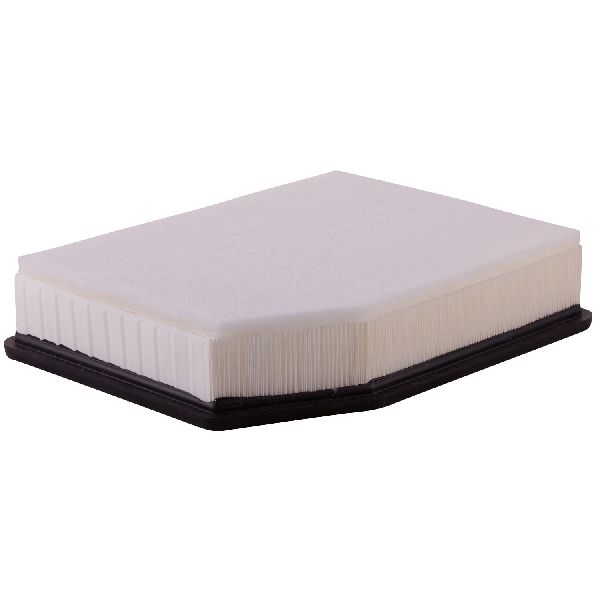
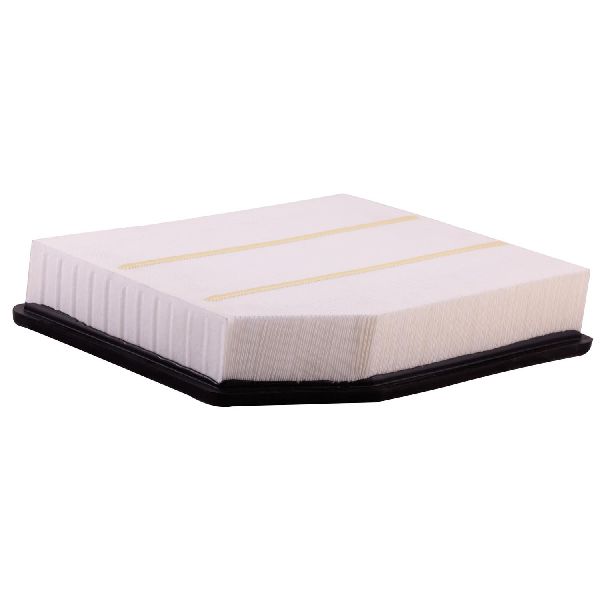
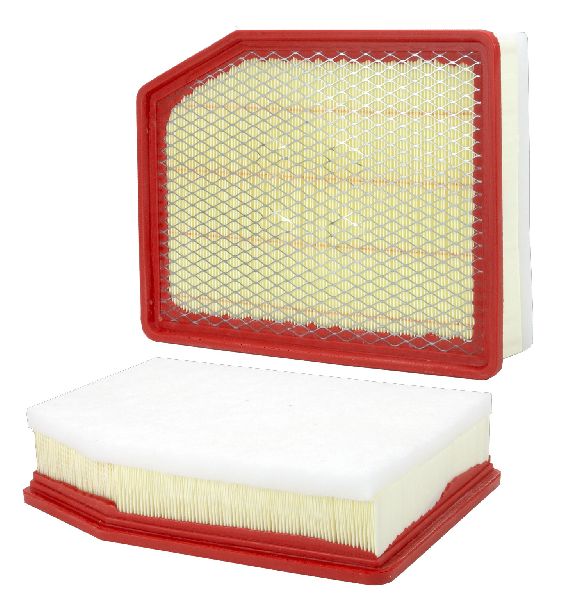
Est. part cost: $250-$400 - Restricted or Collapsed Engine Air Filter 🔴 High Probability → Shop Air Cleaner Assembly A dirty, wet, or physically collapsed air filter severely restricts airflow, causing the engine to run rich and produce excessive soot, which quickly clogs the DPF. TSB PIP5489C specifically notes this issue can cause DPF-related codes.
How to confirm: Visually inspect the engine air filter. It should be clean and hold its shape. A collapsed or dirty filter is an immediate red flag. The airbox should also be checked for a proper seal against the hood.
Typical fix: Replace the engine air filter with a genuine OEM part (e.g., ACDelco A3240C) and ensure the airbox is sealed correctly. A 'Small Quantity Data reset' may be required with a scan tool after installation.
Est. part cost: $30-$80 - Software Anomaly (2023+ models) 🟡 Medium Probability GM has identified software issues in 2023-2024 models (primarily with the LZ0 engine) that can falsely trigger P2459 and other DPF codes. TSBs #23-NA-071 and #24-NA-094 were issued to address this.
How to confirm: A GM dealer must check the vehicle's VIN against the service bulletin database to see if a software update is required.
Typical fix: The dealer reprograms the Engine Control Module (ECM) with updated software. This should be a primary diagnostic step before replacing any parts on these model years.
Est. part cost: $0 (if under warranty) - Driving Habits 🟡 Medium Probability These vehicles are often used for short, low-speed trips. The DPF regeneration process requires sustained driving (e.g., 20-30 minutes at highway speeds) to reach and maintain the high temperatures needed to burn off soot.
How to confirm: Review the vehicle's recent usage. If it has been exclusively city-driven or used for many short trips, this is a likely contributor. The driver information center may display a message to 'keep driving'.
Typical fix: Drive the vehicle at a sustained highway speed (55 mph or more) for at least 30 minutes to allow a full, passive regeneration cycle to complete.
Est. part cost: $0 - Faulty DPF Pressure Sensor ⚪ Low Probability
How to confirm: Use a scan tool to monitor the DPF pressure sensor readings at idle and under load. Compare the readings to manufacturer specifications. The sensor or its hoses can also be inspected for blockages, melting, or damage. One owner on a forum reported a faulty 'aftertreatment DPF differential sensor' was the cause on their 2023 truck.
Typical fix: Replace the DPF pressure sensor and/or its connecting hoses. The sensor is often sold as GM part number 12677836.
Est. part cost: $50-$150
Rare But Worth Checking
- Faulty Exhaust Gas Temperature (EGT) Sensor: → Shop Exhaust Gas Temperature (EGT) Sensor The DPF system relies on accurate temperature readings to manage regeneration. A faulty sensor can disrupt this process, leading to soot buildup and triggering P2459.
- Leaking Fuel Injector: A dripping or malfunctioning fuel injector can lead to incomplete combustion and create excess soot, overwhelming the DPF system. In some cases, this can be diagnosed by checking the engine oil for fuel dilution (level is overfull and smells of diesel).
- Boost Leak (Charge Air Cooler Hose): A leak in the charge air system, such as a loose clamp on a CAC hose, can create a rich condition similar to an intake manifold leak, causing excess soot. Forum users have pointed to this as a possible cause.
Diagnosis Steps
- Scan the ECM for P2459 and any other related trouble codes (e.g., P2463, P0172).
- For 2023+ models, consult a GM dealer to check the VIN for applicable software updates related to TSBs #23-NA-071 or #24-NA-094 before proceeding with hardware diagnosis.
- Visually inspect the engine air filter for being dirty, wet, or collapsed. Replace if necessary with an OEM part. Ensure the airbox is properly sealed.
- Review recent driving habits. If the vehicle is used for frequent short trips, perform an extended highway drive (30+ minutes) to initiate a passive DPF regeneration.
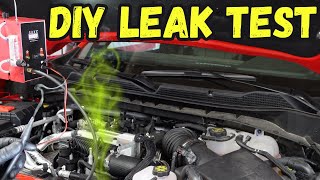
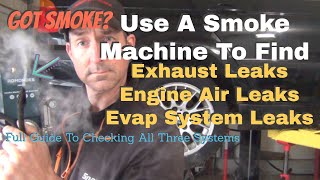
- Perform a smoke test on the intake system to check for leaks, paying close attention to the intake manifold, as specified in TSB #22-NA-128.
- Using a capable scan tool, monitor live data from the DPF pressure sensor and exhaust gas temperature sensors to ensure they are reading within specifications.
- Inspect the DPF pressure sensor hoses for any cracks, melting, or blockages.
- Check the engine oil level and smell for diesel fuel. An overfull crankcase indicates potential fuel dilution from a leaking injector.
- If no other cause is found, inspect for exhaust and charge air cooler (boost) leaks before the DPF and check for underlying engine issues that could create excess soot.
Parts You'll Likely Need
- Intake Manifold
(OEM #55511544)— A leaking intake manifold is a specific, documented cause of P2459 on this vehicle according to GM TSB #22-NA-128.
Trusted brands: ACDelco, GM Genuine
OEM price range: $250-$400
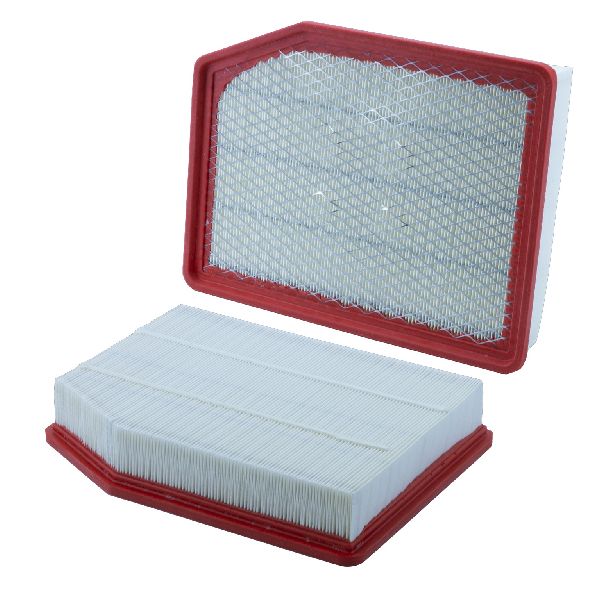
Aftermarket price range: N/A - Engine Air Filter
(OEM #ACDelco A3240C)— A restricted or collapsed air filter is a common and inexpensive cause of excessive soot production, which leads to frequent DPF regeneration.
Trusted brands: ACDelco, Wix, Donaldson
OEM price range: $50-$80
Aftermarket price range: $30-$60
Related Codes That Often Appear With This One
- P2463 — This code for 'DPF Restriction - Soot Accumulation' often appears with P2459. The frequent regeneration attempts (P2459) are a response to the filter becoming clogged (P2463).
- P0172 — This code for 'Fuel Trim System Rich' is listed in TSB #22-NA-128 alongside P2459 as a direct result of a leaking intake manifold on this engine.
- P026D — This code for 'Fuel Injection Quantity Too High' is also mentioned in TSB #22-NA-128 as being caused by a leaking intake manifold.
- P2A00 — This O2 sensor performance code is the fourth code listed in TSB #22-NA-128, linked to a leaking intake manifold.
Technical Service Bulletins (TSBs) & Recalls
- 22-NA-128: Malfunction Indicator Lamp (MIL) Illuminated - DTC P0172, P026D, P2459, and/or P2A00 Set, caused by a leak at the intake manifold. Applies to 2022-2025 models with LM2/LZ0 engines.
- 24-NA-094 / 23-NA-071: Address software anomalies on 2023-2024 models with the LZ0 engine that can cause P2459 and other DPF codes, requiring an ECM software update.
- PIP5489C: Notes that a restricted or wet air filter can cause various DPF-related codes, including P2459.
Platform-Specific Known Issues
- TSB #22-NA-128 specifically identifies a leaking intake manifold as a cause for DTC P2459 on 2022-2025 Cadillac Escalades (and platform mates) with the 3.0L diesel engine. The fix is to replace the manifold.
- TSBs #23-NA-071 and #24-NA-094 address software anomalies on 2023-2024 models that can cause P2459, requiring an ECM reprogram at a dealership.
Mechanic-Grade Diagnostic Values
- DPF Differential Pressure Sensor Voltage (Key On, Engine Off) — expected: ~0.5V.. Failure: A reading significantly higher than 0.7V (e.g., 1.0V or more) with the engine off points to a faulty or biased sensor.
- DPF Differential Pressure Sensor 5V Reference Wire — expected: 4.5V - 5.0V.. Failure: Voltage outside this range indicates a wiring or ECM problem, not a sensor failure.
- DPF Differential Pressure at Idle — expected: 1 to 2 kPa (0.14 to 0.29 psi).. Failure: Significantly higher pressure at idle can indicate a clogged DPF.
- Scan Tool 'Air Leak Equivalence Ratio' (with EGR commanded closed) — expected: 0.80:1 to 1.20:1.. Failure: Readings outside this range can indicate an unmetered air leak, such as from the intake manifold.
Scan Tool Commands That Help
- GM GDS2: DPF Service Regeneration — To manually initiate a stationary DPF cleaning cycle when the vehicle is unable to complete one on its own due to high soot levels (often with P2463 present). This is frequently required after fixing the root cause of P2459 to clear the filter.
- GM GDS2: Fuel Injection Small Quantity Data Reset — This function should be performed after reprogramming the ECM or replacing the air filter, as specified in GM service literature. It clears learned fuel trim values, forcing the ECM to relearn fuel delivery based on the new hardware or software.
- GM GDS2: DPF Pressure Sensor Reset — After replacing the DPF differential pressure sensor, this function resets its learned values in the ECM. Some tools may require this before a forced regeneration will initiate.
Wiring & Ground Locations
- G134 — Near the NOx catalyst on the vehicle's frame.. GM TSB #22-NA-210 identifies that the stud for ground G134 can break. A poor ground here can cause a wide array of electrical faults and DTCs, potentially affecting the emissions control system sensors and modules that calculate soot load.
- DPF Pressure Sensor Connector — The electrical connector on the DPF pressure sensor itself.. The connector has three pins: a 5V reference, a ground, and a signal wire. Damage, corrosion, or internal wire breaks at this connector can cause incorrect pressure readings, directly leading to a false P2459 or P2463 code.
OEM Part Supersession History
55511544→40009521— Part number update by GM. The new part number includes the intake manifold gaskets.
Model Year Variations Within This Range
- 2022 vs. 2023: The 2023 model year pickup trucks (Silverado/Sierra) received the updated LZ0 3.0L Duramax, while the 2023 SUVs (Tahoe/Suburban/Escalade) retained the original LM2 engine. The LZ0 features new steel pistons (vs. aluminum), new fuel injectors, a retuned turbo, and a revised cylinder head. While the P2459 causes are similar, the LZ0 is more prone to software-related issues addressed by specific TSBs.
Helpful Videos
We Have This Part in Stock

The information in this article is provided for general reference and educational purposes only. Vehicle specifications, procedures, and part compatibility can vary by production date, trim level, and region. Always consult your vehicle's factory service manual and verify part numbers before purchasing or performing repairs. Safety-critical components such as airbags, seat belts, and braking systems should be installed by a qualified professional.
- Cadillac ESCALADE ESV:
- 🧭 Diagnostic Flowchart
- 🎬 Helpful Videos
- 🛍️ Shop This Part
- What's Unique About the 2022-2023 Cadillac ESCALADE ESV
- Symptoms You May Notice
- Most Likely Causes
- Rare But Worth Checking
- Diagnosis Steps
- Parts You'll Likely Need
- Related Codes That Often Appear With This One
- Technical Service Bulletins (TSBs) & Recalls
- Platform-Specific Known Issues
- Mechanic-Grade Diagnostic Values
- Scan Tool Commands That Help
- Wiring & Ground Locations
- OEM Part Supersession History
- Model Year Variations Within This Range
- 🎟️ Get 5% Off