

P2459 on 2022-2025 Chevrolet Silverado 2500: DPF Regeneration Frequency Causes and Fixes
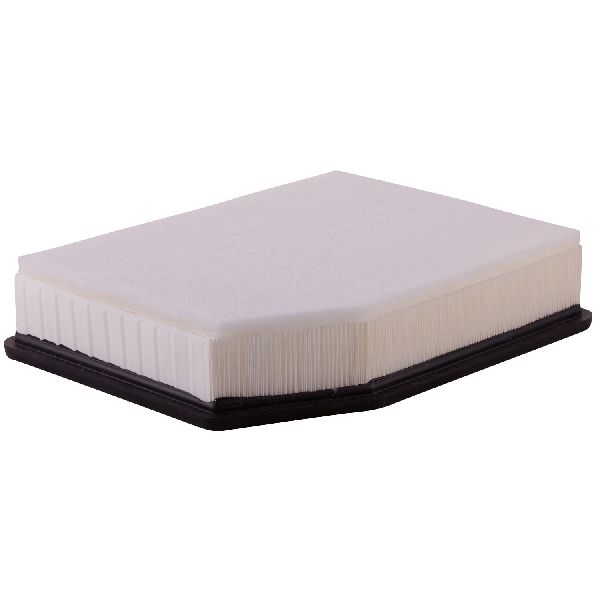
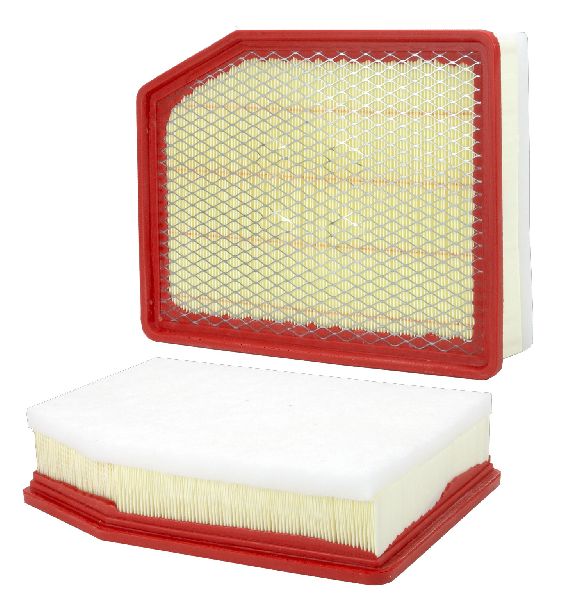
This code means the DPF regeneration is happening too often, typically under every 150 miles. On the L5P Duramax, this is frequently caused by software issues or a dirty/aftermarket air filter, as noted in GM technical service bulletins. The fix often requires a dealer visit for a software update or replacement of the air filter with a genuine OEM part (ACDelco A3231C).
- For a 2022-2025 Silverado 2500, the first thing to check for P2459 is the air filter. Make sure it's a clean, genuine OEM part.
- Driving habits matter. If you frequently take short trips, you must regularly take the truck for a longer highway drive (20+ minutes) to allow the DPF to clean itself.
- This code is often accompanied by P2463 (DPF Clogged). Ignoring it will lead to the truck entering a reduced power 'limp mode'.
- The ultimate fix may require a software update from a GM dealer, as indicated by multiple service bulletins.
- Do not immediately assume the expensive DPF is bad. The problem is almost always a less expensive, upstream issue like a sensor, software, or the air filter.
What's Unique About the 2022-2025 Chevrolet SILVERADO 2500
For the 2022-2025 Silverado 2500 with the 6.6L L5P Duramax engine, this code is specifically addressed by manufacturer bulletins. One key issue identified by GM in TSB #24-NA-197 is the use of aftermarket or non-GM air filters. The different airflow characteristics can affect fuel metering and MAF sensor readings, leading to excessive soot, triggering more frequent regenerations and this code. This makes checking the air filter a unique and critical first step on this platform, unlike on other diesel vehicles where it might be a lower-priority item. A forum for diesel technicians highlights a case on a 2020 L5P where frequent P2459 codes were associated with a non-OEM air filter and overfull engine oil due to fuel dilution from incomplete regens.
Diagnostic Flowchart
Tap your situation to follow the diagnostic path that matches what you're seeing on this vehicle.
Symptoms You May Notice
- Check Engine Light illuminated.
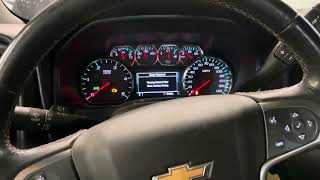
- Messages on the driver information center (DIC) like 'Cleaning Exhaust Filter, Continue Driving' or 'Engine Power is Reduced'.
- Vehicle enters 'limp mode' with significantly reduced engine power.
- More frequent regeneration cycles than normal, sometimes as often as every 150 miles.
- Increased fuel consumption due to frequent regens.
- Excessive white or black smoke from the exhaust during regeneration attempts.
- Strong diesel odor from the exhaust.
- Replacing the DPF assembly without diagnosing the root cause. A clogged DPF is often a symptom of another problem (like a bad sensor, software issue, or incorrect air filter). Replacing the filter alone will likely result in the new one clogging as well.
- Clearing the code without performing a proper drive cycle or service regeneration. The code will likely return quickly if the underlying soot accumulation or sensor issue is not resolved.
Most Likely Causes
- Aftermarket or Dirty Air Filter 🔴 High Probability → Shop Air Cleaner Assembly As per GM Technical Service Bulletin #24-NA-197, the different airflow characteristics of non-OEM air filters can disrupt fuel metering, causing excessive soot production and triggering frequent regenerations. The ECM is highly sensitive to these airflow changes even if the MAF sensor readings appear normal on a scan tool.
How to confirm: Visually inspect the air filter. If it is not a genuine GM/ACDelco part (like ACDelco A3231C), or if it is 🎬 Watch: See how a dirty air filter impacts your L5P. excessively dirty, wet, or collapsed, it is the likely cause.
Typical fix: Replace the air filter with a genuine OEM part and have a technician perform a 'Small Quantity Data reset' in the ECM with a scan tool. Clear any DTCs and road test.
Est. part cost: $50-$100 - Engine Control Module (ECM) Software Issue 🔴 High Probability → Shop Engine Control Module (ECM) GM has issued multiple TSBs (#23-NA-066, #24-NA-094, #23-NA-071) that involve software updates to correct conditions causing P2459. These updates revise the logic for DPF regeneration, sensor readings, and EGR control to prevent false or overly frequent cycles.
How to confirm: A GM dealer or qualified shop can check for and confirm the availability of an updated ECM calibration using the vehicle's VIN. This is a common first step for 2024 models in particular.
Typical fix: Reprogram the ECM with the latest software calibration. This must be done by a professional with the correct tools, as a stable voltage supply is critical during programming.
Est. part cost: $0 (if under warranty) - Driving Habits (Short Trips) 🟡 Medium Probability The L5P Duramax engine's DPF system needs sustained highway speeds (e.g., 15-30 minutes) to get hot enough to perform a complete 'passive' or 'active' regeneration. Frequent short trips, stop-and-go traffic, or excessive idling prevent this, leading to soot buildup and regeneration frequency faults.
How to confirm: Review the vehicle's typical usage. If it's primarily used for short-distance, low-speed driving, this is a likely contributor. A scan tool can show a high number of incomplete regen cycles.
Typical fix: Drive the vehicle at highway speeds (above 50 mph) for at least 20-30 minutes to allow a full regeneration cycle to complete. If the filter is too clogged, a forced 'service regeneration' may be needed by a technician.
Est. part cost: $0 - Faulty DPF Differential Pressure Sensor 🟡 Medium Probability This sensor measures soot load by comparing pressure before and after the DPF. If it provides incorrect readings, the ECM will miscalculate when to start or stop regeneration. The sensor or its connecting hoses can get clogged or damaged.
How to confirm: A technician can monitor the sensor's data with a scan tool to see if the pressure readings are logical (e.g., near 0 PSI at idle on a clean filter, rising with RPM). The sensor and its hoses can also be inspected for blockages or damage.
Typical fix: Replace the DPF differential pressure sensor and ensure its connecting hoses are clear. The replacement part may require programming.
Est. part cost: $70-$150
Rare But Worth Checking
- Faulty Exhaust Gas Temperature Sensor: → Shop Exhaust Gas Temperature (EGT) Sensor The ECM relies on multiple EGT sensors to ensure the DPF reaches the correct temperature for regeneration (over 1200°F). A faulty sensor can provide incorrect data, aborting the process and leading to this code. TSB #23-NA-066 lists P242B (EGT sensor issue) as a related code.
- Upstream Air/Fuel System Issues: Problems like a dirty Mass Airflow (MAF) sensor, leaking charge air cooler (CAC) hoses, or faulty/leaking fuel injectors can create a rich fuel condition, producing excess soot that overwhelms the DPF. A technician on a forum noted that cleaning a dust-covered MAF sensor significantly slowed soot accumulation on an LML Duramax with a P2459 code.
- Exhaust System Leaks: Leaks in the exhaust system before or near the DPF can alter pressure and temperature readings, confusing the ECM's regeneration logic and triggering false codes.
- Failing 9th Injector (Downstream Injector): The L5P uses a 9th injector, or 'indirect injector', to spray fuel directly into the exhaust stream to initiate regeneration. If this injector is faulty, it can fail to raise temperatures sufficiently or leak fuel, causing other issues. A Reddit user with P2459 mentioned their dealer replaced a bad exhaust injector.
Diagnosis Steps
- Read all Diagnostic Trouble Codes (DTCs) with a capable OBD-II scanner. Note P2459 and any other codes, especially P2463.
- Check for applicable Technical Service Bulletins (TSBs) using the vehicle's VIN. Specifically look for TSBs #24-NA-197, #23-NA-066, and #24-NA-094.
- Inspect the engine air filter. Confirm it is a genuine OEM filter (e.g., ACDelco A3231C) and is clean and properly installed. A collapsed or non-GM filter is a known primary cause of this code.
- Analyze driving habits. If the truck is used for frequent short trips, attempt to perform a DPF regeneration by driving at sustained highway speeds for 20-30 minutes.
- Using an advanced scan tool, monitor live data for the DPF system. Check 'Distance Since Last Regen,' soot load percentage, DPF differential pressure, and exhaust gas temperatures. Soot accumulation reaching 100% triggers a normal regen, while 140% can set code P2463.
- If sensors and driving habits are ruled out, the issue is likely software-related. A dealer or qualified shop must check for and apply any available ECM software updates.
- If P2463 is present and the soot load is critically high (e.g., over 140%), a forced 'service regeneration' may be necessary using a professional scan tool 🎬 Watch: How to perform a service regeneration using a scan tool. after the root cause has been fixed. A successful service regen can take over an hour.
Parts You'll Likely Need
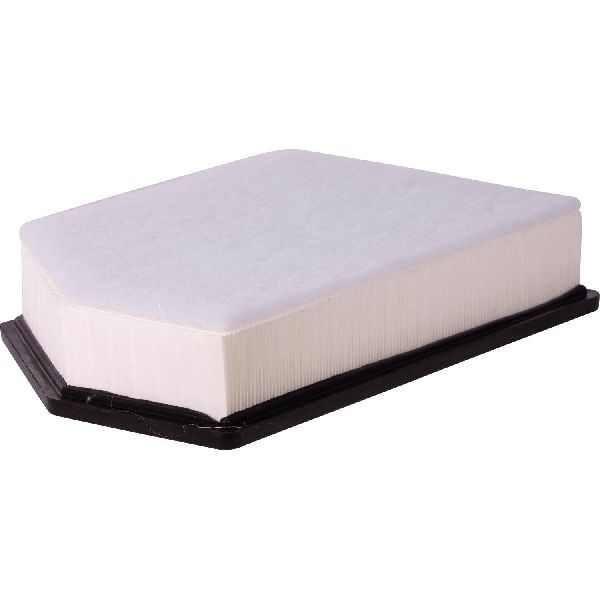
- Engine Air Filter
(OEM #ACDelco A3231C) - DPF Differential Pressure Sensor
- Exhaust Gas Temperature Sensor
(OEM #12683525)
Related Codes That Often Appear With This One
- P2463 — This code means 'DPF Restriction - Soot Accumulation.' It frequently appears with P2459 because an issue with regeneration frequency will inevitably lead to the filter becoming overly full of soot. TSB #24-NA-197 and #23-NA-071 list these codes together.
- P0402 — 'Exhaust Gas Recirculation (EGR) Flow Excessive Detected.' This code is listed alongside P2459 in TSB #23-NA-066, indicating a potential related issue in the emissions system that can contribute to improper combustion and soot levels.
- P242B — 'Exhaust Gas Temperature Sensor Circuit Range/Performance.' This code is also cited in TSB #23-NA-066 and points to a potential failure in one of the sensors critical for managing the DPF regeneration process.
Technical Service Bulletins (TSBs) & Recalls
- Directly addresses P2459 and P2463, identifying non-GM air filters as a potential cause due to their effect on fuel metering and soot accumulation.
- Groups P2459 with several other emissions-related DTCs (P0402, P242B, etc.) and points to a service procedure, often a software update, to correct the condition.
- Addresses a list of DTCs including P2459 and P2463 on 2023 models with the 3.0L LZ0 engine, attributing the cause to a software anomaly and prescribing an ECM update. While for a different engine, it shows a pattern of software fixes for this code.
- Specifically for 2024 models (with the 3.0L LZ0), this TSB identifies a software anomaly causing false P2459 codes, among others, and recommends an ECM update as the fix.
Platform-Specific Known Issues
- Bulletin #24-NA-197: Directly addresses DTC P2459 and P2463. It identifies that an aftermarket or non-GM air filter can cause these codes due to altered fuel metering. The fix is to install an OEM filter and perform a data reset.
- Bulletin #23-NA-066: This TSB lists P2459 among several other engine-related DTCs and provides a procedure to correct the condition, often involving a software update or addressing a related recall.
Mechanic-Grade Diagnostic Values
- DPF Soot Accumulation (Scan Tool PID) — expected: Regeneration should initiate around 100%.. Failure: A 'continue driving' message may appear at 115%. DTC P2463 may set at 140%, requiring a service regeneration.
- DPF Differential Pressure Sensor (Scan Tool PID) — expected: Should read near 0 PSI at idle with a clean filter.. Failure: Consistently high readings at idle, or readings that do not rise with engine RPM, indicate a clogged filter or faulty sensor. Readings during a service regen over 10-12 PSI can be considered high.
- DPF Differential Pressure Sensor Voltage (at connector, unplugged) — expected: Approximately 5.0V on the reference wire with key on, engine off.. Failure: Lack of 5V reference points to a wiring or ECM issue.
- DPF Differential Pressure Sensor Voltage (Scan Tool PID) — expected: Approximately 0.16V - 0.22V at idle.. Failure: Voltage that is stuck high (e.g., near 5.0V) or does not change with engine load suggests a sensor or wiring fault.
- Exhaust Gas Temperature (EGT) Sensor Resistance — expected: Approximately 220 Ohms at room temperature.. Failure: A significantly lower or higher reading (e.g., 112 Ohms) indicates a failed sensor.
Scan Tool Commands That Help
- GDS2 (GM Tech Tool): Service Regeneration — Used to manually command a DPF cleaning cycle when the soot load is too high for a normal driving regen (e.g., when P2463 is set). This is a stationary procedure that can take over an hour.
- GDS2 (GM Tech Tool): Fuel Trim Reset / Small Quantity Data Reset — After replacing major air/fuel components like the DPF, air filter, or injectors, this function resets the learned fuel adjustments in the ECM to adapt to the new parts.
- GDS2 (GM Tech Tool): Injector Flow Rate Programming (IQA) — When replacing a fuel injector, the unique flow rate code (IQA code) from the new injector must be programmed into the ECM for correct fuel delivery.
Wiring & Ground Locations
- DPF Sensor Wiring Harness — Runs along the exhaust system to the DPF pressure and temperature sensors.. This harness is in a very hot environment and is prone to melting or corrosion, which can cause incorrect sensor readings and trigger false P2459 codes.
- Fuel Rail Pressure Sensor Connector — On the fuel rail, to the right of the MAP sensor on top of the intake manifold.. A known issue exists with this connector causing poor contact. GM has a procedure to update the pigtail and apply dielectric gel. A faulty fuel pressure reading can affect combustion and increase soot.
- Charge Air Cooler (CAC) Ducts — The large diameter piping running from the turbocharger to the intercooler and then to the intake manifold.. Loose connections on these ducts are a known cause for P2459. The leak may only occur under load when the engine torques, making it hard to find with a static inspection.
Real Owner Repair Stories
- Diesel Training Group Forum (2020 Chevrolet Silverado 6.6L L5P) — Recurring P2459 code after DPF replacement. Engine oil level was found to be overfull.
❌ Tried (didn't work) DPF was replaced, MAF/MAP sensors cleaned, ECM updated, fuel trim resets performed.
✅ What actually fixed it The primary contributing factor was the customer repeatedly using a non-OEM air filter. The immediate issue of the overfull oil was addressed with an oil change, but the root cause was identified as fuel dilution from incomplete regeneration cycles, exacerbated by the wrong air filter. - Reddit user /u/[deleted] (2013 Duramax LML) — Persistent P2459 code.
❌ Tried (didn't work) Replaced NOx sensors, swapped the 9th injector, performed a service regeneration, and ran a fluid quality test.
✅ What actually fixed it The mechanic found the Mass Airflow (MAF) sensor was covered in dust. After cleaning the MAF sensor, the rate of soot accumulation slowed down to a normal level, resolving the frequent regeneration issue.
"I Checked Everything" — The Actual Cause
- A critical cause for P2459 on these trucks can be a leak in the charge air cooler (CAC) system that only appears under specific conditions. GM TSB #22-NA-013 warns that a static visual inspection or smoke test in the service bay may not reveal a loose CAC duct connection. The leak is most likely to occur during engine roll or when applying brake torque, conditions that shift the engine and powertrain. This causes a temporary unmetered air leak, leading to a rich condition, excessive soot, and triggering frequent regenerations. The fix is to meticulously inspect and tighten all charge air cooler ductwork connections, especially at the throttle body.
OEM Part Supersession History
12647909→12686809— Updated design to address reliability and connection issues.
Heads up: The updated sensor may be part of a kit that includes a new pigtail connector, which should be used.
Model Year Variations Within This Range
- 2024: For the 2024 model year with the updated LZ0/L5P engine, GM issued TSB #24-NA-094. It states that a software anomaly in the Engine Control Module (ECM) can falsely trigger DPF-related codes, including P2459. The official fix is a dealer-installed software update, which should be performed before any hardware is replaced.
- 2020-2025: Starting in the 2020 model year, the L5P engine was paired with the 10-speed Allison transmission, replacing the 6-speed used in 2017-2019 models. While not a direct cause, different transmission calibrations and shift strategies can affect engine load and how DPF regeneration cycles are initiated and completed.
Helpful Videos


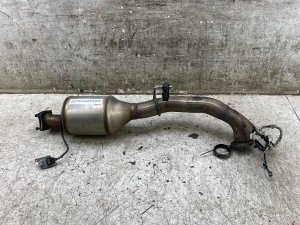
Used OEM Parts in Stock
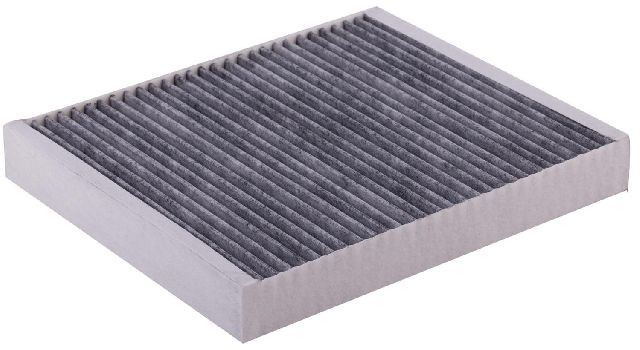
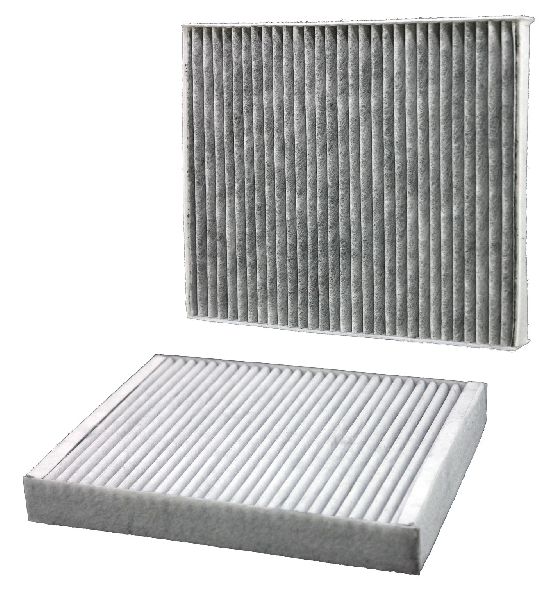
New Aftermarket Parts Available

The information in this article is provided for general reference and educational purposes only. Vehicle specifications, procedures, and part compatibility can vary by production date, trim level, and region. Always consult your vehicle's factory service manual and verify part numbers before purchasing or performing repairs. Safety-critical components such as airbags, seat belts, and braking systems should be installed by a qualified professional.
- Chevrolet SILVERADO 2500:
- 🧭 Diagnostic Flowchart
- 🎬 Helpful Videos
- 🛍️ Shop This Part
- What's Unique About the 2022-2025 Chevrolet SILVERADO 2500
- Symptoms You May Notice
- Most Likely Causes
- Rare But Worth Checking
- Diagnosis Steps
- Parts You'll Likely Need
- Related Codes That Often Appear With This One
- Technical Service Bulletins (TSBs) & Recalls
- Platform-Specific Known Issues
- Mechanic-Grade Diagnostic Values
- Scan Tool Commands That Help
- Wiring & Ground Locations
- Real Owner Repair Stories
- "I Checked Everything" — The Actual Cause
- OEM Part Supersession History
- Model Year Variations Within This Range
- 🎟️ Get 5% Off