

P2459 on 2022-2024 Chevrolet Tahoe 3.0L Duramax: Causes and Fixes for Frequent DPF Regeneration
On the 2022-2024 Tahoe with the 3.0L Duramax diesel, code P2459 is often caused by a leaking intake manifold, as noted in GM TSB #22-NA-128. This is a complex repair requiring manifold replacement and is not a simple sensor or filter issue. Other causes include frequent short trips or, on 2024 models, a software anomaly requiring a dealer update.
- P2459 on a 2022-2024 Tahoe applies specifically to the 3.0L Duramax Diesel engine.
- The most likely cause is a leaking intake manifold, a known issue documented by GM in TSB #22-NA-128.
- For 2024 models, a software update (TSB #24-NA-094) should be the first diagnostic step to rule out a known glitch.
- Before replacing any parts, check for companion codes like P0172 or P2A00 and have a smoke test performed on the intake system.
- Do not replace the expensive DPF assembly; it is almost certainly not the root cause of the problem.
- This repair is complex and should be handled by a professional technician familiar with GM diesel engines.
What's Unique About the 2022-2024 Chevrolet TAHOE
While many issues can cause frequent regeneration, the 2022-2024 Tahoe with the 3.0L Duramax diesel (engine RPO codes LM2 and LZ0) is subject to a specific problem identified by General Motors. A known issue with leaking or cracked intake manifolds can cause incorrect air-fuel ratios, leading to excess soot production. This soot clogs the DPF faster than normal, triggering P2459. GM released Technical Service Bulletin #22-NA-128 which directly links an intake manifold leak to this code, often accompanied by P0172 (Fuel Trim Rich) and P2A00 (O2 Sensor Performance) on this specific diesel engine. Additionally, 2024 models with the LZ0 engine may experience this code due to a software anomaly that requires a dealer-installed update, as noted in TSB #24-NA-094.
Diagnostic Flowchart
Tap your situation to follow the diagnostic path that matches what you're seeing on this vehicle.
Symptoms You May Notice
- Check Engine Light (Malfunction Indicator Lamp) is illuminated
- Vehicle may enter 'limp mode' or reduced power mode
- Decreased fuel economy
- Noticeable increase in the frequency of DPF regeneration cycles, sometimes as often as every 150 miles.
- Excessive black smoke from the exhaust in some cases
- Driver Information Center (DIC) message such as "Keep Driving to Clean Exhaust Filter" may appear.
- Replacing the Diesel Particulate Filter (DPF) assembly. The P2459 code indicates a frequency problem, not necessarily a failed filter. The DPF is often the victim of another problem (like an intake leak), and replacing it without finding the root cause will result in the new filter having the same issue.
Most Likely Causes
- Leaking Intake Manifold 🔴 High Probability → Shop Engine Intake Manifold GM issued TSB #22-NA-128 specifically identifying this as a potential factory-related issue on the 3.0L Duramax engine (both LM2 and LZ0 variants) used in these Tahoes and their platform mates. The leak can be from a crack in the manifold body or a faulty gasket.
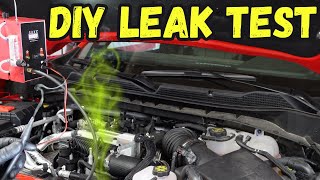
How to confirm: A professional technician should perform a low-pressure (2-5 PSI) smoke test on the intake system to visually identify the source of the leak, as recommended by GM and demonstrated in repair videos.
Typical fix: The intake manifold must be replaced with the updated part. This is a labor-intensive job.
Est. part cost: $400-$600 - Frequent Short-Trip Driving 🟡 Medium Probability This affects all modern diesel vehicles. The engine doesn't get hot enough for a sufficient period to complete a passive or active regeneration cycle, leading to soot buildup. This is common for large SUVs like the Tahoe that may be used for city errands.
How to confirm: Review the vehicle's typical driving patterns. If it rarely sees continuous highway speeds for 20-30 minutes, this is a likely contributor.
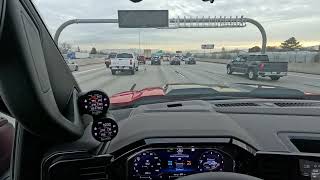
Typical fix: Perform an extended drive at sustained highway speeds (over 50 mph for at least 20-30 minutes) to allow a full regeneration cycle to complete. 🎬 Watch: An in-depth look at how the DPF regeneration process works. If the code clears and stays away, driving habits were the cause.
Est. part cost: $0 - ECM Software Anomaly (2024+ Models) 🟡 Medium Probability GM has identified a software issue in 2024 models with the 3.0L LZ0 engine that can falsely trigger P2459 and other DPF-related codes.
How to confirm: A GM dealer can check the vehicle's VIN against TSB #24-NA-094 to see if the software update applies.
Typical fix: The dealer will perform an Engine Control Module (ECM) software update.
Est. part cost: $0 (if under warranty) - Faulty DPF Pressure Sensor ⚪ Low Probability
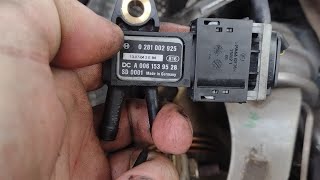
How to confirm: Using a diagnostic scan tool, monitor the DPF pressure sensor data while changing engine RPM. A static, erratic, or out-of-range reading indicates a failed sensor. 🎬 Watch: How to diagnose a faulty DPF differential pressure sensor. The sensor should produce a signal between 0.5V and 4.5V.
Typical fix: Replace the faulty DPF pressure sensor.
Est. part cost: $50-$150
Rare But Worth Checking
- Exhaust leak before the DPF: A leak in the exhaust system before the DPF can alter pressure and temperature readings, tricking the ECM into thinking the filter is full. GM has issued bulletins like #22-NA-168 regarding exhaust leaks causing other emissions codes.
- Clogged EGR Valve or Cooler: → Shop Exhaust Gas Recirculation (EGR) Valve A malfunctioning EGR system can increase the amount of soot produced by the engine, overloading the DPF.
- Faulty Fuel Injectors: Injectors that are leaking or have a poor spray pattern can lead to incomplete combustion and excess soot.
- Engine Wire Harness Chafing: GM has noted in TSBs like #21-NA-149 that the engine wiring harness on the 3.0L LM2 can chafe against various components, potentially causing shorts in sensor circuits that could indirectly lead to this code.
Diagnosis Steps
- First, confirm the vehicle has the 3.0L Duramax Diesel engine (RPO LM2 or LZ0).
- Scan the ECM for all stored trouble codes. Note if P0172, P2A00, or P026D are present with P2459, as this strongly points to the intake manifold leak described in TSB #22-NA-128.
- If the vehicle is a 2024 model, consult a GM dealer to check if TSB #24-NA-094 (ECM software update) applies before performing other diagnostics.
- Perform a professional intake system smoke test at 2-5 PSI to check for leaks, specifically around the intake manifold seals and body. A YouTube video by 'Duramax News' shows this exact test being performed on a 3.0L Duramax. 🎬 Watch: See a smoke test identify a cracked intake manifold.
- If no intake leaks are found, analyze the vehicle's driving history. If it consists primarily of short trips, advise the owner to perform an extended highway drive to force a complete regeneration cycle.
- If the code persists, use a scan tool to monitor the DPF pressure sensor readings. The voltage should change dynamically with engine RPM. If it's stuck, the sensor may be faulty. Check for a 5V reference at the sensor connector with the key on, engine off.
- Inspect the exhaust system between the engine and the DPF for any signs of soot or leaks, which could indicate an exhaust leak affecting sensor readings.
Parts You'll Likely Need
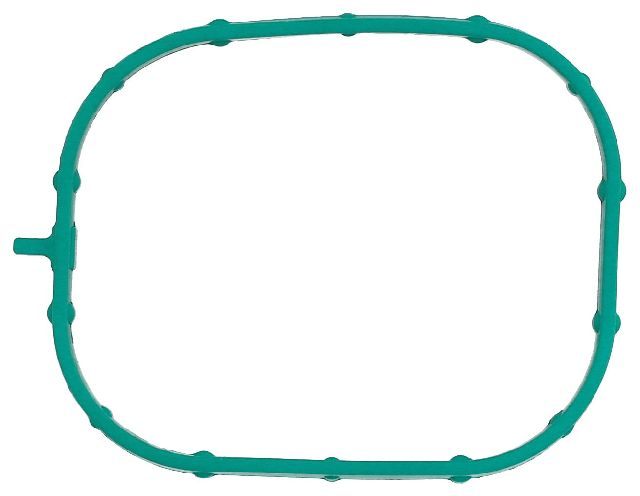
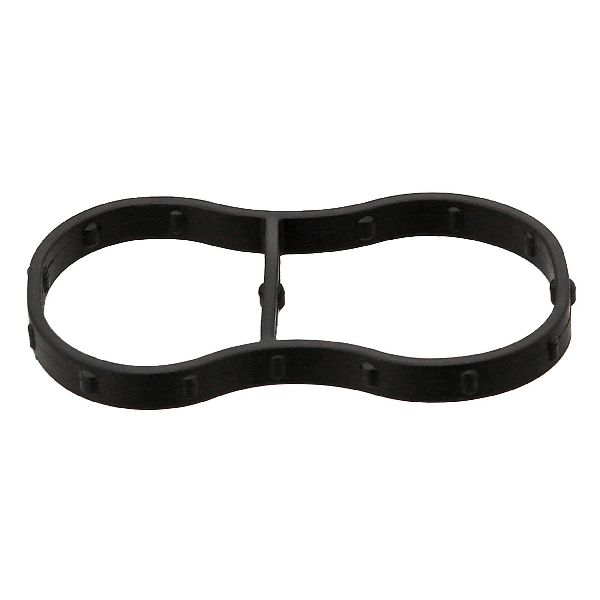
- Intake Manifold
(OEM #55511544)— This is the specific part identified by GM in TSB #22-NA-128 to fix a known leak issue that is the most common cause of P2459 on this engine. It is a direct replacement for the faulty manifold.
Trusted brands: GM Genuine Parts, ACDelco
OEM price range: $400-$600
Aftermarket price range: $300-$500
Related Codes That Often Appear With This One
- P0172 — Fuel Trim System Rich. Per TSB #22-NA-128, an intake manifold leak on this diesel engine causes this code alongside P2459.
- P2A00 — Heated Oxygen Sensor Performance. Also cited in TSB #22-NA-128 as a companion code caused by the intake leak.
- P026D — Fuel Injection Quantity Too High. Another code mentioned in TSB #22-NA-128 related to the intake manifold leak.
- P2463 — DPF Restriction - Soot Accumulation. This code often appears when frequent regeneration attempts (P2459) fail to clear a severely clogged filter.
- P2002 — DPF Efficiency Below Threshold. This can be set alongside P2459, indicating the computer sees a problem with both the frequency of regeneration and the filter's overall performance.
Technical Service Bulletins (TSBs) & Recalls
- 22-NA-128: Malfunction Indicator Lamp (MIL) Illuminated - DTC P0172, P026D, P2459, and/or P2A00 Set. The bulletin states the cause may be a leak at the intake manifold and provides the procedure for replacement. It applies to both LM2 and LZ0 versions of the 3.0L Duramax.
- 24-NA-094: Malfunction Indicator Lamp (MIL) Illuminated with DPF Related DTCs. This bulletin addresses a software anomaly in 2024 models with the LZ0 engine that can cause false P2459 codes. The fix is an ECM software update.
- 21-NA-149: Engine Wire Harness Chafing. This TSB describes potential for the engine harness to rub through on various brackets and components, which could cause a wide variety of DTCs and symptoms, including those related to emissions sensors.
Platform-Specific Known Issues
- According to GM Technical Service Bulletin #22-NA-128, the 3.0L Duramax diesel engine (LM2/LZ0) in 2022-2024 Tahoes can develop a leak at the intake manifold. This unmetered air causes a cascade of problems, including incorrect fuel calculations that create excess soot, forcing the DPF to regenerate too frequently and setting code P2459.
- For 2024 models with the LZ0 engine, TSB #24-NA-094 notes that a software anomaly can cause P2459 and other DPF codes, with the prescribed fix being an ECM update from a dealer.
Mechanic-Grade Diagnostic Values
- DPF Differential Pressure at Idle (3.0L LZ0) — expected: 1 to 2 kPa (10-20 hPa). Failure: A significantly higher reading at idle suggests a physical blockage in the DPF.
- DPF Differential Pressure Sensor Signal Voltage — expected: 0.5V to 4.5V (Key-On, Engine-Off). Failure: A reading outside this range, or a static voltage that doesn't change with RPM, indicates a faulty sensor or circuit.
- DPF Differential Pressure Sensor Reference Voltage — expected: ~5V (Key-On, Engine-Off). Failure: No voltage indicates a wiring or ECM problem.
- High-Pressure Common Rail Fuel System — expected: Up to 36,260 psi (2,500 bar). Failure: While not a direct cause, low fuel pressure can lead to poor combustion and excess soot, contributing to P2459.
- DPF Soot Load Percentage (via Scan Tool) — expected: Rises toward 100% to trigger regeneration, then drops to a low percentage after a successful cycle.. Failure: If P2463 is also present, soot load may be extremely high (e.g., 140% or more), requiring a service regeneration. Frequent regens at lower percentages trigger P2459.
Scan Tool Commands That Help
- GDS2 (GM Global Diagnostic System 2): Service Regeneration — This is a stationary, forced regeneration commanded by the scan tool. It's necessary when the DPF is so clogged (often setting code P2463) that the vehicle will no longer attempt a regeneration while driving.
- GDS2 (GM Global Diagnostic System 2): DPF Data / Exhaust Aftertreatment Data — Use this function to monitor live data parameters like 'DPF Soot Load Percentage', 'DPF Pressure Sensor Voltage', and various Exhaust Gas Temperature (EGT) sensors to diagnose the system's behavior in real-time.
- GDS2 (GM Global Diagnostic System 2): DPF/Catalyst Reset — This function must be performed after replacing the DPF assembly to reset the learned soot and ash accumulation values in the ECM.
- GDS2 (GM Global Diagnostic System 2): Injector Flow Rate Programming — If fuel injectors are suspected or replaced as a root cause for sooting, their individual flow rate data must be programmed into the ECM to ensure correct fueling.
Wiring & Ground Locations
- G103 — Often found on the rear of the driver's side cylinder head or on the cowl above the brake booster.. This is a critical ground for the BCM, Instrument Panel, and Data Link Connector. A poor connection here can cause widespread communication errors and false codes, potentially impacting the emissions system monitoring.
- G104 / G105 / G106 — These are primary engine and chassis grounds located at the front of the engine compartment and on the frame. G104 is often on the lower front of the engine block.. The ECM relies on these grounds. A loose or corroded connection, particularly at G104 or G105, can cause erratic sensor readings and phantom engine codes, including those related to the DPF system.
- DPF Pressure Sensor Connector — On the sensor itself, which is typically mounted on a bracket near the transmission and connected to the DPF via two rubber hoses.. This 3-wire connector is a common failure point. It provides the 5V reference, ground, and signal return to the ECM. Damage or corrosion here will directly cause DPF-related codes.
Real Owner Repair Stories
- Diesel Training Group Forum (via Go-Parts.com) (2020 L5P Duramax (different engine, but analogous DPF issue)) — P2459 code returned shortly after a new DPF was installed.
❌ Tried (didn't work) Replacing the DPF assembly, Inspecting/cleaning MAF and MAP sensors, Updating ECM/TCM software
✅ What actually fixed it The root cause was found to be significant fuel dilution raising the engine oil level. This indicated an upstream fueling issue (like a faulty injector) was creating excessive soot, which was the actual cause of the frequent regenerations.
Model Year Variations Within This Range
- 2022-2023 (LM2) vs. 2024 (LZ0): The 2024 Tahoe uses the updated LZ0 engine. While TSB #22-NA-128 for the intake leak applies to both, the LZ0 has several key differences from the earlier LM2, including new steel pistons (vs. aluminum), new fuel injectors with a different spray pattern, a revised turbocharger, and different glow plugs that operate at a higher voltage (11V vs 5.4V). These changes mean some diagnostic procedures and parts are not interchangeable between the years.
- 2024+: Models with the 3.0L LZ0 engine may trigger P2459 due to a software anomaly that requires a dealer-installed ECM update, per TSB #24-NA-094. This is not a known issue for the earlier LM2 engine.
Helpful Videos

We Have This Part in Stock

The information in this article is provided for general reference and educational purposes only. Vehicle specifications, procedures, and part compatibility can vary by production date, trim level, and region. Always consult your vehicle's factory service manual and verify part numbers before purchasing or performing repairs. Safety-critical components such as airbags, seat belts, and braking systems should be installed by a qualified professional.
- Chevrolet TAHOE:
- 🧭 Diagnostic Flowchart
- 🎬 Helpful Videos
- 🛍️ Shop This Part
- What's Unique About the 2022-2024 Chevrolet TAHOE
- Symptoms You May Notice
- Most Likely Causes
- Rare But Worth Checking
- Diagnosis Steps
- Parts You'll Likely Need
- Related Codes That Often Appear With This One
- Technical Service Bulletins (TSBs) & Recalls
- Platform-Specific Known Issues
- Mechanic-Grade Diagnostic Values
- Scan Tool Commands That Help
- Wiring & Ground Locations
- Real Owner Repair Stories
- Model Year Variations Within This Range
- 🎟️ Get 5% Off