

P2459 on 2013-2018 Ram 2500 6.7L Cummins: DPF Regeneration Frequency Causes and Fixes
This code means the Diesel Particulate Filter (DPF) is self-cleaning (regenerating) too often. The most common cause is a faulty DPF differential pressure sensor or its hoses, a relatively inexpensive fix ($50-$150). Before replacing parts, check for a non-OEM air filter and ensure driving habits include regular highway speeds to allow for complete regeneration cycles.
- P2459 means your DPF is regenerating too often, not necessarily that the DPF itself has failed.
- Before buying any parts, check your engine air filter. Make sure it's an OEM-spec filter, as this is a very common and cheap fix for this specific truck.
- The next most likely cause is a faulty DPF differential pressure sensor and its hoses, which is a DIY-friendly repair for under $150.
- Ensure you are driving the truck at highway speeds regularly to allow the DPF to complete its cleaning cycle.
- Do not ignore this code. While you can still drive, letting it go will eventually lead to a loss of power and a very expensive DPF replacement.
What's Unique About the 2013-2018 Ram 2500
The 6.7L Cummins engine is sensitive to airflow and driving conditions. A very common issue specific to these Ram trucks is the use of incorrect or certain aftermarket air filters, which can disrupt the air-fuel ratio, create excess soot, and trigger a P2459 code. Forum users on Reddit specifically warn against filters with glue straps on the fins, which create air turbulence. Additionally, these trucks are highly dependent on completing full regeneration cycles, and short-trip driving or excessive idling common in some work environments can quickly lead to this code appearing. Owners often find that addressing driving habits or a simple sensor replacement solves the code without needing to replace the expensive DPF assembly.
Generation note: The 2013-2018 model years all fall within the fourth generation of Ram Heavy Duty trucks. However, there was a significant refresh in 2013. While the core causes for P2459 are consistent across this range, later models may have updated software logic for the emissions system. A TSB for 2019+ models highlights issues with non-OEM air filters, a problem that forum users have also noted on earlier fourth-gen trucks. TSB 25-005-24 REV. B was released for 2022-2023 models, indicating that for a persistent P2459, the DPF assembly itself may need replacement due to a manufacturing issue.
Symptoms You May Notice
- Check Engine Light is on
- Message on the dash indicating DPF is full or in regeneration
- Noticeably more frequent active regeneration cycles (change in engine sound, elevated idle)
- Reduced engine power or vehicle entering 'limp mode'
- Decreased fuel economy
- Excessive black smoke from the exhaust.
- Replacing the entire DPF assembly before checking sensors, hoses, and the air filter. The DPF itself is often not the root cause, but rather a symptom of another issue. A Reddit user reported a dealer replaced the DPF and sensor when the actual problem was a non-OEM air filter.
Most Likely Causes
- Faulty DPF Differential Pressure Sensor or Hoses 🔴 High Probability The sensor and its rubber hoses are exposed to extreme heat and vibration, leading to failure, internal blockages, or melting. This is widely reported as the most common hardware failure for this code on forums and by mechanics.
How to confirm: Use an OBD-II scanner to monitor the DPF pressure sensor readings at idle and under load. A sensor that reads zero or an unusually high pressure at idle is suspect. Visually inspect the two connecting hoses for cracks, melting, or blockages. A user on Turbo Diesel Register reported their dealer diagnosed a bad sensor this way.
Typical fix: Replace the DPF differential pressure sensor and both of its connecting hoses. It's recommended to replace the hoses even if they appear undamaged, as they can clog internally.
Est. part cost: $50-$150 - Incorrect or Clogged Engine Air Filter 🔴 High Probability → Shop Air Cleaner Assembly The Cummins ECM is extremely sensitive to airflow. Using an incorrect filter, even one installed by a shop, or certain oiled aftermarket filters can create air turbulence, leading to an incorrect air/fuel mixture, more soot, and triggering P2459. This is a well-documented issue in owner forums like Reddit and Cummins Forum.
How to confirm: Check the installed air filter. Many owners report that filters with glue straps on the fins or certain aftermarket designs cause this code. Compare it to the OEM-specified filter. The correct filter should not have these straps.
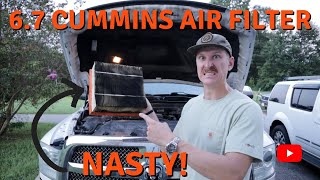
Typical fix: Replace the air filter with a genuine Mopar or Fleetguard part. The recommended Fleetguard part number is AF27688. 🎬 Watch: Step-by-step guide to changing your Cummins air filter. One owner on Reddit confirmed this resolved their issue after a dealer had already replaced the DPF and pressure sensor unnecessarily.
Est. part cost: $30-$70 - Driving Habits (Short Trips / Excessive Idling) 🟡 Medium Probability If the truck is primarily used for short trips or idles for long periods (more than 10 minutes per hour of operation is considered excessive), the exhaust may not get hot enough to complete a passive or active regeneration cycle. This causes soot to build up faster than normal, triggering more frequent regen attempts.
How to confirm: Review your typical driving patterns. If most trips are under 20-30 minutes and don't involve sustained highway speeds, this is a likely contributor. Check your engine idle hours on the trip computer if available.
Typical fix: Drive the truck at a steady highway speed (55+ mph) for at least 30-45 minutes to allow a full regeneration cycle to complete. Incorporating a longer drive into your weekly routine can prevent recurrence.
Est. part cost: $0 - Exhaust Leaks ⚪ Low Probability Cracks in the exhaust manifold or leaks in the piping between the engine and the DPF can alter pressure and temperature readings, confusing the ECM and preventing proper regeneration.
How to confirm: Visually inspect the exhaust system from the engine to the DPF for soot trails, which indicate a leak. Listen for hissing or ticking sounds from the exhaust, especially when the engine is cold.
Typical fix: Replace the leaking gasket or repair/replace the cracked component.
Est. part cost: $20-$500
Rare But Worth Checking
- Failing Exhaust Gas Temperature (EGT) Sensors: → Shop Exhaust Gas Temperature (EGT) Sensor The ECM relies on accurate temperature readings to manage regeneration. A failing EGT sensor can disrupt the process and lead to P2459. One owner on Turbo Diesel Register reported a bad compressor outlet temperature sensor (TMAP) causing the issue, which was diagnosed when it read 205°F on a cold engine.
- Clogged EGR System: A clogged EGR valve or cooler can increase soot production, overwhelming the DPF and causing more frequent regenerations. This is a more common issue on the 2007.5-2012 models but can still occur.
- Failing Fuel Injectors: A faulty injector can lead to incomplete combustion, producing excess soot that clogs the DPF prematurely. This may be accompanied by other codes and is more likely if fuel quality has been inconsistent.
- Cracked or End-of-Life DPF: With high mileage (typically over 100,000 miles), the DPF can become internally cracked or filled with unburnable ash, preventing effective regeneration. This is a last resort after all other causes are ruled out. TSB 25-005-24 REV. B points to this as a potential fix for newer 2022-2023 trucks under warranty.
Diagnosis Steps
- Read the code with an OBD-II scanner and check for any other accompanying codes.
- Analyze your driving habits. If you primarily drive short distances, take the truck for a 30-45 minute drive at sustained highway speeds to initiate a full regen cycle.
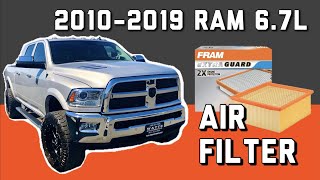
- Inspect the engine air filter. Ensure it is the correct OEM-spec part (e.g., Fleetguard AF27688) and not a problematic aftermarket style with glue straps. 🎬 See which air filter is best for your Ram 2500.
- Visually inspect the DPF differential pressure sensor and its two rubber hoses for any signs of melting, cracks, or loose connections.
- Using a capable scan tool, monitor the live data from the DPF pressure sensor and EGT sensors to ensure they are providing plausible readings at key-on/engine-off and while running.
- Inspect the exhaust system for any signs of leaks (soot streaks) between the turbo and the DPF.
- If the above steps do not resolve the issue, consider a professional diagnosis, which may involve a forced stationary regeneration, EGR system inspection, or testing fuel injectors.
Parts You'll Likely Need
- DPF Differential Pressure Sensor
(OEM #68085750AB)— This sensor is the most common hardware failure leading to P2459. It incorrectly tells the computer the DPF is full, triggering unnecessary regenerations. Part number confirmed for 2014-2018 models.
Trusted brands: Mopar, Bosch, Dorman
OEM price range: $80-$120
Aftermarket price range: $40-$80 - Engine Air Filter
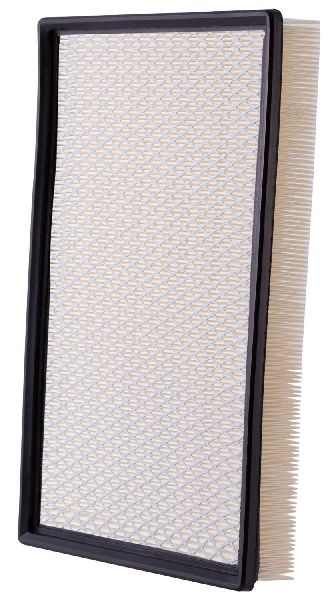
(OEM #68175232AA (Mopar) / AF27688 (Fleetguard))— The 6.7L Cummins is highly sensitive to airflow, and an incorrect or non-OEM spec air filter is a surprisingly common cause of this code.
Trusted brands: Mopar, Fleetguard
OEM price range: $40-$70
Aftermarket price range: $30-$50 - DPF Pressure Sensor Hoses — The rubber hoses connecting the DPF to the pressure sensor are exposed to intense heat and can crack, melt, or become clogged internally, sending false readings.
Trusted brands: Mopar, Gates
OEM price range: $20-$40
Aftermarket price range: $10-$25
Related Codes That Often Appear With This One
- P2463 — This code for 'DPF Restriction - Soot Accumulation' often appears alongside P2459, as the condition causing frequent regenerations is also causing the filter to become genuinely clogged.
- P0299 — This code for 'Turbocharger Underboost' can be caused by the same incorrect air filter that triggers P2459, as air turbulence can affect both boost pressure and soot calculations.
Technical Service Bulletins (TSBs) & Recalls
- 25-005-24 REV. B: Affects 2022-2023 Ram 2500/3500 models. For a persistent P2459 code, this TSB advises that the DPF assembly may need to be replaced.
Platform-Specific Known Issues
- Incorrect Air Filter Design: → Shop Air Cleaner Assembly Multiple forums, including Reddit, explicitly state that air filters with a bead of glue on the fins can cause air turbulence sufficient to trigger P2459 and P0299 codes. Owners must use the OEM design without the glue strap.
- Faulty TMAP Sensor: A documented case on the Turbo Diesel Register forum shows a P2459 code was ultimately caused by a faulty TMAP (Temperature/Manifold Absolute Pressure) sensor that was reading high temperatures at all times, confusing the regeneration logic.
Mechanic-Grade Diagnostic Values
- DPF Differential Pressure Sensor Signal Voltage (KOEO) — expected: 0.738 - 0.77 VDC. Failure: A reading outside this specific range with the key on and engine off indicates a faulty sensor.
- DPF Differential Pressure Sensor General Operating Voltage — expected: ~0.5V (low soot) to ~4.0V (high soot). Failure: Voltage exceeding 4.5V may trigger a circuit high fault, while a static or unresponsive voltage suggests a failed sensor or clogged hose.
- DPF Differential Pressure Sensor Reference Voltage — expected: 5.0V. Failure: A lack of 5V at the sensor's reference pin points to a wiring or ECM issue, not a faulty sensor.
Scan Tool Commands That Help
- wiTECH (or equivalent professional scanner): Forced Regeneration — To manually initiate a DPF cleaning cycle while stationary. This is used to clear excessive soot after a repair or when driving conditions prevent an automatic regen. The process can take 20-60 minutes.
- wiTECH (or equivalent professional scanner): Reset DPF Learned Values / Aftertreatment Maintenance Reset — This is mandatory after replacing the DPF or the differential pressure sensor. It clears the PCM's stored soot and ash load values, forcing it to re-learn the new component's flow characteristics.
Wiring & Ground Locations
- Main Engine Ground — A large black 2/0 gauge cable connects from the negative battery terminal to the left front of the engine block.. A poor main engine ground can cause erratic behavior in all engine sensors, including the DPF pressure sensor, leading to incorrect readings and fault codes.
- Firewall/Cab Ground — Ground straps are typically located on the firewall, with some near the windshield wiper motor or to the right of the steering column under the dash.. These grounds are critical for the proper function of the PCM and interior modules. A faulty firewall ground can lead to intermittent electronic issues and incorrect fault code triggers.
- DPF Sensor Harness — The wiring harness for the DPF sensors runs along the exhaust system on the passenger side of the vehicle.. This harness is in a high-heat environment and is prone to melting or corrosion, which can cause shorted or open circuits for the DPF pressure and temperature sensors, directly leading to P2459.
Real Owner Repair Stories
- YouTube channel 'Adventure Rocks' (2021 Ram 3500 6.7L Cummins (newer model but same engine family and principles)) — Check Engine Light with code P2459 would appear consistently every 400 miles.
❌ Tried (didn't work) Clearing the code would only provide a temporary fix before it returned.
✅ What actually fixed it The owner identified excessive idle time and short trips as the likely cause. The fix was a change in driving habits to minimize idling and the regular use of a fuel additive (Hot Shot's Secret). The code did not return for over 1,500 miles after these changes. - Reddit user in /r/MechanicAdvice (6.7L Cummins (year not specified)) — After having the DPF professionally cleaned and reinstalled, the truck set a new code, P244A (DPF Delta Pressure Too Low).
❌ Tried (didn't work) The DPF was confirmed to be clean and flowing perfectly.
✅ What actually fixed it The technician found a crack in one of the DPF pressure sensor hoses. Replacing both hoses with new silicone ones resolved the P244A code. This story shows that the hoses are a critical failure point and that the ECM can be confused if the DPF flows *too well* combined with a sensor reading issue.
"I Checked Everything" — The Actual Cause
- A common scenario fitting this pattern is when standard diagnostics (like an exhaust smoke test for leaks) find no issues, but the P2459 code persists. The actual cause is often a non-leak-related issue that is specific to this platform, such as the use of an incorrect aftermarket engine air filter. Certain filters with glue straps on the fins create air turbulence that the Mass Airflow sensor cannot correctly interpret, leading to an improper air-fuel mixture, excess soot, and frequent regenerations. A smoke test would never identify this as the root cause.
OEM Part Supersession History
68085750AA→68085750AB— Standard part revision and improvement by the manufacturer.
Heads up: None. The new part number 68085750AB is a direct, backward-compatible replacement for 68085750AA.
Model Year Variations Within This Range
- 2013-2018: Emissions Recall 67A involves a mandatory software update for all 2013-2018 models. This re-calibrates the ECM to adjust DEF dosing and improve emissions performance. Owners should ensure this update has been performed by a dealer, as it can affect the entire aftertreatment system's behavior.
- 2013 vs 2014-2018: 2013 was the first model year to incorporate the Selective Catalytic Reduction (SCR) and Diesel Exhaust Fluid (DEF) system. The physical routing of some DEF system components on 2013 models may differ slightly from 2014-2018 trucks.
- 2018: The 2018 model year received another ECU calibration update. When using aftermarket tuners or diagnostic tools, it is critical to ensure they specifically list support for the 2018 model year revision.
Diagnostic Flowchart
Other Known Issues on This Vehicle
Issues unrelated to this code that are worth knowing about as an owner of this generation:
- Water Pump Failure 🔴 High — Common enough to trigger recall 17V-562 (Chrysler T51) for 2013-2017 models. Failure can occur at various mileages. (Ref: NHTSA 17V-562)
- Cracked Exhaust Manifold 🟠 Medium — Common on high-mileage trucks due to heat cycles. Often presents as a ticking noise when cold.
- VGT Turbo Actuator Failure 🟠 Medium — Actuators can fail electronically or mechanically due to soot and heat, typically after 75,000 miles. Symptoms include poor turbo response and erratic exhaust brake performance.
- "Death Wobble" 🔴 High — A violent oscillation of the front wheels after hitting a bump, common on solid front axle trucks. Caused by worn track bar bushings, ball joints, or other steering components.
- Grid Heater Bolt Failure 🔴 High — The bolt holding the power lead to the grid heater can fail, potentially dropping into the engine and causing catastrophic damage.
- EGR System Clogging 🟠 Medium — The EGR valve and cooler are prone to clogging with soot over time, especially with lots of idling or short trips, leading to performance issues.
Used vs. New Parts: Buying Guide for This Vehicle
When a used part is the smart pick: For this repair, sourcing used parts is generally not recommended for sensors or the DPF itself. The only potential exception would be structural components like exhaust hangers or mounting brackets if they were damaged during repair.
Donor-vehicle mileage cap: roughly under 150000 miles for the part to have meaningful remaining life.
What to inspect on the donor part:
- For DPF pressure sensor hoses: Inspect for any signs of dry rot, cracking, or brittleness. Squeeze the hose to feel for internal blockages.
- For wiring harnesses/connectors: Check for melted plastic, corroded pins, or frayed wires. Ensure locking tabs are intact.
OEM-only on this vehicle (don't cheap out):
- DPF Differential Pressure Sensor: Due to its criticality for triggering regeneration, using a genuine Mopar sensor (or an OEM-supplier equivalent like Bosch) is strongly advised. Inaccurate readings from cheap aftermarket sensors can quickly lead to a recurrence of the P2459 code or, worse, a clogged DPF.
- Diesel Particulate Filter (DPF): If the DPF itself requires replacement, OEM is the safest choice. Aftermarket DPFs can have issues with filter media quality, leading to premature clogging or failure to meet ECM flow parameters.
Aftermarket brands forum-validated for this vehicle:
- Fleetguard (for Air Filter): This is the OEM supplier for Cummins and is highly recommended to avoid airflow-related issues.
- Bosch (for Sensors): Bosch is a major OEM supplier for many electronic components and is generally considered a reliable alternative to Mopar-branded parts.
- Gates (for Hoses): A well-regarded brand for high-quality rubber components like the DPF pressure sensor hoses.
Brands owners have reported issues with on this vehicle:
- No-name/white-box air filters: Specifically avoid any air filters with visible glue straps across the filter media, as these are known to cause turbulence and trigger this code.
- Generic online marketplace sensors: Unbranded DPF pressure sensors sold on platforms like Amazon or eBay are a significant gamble and a common source of repeat failures.
Real Owner Stories
Aggregated from forums and TSBs cited above. Mileages and costs reflect what owners reported in those sources.
2013-2018 Ram 2500 6.7L Cummins I6
Symptoms: P2459 code persisted even after a dealer had replaced the DPF and pressure sensor.
What fixed it: Replacing the incorrect aftermarket air filter with a genuine Mopar or Fleetguard (AF27688) part resolved the issue.
Source hint: Reddit r/ram_trucks/comments/15o2btt/resolved_p2459_67l/
2013-2018 Ram 4500 6.7L Cummins I6
Symptoms: A persistent P2459 code that other diagnostics could not solve.
What fixed it: The issue was ultimately traced to a faulty TMAP (Temperature/Manifold Absolute Pressure) sensor that was reading high temperatures at all times, confusing the regeneration logic. Replacing the sensor fixed the problem.
Source hint: Turbo Diesel Register forum thread titled 'p2459-dpf-regeneration-frequency-high'
2013-2018 Ram 2500 6.7L Cummins I6
Symptoms: Check Engine Light with code P2459.
What fixed it: A dealer diagnosed a bad DPF differential pressure sensor after monitoring its readings with a scan tool. Replacing the sensor and its two connecting hoses resolved the code.
Source hint: Turbo Diesel Register forum thread titled 'p2459-dpf-regeneration-frequency-high'
Related OBD-II Codes
Frequently Asked Questions
What is the first and cheapest thing I should check on my Ram 2500 for a P2459 code?
I only use my truck for short trips around town. Could this be causing the P2459 code?
I'm replacing the DPF differential pressure sensor. Do I need to replace the hoses too?
Can a cracked exhaust manifold on my Cummins cause this P2459 code?
My dealer mentioned TSB 25-005-24 REV. B for my P2459 code. Does this apply to my 2017 Ram 2500?
Are there any other less common sensor failures that can trigger P2459 on these trucks?
Helpful Videos
We Have This Part in Stock
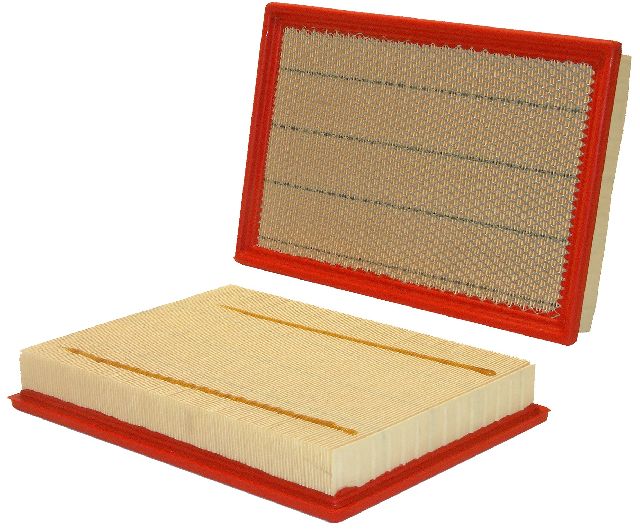
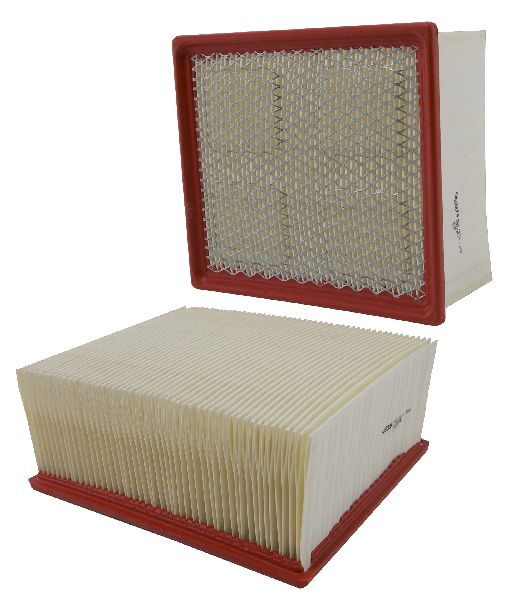

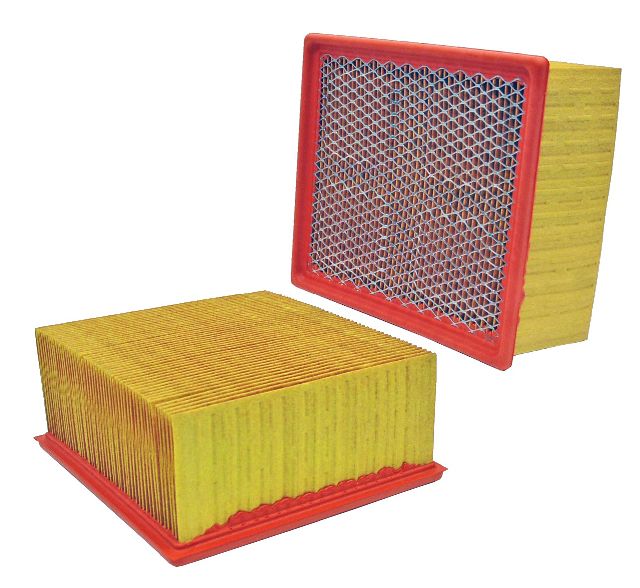
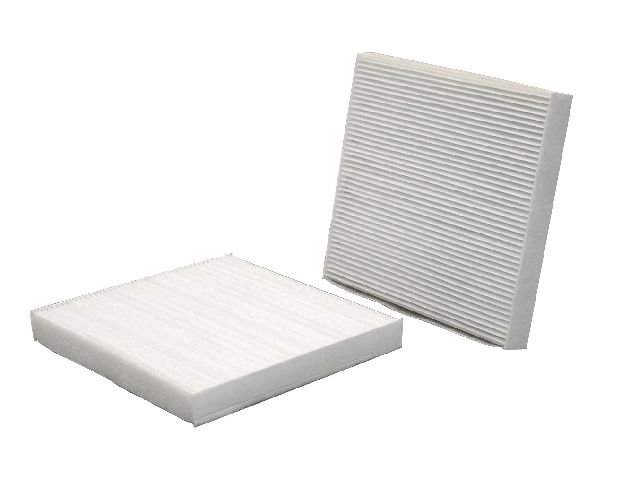

The information in this article is provided for general reference and educational purposes only. Vehicle specifications, procedures, and part compatibility can vary by production date, trim level, and region. Always consult your vehicle's factory service manual and verify part numbers before purchasing or performing repairs. Safety-critical components such as airbags, seat belts, and braking systems should be installed by a qualified professional.
- Ram 2500:
- 🧭 Diagnostic Flowchart
- 🎬 Helpful Videos
- 🛍️ Shop This Part
- What's Unique About the 2013-2018 Ram 2500
- Symptoms You May Notice
- Most Likely Causes
- Rare But Worth Checking
- Diagnosis Steps
- Parts You'll Likely Need
- Related Codes That Often Appear With This One
- Technical Service Bulletins (TSBs) & Recalls
- Platform-Specific Known Issues
- Mechanic-Grade Diagnostic Values
- Scan Tool Commands That Help
- Wiring & Ground Locations
- Real Owner Repair Stories
- "I Checked Everything" — The Actual Cause
- OEM Part Supersession History
- Model Year Variations Within This Range
- Other Known Issues on This Vehicle
- Used vs. New Parts: Buying Guide for This Vehicle
- Real Owner Stories
- 2013-2018 Ram 2500 6.7L Cummins I6
- 2013-2018 Ram 4500 6.7L Cummins I6
- 2013-2018 Ram 2500 6.7L Cummins I6
- Related OBD-II Codes
- Frequently Asked Questions
- 🎟️ Get 5% Off