

P2459 on 2014-2015 Ram ProMaster 3.0L EcoDiesel: DPF Regeneration Frequency Fixes
This code means the Diesel Particulate Filter (DPF) is regenerating too frequently. The most common causes are short-trip driving habits, outdated engine software that needs a TSB-related update, or a faulty DPF pressure sensor. Addressing this early can prevent a completely clogged and very expensive DPF replacement.
- P2459 means the DPF is cleaning itself too often, usually due to a problem causing it to fill with soot too quickly.
- Before replacing any parts, ensure the vehicle's engine software is up-to-date, as Ram issued specific updates to fix this issue.
- Your driving habits are a major factor. Avoid frequent short trips and allow the van to drive at highway speeds for 20-30 minutes regularly.
- If parts are needed, the DPF pressure sensor and EGT sensors are the most likely culprits, not the expensive DPF itself.
- Ignoring this code will lead to a loss of power and can result in a completely clogged DPF, a very expensive repair.
What's Unique About the 2014-2015 Ram PROMASTER
For the 2014-2015 ProMaster with the 3.0L EcoDiesel (Iveco F1C), this code is particularly significant due to multiple Technical Service Bulletins (TSBs) issued by Ram. These TSBs (including #18-018-15 REV B and #18-038-15 REV-B) involved software updates to correct the logic for DPF regeneration and address a cluster of related codes. This indicates that in many cases, the issue may not be a faulty part but rather a flaw in the original engine calibration that a dealer reflash can fix. 🎬 Watch: How a dealership performs a PCM software update. Additionally, TSB #09-013-16 notes that code P2459 can be triggered following a cylinder head replacement, a unique diagnostic clue for this platform where an incorrect head may have been installed during a previous repair.
Diagnostic Flowchart
Tap your situation to follow the diagnostic path that matches what you're seeing on this vehicle.
Symptoms You May Notice
- Check Engine Light illuminated
- DPF or emissions system warning light on the dashboard
- Vehicle entering reduced power or 'limp' mode
- Noticeably more frequent regeneration cycles, sometimes under 150 miles
- Reduced fuel economy due to extra fuel used during frequent regens
- Poor acceleration and sluggish engine performance
- Strong diesel exhaust odor from incomplete soot burn-off
- Replacing the Diesel Particulate Filter (DPF) without diagnosing the root cause. A clogged DPF is often a symptom of another problem, such as a bad sensor, outdated software, or poor driving habits. Replacing the expensive filter without fixing the underlying issue will likely result in the new filter clogging as well.
Most Likely Causes
- Outdated Powertrain Control Module (PCM) Software 🔴 High Probability → Shop Engine Control Module (ECM) Ram released multiple TSBs (#18-018-15 REV B, #18-038-15 REV-B, #18-018-15 REVA) to update the PCM software, which directly addressed faulty logic causing P2459 and related codes. This is often the first and most important step.
How to confirm: A Ram dealership or a well-equipped independent shop with a wiTECH tool can check the vehicle's current software calibration ID against the latest version available from FCA/Stellantis.
Typical fix: Updating the PCM software to the latest version. This is a non-negotiable first step if the software is outdated.
Est. part cost: $100-$250 (for 0.5-1.0 hour of dealer labor if not covered by warranty or a specific campaign) - Restrictive Driving Style (Short Trips) 🔴 High Probability Like all modern diesels, the ProMaster's DPF needs sustained highway speeds to get hot enough for 'passive' regeneration. Frequent short trips, stop-and-go traffic, or excessive idling prevent this, causing the system to rely on more frequent 'active' regenerations, which triggers the code.
How to confirm: Review the vehicle's typical usage pattern. If it consists mainly of city driving or trips under 20 minutes, this is a likely contributor. The dealer may dismiss the code as user-related if this pattern is confirmed.
Typical fix: Incorporate a longer drive (20-30 minutes) at sustained highway speeds (over 50 mph) at least once per tank of fuel to allow the DPF to complete a full passive regeneration cycle.
Est. part cost: $0 - Faulty DPF Differential Pressure Sensor 🟡 Medium Probability This sensor tells the PCM how full the DPF is by measuring pressure before and after the filter. If the sensor provides an inaccurate high reading, the PCM will think the filter is full and trigger regenerations too often. The sensor and its rubber hoses are exposed to extreme heat and can fail or get clogged.
How to confirm: A technician can use a scan tool to monitor the sensor's voltage and pressure readings at idle and under load. At idle with a clean filter, the pressure should be near zero (~0.5V). If it reads high pressure when it shouldn't, the sensor is suspect. Also, visually inspect the sensor's hoses for cracks, melting, or blockages.
Typical fix: Replace the DPF differential pressure sensor and its hoses.
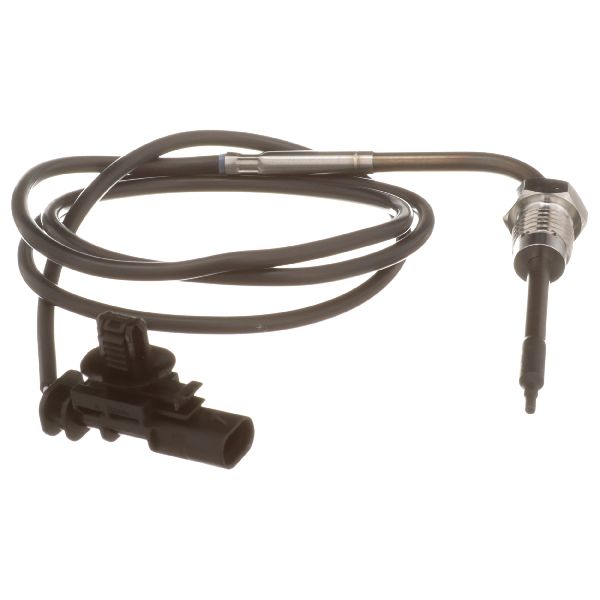
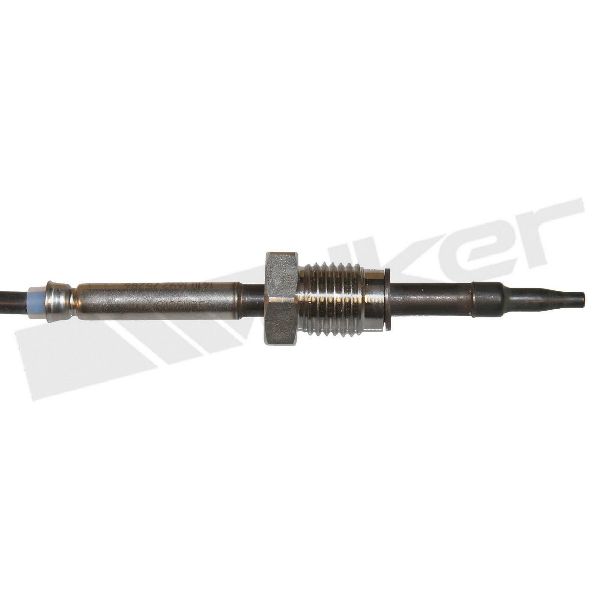
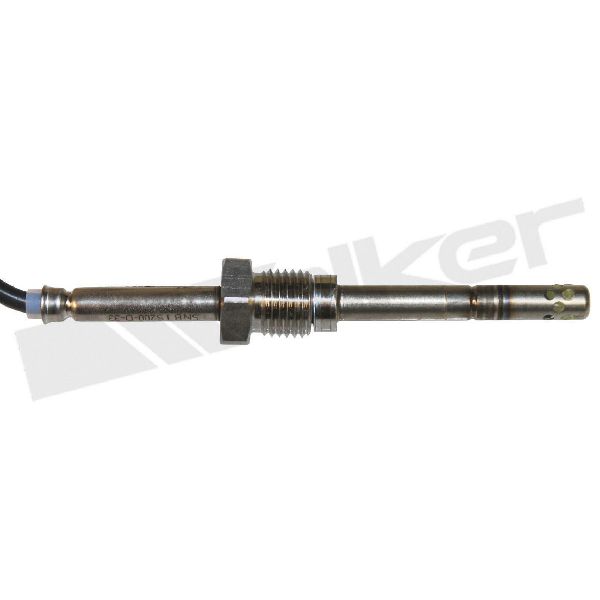
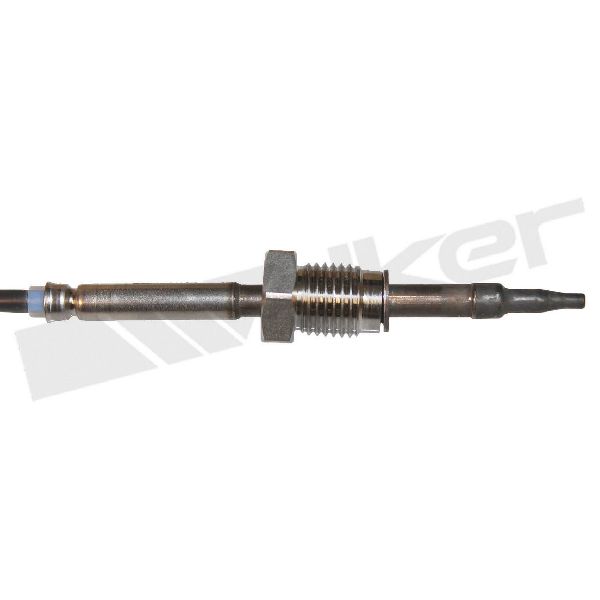
Est. part cost: $50-$150 - Faulty Exhaust Gas Temperature (EGT) Sensors 🟡 Medium Probability → Shop Exhaust Gas Temperature (EGT) Sensor The PCM relies on multiple EGT sensors to monitor temperatures needed to start and control the regeneration process. A faulty sensor providing an inaccurate reading can disrupt this process, leading to incomplete or improperly timed regenerations, which causes the PCM to try again too soon.
How to confirm: Use a scan tool to compare the readings of all EGT sensors with the engine cold (they should all be near ambient temperature) and at operating temperature. A sensor that is reading significantly different from the others is likely faulty. A resistance test can also be performed; one TSB for a similar engine specifies a resistance between 200 and 240 ohms at room temperature (65-75 °F).
Typical fix: Replace the failed EGT sensor.
Est. part cost: $80-$200 per sensor - Underlying Engine Issue Causing Excess Soot ⚪ Low Probability Problems like a faulty/clogged EGR valve, leaking fuel injectors, a failing turbocharger, or even a restricted air filter can cause incomplete combustion. This produces excess soot that clogs the DPF much faster than normal, leading to frequent regeneration demands.
How to confirm: This requires deeper diagnostics, including checking EGR valve operation with a scan tool, monitoring fuel trims for injector issues, and inspecting the turbo and air intake system for proper function and restrictions. A dirty Mass Airflow (MAF) sensor can also be a cause.
Typical fix: Repair the root cause, such as cleaning or replacing the EGR valve, replacing a faulty injector, or replacing a clogged air filter.
Est. part cost: $150-$1000+
Rare But Worth Checking
- Recent Cylinder Head Replacement: NHTSA TSB #09-013-16 specifically states that code P2459 (along with P2458 and P2002) may be set as a result of a recent cylinder head replacement. This was due to incorrect cylinder heads being installed in some cases. The fix involves installing the correct head and performing a forced DPF regeneration with a scan tool.
- Incorrect Air Filter Installed: → Shop Air Cleaner Assembly A restricted air intake can cause a rich-running condition and excess soot. In one documented case on a Ram forum, a dealer service department installed the wrong air filter, which restricted airflow and repeatedly caused the P2459 code until the correct filter was installed.
Diagnosis Steps
- Connect a professional-grade OBD-II scanner (like wiTECH for Ram) and check for P2459 and any other stored codes.
- Check with a Ram dealer or use a vehicle history service to see if TSBs #18-018-15 or #18-038-15 have been performed. If the PCM software is not the latest version, this is the mandatory first step.
- Using the scanner, monitor live data for the DPF differential pressure sensor. The reading should be close to 0 kPa or 0 PSI at idle with the engine warm (~0.5V). If it shows significant pressure, the sensor or its hoses may be faulty or clogged.
- Monitor all EGT sensors while the engine warms up. They should rise together. A sensor that lags or is stuck at a certain temperature is faulty.
- Analyze the 'soot mass' or 'DPF percent full' PID on the scan tool. If it's rising unusually fast during normal driving, it points to an upstream issue causing excess soot (e.g., EGR, injectors, air filter). A regeneration is typically triggered when the value reaches 80-100%.
- Visually inspect the hoses for the DPF pressure sensor for any cracks, melting, kinks, or blockages from soot.
- If sensor readings are good and software is up-to-date, analyze the vehicle's driving patterns. If it's primarily short trips, advise a long highway drive (30+ minutes at 50+ MPH) to attempt a full passive regeneration.
- If a passive regeneration doesn't occur or fails, a forced stationary regeneration may be required using the scan tool. This should only be done by a professional in a safe, well-ventilated outdoor location as it generates extreme exhaust heat.
- If the code returns quickly after a successful regeneration and software update, investigate upstream causes like the EGR system, fuel injectors, or turbocharger issues.
Parts You'll Likely Need
- DPF Differential Pressure Sensor
(OEM #68211211AA (Verify with VIN))— This sensor is a common failure point and directly controls the PCM's decision to start a regeneration cycle. An incorrect reading can easily cause the P2459 code. It is relatively inexpensive and easy to replace.
Trusted brands: Mopar, Bosch, Standard Motor Products
OEM price range: $100-$180 - Exhaust Gas Temperature (EGT) Sensor — Failed EGT sensors can prevent the system from reaching or maintaining the correct temperature for regeneration, leading to failed or incomplete cycles that prompt the system to try again too frequently.
Trusted brands: Mopar, Bosch
OEM price range: $80-$200 - PCM Software Update — Not a physical part, but a required service. The original engine software logic was flawed, as acknowledged by multiple TSBs. Without the updated software, the problem will likely persist even if physical parts are replaced.
Trusted brands: FCA/Stellantis Dealer Service
OEM price range: $100-$250
Related Codes That Often Appear With This One
- P2458 — Stands for 'Diesel Particulate Filter Regeneration Duration'. It often appears with P2459 as both relate to incorrect regeneration timing. This is confirmed by TSBs #0901316 and #18-018-15 REV B.
- P2463 — Stands for 'Diesel Particulate Filter - Soot Accumulation'. This code indicates the DPF is excessively clogged, which is the direct cause of the frequent regeneration attempts flagged by P2459. It is cited alongside P2459 in TSBs #18-018-15 REV B and #18-038-15 REV-B.
- P2002 — Stands for 'Diesel Particulate Filter Efficiency Below Threshold'. This suggests the DPF is no longer effectively trapping soot, which can be related to the same issues causing P2459. It is mentioned in TSB #0901316.
- P0402 — Stands for 'Exhaust Gas Recirculation (EGR) Flow Excessive Detected'. A faulty EGR system can increase soot production, leading to DPF issues. This code is mentioned in TSB #18-038-15 REV-B.
Technical Service Bulletins (TSBs) & Recalls
- 0901316: Notes that P2459 may be set after a cylinder head replacement.
- 18-018-15 REV B: Recommends a PCM software update to address P2459 and other DTCs.
- 18-038-15 REV-B: Recommends a PCM software update for P2459 and other emissions-related codes.
- 18-018-15 REVA: An earlier version of the software update TSB also addressing P2459.
Platform-Specific Known Issues
- Multiple software updates were issued by Ram to fix the logic that triggers this code. Checking for the latest PCM calibration is a critical first step. (TSB #18-018-15 REV B, #18-038-15 REV-B)
- The code may appear after a cylinder head replacement, suggesting a potential issue with sensor re-installation or adaptation after the repair. (TSB #0901316)
Mechanic-Grade Diagnostic Values
- DPF Differential Pressure Sensor Signal Voltage (Key On, Engine Off) — expected: ~0.5V. Failure: A reading above 4.8V may indicate a short to power. A reading significantly different from 0.5V suggests a sensor or circuit fault.
- DPF Differential Pressure at Idle — expected: Near 0 PSI / 0 kPa. Failure: A high pressure reading (e.g., over 1-2 PSI) at idle indicates a blockage in the DPF or sensor hoses.
- Exhaust Gas Temperature (EGT) Sensor Resistance — expected: 200 - 240 ohms at room temperature (65-75 °F / 18-25 °C). Failure: Resistance outside of this range indicates a faulty sensor.
Scan Tool Commands That Help
- wiTECH: Reprogram the PCM — This is the primary step to resolve P2459 if the vehicle's software is outdated, as specified in multiple TSBs. A battery charger supplying 13.2-13.5 volts must be connected during the flash.
- wiTECH: SCR DEF Tank Fluid Level Reset — This procedure is required after a PCM reprogram on some related models, as noted in service bulletins. It helps recalibrate the emissions system.
- Scan Tool (General): Forced/Manual Regeneration — Used when the DPF is too clogged for a passive (driving) regeneration to occur, or when a new DPF has been installed. This should be performed by a professional in a safe location due to extreme heat.
- Scan Tool (General): ECM Reset — After replacing DPF system components like sensors or the filter itself, an ECM reset is often required to clear fault memory and allow the system to properly calibrate with the new parts.
Wiring & Ground Locations
- Primary Engine Ground Strap — A braided strap that connects from the transmission case to a bolt on the top of the driver-side transmission mount. It is accessible by removing the driver-side headlight assembly.. A poor engine ground can cause inconsistent or corrupted data from all engine sensors, including the DPF pressure and temperature sensors, leading to incorrect DPF calculations and fault codes. Some owners have added a secondary ground cable from a starter bolt to the chassis frame to resolve intermittent electrical issues.
- DPF Differential Pressure Sensor Connector — The sensor is mounted in the engine compartment, away from direct exhaust heat. It is connected via two rubber hoses to the DPF.. The wiring to this sensor is a common failure point. A short, open, or corrosion in the 5V reference, ground, or signal wire will cause incorrect pressure readings and trigger DPF-related codes.
OEM Part Supersession History
68224043AB→68297576AA— Part has been updated by the manufacturer.
Heads up: This is the Temperature/Pressure Sensor DPF 1/1.68167870AB→68297577AA— Part has been updated by the manufacturer.
Heads up: This is the Temperature/Pressure Sensor DPF 1/2.68217109AA→N/A— This is a common Mopar part number for the DPF differential pressure sensor for 2014-2018 models.
Model Year Variations Within This Range
- 2014, 2015: While mechanically very similar, the 2014 and 2015 models have different specific TSBs for the PCM software update (e.g., 18-018-15 REV B for 2014 and 18-038-15 REV-B for 2015). It is critical to use the correct TSB for the specific model year when having a dealer perform the reflash.
Helpful Videos
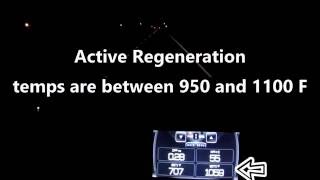
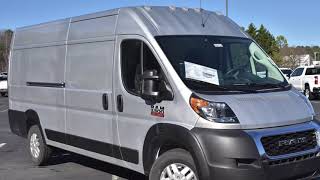
Used OEM Parts in Stock
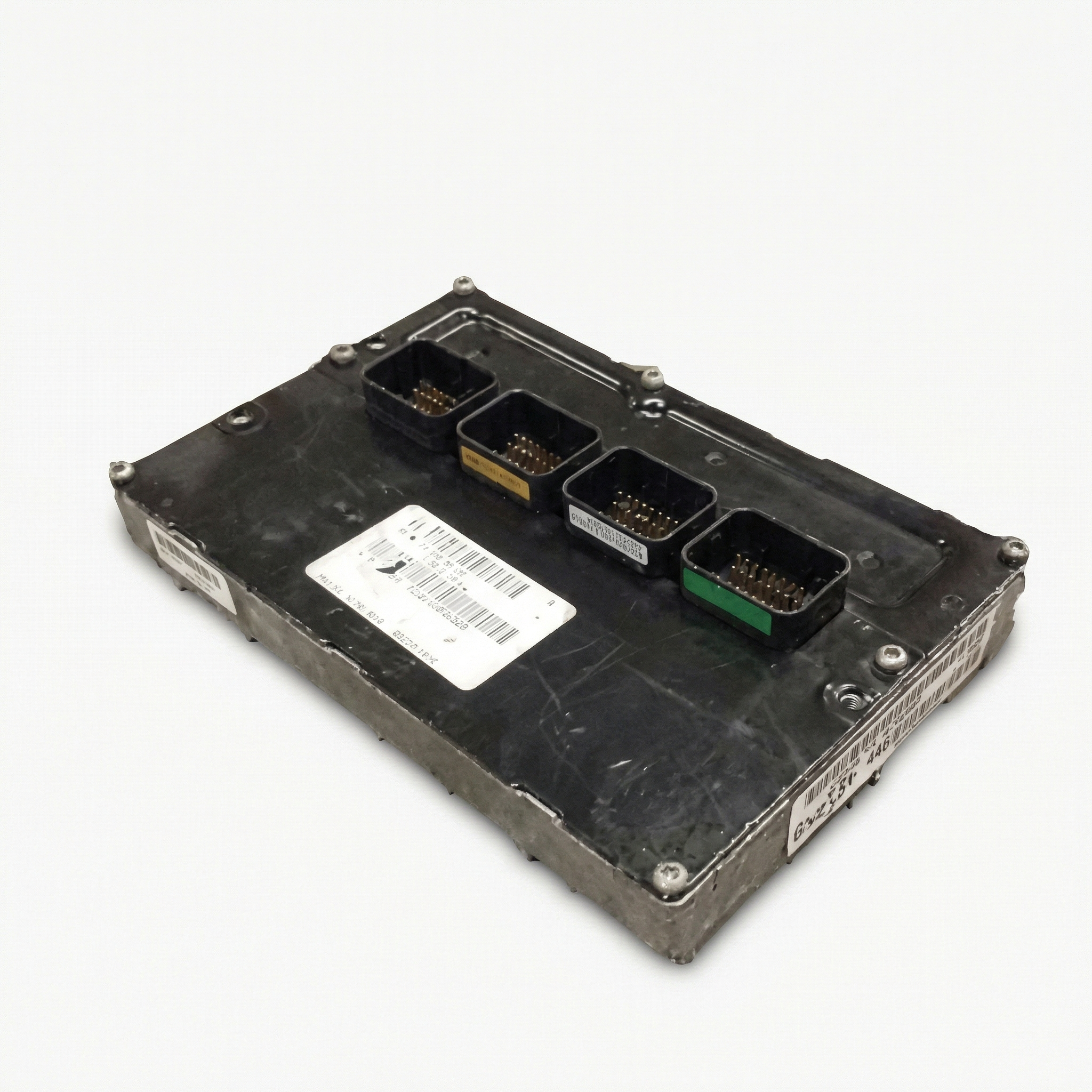
New Aftermarket Parts Available


The information in this article is provided for general reference and educational purposes only. Vehicle specifications, procedures, and part compatibility can vary by production date, trim level, and region. Always consult your vehicle's factory service manual and verify part numbers before purchasing or performing repairs. Safety-critical components such as airbags, seat belts, and braking systems should be installed by a qualified professional.
- Ram PROMASTER:
- 🧭 Diagnostic Flowchart
- 🎬 Helpful Videos
- 🛍️ Shop This Part
- What's Unique About the 2014-2015 Ram PROMASTER
- Symptoms You May Notice
- Most Likely Causes
- Rare But Worth Checking
- Diagnosis Steps
- Parts You'll Likely Need
- Related Codes That Often Appear With This One
- Technical Service Bulletins (TSBs) & Recalls
- Platform-Specific Known Issues
- Mechanic-Grade Diagnostic Values
- Scan Tool Commands That Help
- Wiring & Ground Locations
- OEM Part Supersession History
- Model Year Variations Within This Range
- 🎟️ Get 5% Off