

P2463 on 2007-2014 Chevrolet Express 3500: DPF Soot Accumulation Causes & Fixes
This code means the Diesel Particulate Filter (DPF) is clogged with soot. It's most often caused by frequent short trips or excessive idling that prevent the filter from self-cleaning. The fix is often a forced 'regeneration' at a shop, but it can also point to a failed DPF pressure sensor or its related hoses.
- P2463 on your Express van means the diesel exhaust filter (DPF) is clogged with soot.
- The most common cause is a driving style with too many short trips or too much idling, which prevents the filter from self-cleaning.
- Before replacing any expensive parts, try driving at highway speed for 30 minutes to allow a regeneration cycle to run.
- If the code persists, the next most likely culprits are a faulty DPF pressure sensor or its clogged hoses, which are much cheaper to fix than the DPF itself.
- Ignoring this code will lead to a severe loss of engine power and can cause permanent, costly damage to the DPF.
What's Unique About the 2007-2014 Chevrolet EXPRESS 3500
The 2007-2014 Express 3500 vans use either the LMM or LGH Duramax diesel engines, which were among the first GM engines to incorporate a DPF system. These vans are often used for commercial purposes involving short trips, stop-and-go driving, and extended idling (e.g., as ambulances or delivery vehicles). This type of use is the primary reason for DPF regeneration cycles not completing, leading to soot overload and the P2463 code. The provided TSB #10-06-05-002L specifically calls out this scenario, linking the code to DIC messages like 'Clean Exhaust Filter' and clarifying that a service regeneration for this reason may not be a warrantable repair. [TSB #10-06-05-002L]
Diagnostic Flowchart
Tap your situation to follow the diagnostic path that matches what you're seeing on this vehicle.
Generation note: This range covers two Duramax engine versions in the Express van: the LMM (approx. 2007.5-2010) and the LGH (approx. 2010-2016). The LMM was the first Duramax with a DPF. The LGH is a detuned version of the LML engine, built specifically for van and chassis cab applications, often paired with a 6L90E transmission instead of the Allison found in trucks. The diagnostic approach for P2463 is nearly identical, but the LMM uses a post-combustion injection event to introduce fuel for regeneration, while the LGH uses a dedicated '9th injector' located in the exhaust downpipe.
Symptoms You May Notice
- Check Engine Light illuminated
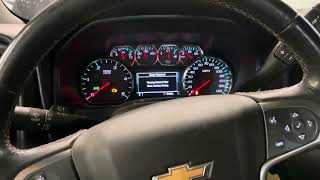
- Message on the Driver Information Center (DIC) such as "Clean Exhaust Filter See Owners Manual Now" or "Cleaning Exhaust Filter Keep Driving Until Message is Cleared". [TSB #10-06-05-002L, 13]
- Reduced engine power (Limp Mode), often with a "Reduced Engine Power" message.
- Inability to maintain higher RPMs.
- Increased engine temperature.
- Excessive black smoke from the exhaust (less common, as the DPF is designed to trap it).
- Vehicle will not perform a driver-initiated or automatic regeneration.
- Replacing the entire DPF assembly without first diagnosing the pressure sensor and its hoses. A clogged DPF is often a symptom of another problem, not the root cause.
- Assuming the DPF is bad when the actual cause is an upstream issue like a boost leak, faulty thermostat, or bad injector creating too much soot for the system to handle.
Most Likely Causes
- Insufficient DPF Regeneration Due to Driving Style 🔴 High Probability Express vans are often used for local deliveries or as work vehicles, involving short trips and lots of idling, which prevents the exhaust from getting hot enough for long enough to trigger or complete a passive or active DPF regeneration. GM TSBs explicitly state this is the expected primary cause.
How to confirm: Review the vehicle's typical usage pattern. A scan tool can show the 'soot mass' value (P2463 often sets when soot mass exceeds 70 grams) and time/distance since the last successful regeneration. A high number of engine hours vs. mileage is also an indicator.
Typical fix: Once P2463 is set, a 'forced' or 'service' regeneration must be performed by a shop with a diagnostic scan tool. A manual regeneration by driving is usually disabled by the system at this stage.
Est. part cost: $0-$250 (for shop labor) - Failed DPF Pressure Sensor 🟡 Medium Probability The sensor is exposed to heat and exhaust byproducts. Over time, it can fail electronically or become clogged with soot or moisture, sending false high-pressure readings to the PCM, even if the filter is clean.
How to confirm: With a scan tool, monitor the DPF pressure sensor voltage or pressure reading with the key on, engine off (should be zero or near-zero psi). If the reading is high with the engine off, the sensor is faulty. At idle, voltage should be around 0.5V.
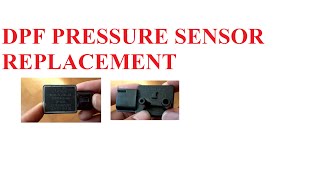
Typical fix: Replace the DPF pressure sensor. This is a common DIY repair. 🎬 See this walkthrough on how to change a pressure sensor.
Est. part cost: $50-$150 - Clogged DPF Pressure Sensor Hoses/Pipes 🟡 Medium Probability The rubber hoses or metal pipes connecting the sensor to the DPF can become clogged with soot, debris, or frozen condensation, trapping pressure and causing the sensor to report a false restriction. This is a very common point of failure, sometimes happening when the sensor itself is replaced.
How to confirm: Disconnect the hoses from the sensor and inspect them for blockages. A smoke test is an effective way to check for leaks or blockages in the pipes. Attempt to blow low-pressure compressed air through them to ensure they are clear. Check for cracks, melting, or kinks.
Typical fix: Clean the hoses/pipes thoroughly or replace them if they are damaged, cracked, or collapsed. Aftermarket silicone hoses are available for better durability.
Est. part cost: $20-$70 - Underlying Engine Issue Causing Excessive Soot ⚪ Low Probability Problems with fuel injectors, the EGR system, a collapsed air filter, or the turbocharger (e.g., boost leaks) can lead to an overly rich fuel mixture, producing more soot than the DPF can handle. A stuck-open thermostat preventing the engine from reaching operating temperature can also inhibit regeneration.
How to confirm: If P2463 returns quickly after a forced regeneration, a full engine diagnostic is needed. Look for other trouble codes related to fuel, air, or EGR systems. Check for collapsed air filters or boost leaks from CAC hoses. A scan tool's Air Leak Equivalence Ratio parameter can help identify induction system leaks.
Typical fix: Repair the root cause, which could be anything from replacing a faulty injector to cleaning the EGR valve or replacing a thermostat.
Est. part cost: $200-$2000+
Rare But Worth Checking
- Exhaust Leak: An exhaust leak upstream of the DPF can alter pressure readings and affect regeneration temperatures, potentially contributing to the code. Rotted studs on the DPF flange are a known issue.
- Incorrect Engine Oil: Using engine oil that is not low-ash (API CJ-4 or newer spec) can lead to premature clogging of the DPF with unburnable materials (ash), which cannot be cleared by regeneration.
- PCM Software Issue: In some cases, the PCM may have updated software available from GM to improve the DPF regeneration logic. A dealer or qualified shop can check for available updates.
- Failed 9th Injector (LGH Engine): On the 2010-2014 LGH engine, a dedicated '9th injector' sprays fuel into the exhaust to initiate regeneration. If this injector or its fuel line clogs, regeneration will fail and lead to P2463.
Diagnosis Steps
- Verify the code P2463 is present using an OBD-II scanner. Check for other codes like P2459 (Regen Frequency) or P0299 (Underboost) and address them first.
- Using a capable scan tool, check the DPF soot level (often displayed as a percentage or in grams). A value over 100% or above 70 grams confirms a critical restriction.
- Visually inspect the DPF pressure sensor hoses for cracks, melting, kinks, or blockages. Disconnect and ensure they are clear by blowing low-pressure air through them. A smoke test is also highly effective.
- Test the DPF pressure sensor. With a scan tool (Key On, Engine Off), the sensor should read 0 psi or very close to it. If it shows significant pressure, it is faulty. Check for 5V reference and good ground at the connector.
- Inspect the air intake system for a collapsed or extremely dirty air filter, which can cause excess soot.
- If the sensor and hoses are good, perform a forced/service regeneration using a professional bidirectional scan tool 🎬 Watch: How to perform a forced regeneration using a scanner. (like a GM GDS2). Monitor exhaust temperatures (EGT sensors) to ensure the system is getting hot enough (over 1000°F).
- If the forced regeneration fails or the code returns immediately, investigate upstream causes: faulty injectors, EGR issues, boost leaks (check Air Leak Equivalence Ratio PID), or a faulty thermostat preventing the engine from reaching operating temperature.
- If all other components are verified to be working correctly and the DPF soot level cannot be reduced, the DPF itself may be permanently clogged with ash (from high mileage/wrong oil) and require professional off-vehicle cleaning or complete replacement.
Parts You'll Likely Need
- Diesel Particulate Filter (DPF) Pressure Sensor
(OEM #ACDelco 213-4689 (GM 12643999) or GM 12598445 (Verify by VIN))— This sensor is a common failure point, sending incorrect data that falsely triggers the P2463 code. It can fail electronically or get clogged internally.
Trusted brands: ACDelco, Bosch, Dorman, Walker Products
OEM price range: $80-$150
Related Codes That Often Appear With This One
- P2459 — Stands for 'Diesel Particulate Filter Regeneration Frequency'. This code often appears with P2463 because the PCM detects that it is attempting to regenerate the DPF too often, which is a direct symptom of the filter being persistently clogged.
- P0299 — Stands for 'Turbocharger/Supercharger Underboost'. A boost leak from a cracked charge air cooler (CAC) hose or other issue can cause a rich-running condition, creating excess soot that overloads the DPF and leads to P2463.
- P2453 — Stands for 'Diesel Particulate Filter Pressure Sensor A Circuit Range/Performance'. This code directly indicates that the signal from the DPF pressure sensor is illogical, which can be the root cause of a false P2463 trigger.
Technical Service Bulletins (TSBs) & Recalls
- 10-06-05-002L: Addresses information on 'Clean Exhaust Filter' messages displayed on the DIC and the potential for DTC P2463 to be set. It clarifies this is often due to driving habits and a service regen may not be a warranty repair.
- PI0845: A Preliminary Information bulletin that instructs technicians to check for air/boost leaks (especially at the Charge Air Cooler) before performing a service regeneration for P2463.
Platform-Specific Known Issues
- Per GM Technical Service Bulletin #10-06-05-002L, this code is directly associated with DIC messages prompting the driver to clean the exhaust filter, confirming that incomplete regeneration cycles are the primary intended trigger for this code on these vehicles.
- A Reddit user with a 2007.5 LMM documented a repair journey for P2463 that involved replacing rotted DPF flange studs, a failed pressure sensor, and kinked sensor pipes. After a forced regen, the 'Clean Exhaust Filter' message returned, highlighting how persistent the issue can be and sometimes requires multiple attempts or parts to fix.
Mechanic-Grade Diagnostic Values
- DPF Pressure Sensor Voltage (Key On, Engine Off) — expected: ~0.5V (after initial key-on plausibility check). Failure: A reading significantly higher than 0.5V, or a reading that shows pressure (e.g., 1.0V or higher) when the engine is off, indicates a faulty sensor or blocked hose.
- DPF Pressure Sensor Voltage (Engine at Idle) — expected: Approx. 0.5V - 0.7V. Failure: A voltage significantly higher than 0.7V at idle suggests a restriction in the DPF.
- DPF Pressure Sensor Voltage (Engine at ~2000 RPM, Full Load) — expected: Approx. 1.6V (for an unrestricted DPF). Failure: Voltage approaching or exceeding 4.0V indicates an excessively restricted DPF.
- DPF Pressure Sensor - 5V Reference Wire Voltage — expected: 4.5V - 5.0V. Failure: Voltage significantly lower or higher than the 5V reference indicates a wiring or ECM issue, not a sensor failure.
- Scan Tool PID: DPF Soot Mass — expected: Rises with driving, drops to near 0g after regeneration.. Failure: P2463 typically sets when soot mass exceeds 70 grams. Service regeneration may be disabled by the ECM if soot mass exceeds 120 grams on some models.
- Scan Tool PID: Air Leak Equivalence Ratio (with EGR commanded closed) — expected: Between 0.80:1 and 1.20:1. Failure: A value outside this range strongly suggests an air leak in the induction system (e.g., charge air cooler hoses), which can cause excessive soot.
Scan Tool Commands That Help
- GM GDS2 / Tech2: Service Regeneration — This is the primary tool-commanded function to clear a heavily loaded DPF when P2463 is set and normal regeneration is disabled. It runs the engine at high RPM in a stationary position to burn off soot.
- GM GDS2 / Tech2: DPF/Catalyst 2 Reset — This function may be required after performing a service regeneration or replacing DPF components to reset the learned values in the ECM.
- GM GDS2 / Tech2: Injector Quantity Adjustment (IQA) — If diagnosis leads to replacing a fuel injector on the LMM engine, the 13-digit IQA code from the new injector must be programmed into the ECM for proper engine operation.
Wiring & Ground Locations
- Main Engine Ground Strap — On many Duramax models, a primary ground cable runs from the battery negative terminal to the front of the engine block on the passenger side. Another strap often connects the rear of the driver's side cylinder head to the firewall.. A poor engine ground can cause erratic behavior in all sensors, including the DPF pressure sensor and exhaust gas temperature sensors, leading to incorrect readings and failed regenerations.
- DPF Pressure Sensor Connector — The sensor is typically mounted on a bracket on the transmission bellhousing or on the frame rail, connected by two rubber hoses to pipes on the DPF.. This connector is the primary point for testing the sensor's 5V reference, ground, and signal wires. The wiring harness in this area is subject to heat and vibration, making it a potential point of failure.
OEM Part Supersession History
GM 12598445→GM 12630257, ACDelco 213-4689 (GM 12643999)— Part has been updated/revised by the manufacturer over time.
Heads up: While multiple part numbers exist and are often cross-referenced, it is critical to verify the correct part number by VIN as there can be subtle differences in calibration or physical design between engine (LMM/LGH) and model years.
Model Year Variations Within This Range
- 2007.5-2010 (LMM Engine): Regeneration is achieved by post-combustion injection events (injecting fuel on the exhaust stroke). This method can lead to fuel dilution of the engine oil if regenerations are frequent or interrupted.
- 2010-2014 (LGH Engine): Regeneration is achieved using a dedicated 9th injector (hydrocarbon injector) that sprays fuel directly into the exhaust stream upstream of the DPF. This system avoids engine oil dilution but adds the 9th injector and its fuel line as a potential failure point.
- 2011-2013 (LGH Engine): TSB PI0845 specifically addresses these years for a condition where the service regeneration may not run if soot accumulation exceeds 120 grams, requiring a specific bypass procedure or an ECM calibration update.
Helpful Videos

We Have This Part in Stock


The information in this article is provided for general reference and educational purposes only. Vehicle specifications, procedures, and part compatibility can vary by production date, trim level, and region. Always consult your vehicle's factory service manual and verify part numbers before purchasing or performing repairs. Safety-critical components such as airbags, seat belts, and braking systems should be installed by a qualified professional.
- Chevrolet EXPRESS 3500:
- 🧭 Diagnostic Flowchart
- 🎬 Helpful Videos
- 🛍️ Shop This Part
- What's Unique About the 2007-2014 Chevrolet EXPRESS 3500
- Symptoms You May Notice
- Most Likely Causes
- Rare But Worth Checking
- Diagnosis Steps
- Parts You'll Likely Need
- Related Codes That Often Appear With This One
- Technical Service Bulletins (TSBs) & Recalls
- Platform-Specific Known Issues
- Mechanic-Grade Diagnostic Values
- Scan Tool Commands That Help
- Wiring & Ground Locations
- OEM Part Supersession History
- Model Year Variations Within This Range
- 🎟️ Get 5% Off