

P2463 on 2024-2026 Ram 3500: DPF Soot Accumulation Causes and Fixes
P2463 on a 2024-2026 Ram 3500 means the Diesel Particulate Filter (DPF) is restricted with soot. This is often due to a failed DPF pressure sensor or its hoses, but can also mean the DPF itself is clogged and needs a forced regeneration or cleaning. Ignoring it can lead to 'limp mode' and expensive turbo or DPF damage.
- P2463 means your Ram's Diesel Particulate Filter (DPF) is clogged with soot.
- Before assuming the expensive DPF is bad, always check the DPF pressure sensor and its hoses first, as they are common, cheaper failure points.
- Driving habits matter: regular highway driving helps the DPF clean itself and can prevent this code from appearing.
- This code can be linked to official manufacturer TSBs, which means a dealer may have a specific software update or repair procedure to fix the root cause.
- Ignoring this code will lead to reduced power (limp mode) and can cause permanent, costly damage to the emissions system.
What's Unique About the 2024-2026 Ram 3500
On modern Ram trucks with the 6.7L Cummins engine, the emissions system is complex and sensitive. The P2463 code is common and often linked to issues beyond just a full filter, such as software glitches or related sensor failures. Manufacturer Technical Service Bulletins (TSBs) for this generation of Ram show that P2463 can appear alongside turbocharger (P0299), fuel pump communication (U0109), and other DPF performance codes (P1451, P2459), suggesting that the root cause may not be in the DPF itself but in a related system causing inefficient combustion or faulty sensor readings. [Bulletin #08-350-25, Bulletin #18-009-26 REV.A, Bulletin #18-014-26]
Diagnostic Flowchart
Tap your situation to follow the diagnostic path that matches what you're seeing on this vehicle.
Symptoms You May Notice
- Check Engine Light is on
- DPF warning light or "Exhaust Filter Full" message on the dash
- Reduced engine power and sluggish acceleration (limp mode)
- Increased fuel consumption
- Vehicle may fail to perform or complete a regeneration cycle
- Noticeable smell of rich diesel exhaust
- In severe cases, black smoke from the exhaust
- Immediately replacing the DPF. The DPF is the most expensive part of the system. The actual cause is very often a much cheaper component like the pressure sensor or its hoses. Always diagnose these first.
Most Likely Causes
- Faulty DPF Differential Pressure Sensor 🔴 High Probability These sensors are exposed to harsh exhaust conditions and moisture, causing them to fail internally or drift out of calibration, tricking the PCM into thinking the filter is clogged. It is estimated that sensor-related issues account for a majority of P2463 cases.
How to confirm: Use an OBD-II scanner to monitor the DPF pressure sensor's live data (voltage or pressure). The reading should be near zero at idle and increase smoothly with engine RPM. If it's stuck at a high or low value, or reads erratically, the sensor is likely bad.
Typical fix: Replace the DPF differential pressure sensor. It is typically located on the passenger side of the transmission, connected by two hoses.
Est. part cost: $50-$250 - Clogged or Melted DPF Pressure Sensor Hoses 🟡 Medium Probability The rubber hoses connecting the DPF to the pressure sensor can become clogged with soot or melt due to their proximity to the hot exhaust system, leading to incorrect pressure readings. One owner story mentioned melted hoses mimicking a sensor failure on a Ram 2500.
How to confirm: Visually inspect the hoses that run from the DPF to the pressure sensor. Check for blockages by blowing compressed air through them (when disconnected). Look for cracks, kinks, or signs of melting.
Typical fix: Clean or replace the damaged hoses. The upstream tube is available as a Mopar part.
Est. part cost: $20-$80 - DPF is Genuinely Clogged with Soot 🟡 Medium Probability Frequent short trips, prolonged idling, or city driving prevent the exhaust from getting hot enough to trigger a passive DPF regeneration. Service managers often warn owners that even a few hours of idling can contribute to clogging.
How to confirm: If the sensor and hoses are good, check the soot level (PID) with a diagnostic scan tool. If the level is critically high (e.g., showing 100% or more) and a highway drive doesn't clear it, a forced regeneration is needed. If forced regeneration fails to lower the soot percentage, the filter is likely the problem.
Typical fix: Perform a forced (stationary) DPF regeneration using a capable scan tool. If regeneration fails, the DPF may need to be professionally cleaned or, in worst-case scenarios, replaced.
Est. part cost: $1500-$4000 for DPF replacement - Exhaust Gas Temperature (EGT) Sensor Failure ⚪ Low Probability → Shop Exhaust Gas Temperature (EGT) Sensor The DPF regeneration process requires precise temperature control. If an EGT sensor fails, the PCM cannot initiate or sustain regeneration, allowing soot to accumulate.
How to confirm: Use a scan tool to monitor readings from all EGT sensors. Compare them to each other; they should read similarly when the engine is cold and rise logically as the engine warms up. A sensor that is stuck or reads illogically needs to be replaced.
Typical fix: Replace the faulty EGT sensor.
Est. part cost: $80-$200
Rare But Worth Checking
- Upstream Exhaust Leak: A leak in the exhaust system before the DPF can alter the pressure differential, causing the sensor to report an inaccurate reading and trigger the code.
- PCM Software Issue: As noted in multiple TSBs (e.g., 18-093-22, 18-010-21), the logic for DPF regeneration can sometimes be flawed. A dealer may need to update the PCM software to the latest version to correct regeneration timing, frequency, and sensor interpretation.
- Turbocharger Underboost (related to code P0299): TSB #08-350-25 and others explicitly link P2463 with P0299 'Turbocharger Underboost'. An underperforming turbo leads to inefficient combustion, which creates excessive soot and overloads the DPF, triggering the P2463 code.
Diagnosis Steps
- Scan for Codes: Use an OBD-II scanner to confirm P2463 and check for any other related codes, such as P0299 or P242F.
- Inspect DPF Pressure Sensor Hoses: Visually inspect the two hoses running from the DPF to the pressure sensor. They are often located on the passenger side, above the transmission. Check for cracks, melting, or blockages.
- Check DPF Pressure Sensor Live Data: With the engine running, monitor the DPF pressure sensor readings. The pressure should be low at idle and increase steadily with RPM. If the reading is stuck high, low, or doesn't change, the sensor is likely faulty.
- Inspect Sensor Wiring: Check the wiring harness and connector for the DPF pressure sensor for any signs of damage, corrosion, or chafing, which can be an issue on Ram trucks.
- Attempt Highway Regeneration: If safe to do so, drive the vehicle at sustained highway speeds (over 50 mph) for at least 20-30 minutes to see if a passive regeneration will occur and clear the code. One owner reported success by driving in a lower gear to keep RPMs up.
- Perform Forced Regeneration: If a highway drive fails, use a bidirectional scan tool (like AlfaOBD or the dealer's wiTECH) to command a stationary DPF regeneration. This procedure gets the DPF extremely hot to burn off soot. Follow the tool's instructions carefully. Be aware that multiple attempts may be needed.
- Check Upstream Components: If the code returns quickly, investigate upstream issues that could create excess soot, such as faulty injectors, turbocharger problems (P0299), or a clogged EGR system.
- DPF Cleaning/Replacement: If regeneration fails repeatedly and the soot/ash level remains high, the DPF is likely too clogged and will require professional off-vehicle cleaning or complete replacement.
Parts You'll Likely Need
- DPF Differential Pressure Sensor
(OEM #5149229AA, 56044587AB)— This sensor is the primary input for the P2463 code and is a very common failure point. It frequently misreports a clogged filter when the sensor itself is the problem.
Trusted brands: Mopar, Bosch, Standard Motor Products, Autopart Premium
OEM price range: $100-$250
Aftermarket price range: $30-$120 - DPF Pressure Sensor Hose/Tube
(OEM #68363173AC (Upstream Tube))— The hoses connecting the sensor can get clogged with soot or melt from exhaust heat, causing incorrect readings.
Trusted brands: Mopar
Related Codes That Often Appear With This One
- P1451 — This code for 'Diesel Particulate Filter System Performance' often accompanies P2463, as seen in TSBs #18-009-26 REV.A and #18-014-26, indicating a general problem within the DPF system.
- P2459 — This code for 'Diesel Particulate Filter Regeneration Too Frequent' can be a precursor or companion to P2463, suggesting the truck is trying but failing to clear the soot. [Bulletin #18-014-26]
- P0299 — A 'Turbocharger Underboost' condition can lead to inefficient combustion, creating excess soot that clogs the DPF faster than normal. This link is confirmed in TSBs #08-350-25, #18-093-22, and #18-010-21.
- P242F — This code indicates 'DPF Restriction - Ash Accumulation'. Ash is the non-burnable material left after soot regeneration. If this code appears with P2463, it suggests the DPF is at the end of its service life and may require professional cleaning or replacement.
Technical Service Bulletins (TSBs) & Recalls
- 18-009-26 REV.A
- 08-350-25
- 18-014-26
- 18-093-22
- 18-010-21
- 18-102-22 REV. A
- 18-048-20 REV. A
Platform-Specific Known Issues
- Recurring Failures After Replacement: Owners report experiencing the P2463 code even after having the entire emissions system replaced by the dealer, sometimes multiple times. This suggests the root cause is not always the DPF itself but may be related to driving habits (idling) or underlying software/sensor issues that are not fully resolved.
- Forced Regen Ineffectiveness: A common owner complaint is that even when a forced regeneration is successfully initiated with a diagnostic tool, the soot level reported by the PCM does not decrease, and the P2463 code remains. This often points back to a faulty pressure sensor providing bad data, rather than a truly clogged filter.
- Warranty vs. Reliability Dilemma: Due to the high frequency of emissions system issues, some owners express a desire to perform a 'delete' (removing the DPF/emissions equipment) to gain reliability, but are constrained by warranty and legal concerns. This highlights the significant impact this fault has on owner confidence.
Mechanic-Grade Diagnostic Values
- DPF Differential Pressure Sensor Signal Voltage — expected: 0.5V to 4.5V (Key On, Engine Off). Failure: Voltage is outside the expected range, or does not change when revving the engine.
- DPF Differential Pressure Sensor 5V Reference — expected: 4.5V to 5.0V. Failure: Voltage is outside the specified range, indicating a wiring or PCM issue.
- DPF Differential Pressure Sensor Ground Circuit — expected: 0V. Failure: Any significant voltage reading indicates a bad ground.
- DPF Pressure (Live Data) — expected: 0-2 PSI at idle, up to 10 PSI under load.. Failure: Readings are stuck high at idle, or show erratic jumps that don't correspond to engine RPM.
Scan Tool Commands That Help
- AlfaOBD / wiTECH: Diesel Particulate Filter (DPF) Regeneration — To command a stationary (forced) regeneration to burn off excessive soot when a passive highway regen is not possible or has failed. This is a primary step when P2463 is active and the filter is confirmed to be clogged.
- AlfaOBD: DPF regeneration enabling — This function may need to be executed before the main regeneration command will be accepted by the PCM, essentially preparing the system for the forced regen.
- wiTECH / other advanced scanners: DPF Replacement / DPF Service Reset — This is a mandatory step after the physical DPF unit has been replaced or professionally cleaned. It resets the PCM's learned values for soot and ash load, ensuring the new/clean filter is monitored correctly.
- wiTECH / other advanced scanners: DPF Sensor Reset — After replacing the DPF differential pressure sensor, this function resets adaptations and tells the ECU to learn the values from the new sensor, starting from a 'zero' state.
Real Owner Repair Stories
- YouTube user @SteeveeDan (Ram 1500 EcoDiesel (similar DPF system logic)) — "Exhaust Filter 100% Full See Dealer" message, Service Electronic Throttle Control message, truck in limp mode.
❌ Tried (didn't work) Using a VLinker OBD interface, which failed to connect properly.
✅ What actually fixed it The owner purchased the AlfaOBD software ($54) and an OBDLink MX+ interface ($139). They successfully initiated a forced DPF regeneration. The process took multiple cycles, dropping the soot load from 100% to 80%, then to 60%. After the procedure, all warning lights and messages cleared, and the truck exited limp mode.
OEM Part Supersession History
68085750AA→68085750AB— Revision/update for improved reliability.
Heads up: This part is for the 4th Generation Ram (2013-2018) and is not compatible with the 2019+ models.N/A→68312096AB— New part for the updated 5th Generation platform.
Heads up: This is the correct sensor for 2019-2024+ Ram 2500/3500 trucks and is not backward compatible with earlier generations.5149044AA, 68043725AA→5149229AA— Supersession for older models.
Heads up: This part is for early 6.7L Cummins engines (2007.5-2012) and is not compatible with the target vehicle range.
Model Year Variations Within This Range
- 2019+: The DPF Differential Pressure Sensor part number is 68312096AB, which is different from the one used on 2013-2018 models.
- 2019+: The instrument cluster includes a DPF status/soot load percentage display under 'Vehicle Info', allowing the driver to monitor filter status directly without a scan tool. This feature was not present on pre-2019 models.
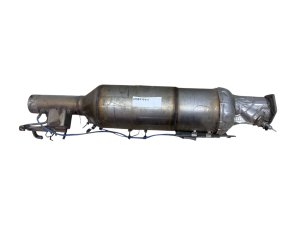
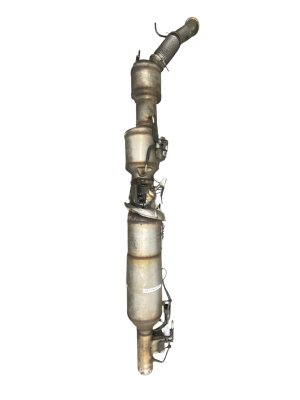
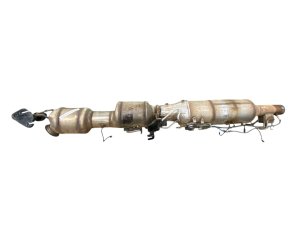
We Have This Part in Stock

The information in this article is provided for general reference and educational purposes only. Vehicle specifications, procedures, and part compatibility can vary by production date, trim level, and region. Always consult your vehicle's factory service manual and verify part numbers before purchasing or performing repairs. Safety-critical components such as airbags, seat belts, and braking systems should be installed by a qualified professional.
- Ram 3500:
- 🧭 Diagnostic Flowchart
- 🛍️ Shop This Part
- What's Unique About the 2024-2026 Ram 3500
- Symptoms You May Notice
- Most Likely Causes
- Rare But Worth Checking
- Diagnosis Steps
- Parts You'll Likely Need
- Related Codes That Often Appear With This One
- Technical Service Bulletins (TSBs) & Recalls
- Platform-Specific Known Issues
- Mechanic-Grade Diagnostic Values
- Scan Tool Commands That Help
- Real Owner Repair Stories
- OEM Part Supersession History
- Model Year Variations Within This Range
- 🎟️ Get 5% Off