

P2504 on 2014 Ram 2500: Charging System Output High Causes and Fixes
On a 2014 Ram 2500, code P2504 indicates the charging system voltage is too high. The most common causes are a failing alternator or outdated Powertrain Control Module (PCM) software. Before replacing parts, check for available software updates, as multiple Technical Service Bulletins (TSBs) address this exact issue with a PCM reflash, especially on the 6.7L Cummins engine.
- P2504 means the charging system voltage is too high, not too low.
- Before replacing any parts on a 2014 Ram 2500, check with a dealer for available PCM software updates, as this is a very common and documented fix.
- If a hardware repair is needed, the most likely culprit is the alternator, specifically its internal voltage regulator.
- Always verify the integrity of battery cables and ground connections before replacing expensive components.
What's Unique About the 2014-2014 Ram 2500
For the 2014 Ram 2500, particularly those with the 6.7L Cummins engine, this code is frequently not a simple hardware failure. Chrysler (now Stellantis) issued multiple Technical Service Bulletins (TSBs) indicating that the original PCM software is often too sensitive and can incorrectly flag a high voltage condition. 🎬 Watch: Understand the causes behind high voltage engine error codes. In many cases, the actual fix is a software update (a 'reflash') performed by a dealer, which adjusts the monitoring parameters. This is a critical first check before assuming the alternator or battery is bad, as confirmed by numerous owner experiences and official manufacturer documents.
Diagnostic Flowchart
Tap your situation to follow the diagnostic path that matches what you're seeing on this vehicle.
Symptoms You May Notice
- Check engine light is on
- Red battery warning light may be illuminated on the dashboard
- Flickering headlights or interior lights
- Engine stalling, especially at idle
- Noticeable decrease in fuel efficiency
- Voltage gauge on the instrument cluster reading unusually high (above 15V)
- Prematurely failing batteries due to overcharging
- Strange behavior from other electronic modules due to inconsistent voltage
- Replacing the battery is a common misdiagnosis. While a faulty battery can cause many electrical issues, it is not typically the cause of a high voltage code. The alternator is responsible for generating voltage, not the battery.
- Replacing the alternator without checking for software updates first is the most common expensive mistake on this specific vehicle, given the well-documented TSBs.
Most Likely Causes
- Outdated PCM Software 🔴 High Probability Manufacturer TSBs #18-096-16, #18-042-15, and #1800414 specifically list P2504 as a code that can be resolved with a software update to improve system performance and diagnostics for the 6.7L engine. This indicates the original diagnostic thresholds were too sensitive.
How to confirm: A Ram dealership or a qualified shop with access to OEM software (like wiTECH) can check your vehicle's VIN for available PCM updates. The TSBs explicitly state this is a known issue.
Typical fix: Perform a PCM reflash with the latest manufacturer-approved software. This is a non-mechanical repair that adjusts the voltage monitoring logic. Dealer labor costs for a reflash are typically 1-2 hours, with prices ranging from $175 to $300 reported by owners.
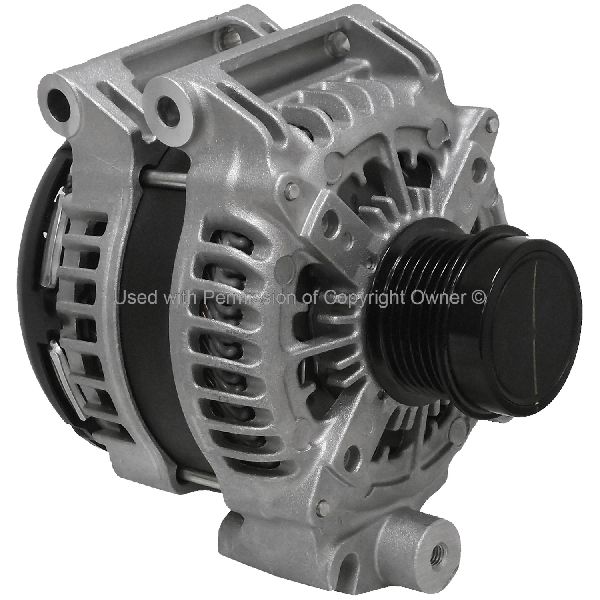
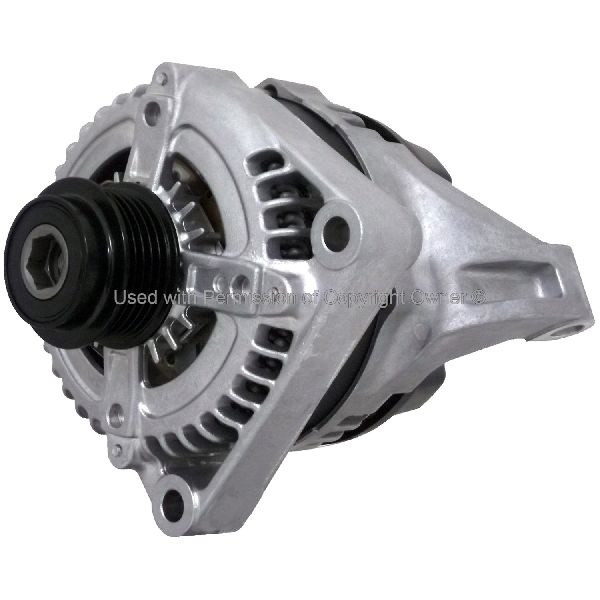
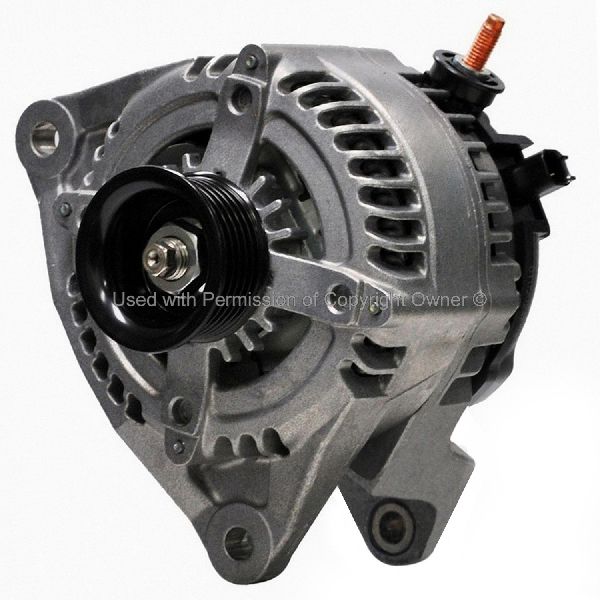
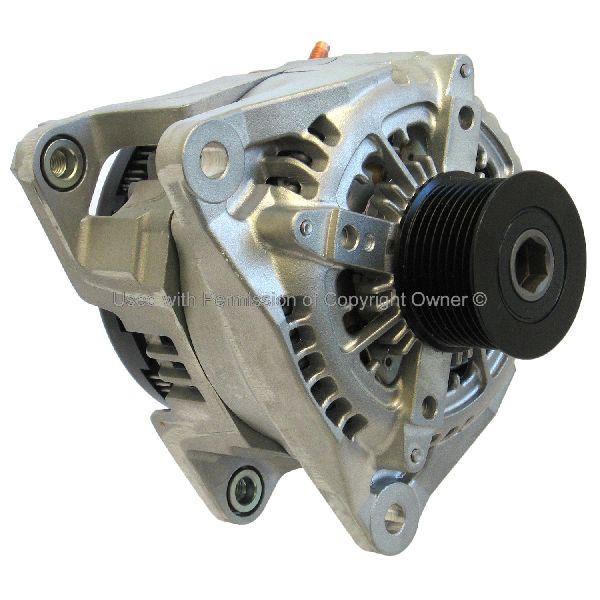
Est. part cost: $0 - Failing Alternator 🟡 Medium Probability → Shop Alternator The internal voltage regulator, which is part of the alternator, can fail and cause the alternator to produce excessive voltage. This is a common failure mode for alternators on many vehicles, including the Ram 2500.
How to confirm: With the engine running, use a multimeter to test the voltage at the battery terminals. A consistent reading above 14.8V points to a faulty alternator. A professional scan tool can also monitor the alternator field duty cycle commanded by the PCM versus the actual voltage output to confirm a fault.
Typical fix: Replace the alternator. This is a common DIY or shop repair.
Est. part cost: $250-$600 - Poor Wiring or Connections ⚪ Low Probability Corrosion on battery terminals, loose ground straps (especially the main engine-to-chassis ground), or damage to the wiring between the alternator and PCM can create high resistance or intermittent signals, confusing the voltage reading. These trucks are often used in harsh environments, accelerating corrosion.
How to confirm: Visually inspect all battery cables, ground connections (a key ground is on the core support), and the alternator wiring harness for corrosion, looseness, or damage. Perform a voltage drop test on the main power and ground cables; a drop of more than 0.4 volts on the B+ circuit or 0.1 volts on the ground circuit indicates high resistance.
Typical fix: Clean battery terminals and cable ends with a wire brush, tighten loose connections, or repair/replace the damaged section of wiring.
Est. part cost: $5-$50
Rare But Worth Checking
- Faulty Powertrain Control Module (PCM): → Shop Engine Control Module (ECM) In rare instances where a software update has been performed and the alternator and wiring have been proven to be good, the PCM's internal voltage sensing circuit may have failed. This is a last-resort diagnosis.
- Aftermarket Accessories: Improperly installed high-draw electrical accessories can sometimes interfere with the charging system's operation and trigger this code. Check for any wiring connected directly to the battery terminals that is not factory.
- Faulty Battery Temperature Sensor: → Shop Vehicle Battery The PCM uses a battery temperature sensor (often integrated into the battery tray or a cable) to adjust charging voltage. If this sensor fails and incorrectly reports a very cold battery, the PCM may command a higher-than-normal voltage, potentially triggering P2504.
Diagnosis Steps
- Check for Technical Service Bulletins (TSBs): Contact a Ram dealer with your VIN to see if TSBs 18-096-16, 18-042-15, or 1800414 apply. This is the most critical first step.
- Test Charging Voltage: With the engine running, use a multimeter to measure the DC voltage directly at the battery terminals. A normal reading is 13.5V-14.8V. If the voltage is consistently above 14.8V, the system is overcharging.
- Inspect All Connections: Thoroughly inspect the battery terminals for corrosion. Clean them with a wire brush and ensure the cable clamps are tight.
- Inspect Grounds and Power Wires: Inspect the main power cable from the alternator to the battery and the main ground straps from the engine to the chassis. Look for any signs of corrosion, damage, or looseness. A common ground point on these trucks is on the core support near the battery.
- Perform Voltage Drop Test: If connections look good, perform a voltage drop test. A reading over 0.4V between the alternator B+ post and the positive battery terminal, or over 0.1V between the alternator case and the negative battery terminal, indicates excessive resistance that needs to be repaired.
- Confirm Hardware Failure: If all wiring is secure and clean, and the voltage is confirmed to be high, the alternator's internal voltage regulator has likely failed, requiring alternator replacement.
- Evaluate PCM: If the charging voltage is normal but the code persists (especially after a reflash), the PCM's internal sensing circuit may be faulty, though this is rare.
Parts You'll Likely Need
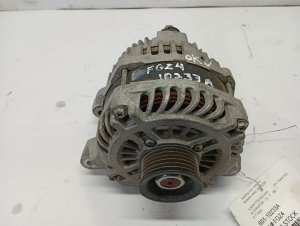
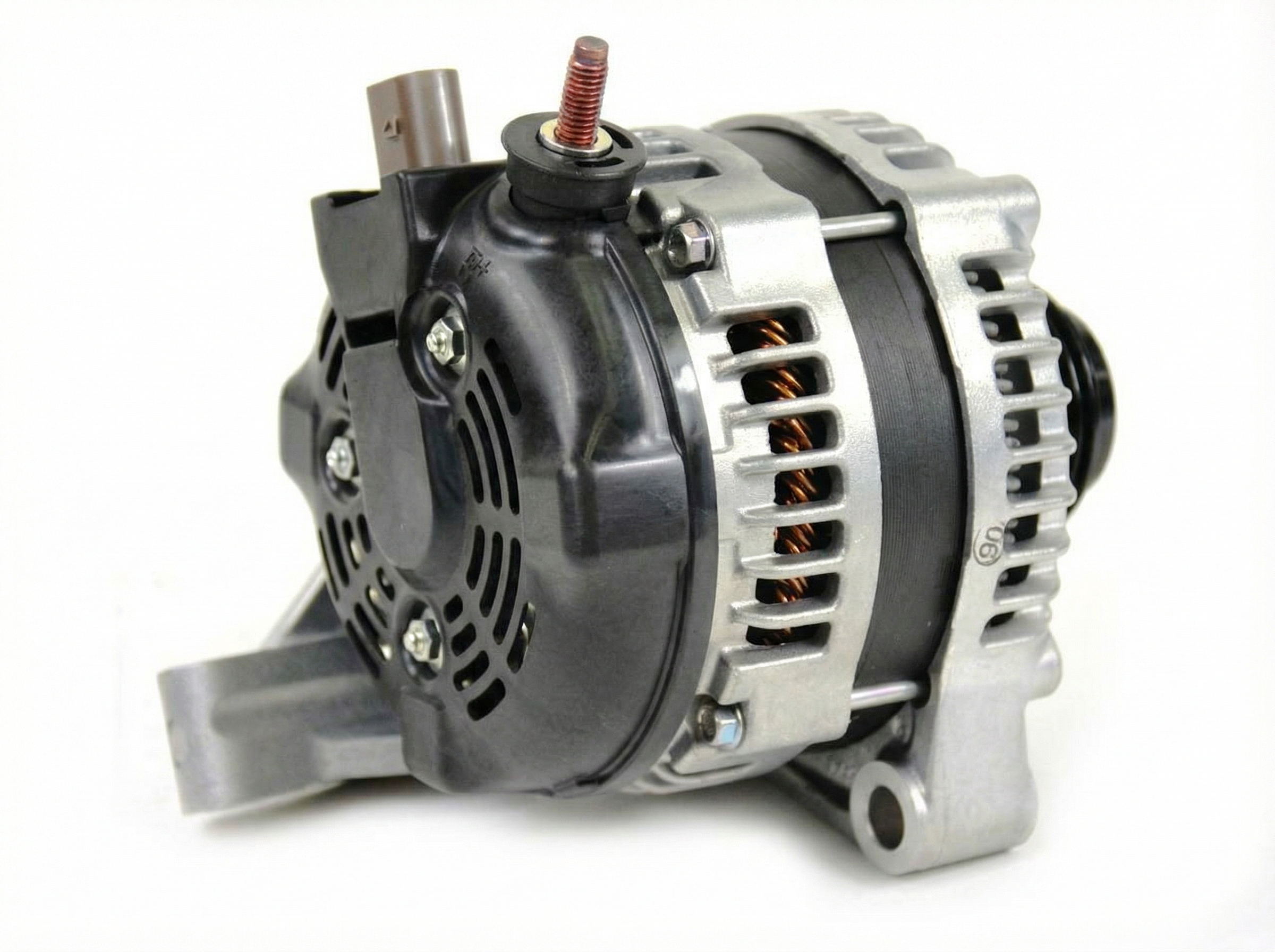
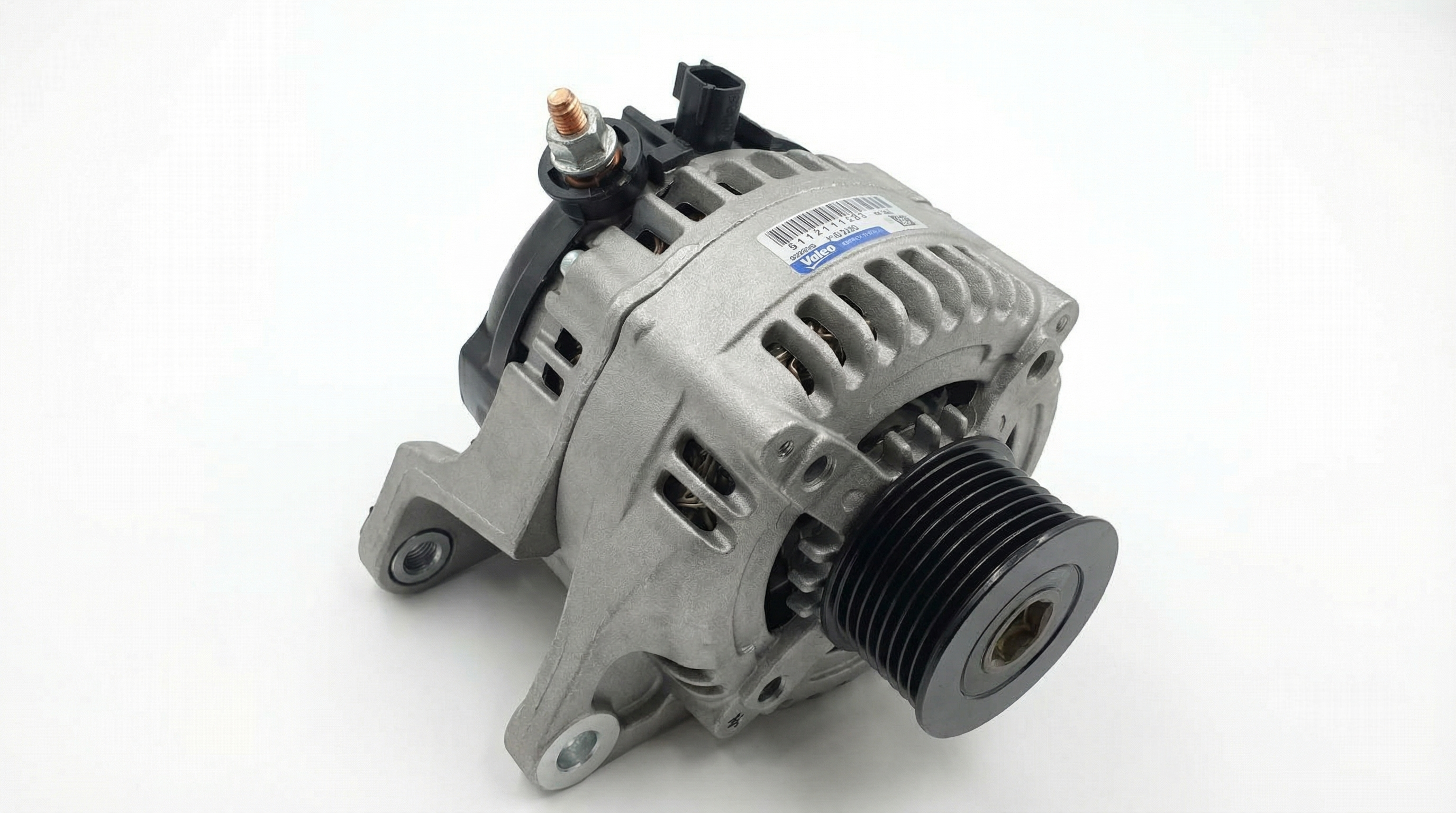
- Alternator
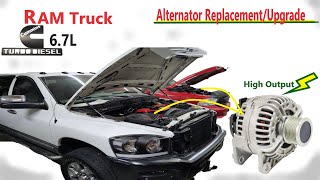
(OEM #56029707AC (for 6.7L Cummins, supersedes 56029707AA, 56029707AB))— The internal voltage regulator is the most common hardware component to fail, causing the high voltage condition. The regulator is integrated into the alternator and replaced as a single unit.
Trusted brands: Mopar, Bosch, Denso
OEM price range: $450-$750
Aftermarket price range: $250-$400
Related Codes That Often Appear With This One
- P04D1 — This and other codes like P04D0, P0441, P2066, and P0401 are mentioned alongside P2504 in the same manufacturer TSBs (#18-096-16, #18-042-15, #1800414). Their appearance together strongly suggests that a comprehensive PCM software update is needed to address multiple monitoring improvements. [Bulletin #18-096-16, #18-042-15, #1800414]
Technical Service Bulletins (TSBs) & Recalls
- 18-096-16: Mentions a PCM software update to address several diagnostic trouble codes, including P2504 - Charging System Output High. [NHTSA ID: 10099496]
- 18-042-15: Also lists P2504 as part of a group of codes fixed by a PCM software enhancement. [NHTSA ID: 10099455]
- 1800414: Another bulletin that includes a software reflash to correct the trigger logic for P2504. [NHTSA ID: 10056345]
Platform-Specific Known Issues
- A primary issue for the 2014 Ram 2500 is the sensitivity of the PCM's diagnostic software. TSBs #18-096-16, #18-042-15, and #1800414 all list P2504 as a code that can be fixed with a software update, indicating the original logic was flawed, particularly for the 6.7L Cummins engine.
- Owners on forums frequently report that a dealer reflash permanently solved the P2504 code after they were initially told they needed a new alternator.
Mechanic-Grade Diagnostic Values
- Alternator Field Control Duty Cycle — expected: Varies between 5% and 95% based on electrical load and battery state of charge. Monitored via a capable scan tool.. Failure: If the PCM commands a low duty cycle (e.g., <10%) but system voltage remains high (>14.8V), the alternator's internal regulator is faulty. If the PCM commands a high duty cycle (>90%) but voltage is low, suspect a failing alternator or wiring issue.
- Battery Temperature Sensor (BTS) Resistance — expected: Approximately 10kΩ (10,000 ohms) at 77°F (25°C). Resistance increases as temperature drops.. Failure: An open circuit (infinite resistance) will make the PCM believe the battery is extremely cold, causing it to command maximum charging voltage and trigger P2504. A shorted sensor (near zero resistance) would cause an undercharge condition.
- Alternator Field Terminal Resistance — expected: Between 0.5 and 15 Ohms when measured between the two field terminals on the disconnected alternator.. Failure: Resistance outside this range indicates a faulty field coil within the alternator, requiring replacement.
Scan Tool Commands That Help
- wiTECH (OEM Chrysler/Ram Tool): Alternator Charging System Test — This is a bidirectional test used to definitively diagnose the charging system. It allows a technician to manually command the alternator field duty cycle (e.g., 25%, 50%, 75%) and observe the voltage response. It isolates whether a fault lies with the PCM's command, the wiring, or the alternator's ability to respond, which is crucial before replacing expensive parts.
Wiring & Ground Locations
- Alternator 2-Pin Connector — Plugged directly into the back of the alternator.. This connector carries the critical command signal from the PCM. Pin 1 is the Generator Command (GENCOM) circuit, which is a Pulse-Width Modulated (PWM) signal. Pin 2 is the B+ sense wire. A loose or corroded connection here can interrupt the PCM's control, leading to erratic or excessive charging.
- G103 / G104 — Bolted to the radiator core support, near the driver and passenger side batteries.. These are primary chassis ground points for the front of the vehicle. High resistance at these grounds can cause incorrect voltage readings by the PCM and other modules, leading to false P2504 codes. They are susceptible to corrosion.
- Intelligent Battery Sensor (IBS) Fuse — In the main engine bay fuse box, often labeled as fuse F52 (5-amp).. The IBS, which includes the battery temperature sensor, reports battery state-of-health to the PCM to regulate charging. If the fuse for this sensor is blown, the PCM may default to a high-charge strategy, potentially triggering P2504.
Real Owner Repair Stories
- cumminsforum.com user report (2014 Ram 2500 6.7L Cummins) — Intermittent P2504 code and battery light, voltage gauge reading high.
❌ Tried (didn't work) Replaced the alternator (code returned), Replaced both batteries (code returned)
✅ What actually fixed it The owner found and cleaned a heavily corroded main ground connection located on the passenger side frame rail. The corrosion was hidden under the bolt head and was not obvious on a quick visual inspection. After cleaning the connection to bare metal, the code was cleared and did not return. - hdrams.com user report (2014 Ram 3500 6.7L Cummins) — P2504 code appeared after hitting a large pothole. Check engine light on.
❌ Tried (didn't work) Clearing the code (it came back immediately)
✅ What actually fixed it Upon close inspection, the 2-pin electrical connector on the back of the alternator was found to be slightly dislodged and not fully seated. Pushing the connector in until it clicked solved the problem permanently. The impact had likely jarred it just enough to create an intermittent connection on the field control circuit.
OEM Part Supersession History
56029707AA→56029707AB, then 56029707AC— Internal revisions and improvements to the voltage regulator and durability.
Heads up: All versions (AA, AB, AC) are generally interchangeable for the 2014 model year, but using the latest revision (56029707AC) is recommended for the most updated components.
Helpful Videos

Used OEM Parts in Stock

New Aftermarket Parts Available


The information in this article is provided for general reference and educational purposes only. Vehicle specifications, procedures, and part compatibility can vary by production date, trim level, and region. Always consult your vehicle's factory service manual and verify part numbers before purchasing or performing repairs. Safety-critical components such as airbags, seat belts, and braking systems should be installed by a qualified professional.
- Ram 2500:
- 🧭 Diagnostic Flowchart
- 🎬 Helpful Videos
- 🛍️ Shop This Part
- What's Unique About the 2014-2014 Ram 2500
- Symptoms You May Notice
- Most Likely Causes
- Rare But Worth Checking
- Diagnosis Steps
- Parts You'll Likely Need
- Related Codes That Often Appear With This One
- Technical Service Bulletins (TSBs) & Recalls
- Platform-Specific Known Issues
- Mechanic-Grade Diagnostic Values
- Scan Tool Commands That Help
- Wiring & Ground Locations
- Real Owner Repair Stories
- OEM Part Supersession History
- 🎟️ Get 5% Off