

P2504 on 2014 Ram 3500: Charging System Output High Causes & Fixes
This code on a 2014 Ram 3500 indicates the charging system voltage is too high. Before replacing parts, check for software updates, as multiple Technical Service Bulletins (TSBs) were issued to fix false triggers. If the software is current, the most likely causes are a failing alternator, a bad battery in the dual-battery system, or corroded connections.
- Always check for available PCM software updates with a dealer before replacing any parts for a P2504 code on this truck.
- If hardware replacement is necessary, the alternator is a common culprit, but the dual-battery system should be thoroughly tested.
- When replacing batteries on a Cummins model, replace both at the same time to ensure proper system function and longevity.
What's Unique About the 2014-2014 Ram 3500
For this specific generation of Ram trucks, the P2504 code is frequently a software issue rather than a hardware failure. Ram's parent company, FCA (now Stellantis), released several software updates to address overly sensitive monitoring thresholds that could falsely trigger a P2504 code, among others. This is documented in multiple TSBs for the 2014 model year, making a trip to the dealer for a potential PCM reflash a critical first step in diagnosis.
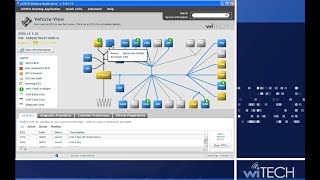
🎬 See how dealers use the wiTECH tool for software updates.Diagnostic Flowchart
Tap your situation to follow the diagnostic path that matches what you're seeing on this vehicle.
Symptoms You May Notice
- Check Engine Light is on
- Red battery warning light may be illuminated
- Engine may stall, especially at idle.
- Headlights may appear unusually bright or flicker
- Noticeable decrease in fuel efficiency
- In vehicles with automatic transmissions, there may be improper shifting.
- Intermittent electronic issues, such as the radio or camera system malfunctioning, which may resolve after a system reset (disconnecting batteries).
- Replacing the alternator without first checking for software updates. Given the multiple TSBs, a software reflash should be the first consideration.
- Replacing only one battery on a dual-battery diesel model. A new battery paired with an old, weak one can cause continued charging system problems and premature failure of the new battery.
Most Likely Causes
- Outdated Powertrain Control Module (PCM) Software 🔴 High Probability → Shop Engine Control Module (ECM) Manufacturer TSBs #18-096-16, #18-042-15, and #1800414 specifically list P2504 as a code addressed by software updates to improve system performance and prevent false triggers.
How to confirm: A Ram dealership or a well-equipped independent shop can check your vehicle's software version against the latest available updates using your VIN.
Typical fix: Reprogramming (reflashing) the PCM with the latest manufacturer software. This is a common and well-documented fix for this specific model year.
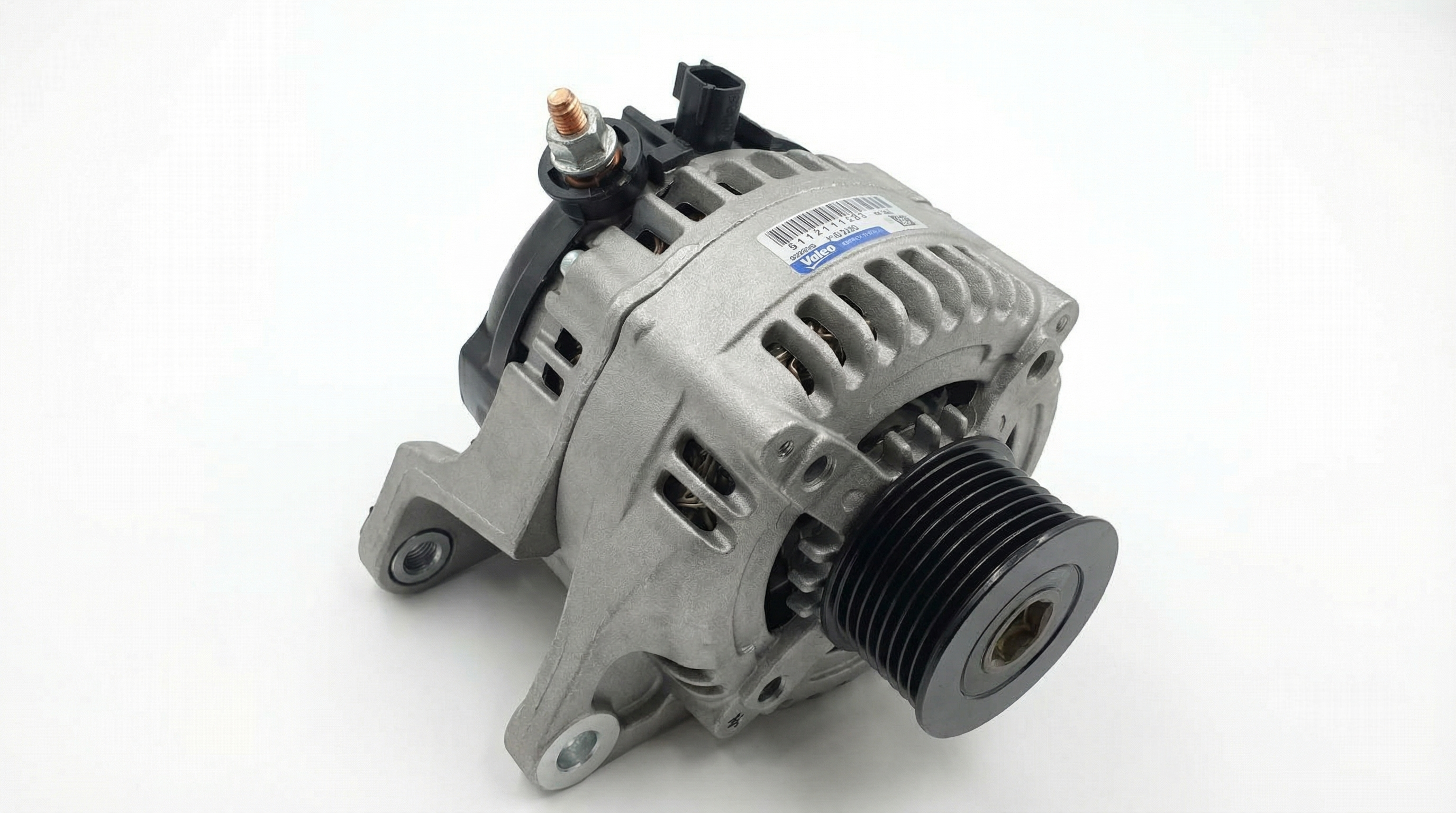
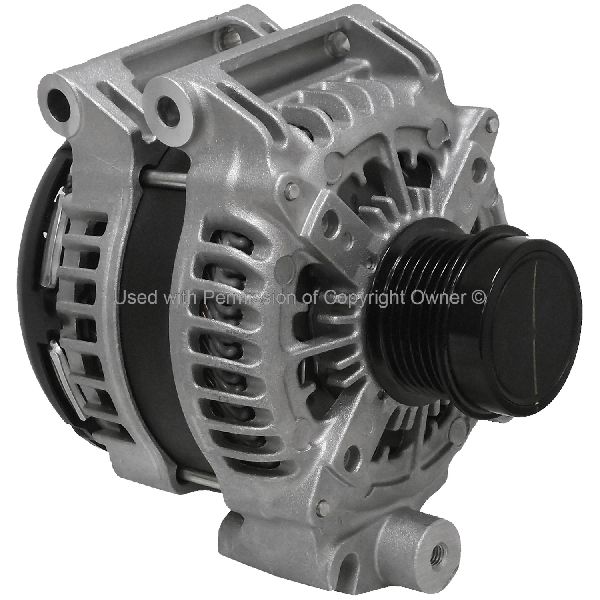
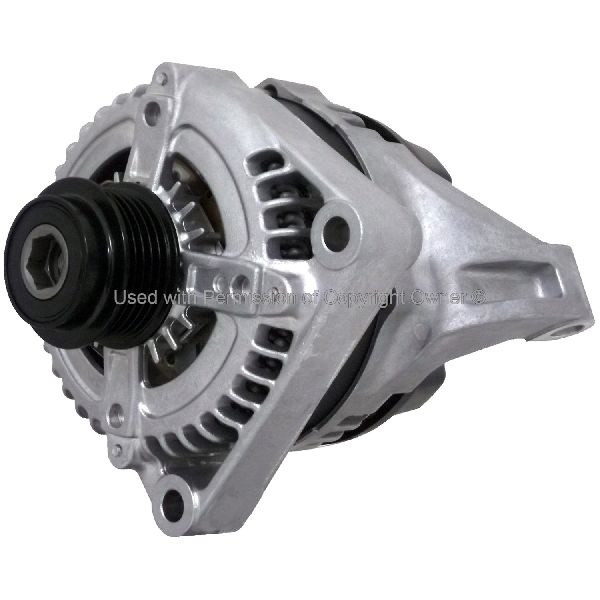
Est. part cost: $0 - Failing Alternator 🟡 Medium Probability → Shop Alternator The internal voltage regulator is part of the alternator. If it fails, it can cause the alternator to produce excessive voltage, leading to an overcharging condition. This is the most common hardware failure after software issues have been ruled out.
How to confirm: With the engine running, use a multimeter to measure the voltage at the battery terminals. A reading consistently above 15.0 volts indicates overcharging. Most auto parts stores can also bench-test an alternator once removed.
Typical fix: Replace the alternator.
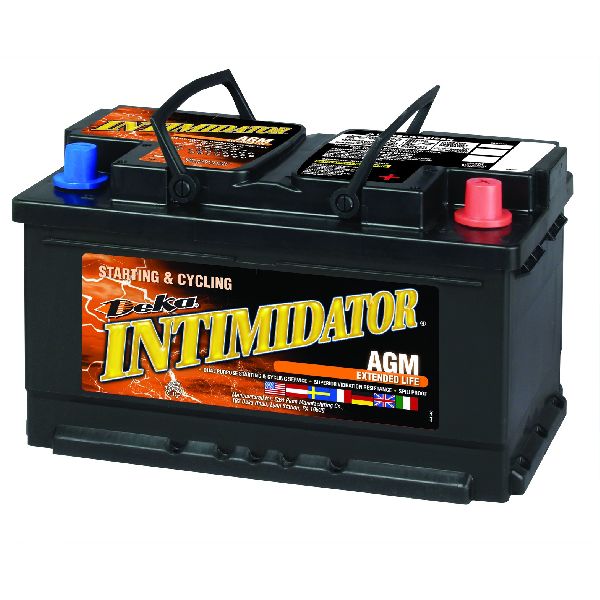
Est. part cost: $250-$600 - Faulty Battery or Connections ⚪ Low Probability → Shop Vehicle Battery Ram 3500 models with the Cummins diesel use a dual-battery system. A failing battery or corroded terminals can create high resistance and confuse the charging system logic. An old battery paired with a new one can cause the new battery to be drained and damaged, leading to persistent voltage issues.
How to confirm: Visually inspect battery terminals for corrosion. Perform a load test on both batteries individually. Many auto parts stores offer this service for free. It is critical to test both batteries, as one bad battery can affect the entire system.
Typical fix: Clean the battery terminals and cable ends. If a battery fails the load test, replace it. It is strongly recommended by owners in forums to replace both batteries at the same time on dual-battery systems to ensure system stability.
Est. part cost: $200-$500 per battery
Rare But Worth Checking
- Wiring Harness Issues: Check for damaged or corroded wiring between the alternator, battery, and PCM. Specifically, inspect the alternator-to-PCM communication line (exciter wire) and ground straps for chafing or loose pins, which can cause erratic voltage readings or a default to a high voltage fault.
- Faulty Powertrain Control Module (PCM): → Shop Engine Control Module (ECM) This is rare. If all other causes have been ruled out, and especially if software updates don't resolve the issue, the PCM itself may have an internal fault, such as a failed voltage-monitoring circuit.
Diagnosis Steps
- Check for Technical Service Bulletins (TSBs). Contact a Ram dealer with your VIN to see if software updates like #18-096-16, #18-042-15, or #1800414 apply to your vehicle.
- With the engine off, use a multimeter to check the voltage of each battery. A healthy, fully charged battery should read approximately 12.6 volts.
- Start the engine. Measure the voltage at the battery terminals again. The reading should be between 13.8 and 14.7 volts. If the voltage is consistently above 15.0 volts, the system is overcharging.
- Visually inspect all battery cables, grounds, and connections for tightness and corrosion. Pay close attention to the main power wire from the alternator to the battery and the crossover cable between the two batteries.
- Perform a voltage drop test. Measure the voltage between the B+ post on the alternator and the positive terminal of the battery while the engine is running. A reading above 0.4 volts indicates high resistance in the charging wire that needs to be addressed.
- If voltage is high and software is up-to-date, the alternator is the primary suspect. Have it tested on or off the vehicle.
- If batteries are more than 4-5 years old, have them professionally load-tested, even if they show acceptable voltage. Ensure both batteries are tested individually.
Parts You'll Likely Need
- Alternator
(OEM #56029707AC (replaces 56029707AA, 56029707AB) or 4801768AE (check VIN for correct fitment))— The internal voltage regulator is the most common hardware failure point that causes an overcharging condition.
Trusted brands: Mopar, Denso, Bosch
OEM price range: $590-$730
Aftermarket price range: $250-$500 - AGM Battery — A failing battery can cause a variety of charging system errors. On dual-battery systems, it's best to replace them in pairs to prevent voltage imbalances and premature failure.
Trusted brands: Interstate, Odyssey, Optima, X2Power
OEM price range: $300-$450
Aftermarket price range: $200-$350
Related Codes That Often Appear With This One
- P0562 — This code for 'System Voltage Low' can sometimes appear alongside P2504 if the charging system is behaving erratically, causing both spikes and drops in voltage.
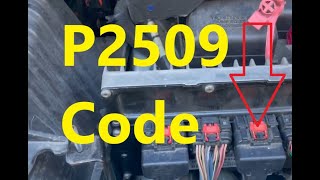
- P2509 — 'PCM Power Input Signal Intermittent' is frequently seen with P2504 because they share common root causes. A failing battery, corroded cables, or a faulty alternator can cause unstable voltage, triggering both a 'high voltage' event (P2504) and an intermittent power loss to the PCM (P2509).
Technical Service Bulletins (TSBs) & Recalls
- 18-096-16: Addresses P2504 as part of a list of codes that can be resolved with a PCM software update.
- 18-042-15: Also includes P2504 in a list of conditions improved by a software reflash.
- 1800414: Another TSB that lists P2504 as being addressed by a software update.
Platform-Specific Known Issues
- A primary issue for the 2014 Ram 3500 is the PCM software's sensitivity. The manufacturer released multiple updates to recalibrate the monitoring system and prevent false P2504 codes, as cited in TSBs #18-096-16, #18-042-15, and #1800414.
- The dual-battery system on Cummins models is a frequent source of electrical gremlins. Owners on forums like HD Rams emphasize that replacing only one battery often leads to continued problems, as the older battery can degrade the performance of the new one.
Mechanic-Grade Diagnostic Values
- Normal Charging Voltage (Engine Running) — expected: 13.8 - 14.8 Volts. Failure: Consistently above 15.0 Volts (indicates overcharging) or below 13.5 Volts (indicates undercharging).
- Voltage Drop (Alternator B+ post to Battery Positive post) — expected: Less than 0.4 Volts. Failure: A reading above 0.4 Volts indicates high resistance in the main charging cable.
- Voltage Drop (Battery Crossover Cable) — expected: Less than 0.4 Volts. Failure: Measuring between the B+ posts of the left and right batteries with the engine running, a reading above 0.4V points to high resistance in the crossover cable.
- Voltage Drop (Alternator Case to Battery Negative post) — expected: Less than 0.2 Volts. Failure: A reading over 0.2 Volts signifies a bad ground connection between the alternator and the battery/chassis.
- Alternator Field Control Circuit (Green Wire at Alternator) — expected: Variable ground signal from PCM. Failure: With the engine running, connecting a test light between this wire and battery positive should result in a light. If not, the PCM is not commanding the alternator to charge. Do not permanently ground this wire, as it will cause a full-field condition and extreme over-voltage.
- Alternator Field Supply (Dark Blue Wire at Alternator) — expected: 12V+ (Battery Voltage). Failure: With the engine running, this wire should have battery voltage. If not, there is an issue with the power supply from the PCM.
Scan Tool Commands That Help
- wiTECH: Flash PCM — Used to reprogram the Powertrain Control Module with updated software to correct false P2504 triggers as specified in TSBs. This should be a primary diagnostic step.
- wiTECH: View Network Topology — Allows a technician to quickly see the status of all modules on the CAN bus, including the PCM and BCM. This can help identify communication issues that might indirectly cause charging system faults.
- wiTECH or advanced aftermarket scanner: Read All DTCs from All Modules — Essential for checking for related codes in other modules, such as a U0140 (Lost Communication With BCM), which could be related to the root electrical issue and may require a PCM flash to resolve.
Wiring & Ground Locations
- Battery Temperature Sensor — Attached to the battery tray, directly underneath the primary (driver's side) battery.. The PCM uses this sensor's input to adjust the charging rate based on battery temperature. A faulty sensor can lead to an improper charging strategy, potentially causing overcharging or undercharging.
- Alternator Field Control Circuit (GEN FLD CTRL) — Pin 14 (Brown/Gray wire) on the C4 connector of the Powertrain Control Module (PCM).. This is the specific wire the PCM uses to ground and control the alternator's output. Testing continuity and signal on this pin is critical for diagnosing a faulty PCM vs. a wiring issue.
- Main Engine/Chassis Grounds — The negative battery cable typically has three main branches: one to the engine block, one to the frame, and one to the body sheet metal near the battery.. High resistance in any of these primary ground paths can cause the charging system to behave erratically and set voltage codes. A loose ground on the engine block is a common cause of charging and starting issues.
Real Owner Repair Stories
- YouTube user video (Unknown year truck, likely similar GM/Dodge design) — Alternator overcharging, voltage regulator not working correctly.
❌ Tried (didn't work) Not specified, but implied standard diagnostics did not find the issue.
✅ What actually fixed it The final cause was a loose ground strap plate on the back of the bell housing, near the starter. The plate had moved, causing the ground to become loose and also allowing the positive starter cable to intermittently short against it. Tightening the ground and securing the plate resolved the overcharging problem. - Dodge Diesel - Diesel Truck Resource forum user 'hovisimo' (3rd Gen Ram Cummins (2003-2007, similar electrical architecture)) — Code P2509, truck dies while driving in cold weather, cranks but won't start. After replacing batteries, it started but continued to die intermittently.
❌ Tried (didn't work) Replacing both batteries with new Optima Red Tops., Cleaning and tightening all visible ground connections.
✅ What actually fixed it The user did not post a final resolution, but a senior member advised checking for corrosion *inside* the battery cable insulation and specifically checking the ECM ground wire from the C2 connector to the G114 ground point on the engine, as this is a known failure point for intermittent power to the PCM.
OEM Part Supersession History
56029707AA, 56029707AB→56029707AC— Standard part revision and improvement by the manufacturer.
Helpful Videos




Used OEM Parts in Stock
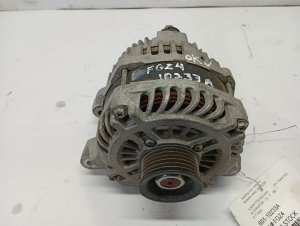

New Aftermarket Parts Available


The information in this article is provided for general reference and educational purposes only. Vehicle specifications, procedures, and part compatibility can vary by production date, trim level, and region. Always consult your vehicle's factory service manual and verify part numbers before purchasing or performing repairs. Safety-critical components such as airbags, seat belts, and braking systems should be installed by a qualified professional.
- Ram 3500:
- 🧭 Diagnostic Flowchart
- 🎬 Helpful Videos
- 🛍️ Shop This Part
- What's Unique About the 2014-2014 Ram 3500
- Symptoms You May Notice
- Most Likely Causes
- Rare But Worth Checking
- Diagnosis Steps
- Parts You'll Likely Need
- Related Codes That Often Appear With This One
- Technical Service Bulletins (TSBs) & Recalls
- Platform-Specific Known Issues
- Mechanic-Grade Diagnostic Values
- Scan Tool Commands That Help
- Wiring & Ground Locations
- Real Owner Repair Stories
- OEM Part Supersession History
- 🎟️ Get 5% Off