

OBD-II Code P2508: ECM/PCM Power Input Signal High
What P2508 means, why it triggers, and how to fix it
- Code P2508 triggers when the Powertrain Control Module (PCM) receives a sustained power input exceeding 14.8 volts, risking immediate electronic damage.
- Stop driving immediately; the over-voltage condition causes unpredictable engine stalling and destroys sensitive control modules.
- A failing alternator voltage regulator causes over 80% of P2508 codes, making a battery voltage test the mandatory first diagnostic step.
- Never replace the PCM without first ruling out the alternator, battery grounds, and aftermarket electronics, as PCM failure accounts for less than 5% of these cases.
What Does P2508 Mean?
Code P2508 means your vehicle's Powertrain Control Module (PCM) or Engine Control Module (ECM) is receiving a voltage signal exceeding its maximum safe threshold. The PCM requires a stable 13.5-14.5 volts to manage the engine and transmission. When the supplied voltage rises above 14.8V-15.0V for a predetermined time, the computer triggers this code to warn of a critical electrical system overcharge.
Technical definition: The SAE/OBD-II definition for P2508 is "ECM/PCM Power Input Signal High." This indicates the powertrain control module detects its primary power supply voltage exceeds the manufacturer's specified upper limit. This generic code applies to most OBD-II compliant vehicles manufactured since 1996.
Can I Drive With P2508?
No — Do Not Drive. Do not drive with this code. Unstable high voltage to the engine computer (PCM) causes the engine to stall without warning, creating an immediate safety risk in traffic. Continuing to drive also destroys the PCM and other sensitive electronic modules due to sustained over-voltage.
Common Causes
- Faulty Alternator or Voltage Regulator (Very Common) — A failing alternator overcharging the system is the primary cause. When the internal voltage regulator fails, system voltage climbs well above the normal 14.8 volts, which the 🎬 See common symptoms of a failing voltage regulator PCM immediately flags as a high input signal.
- Corroded Battery Terminals or Poor PCM Grounds (Common) — Heavy corrosion or loose connections on the battery posts, cable ends, or the PCM's specific ground wire create a floating ground. This forces the module to read its own power supply incorrectly as high voltage, even if the actual supply is normal.
- Improperly Installed Aftermarket Electronics (Common) — Improperly wired aftermarket accessories (remote starters, high-draw stereos, lighting) back-feed voltage into the PCM's power supply circuit. This is highly prevalent with remote start systems lacking proper diode isolation.
- Damaged Wiring Harness (Common) — Wiring supplying power to the PCM frays or shorts to another power source, sending abnormal voltage directly to the computer. This occurs frequently where harnesses rub against the engine block or chassis.
- Defective PCM Power Relay (Less Common) — The main relay supplying switched power to the PCM sticks in the closed position or fails internally, sending an unstable or high voltage spike to the computer.
- Failing or Internally Shorted Battery (Less Common) — An internally shorted battery forces the alternator to overcompensate to maintain a charge. This overcompensation creates severe voltage spikes that trigger the P2508 code.
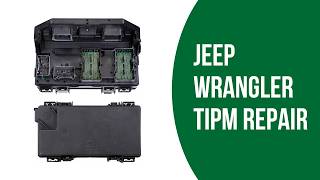
- Faulty Totally Integrated Power Module (TIPM) (Less Common) — On many Chrysler, Dodge, and Jeep vehicles, the TIPM (housing fuses and relays) fails internally, sending unregulated high voltage 🎬 Learn how the TIPM works and why it fails directly to the PCM.
- Faulty PCM or Outdated Software (Rare) — Software glitches cause the PCM to misinterpret normal voltage as high, requiring a dealership reflash. Internal PCM hardware failure (moisture damage, cracked solder joints) is the absolute least likely cause and must only be diagnosed after ruling out all other components.
Symptoms
- Check Engine Light is On — The Malfunction Indicator Lamp (MIL) illuminates immediately. In severe over-voltage cases, it flashes to warn of impending module damage.
- Engine Stalling or No-Start — The engine stalls unexpectedly while driving or idling as the PCM shuts down to protect itself. It also frequently fails to crank.
- Flickering Lights and Secondary Warning Indicators — An overcharging alternator causes headlights and interior lights to flicker or burn unusually bright. The high voltage also disrupts network communication, triggering ABS, Traction Control, or Battery warning lights simultaneously.
- Erratic Engine Performance — The vehicle exhibits sudden power surges, hesitation, rough idle, or inconsistent throttle response as the PCM struggles to process data under unstable voltage.
- Loss of Communication with Scan Tool (scan-tool only — no driver-felt sign) — Severe high voltage forces the PCM offline entirely, preventing a diagnostic scan tool from establishing communication with the vehicle.
Diagnostic Flowchart
Tap your situation to follow the diagnostic path that matches what you're seeing on this code.
Common Fixes & Costs
- Replace Alternator
— Parts: $250-$550, Labor: $150-$300, ~1.5 hr book time
(Intermediate)
Dodge Ram 2500/3500 (2007-2009, 6.7L): OEM Mopar: 56028732AD (Alt: Bosch: AL6454X)
Ford F-250/F-350 (2008-2010, 6.4L): OEM Motorcraft: 7C3Z-10346-B (Alt: DB Electrical: 400-14127) - Clean or Replace Battery Terminals/Cables — Parts: $10-$30, Labor: $50-$100, ~0.8 hr book time (DIY)
- Repair Wiring or Ground Connection — Parts: $10-$50, Labor: $150-$400, ~2.5 hr book time (Intermediate)
- Replace Battery — Parts: $150-$300, Labor: $50-$100, ~0.5 hr book time (DIY)
- Replace PCM Power Relay — Parts: $15-$40, Labor: $25-$50, ~0.2 hr book time (DIY)
- Replace Totally Integrated Power Module (TIPM)
— Parts: $350-$900, Labor: $100-$200, ~1.2 hr book time
(Professional)
Jeep Grand Cherokee (2005-2010): OEM Mopar: 04692114AC (Alt: Dorman: 599-905) - Replace or Reprogram Powertrain Control Module (PCM) — Parts: $500-$1200, Labor: $150-$300, ~1.5 hr book time (Professional)
DIY vs Professional
- Clean or Replace Battery Terminals/Cables 🟢 Beginner
Tools: Socket/wrench set, wire brush, battery terminal cleaner, safety glasses. - Replace PCM Power Relay 🟢 Beginner
Tools: Fuse puller or needle-nose pliers. - Replace Battery 🟢 Beginner
Tools: Socket/wrench set to remove terminals and battery hold-down bracket. - Replace Alternator 🟢 Beginner
Tools: Socket/wrench set, serpentine belt tool, pry bar. - Repair Wiring or Ground Connection 🟢 Beginner
Tools: Multimeter, wire strippers, crimpers, soldering iron, heat shrink, wiring diagrams. - Replace TIPM / PCM 🟢 Beginner
Tools: Socket set, specialized OEM programming tools.
Used vs. New Parts: Buying Guide
When a used part is worth it: A used OEM alternator from a low-mileage donor vehicle is acceptable for budget repairs. However, high-quality remanufactured alternators offer the best balance of cost and reliability.
Donor-vehicle mileage cap: roughly under 60000 miles for the part to have meaningful remaining life.
Donor quality checklist:
- Verify the part number matches your original alternator exactly.
- Avoid donor vehicles with front-end collision damage or flood history.
- For remanufactured parts, choose brands that replace the voltage regulator, bearings, and brushes entirely.
Decision logic:
- If The vehicle is new or you plan to keep it for 5+ years → Buy a new OEM or top-tier remanufactured alternator for maximum reliability.
- If The vehicle has over 150K miles and the budget is tight → Purchase a quality remanufactured alternator with a lifetime warranty.
- If The part is for a rare or high-performance vehicle → Favor an OEM new unit to ensure correct electrical output specifications.
Warranty tradeoff: Salvage yard parts carry a 30-90 day warranty. Remanufactured alternators typically offer 1-year to lifetime warranties.
Worst-case if a used part fails: $200 - $400. If a cheap rebuilt alternator fails, you pay for the labor to replace it again plus the cost of a better part.
What Happens If You Wait — Timeline
- 0-1 week: Check Engine Light illuminates. Headlights appear slightly brighter than normal. No major drivability symptoms are perceived. (MPG impact: 0%% · Added cost: $0)
- 1 week - 1 month: Engine stalls intermittently. The battery overcharges, boiling the electrolyte and swelling the case. Headlight bulbs burn out. (MPG impact: 0-2%% · Added cost: $150 - $300 (Cost of towing, bulbs, and a new battery))
- 1 - 3 months: Sustained over-voltage (15V+) permanently damages electronic modules. The PCM enters protective shutdown, causing a no-start condition. (MPG impact: N/A (Vehicle may not be drivable)% · Added cost: $400 - $800 (Cost of new alternator and battery))
- 3+ months: Catastrophic failure of multiple control units. The high voltage fries the PCM, BCM, and audio system. The vehicle is completely inoperable. (MPG impact: N/A (Vehicle is inoperable)% · Added cost: $1,500 - $3,000+ (Cost of replacing multiple modules, alternator, and battery))
Cost of Not Fixing It
- Immediate (Days): The engine stalls randomly in traffic. Headlights and interior bulbs burn out prematurely due to excess voltage. (Added cost: $50 - $200 (Towing and replacement bulbs))
- Short-Term (Weeks to 1 Month): The battery overheats, boiling off its electrolyte. The battery case swells, leaks acid, and permanently loses its ability to hold a charge. (Added cost: $150 - $300 (New battery))
- Long-Term (1-6+ Months): Sustained high voltage destroys the PCM, Body Control Module (BCM), ABS module, and audio system. The vehicle becomes completely inoperable. (Added cost: $1,000 - $3,000+ (Multiple module replacements and programming))
Diagnosis Steps
- Test Battery and Charging System Voltage
With the engine off, use a multimeter to verify battery voltage is around 12.6V. Start the engine and measure voltage at the battery posts. A healthy system reads 13.5V-14.5V. A reading consistently above 14.8V-15.0V confirms a faulty alternator voltage regulator.
Tools: Digital Multimeter (Beginner) - Analyze Freeze Frame Data
Use an OBD-II scanner to view freeze frame data before clearing codes. Locate the 'Control Module Voltage' PID to see the exact voltage when P2508 triggered. A recorded value above 15.0V validates a genuine over-voltage event rather than a sensor glitch.
Tools: OBD-II Scan Tool (Beginner) - Inspect Battery Terminals and Grounds
Visually inspect battery terminals, cable ends, and main chassis/engine grounds for white/green corrosion or looseness. Clean and tighten all connections. A poor ground creates a voltage differential that tricks the PCM into reading high voltage.
Tools: Wrench set, wire brush, battery terminal cleaner (Beginner) - Check for Aftermarket Device Interference
If the vehicle has aftermarket electronics (remote start, alarm, stereo), disconnect their main power source completely. Clear the codes and test drive. If P2508 does not return, the accessory is wired improperly and back-feeding voltage.
Tools: Basic hand tools (Intermediate) - Test System Fuses and PCM Power Relay
Locate the PCM power relay in the main fuse box. Swap it with an identical, non-critical relay (like the horn or AC relay). If the code clears and the engine runs smoothly, the original relay was sticking closed.
Tools: Owner's manual, fuse puller (Intermediate) - Inspect the PCM Wiring Harness
Trace the wiring harness leading to the PCM. Look for chafing, melting, or breaks, especially where the harness bends or rubs against hot engine components. Repair any exposed wires shorting to power.
Tools: Flashlight, trim removal tools (Intermediate) - [PRO TIP] Test for Alternator AC Ripple
A failing alternator diode leaks AC voltage into the DC system, confusing the PCM. Set a multimeter to AC Volts. With the engine running at 2,000 RPM and headlights on, place leads on the alternator B+ terminal and negative battery post. Readings above 0.5V AC indicate a blown rectifier diode.
Tools: Digital Multimeter with AC Volts setting (Advanced) - [PRO TIP] Perform a Voltage Drop Test
Test the PCM ground circuit by placing the multimeter's red lead on the PCM ground pin and the black lead on the negative battery post (key on). It must read under 0.1V (100mV). Test the power side similarly; readings over 0.2V indicate excessive circuit resistance requiring repair.
Tools: Digital Multimeter, vehicle-specific wiring diagram (Advanced) - Check PCM Connectors
Disconnect the negative battery cable. Unplug the PCM connectors and inspect for bent pins, pushed-out terminals, or green corrosion from moisture intrusion. Clean with contact cleaner, apply dielectric grease, and firmly reconnect.
Tools: Wrench set, flashlight, electrical contact cleaner, dielectric grease (Intermediate) - [PRO TIP] Use a Graphing Multimeter
For intermittent codes, a standard multimeter is too slow. Connect a graphing multimeter to the PCM power supply wire. Wiggle the wiring harness and tap the alternator while watching the screen. Sharp peaks above 15V confirm an intermittent short or failing regulator.
Tools: Graphing Multimeter or Oscilloscope (Advanced) - Check for TSBs and Software Updates
Manufacturers occasionally release software updates to correct overly sensitive voltage monitoring logic. Have a dealership check your VIN against their Technical Service Bulletin (TSB) database for applicable PCM reflashes.
Tools: Professional scan tool, access to OEM TSB database (Advanced)
When This Code Triggers (Freeze-Frame Conditions)
- Control Module Voltage: 15.0V - 16.5V+ (The exact voltage reading that breached the threshold and triggered the code.)
- Engine RPM: 1200-2500 RPM (Occurs off-idle during acceleration when the alternator is actively spinning and charging.)
- Engine Coolant Temp: 170-210°F (Usually occurs when the engine is fully warmed up and electrical loads are stabilized.)
- Vehicle Speed: 25-60 mph (Frequently happens during city or highway driving rather than at a standstill.)
Related Codes
- P2507 — Indicates 'ECM/PCM Power Input Signal Low,' the exact opposite of P2508. A multimeter reading below 13.0V while running points to P2507, while a reading above 14.8V points to P2508.
- P2509 — Indicates 'ECM/PCM Power Input Signal Intermittent.' Appears alongside P2508 when a loose battery cable or failing relay causes voltage to spike and drop erratically.
- P0563 — Indicates 'System Voltage High.' This confirms the over-voltage condition is system-wide, not isolated to the PCM. Seeing P0563 and P2508 together guarantees the alternator is the root cause.
- U0100 — Indicates 'Lost Communication With ECM/PCM.' Severe high voltage forces the PCM to shut down entirely to prevent melting, triggering this network communication code.
Climate & Environmental Factors
- Road Salt and Humidity: Coastal areas and regions using winter road salt experience accelerated electrical corrosion. Saltwater acts as an electrolyte, rapidly degrading battery terminals and PCM ground points, increasing resistance and triggering voltage spikes.
- Extreme Cold: Extreme cold severely degrades a battery's capacity. The alternator works at maximum output to recharge the weak battery, stressing the internal voltage regulator and frequently causing it to fail into an overcharge state.
How to Talk to a Mechanic About This Code
Say this: "I have a P2508 code indicating high voltage input to the computer. Please start by testing the charging system output at the battery and checking the freeze frame data for the module voltage when the code set."
This directs the technician to the most common cause (the alternator) first, preventing them from jumping to a costly and incorrect PCM diagnosis.
Avoid saying:
- 'Just fix my check engine light.'
- 'My car is stalling, I think it's the computer.'
- 'Do whatever you think is best.'
Questions to ask before authorizing the repair:
- What was the charging system voltage reading at the battery while the engine was running?
- Did you check for AC ripple voltage from the alternator?
- Have you performed a voltage drop test on the PCM's power and ground circuits?
- Can you confirm all other possibilities are exhausted before recommending a PCM replacement?
Where to Take It: Dealer vs Independent vs Chain
- Dealer:
Recommended for complex, brand-specific electrical issues or if PCM programming is required.
Best for: Vehicles under warranty., Known manufacturer-specific issues like a Chrysler/Jeep TIPM failure., Repairs requiring PCM replacement and programming.
Downsides: Significantly higher labor rates and parts costs., May replace a whole module rather than diagnose a simpler wiring fault. (Typical cost: +50% vs. baseline) - Independent Shop:
Best fit for most P2508 situations, especially for diagnosing and replacing a faulty alternator.
Best for: Out-of-warranty vehicles where the cause is likely the alternator or wiring., Owners looking for better value and direct communication with the technician.
Downsides: Diagnostic skill for complex electrical faults varies; ensure the shop has ASE-certified technicians., May lack OEM tools for PCM programming. (Typical cost: +0% vs. baseline) - Chain Shop:
Acceptable for a free battery test. If they recommend an alternator without showing a multimeter reading above 15V, get a second opinion.
Best for: Simple battery testing and replacement.
Downsides: Technicians lack in-depth electrical diagnostic training., High pressure to sell parts leads to replacing components without confirmed diagnosis. (Typical cost: -10% vs. baseline)
When to Walk Away From the Repair
If the total estimated repair cost for the P2508 fault exceeds 50% of your car's current private-party market value, seriously consider selling the vehicle as-is.
- Car worth $4000, fix is $500: Fix it. An alternator replacement is a common repair well below the threshold.
- Car worth $3000, fix is $1600: Borderline. This suggests a complex PCM or TIPM replacement. Get a firm second opinion before proceeding.
- Car worth $2000, fix is $1800: Walk away. The repair cost is nearly the entire value of the car.
What Scan Tool You Need for This Code
Minimum: A tool that reads and graphs live data, specifically the 'Control Module Voltage' PID.
A simple code reader cannot show live voltage to confirm an overcharging condition, nor can it graph voltage to catch intermittent spikes.
Budget: BlueDriver Pro or Motopower MP69033 (~$60) — Reads the code, shows freeze frame data, and displays live module voltage. The BlueDriver app graphs voltage to spot intermittent spikes.
Mid-range: Innova 5610 or Topdon ArtiDiag Pro (~$350) — Offers superior live data graphing, checks manufacturer-specific code definitions, and includes bidirectional tests to command relays.
Professional: Autel MaxiCOM MK808 or Launch X431 series (~$500-1200) — Provides full OEM-level diagnostics. Critical for diagnosing and programming modules like a TIPM or a new PCM.
Rent vs buy: For a one-time check, auto parts stores offer free loaner scanners. Buy a scanner only if you plan to do your own diagnostics regularly.
How to Clear the Code After You Fix It
- Reconnect the battery if disconnected during repair.
- Use an OBD-II scan tool to erase P2508 and any related U-codes or P0563 codes.
- Perform a complete drive cycle to allow the readiness monitors to run their self-tests.
Drive cycle (~30 minutes): Start the engine cold and idle for 3 minutes. Drive at a steady 55 mph for 15 minutes, followed by 10 minutes of stop-and-go city driving.
Readiness monitors affected: Comprehensive Component Monitor, Misfire Monitor, Catalyst Monitor, Evaporative System Monitor
Before emissions retest: drive at least 100 miles to fully set monitors.
Watch out for:
- Disconnecting the battery clears the code but resets all readiness monitors to 'Not Ready', causing an automatic emissions failure.
- The code returns immediately upon starting the engine if the faulty alternator was not replaced.
- Failing to drive at highway speeds prevents the Comprehensive Component Monitor from completing its checks.
Will This Fail Emissions / State Inspection?
Yes — this code typically fails an OBD-II emissions inspection.
- California: An illuminated Check Engine Light is an automatic failure. After repairs, all required readiness monitors must read 'Ready,' requiring up to 100 miles of driving.
- New York: Vehicles fail NYS inspection if the Check Engine Light is on. For 2001+ vehicles, only one readiness monitor is allowed to be 'Not Ready'.
- Texas: In emissions-testing counties, an active Check Engine Light is an automatic failure. For 2001+ models, only one 'Not Ready' monitor is permitted.
Most Commonly Affected Vehicles
- Dodge Ram 2500/3500 (2006-2012) — Highly prevalent on 6.7L Cummins models due to alternator failure or internal faults within the TIPM. Wiring harness chafing near the alternator bracket is also a frequent culprit.
- Ford F-250/F-350 Super Duty (2008-2010) — On 6.4L Power Stroke engines, this links to dual-alternator system faults. Crucially, on models with power running boards, P2508 means 'Right Side Assist Step Motor Control Circuit Current Above Threshold'—a completely different issue.
- Jeep Grand Cherokee (2005-2010) — Frequently caused by internal failures of the Totally Integrated Power Module (TIPM). A faulty TIPM triggers P2508 alongside bizarre symptoms like wipers activating randomly.
- Chevrolet/GMC Silverado/Sierra (2007-2013) — Triggered by failing alternators or heavily corroded ground straps connecting the engine block to the chassis firewall.
- Hyundai Sonata, Santa Fe, Elantra (2006-2014) — The internal voltage regulator on these alternators is a known weak point. It often charges normally at idle but spikes voltage dangerously high when engine RPM exceeds 2,500.
- Volkswagen Jetta, Golf (2005-2012) — Often related to wiring harness damage near the battery tray or severe corrosion inside the main engine bay fuse box.
- Ford Focus (2005-2011) — These models suffer from a known issue where the primary PCM ground wires corrode internally, creating a voltage differential that sets the code.
- Mercedes-Benz Sprinter (2007-2014) — Highly sensitive to voltage fluctuations. Alternator regulator failure or faults within the Battery Control Module (BCM) frequently trigger this code.
Manufacturer-Specific Notes
- Ford: On F-150 and Super Duty trucks with power-retractable running boards, P2508 means 'Right Side Assist Step Motor Control Circuit Current Above Threshold.' Use an advanced scan tool to verify the manufacturer-specific definition to avoid misdiagnosing a running board motor as a PCM power problem.
- Chrysler/Dodge/Jeep: The Totally Integrated Power Module (TIPM) used from 2005-2014 is a notorious failure point. Internal relays fail, causing P2508 and triggering multiple recalls. If you have a Chrysler product with P2508 and unrelated electrical gremlins, the TIPM is the primary suspect.
- Hyundai/Kia: Alternator voltage regulators on late 2000s models frequently fail under load. The alternator appears to charge correctly at idle but overcharges severely at higher RPMs. Technicians must check charging voltage while revving the engine to 2,500 RPM to expose the fault.
- General: Improperly installed aftermarket remote start systems back-feed voltage into the PCM's ignition circuit when the vehicle is off. If the vehicle has a remote starter, disconnect it completely before performing any other diagnostics.
Real Owner Stories
2008 Dodge Ram 2500 6.7L Cummins at 155K miles
Check engine light illuminated with P2508 and P0563. Headlights were overly bright, and the engine stalled at stoplights.
What they tried:
- Tested the battery, which passed.
- Cleaned and tightened battery terminals.
- Tested alternator output with a multimeter, observing spikes to 16.5V when revving.
Outcome: Replaced the alternator with a remanufactured unit for $450 total. The codes cleared and did not return.
Lesson: Bright lights and system-wide high voltage codes (P0563) guarantee the alternator's voltage regulator has failed. Always test charging voltage before replacing other parts.
2010 Jeep Grand Cherokee at 110K miles
Vehicle exhibited P2508 alongside wipers activating randomly, the radio cutting out, and random stalling.
What they tried:
- A mechanic replaced the alternator, but problems persisted.
- Replaced the battery with no change.
- Inspected PCM wiring and found no faults.
Outcome: The owner suspected the Totally Integrated Power Module (TIPM). A dealership installed and programmed a new TIPM for $1,200, resolving all issues.
Lesson: On Chrysler/Jeep vehicles, a cluster of unrelated electrical faults alongside P2508 is the classic symptom of a failing TIPM. Diagnose this before replacing a good alternator.
2009 Ford F-150 with aftermarket remote starter
P2508 appeared intermittently after the vehicle sat overnight. No driving symptoms were present.
What they tried:
- Charging system and battery tested normal.
- Cleared the code multiple times, but it returned.
- Mechanic inspected PCM wiring and found no faults.
Outcome: A second mechanic disconnected the aftermarket remote start module. The P2508 code never returned. The remote starter was improperly installed and back-feeding voltage.
Lesson: Always disconnect aftermarket electronics (remote starters, stereos) first when diagnosing intermittent electrical codes.
How to Prevent This Code From Triggering
- Clean Battery Terminals and Connections (Every 6-12 months) — Corrosion increases electrical resistance, causing voltage instability and straining the alternator. Cleaning prevents this buildup.
- Check Serpentine Belt Tension (During every oil change) — A loose belt slips on the alternator pulley, causing erratic voltage output. Proper tension allows the alternator to operate smoothly.
- Test Battery Health (Annually after 3 years of age) — A weak battery forces the alternator to work at maximum capacity continuously, causing the voltage regulator to overheat and fail prematurely.
- Avoid Overloading the Electrical System (Daily habit) — Running high-draw aftermarket accessories exceeds the alternator's capacity. Upgrade to a high-output alternator if you have significant power demands.
Frequently Asked Questions
What is the most common cause of a P2508 code?
A failing alternator with a bad internal voltage regulator overcharging the electrical system causes the vast majority of P2508 codes.
How much does it cost to fix code P2508?
Costs range from $10 for cleaning battery terminals to $550+ for replacing an alternator. If the PCM or TIPM requires replacement, costs escalate to $900-$1,500 including programming labor.
Can I just clear the code and keep driving?
No. Clearing the code does not fix the over-voltage condition. Driving risks sudden engine stalling and permanent destruction of expensive electronic modules.
What is the most common misdiagnosis for P2508?
Replacing the Powertrain Control Module (PCM) without testing the alternator is the most expensive mistake. The PCM is rarely the true cause and should only be replaced after ruling out the charging system and wiring.
What is a TIPM and how does it relate to P2508?
The Totally Integrated Power Module (TIPM) is the central electrical hub on many Chrysler/Jeep vehicles. It fails internally, sending unregulated high voltage to the PCM and triggering the code.
Can I replace a PCM myself?
No. A new PCM requires VIN-specific programming and software configuration using expensive, manufacturer-level tools. Installing a blank PCM will immobilize the vehicle.
What's the difference between P2508 and P0563?
P0563 indicates the entire vehicle's electrical system is experiencing high voltage. P2508 specifically states the PCM's power input pin is seeing high voltage. They usually appear together when an alternator fails.
What does it mean if code P2508 is intermittent?
An intermittent code points to a loose connection, a sticking relay, or an alternator regulator that only fails at specific RPMs. Use a graphing multimeter to capture the voltage spike while wiggling the wiring harness.
Key Takeaways
- Code P2508 triggers when the Powertrain Control Module (PCM) receives a sustained power input exceeding 14.8 volts, risking immediate electronic damage.
- Stop driving immediately; the over-voltage condition causes unpredictable engine stalling and destroys sensitive control modules.
- A failing alternator voltage regulator causes over 80% of P2508 codes, making a battery voltage test the mandatory first diagnostic step.
- Never replace the PCM without first ruling out the alternator, battery grounds, and aftermarket electronics, as PCM failure accounts for less than 5% of these cases.
Helpful Videos
![TIPM [Dodge, Chrysler, Jeep] Removal and Solution](https://img.youtube.com/vi/qea1H85HBwU/mqdefault.jpg)

Shop the Parts Behind P2508
Below are the parts most often responsible for code P2508, ranked by how frequently each one is the actual culprit (per the diagnosis above). Tap any to see what we have for your vehicle.




The information in this article is provided for general reference and educational purposes only. Vehicle specifications, procedures, and part compatibility can vary by production date, trim level, and region. Always consult your vehicle's factory service manual and verify part numbers before purchasing or performing repairs. Safety-critical components such as airbags, seat belts, and braking systems should be installed by a qualified professional.
- 🧭 Diagnostic Flowchart
- 🎬 Helpful Videos
- 🛍️ Shop This Part
- What Does P2508 Mean?
- Can I Drive With P2508?
- Common Causes
- Symptoms
- Common Fixes & Costs
- DIY vs Professional
- Used vs. New Parts: Buying Guide
- What Happens If You Wait — Timeline
- Cost of Not Fixing It
- Diagnosis Steps
- When This Code Triggers (Freeze-Frame Conditions)
- Related Codes
- Climate & Environmental Factors
- How to Talk to a Mechanic About This Code
- Where to Take It: Dealer vs Independent vs Chain
- When to Walk Away From the Repair
- What Scan Tool You Need for This Code
- How to Clear the Code After You Fix It
- Will This Fail Emissions / State Inspection?
- Most Commonly Affected Vehicles
- Manufacturer-Specific Notes
- Real Owner Stories
- 2008 Dodge Ram 2500 6.7L Cummins at 155K miles
- 2010 Jeep Grand Cherokee at 110K miles
- 2009 Ford F-150 with aftermarket remote starter
- How to Prevent This Code From Triggering
- Frequently Asked Questions
- What is the most common cause of a P2508 code?
- How much does it cost to fix code P2508?
- Can I just clear the code and keep driving?
- What is the most common misdiagnosis for P2508?
- What is a TIPM and how does it relate to P2508?
- Can I replace a PCM myself?
- What's the difference between P2508 and P0563?
- What does it mean if code P2508 is intermittent?
- Key Takeaways
- 🎟️ Get 5% Off