

P2537 on 2015-2019 GMC Yukon Denali: Ignition Circuit Low Voltage Causes & Fixes
On a 2015-2019 GMC Yukon Denali, code P2537 is almost always caused by a broken or corroded violet wire (Circuit 5985) in the wiring harness. This is a known issue documented in GM TSB #PIT5308D. The most common failure points are under the driver's side door sill plate, in the harness near the underhood fuse block, or along the frame rail. Symptoms are distinct and include the blower motor staying on with the key off and the remote start being inoperative. The fix is typically a low-cost wire r
- P2537 on a 2015-2019 Yukon Denali is overwhelmingly caused by a specific wiring fault in the violet 'accessory wakeup' wire (Circuit 5985).
- Key symptoms are the blower motor staying on with the key off and remote start not working.
- Diagnosis should focus on a load test of Circuit 5985, not just a voltage check.
- The most likely repair is splicing a broken wire under the driver's sill plate or near the underhood fuse block, not replacing expensive modules.
What's Unique About the 2015-2019 Gmc YUKON DENALI
For the 2015-2019 GMC Yukon and its K2XX platform siblings (like the Sierra, Silverado, Tahoe, and Suburban), code P2537 is strongly linked to a specific, well-documented wiring failure. Unlike generic ignition switch issues on other vehicles, the problem on this platform is almost always a break or corrosion in the violet-colored 'accessory wakeup' wire, designated as Circuit 5985. This specific failure point, detailed in TSB PIT5308D, makes diagnosis more direct, as technicians are often led straight to the wiring harness under the driver's side sill plate, along the frame rail, or under the driver-side underhood fuse box.
Diagnostic Flowchart
Tap your situation to follow the diagnostic path that matches what you're seeing on this vehicle.
Symptoms You May Notice
- Check Engine Light is on
- Blower motor stays on after the engine is turned off, potentially draining the battery.
- Remote start is inoperative.
- Intermittent crank-no-start or stalling conditions.
- Power liftgate may be inoperative when the ignition is off.
- Other electrical accessories may not function correctly.
- "No Remote Detected" message on DIC.
- "Service Trailer Brake System" message may appear.
- Replacing the battery without proper testing. While a weak battery can cause many electrical issues, P2537 points to a specific circuit fault, not necessarily low source voltage.
- Replacing the ECM or TCM. These modules are reporting the fault they see; they are rarely the cause of it.
- Replacing the starter motor for a no-start condition without diagnosing the underlying electrical signal issue.
- Replacing the blower motor resistor or module. The blower motor staying on is a symptom of the P2537 fault, not the cause of it.
Most Likely Causes
- Damaged Wire in Accessory Wakeup Circuit (Circuit 5985) 🔴 High Probability This is a known failure point documented by GM in Technical Service Bulletin #PIT5308D. The violet wire is prone to chafing, corrosion, and breaking in the harness. Common failure locations include: 1) Under the driver's side door sill plate, 2) In the harness under the driver-side underhood fuse block (X50A), and 3) Along the left frame rail. Water intrusion in the sill plate area can accelerate corrosion.
How to confirm: Perform a load test as recommended by GM. Connect a small 194 incandescent bulb between the violet wire (Circuit 5985) at the ECM or TCM connector and a known good ground. Wake the BCM by turning the ignition on. If the bulb is dim or doesn't light, it confirms high resistance or an open in the wire. A simple voltmeter test can be misleading. Gently pulling on the wire in the harness may reveal an internal break where the wire stretches.
Typical fix: Locate the break or corroded section of the violet wire in the harness, cut out the damaged section, and splice in a new piece of 18-gauge wire using weatherproof butt connectors or by soldering and sealing with heat shrink tubing.
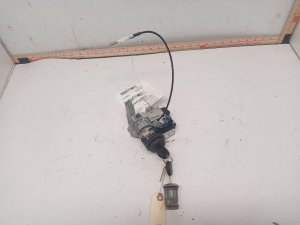
Est. part cost: $5-$20 - Faulty Ignition Switch ⚪ Low Probability → Shop Ignition Switch While possible, this is a very uncommon cause for P2537 on this specific platform compared to the wiring issue. It should only be considered after the wiring in Circuit 5985 has been load-tested and proven to be intact.
How to confirm: If Circuit 5985 has proper voltage when load-tested, the ignition switch itself could be faulty. Test the switch's output terminals to ensure it's sending the correct voltage signal to the BCM when in the 'Accessory' and 'Run' positions.
Typical fix: Replace the ignition switch.
Est. part cost: $30-$80 - Faulty Body Control Module (BCM) ⚪ Low Probability → Shop Body Control Module
How to confirm: This is a rare cause and should only be considered after thoroughly ruling out wiring issues and a faulty ignition switch. If the BCM is receiving correct inputs but not sending a 12V signal out on Circuit 5985 (BCM Connector X6, Pin 1 on some models), the module itself may have failed.
Typical fix: Replace and reprogram the Body Control Module. This requires a professional scan tool and programming service.
Est. part cost: $250-$450
Diagnosis Steps
- Scan for all Diagnostic Trouble Codes (DTCs). If other codes are present, especially P129D, it reinforces the likelihood of a fault on Circuit 5985.
- Verify the primary symptom. Check if the blower motor stays on with the key off or if the remote start is inoperative, as these are classic signs for this issue on K2XX trucks.
- Perform a load test on Circuit 5985. This is the most critical step. Disconnect the connector at the ECM or TCM. Identify the violet wire (Circuit 5985). Connect a small 194 bulb between the terminal for the violet wire and a known good ground.
- Wake up the BCM by turning the ignition to 'Run' or turning on the headlights. The 194 bulb should illuminate brightly.
- If the bulb does not light or is dim, it confirms an open or high-resistance fault in the wire. A voltmeter reading across the lit bulb should be 11V or higher.
- Visually inspect the wiring harness in the most common failure locations. Start by removing the driver's side door sill plate and carefully unwrapping and inspecting the harness for any signs of corrosion (often green), chafing, or a clean break in the violet wire.
- If no fault is found, inspect the harness under the driver-side underhood fuse block and along the driver's side frame rail for any signs of damage.
- Once the fault is located, repair the wire. Cut out the damaged section and splice in a new piece of wire using a weatherproof butt connector or by soldering and sealing with heat shrink tubing.
- Clear the DTCs and verify that the repair is successful by checking that symptoms are gone and the code does not return.
Parts You'll Likely Need
- Wiring Repair Supplies — The most common cause is a broken wire, not a failed component. The fix requires cutting out the bad section and splicing in a new wire. You will need 18-gauge wire, weatherproof butt connectors, and/or solder and heat shrink tubing.
Trusted brands: 3M
Aftermarket price range: $5-$20 - Ignition Switch
(OEM #ACDelco 84510070 (example, verify by VIN))— In the rare case that the wiring is intact, the ignition switch is the next most likely part to have failed, causing the low voltage signal.
Trusted brands: ACDelco, Standard Motor Products
OEM price range: $50-$90
Aftermarket price range: $30-$60 - Body Control Module (BCM)
(OEM #13592137, 13529592 (examples, must be programmed, verify by VIN))— A very rare cause. Only replace if the BCM is confirmed to be faulty after all wiring and the ignition switch have been ruled out. Requires programming.
Trusted brands: ACDelco (GM Genuine)
OEM price range: $250-$450
Related Codes That Often Appear With This One
- P129D — This code, 'Fuel Pump Driver Control Module Ignition On/Start Switch Circuit Low Voltage,' is often set along with P2537 because the Fuel Pump Driver Control Module (FPDCM) also relies on the same accessory wakeup circuit (5985) for its power-on signal.
- U0074, U0137, U18A2 — These communication codes can appear alongside P2537 as mentioned in TSB PIT5308C, indicating that the unstable wakeup signal is causing network communication issues between modules.
Technical Service Bulletins (TSBs) & Recalls
- PIT5308D: Addresses symptoms like the blower motor staying on, remote start inoperative, and DTC P2537, pointing to a fault in the accessory wakeup circuit (5985). It identifies common chafe/corrosion points and recommends a load test for diagnosis.
Platform-Specific Known Issues
- A known high-resistance or open circuit can occur in the violet wire (Circuit 5985) located in the wiring harness that runs under the driver's side door sill plate. This is documented in GM TSB #PIT5308D.
- Another common failure point for Circuit 5985 is in the harness directly under the driver-side underhood fuse box. Owners have found the violet wire broken inside the loom in this area.
- The chassis harness along the driver's side frame rail is also a known chafe point for this circuit.
Mechanic-Grade Diagnostic Values
- Accessory Wakeup Circuit (5985) Voltage Threshold — expected: Approx. 12V (Battery Voltage) when BCM is awake.. Failure: The TCM may set P2537 if it detects less than 6 volts for one minute.
- Load Test on Circuit 5985 — expected: A 194 incandescent bulb connected to the circuit should light brightly, with at least 11 volts measured across the bulb.. Failure: A dim or unlit bulb indicates high resistance or an open in the circuit.
- Load Test Current Draw — expected: A 194 bulb draws approximately 250mA.. Failure: Attaching a load that draws significantly more than 250mA can pull the circuit voltage down and lead to a misdiagnosis of a good circuit.
- Circuit 5985 End-to-End Resistance — expected: Less than 2 ohms.. Failure: A reading higher than 2 ohms indicates excessive resistance in the wire.
Scan Tool Commands That Help
- GDS2: Data Display: BCM Ignition Accessory/Run parameter — At the beginning of diagnosis, verify this parameter displays 'Active' when the ignition is in the Run position. This confirms the BCM is receiving the correct input from the ignition switch before you start testing downstream wiring.
- GDS2: Data Bus Diagnostic Tool — If multiple communication (U-prefix) codes are present with P2537, this tool can identify which control modules are not communicating on the data bus, helping to pinpoint the location of a wiring fault.
- GDS2: Module Diagnostics > BCM > Control Functions — This allows a technician to individually command BCM outputs (like lights, windows) on and off. If the BCM can command its outputs correctly, it helps prove the BCM itself is functional, pointing the diagnosis towards an input or wiring issue.
Wiring & Ground Locations
- Circuit 5985 at ECM — On some models like those with an L5P engine, this circuit is located at Pin 7 of the main ECM connector.. This is a primary test point for performing a load test as recommended by the TSB to check for voltage from the BCM.
- Circuit 5985 at BCM — Pin 11 of BCM connector X1 on some K2XX platform vehicles. Note: Other documents show it on connector X6, pin 1, indicating variations exist.. This is the source of the 'accessory wakeup' voltage. It can be tested to confirm if the BCM is sending the signal out.
- G218 — Under the dashboard on the driver's side, near the A-pillar and audio speaker.. This is a major instrument panel ground point. A poor connection here is a known platform issue that can cause a wide range of seemingly unrelated electrical problems. A compromised ground can contribute to low voltage readings throughout the system.
- G305 — Under the vehicle, to the rear of the left B-pillar at the third body mount on the frame.. This is a key body-to-frame ground. Corrosion or looseness here can affect the electrical stability of multiple systems controlled by the BCM.
Real Owner Repair Stories
- tahoeyukonforum.com user (2015+ GM SUV (K2XX Platform)) — Blower motor running continuously after vehicle shut off, leading to a dead battery.
❌ Tried (didn't work) Initial diagnosis was unclear.
✅ What actually fixed it The owner followed advice related to TSB PIT5308D, found a broken wire under the driver's side sill plate, and repaired it, which resolved all symptoms. - Reddit user in r/Silverado (2016 Chevrolet Silverado (K2XX Platform)) — Started with a slow crank, then progressed to an intermittent no-crank situation.
❌ Tried (didn't work) Replacing the battery.
✅ What actually fixed it Cleaning the G304 ground connection located behind the front passenger wheel well resolved the no-crank issue.
"I Checked Everything" — The Actual Cause
- The electrical equivalent of a 'smoke test clean' scenario for P2537 is when a simple voltmeter check shows 12V on Circuit 5985, but the fault persists. This is because the wire can be broken internally and make just enough contact to show voltage with no load, but fail as soon as a module tries to draw current. This is why GM's TSB specifically requires a 'load test' using a 194 bulb, which draws about 250mA and will expose the high resistance that a multimeter misses.
When the Usual Fixes Don't Work
- While the vast majority of P2537 cases on this platform are caused by the broken violet wire (Circuit 5985), there are confirmed owner reports where symptoms of intermittent no-starts were resolved by addressing poor ground connections instead. A 2016 Silverado owner fixed a no-crank issue, after a new battery failed to help, by cleaning ground G304. This highlights that while the TSB is the primary path, a technician should not rule out checking major body and engine grounds if the Circuit 5985 wire tests good under load.
Model Year Variations Within This Range
- 2015-2019: The BCM connector pinout for Circuit 5985 may vary. Some sources indicate it is on connector X1, Pin 11, while others (including Pass 2 data) point to X6, Pin 1. Technicians must verify the correct pin location using service information specific to the vehicle's VIN before testing.
- 2014-2018: The official GM Technical Service Bulletin for this issue was updated several times, expanding the model years covered. PIT5308B covered up to 2017 models, while PIT5308C and PIT5308D expanded to include 2018 models, indicating the fault's persistence through the generation.
Used OEM Parts in Stock
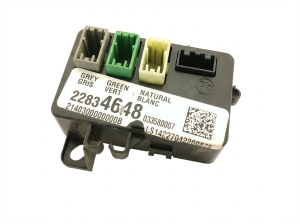
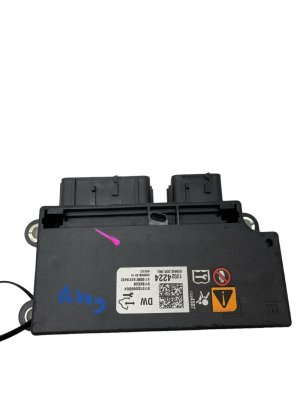
New Aftermarket Parts Available


The information in this article is provided for general reference and educational purposes only. Vehicle specifications, procedures, and part compatibility can vary by production date, trim level, and region. Always consult your vehicle's factory service manual and verify part numbers before purchasing or performing repairs. Safety-critical components such as airbags, seat belts, and braking systems should be installed by a qualified professional.
- Gmc YUKON DENALI:
- 🧭 Diagnostic Flowchart
- 🛍️ Shop This Part
- What's Unique About the 2015-2019 Gmc YUKON DENALI
- Symptoms You May Notice
- Most Likely Causes
- Diagnosis Steps
- Parts You'll Likely Need
- Related Codes That Often Appear With This One
- Technical Service Bulletins (TSBs) & Recalls
- Platform-Specific Known Issues
- Mechanic-Grade Diagnostic Values
- Scan Tool Commands That Help
- Wiring & Ground Locations
- Real Owner Repair Stories
- "I Checked Everything" — The Actual Cause
- When the Usual Fixes Don't Work
- Model Year Variations Within This Range
- 🎟️ Get 5% Off