

OBD-II Code P2543: Low-Pressure Fuel System Sensor Circuit Intermittent
What P2543 means, why it triggers, and how to fix it
- Code P2543 indicates the engine computer is receiving an intermittent signal from the low-pressure fuel sensor, disrupting fuel delivery.
- Before buying parts, inspect the sensor's wiring harness for chafing and check for dealer software updates, which resolve over 50% of these codes.
- Limit driving to short trips under 45 mph; ignoring this code starves the high-pressure fuel pump and causes upwards of $1,000 in secondary damage.
- Ram 2500/3500 Cummins owners (2019-2026) must check for PCM software updates first, as overly sensitive factory monitoring falsely triggers this code.
- Perform a 'wiggle test' on the wiring harness while monitoring live scanner data to pinpoint hidden electrical shorts in minutes.
What Does P2543 Mean?
The Powertrain Control Module (PCM) is receiving an inconsistent signal from the low-pressure fuel sensor. This sensor measures fuel flow from the tank to the engine. When the signal drops out, the PCM cannot properly manage fuel delivery, triggering the Check Engine Light and causing drivability issues.
Technical definition: The official SAE/OBD-II definition is "Low Pressure Fuel System Sensor Circuit Intermittent." The PCM detects the signal from the low-pressure fuel system sensor is unstable or dropping out periodically. The fault lies within the electrical circuit: the sensor, wiring, connectors, or the PCM itself.
Can I Drive With P2543?
Yes, But With Caution. You can drive short distances, but it is a significant gamble. The primary risk is the engine stalling unexpectedly in traffic. Continuing to drive starves the high-pressure fuel pump, leading to premature failure and adding $1,000+ to the repair bill. Limit driving to short, low-speed trips to a repair shop.
Common Causes
- Damaged Wiring or Corroded Connectors (Very Common) — Damaged wiring is the most frequent culprit. Wires fray, crack, or rub against the frame, causing an intermittent short or open circuit. The sensor's connector is also highly susceptible to moisture corrosion, leading to a poor connection.
- Outdated Powertrain Control Module (PCM) Software (Common) — Many vehicles, especially Ram trucks, trigger this code due to overly sensitive PCM monitoring parameters, not hardware failure. A dealer software update resolves the issue by adjusting the sensor thresholds.
- Faulty Low-Pressure Fuel Sensor (Common) — The sensor fails internally due to heat, vibration, and fuel exposure, sending erratic signals even if the wiring is perfect.
- Poor Electrical Grounds (Less Common) — A loose or corroded ground wire causes fluctuating voltage readings, which the PCM interprets as an intermittent sensor signal. This is frequently overlooked during diagnosis.
- Faulty Fuel System Control Module (FSCM) (Less Common) — In GM and Ford vehicles, a dedicated Fuel System Control Module manages the fuel pump and sensor. This module fails and loses its ability to process the sensor's signal, triggering a circuit code.
- Air in the Fuel System (Rare) — If the code appears immediately after a fuel filter change, air is likely trapped in the lines. As air pockets pass the sensor, they cause drastic pressure fluctuations that trigger an intermittent code.
- Failing Fuel Pump or Clogged Fuel Filter (Rare) — A mechanical issue like a weak fuel pump or a severely clogged filter causes unstable pressure that the PCM misinterprets as a circuit fault. This scenario usually sets a P0087 code instead.
- Failing Powertrain Control Module (PCM) (Very Rare) — The internal driver circuit within the PCM that reads the sensor's signal fails intermittently. Consider this only after exhaustively ruling out wiring, sensors, software, and grounds.
Symptoms
- Check Engine Light is On — The light illuminates steadily or flashes if the PCM detects a severe misfire.
- Engine Hesitation or Stumbling — The vehicle hesitates or loses power momentarily when accelerating or climbing hills.
- Engine Stalls Intermittently — The engine stalls unexpectedly under load or when coming to a stop, creating a major safety hazard.
- Hard Starting or Long Crank Times — The engine takes longer to start because the computer lacks a reliable fuel pressure reading during the priming sequence.
- Reduced Fuel Economy — The computer defaults to a richer fuel mixture as a protective measure, dropping gas mileage by 5-10%.
- No-Start Condition — The intermittent fault becomes a hard fault, preventing the PCM from confirming adequate fuel pressure to start the engine.
Diagnostic Flowchart
Tap your situation to follow the diagnostic path that matches what you're seeing on this code.
Common Fixes & Costs
- Repairing Damaged Wiring or Cleaning Connectors — Parts: $5-$50, Labor: $150-$300, ~1.5 hr book time (Intermediate)
- Updating the Powertrain Control Module (PCM) Software — Parts: $0, Labor: $150-$250, ~1.0 hr book time (Professional)
- Replacing the Low-Pressure Fuel Sensor
— Parts: $100-$250, Labor: $150-$250, ~1.5 hr book time
(DIY)
Ram 2500/3500 Cummins: OEM 5363789AA (Alt: {"brand": "Standard Motor Products", "number": "FPS65"})
Volkswagen/Audi FSI/TSI: OEM 06J906051D (Alt: {"brand": "Bosch", "number": "0261545050", "price_comparison": "Often 30-50% less than OEM"})
Kia/Hyundai GDI: OEM 35320-2G750 (Alt: {"brand": "Walker Products", "number": "235-91104"}, {"brand": "NTK", "number": "FG0133"}) - Replacing the Fuel System Control Module (FSCM)
— Parts: $200-$500, Labor: $150-$250, ~1.2 hr book time
(Intermediate)
Chevrolet/GMC Trucks: OEM 23487339 (example, VIN specific) (Alt: {"brand": "Dorman", "number": "601-042 (example, VIN specific)"}) - Replacing a Clogged Fuel Filter — Parts: $20-$80, Labor: $75-$150, ~0.8 hr book time (DIY)
DIY vs Professional
- Repairing Damaged Wiring or Cleaning Connectors — Beginner: Yes, if the damage is obvious and accessible.
Tools: Multimeter, wire strippers, crimpers, heat shrink tubing, contact cleaner, dielectric grease. - Replacing the Low-Pressure Fuel Sensor — Beginner: Yes. Access is the main challenge.
Tools: Basic socket/wrench set, safety glasses, rags for fuel spillage. - Updating the Powertrain Control Module (PCM) Software — Beginner: No.
Tools: Proprietary dealership scan tool or a J-2534 Pass-Thru device with a paid subscription to the manufacturer's service site. - Replacing the Fuel System Control Module (FSCM) — Beginner: Maybe. It depends on location and if programming is required.
Tools: Basic socket/wrench set. Some replacement modules require programming by a dealer.
Used vs. New Parts: Buying Guide
When a used part is worth it: For a low-pressure fuel sensor, buying used is not recommended. A used sensor has unseen internal wear and risks premature failure, leading to repeat labor costs. Buy used only if it is from a very low-mileage donor vehicle and budget is the absolute primary concern.
Donor-vehicle mileage cap: roughly under 30000 miles for the part to have meaningful remaining life.
Donor quality checklist:
- Verify the part number matches exactly.
- Inspect the electrical connector for any signs of corrosion or damage.
- Avoid parts from vehicles located in rust-belt regions due to higher corrosion risk.
Decision logic:
- If A new OEM or reputable aftermarket sensor is available → Buy new. The reliability and warranty outweigh the small cost savings of a used part.
- If The vehicle is old and budget is the absolute primary concern → A used part is a gamble, but serves as a temporary solution. Be prepared for potential premature failure.
- If The part is an electronic sensor with a known wear-out failure mode → Always favor new to ensure maximum lifespan and avoid repeat labor costs.
Warranty tradeoff: Used parts from a salvage yard typically come with a 30-90 day warranty covering only the part. New aftermarket parts offer a 1-year to limited lifetime warranty. New OEM parts carry a 1-2 year warranty.
Worst-case if a used part fails: $250-$500 if the used sensor fails shortly after installation, requiring a new part plus repeat labor charges.
What Happens If You Wait — Timeline
- 0-1 month: Check Engine Light is on. Occasional, mild hesitation when accelerating. The issue is infrequent and may not be noticeable in normal driving. (MPG impact: 0-5%% · Added cost: $0-25 in wasted fuel)
- 1-3 months: Hesitation and stumbling become more frequent. The engine stalls intermittently at low speeds or when coming to a stop. Hard starting becomes common. (MPG impact: 5-10%% · Added cost: $50-100 in wasted fuel)
- 3-6 months: The high-pressure fuel pump (HPFP) is consistently starved of adequate fuel pressure, causing significant internal wear. The engine goes into limp mode frequently. (MPG impact: 10-15%% · Added cost: $1,000-$2,500 for a failing HPFP replacement.)
- 6+ months: Catastrophic failure of the HPFP is imminent. When it fails, it sends metal debris throughout the entire high-pressure fuel system, requiring replacement of the HPFP, fuel injectors, and fuel rail. (MPG impact: 15-25%+% · Added cost: $3,000-$8,000+ for a full high-pressure system rebuild.)
Cost of Not Fixing It
- 0-1 month: Intermittent stalling and hesitation, posing a significant safety risk. Fuel economy drops 5-10%. (Added cost: Negligible)
- 1-6 months: Increased strain on the high-pressure fuel pump (HPFP) due to fuel starvation, causing accelerated internal wear. (Added cost: $1000-$2000)
- 6+ months: Catastrophic HPFP failure. In direct-injection systems, this sends metal debris through the fuel lines, requiring replacement of the pump, rail, and injectors. (Added cost: $3000-$8000+)
Diagnosis Steps
- Check for TSBs and Software Updates
Search for Technical Service Bulletins (TSBs) related to code P2543 for your specific VIN. For many makes, a PCM software update (reflash) is the official fix. Do this before touching any hardware.
Tools: Phone or Computer (Beginner) - Analyze Freeze Frame & Live Data
Use an OBD-II scanner to view freeze frame data, noting the exact engine conditions when the fault triggered. Next, monitor the low-pressure fuel sensor reading in the live data stream. Look for erratic jumps or drops to 0V.
Tools: OBD-II Scanner with Live Data (Beginner) - Perform a Thorough Visual Inspection
Locate the low-pressure fuel sensor. Inspect its electrical connector and the wiring harness leading back to the PCM. Look for green/white corrosion, bent pins, melted plastic, or wires chafing against the frame.
Tools: Flashlight, Inspection Mirror (Beginner) - Perform a 'Wiggle Test'
With the engine running and a scanner graphing the sensor's voltage, wiggle the sensor's connector and follow the wiring harness, wiggling it every few inches. A sharp drop or spike on the graph pinpoints the intermittent open or short.
Tools: OBD-II Scanner with Live Data Graphing (Intermediate) - Test the Sensor Circuit with a Multimeter
Disconnect the sensor and turn the ignition on (engine off). Use a multimeter to test the connector terminals for a 5-volt reference, a good ground (<0.1 volts), and a signal wire. If the 5V reference or ground is missing, the problem is in the wiring or PCM.
Tools: Digital Multimeter, Vehicle-specific Service Manual (Advanced) - Verify Sensor Signal Voltage
Reconnect the sensor and backprobe the signal wire. At idle, voltage should be stable (e.g., 1.0-2.5V) and increase smoothly with throttle. If the voltage is stuck at 0V, 5V, or jumps erratically, the sensor is faulty.
Tools: Digital Multimeter, Backprobe Kit (Advanced) - Test Mechanical Fuel Pressure
Connect a mechanical fuel pressure gauge to the low-pressure service port. Compare the gauge reading to the scanner's reading. If the mechanical gauge is steady but the scanner reading is erratic, the sensor is bad.
Tools: Mechanical Fuel Pressure Gauge, OBD-II Scanner (Advanced) - Purge Air from the Fuel System
If the code appeared after a fuel filter service, prime the system. Cycle the key to the 'ON' position for 30 seconds, then 'OFF', and repeat 3-4 times to let the lift pump purge trapped air.
Tools: Ignition Key (Beginner) - Use an Oscilloscope for Definitive Diagnosis
Backprobe the sensor's signal wire and ground with an oscilloscope. An intermittent fault shows up as a sudden vertical drop to zero volts (open circuit) or a spike to 5V (short to power). This definitively catches micro-glitches.
Tools: Automotive Oscilloscope, Probes (Professional)
When This Code Triggers (Freeze-Frame Conditions)
- Engine Coolant Temp: 170-210°F (Fully warmed up)
- RPM: 1500-2500 (Steady cruise or light acceleration)
- Engine Load: 25-60% (Maintaining speed on a flat road or slight incline)
- Vehicle Speed: 45-65 mph (Highway or arterial road driving)
Related Codes
- P2540 — P2540 means 'Low Pressure Fuel System Sensor Circuit Range/Performance.' While P2543 indicates an intermittent signal loss, P2540 indicates the signal is present but outside its expected voltage range. They share the same root causes.
- P0087 — P0087 means 'Fuel Rail Pressure Too Low.' P0087 indicates actual fuel pressure is too low (a mechanical fault), while P2543 points to an electrical circuit problem. However, a failing low-pressure system eventually causes P0087 to appear.
- P0191 — P0191 is for 'Fuel Rail Pressure Sensor Circuit Range/Performance.' It is the high-pressure equivalent of P2540. P0191 points to a problem with the sensor circuit on the high-pressure fuel rail, whereas P2543 points to the low-pressure sensor circuit.
- P0106 — P0106 for 'Manifold Absolute Pressure/Barometric Pressure Circuit Range/Performance' sometimes appears with P2543. An erratic fuel pressure signal causes the PCM to question the validity of other related sensor inputs, leading to multiple codes.
Climate & Environmental Factors
- Cold Climates / Road Salt: Road salt and moisture are highly corrosive to the sensor's electrical connector and wiring harness. This corrosion creates intermittent opens or shorts, a primary trigger for P2543.
- High Humidity: Sustained high humidity accelerates corrosion on connector pins and ground points, leading to poor electrical connections.
- Extreme Cold: Extreme cold causes wiring insulation to become brittle and crack, potentially leading to shorts. It also causes temporary, erroneous readings from a failing sensor.
How to Talk to a Mechanic About This Code
Say this: "I have a Check Engine Light and my scanner shows code P2543. I understand this code is often caused by wiring, connector, or software issues, not just the sensor itself. Can you please start by checking for TSBs, inspecting the wiring harness, and testing the circuit before recommending a sensor replacement?"
This signals to the shop that you are an informed customer. It directs them to follow a logical diagnostic path, reducing the chance they will just replace the most obvious part without solving the root problem.
Avoid saying:
- 'My Check Engine Light is on, can you just fix it?'
- 'My car is hesitating, I think I need a new fuel pump.'
- 'Just replace the fuel pressure sensor.'
Questions to ask before authorizing the repair:
- What were the results of the wiring 'wiggle test' while watching live data?
- Did you check for any software updates (reflashes) from the manufacturer?
- Can you show me the corroded connector or damaged wire you found?
- If the sensor needs replacement, what tests did you do to confirm the old one is faulty?
- What is the warranty on both the parts and the labor for this repair?
Where to Take It: Dealer vs Independent vs Chain
- Dealer:
Recommended, especially for Ram trucks where a software update is a very common fix. For other makes, start here if the vehicle is under warranty or has known manufacturer-specific quirks.
Best for: Vehicles under warranty (powertrain or emissions), Ram, VW/Audi, and other makes with known software updates (TSBs) for this code, Complex electrical issues that an independent shop has failed to diagnose
Downsides: Highest labor rates, May push for a more expensive harness replacement rather than a simple wiring repair (Typical cost: +50% vs. baseline) - Independent Shop:
Good fit, provided you choose a reputable shop. An experienced independent technician handles the most common causes effectively and at a lower cost than a dealer. Ask if they can check for TSBs.
Best for: Out-of-warranty vehicles, Diagnosing and repairing common wiring and connector faults, Sensor replacement after proper diagnosis
Downsides: Quality and diagnostic skill vary greatly; choose a shop with ASE-certified technicians specializing in electrical diagnostics., May lack access to the latest manufacturer software or re-flashing tools. (Typical cost: +0% vs. baseline) - Chain Shop:
AVOID for diagnosing P2543. This code requires careful electrical diagnosis that is beyond the scope of a typical chain repair shop.
Best for: Simple, unrelated maintenance like oil changes or tires.
Downsides: Technicians lack the specialized electrical diagnostic training for intermittent faults., High pressure to sell parts leads to a quick, incorrect diagnosis of 'bad sensor' without proper testing. (Typical cost: -10% vs. baseline)
When to Walk Away From the Repair
If the estimated repair cost for the P2543 fault and any related necessary repairs exceeds 50% of your car's private-party value, seriously consider selling or trading in the vehicle.
- Car worth $5000, fix is $2800: Walk away. The repair cost is over 50% of the car's value.
- Car worth $15000, fix is $450: Fix it. This repair is a small fraction of the vehicle's value and is necessary for safety and reliability.
- Car worth $3000, fix is $1600: Borderline, likely walk away. At 53% of the car's value, this repair is a poor investment on an older, lower-value car that may have other issues looming.
What Scan Tool You Need for This Code
Minimum: OBD-II reader with live data graphing.
A basic $20 code reader only shows the 'P2543' code. It cannot display the live sensor voltage, which is essential for diagnosing an intermittent electrical problem. You need to see the data stream to know if the signal is dropping out.
Budget: Topdon TopScan / Autel AutoLink AL519 (~$70) — These scanners connect to your smartphone and can read codes, clear them, and display and graph live data for the low-pressure fuel sensor. This is the minimum needed to perform a 'wiggle test'.
Mid-range: Innova 5610 / Foxwell NT650 Elite (~$320) — These handheld units offer robust live data, including graphing multiple PIDs at once. The Innova 5610 offers bi-directional tests to command the fuel pump on/off to verify circuit integrity.
Professional: Autel MaxiCOM MK906BT / XTOOL D8S (~$600-1200) — These professional-level tools offer full bi-directional control. You can command the fuel pump on, check module communication, and perform advanced active tests to definitively isolate the fault between the sensor, wiring, or control module.
Rent vs buy: For a one-time diagnosis, auto parts stores lend basic scanners for free. However, their loaner tools may lack the critical live data graphing feature. Buying a budget pick for under $100 is a worthwhile investment.
How to Clear the Code After You Fix It
- Use an OBD-II scan tool to clear the diagnostic trouble codes (DTCs).
- Perform a complete drive cycle to allow the onboard readiness monitors to run their self-tests.
- Rescan for any pending or current codes to confirm the fix was successful.
Drive cycle (~30 minutes): A general drive cycle involves a cold start, a few minutes of idling, mixed city driving with stops (25-35 mph), and a period of steady highway-speed driving (55-60 mph for 5-10 minutes). Keep the fuel tank between 1/4 and 3/4 full.
Readiness monitors affected: Catalyst Monitor, Evaporative System (EVAP) Monitor, O2 Sensor Monitor, Comprehensive Component Monitor
Before emissions retest: drive at least 100 miles to fully set monitors.
Watch out for:
- Clearing codes resets all readiness monitors to 'Not Ready.' Taking an emissions test before they are 'Ready' results in an automatic failure.
- The code returns quickly if the underlying intermittent electrical fault was not properly diagnosed and repaired.
Will This Fail Emissions / State Inspection?
Yes — this code typically fails an OBD-II emissions inspection.
- California: An illuminated Check Engine Light is an automatic failure of the smog inspection. After repairs, a full drive cycle must be completed to set the readiness monitors before a retest passes.
- New York: A vehicle with an active Check Engine Light automatically fails the emissions portion of the NYS inspection. The system checks for Diagnostic Trouble Codes (DTCs) and readiness monitor status.
- Texas: In the 17 counties requiring emissions testing, an active Check Engine Light results in an automatic failure. The OBD-II test will not pass if the Malfunction Indicator Lamp (MIL) is commanded on.
Most Commonly Affected Vehicles
- Ram 2500/3500 with Cummins Diesel (2019-2026) — Extremely common due to sensitive PCM software. The first diagnostic step must be checking for a software update (reflash) with a dealer. TSBs often bundle this fix with codes P2540 and P0087.
- Volkswagen/Audi Models with FSI/TSI engines (2006-2013) — On these direct-injection engines, the code indicates the in-tank lift pump is failing or restricted. A scan tool confirms this by checking Measuring Value Block (MVB) 106.2; a duty cycle over 60% at idle points to a pump problem.
- Kia/Hyundai Sorento, Sportage, Elantra with GDI engines (2011-2017) — These Gasoline Direct Injection (GDI) models experience this code due to a faulty sensor or wiring issues in the harness.
- Ford F-Series Trucks, Explorer (2011-2018) — Wiring harness issues are a frequent cause. The harness chafes against the frame or other components, causing an intermittent short or open circuit. Inspect the harness near the fuel tank and along the frame rails.
- Chevrolet/GMC Silverado/Sierra, Equinox (2010-2017) — This code appears due to a faulty sensor or corrosion in the connector at the Fuel Pump Control Module (FPCM/FSCM), located on the frame rail and exposed to the elements.
- BMW Various Models with Turbo Engines (e.g., N54, N55) (2007-2016) — BMWs use this code for the low-pressure sensor supplying the high-pressure fuel pump (HPFP). An intermittent signal causes hesitation under boost. The sensor is a common failure point, but wiring must be checked first.
- Subaru Outback, Forester, Impreza (2010-2018) — Triggered by a failing low-pressure sensor or issues within the wiring harness. Less common than on other makes but reported by owners, often accompanied by other system codes.
- Honda Accord, Civic, CR-V (2008-2015) — P2543 appears on Hondas typically pointing to a failing sensor or a poor connection at the sensor's electrical plug.
Manufacturer-Specific Notes
- Ram (Cummins): For 2019+ trucks, the first diagnostic step must be checking for a PCM software update. TSBs address overly sensitive monitoring that falsely triggers fuel sensor codes. Do not replace parts before checking for a reflash.
- Volkswagen/Audi (FSI/TSI): On FSI and TSI engines, monitor the 'duty cycle' of the in-tank fuel pump in Measuring Value Block (MVB) 106, field 2. A value consistently above 60% at idle strongly suggests the pump is failing or restricted, causing the erratic pressure readings.
- Ford: On F-Series trucks and Explorers, the wiring harness running along the driver-side frame rail chafes against the frame, causing intermittent shorts that are notoriously difficult to find without a careful 'wiggle test'.
- GM (Chevrolet/GMC): The Fuel System Control Module (FSCM), mounted on the frame rail, is a common failure point. Inspect the FSCM connector for heavy corrosion before condemning the PCM.
Real Owner Stories
2019 Ram 2500 Cummins at 45K miles
Check Engine Light came on with P2543 and P0087. Truck occasionally hesitated when accelerating from a stop.
What they tried:
- Owner replaced the low-pressure fuel sensor on the fuel filter housing, but the codes returned within a day.
Outcome: Took the truck to the dealership. They found a Technical Service Bulletin (TSB) for a required PCM software update. After the reflash (costing $150), the codes cleared and did not return.
Lesson: For modern Ram trucks, always check for software updates before replacing hardware. A quick call to the dealer with your VIN saves hundreds of dollars in unnecessary parts.
2012 VW GTI (MK6) at 110K miles
Car experienced sudden power loss and hesitation under hard acceleration, accompanied by a P2543 code. The issue was intermittent but worsening.
What they tried:
- A mechanic replaced the low-pressure fuel sensor, but the problem persisted.
- The owner inspected the wiring and found no visible damage.
Outcome: A VW specialist shop diagnosed the issue using a scan tool to monitor the in-tank fuel pump's duty cycle. At idle, it ran at over 70% (normal is under 60%). This indicated the in-tank lift pump was failing and couldn't supply enough fuel to the HPFP, causing the erratic pressure signal. Replacing the in-tank fuel pump assembly fixed the issue.
Lesson: On VW/Audi TSI engines, an intermittent signal is often a symptom of a failing lift pump. Check the pump's duty cycle with a proper scan tool to diagnose the root cause.
2015 Ford F-150 at 80K miles
Engine intermittently stumbled and stalled on bumpy roads. Code P2543 was stored. The problem was hard to reproduce.
What they tried:
- A shop couldn't find the problem because it wouldn't act up in the bay.
- Owner performed a 'wiggle test' on the wiring harness while a helper watched live sensor data on a scanner.
Outcome: While wiggling the harness along the driver-side frame rail near the fuel tank, the sensor reading dropped to zero. They found a spot where the plastic loom wore through and the signal wire chafed against the frame, causing an intermittent short to ground. Repairing the wire and wrapping the harness solved the problem permanently.
Lesson: Intermittent electrical codes are frequently caused by wiring chafe. A wiggle test is an essential diagnostic step that pinpoints faults visual inspections miss.
How to Prevent This Code From Triggering
- Apply Dielectric Grease to Connectors (During any sensor or filter replacement) — Dielectric grease is a non-conductive, waterproof sealant. Applying it to the inside of the fuel pressure sensor connector prevents moisture and road salt from causing corrosion on the pins.
- Inspect and Secure Wiring Harnesses (During every oil change) — Vibration and contact with sharp edges wear through protective loom and wire insulation. Periodically check that harnesses are properly secured with clips and not rubbing against the frame.
- Use High-Quality Fuel System Cleaner (Every 5,000-10,000 miles) — Additives like Chevron Techron clean sulfur deposits and contaminants from fuel system components, ensuring smoother operation.
- Avoid Running the Fuel Tank to Empty (Daily habit) — Fuel in the tank cools the in-tank fuel pump. Frequently running the tank low causes the pump to overheat and wear out prematurely, leading to unstable fuel pressure.
- Install Protective Wire Loom/Sleeving (Once, as a proactive measure in vulnerable areas) — Adding a layer of split-loom tubing or heat-resistant fiberglass sleeving provides an extra layer of defense against chafing and abrasion in exposed areas.
Frequently Asked Questions
What's the most common mistake when diagnosing P2543?
The most common misdiagnosis is immediately replacing the low-pressure fuel sensor without performing basic checks. This code is frequently caused by a wiring, connector, or software issue. Always perform a thorough visual inspection and a 'wiggle test' on the harness before buying parts.
Can I just replace the sensor to fix P2543?
You can, but it is a gamble. Wiring issues, corroded connectors, and software glitches are more common causes than a failed sensor. Replacing the sensor without proper diagnosis wastes money.
My mechanical fuel gauge shows low pressure. Is it still a P2543?
Probably not. If a mechanical gauge confirms the fuel pressure is actually low or unstable, the problem is mechanical (e.g., a weak fuel pump) and triggers code P0087. P2543 specifically points to an electrical fault where the sensor's signal drops out.
Is P2543 a serious code?
It is moderately serious with high safety implications. The risk of stalling in traffic makes it an immediate safety concern. Ignoring it also starves the high-pressure fuel pump, leading to expensive long-term damage.
What does 'intermittent' mean in this code's definition?
Intermittent means the problem is not constant. The signal from the sensor drops out or 'glitches' randomly. This explains why the vehicle drives fine one minute and hesitates or stalls the next.
How much does it cost to fix P2543?
Costs vary based on the root cause. A dealership software update or basic wiring repair runs $150–$300. Replacing the sensor costs $250–$500, while a failed PCM exceeds $1,000.
Can a clogged fuel filter cause a P2543 code?
Yes, but it is less common. A severely clogged filter causes highly unstable fuel pressure. If the fluctuations are erratic enough, the PCM interprets it as an intermittent circuit fault instead of a low-pressure fault.
Can a bad ground cause P2543?
Absolutely. A poor or corroded ground connection for the sensor circuit causes the voltage signal to fluctuate, which the PCM reads as an intermittent fault. Checking and cleaning ground points is a critical diagnostic step.
Key Takeaways
- Code P2543 indicates the engine computer is receiving an intermittent signal from the low-pressure fuel sensor, disrupting fuel delivery.
- Before buying parts, inspect the sensor's wiring harness for chafing and check for dealer software updates, which resolve over 50% of these codes.
- Limit driving to short trips under 45 mph; ignoring this code starves the high-pressure fuel pump and causes upwards of $1,000 in secondary damage.
- Ram 2500/3500 Cummins owners (2019-2026) must check for PCM software updates first, as overly sensitive factory monitoring falsely triggers this code.
- Perform a 'wiggle test' on the wiring harness while monitoring live scanner data to pinpoint hidden electrical shorts in minutes.
Shop the Parts Behind P2543
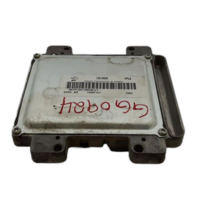
Below are the parts most often responsible for code P2543, ranked by how frequently each one is the actual culprit (per the diagnosis above). Tap any to see what we have for your vehicle.



The information in this article is provided for general reference and educational purposes only. Vehicle specifications, procedures, and part compatibility can vary by production date, trim level, and region. Always consult your vehicle's factory service manual and verify part numbers before purchasing or performing repairs. Safety-critical components such as airbags, seat belts, and braking systems should be installed by a qualified professional.
- 🧭 Diagnostic Flowchart
- 🛍️ Shop This Part
- What Does P2543 Mean?
- Can I Drive With P2543?
- Common Causes
- Symptoms
- Common Fixes & Costs
- DIY vs Professional
- Used vs. New Parts: Buying Guide
- What Happens If You Wait — Timeline
- Cost of Not Fixing It
- Diagnosis Steps
- When This Code Triggers (Freeze-Frame Conditions)
- Related Codes
- Climate & Environmental Factors
- How to Talk to a Mechanic About This Code
- Where to Take It: Dealer vs Independent vs Chain
- When to Walk Away From the Repair
- What Scan Tool You Need for This Code
- How to Clear the Code After You Fix It
- Will This Fail Emissions / State Inspection?
- Most Commonly Affected Vehicles
- Manufacturer-Specific Notes
- Real Owner Stories
- 2019 Ram 2500 Cummins at 45K miles
- 2012 VW GTI (MK6) at 110K miles
- 2015 Ford F-150 at 80K miles
- How to Prevent This Code From Triggering
- Frequently Asked Questions
- What's the most common mistake when diagnosing P2543?
- Can I just replace the sensor to fix P2543?
- My mechanical fuel gauge shows low pressure. Is it still a P2543?
- Is P2543 a serious code?
- What does 'intermittent' mean in this code's definition?
- How much does it cost to fix P2543?
- Can a clogged fuel filter cause a P2543 code?
- Can a bad ground cause P2543?
- Key Takeaways
- 🎟️ Get 5% Off