

OBD-II Code P2560: Engine Coolant Level Low
What P2560 means, why it triggers, and how to fix it
- Stop driving immediately and physically check the coolant reservoir; ignoring a genuine low coolant condition causes catastrophic engine damage exceeding $3,000.
- If the coolant reservoir is full but the P2560 code persists, the most likely culprit is a faulty sensor or a stuck internal float, not a hidden leak.
- On Ram, Ford, BMW, and VW vehicles, replacing the entire coolant reservoir assembly ($130-$600 total cost) is often required because the internal float fails and cannot be serviced separately.
- Never replace the coolant level sensor without first checking for manufacturer Technical Service Bulletins (TSBs), as a simple PCM software update resolves this code on many modern trucks.
What Does P2560 Mean?
The P2560 code means your car's Powertrain Control Module (PCM) detects the engine coolant level is below the minimum required threshold. This indicates an actual fluid leak or a faulty sensor sending a false signal. The vehicle sets this code to warn of an impending overheating condition that causes serious engine damage.
Technical definition: The official SAE/OBD-II definition is "Engine Coolant Level Low." This indicates the Powertrain Control Module (PCM) received a signal from the engine coolant level sensor that falls below the calibrated minimum threshold for a specified duration.
Can I Drive With P2560?
No — Do Not Drive. Do not drive your vehicle. If the coolant is genuinely low, you risk rapid and severe engine overheating. Continuing to drive escalates a minor $150 leaky hose repair into catastrophic engine damage—like warped cylinder heads or a cracked block—costing $3,000 to $5,000+. It is only safe to drive a very short distance to an immediate safe location to park.
Common Causes
- Low engine coolant level due to a leak (Very Common) — The system loses fluid from hoses, the radiator, the water pump, thermostat housing, or a cracked coolant reservoir, causing the level to drop and trigger the sensor.
- Faulty coolant reservoir with a stuck internal float (Very Common) — Many modern vehicles use a magnetic float inside the reservoir. Sludge, sediment, or material degradation causes the float to stick in the 'low' position, triggering the code even with a full tank.
- Faulty engine coolant level sensor (Very Common) — The sensor fails electronically, sending a false 'low' signal to the PCM even when the coolant level is perfectly fine.
- Air trapped in the cooling system (Common) — If the cooling system was recently serviced and not properly bled, air pockets form. These pockets travel to the reservoir and cause the coolant level to drop suddenly.
- Faulty radiator cap (Less Common) — A bad cap fails to hold pressure, allowing coolant to boil off and escape as steam. This gradually lowers the level over time until it triggers the code.
- Wiring harness damage or corrosion (Less Common) — Wires leading to the sensor become damaged, frayed, or corroded. This interrupts the signal, making the PCM register a fault.
- Powertrain Control Module (PCM) software issue (Rare) — The issue is a software glitch. Manufacturers occasionally release Technical Service Bulletins (TSBs) with software updates to correct faulty logic that triggers the P2560 code erroneously.
Symptoms
- Check Engine Light is on — The Malfunction Indicator Lamp (MIL) illuminates on your dashboard.
- Low coolant warning light or message — A specific dashboard light or message displays "Engine Coolant Level Low."
- Engine overheating or running hot — If the coolant is genuinely low, the temperature gauge climbs higher than normal, leading to severe overheating.
- Reduced heater performance — The cabin heater relies on hot coolant. A low coolant level results in the heater blowing cool or lukewarm air.
- Visible coolant puddles under the vehicle — Pink, green, or orange fluid found under the car after parking confirms a coolant leak.
- Sweet smell of coolant — An external coolant leak produces a distinct sweet smell from the engine bay, especially when hot.
Diagnostic Flowchart
Tap your situation to follow the diagnostic path that matches what you're seeing on this code.
Common Fixes & Costs
- Topping off coolant and repairing a leak — Parts: $20-$500, Labor: $150-$700, ~1.5 hr book time (Professional)
- Replacing the coolant reservoir (degas bottle)
— Parts: $50-$450, Labor: $80-$150, ~1.2 hr book time
(Intermediate)
Ram 2500/3500 (2019+): OEM Mopar 68370066AC (Alt: Dorman, others available.)
Ford F-Super Duty (2011-2019): OEM Ford HC3Z-8A080-B, LC3Z-8A080-D (Alt: Dorman, Spectra Premium.)
Volkswagen Jetta (2005-2018): OEM VW 1K0121407A (Alt: Dorman 603-253, Febi, Meyle.) - Replacing the engine coolant level sensor
— Parts: $30-$220, Labor: $50-$110, ~0.8 hr book time
(DIY)
Ram 2500/3500 (2019+): OEM Mopar 68489744AA (Alt: Aftermarket equivalents are available.)
Ford F-Super Duty: OEM Motorcraft / Ford 3F1Z-12A648-A (Alt: Standard Motor Products TX272, Dorman.) - Repairing damaged wiring or connectors — Parts: $5-$30, Labor: $100-$200, ~1.0 hr book time (Intermediate)
- Performing a PCM Software Update — Parts: $0, Labor: $100-$250, ~1.0 hr book time (Professional)
DIY vs Professional
- Topping off coolant — Beginner:
- Replacing the coolant level sensor — Beginner:
- Replacing the coolant reservoir — Beginner:
- Repairing a coolant leak (e.g., hose replacement) — Beginner:
- Using 'Stop Leak' additives — Beginner:
Used vs. New Parts: Buying Guide
When a used part is worth it: For a simple coolant reservoir on an older, high-mileage vehicle where the cost of a new OEM part is prohibitive, a used part from a low-mileage donor is a budget-friendly option. However, plastic degrades with heat cycles.
Donor-vehicle mileage cap: roughly under 60000 miles for the part to have meaningful remaining life.
Donor quality checklist:
- Verify the donor vehicle was not in a front-end collision.
- Inspect the plastic for discoloration, brittleness, or fine hairline cracks indicating heat degradation.
- Ensure the part number matches exactly; reservoirs are specific to engine type and year.
- Avoid parts containing discolored or sludgy coolant residue.
Decision logic:
- If The part is a simple sensor and the new cost is under $100 → buy new for reliability; the savings on a used sensor are minimal.
- If The part is a coolant reservoir and the vehicle is over 10 years old → a used part is viable, but understand its lifespan is uncertain due to plastic degradation.
- If The failure mode is a known defect (e.g., internal float sticking) → buy a new, updated OEM or high-quality aftermarket part; a used part likely has the same defect.
Warranty tradeoff: Used parts from a salvage yard typically have a 30-90 day warranty. New aftermarket parts carry a 1-year to limited lifetime warranty. New OEM parts usually have a 1-2 year warranty.
Worst-case if a used part fails: $300-$600 if a used reservoir cracks after installation, requiring repeat labor costs plus the price of another replacement part.
What Happens If You Wait — Timeline
- 0-50 miles: P2560 code appears, low coolant light on. If the leak is small, the temperature gauge remains normal during short trips. Heater performance weakens. (MPG impact: 0-2%% · Added cost: $0)
- 50-200 miles: Engine temperature climbs above normal during sustained driving. Vehicles enter 'limp mode,' reducing power. The risk of being stranded increases. (MPG impact: 3-5%% · Added cost: $150-$300 (if a tow is required))
- 200-500 miles (or one severe overheating event): Severe overheating occurs. Extreme heat warps the cylinder head, causing a head gasket failure. White smoke pours from the exhaust. (MPG impact: 10-25% (due to engine damage)% · Added cost: $2,000-$4,500 (for cylinder head resurfacing and new head gasket).)
- 500+ miles (or continued driving while overheated): Catastrophic engine failure. The warped head allows coolant and oil to mix, destroying bearings. Extreme heat cracks the engine block or seizes pistons. (MPG impact: N/A (vehicle is undrivable)% · Added cost: $5,000-$10,000+ (for a complete engine replacement).)
Cost of Not Fixing It
- Immediate (0-100 miles): Rapid engine overheating occurs, leaving you stranded. Modern vehicles enter 'limp mode' or shut down automatically to prevent damage. (Added cost: $150-$300 (for a tow truck))
- Short-Term (1-4 weeks): Driving with an overheating engine warps the cylinder head and blows the head gasket. This allows coolant and oil to mix, destroying internal components. (Added cost: $1,500-$4,000+)
- Long-Term (1+ month): Catastrophic engine failure. Extreme heat seizes pistons, cracks the engine block, and destroys internal bearings, requiring a complete engine replacement. (Added cost: $5,000-$10,000+)
Diagnosis Steps
- Visually Inspect the Coolant Level
Wait for the engine to cool completely. Open the hood and locate the semi-transparent plastic coolant reservoir. Check if the fluid is between the 'MIN' and 'MAX' lines. If it is low, you have a leak.
Tools: Flashlight (Beginner) - Check for Obvious Leaks
If the coolant is low, top it off with the correct OEM fluid. Start the engine and look for visible drips from hoses, the radiator, or the water pump. Look for pink, green, or orange crusty residue where coolant dried.
Tools: Flashlight, Correct Coolant (Beginner) - Attempt to Un-stick a Stuck Float
If the coolant is full but the code persists, the internal float is likely stuck. With the engine off, hold a vibrating tool (like an oscillating tool without a blade) firmly against the side of the reservoir for 30-60 seconds. If the vibrations dislodge the float and turn the light off, the reservoir must be replaced.
Tools: Vibrating tool or rubber mallet (Intermediate) - Inspect the Sensor and Connector
Locate the coolant level sensor at the bottom of the reservoir. Check the electrical connector for corrosion, moisture, or damaged pins. Wiggle the connector; if the warning light flickers, you have a poor connection.
Tools: Flashlight (Intermediate) - Perform a Cooling System Pressure Test
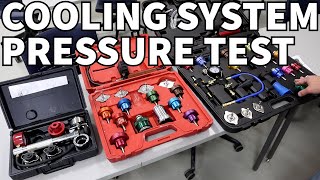
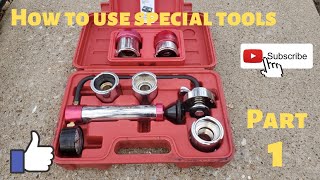
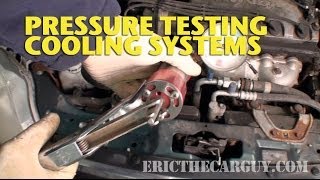
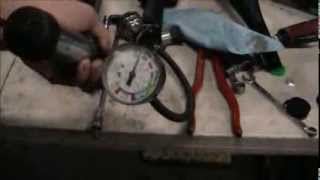
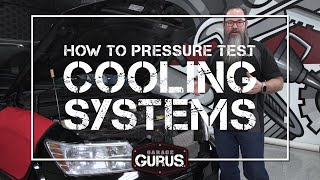
Attach a pressure tester to the radiator or reservoir neck and pressurize the system to the PSI specified on the cap (typically 13-16 PSI). Let it sit for 20-30 minutes. A pressure drop of more than 1-2 PSI confirms a leak.
Tools: Cooling System Pressure Tester (Intermediate) - Check for Technical Service Bulletins (TSBs)
Manufacturers issue TSBs for this code, particularly on Ford and Ram trucks. A dealer performs a PCM software update to correct the issue if no physical faults exist. Check for TSBs like Ram's 18-066-23 or Ford's 19-2363.
Tools: Internet Access or Phone (Beginner) - [PRO TIP] Test the Sensor Circuit (Jumper Wire Test)
If the coolant is full, test the circuit wiring by using a paperclip or fused jumper wire to bridge the two terminals in the sensor's electrical connector. If the 'Low Coolant' light goes out, the wiring and PCM are good, confirming the sensor itself failed.
Tools: Paperclip or Fused Jumper Wire (Advanced) - [PRO TIP] Advanced Sensor Testing (Multimeter)
For voltage-based sensors, back-probe the signal wire with the key on. A reading below 1.0V indicates a 'low' state; 4.5-5.0V indicates 'full'. For resistance-based sensors, disconnect and measure across the pins. Readings outside manufacturer specs (e.g., failing to shift from ~133 ohms to ~1200 ohms) confirm a failed sensor.
Tools: Multimeter, Back-probe kit (Advanced) - [PRO TIP] Analyze Scan Tool Live Data
Connect a professional scan tool and monitor the Engine Coolant Level PID. It should show 'OK' or a high voltage when full. If it reads 'Low' despite a full reservoir, the fault lies within the sensor circuit.
Tools: Professional Scan Tool (Advanced)
When This Code Triggers (Freeze-Frame Conditions)
- Engine Coolant Temp: 180-210°F (82-99°C) (The engine is at full operating temperature.)
- RPM: 1500-2500 (The code sets during steady-state driving, not necessarily during high acceleration or idle.)
- Engine Load: 30-60% (Triggers under a moderate and consistent engine load, such as cruising on a highway.)
- Vehicle Speed: 45-65 mph (72-105 kph) (Consistent with highway or expressway driving conditions when the cooling system is actively working.)
Related Codes
- P1299 — On Ford vehicles, this 'Cylinder Head Over-Temperature Protection Active' code appears with P2560. P2560 indicates the cause (low coolant), while P1299 is the effect (PCM reducing engine power to prevent damage). Fixing P2560 clears P1299.
- P24A5 — This 'EGR Cooler Bypass Control Stuck' code is listed in Ram TSBs alongside P2560. A leaking EGR cooler is a known cause of coolant loss on these trucks. If you have both codes, the EGR cooler is the primary suspect.
- P0117 — 'Engine Coolant Temperature Sensor Circuit Low'. P2560 measures level, while P0117 measures temperature. They appear together if a major leak causes the level to drop and exposes the temperature sensor to air, giving an erratic reading.
- P04DB — On Ram 6.7L Cummins trucks, this 'Crankcase Ventilation System Disconnected' code appears with P2560 during a PCM software update or indicates general engine system faults being monitored.
Climate & Environmental Factors
- Cold Weather: Coolant contracts when cold. A borderline fluid level drops just enough to trigger the sensor on a cold start, then turns off as the engine warms and the fluid expands. This confirms a slow leak.
- High Humidity / Road Salt: Heavy use of road salt corrodes the electrical connector for the coolant level sensor, which sits low in the engine bay. This degrades the electrical signal and triggers a false code.
How to Talk to a Mechanic About This Code
Say this: "I have an OBD-II code P2560 for a low coolant level. I checked the reservoir, and the coolant is full. Please start by checking for any TSBs and then test the coolant level sensor circuit, including the sensor itself and the float in the reservoir, before searching for a system leak."
This signals you are an informed customer. It directs the mechanic to the most likely causes when the coolant is full (sensor, float, wiring, or TSB) and prevents them from starting an expensive leak-down test when the system isn't losing fluid.
Avoid saying:
- 'My check engine light is on, can you fix it?'
- 'Just do whatever it takes to fix it.'
- 'My car says the coolant is low, but I think it's fine.'
Questions to ask before authorizing the repair:
- How did you determine the cause? Can you show me the faulty part?
- If you are recommending a new reservoir, is it because the internal float is stuck?
- Did you perform a pressure test, and if so, did the system hold pressure?
- Did you check for any software updates or Technical Service Bulletins (TSBs) related to this code?
- Can I get a written estimate that breaks down parts and labor costs?
Where to Take It: Dealer vs Independent vs Chain
- Dealer:
Best for in-warranty repairs or if you know a specific manufacturer TSB applies to your vehicle.
Best for: Vehicles under warranty., Known TSBs that require a PCM software update (common on Ram and Ford trucks)., Complex electrical diagnostics if the fault is in the wiring harness or PCM.
Downsides: Highest labor rates., Recommends replacing a larger assembly when a smaller component has failed. (Typical cost: +50% vs. baseline) - Independent Shop:
The best choice for most out-of-warranty P2560 repairs, offering a good balance of expertise and value.
Best for: Out-of-warranty vehicles where cost is a factor., Common P2560 causes like a visible leak, a bad sensor, or a faulty reservoir.
Downsides: Shop quality and diagnostic capabilities vary widely; check for ASE certifications., Lacks access to the latest manufacturer software for PCM updates. (Typical cost: +0% vs. baseline) - Chain Shop:
Use with caution. Risky for initial diagnosis due to the code's multiple possible causes. Only recommended if you have already diagnosed the specific part failure yourself.
Best for: Simple, confirmed repairs like replacing an easily accessible sensor.
Downsides: High pressure to upsell services like unnecessary coolant flushes., Technician skill varies greatly, increasing the risk of misdiagnosis (e.g., replacing a good sensor when the reservoir float is stuck). (Typical cost: -10% vs. baseline)
When to Walk Away From the Repair
If the estimated repair cost exceeds 40-50% of the car's private-party value, seriously consider selling or trading in the vehicle rather than repairing it.
- Car worth $4000, fix is $600: Fix it. The repair cost for a new reservoir and sensor is well below the threshold.
- Car worth $30000, fix is $800: Fix it. On a newer truck, this is a routine repair cost.
- Car worth $3500, fix is $3000: Walk away. If the code was ignored and led to a blown head gasket, the repair cost is too high relative to the car's value.
What Scan Tool You Need for This Code
Minimum: A basic code reader that displays and clears codes, shows freeze-frame data, and views live data PIDs (Parameter IDs).
A simple code reader gives you the P2560 code, but a scanner with live data is needed to confirm if the computer actually sees a 'Low' signal from the sensor circuit, which is critical if the coolant tank is full.
Budget: BlueDriver Pro or Foxwell NT301 (~$70-100) — Reads and clears the code, shows freeze-frame data, and displays live sensor data on your phone or device screen. This distinguishes between a real leak and a sensor circuit fault.
Mid-range: Innova 5610 or Autel MaxiCOM MK808S (~$300-400) — Offers all budget features plus manufacturer-specific codes and bidirectional controls to test components, useful for complex electrical diagnosis.
Professional: Autel MaxiSys Series (e.g., MS906 Pro) (~$600-1200+) — Provides full, dealership-level diagnostic functions, including advanced coding and programming needed for PCM replacements or complex module issues.
Rent vs buy: If this is a one-time repair, auto parts stores like AutoZone have a loaner tool program where you borrow a basic OBD-II scanner for free after leaving a refundable deposit. Buy a scanner only if you plan to do your own diagnostics regularly.
How to Clear the Code After You Fix It
- Use an OBD-II scan tool to clear the P2560 code.
- Ensure the fuel tank is between 1/4 and 3/4 full.
- Perform a complete drive cycle to allow the vehicle's readiness monitors to reset.
Drive cycle (~30 minutes): Start the engine from a cold start (sit for 8+ hours). Idle for 2-3 minutes with A/C and rear defroster on. Turn loads off and drive at a steady 55 mph for 10-15 minutes. Perform 15-20 minutes of stop-and-go city driving. Allow the vehicle to cool completely.
Readiness monitors affected: Catalyst Monitor, Evaporative System Monitor, Oxygen Sensor Monitor
Before emissions retest: drive at least 100 miles to fully set monitors.
Watch out for:
- Disconnecting the battery clears the code but resets all readiness monitors to 'Not Ready', causing an immediate emissions test failure.
- The code returns immediately if the underlying problem (leak, bad sensor, stuck float) is not repaired.
Will This Fail Emissions / State Inspection?
Yes — this code typically fails an OBD-II emissions inspection.
- California: An illuminated Check Engine Light is an automatic failure. After repair, a full drive cycle must be completed to set the readiness monitors before a re-test.
- New York: The NYS DMV inspection includes an OBD-II scan. The P2560 code causes an automatic failure of the emissions portion of the test.
- Texas: In counties requiring emissions testing, an active Check Engine Light for P2560 is an automatic failure. You cannot pass until the issue is repaired and the code cleared.
Most Commonly Affected Vehicles
- Ram 2500/3500 with 6.7L Cummins (2013-2022) — Extremely common issue. Often caused by a stuck internal float in the reservoir (P/N: 68370066AC), requiring full reservoir replacement. Numerous TSBs exist for PCM updates (e.g., 18-066-23) that address this code.
- Ford F-Super Duty with 6.7L Power Stroke (2011-2019) — Often a sensor or reservoir issue. TSB 19-2363 exists for an erroneous P2560 code. It is also triggered by a faulty Engine Oil Temperature (EOT) or Engine Coolant Temperature (ECT) sensor sending incorrect data.
- Ford Escape, Fusion, Transit Connect, Fiesta ST with 1.6L GTDI (2013-2015) — Subject to a major safety recall (NHTSA #17V209) due to a risk of cylinder head cracking and engine fires from coolant loss. Dealers install a dedicated coolant level sensor free of charge. Take P2560 extremely seriously on these models.
- Volkswagen Jetta, Golf, GTI, Tiguan (2010-2018) — The coolant level sensor is integrated into the bottom of the expansion tank (P/N: 1K0121407A). Failure requires replacing the entire tank. The issue is also traced to a failing water pump or thermostat housing leak.
- BMW Various (3-Series, 5-Series, X-Series) (2013-2023) — The sensor is part of the expansion tank. The internal float becomes water-logged or detached from its magnet, causing a false low-level reading even when full. The fix is replacing the entire coolant expansion tank.
- Chevrolet / GM Cruze, Sonic, Trax with 1.4L Turbo (2011-2018) — Known for cooling system issues. P2560 is often related to a faulty sensor or part of a larger overheating problem stemming from leaks in the thermostat housing, water pump, or radiator.
- Hyundai/Kia Various (2010-2020) — Typically caused by a legitimate low coolant condition from a leak (radiator, hoses) or a simple failure of the level sensor itself.
- Mack/Volvo Trucks Various Heavy Duty (2008-2022) — TSB RD18-002 indicates common causes are a stuck sensor float, wiring issues, or a faulty sensor. Diagnostic data involves specific resistance checks (e.g., ~133 ohms for normal, ~1200 ohms for low).
Manufacturer-Specific Notes
- Ram (Cummins): The most common fix is replacing the entire coolant reservoir. The internal float fails and is non-serviceable. Replacing only the external sensor fails to fix the problem. Check for TSBs like 18-066-23 for PCM software updates.
- Ford: On 1.6L GTDI engines (Escape, Fusion), Ford issued safety recall 17S09 to add a coolant level sensor system to address fire risks from overheating. Verify this recall work was performed.
- BMW/Volkswagen: The coolant level sensor is integrated into the expansion tank. If the sensor fails or the internal float becomes waterlogged, the entire tank must be replaced as a single unit.
- Mercedes-Benz: On models with the 722.6 transmission, P2560 means 'The gear is implausible or the transmission is slipping.' It is a transmission fault, not a coolant level issue. Focus on the transmission's conductor plate and fluid level.
Real Owner Stories
2018 Ram 2500 6.7L Cummins at 56K miles
Constant 'Low Coolant' warning light and P2560 code, even though the coolant reservoir was visibly full.
What they tried:
- Replaced the coolant level sensor first, but the code and warning light returned immediately.
Outcome: The problem was a stuck internal float inside the coolant reservoir. Replacing the entire coolant reservoir assembly permanently fixed the issue.
Lesson: On modern trucks, a false low coolant warning is caused by a faulty reservoir with a non-serviceable internal float. Replacing the sensor alone is a common misdiagnosis.
2014 Ford F-250 6.7L Powerstroke at 95K miles
Check Engine Light with code P2560 appeared shortly after having the water pump replaced. The coolant level was full.
What they tried:
- The dealer performed a full coolant flush and cleaned the system, but the light came back on immediately.
- Further diagnosis pointed to the primary coolant temperature sensor circuit.
Outcome: The issue was a faulty primary coolant temperature sensor. On this Ford system, the PCM uses the temperature sensor input as part of the logic for the P2560 code. Replacing the temp sensor resolved the code.
Lesson: A P2560 code doesn't always point directly to the level sensor. Other related sensors (like temperature sensors) fail and cause the PCM to trigger a low coolant code.
2012 Ford F-350 with intermittent P2560
Truck intermittently went into 'derate' mode with a P2560 code, despite the coolant level being correct.
What they tried:
- Replaced the Engine Coolant Temperature (ECT) sensor, with no change.
- Checked wiring continuity, power, and reference voltage to sensors, all of which were good.
Outcome: The root cause was a corroded ground connection (G101) on the right front frame rail. Cleaning the ground fixed the erratic sensor readings that the PCM misinterpreted.
Lesson: Electrical issues, especially bad grounds, cause seemingly unrelated sensor codes. Always inspect major ground connections in the engine bay for corrosion before replacing parts.
How to Prevent This Code From Triggering
- Perform a cooling system flush at recommended intervals. (Every 30,000-50,000 miles for older coolants, or up to 100,000 miles for modern OAT coolants.) — Anti-corrosion additives break down, making coolant acidic. Flushing removes contaminants, preventing rust and sludge that clog the radiator and cause floats to stick.
- Use only OEM-specified coolant and distilled water. (Every time you top off or flush the system.) — Mixing coolant types causes chemical reactions and gelling. Tap water introduces minerals that accelerate corrosion and scale buildup inside the engine.
- Regularly inspect hoses and the radiator cap. (Every oil change or every 6 months.) — Radiator hoses become brittle, and a faulty radiator cap fails to hold pressure, causing coolant loss. Catching a worn $20 cap prevents a catastrophic failure.
- Keep the exterior of the radiator clean. (Once a year or after driving in muddy/buggy conditions.) — Debris blocks airflow through the radiator fins, reducing cooling efficiency and increasing stress on all components. A gentle spray with a hose improves performance.
Frequently Asked Questions
Can I just clear the P2560 code and keep driving?
No. This disables your engine's primary protection against overheating. Ignoring it causes thousands of dollars in engine damage.
My coolant level is full, so why is the light on?
This means the monitoring system failed, not the cooling system itself. The most likely causes are a bad coolant level sensor, a stuck float inside the reservoir, or a wiring issue.
My mechanic replaced the sensor but the light came back on. What now?
The problem is likely a stuck magnetic float inside the coolant reservoir. The external sensor is working correctly but reading the stuck float. You must replace the entire coolant reservoir assembly.
Can a bad radiator cap cause a P2560 code?
Yes. A faulty cap fails to hold system pressure, allowing coolant to boil off as steam. This gradually lowers the fluid level until it triggers the sensor.
I just had my coolant flushed and now the P2560 light is on. Did the shop mess up?
Yes, they likely failed to properly 'burp' or bleed the cooling system. A trapped air pocket moved into the reservoir, displacing coolant and dropping the level below the sensor threshold.
Is it safe to just add water to my coolant?
Only in an emergency to reach a safe location. Your system requires a specific 50/50 mix of antifreeze and distilled water for proper boiling, freezing, and corrosion protection.
Why did the light come on in the cold but go away when the engine warmed up?
Coolant contracts in cold weather, dropping the level just enough to trigger the sensor. As the engine warms, the fluid expands and turns the light off, indicating a slow leak that requires topping off.
Can a bad thermostat cause a P2560 code?
Not directly. However, a stuck-closed thermostat causes severe overheating, which forces coolant out of the pressure relief cap. The resulting fluid loss then triggers the P2560 code.
Key Takeaways
- Stop driving immediately and physically check the coolant reservoir; ignoring a genuine low coolant condition causes catastrophic engine damage exceeding $3,000.
- If the coolant reservoir is full but the P2560 code persists, the most likely culprit is a faulty sensor or a stuck internal float, not a hidden leak.
- On Ram, Ford, BMW, and VW vehicles, replacing the entire coolant reservoir assembly ($130-$600 total cost) is often required because the internal float fails and cannot be serviced separately.
- Never replace the coolant level sensor without first checking for manufacturer Technical Service Bulletins (TSBs), as a simple PCM software update resolves this code on many modern trucks.
Helpful Videos

Shop the Parts Behind P2560
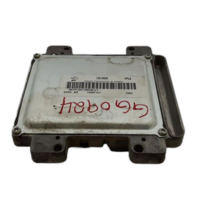
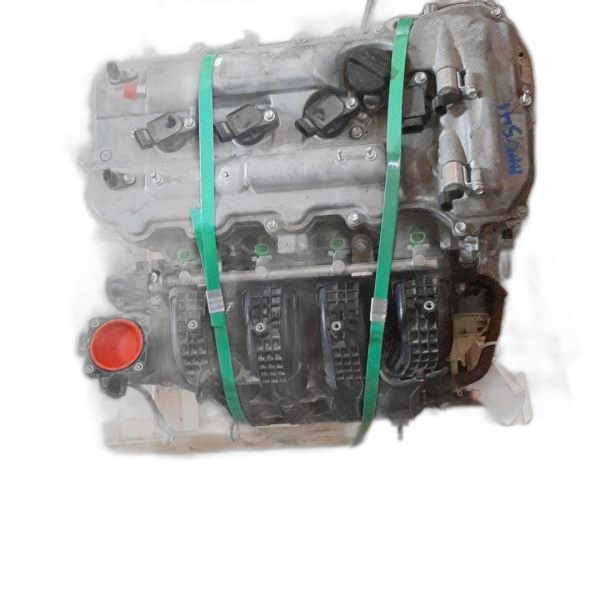
Below are the parts most often responsible for code P2560, ranked by how frequently each one is the actual culprit (per the diagnosis above). Tap any to see what we have for your vehicle.


The information in this article is provided for general reference and educational purposes only. Vehicle specifications, procedures, and part compatibility can vary by production date, trim level, and region. Always consult your vehicle's factory service manual and verify part numbers before purchasing or performing repairs. Safety-critical components such as airbags, seat belts, and braking systems should be installed by a qualified professional.
- 🧭 Diagnostic Flowchart
- 🎬 Helpful Videos
- 🛍️ Shop This Part
- What Does P2560 Mean?
- Can I Drive With P2560?
- Common Causes
- Symptoms
- Common Fixes & Costs
- DIY vs Professional
- Used vs. New Parts: Buying Guide
- What Happens If You Wait — Timeline
- Cost of Not Fixing It
- Diagnosis Steps
- When This Code Triggers (Freeze-Frame Conditions)
- Related Codes
- Climate & Environmental Factors
- How to Talk to a Mechanic About This Code
- Where to Take It: Dealer vs Independent vs Chain
- When to Walk Away From the Repair
- What Scan Tool You Need for This Code
- How to Clear the Code After You Fix It
- Will This Fail Emissions / State Inspection?
- Most Commonly Affected Vehicles
- Manufacturer-Specific Notes
- Real Owner Stories
- 2018 Ram 2500 6.7L Cummins at 56K miles
- 2014 Ford F-250 6.7L Powerstroke at 95K miles
- 2012 Ford F-350 with intermittent P2560
- How to Prevent This Code From Triggering
- Frequently Asked Questions
- Can I just clear the P2560 code and keep driving?
- My coolant level is full, so why is the light on?
- My mechanic replaced the sensor but the light came back on. What now?
- Can a bad radiator cap cause a P2560 code?
- I just had my coolant flushed and now the P2560 light is on. Did the shop mess up?
- Is it safe to just add water to my coolant?
- Why did the light come on in the cold but go away when the engine warmed up?
- Can a bad thermostat cause a P2560 code?
- Key Takeaways
- 🎟️ Get 5% Off