

OBD-II Code P2563: Turbocharger Boost Control Position Sensor 'A' Circuit Range/Performance
The definitive guide to OBD-II code P2563. Your scanner may show C2563, but this is the code it means. We explain the root causes, diagnostic steps, and exact solutions to achieve a permanent fix.
- Code C2563 is a printer error; your vehicle's scanner misread P2563, which indicates a turbocharger control system failure.
- Do not immediately replace the $1,500+ turbocharger; diagnose the system using a scan tool to check for a 0.5V-4.5V sensor sweep to rule out a $50 vacuum leak.
- Replacing a turbo actuator requires a mandatory electronic calibration with a bi-directional scan tool, otherwise the P2563 code returns immediately.
- Driving with P2563 triggers 'limp mode' and risks $1,200-$2,800 in secondary damage to the DPF or catalytic converter from excessive soot.
What Does P2563 Mean?

This code means the Powertrain Control Module (PCM) detects an irrational signal from the turbocharger's boost control position sensor. This sensor monitors the position of the variable vanes or wastegate. When the sensor's reported position fails to match the PCM's commanded position, the computer cannot safely control boost pressure. This triggers a Check Engine Light and forces the engine into a low-power 'limp mode' to prevent catastrophic damage.
Technical definition: Turbocharger Boost Control Position Sensor 'A' Circuit Range/Performance. The PCM detects a mismatch between the commanded position of the turbocharger's variable vanes (or wastegate) and the actual position reported by the sensor. The 'Range/Performance' designation means the circuit is not completely open or shorted. Instead, the signal is present but irrational or stagnant, indicating a mechanical bind (sticking vanes) or a failing sensor.
Can I Drive With P2563?

Yes, But With Caution. Yes, but only to a repair shop. The engine enters 'limp mode' with severely reduced power, making highway merging dangerous. Continuing to drive causes irreversible damage. An uncontrolled turbo leads to overboosting (destroying internal engine components) or excessive exhaust temperatures that melt the catalytic converter or Diesel Particulate Filter (DPF), adding $1,000-$2,500 to your repair bill.
Common Causes

- Sticking or Seized Turbo Actuator Vanes (Very Common) — Soot and carbon buildup inside the turbocharger housing causes the delicate moving parts (actuator arm or internal vanes) to bind. When they cannot move freely, the sensor reports a position mismatch. This is the leading cause in diesel engines like the Duramax and VW TDI.
- Faulty Turbocharger Boost Control Position Sensor (Very Common) — The sensor lives in an extremely hot, high-vibration environment. It fails internally from heat cycles, oil contamination, or simple wear, sending an erratic signal to the PCM.
- Vacuum Leaks (Vacuum-Actuated Turbos) (Common) — Many turbos (VW, Audi, Ford) use vacuum to move the actuator. Brittle, cracked rubber vacuum hoses or a leaking actuator diaphragm prevent the actuator from moving correctly, triggering the code.
- Damaged Wiring or Loose Connectors (Common) — The wiring harness is vulnerable to heat and road debris. Melted wires, corroded connector pins, or internal wire breaks interrupt the sensor's signal.
- Incorrect Part Calibration After Replacement (Common) — Modern turbo actuators are not plug-and-play. After replacing an actuator or sensor, it requires electronic calibration to the PCM using a high-level scan tool. Skipping this step guarantees the P2563 code returns instantly.
- Failed Turbocharger Boost Control Solenoid (Less Common) — This solenoid (the N75 valve on VW/Audi) acts as an electronic gate controlling the vacuum or pressure that moves the actuator. A failed solenoid cannot direct the actuator properly.
- Exhaust Restrictions (Less Common) — A clogged catalytic converter or Diesel Particulate Filter (DPF) creates excessive backpressure. This prevents the turbo vanes from operating in their expected range.
- Software Glitch or Outdated ECU Firmware (Rare) — The PCM's software sometimes contains overly sensitive parameters for the sensor's performance. Manufacturers release Technical Service Bulletins (TSBs) with software updates to widen the acceptable sensor range.
Symptoms
- Check Engine Light is On — The light illuminates immediately when the PCM detects the performance range error.
- Drastic Loss of Engine Power (Limp Mode) — The PCM activates a 'limp home' mode to prevent engine damage, severely limiting RPM and power. The vehicle struggles to exceed 40 mph.
- Inconsistent Acceleration or Surging — Before entering full limp mode, the car hesitates or surges during acceleration as the turbo vanes struggle to find the correct position.
- Audible Whining or Hissing Noises — A high-pitched siren whine indicates a struggling turbo, while a distinct hissing points to a vacuum or boost leak.
- Decreased Fuel Economy — Incorrect boost compromises the engine's air-fuel mixture, leading to inefficient combustion and a noticeable drop in MPG.
- Black Smoke from Exhaust (Diesels) — If the turbo fails to provide enough air (underboost), the engine runs rich, resulting in puffs of black smoke during acceleration.
Diagnostic Flowchart
Tap your situation to follow the diagnostic path that matches what you're seeing on this code.
Common Fixes & Costs
- Replace Turbocharger Boost Control Position Sensor/Actuator
— Parts: $150-$600, Labor: $150-$400, ~2.0 hr book time
(Intermediate)
Chevrolet/GMC Duramax (LLY/LBZ/LMM/LML): OEM 792593-0001, 98061571 (Alt: Dorman 904-268)
Volkswagen/Audi TDI (CBEA/CJAA): OEM 03L198716L (Alt: Vemo V10-77-1083)
Hyundai/Kia 1.6T: OEM 39400-2B250 (Alt: Standard Motor Products TCA101) - Repair Damaged Wiring or Vacuum Hoses — Parts: $10-$60, Labor: $120-$250, ~1.2 hr book time (DIY)
- Perform Professional Turbocharger Cleaning Service — Parts: $0, Labor: $600-$1,200, ~8.0 hr book time (Professional)
- Replace Turbocharger Assembly
— Parts: $900-$2,800, Labor: $500-$1,300, ~6.5 hr book time
(Professional)
Chevrolet/GMC Duramax (LML): OEM 12642314 (Alt: Garrett Remanufactured)
Volkswagen/Audi TDI (CJAA): OEM 03L253056G (Alt: BorgWarner Remanufactured) - Perform PCM Software Update and/or Actuator Calibration — Parts: $0, Labor: $100-$200, ~1.0 hr book time (Professional)
DIY vs Professional
- Repair Damaged Wiring or Vacuum Hoses — Beginner: Yes
Tools: Basic hand tools, multimeter, wire strippers, heat shrink tubing, zip ties. - Replace Turbocharger Boost Control Position Sensor/Actuator — Beginner: No
Tools: Mechanic's tool set, sensor sockets, advanced scan tool for calibration. - Perform Professional Turbocharger Cleaning Service — Beginner: No
Tools: Extensive mechanic's tool set, specialty turbo tools, media blasting equipment. - Replace Turbocharger Assembly — Beginner: No
Tools: Extensive mechanic's tool set, engine lift/support, torque wrench, advanced scan tool.
Used vs. New Parts: Buying Guide
When a used part is worth it: For a complete turbocharger assembly on a high-mileage vehicle (>150k miles) where budget is the primary concern, a used unit from a low-mileage donor is viable. Never buy a used electronic actuator/sensor alone, as its remaining lifespan is unknown.
Donor-vehicle mileage cap: roughly under 80000 miles for the part to have meaningful remaining life.
Donor quality checklist:
- Verify the donor vehicle was not scrapped due to engine or emissions failure.
- Inspect the turbine blades for impact damage, chipping, or housing rub marks.
- Check for excessive shaft play; significant wobble indicates a worn bearing.
- Match part numbers exactly to ensure internal specifications align.
Decision logic:
- If The fault is isolated to the electronic actuator/sensor → Buy a new OEM or high-quality aftermarket part. The labor is too high to risk a used electronic component.
- If The entire turbo assembly is required for a vehicle under 100k miles → Buy a new or professionally remanufactured unit to ensure longevity.
- If The vehicle is over 150k miles and the repair cost approaches the vehicle's value → A low-mileage used assembly is an acceptable risk, provided it passes physical inspection.
Warranty tradeoff: Used parts typically include a 30-90 day part-only warranty. New aftermarket parts offer 1-3 year warranties. New OEM parts carry a 1-year warranty that covers labor if installed by a dealer.
Worst-case if a used part fails: $500 - $1500 if a used part fails shortly after installation, requiring a second labor charge and a replacement part.
What Happens If You Wait — Timeline
- 0-4 weeks: Code P2563 appears. Vehicle enters 'limp mode' with severely reduced power, making it sluggish and unsafe in traffic. Symptoms might be intermittent. (MPG impact: 5-15%% · Added cost: $0 - $50 in wasted fuel)
- 1-3 months: Continued driving with incorrect boost control leads to inefficient combustion and excessive soot production. This begins to clog the Diesel Particulate Filter (DPF) or Catalytic Converter. (MPG impact: 10-20%% · Added cost: $50 - $150 in wasted fuel)
- 3-6 months: The DPF or catalytic converter becomes severely clogged. The engine struggles to run, and the DPF/cat sustains permanent damage from excessive heat during forced regeneration attempts. (MPG impact: 20-30%% · Added cost: $1,200 - $2,800 for DPF/Catalytic Converter replacement)
- 6+ months: Catastrophic failure. Uncontrolled overboost bends connecting rods or damages pistons. The turbocharger bearings fail from excessive heat, sending metal fragments into the engine. (MPG impact: >30%% · Added cost: $4,000 - $10,000+ for turbo and/or engine replacement)
Cost of Not Fixing It
- Immediate: Vehicle enters 'limp mode' with severely reduced power, creating a safety hazard in traffic. Fuel economy drops by 5-15%. (Added cost: Negligible)
- 1-3 months: Continued operation with incorrect boost leads to excessive soot buildup, clogging the Diesel Particulate Filter (DPF) or melting the catalytic converter. (Added cost: $1,200 - $2,800)
- 3+ months: Catastrophic turbo failure. Uncontrolled overboost bends connecting rods or damages pistons. A seized turbo starves the engine of air or sends metal fragments into the intake. (Added cost: $4,000 - $10,000+)
Diagnosis Steps

- Scan for All Fault Codes & Review Freeze Frame Data
Use an OBD-II scanner to confirm P2563. Check for related codes (P0299, P003A, P2562) which provide vital clues. Analyze the freeze frame data to identify the exact engine conditions when the fault triggered.
Tools: OBD-II Scanner (Beginner) - Thorough Visual Inspection
Inspect the turbocharger area. Look for melted wiring, corroded connectors at the actuator, and cracked or disconnected rubber vacuum lines. Check for oil or soot covering the actuator.
Tools: Flashlight, Inspection Mirror (Beginner) - Analyze Live Data with an Advanced Scan Tool
Graph 'Turbocharger Vane Position Commanded' vs. 'Turbocharger Vane Position Sensor'. Command an actuator sweep from 0-100%. In a healthy system, the 'Actual' percentage mirrors the 'Commanded' percentage. A slow, stuck, or erratic 'Actual' line confirms a mechanical or sensor issue.
Tools: Advanced OBD-II Scanner (Intermediate) - Check Sensor Voltage Range via Live Data
Monitor the sensor's signal voltage. With the key on and engine off, the voltage sits at a specific baseline (e.g., 4.0V). As the actuator moves, the voltage must sweep smoothly between 0.5V and 4.5V. Jumps or dropouts indicate a faulty sensor or wiring.
Tools: Advanced OBD-II Scanner (Intermediate) - Manually Test Actuator Movement
With the engine off and cool, move the actuator arm by hand. It must move smoothly against spring tension. If it feels gritty, stiff, or seized, the turbo vanes are stuck and require cleaning or replacement.
Tools: Gloves (Intermediate) - Test Vacuum-Operated Systems
Disconnect the vacuum line from the actuator and connect a hand vacuum pump. Apply vacuum; the arm should move at 3-5 inHg and hit its stop by 18-22 inHg. It must hold vacuum without bleeding off. If it fails, replace the actuator diaphragm.
Tools: Hand Vacuum Pump with Gauge (Advanced) - Test Sensor Circuit with a Multimeter
Unplug the sensor. Check for a 5-volt reference signal from the PCM and a solid ground (less than 0.1 Ω). Check for continuity on the signal wire between the sensor and the PCM. An open circuit (OL) indicates a broken wire.
Tools: Multimeter, Vehicle-Specific Wiring Diagram (Advanced) - Perform Calibration and Validation
After replacing an actuator or turbocharger, perform the manufacturer's specified calibration procedure using an advanced scan tool. Clear all codes and perform an extended test drive under load to ensure the code does not return.
Tools: Advanced OBD-II Scanner (Professional)
When This Code Triggers (Freeze-Frame Conditions)
- Engine Coolant Temp: 180-205°F (82-96°C) (The engine is fully warmed up and has exited its cold-start enrichment phase.)
- RPM: 1500-2800 RPM (The fault logs during steady-state cruising or light to moderate acceleration, rarely at idle.)
- Engine Load: 30-70% (The code sets when the engine is under a consistent load, such as climbing a slight grade.)
- Vehicle Speed: 40-65 mph (65-105 kph) (Highway speeds where the turbo actively manages boost for efficiency and power.)
Related Codes
- P0299 — P0299 means 'Turbocharger Underboost.' This is the physical result of the P2563 fault. If the vanes are stuck closed, the engine cannot get enough boost. Seeing both strongly points to a mechanical issue.
- P003A — Indicates the turbocharger boost control module is outside its learned position limits. Commonly seen alongside P2563 on Duramax engines when the vane control system fails to reach its commanded position.
- P2562 — P2562 is a 'Circuit' code, indicating a purely electrical fault like an open wire or short to ground. P2563 is a 'Range/Performance' code, pointing toward a mechanical bind or a failing (but not dead) sensor.
- P00AF — Means 'Turbocharger Boost Control 'A' Module Performance.' Often seen with P2563 on VW/Audi models. P00AF is a general performance fault, while P2563 pinpoints the position sensor's signal.
Climate & Environmental Factors
- Cold Weather: Low temperatures thicken actuator lubricants and freeze condensation on linkages, causing mechanical binding. The code often appears during cold spells and resolves when temperatures rise.
- High Humidity: Moisture causes condensation inside electronic actuators and corrodes connectors, leading to electrical shorts or signal dropouts.
- Short-Trip Driving / Excessive Idling: These habits prevent the exhaust from reaching temperatures high enough to burn off soot. This accelerates carbon buildup on the VGT vanes, the primary cause of P2563 in diesels.
- High Altitude: The turbocharger works harder to produce boost at high altitudes, exposing pre-existing weaknesses in the actuator's ability to maintain its commanded position.
How to Talk to a Mechanic About This Code
Say this: "I have a P2563 code and need a diagnostic. Please check for simple issues first, like vacuum leaks or wiring damage, and test the actuator movement with a scan tool before recommending a full turbo replacement."
This signals you know the common, cheaper failure points and prevents a shop from immediately quoting the most expensive repair. It directs them to perform a thorough diagnosis.
Avoid saying:
- 'Just fix my check engine light.'
- 'My car has no power, I think the turbo is bad.'
- 'Do whatever you think is best.'
Questions to ask before authorizing the repair:
- What were the results of the live data test for commanded vs. actual actuator position?
- Did you test the actuator with a vacuum pump and did it hold vacuum steadily?
- Can you show me the damaged wiring or cracked hose that you found?
- If I need a new actuator, does your quoted price include the mandatory electronic calibration procedure?
Where to Take It: Dealer vs Independent vs Chain
- Dealer:
Best for: Vehicles still under powertrain or emissions warranty., Complex manufacturer-specific issues, like a Hyundai/Kia actuator adjustment or a required PCM software update.
Downsides: Highest labor rates, often 1.5-2x more than independent shops., Defaults to replacing the entire turbo assembly when a smaller component or cleaning suffices. (Typical cost: +50% vs. baseline) - Independent Shop:
Best overall fit for out-of-warranty repairs. A reputable independent shop with turbo experience offers the best balance of expertise and value.
Best for: Out-of-warranty vehicles where cost is a factor., Shops specializing in your vehicle's brand (e.g., German, Diesel) with advanced diagnostic tools.
Downsides: Diagnostic capability varies widely; ensure the shop has bi-directional scan tools and turbo experience. (Typical cost: +0% vs. baseline) - Chain Shop:
AVOID. This repair is too complex and requires diagnostic capabilities beyond the scope of a chain repair shop.
Best for: Simple jobs like oil changes and brakes.
Downsides: Technicians lack the specialized training and advanced diagnostic tools required for a complex code like P2563., High likelihood of misdiagnosis or recommending an unnecessary full turbo replacement. (Typical cost: -10% vs. baseline)
When to Walk Away From the Repair
If the estimated repair cost exceeds 40-50% of the car's private-party value, seriously consider not fixing it.
- Car worth $5000, fix is $2500: Borderline. Get a second opinion to confirm if the entire turbo needs replacement before authorizing the repair.
- Car worth $15000, fix is $800: Fix it. The repair cost is well below the threshold and restores significant value to the vehicle.
- Car worth $3000, fix is $3200: Walk away. The repair cost exceeds the car's value. It is not economically viable to proceed.
What Scan Tool You Need for This Code
Minimum: A scanner that reads and graphs live data PIDs, specifically 'Commanded Turbo Position' and 'Actual Turbo Position'.
A basic $20 code reader only confirms the P2563 code exists. It cannot show the live data needed to determine if the cause is a stuck mechanical part, a failing sensor, or a wiring issue.
Budget: BlueDriver Pro (~$100) — Connects to your smartphone and graphs live data, helping you see if the sensor's reported position is stuck or erratic as you drive.
Mid-range: Foxwell NT510 Elite / XTOOL D7 (~$180-400) — Adds bi-directional control. This allows you to command the actuator to move (an 'actuator sweep test') to see if it is physically stuck.
Professional: Autel MaxiCOM MK808S / Launch X431 series (~$450-1200) — Offers full bi-directional control and the specific manufacturer-level 'Turbocharger Relearn' function required after replacing an actuator.
Rent vs buy: Buy. Free rental scanners at auto parts stores are basic code readers lacking the live data and bi-directional functions necessary for a proper diagnosis.
How to Clear the Code After You Fix It
- Use an OBD-II scan tool to clear all diagnostic trouble codes (DTCs).
- Ensure the fuel tank is between 1/4 and 3/4 full.
- Verify the battery is fully charged.
Drive cycle (~30 minutes): Start with a cold engine (sit for 8+ hours). Idle for 3 minutes with electrical loads on (A/C, rear defroster). Drive in stop-and-go city traffic for 15 minutes. Drive at a steady highway speed (55 mph) for 10 minutes. Allow the vehicle to cool down completely.
Readiness monitors affected: Comprehensive Component Monitor, Catalyst Monitor, Oxygen Sensor Monitor
Before emissions retest: drive at least 100 miles to fully set monitors.
Watch out for:
- Disconnecting the battery clears the code but resets all readiness monitors to 'Not Ready', guaranteeing an emissions test failure.
- The code returns immediately if the new actuator was not electronically calibrated to the PCM.
Will This Fail Emissions / State Inspection?
Yes — this code typically fails an OBD-II emissions inspection.
- California: An illuminated Check Engine Light results in an automatic smog check failure. After repairs, a full drive cycle must set all readiness monitors before re-testing.
- New York: An active P2563 code fails the mandatory OBD-II inspection. For 2001 and newer vehicles, only one readiness monitor is allowed to be 'Not Ready'.
- Texas: In emissions-testing counties, an illuminated Check Engine Light is an automatic failure. You must drive 50-100 miles after clearing the code to reset monitors.
Most Commonly Affected Vehicles
- Chevrolet/GMC Silverado/Sierra with Duramax Diesel (2004-2016) — Extremely common due to soot buildup causing the variable geometry turbo (VGT) vanes to stick. TSB 07-06-04-019G provides diagnostic advice. The actuator solenoid is part 792593-0001.
- Volkswagen/Audi Jetta, Golf, A3, Passat with TDI Diesel (2009-2015) — Usually caused by cracked vacuum lines or a failed vacuum actuator diaphragm on CBEA/CJAA engines. The actuator repair kit is OEM part 03L198716L.
- Hyundai/Kia Tucson, Santa Fe, Sonata, Optima with Turbo (2011-2018) — Often requires adjusting the electronic wastegate actuator rod rather than replacing it. TSB 18-EM-005H details adjusting the rod to achieve a 4.0V-4.5V baseline.
- Ford F-150, Explorer, Focus, Escape with EcoBoost (2011-2020) — Appears due to internal failure of the boost control position sensor from heat and wear, or a leaking vacuum actuator on 1.6L, 2.0L, and 3.5L engines.
- Ram 2500/3500 with Cummins Diesel (2007-2018) — The electronic actuator on the Holset HE351VE VGT turbo is a frequent failure point. Replacement requires calibration with a high-end scan tool.
- Honda Accord, Civic, CR-V with 1.5L Turbo (2016-2022) — Caused by a malfunctioning electronic wastegate actuator. Honda does not sell the actuator separately, requiring a full turbocharger assembly replacement.
- Toyota HiLux, Prado, Fortuner with 1KD/1GD Diesel (2005-2023) — Points to a failing electronic step-motor actuator or a VNT mechanism sticking due to carbon buildup. The actuator is replaceable separately.
- Nissan Navara, Pathfinder with YD25 Diesel (2006-2015) — Frequently seen on the D40 Navara, pointing to a fault within the turbocharger boost control actuator that necessitates replacement.
Manufacturer-Specific Notes
- General Motors (Duramax): The primary cause is soot buildup inside the Garrett VGT turbo. Shops attempt a 'soot clean' procedure using a scan tool to cycle the actuator rapidly. If that fails, the turbo requires removal for deep cleaning. Refer to TSB 07-06-04-019G.
- Volkswagen / Audi (TDI): Always suspect the vacuum system first. Small rubber vacuum lines become brittle and crack, or the actuator diaphragm ruptures. A simple test with a hand vacuum pump saves hundreds in misdiagnosis.
- Hyundai / Kia: These vehicles often require the electronic wastegate actuator rod to be adjusted, not replaced. TSB 18-EM-005H involves monitoring sensor voltage while adjusting the rod length until it reads 4.0V-4.5V.
- Ford (EcoBoost): The wastegate actuator is controlled by vacuum modulated by a solenoid (TCBV). A common failure is the solenoid itself or its connected vacuum lines. Test the vacuum supply before condemning the turbo assembly.
Real Owner Stories
2010 VW Jetta TDI with 130k miles
Check engine light and flashing glow plug light came on, with occasional limp mode. Codes P2563 and P0299 (Underboost) were present.
What they tried:
- Initial checks for vacuum leaks on all small hoses.
- Replaced the N75 solenoid valve and the main vacuum pump.
- The problem persisted, indicating a misdiagnosis.
Outcome: The actual cause was a small, hidden crack in the main vacuum hose connecting the vacuum pump to the brake booster. Replacing this specific hose resolved both codes and restored power.
Lesson: On vacuum-actuated turbos, the fault is often a cheap-to-fix leak in an unexpected place. Test the entire vacuum circuit, including brake booster lines, before replacing major components.
2007 Chevy Silverado Duramax LBZ
Check engine light came on with code P2563. The owner replaced the turbo vane position sensor with an aftermarket part. The code returned after towing.
What they tried:
- Replaced the sensor a second time with another brand, but the code returned.
- Considered replacing the entire turbo assembly.
Outcome: The issue resolved after performing the 'Turbocharger Relearn Procedure' with a professional scan tool. The aftermarket sensor was functional, but the ECU needed calibration to its specific electronic values.
Lesson: Replacing a turbo position sensor is not plug-and-play. A relearn procedure is mandatory. Skipping this step causes the code to return, leading you to falsely believe the new part or turbo is bad.
2012 Hyundai Sonata 2.0T
Car failed emissions test due to an active P2563 code. The dealership diagnosed a failed actuator and quoted $800.
What they tried:
- The owner decided to attempt a DIY repair based on Hyundai's Technical Service Bulletin (TSB 18-EM-005H).
Outcome: The owner replaced the electronic actuator ($80 part) and performed the critical adjustment procedure. Using a multimeter, they adjusted the actuator rod length until the sensor's output voltage read 4.0V with the key on. The car passed emissions.
Lesson: For many Hyundai/Kia vehicles, P2563 is an adjustment issue. The official fix is adjusting the actuator rod to a specific voltage reading. A dealership defaults to full replacement, but a cheaper DIY repair is possible.
How to Prevent This Code From Triggering
- Use correct specification synthetic engine oil and change it on schedule. (Per manufacturer's interval (e.g., 7,500 miles)) — Clean oil lubricates and cools the turbocharger's bearings and actuator. Degraded oil leads to sludge and coking, restricting movement and causing failure.
- Avoid excessive idling and frequent short trips. (Daily habit) — Short trips prevent the exhaust from reaching temperatures high enough to burn off carbon. This leads directly to the buildup that causes VGT vanes to stick.
- Regularly use the exhaust brake (on equipped diesel trucks). (Weekly) — Activating the exhaust brake forces the turbo's VGT vanes through their full range of motion, scraping away early carbon deposits and preventing the unison ring from seizing.
- Perform an 'Italian Tune-Up' after long periods of city driving. (Monthly) — Driving the vehicle hard under full load raises exhaust gas temperatures significantly, burning off the soot deposits that cause vanes to stick.
- Periodically inspect vacuum lines and electrical connectors. (Every oil change) — Brittle rubber hoses and corroded connectors are common failure points. Visual inspections catch these issues before they trigger a limp mode fault.
Frequently Asked Questions
My scanner showed C2563, but you're talking about P2563. Is it the same thing?
No, they are not the same. C2563 is a Konica Minolta printer error code, meaning your scanner misread the 'P' as a 'C'. You actually have a P2563 code, which points to a turbocharger fault.
I replaced the turbo position sensor, but the P2563 code came back. What went wrong?
This happens for two reasons: the actual problem is mechanical (stuck turbo vanes), or the new sensor wasn't calibrated. You must perform a 're-learn' procedure with a bi-directional scan tool after installation. Skipping this step guarantees the code returns immediately.
What is the most common misdiagnosis for P2563?
The most common mistake is replacing the entire turbocharger assembly before testing the control system. The root cause is often a $10 cracked vacuum line, a faulty $80 solenoid, or damaged wiring. A thorough diagnosis testing commanded versus actual position saves thousands.
How much does it cost to fix P2563?
Costs range from $150 for a simple vacuum leak repair to over $4,500 for a complete turbocharger replacement. Replacing the sensor or actuator typically costs $300-$800. Paying $100-$200 for a professional diagnosis is the best way to avoid unnecessary parts cannons.
Can I fix P2563 myself?
DIYers can easily fix vacuum leaks or repair damaged wiring. Replacing the sensor or actuator requires an advanced scan tool to perform the mandatory post-install calibration. Leave any repair requiring turbocharger removal or internal cleaning to a professional.
Will a 'turbo cleaner' fuel additive fix this code?
No, fuel additives clean the combustion chamber and fuel injectors, not the exhaust side where the turbo lives. If soot buildup causes the turbo vanes to stick, the turbo requires physical removal and manual cleaning. Additives cannot reach or dissolve baked-on exhaust carbon.
Can a bad tune cause a P2563 code?
Yes, an aggressive aftermarket engine tune demanding boost levels outside the turbo's mechanical limits triggers this code. The PCM logs a fault when the actuator's actual position fails to match the tune's commanded position. Reverting to the stock tune often resolves this specific scenario.
Is P2563 covered under the powertrain warranty?
Yes, turbocharger control system components fall under the vehicle's original powertrain warranty. However, dealerships deny claims if they find aftermarket modifications (like tunes) or evidence of severe neglect. Check for manufacturer Technical Service Bulletins (TSBs), which sometimes extend coverage for known P2563 issues.
What is the difference between an electronic and a vacuum turbo actuator?
A vacuum actuator uses engine vacuum and a solenoid to pull a rod, representing an older, simpler design. An electronic actuator uses a precise stepper motor controlled directly by the PCM. Electronic units are faster and more precise, but significantly more expensive to replace.
Key Takeaways
- Code C2563 is a printer error; your vehicle's scanner misread P2563, which indicates a turbocharger control system failure.
- Do not immediately replace the $1,500+ turbocharger; diagnose the system using a scan tool to check for a 0.5V-4.5V sensor sweep to rule out a $50 vacuum leak.
- Replacing a turbo actuator requires a mandatory electronic calibration with a bi-directional scan tool, otherwise the P2563 code returns immediately.
- Driving with P2563 triggers 'limp mode' and risks $1,200-$2,800 in secondary damage to the DPF or catalytic converter from excessive soot.
Helpful Videos

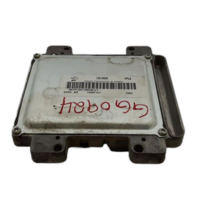
Shop the Parts Behind P2563
Below are the parts most often responsible for code P2563, ranked by how frequently each one is the actual culprit (per the diagnosis above). Tap any to see what we have for your vehicle.



The information in this article is provided for general reference and educational purposes only. Vehicle specifications, procedures, and part compatibility can vary by production date, trim level, and region. Always consult your vehicle's factory service manual and verify part numbers before purchasing or performing repairs. Safety-critical components such as airbags, seat belts, and braking systems should be installed by a qualified professional.
- 🧭 Diagnostic Flowchart
- 🎬 Helpful Videos
- 🛍️ Shop This Part
- What Does P2563 Mean?
- Can I Drive With P2563?
- Common Causes
- Symptoms
- Common Fixes & Costs
- DIY vs Professional
- Used vs. New Parts: Buying Guide
- What Happens If You Wait — Timeline
- Cost of Not Fixing It
- Diagnosis Steps
- When This Code Triggers (Freeze-Frame Conditions)
- Related Codes
- Climate & Environmental Factors
- How to Talk to a Mechanic About This Code
- Where to Take It: Dealer vs Independent vs Chain
- When to Walk Away From the Repair
- What Scan Tool You Need for This Code
- How to Clear the Code After You Fix It
- Will This Fail Emissions / State Inspection?
- Most Commonly Affected Vehicles
- Manufacturer-Specific Notes
- Real Owner Stories
- 2010 VW Jetta TDI with 130k miles
- 2007 Chevy Silverado Duramax LBZ
- 2012 Hyundai Sonata 2.0T
- How to Prevent This Code From Triggering
- Frequently Asked Questions
- My scanner showed C2563, but you're talking about P2563. Is it the same thing?
- I replaced the turbo position sensor, but the P2563 code came back. What went wrong?
- What is the most common misdiagnosis for P2563?
- How much does it cost to fix P2563?
- Can I fix P2563 myself?
- Will a 'turbo cleaner' fuel additive fix this code?
- Can a bad tune cause a P2563 code?
- Is P2563 covered under the powertrain warranty?
- What is the difference between an electronic and a vacuum turbo actuator?
- Key Takeaways
- 🎟️ Get 5% Off