

P2579 on 2019-2020 Ram 3500 6.7L Cummins: Turbo Speed Sensor Fault Causes and Fixes
On a 2019-2020 Ram 3500, code P2579 is most often caused by outdated powertrain software that needs a dealer-installed update per official TSBs. This flash corrects overly sensitive fault logic. If the software is current, the next most likely cause is a failed turbocharger speed sensor, a part that can cost from $150 (from Cummins) to over $500 (from Mopar) and is moderately difficult to replace.
- For a 2019-2020 Ram 3500, your first step for code P2579 should be to check with a dealer for a PCM software update per TSB 18-019-20.
- If the software is current, the turbo speed sensor is the next likely culprit. It can be tested with a multimeter and should have a resistance of 600-1600 ohms.
- The sensor is located on top of the turbocharger and is held by an 8mm bolt; replacement is a moderately difficult DIY job.
- Do not immediately replace the sensor without verifying the software status, as you may be wasting money on a part that isn't broken.
What's Unique About the 2019-2020 Ram 3500
For the 2019-2020 Ram 3500 and its platform mates (2500, 4500/5500), this code is frequently not a hardware failure. Ram's parent company, FCA (now Stellantis), issued multiple comprehensive Technical Service Bulletins (TSBs) indicating that the original PCM software was too sensitive and could set P2579 and dozens of other codes erroneously. These TSBs contain software updates that revise the fault logic. Therefore, the first and most critical diagnostic step for this specific truck is to verify the PCM has the latest software calibration, a task that must be performed by a dealership or a properly equipped independent shop using a wiTECH scan tool.
Diagnostic Flowchart
Tap your situation to follow the diagnostic path that matches what you're seeing on this vehicle.
Symptoms You May Notice
- Check Engine Light (MIL) is on
- Reduced engine power or acceleration
- Vehicle may enter 'limp mode'
- Possible changes in turbocharger sound
- Harsh downshift clunk during exhaust brake deceleration
- Tachometer bouncing at idle with no actual change in engine RPM
- Engine surge felt while driving
- Stumble on acceleration, particularly at higher altitudes
- Replacing the turbocharger speed sensor without first checking if a PCM software update is available. This is the most common mistake and can lead to the code returning even with a new part, as the root cause was the software logic.
- Assuming an aftermarket engine tune caused the code. While possible, it's more likely a coincidental hardware failure of the sensor, which is a known wear item. One owner experienced this when switching to EFILive, but the consensus was the sensor failure was coincidental.
Most Likely Causes
- Outdated Powertrain Control Module (PCM) Software 🔴 High Probability → Shop Engine Control Module (ECM) Manufacturer TSBs like #18-056-22 were released to correct overly sensitive software logic that could falsely trigger P2579 along with a host of other unrelated codes. This indicates an initial calibration issue from the factory for 2019-2020 models.
How to confirm: A Ram dealer or a shop with a wiTECH scan tool can check the current software calibration ID against the latest version specified in the TSBs. This should be done by VIN.
Typical fix: Reprogramming the PCM with the latest available software flash.
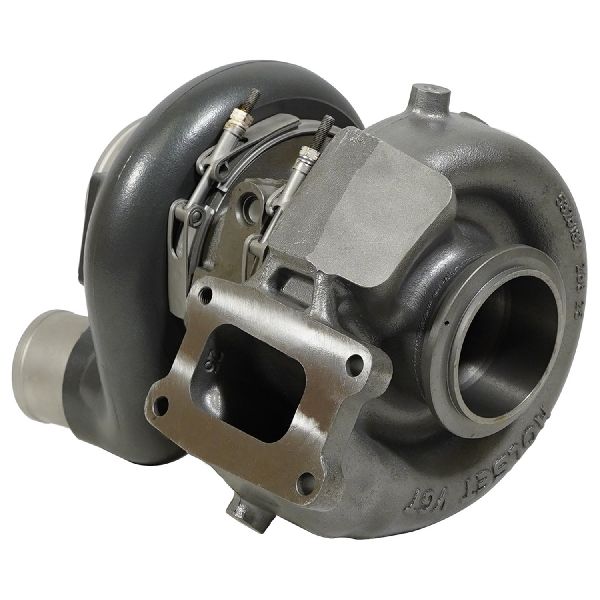
Est. part cost: $0 (if under warranty) or ~$150-$250 (dealer labor for flashing) - Faulty Turbocharger Speed Sensor 🟡 Medium Probability → Shop Turbocharger The sensor is mounted directly on the turbocharger, exposing it to extreme heat cycles and vibration, which can cause the internal coil to fail over time. One owner on an EFILive forum reported failure around 85,000 miles.
How to confirm: Disconnect the sensor and measure the resistance between its two terminals with a multimeter. A good sensor should read between 600 and 1,600 ohms. An open circuit (OL), a reading of zero, or a reading outside this range indicates a failed sensor. A user on YouTube demonstrated this test, showing an open circuit on a failed sensor and 921 ohms on a new one. 🎬 Watch: This video shows how to test the sensor resistance.
Typical fix: Replace the turbocharger speed sensor. One owner reported a dealer quote of over $500 for the job.
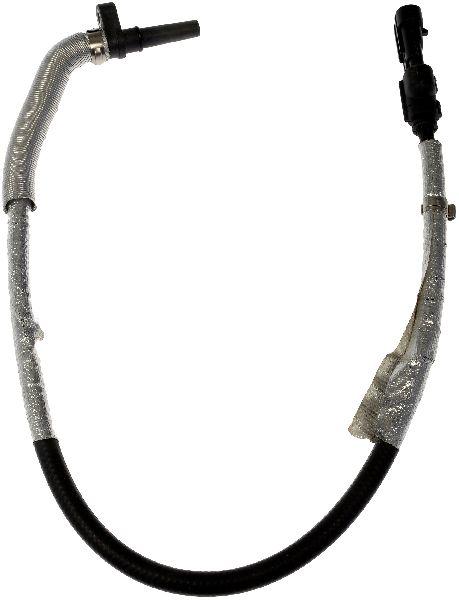
Est. part cost: $150-$550 - Wiring or Connector Issue ⚪ Low Probability The wiring harness is routed near the hot turbocharger housing. A forum user reported their wire loom was melting from touching the turbo, which can lead to shorted or open wires. The connector itself can also become brittle from heat and fail.
How to confirm: Visually inspect the wiring harness from the sensor down and around the turbo for any signs of melting, chafing, or damage. 🎬 Watch: How to inspect and diagnose sensor circuit issues. Check the connector for corrosion, bent pins, or a loose fit. Perform a continuity test on the signal and ground wires from the sensor connector to the PCM connector.
Typical fix: Repair the damaged section of wire or replace the connector pigtail. The Cummins pigtail part number is 3164369.
Est. part cost: $20-$60 for a pigtail connector.
Rare But Worth Checking
- Failing Turbocharger: → Shop Turbocharger While rare, excessive play in the turbocharger shaft could cause the turbine blades to contact the housing or damage the sensor's target wheel, leading to an erratic or nonexistent signal. This is a mechanical failure of the turbo itself, not just the sensor.
- Faulty Powertrain Control Module (PCM): → Shop Engine Control Module (ECM) This is extremely rare and should only be considered after all other possibilities (software, sensor, wiring, and turbo mechanics) have been definitively ruled out through professional diagnosis.
Diagnosis Steps
- Check with a Ram dealer if TSBs 18-019-20, 18-010-21, or 18-056-22 (or any superseding bulletin) apply to your vehicle's VIN and if the PCM software update has been performed. If not, this is the first and most likely fix.
- If software is up to date, visually inspect the turbo speed sensor's wiring harness and connector. Look carefully for signs of the harness melting against the turbo housing, a known issue.
- Disconnect the sensor. Using a multimeter set to ohms, measure the resistance across the two pins on the sensor itself. The reading should be between 600 and 1,600 ohms. An open loop (OL) reading indicates a failed sensor.
- If the resistance is out of specification, replace the turbo speed sensor. The sensor is located on top of the turbocharger, behind the oil feed line, and is typically held in by a single 8mm bolt. 🎬 See this walkthrough for replacing the turbo speed sensor.
- If the sensor resistance is good, but the connector is damaged, replace it with a new pigtail (Cummins P/N 3164369).
- If the sensor and connector are good, check for continuity and shorts to ground/power on the signal and ground circuits between the sensor connector and the PCM. The relevant pins on the main ECM connector are A50 (Signal) and A68 (Ground).
- If all wiring and the sensor test good, and the software is current, the problem may be a mechanical issue with the turbocharger (e.g., excessive shaft play) or, in very rare cases, the PCM itself.
Parts You'll Likely Need
- Turbocharger Speed Sensor
(OEM #68483898AA)— This sensor is the most common hardware failure for this code after software issues are ruled out. It fails due to heat and vibration. This part number supersedes 68210095AA, 68210095AB, 68210095AC, and 68444775AA.
Trusted brands: Mopar, Cummins, Holset
OEM price range: $530-$550
Aftermarket price range: $150-$400 (A user reported buying the genuine Cummins part for $147, while the Mopar-branded equivalent was significantly more expensive) - Turbocharger Speed Sensor Connector Pigtail
(OEM #3164369 (Cummins P/N))— The original connector can become brittle and melt due to its proximity to the hot turbocharger housing, causing a poor connection or short.
Trusted brands: Cummins, Fleece Performance
OEM price range: $30-$50
Aftermarket price range: $20-$40
Related Codes That Often Appear With This One
- P226C — Turbocharger Boost Control 'A' Slow Response. This code is explicitly listed in the same TSBs (like 18-056-22) as P2579 and is often resolved by the same PCM software update.
- P203F — Reductant Level Too Low. Also listed in TSBs 18-056-22 and others, indicating the software update addresses a wide range of logic-related faults across different systems.
- U0101 — Lost Communication with TCM. Also listed in the same TSBs, highlighting that the software flash addresses communication and performance issues between the engine and transmission modules.
- P0299 — Turbocharger Underboost. This code is also mentioned in related TSBs and can be triggered by incorrect turbo speed readings or the same faulty software logic.
Technical Service Bulletins (TSBs) & Recalls
- 18-019-20: Supersedes an earlier TSB and provides a PCM software flash to resolve P2579 along with numerous other codes on 2019 models with the 6.7L Cummins engine.
- 18-010-21: Supersedes TSB 18-059-20. Another PCM flash update for 2019 models that lists P2579 and symptoms like 'Harsh downshift clunk'.
- 18-056-22: Cites P2579 as a known DTC resolved by a software update for 2019 Cab Chassis models.
- 1800824 / 1800724: NHTSA communications that also list P2579 as part of a cluster of DTCs addressed by software updates.
Platform-Specific Known Issues
- The factory PCM software on 2019-2020 models was highly prone to setting this code, often in conjunction with many other unrelated DTCs. Ram released several comprehensive software updates (e.g., TSB 18-056-22) that addressed not only these codes but also a wide array of drivability complaints like idle instability, harsh shifting, and inaccurate gauge readings. Therefore, verifying the software version is paramount.
Mechanic-Grade Diagnostic Values
- Turbocharger Speed Sensor resistance — expected: 600 to 1,600 Ohms. Failure: Open circuit (OL), zero ohms, or a reading outside the specified range.
- Turbocharger Speed Sensor resistance (at 20°C / 68°F) — expected: 600 to 1,000 Ohms. Failure: A reading outside this more precise temperature-specific range.
- Turbocharger Speed Sensor signal (oscilloscope) — expected: A generated AC voltage sine wave that increases in frequency and amplitude as turbo speed increases.. Failure: No signal or an erratic/inconsistent waveform when the turbo is known to be spinning.
- Continuity check of sensor signal and ground wires from sensor connector to ECM — expected: < 1.0 Ohm. Failure: High resistance or an open circuit (OL) indicates a broken wire.
Scan Tool Commands That Help
- wiTECH: Reprogram the PCM/ECM with the latest software. — This is the first and most critical step for a 2019-2020 Ram 3500 with code P2579, as per multiple TSBs which indicate the original software logic was too sensitive.
Wiring & Ground Locations
- ECM Connector C1 Pin A50 — On the main engine computer (ECM) large C1 connector.. This is the pin for the (K540) Turbo Speed Sensor Signal circuit (Brown/Gray wire). It is the specific point to test for continuity and shorts when diagnosing a wiring issue.
- ECM Connector C1 Pin A68 — On the main engine computer (ECM) large C1 connector.. This is the pin for the (K541) Turbo Speed Sensor Ground circuit (Brown/Violet wire). It is the specific point to test the ground path of the sensor circuit back to the ECM.
Real Owner Repair Stories
- EFILive Forum user (2007.5 Ram 2500 6.7L Cummins with 85,000-97,000 miles) — P2579 code appeared shortly after switching from a Smarty/Edge tuner to a new EFILive tune.
❌ Tried (didn't work) Initially suspected the new EFILive tune was the cause.
✅ What actually fixed it Replacing the turbocharger speed sensor. It was concluded that the sensor failure was coincidental and a common wear item, and not caused by the new engine tune. - YouTube user '4U2Envy' (2014 Ram Cummins 6.7L) — P2579 code and 'no turbo' feeling.
✅ What actually fixed it Diagnosed an open circuit on the original sensor with a multimeter. Replaced the sensor with a genuine Cummins part purchased for $147, which fixed the issue. - Dodge Diesel forum user (2007 Ram 3500 6.7L with 103,000 miles) — Check engine light with code P2579 came on after purchasing the truck.
❌ Tried (didn't work) Dealer cleared the code, but it returned.
✅ What actually fixed it The user was advised to check the wiring loom near the turbo for melting before replacing the sensor. The final fix was not posted, but the advice to check wiring first is a valuable mechanic-grade tip.
OEM Part Supersession History
68210095AA, 68210095AB, 68210095AC, 68444775AA→68483898AA— Part revision and consolidation by the manufacturer.
Heads up: No known incompatibilities. The latest part number is specified for a wide range of model years, including 2013 through 2024.
Model Year Variations Within This Range
- 2019-2020: No significant hardware differences related to the turbo speed sensor have been identified between these two model years. The primary variation is in the software; multiple TSBs were released, and the correct PCM flash must be applied based on the vehicle's VIN and specific equipment (e.g., Standard vs. High Output engine).
Helpful Videos

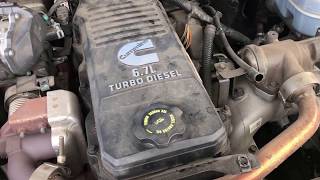

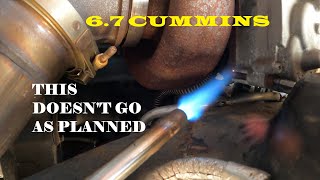
We Have This Part in Stock
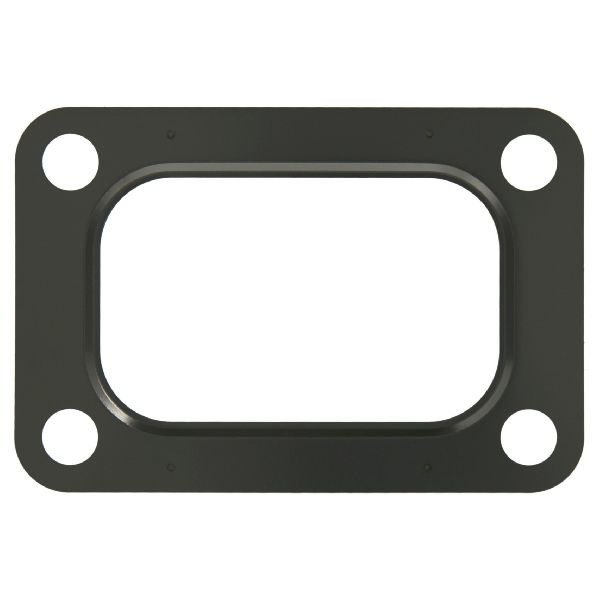
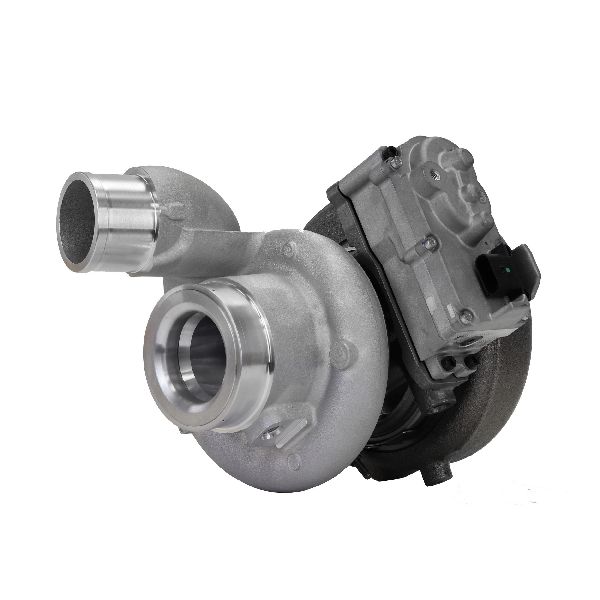

The information in this article is provided for general reference and educational purposes only. Vehicle specifications, procedures, and part compatibility can vary by production date, trim level, and region. Always consult your vehicle's factory service manual and verify part numbers before purchasing or performing repairs. Safety-critical components such as airbags, seat belts, and braking systems should be installed by a qualified professional.
- Ram 3500:
- 🧭 Diagnostic Flowchart
- 🎬 Helpful Videos
- 🛍️ Shop This Part
- What's Unique About the 2019-2020 Ram 3500
- Symptoms You May Notice
- Most Likely Causes
- Rare But Worth Checking
- Diagnosis Steps
- Parts You'll Likely Need
- Related Codes That Often Appear With This One
- Technical Service Bulletins (TSBs) & Recalls
- Platform-Specific Known Issues
- Mechanic-Grade Diagnostic Values
- Scan Tool Commands That Help
- Wiring & Ground Locations
- Real Owner Repair Stories
- OEM Part Supersession History
- Model Year Variations Within This Range
- 🎟️ Get 5% Off