

P2583 on 2017-2023 BMW 5 Series (G30): Driving Assistance Fault Causes and Fixes
This code means there's a problem with the front radar sensor for your Adaptive Cruise Control and collision warning systems. Most often, the sensor is just blocked by dirt, snow, or ice. Cleaning the sensor in the lower front grille is the first and easiest fix. If that doesn't work, the sensor may be misaligned from a minor impact, requiring professional calibration. In rarer cases, the sensor, its bracket, or wiring may be damaged.
- Start with the simplest fix: thoroughly clean the radar sensor in the front bumper.
- This code disables critical safety features; while drivable, exercise increased caution.
- Any fix beyond cleaning, including replacement or adjustment, requires expensive, specialized calibration that is not a DIY job.
- Before replacing the expensive sensor, ensure the mounting bracket is not damaged and check for relevant software TSBs.
What's Unique About the 2017-2023 BMW 5 Series
On the G30-generation BMW 5 Series, the front radar sensor is a sophisticated and integral part of the Active Driving Assistant package (Optional Equipment 5AT). The system is sensitive to any physical obstruction or misalignment. While the root causes are common to many brands, diagnosis and repair on a BMW often require proprietary tools like ISTA for accurate fault finding and calibration. Aftermarket scan tools can read the codes but often cannot perform the necessary calibration routines on post-2018 models, making professional service highly likely.
Symptoms You May Notice
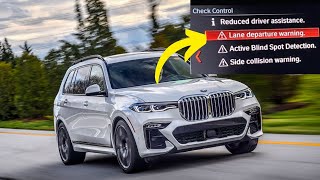
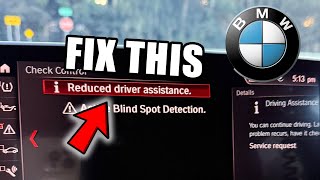
- "Driving Assistance restricted" message on the instrument cluster or iDrive display.
- "Frontal collision warning system inactive" or "ACC malfunction" message.
- Adaptive Cruise Control (ACC) is unavailable or disengages while active.
- Check Engine light or a specific ADAS warning icon (a car with radar waves) may be illuminated.
- In rare cases before total failure, the system may exhibit erratic behavior such as phantom braking or failure to detect vehicles.
- Replacing the radar sensor without first checking for obstructions, misalignment, or a broken mounting bracket. The sensor itself is expensive and often not the root cause of the problem.
- Assuming a used sensor will work without calibration. Any replacement sensor, new or used, MUST be coded to the vehicle and then calibrated.
Most Likely Causes
- Obstructed Radar Sensor 🔴 High Probability The sensor is located in the lower front grille, making it susceptible to blockage from snow, ice, mud, heavy bug splatter, or even a poorly placed front license plate frame or aftermarket vinyl wrap.
How to confirm: Visually inspect the smooth, black rectangular sensor panel in the lower front bumper grille. Look for any dirt, snow, ice, or other physical blockages. The fault often appears immediately in bad weather.
Typical fix: Thoroughly clean the sensor cover with a soft cloth and mild soap or an automotive-safe cleaner. For ice, allow the vehicle to warm up to melt it; do not use scrapers. Often, the code will clear on its own after cleaning and restarting the vehicle.
Est. part cost: $0 - Radar Sensor Misalignment 🟡 Medium Probability Even a minor impact, such as bumping a parking curb, hitting a large pothole, or a low-speed fender bender, can knock the sensor's precise alignment out of specification by as little as one degree. Suspension work or a windshield replacement (which requires KAFAS camera calibration that works with the radar) can also trigger this.
How to confirm: This can only be confirmed with a diagnostic scan at a dealership or qualified shop. The fault codes may include BMW-specific code 482136 (misalignment) or a general plausibility error. A technician using ISTA can read the sensor's live data to see its current alignment values.
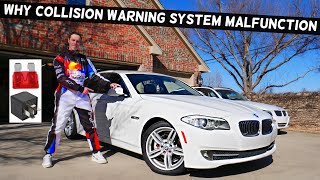
Typical fix: The sensor must be recalibrated using specialized ADAS alignment tools, which include lasers and target boards, along with diagnostic software like BMW's ISTA. This is not a DIY procedure. 🎬 See how professional ADAS calibration and radar alignment works
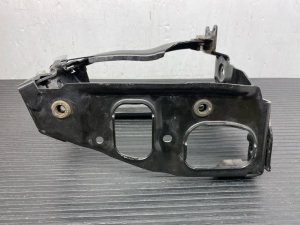
Est. part cost: $0 (Labor cost for calibration is significant, typically $250-$800) - Damaged Sensor Mounting Bracket ⚪ Low Probability The plastic or aluminum bracket that holds the radar sensor can crack or break from a minor front-end impact, preventing the sensor from staying in alignment.
How to confirm: During a diagnostic inspection for misalignment, a technician should physically inspect the bracket for any cracks, stress marks, or looseness. The sensor may feel loose when gently handled. The bracket is a critical component for maintaining the correct angle.
Typical fix: The damaged bracket must be replaced. After replacement, the sensor must be reinstalled and undergo a full calibration procedure. A common part number for this bracket is 66316873402.
Est. part cost: $50-$150 - Wiring or Connector Issue ⚪ Low Probability Being in the front bumper, the sensor's wiring harness and connector are exposed to road salt and moisture, which can lead to corrosion on the pins or physical damage from road debris. A forum user reported a loss of communication with the sensor that was traced back to the harness.
How to confirm: A technician will unplug the sensor to inspect the connector pins for corrosion (green or white powder) or damage. The wiring harness will be checked for breaks or chafing.
Typical fix: Cleaning the connector pins with a specialized electronic cleaner may work. If corrosion is severe or wires are broken, the connector pigtail or a section of the harness may need to be replaced.
Est. part cost: $25-$200
Rare But Worth Checking
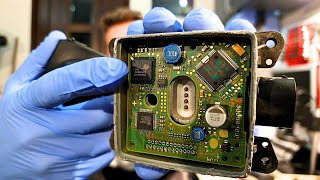
- Internal Sensor Failure: Although uncommon, the radar unit is a complex electronic component that can fail internally due to age, moisture intrusion, or a manufacturing defect. This is typically the last resort after all other causes have been ruled out, as it is the most expensive part to replace. 🎬 Take a look inside a BMW ACC radar sensor unit A persistent "Lack of visibility" fault even after cleaning and calibration can point to an internal issue.
- Software Glitch: Occasionally, the fault can be triggered by a software bug. BMW issued Service Information Bulletin SIB 34 08 19 for some G30 models (and others) that could store DSC faults and disable driver assistance systems due to unfavorable software. The fix is a vehicle software update using ISTA.
Diagnosis Steps
- Read the specific fault code using a BMW-compatible OBD-II scanner. Note any suffixes or additional BMW-specific codes like 482136.
- Thoroughly clean the front radar sensor, located in the lower center grille of the front bumper. Ensure it is free of all dirt, snow, ice, and bugs.
- Restart the vehicle and drive it to see if the code clears. Many obstruction-related faults will resolve on their own once the sensor has a clear view.
- If the code persists, visually inspect the sensor and its mounting bracket for any signs of physical damage, such as cracks or being knocked out of position.
- If no visible issues are found, the vehicle must be taken to a BMW dealer or a qualified independent shop with ADAS calibration equipment.
- The shop will perform a diagnostic scan with a tool like ISTA to confirm the fault (e.g., misalignment, internal fault, no communication). They can also check for relevant software updates or SIBs like SIB 34 08 19.
- Based on the diagnosis, they will perform a sensor calibration, inspect/replace the mounting bracket, or diagnose a wiring issue.
- If all other steps fail, the sensor itself may be faulty and require replacement, followed by coding and calibration.
Parts You'll Likely Need
- Front Distance Radar Sensor (ACC Sensor)
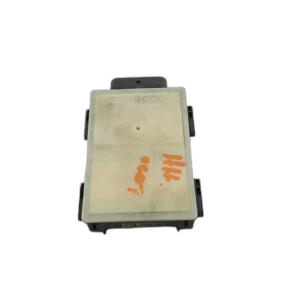
(OEM #66316888029 (Note: Part numbers are VIN-specific and may be superseded. Example: 66315A58DA3).)— This part is replaced only when an internal failure is confirmed after ruling out obstruction, alignment, and wiring issues. It is the core component for the ACC system.
Trusted brands: Bosch, Continental
OEM price range: $2000-$2800
Aftermarket price range: $300-$800 (Used/Remanufactured). - Radar Sensor Calibration Service — This labor-intensive procedure is required anytime the sensor is disturbed, replaced, or has been knocked out of alignment by a minor impact.
OEM price range: $800-$1500.
Aftermarket price range: $250-$600. - Radar Sensor Bracket
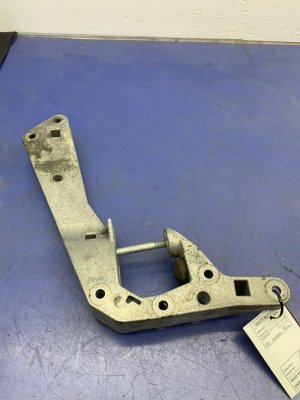
(OEM #66316873402 or 66316873401.)— Replaced if found to be cracked or bent during a misalignment diagnosis, as it prevents the sensor from holding its calibrated position.
Trusted brands: Genuine BMW
OEM price range: $75-$150
Aftermarket price range: $50-$100
Related Codes That Often Appear With This One
- 482136 (BMW-specific code for ACC sensor misalignment)
- 03058E (DSC fault related to software, see SIB 34 08 19)
- 030557 (DSC fault related to software, see SIB 34 08 19)
Technical Service Bulletins (TSBs) & Recalls
- SIB 34 08 19: Addresses Check Control messages for driver assistance systems caused by a software issue in the DSC module. The fix is to program the vehicle with ISTA 4.14.1x or higher.
Mechanic-Grade Diagnostic Values
- S-CAN Bus Voltage — expected: High (H) wire: ~3V, Low (L) wire: ~2V. Failure: Significant deviation from these voltages or no voltage can indicate a bus communication issue or a break in the wiring.
- ACC Sensor Correction Angle (Live Data) — expected: Close to 0 degrees for both horizontal and vertical axes after calibration.. Failure: A value significantly off, for example, a vertical correction angle of over 5 degrees, will trigger a misalignment fault (482136).
Hidden / Shadow Codes Worth Checking
- 4827BF: This code often accompanies 482136 (misalignment) and points to a general plausibility or communication error with the ACC sensor module. (see via This BMW-specific fault code is visible using diagnostic software like ISTA.)
- S0215: No communication possible with Active Cruise Control. This indicates a total loss of connection, often due to a wiring break, connector issue, or complete failure of the sensor module. (see via Visible in ISTA during a full vehicle scan; it will show the ACC module as non-responsive.)
- D18600: SAS (Optional Equipment System): Ethernet: Communication fault (link broken). This can appear alongside ACC faults, indicating a broader communication problem on the vehicle's network that the ACC sensor relies on. (see via Visible in ISTA, often logged in the SAS control unit.)
Scan Tool Commands That Help
- ISTA: Front Radar Sensor: Start-up (or ACC sensor adjustment) — This service function is mandatory after replacing the ACC sensor, removing and reinstalling it, or if a misalignment fault (482136) is stored. The procedure guides the technician through the physical alignment and electronic calibration process.
- ISTA: Vehicle Test / Read Out Fault Memory — This is the initial step to identify all stored fault codes, including BMW-specific 'shadow' codes, and to see which control units are not communicating. It provides the necessary context before attempting any repairs or calibrations.
Wiring & Ground Locations
- ACC Sensor Connector — Directly on the back of the ACC radar sensor, located in the lower center grille of the front bumper.. This connector is a primary failure point due to its exposure to road debris and moisture. Corrosion on the pins or physical damage to the connector or its pigtail can cause intermittent or total loss of communication with the sensor, leading to P2583 and related faults.
- S-CAN Bus Wires — These are typically a twisted pair of wires within the harness leading to the ACC sensor. A technician found a break in the S-CAN high wire behind the front bumper on an F-series, a common location for such issues on G-series as well.. The ACC sensor communicates with other vehicle modules over the S-CAN (Sensor CAN) bus. A break or short in these wires will cause a communication fault and disable the system.
Real Owner Repair Stories
- Bimmerpost user (2017 BMW G31 (5 Series Wagon)) — Sudden "front collision warning failed" message, followed by other assistance system faults. ISTA showed no communication with the ACC sensor.
❌ Tried (didn't work) The owner first checked the wiring harness for visible damage (none found). They then replaced the ACC sensor with a used one of the same part number, had it coded, and professionally calibrated by BMW. The fault messages returned immediately upon driving.
✅ What actually fixed it The story was unresolved in the thread, but the final diagnosis from BMW was a persistent "Lack of visibility" fault even with a new, calibrated sensor and clean cover. This points towards either an intermittent wiring issue not found on initial inspection, a fault with the KAFAS camera that works in tandem with the radar, or an issue with the replacement (used) sensor itself despite calibration. The dealer suggested replacing the plastic sensor cover (radome) next. - YouTube video by a BMW technician (BMW F-Series (similar architecture to G30)) — Active cruise control stopped working, with faults for S-CAN communication.
❌ Tried (didn't work) Initial check showed power and ground to the sensor were good, which ruled out a simple fuse or ground issue.
✅ What actually fixed it A physical inspection of the wiring harness behind the bumper revealed a broken S-CAN high wire. The wire had corroded and snapped. Repairing this broken wire restored communication with the ACC module and resolved the fault.
OEM Part Supersession History
66316886324 (up to 03/2017)→66316888029 (up to 11/2017), then 66316891746 (up to 11/2018), then 66316892575 (up to 11/2019), and finally 66316899921.— Incremental hardware and software updates for improved performance and reliability.
Heads up: While later parts often supersede earlier ones, it is critical to use a part number compatible with the vehicle's specific production date and software level. Using an incompatible sensor, even if it physically fits, may prevent successful coding and calibration.
Model Year Variations Within This Range
- 2021-2023 (LCI Models): The Life Cycle Impulse (LCI) refresh for the 2021 model year introduced updated driver assistance systems. While the fundamental cause of P2583 remains the same (obstruction, misalignment, failure), the LCI models feature subtly different steering wheel controls and potentially more advanced software logic for the ACC system, which may be less prone to some earlier software glitches. The visual design of the headlights and taillights also changed, but the radar sensor's location and function are consistent.
Diagnostic Flowchart
Other Known Issues on This Vehicle
Issues unrelated to this code that are worth knowing about as an owner of this generation:
- Cooling System Leaks (B48/B58 Engines) 🔴 High — Commonly reported between 40,000-100,000 miles. Failures can be progressive or sudden.
- Active Grille Shutter Failure 🟠 Medium — A common warranty complaint on 2017-2019 models. Can fail stuck open or closed. (Ref: An extended warranty may apply to this part; owners report dealers covering it up to 150k miles per a service bulletin.)
- Oil Leaks (Valve Cover & Oil Filter Housing Gaskets) 🟠 Medium — Typically occurs after 50,000-80,000 miles as rubber gaskets harden with age and heat.
- Carbon Buildup on Intake Valves 🟡 Low — A long-term maintenance item for all direct-injection engines, typically recommended for cleaning every 40,000-60,000 miles.
- Suspension Component Wear 🟠 Medium — Warranty data shows this as a common claim area. Noises and handling degradation can appear with mileage.
Used vs. New Parts: Buying Guide for This Vehicle
When a used part is the smart pick: A used ACC sensor can be a cost-effective option, potentially saving over $1,500 compared to a new OEM part. It makes sense if the failure is confirmed to be the sensor itself (not wiring or alignment) and you have access to a qualified shop that can code and calibrate a used part to your vehicle's VIN.
Donor-vehicle mileage cap: roughly under 80000 miles for the part to have meaningful remaining life.
What to inspect on the donor part:
- Verify the part number is identical or a direct supersession for your vehicle's original part.
- Inspect the connector pins for any signs of corrosion (green/white powder) or physical damage.
- Check the sensor's plastic housing for cracks or signs of moisture intrusion.
- If possible, source from a vehicle with a known history and no front-end collision damage.
OEM-only on this vehicle (don't cheap out):
- While the sensor itself can be sourced used, the mounting bracket should ideally be a new OEM part if replacement is needed. A bent or aftermarket bracket may not hold the precise alignment required, leading to calibration failure.
Aftermarket brands forum-validated for this vehicle:
- Bosch (often the OEM supplier)
- Continental (often the OEM supplier)
Brands owners have reported issues with on this vehicle:
- Unbranded, no-name sensors from online marketplaces are extremely risky. They often cannot be coded or calibrated to the vehicle, making them completely non-functional.
Real Owner Stories
Aggregated from forums and TSBs cited above. Mileages and costs reflect what owners reported in those sources.
2018 BMW G31 5 Series
Symptoms: Persistent 'Lack of visibility' fault (BMW code 48214A) even after the owner replaced the sensor with a used unit and had it calibrated by a dealer.
What fixed it: The discussion indicated the need to check the wiring harness, the plastic sensor cover, and the KAFAS camera system for integrated faults.
Source hint: bimmerpost.com G30 Forum - "ACC sensor fault 'Lack of visability'"
2017-2023 BMW 5 Series
Symptoms: Adaptive cruise control malfunction and calibration issues after front-end impacts or hitting potholes.
What fixed it: Professional recalibration using specialized ADAS alignment tools and BMW diagnostic software.
Cost: $250-$1,000
Source hint: reddit.com/r/BMW - "Adaptive cruise control calibration"
Related OBD-II Codes
Frequently Asked Questions
My 5 Series is displaying 'Driving Assistance restricted' and 'ACC malfunction.' Is there a software update for this?
Can I recalibrate the front radar sensor on my G30 5 Series myself?
Where exactly is the radar sensor located on the 2017-2023 5 Series?
I hit a large pothole and now my cruise control won't work. Could this be related to P2583?
What is the part number for the radar sensor mounting bracket if mine is cracked?
How much does it typically cost to have a BMW dealer calibrate the ACC sensor?
Helpful Videos

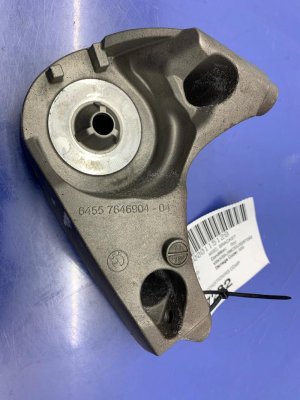
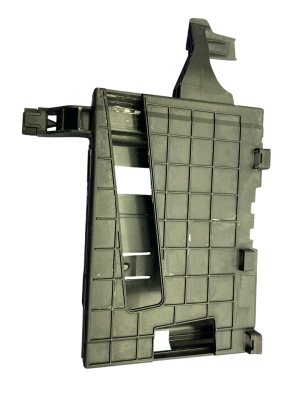
We Have This Part in Stock

The information in this article is provided for general reference and educational purposes only. Vehicle specifications, procedures, and part compatibility can vary by production date, trim level, and region. Always consult your vehicle's factory service manual and verify part numbers before purchasing or performing repairs. Safety-critical components such as airbags, seat belts, and braking systems should be installed by a qualified professional.
- BMW 5 Series:
- 🧭 Diagnostic Flowchart
- 🎬 Helpful Videos
- 🛍️ Shop This Part
- What's Unique About the 2017-2023 BMW 5 Series
- Symptoms You May Notice
- Most Likely Causes
- Rare But Worth Checking
- Diagnosis Steps
- Parts You'll Likely Need
- Related Codes That Often Appear With This One
- Technical Service Bulletins (TSBs) & Recalls
- Mechanic-Grade Diagnostic Values
- Hidden / Shadow Codes Worth Checking
- Scan Tool Commands That Help
- Wiring & Ground Locations
- Real Owner Repair Stories
- OEM Part Supersession History
- Model Year Variations Within This Range
- Other Known Issues on This Vehicle
- Used vs. New Parts: Buying Guide for This Vehicle
- Real Owner Stories
- 2018 BMW G31 5 Series
- 2017-2023 BMW 5 Series
- Related OBD-II Codes
- Frequently Asked Questions
- 🎟️ Get 5% Off