

P2610 on 2013-2016 Chrysler 300: PCM Internal Engine Off Timer Performance Causes and Fixes
On a 2013-2016 Chrysler 300, code P2610 is most often caused by a software glitch requiring a PCM update from a dealer, as outlined in TSBs 18-070-20 and 18-073-20. It is frequently seen with other codes, especially P0335 (Crankshaft Position Sensor), which should be diagnosed first if present, though the software flash often resolves both codes simultaneously.
- P2610 on a 2013-2016 Chrysler 300 is most likely a software issue within the Powertrain Control Module (PCM).
- Before replacing any parts, check with a Chrysler dealer to see if your vehicle needs a PCM software update, as specified in TSBs 18-070-20 and 18-073-20.
- If code P0335 (Crankshaft Position Sensor Circuit) is also present, diagnose and fix that issue first, as it can be the root cause of the P2610 code.
- This code will cause an automatic failure of an emissions test because the vehicle's internal self-checks cannot run.
What's Unique About the 2013-2016 Chrysler 300
For this generation of Chrysler 300 and its platform mates, the P2610 code is a well-documented issue. Chrysler released multiple Technical Service Bulletins (TSBs), such as 18-070-20 and 18-073-20, acknowledging that a software bug in the PCM is often the root cause. These TSBs show that P2610 frequently appears alongside codes for the crankshaft position sensor (P0335) and the EVAP system (P0456), pointing to a common software-related fault that a PCM reflash is designed to fix. Forum discussions confirm that owners who received the dealer software update often saw the problem resolved immediately.
Diagnostic Flowchart
Tap your situation to follow the diagnostic path that matches what you're seeing on this vehicle.
Symptoms You May Notice
- Check Engine Light is on.
- Vehicle fails emissions testing because readiness monitors cannot be completed.
- Intermittent hard starting or extended cranking time.
- Potential for the engine to stall unexpectedly, sometimes when coming to a stop.
- Reduced fuel efficiency or general engine performance issues over time.
- Replacing the PCM without first checking for available software updates. Many PCMs are replaced unnecessarily when a simple reflash would have fixed the issue.
- Replacing the crankshaft position sensor when the actual fault is the PCM software. Since P0335 often accompanies P2610, the sensor is blamed, but the TSBs indicate the software update often fixes both.
Most Likely Causes
- PCM Software Requires Update 🔴 High Probability Chrysler has issued multiple TSBs (e.g., 18-070-20, 18-073-20) that specifically call for reprogramming the PCM to fix this code, indicating a known software bug that affects the engine-off timer logic.
How to confirm: A dealer or qualified shop must use a scan tool (like wiTECH) to check the current software calibration ID in the PCM against the latest version available from Chrysler as specified in the TSBs.
Typical fix: Reprogramming (flashing) the PCM with the updated software. This must be done professionally and typically costs between $100 and $250.
Est. part cost: $0 - Faulty Crankshaft Position Sensor 🟡 Medium Probability → Shop Engine Crankshaft Position Sensor The PCM relies on the crankshaft sensor's signal to determine if the engine is running or off. A failing sensor can provide erratic data, confusing the PCM's internal timer. This code is frequently logged alongside crankshaft sensor code P0335, and the sensor itself is a common wear item.
How to confirm: Diagnose any accompanying crankshaft sensor codes (P0335, P0339) first. This involves checking the sensor's signal with an oscilloscope for a clean waveform or replacing the sensor if its circuit tests okay.
Typical fix: Replace the crankshaft position sensor. On the 3.6L V6, this sensor is located on the passenger side of the engine 🎬 See this walkthrough for replacing the crankshaft position sensor., near the bell housing.
Est. part cost: $20-$95 - PCM Power or Ground Circuit Issue ⚪ Low Probability A weak or failing battery, corroded terminals, or a poor ground connection can cause the PCM to lose its 'keep alive' memory when the car is off, disrupting the internal timer.
How to confirm: Test the battery and charging system. A healthy battery should have over 12.4V with the engine off. Inspect the PCM power and ground connections for corrosion or damage. Perform a voltage drop test on the main power and ground wires to the PCM; voltage drop should not exceed 50mV (0.050V).
Typical fix: Clean or repair PCM connectors, replace a weak battery, or fix faulty wiring.
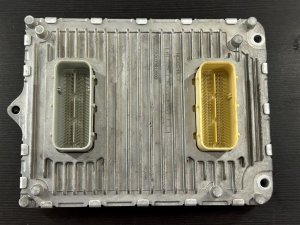
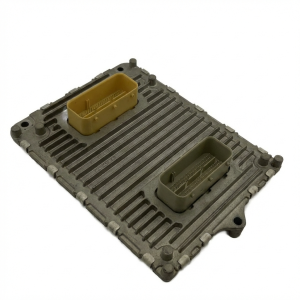
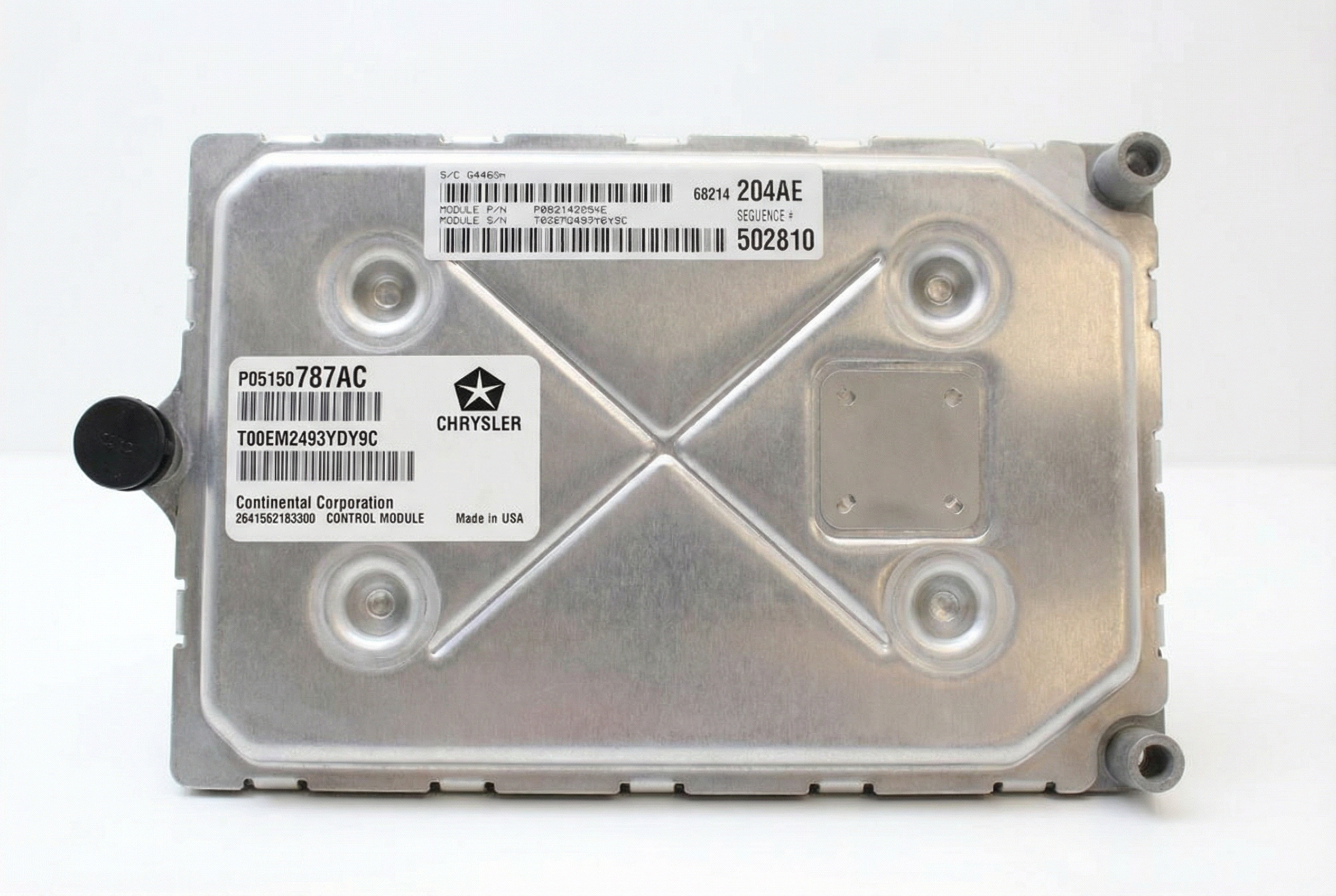
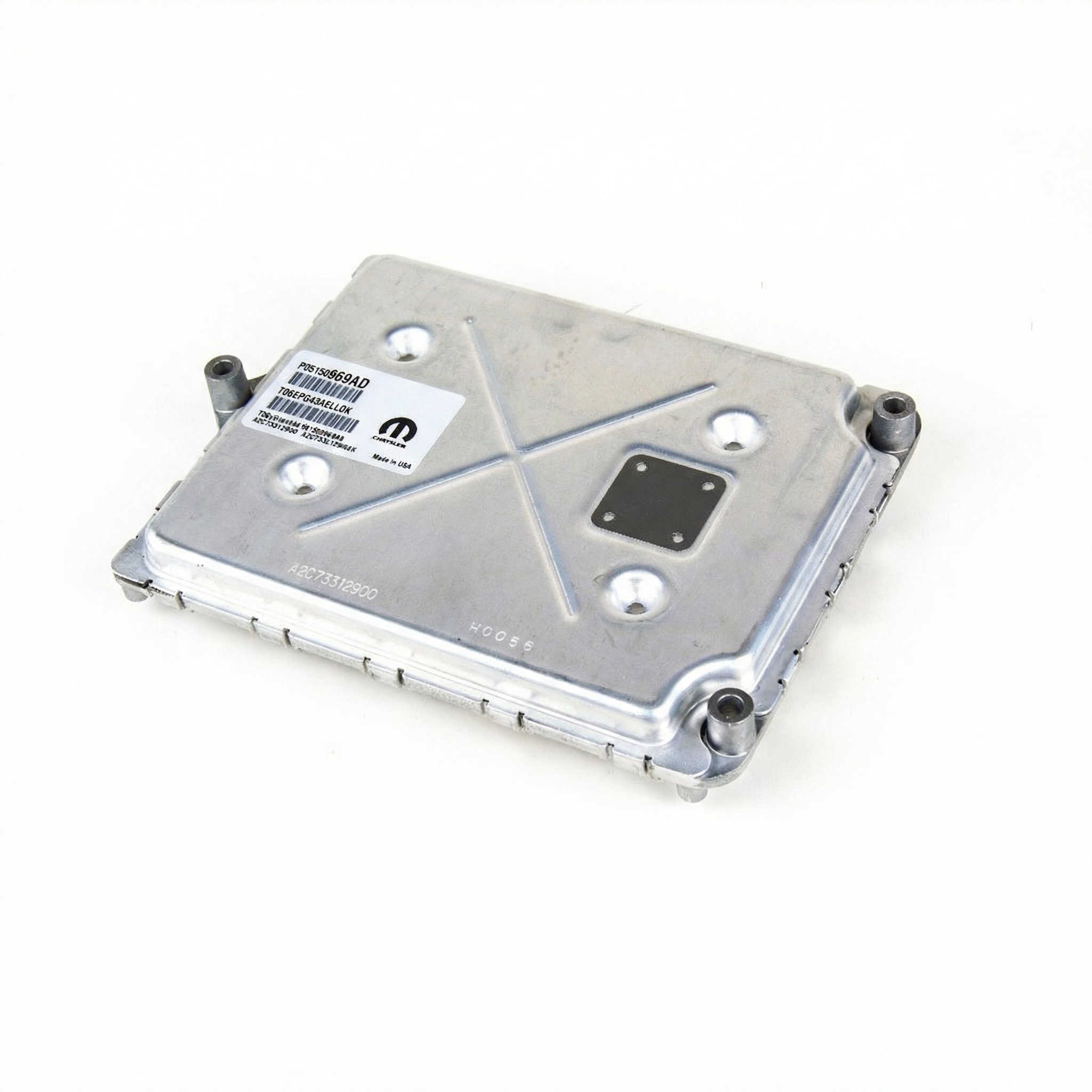
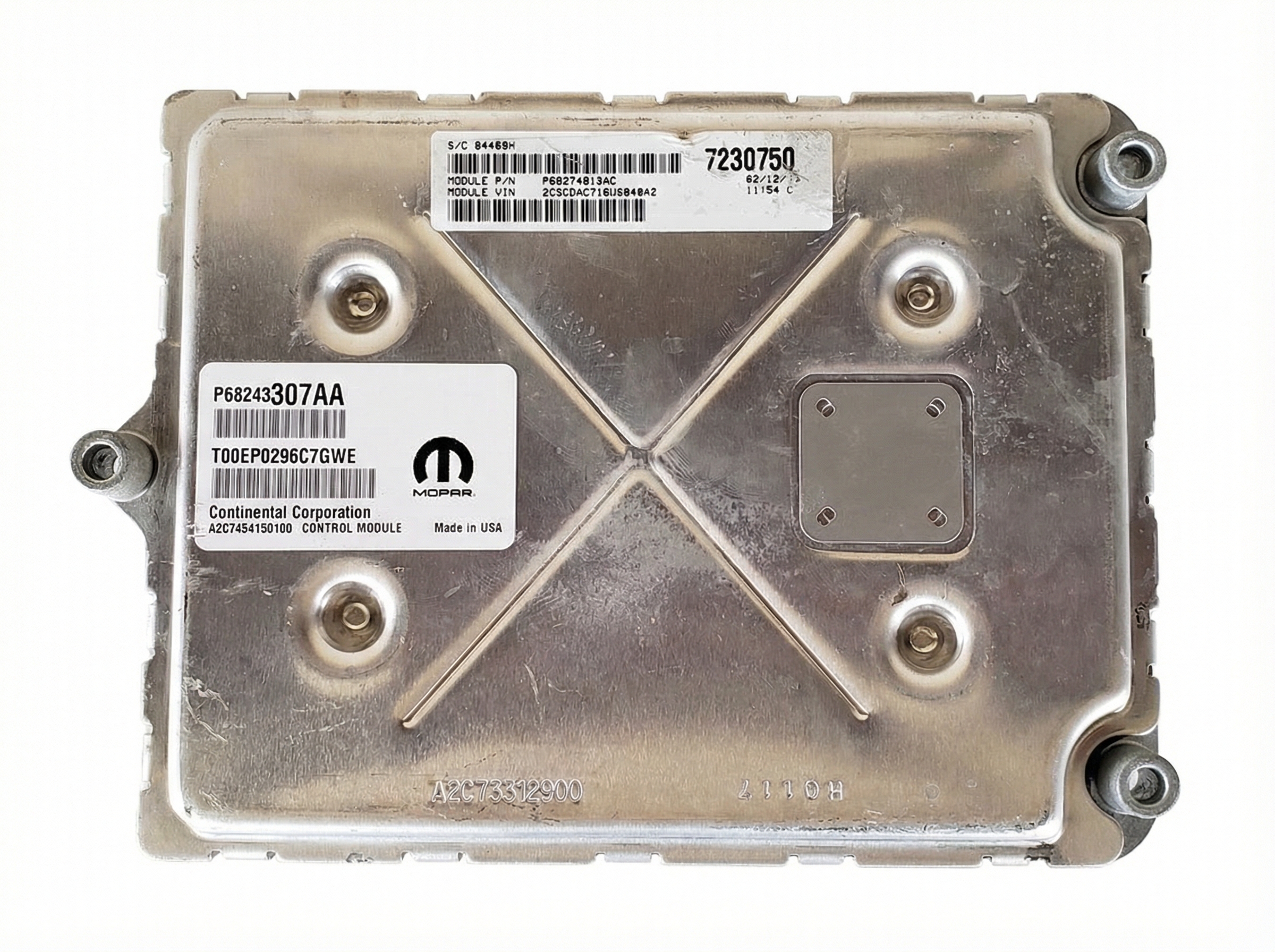
Est. part cost: $5-$200 - Failing Powertrain Control Module (PCM) ⚪ Low Probability → Shop Engine Control Module (ECM) While rare, an internal hardware failure within the PCM can cause this fault if all other causes are ruled out.
How to confirm: This is a diagnosis of exclusion. If the software is up-to-date, the crankshaft sensor and its circuit are good, and all wiring and power/grounds are intact, the PCM itself is the likely culprit.
Typical fix: Replace the PCM and have it programmed to the vehicle's VIN.
Est. part cost: $300-$800
Diagnosis Steps
- Scan the PCM for all stored trouble codes. Note if P2610 appears alone or with other codes like P0335 or P0456.
- Check for applicable Technical Service Bulletins (TSBs) for your vehicle's VIN. TSBs 18-070-20 and 18-073-20 are highly relevant and should be the first point of research.
- Crucially, before replacing parts, have a dealer or qualified shop use a tool like wiTECH to verify if a PCM software update is available. This is the most common fix.
- If crankshaft code P0335 is present, and a software update does not resolve it, diagnose the sensor and its circuit. This may involve inspecting the sensor wiring and potentially replacing the sensor.
- If the software is current and the code persists, perform a thorough inspection of the battery, charging system, and the PCM's power and ground circuits. Ensure battery voltage is stable and above 12.4V when off, and check for voltage drop on ground circuits.
- If all other possibilities have been exhausted, the PCM itself may have an internal hardware fault and require replacement.
Parts You'll Likely Need
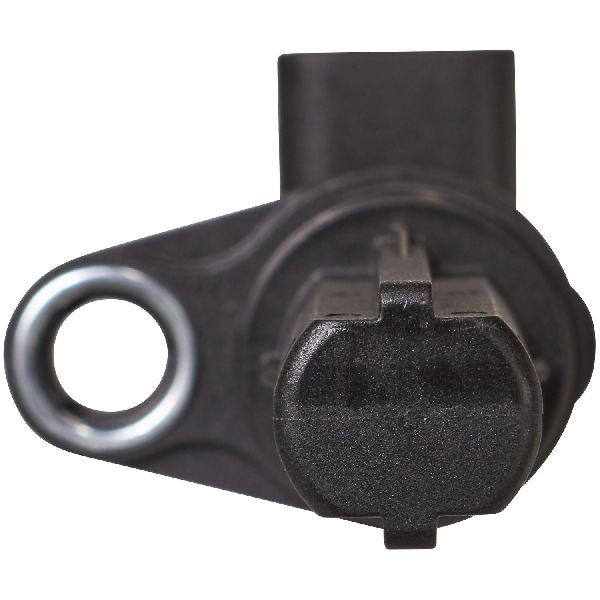
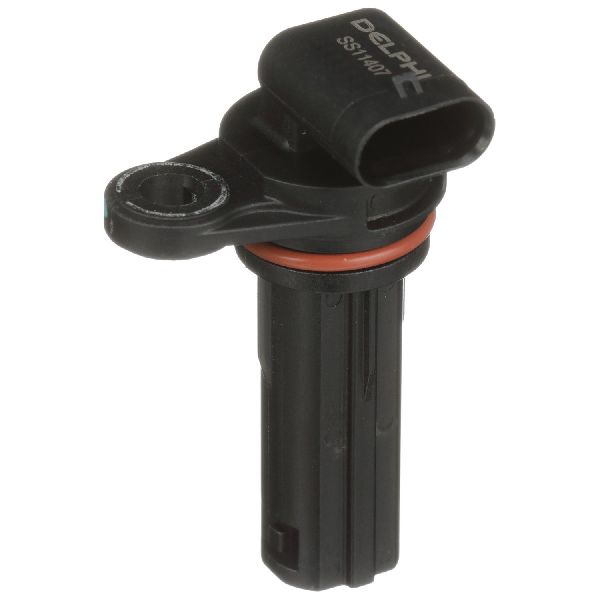
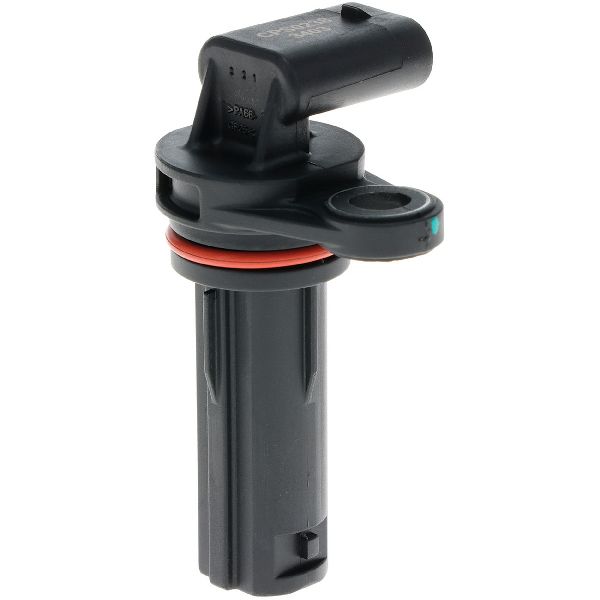
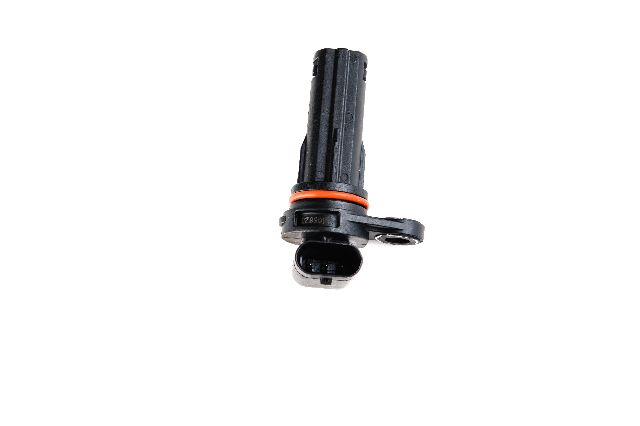
- Crankshaft Position Sensor
(OEM #Mopar 5149167AF (supersedes 5149167AD, 5149167AE for 3.6L V6))— This sensor is a primary input for the engine-off timer and a common failure point. It is often diagnosed alongside P2610, though it may not always be the root cause.
Trusted brands: Mopar, Delphi, NTK
OEM price range: $90-$130
Aftermarket price range: $20-$50 - Powertrain Control Module (PCM) — This is the last resort if a software update does not fix the issue and all related circuits are confirmed to be good. The fault is internal to the module.
Trusted brands: Mopar (OEM)
OEM price range: $400-$800
Aftermarket price range: $250-$500
Related Codes That Often Appear With This One
- P0335 — This code for the Crankshaft Position Sensor circuit is directly related, as the PCM uses this sensor's signal to know when the engine is off. A fault here directly impacts the timer's logic, and both codes are addressed by the same TSBs. [1, 4, Bulletin #1808816]
- P0456 — This code for a small EVAP leak is often listed in the same TSBs. The engine-off timer is required to run the EVAP leak test, so a timer fault can be related to a software bug that also affects EVAP diagnostics. [1, 4, Bulletin #18-088-16]
- P2299 — Brake Pedal / Accelerator Pedal Incompatible. This code is also mentioned in TSB 18-073-20 alongside P2610, suggesting the PCM software update addresses multiple seemingly unrelated issues. [1, Bulletin #1807320]
Technical Service Bulletins (TSBs) & Recalls
- 1807020: 'Flash: Powertrain Control Module (PCM) Updates' for MIL illumination with DTCs P2610, P0335, and P0456. Applies to 2016 models. [4, Bulletin #1807020]
- 1807320: 'Flash: Powertrain Control Module (PCM) Updates' for MIL illumination with DTCs including P2610, P0335, P0456, and P2299. Applies to 2013-2015 models. [1, Bulletin #1807320]
- 1808816: Mentions P2610 along with P0335 and P0606 as potential DTCs found. [Bulletin #1808816]
- 1807517: Lists P2610 among a group of DTCs including crankshaft sensor and EVAP codes. [Bulletin #1807517]
- 1809416: Lists P2610 among a group of DTCs including misfire and EVAP codes. [Bulletin #1809416]
Platform-Specific Known Issues
- Chrysler TSB #18-070-20 and #18-073-20 specifically address P2610 on these vehicles. The prescribed fix is to reprogram the PCM with updated software, which also resolves other potential DTCs like P0335 and P0456. [1, 4, Bulletin #1807020]
Mechanic-Grade Diagnostic Values
- PCM 'Keep Alive' Power (KAM) — expected: Should be equal to battery voltage (12.2V+ with key off). Failure: Voltage is low or absent, indicating a break in the wire or a blown fuse.
- Voltage Drop on PCM Ground Wires — expected: Should not exceed 50 millivolts (0.050 V). Failure: A reading higher than 50mV indicates high resistance in the ground circuit, which needs to be located and cleaned.
- Crankshaft Position Sensor (3-wire Hall-effect) Signal — expected: With the sensor powered (5V reference), the signal wire should toggle between approximately 5V and 0V as the engine is manually rotated.. Failure: The signal does not switch, is stuck high or low, or shows an incorrect voltage.
- Battery Voltage (Engine Off) — expected: 12.4V to 12.7V. Failure: Voltage below 12.4V indicates a discharged or weak battery, which can cause various module errors including P2610.
- Charging System Voltage (Engine Running) — expected: Approximately 13.5V to 14.5V. Failure: Voltage is significantly higher or lower, indicating a fault with the alternator or voltage regulator, which can cause electrical issues for the PCM.
Scan Tool Commands That Help
- wiTECH (or equivalent professional scanner): View PCM Calibration ID — This is the first step to determine if the PCM software is outdated by comparing the displayed ID against the latest version specified in Chrysler's TSBs.
- wiTECH (or equivalent professional scanner): Monitor 'Engine Off Timer' Live Data PID — Used to confirm the fault. After shutting the engine off, the timer should count predictably. If it doesn't, or shows an erratic value, it confirms the timer performance issue.
- wiTECH (or equivalent professional scanner): PCM Reset / Relearn Procedure — After performing a software flash or replacing the PCM, a reset function may be required to erase old adaptive data and initiate necessary relearn procedures for idle and other systems.
- Professional Scan Tool: CAN Bus Test / Network Scan — If communication issues are suspected as a root cause, this function can be used to check for error frames or modules that are not communicating properly on the network.
Wiring & Ground Locations
- Crankshaft Position Sensor (3.6L) — According to a 2014 wiring diagram, it is located at the 'front of left cylinder bank'.. This sensor is a primary input for the PCM to determine if the engine is running or off. A fault in its wiring directly impacts the logic for the P2610 timer.
- G305 — Right side of luggage compartment (trunk).. This is a major ground point for several rear-body modules. While not a primary PCM ground, poor grounding here can introduce electrical noise or issues with modules the PCM communicates with.
- G300 / G301 — Below the left 'B' pillar (G300) and right 'B' pillar (G301) on earlier models, likely similar on this generation.. These are significant chassis ground points. Corrosion or looseness at these locations can affect a wide range of electronic systems, including those that provide input to or receive commands from the PCM.
- PCM Power and Ground Pins — At the main PCM connectors in the engine bay.. The most critical connections. These must be tested directly for battery voltage (on 'Keep Alive' power pins) and for low resistance to ground (on ground pins) to rule out a direct power supply issue to the PCM itself.
OEM Part Supersession History
5149167AD→5149167AE, then 5149167AF— Standard part revision and improvement by the manufacturer.
Heads up: The newest part, 5149167AF, is the correct service replacement for all previous versions and should be used for repairs.
Model Year Variations Within This Range
- 2013-2015 vs 2016: The applicable Technical Service Bulletin for the P2610 software update is different. TSB #18-073-20 applies to 2013-2015 models, while TSB #18-070-20 applies to 2016 models. This strongly suggests a difference in the PCM hardware or base software between these years, requiring separate flash files. [Bulletin #1807320, Bulletin #1807020]
Helpful Videos


Used OEM Parts in Stock
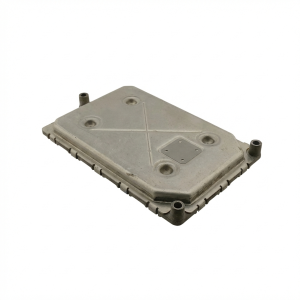
New Aftermarket Parts Available


The information in this article is provided for general reference and educational purposes only. Vehicle specifications, procedures, and part compatibility can vary by production date, trim level, and region. Always consult your vehicle's factory service manual and verify part numbers before purchasing or performing repairs. Safety-critical components such as airbags, seat belts, and braking systems should be installed by a qualified professional.
- Chrysler 300:
- 🧭 Diagnostic Flowchart
- 🎬 Helpful Videos
- 🛍️ Shop This Part
- What's Unique About the 2013-2016 Chrysler 300
- Symptoms You May Notice
- Most Likely Causes
- Diagnosis Steps
- Parts You'll Likely Need
- Related Codes That Often Appear With This One
- Technical Service Bulletins (TSBs) & Recalls
- Platform-Specific Known Issues
- Mechanic-Grade Diagnostic Values
- Scan Tool Commands That Help
- Wiring & Ground Locations
- OEM Part Supersession History
- Model Year Variations Within This Range
- 🎟️ Get 5% Off