

P2610 on 2010-2016 Hyundai Genesis Coupe: Engine Off Timer Performance Fixes
This code most often means you have a weak or failing battery, or poor battery connections. Before replacing any expensive parts, fully charge and test your battery and clean the terminals. If the battery is healthy, the issue may be an internal fault in the Engine Control Module (ECM), but this is less common.
- P2610 on a Genesis Coupe is almost always an electrical issue, not a mechanical one.
- Always start your diagnosis with the simplest and most likely cause: a weak battery. Fully load-test your battery before considering other repairs.
- Inspect battery terminals and main ground straps for corrosion or looseness, as this can mimic a bad battery.
- The vehicle is safe to drive with this code, but it will fail an emissions test.
- Replacing the ECM is the final step and should only be done after all other possibilities, including wiring faults and parasitic draws, have been exhausted.
What's Unique About the 2010-2016 Hyundai Genesis Coupe
For the Genesis Coupe, this code is not tied to a common, unique component failure but rather to general electrical health. The diagnostic logic, confirmed for Hyundai models, points directly to either a poor battery condition or an internal ECM fault. Owners on forums frequently report various electrical gremlins, often related to parasitic battery drains or grounding issues, which can create the low-voltage conditions that trigger a P2610 code. Some owners have traced parasitic draws to the 15A hazard fuse circuit. 🎬 Watch: How to find and test for a parasitic battery drain. A notable issue on this platform is that the main chassis ground connection point is often painted over from the factory, which can lead to a poor ground over time and cause various electrical issues.
Generation note: This guide covers both the BK1 (2010-2012) and BK2 (2013-2016) generations of the Genesis Coupe. The underlying causes for P2610, such as battery voltage issues or ECM faults, are common to both generations as they share similar electrical architecture and are sensitive to voltage stability.
Symptoms You May Notice
- Check Engine Light is on.
- Inability to pass an emissions test due to readiness monitors not setting.
- Potential for reduced engine performance or fuel efficiency over time.
- In rare cases, can be associated with other electrical issues like a non-functional infotainment system if the root cause is a severe voltage drop.
- Immediately replacing the ECM without first thoroughly testing the battery and checking all power and ground connections. A weak battery is a far more common and cheaper fix.
Most Likely Causes
- Weak or Failing Battery 🔴 High Probability → Shop Vehicle Battery The ECM requires a stable voltage supply to maintain its internal clock memory when the car is off. Genesis Coupes can be sensitive to low voltage, and a weak battery is the most common trigger for this code.
How to confirm: Use a multimeter to test the battery voltage with the car off; it should be above 12.4V (ideally 12.6V). Perform a load test on the battery (most auto parts stores do this for free). Check for a parasitic draw that could be draining the battery overnight if the battery repeatedly tests as weak.
Typical fix: Replace the battery and clean the terminal connections thoroughly. 🎬 See this walkthrough for checking and changing your Genesis Coupe battery.
Est. part cost: $150-$250 - Internal ECM/PCM Failure 🟡 Medium Probability The code specifically relates to an internal timer performance issue within the ECM. If the battery and wiring are confirmed to be good, the fault lies within the module itself, due to issues like solder joint failure or component fatigue.
How to confirm: This is diagnosed by exclusion. If all other possible causes (battery, connections, grounds, ECT sensor, wiring) have been ruled out, the ECM is the likely culprit. A professional may use advanced scan tools to check for other internal module errors.
Typical fix: The ECM must be replaced or sent out for repair. Replacement often requires programming by a dealer or a specialized shop to match the vehicle's VIN and options.
Est. part cost: $400-$900 - Poor Battery Connections or Ground Straps ⚪ Low Probability → Shop Vehicle Battery Corroded battery terminals or a loose/corroded main engine or chassis ground can cause intermittent voltage drops, confusing the ECM's timer. The main engine ground strap on the 2.0T is located on the motor mount. A common issue is paint under the main chassis ground connection from the battery, which can be sanded away to improve the connection.
How to confirm: Visually inspect the battery terminals for corrosion (white or blue powder) and ensure they are tight. Locate and inspect the main engine-to-chassis and battery-to-chassis ground straps for corrosion, fraying, or damage.
Typical fix: Clean the battery terminals and cable ends with a wire brush and terminal cleaner. Replace any corroded or broken ground straps. Sand paint from the chassis ground point for a bare metal connection.
Est. part cost: $10-$50 - Faulty Engine Coolant Temperature (ECT) Sensor ⚪ Low Probability The ECM cross-references the ECT sensor reading with its timer to validate how long the car has been off (a hot engine after a short time vs. a cold engine overnight). An erratic ECT sensor can provide conflicting data, leading the ECM to flag its own timer. On the 2.0T engine, the ECT sensor is located on the center rear of the cylinder head.
How to confirm: Use an OBD-II scanner to monitor the live ECT sensor data. Check if the reading is rational (e.g., matches ambient temperature when cold, rises smoothly to operating temp). Compare the sensor's resistance to factory specs; for many Hyundai/Kia models, a typical value is 2,000-3,000 Ohms at 68°F (20°C).
Typical fix: Replace the ECT sensor.
Est. part cost: $25-$75
Rare But Worth Checking
- Aftermarket Electronics Interference: Poorly installed remote starters, alarms, or audio systems can create a parasitic draw or electrical interference that disrupts the ECM's power supply, potentially triggering a P2610 code. Owners have reported battery drain issues that can lead to this code.
- PCM Power or Ground Circuit Issue: A fault in the wiring providing power or ground specifically to the ECM can cause this code, even if the main battery and ground straps seem okay. This could be a corroded wire, loose pin at the ECM connector, or a blown fuse for the ECM.
Diagnosis Steps
- Read the code with an OBD-II scanner and note any other codes present. Freeze frame data can also be helpful.
- Inspect the battery. Check for visible corrosion on the terminals and ensure the connections are tight and clean.
- Test the battery voltage with the engine off. A healthy battery should read at least 12.4 volts. Have the battery professionally load-tested to confirm its health, even if the voltage seems okay.
- If the battery is weak or fails the load test, replace it. Clear the codes and perform a drive cycle to see if P2610 returns.
- If the battery is good, inspect the main power and ground connections. Check the negative battery cable's connection to the chassis and the main engine ground strap for tightness and corrosion. On the 2.0T, this strap is on the motor mount. Consider removing the chassis ground bolt, sanding the paint off the contact area to ensure a bare-metal connection, and re-securing it.
- Using a scan tool, monitor the Engine Coolant Temperature (ECT) sensor reading from a cold start. Ensure it reads close to the ambient air temperature and rises steadily to ~190-205°F without erratic jumps.
- If the battery repeatedly dies, perform a parasitic draw test to find the source of the drain. A common culprit on the Genesis Coupe can be the circuit connected to the 'hazard' fuse.
- If the battery, connections, ECT sensor, and wiring are all confirmed to be good, the fault is likely internal to the Engine Control Module (ECM). Before replacing, check for any available ECM software updates from Hyundai, as some manufacturers have issued updates for this code on other models.
- As a final step, inspect the ECM connectors for corrosion or loose pins before ordering a replacement module.
Parts You'll Likely Need
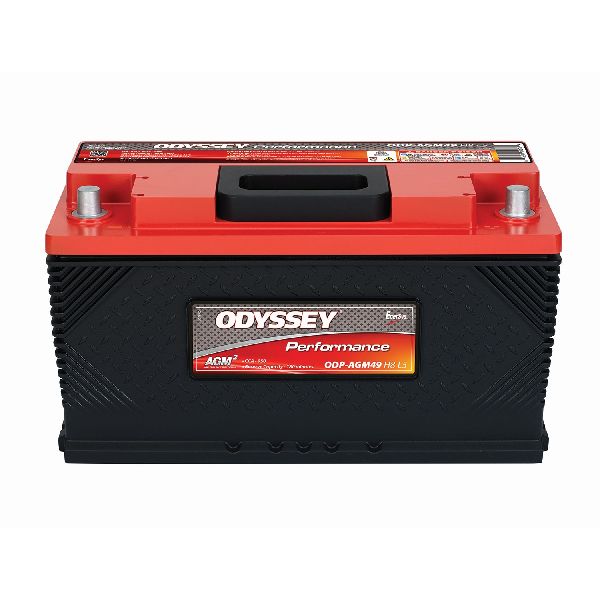
- Automotive Battery (AGM Recommended) — A weak or failing battery is the most frequent cause of low-voltage conditions that lead to the ECM losing its engine-off timer memory.
Trusted brands: Interstate, DieHard, Duralast, Optima
OEM price range: $200-$300
Aftermarket price range: $150-$250 - Engine Control Module (ECM)
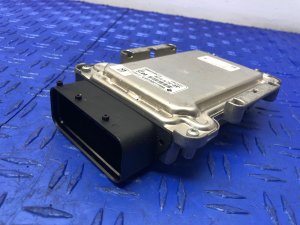
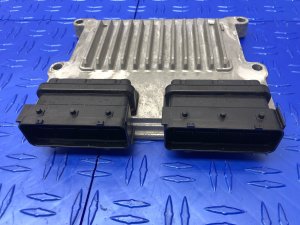
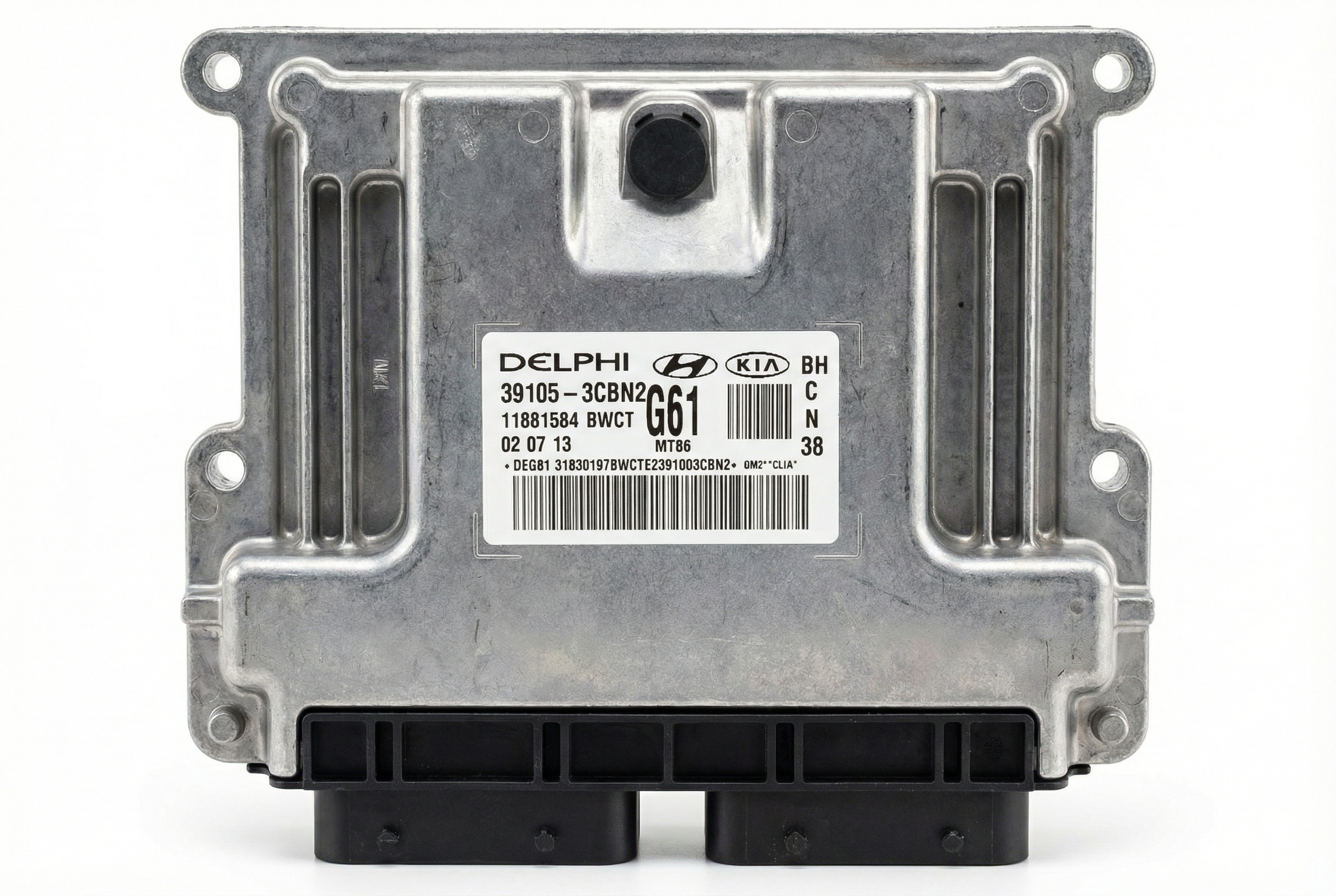
(OEM #Varies by year/engine/trans. Ex: 39115-3CKN0 (2013-14 3.8 AT), 39106-3C560 (2010-11 3.8). Always verify by VIN.)— If the battery and wiring are good, the internal timer circuit in the ECM has failed, requiring module replacement.
Trusted brands: Hyundai (OEM), Flagship One (Remanufactured)
OEM price range: $600-$900
Aftermarket price range: $400-$700
Technical Service Bulletins (TSBs) & Recalls
- While no specific TSB for the Genesis Coupe and P2610 was found, other manufacturers like Lexus have issued TSBs (e.g., L-SB-0026-16 for the GX460) to update ECM logic for this exact code. This suggests a software update from Hyundai could be a potential, though unconfirmed, fix.
Platform-Specific Known Issues
- Parasitic Draw from Hazard Fuse: A user on the r/MechanicAdvice subreddit with a 2013 Genesis Coupe traced a significant parasitic battery draw to the 15A hazard fuse circuit. This type of underlying drain can cause the battery voltage to drop overnight, leading to the P2610 code upon startup.
- General Electrical Sensitivity: Forum discussions on Gencoupe.com and Reddit confirm that the Genesis Coupe platform is sensitive to battery health. Owners experiencing P2610 are almost always advised to start with a battery load test and terminal cleaning before exploring more complex solutions like ECM replacement.
- Painted Chassis Ground Point: A known issue on the Genesis Coupe is that the factory often paints over the main chassis ground point for the negative battery terminal. Over time, this can create a high-resistance connection, leading to various electrical gremlins, including voltage-sensitive codes like P2610. A common free fix is to remove the ground bolt, sand the paint to expose bare metal, and re-tighten the connection.
Mechanic-Grade Diagnostic Values
- ECM Internal Timer vs. Low Power Counter (LPC) Deviation — expected: Less than 20 seconds. Failure: A deviation greater than 20 seconds will trigger DTC P2610.
- ECM Power Pin Voltage (Key On, Engine Off) — expected: 12.2V - 12.6V. Failure: Voltage below 12.2V indicates a weak battery or high resistance in the power supply circuit, which can cause the ECM to lose its memory.
- ECM Power Pin Voltage (Engine Running) — expected: 13.5V - 14.5V. Failure: Voltage outside this range indicates a charging system problem (alternator) that can lead to ECM instability.
- ECM Ground Circuit Resistance — expected: Near 0 Ohms. Failure: Any significant resistance (above 0.5 Ohms) indicates a poor ground connection that can cause erratic ECM behavior and trigger timer faults.
Scan Tool Commands That Help
- Hyundai GDS (Global Diagnostic System): Vehicle S/W Management > Resetting Adaptive Values — After performing a repair like replacing a battery or cleaning grounds, this function should be used to clear the ECM's learned fuel trims and other adaptations, forcing it to relearn values with the stable voltage supply. This can help resolve lingering performance issues even after the root cause of P2610 is fixed.
- Hyundai GDS (Global Diagnostic System): ECU Programming / Flashing — This is mandatory when replacing the ECM with a new or used unit. It writes the vehicle's VIN, immobilizer data, and configuration to the module, allowing it to function in the car. It can also be used to apply any available factory software updates that might address the P2610 logic.
Wiring & Ground Locations
- Main Chassis Ground — In the engine bay, the negative battery cable connects to a bolt on the chassis, typically on the shock tower or inner fender.. This is the primary return path for the entire electrical system. It is a known issue that Hyundai often paints under this connection, leading to high resistance over time. A poor connection here causes system-wide voltage instability, directly affecting the ECM's ability to maintain its keep-alive memory and triggering P2610.
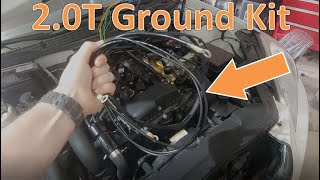
- Engine Ground Strap — A braided strap connecting the engine block to the chassis. On the 2.0T, a key ground point is on the engine mount. On the 3.8, a common aftermarket grounding point is a bolt on the starter.. Ensures the engine block and its sensors have a solid ground reference. A weak engine ground can cause noisy sensor signals, potentially confusing the ECM's diagnostic logic.
- GE01 / GE08 / GLG01 — Wiring diagrams for the 2013 model show multiple grounds located in the left and right rear of the engine compartment, near the ECM's location.. These are likely the primary ground points for the ECM itself and its associated wiring harness. Corrosion or looseness at these specific points can directly interrupt the ECM's ground path.
- GM02 — A ground point located on the left side of the dash, behind interior panels.. This ground serves interior electronics and can be related to the Body Control Module (BCM). While less likely to be the primary cause of P2610, a fault here could contribute to general electrical instability or parasitic draws.
Real Owner Repair Stories
- Reddit user Imdavidlindhagen on r/genesiscoupe (Hyundai Genesis Coupe (year/engine not specified, but common issue on platform)) — Car randomly turning off while driving.
❌ Tried (didn't work) Replacing the battery, Replacing the alternator
✅ What actually fixed it The user realized it was a bad ground. The final fix was scraping the factory paint off the chassis grounding point for the negative battery terminal and re-securing the connection. The car was fine ever since.
Model Year Variations Within This Range
- 2010-2012 (BK1) vs 2013-2016 (BK2): The ECM part numbers are different between the BK1 and BK2 generations, and also vary based on engine (2.0T vs 3.8) and transmission type (Manual vs Automatic). While the root causes of P2610 are the same (voltage stability), you must use the exact part number ECM for your vehicle's specific configuration. There is no cross-compatibility between generations or major component packages.
Diagnostic Flowchart
Other Known Issues on This Vehicle
Issues unrelated to this code that are worth knowing about as an owner of this generation:
- Manual Transmission Grind / Lockout 🟠 Medium — Very common, especially on BK1 (2010-2012) models. Often occurs during spirited shifting from 1st to 2nd, or 5th to 6th.
- Water Leaks into Trunk 🟠 Medium — Common issue caused by failed OEM taillight gaskets, especially after taillights have been removed and reinstalled. Can lead to a pool of water in the spare tire well.
- Timing Chain Issues (2.0T) 🔴 High — The Theta II 2.0T engine can experience timing chain stretching or guide failure, particularly if oil change intervals are extended. Recommended replacement around 100,000 miles as preventative maintenance.
- Interior Rattles and Peeling Chrome Trim 🟡 Low — Widespread complaint. Interior plastic panels, especially around the dash and doors, are prone to creaking and rattling. The chrome-like finish on door handles and steering wheel trim often flakes off over time.
- Wastegate Rattle (2.0T) 🟡 Low — Common on the BK1 2.0T's turbocharger. The wastegate actuator arm wears, causing a distinct rattling noise, especially at idle or on deceleration. Often a nuisance rather than a critical failure.
- Vibration at Highway Speeds 🟡 Low — Many owners report a persistent vibration around 60-70 mph, even with balanced wheels. Often attributed to a combination of factors including alignment, tire choice, and drivetrain harmonics.
Used vs. New Parts: Buying Guide for This Vehicle
When a used part is the smart pick: For the most common fix, the battery, buying used is never recommended. For the less common but expensive fix, the Engine Control Module (ECM), a used part can be a smart choice to save significant money, provided you follow the correct procedure.
Donor-vehicle mileage cap: roughly under 80000 miles for the part to have meaningful remaining life.
What to inspect on the donor part:
- For a used ECM, verify the donor car was not in a flood or had major fire damage.
- Ensure the part number on the used ECM is an EXACT match to your original module. There is no room for error here.
- Purchase from a reputable salvage yard that offers a short warranty or return period in case the module is dead on arrival.
OEM-only on this vehicle (don't cheap out):
- Engine Control Module (ECM) - While used OEM modules are an option, avoid no-name aftermarket or 'repaired' modules from unverified sources. The programming is complex and often fails. Stick with original Hyundai/Kefico units, whether new or used.
Aftermarket brands forum-validated for this vehicle:
- For batteries, brands like Interstate, DieHard (AGM), and Optima are well-regarded by the community.
- For remanufactured ECMs, companies like Flagship One specialize in pre-programming modules to your VIN.
Brands owners have reported issues with on this vehicle:
- Avoid generic, unbranded ECMs from platforms like eBay or Amazon unless they are from a highly-rated, specialized automotive electronics seller.
Real Owner Stories
Aggregated from forums and TSBs cited above. Mileages and costs reflect what owners reported in those sources.
2013 Hyundai Genesis Coupe
Symptoms: A significant parasitic battery draw causing the battery voltage to drop overnight, leading to the P2610 code.
What fixed it: The owner traced the parasitic draw to the 15A hazard fuse circuit and addressed the issue within that circuit.
Source hint: r/MechanicAdvice
Hyundai Genesis Coupe
Symptoms: Random electrical shutdown issues and voltage stability problems.
What fixed it: After replacing the battery and alternator did not solve the problem, the owner fixed it by cleaning a bad chassis ground, specifically by scraping off the factory paint to ensure a bare metal connection.
Source hint: Reddit r/genesiscoupe
Related OBD-II Codes
Frequently Asked Questions
My battery tests fine, but I still have a P2610 code. What's the next most likely cause on my Genesis Coupe?
I heard about a simple grounding fix for electrical problems on the Genesis Coupe. Could this cause P2610?
My battery keeps dying and I have a P2610 code. Are these issues related?
Where is the main engine ground strap located on my 2.0T Genesis Coupe?
Is there a software update or TSB from Hyundai to fix the P2610 code?
Where is the Engine Coolant Temperature (ECT) sensor on the 2.0T model?
Helpful Videos

Used OEM Parts in Stock
New Aftermarket Parts Available


The information in this article is provided for general reference and educational purposes only. Vehicle specifications, procedures, and part compatibility can vary by production date, trim level, and region. Always consult your vehicle's factory service manual and verify part numbers before purchasing or performing repairs. Safety-critical components such as airbags, seat belts, and braking systems should be installed by a qualified professional.
- Hyundai Genesis Coupe:
- 🧭 Diagnostic Flowchart
- 🎬 Helpful Videos
- 🛍️ Shop This Part
- What's Unique About the 2010-2016 Hyundai Genesis Coupe
- Symptoms You May Notice
- Most Likely Causes
- Rare But Worth Checking
- Diagnosis Steps
- Parts You'll Likely Need
- Technical Service Bulletins (TSBs) & Recalls
- Platform-Specific Known Issues
- Mechanic-Grade Diagnostic Values
- Scan Tool Commands That Help
- Wiring & Ground Locations
- Real Owner Repair Stories
- Model Year Variations Within This Range
- Other Known Issues on This Vehicle
- Used vs. New Parts: Buying Guide for This Vehicle
- Real Owner Stories
- 2013 Hyundai Genesis Coupe
- Hyundai Genesis Coupe
- Related OBD-II Codes
- Frequently Asked Questions
- 🎟️ Get 5% Off