

P2610 on 2014-2016 Lexus CT HYBRID: Engine Off Timer Performance Causes and Fixes
For a 2014-2016 Lexus CT Hybrid, code P2610 is almost always caused by a software glitch in the Engine Control Module (ECM). The fix is an ECM software update performed by a Lexus dealer, which is often covered under the 96-month/80,000-mile Federal Emission Warranty. Do not replace the ECM; it just needs to be reprogrammed.
- P2610 on a 2014-2016 Lexus CT Hybrid is a known issue addressed by Lexus TSB L-SB-0039-16.
- The most probable cause is outdated ECM software, which requires an update from a Lexus dealer.
- This repair is often covered under the Federal Emission Warranty (96 months or 80,000 miles).
- Do not replace the ECM unless the software update has been performed and the code persists. The TSB explicitly warns against this.
- If the software is up-to-date, the next most likely cause is a weak 12V auxiliary battery.
What's Unique About the 2014-2016 Lexus CT HYBRID
On this specific vehicle, the P2610 code is a well-documented issue. Lexus acknowledged in Technical Service Bulletin L-SB-0039-16 that the original software logic in the Engine Control Module was too sensitive and could falsely trigger the code. Unlike many other vehicles where this code might point to a bad battery or faulty wiring, for the 2014-2016 CT200h, the problem is almost exclusively a software issue that requires an update from the manufacturer.
🎬 Watch: Three methods to address the P2610 error codeDiagnostic Flowchart
Tap your situation to follow the diagnostic path that matches what you're seeing on this vehicle.
Symptoms You May Notice
- Check Engine Light (MIL) is illuminated.
- Inability to complete emissions readiness monitor tests, leading to a failed emissions inspection.
- Replacing the Engine Control Module (ECM) when only a software update is needed. The TSB specifically warns against this.
- Replacing the Engine Coolant Temperature (ECT) sensor. While some generic guides mention the ECT sensor for this code, it is not a common cause on this specific Lexus model.
Most Likely Causes
- Outdated Engine Control Module (ECM) Software 🔴 High Probability → Shop Engine Control Module (ECM) Lexus issued Technical Service Bulletin L-SB-0039-16 specifically for this issue, stating the ECM logic was too sensitive and needed modification.
How to confirm: A Lexus dealer or a qualified shop with access to Toyota/Lexus technical information can check the current software calibration ID on the ECM and see if an update is available per TSB L-SB-0039-16. The TSB lists previous part numbers 89660-76080 (2014) and 89660-76170 (2015-2016) as eligible for the update.
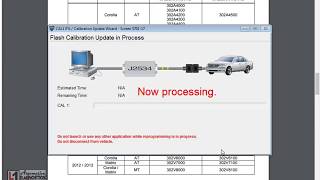
Typical fix: Flash reprogramming the ECM with the updated software version. 🎬 See how to perform Toyota PCM reprogramming with a J2534 device The TSB explicitly states the ECM should NOT be replaced for this condition. The repair takes approximately 0.4 hours.
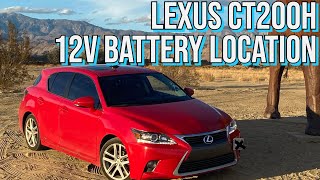
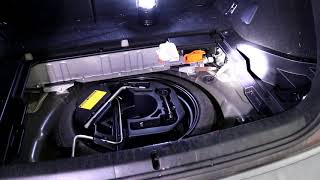
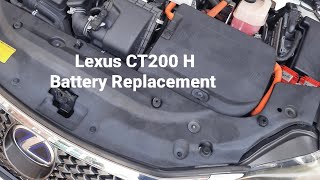
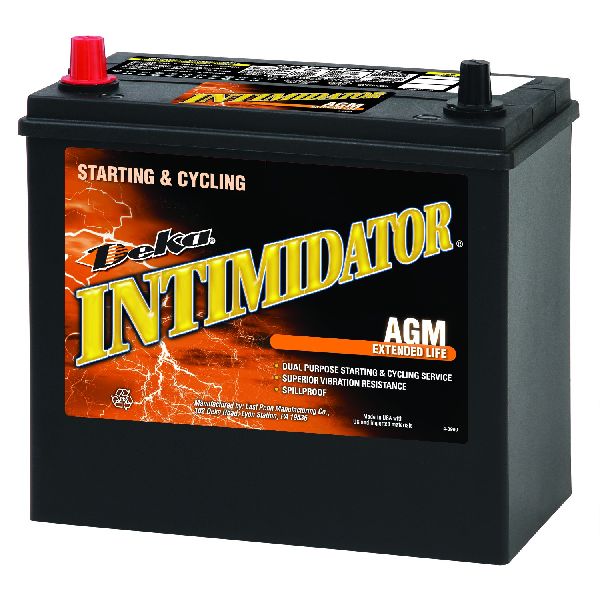
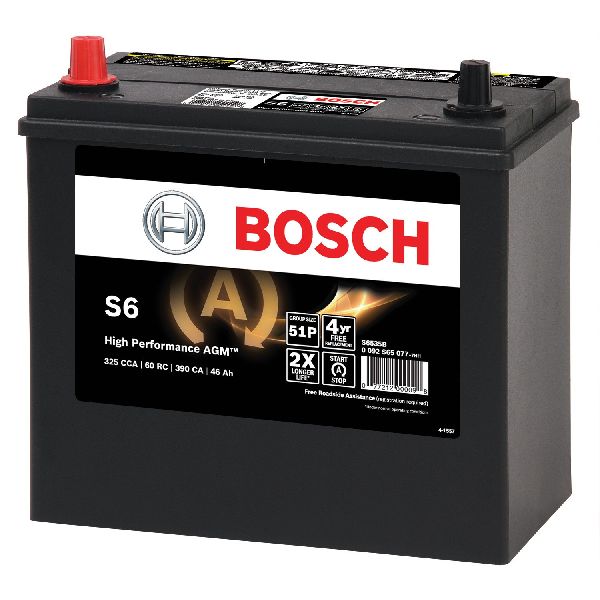
Est. part cost: $0 - Weak or Failing 12V Auxiliary Battery ⚪ Low Probability → Shop Vehicle Battery Hybrid systems rely on a stable 12V power supply for their control modules. Low voltage during startup or shutdown can cause various electronic glitches, including timer performance codes. A ClubLexus forum member reported that replacing a bad 12V battery resolved the P2610 code on their Lexus.
How to confirm: Test the 12V auxiliary battery with a digital multimeter or a battery tester. A healthy battery should read approximately 12.6 volts with the car off and above 13.5 volts when the car is in 'Ready' mode. The TSB for the software update also requires the technician to maintain battery voltage at 13.5 volts during reprogramming, highlighting the importance of stable voltage.
Typical fix: Replace the 12V auxiliary battery.
Est. part cost: $180-$300
Rare But Worth Checking
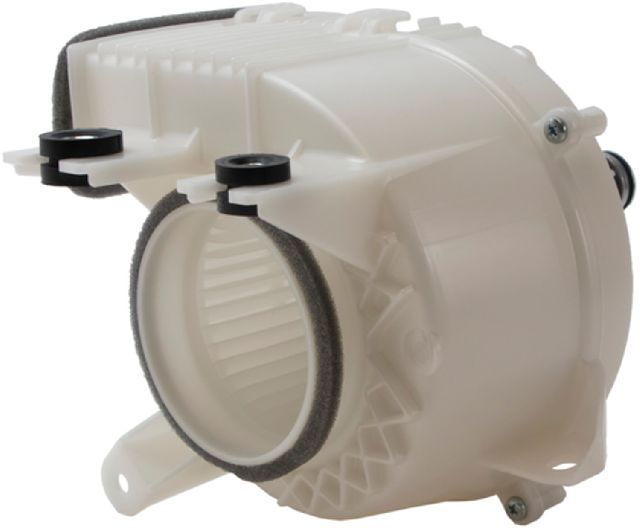
- Faulty Engine Control Module (ECM): → Shop Engine Control Module (ECM) While the TSB for this vehicle points to a software issue, a true internal hardware failure of the ECM is a remote possibility if a software update doesn't resolve the code.
- ECM Power or Ground Circuit Issue: An intermittent loss of power or a poor ground connection to the ECM could disrupt its internal clock, but this is uncommon.
Diagnosis Steps
- Scan the vehicle for trouble codes to confirm P2610 is present.
- Check with a Lexus dealer if Technical Service Bulletin L-SB-0039-16 applies to your vehicle's VIN and if the ECM software has already been updated. This is the most likely cause.
- If the TSB has not been performed, have the dealer reprogram the ECM. This repair should be covered under the Lexus Federal Emission Warranty (96 months/80,000 miles). Inquire about this warranty coverage specifically.
- If the software is already up-to-date, or if the vehicle is outside the warranty period and you want to check other possibilities first, test the 12V auxiliary battery's health and voltage. A weak battery is the next most likely cause.
- If the battery is healthy and the software is current, inspect the ECM's power and ground connections for any signs of corrosion or damage.
- If all other steps fail, the ECM itself may have an internal hardware fault, though this is rare.
Parts You'll Likely Need
- ECM Software Update
(OEM #New Calibration IDs per L-SB-0039-16)— This is the official fix documented by Lexus in a TSB to correct oversensitive logic that triggers the P2610 code.
OEM price range: $0-$250
Aftermarket price range: N/A - 12V Auxiliary Battery
(OEM #28800-AZC34 (or superseding 28800-YZZPD))— A weak 12V battery can cause a variety of electrical faults in modern hybrid vehicles, including this timer performance code.
Trusted brands: Toyota TrueStart / Lexus Genuine (S46B24R), Duralast Platinum, Bosch
OEM price range: $250-$350
Aftermarket price range: $180-$300
Technical Service Bulletins (TSBs) & Recalls
- L-SB-0039-16: States that some 2014–2016 CT 200h vehicles may exhibit a MIL 'ON' with DTC P2610 and that the ECM logic has been modified to fix it. It specifies the new calibration IDs and confirms the repair is covered under the federal emission warranty.
Platform-Specific Known Issues
- A Technical Service Bulletin (L-SB-0039-16) was issued by Lexus for 2014–2016 CT 200h models because the original ECM logic was prone to incorrectly setting code P2610. The prescribed fix is a software update, not a hardware replacement.
- The repair is explicitly covered under the Federal Emission Warranty for 96 months or 80,000 miles from the vehicle's in-service date.
Mechanic-Grade Diagnostic Values
- 12V Auxiliary Battery Voltage (Engine Off) — expected: ~12.6 Volts. Failure: Voltage below 12.3V may indicate a weak battery that could cause electronic glitches.
- Charging System Voltage (Car in 'Ready' Mode) — expected: 13.5 - 14.5 Volts. Failure: Voltage outside this range indicates a problem with the charging system, which can affect ECM stability.
- Required Voltage During ECM Reprogramming — expected: Maintained at 13.5 Volts. Failure: Failure to maintain stable voltage with a power supply during the flash can cause the update to fail or corrupt the ECM.
Scan Tool Commands That Help
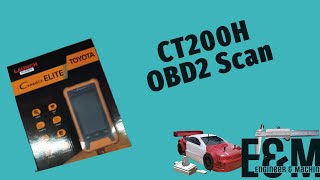
- Toyota Techstream: ECU Flash Reprogramming — This is the primary repair procedure outlined in TSB L-SB-0039-16 to update the ECM logic. It is used after confirming the P2610 code is present and that the installed software calibration is outdated.
- Toyota Techstream: Health Check / Read Codes — To initially confirm the presence of DTC P2610 and check for any other related trouble codes.
- Toyota Techstream: Read Calibration ID — To check the current software version of the ECM and compare it against the updated versions listed in TSB L-SB-0039-16 to determine if the update is needed.
Wiring & Ground Locations
- Engine Control Module (ECM) — In the engine bay, located behind the driver's side (LH) headlamp assembly.. This is the component that stores the code and requires the software update. Physical access is needed for inspection of connectors or replacement, though replacement is not recommended for this code.
- ECM Power Relay — Located in the main fuse and relay block in the engine compartment.. A faulty ECM power relay could intermittently cut power to the ECM, disrupting its internal clock. If the relay sticks closed, it could drain the battery, also leading to voltage-related issues that can trigger P2610.
Real Owner Repair Stories
- ClubLexus Forum User (Lexus GS (specific year not mentioned, but behavior is relevant)) — Check engine light with code P2610.
❌ Tried (didn't work) Initial diagnosis was unclear.
✅ What actually fixed it The 12V battery tested bad and was replaced. After clearing the code, it did not return, suggesting the low voltage from the failing battery was the root cause.
OEM Part Supersession History
89660-76080→89660-76081 (and subsequent software calibrations)— Updated logic to correct the P2610 condition.
Heads up: These are the part numbers eligible for the software update per the TSB; the physical part should not be replaced.89660-76170→89660-76171 (and subsequent software calibrations)— Updated logic to correct the P2610 condition.
Heads up: These are the part numbers eligible for the software update per the TSB; the physical part should not be replaced.
Model Year Variations Within This Range
- 2014 vs. 2015-2016: The TSB L-SB-0039-16 specifies different base ECM part numbers eligible for the software update. For 2014 models, the part number is 89660-76080. For 2015-2016 models, the part number is 89660-76170. This indicates a hardware or base software difference between the model years, though the P2610 fault and its software fix are common to all.
- 2014+: The 2014 model year marked a significant refresh for the CT200h, including revised suspension tuning and expanded use of body adhesive for improved ride comfort. While not directly related to the P2610 code, some forum users note that engine design improvements related to EGR and head gaskets were made in 2014 and later models, making them generally more reliable than pre-2014 versions.
Helpful Videos
We Have This Part in Stock




The information in this article is provided for general reference and educational purposes only. Vehicle specifications, procedures, and part compatibility can vary by production date, trim level, and region. Always consult your vehicle's factory service manual and verify part numbers before purchasing or performing repairs. Safety-critical components such as airbags, seat belts, and braking systems should be installed by a qualified professional.
- Lexus CT HYBRID:
- 🧭 Diagnostic Flowchart
- 🎬 Helpful Videos
- 🛍️ Shop This Part
- What's Unique About the 2014-2016 Lexus CT HYBRID
- Symptoms You May Notice
- Most Likely Causes
- Rare But Worth Checking
- Diagnosis Steps
- Parts You'll Likely Need
- Technical Service Bulletins (TSBs) & Recalls
- Platform-Specific Known Issues
- Mechanic-Grade Diagnostic Values
- Scan Tool Commands That Help
- Wiring & Ground Locations
- Real Owner Repair Stories
- OEM Part Supersession History
- Model Year Variations Within This Range
- 🎟️ Get 5% Off