

P2610 on 2019 Mazda MAZDA3: Instrument Cluster Timer Fault Causes and Fixes
On a 2019 Mazda3, code P2610 almost always appears with P2507 after a temporary power loss, most commonly from pulling the 'ROOM 15A' fuse during service or transport. The fix is usually just to reinstall the fuse and clear the codes. A weak or failing battery is the second most common cause, causing a voltage drop that mimics a pulled fuse.
- P2610 on a 2019 Mazda3 is an electrical code related to the instrument cluster's timer, not a major mechanical failure.
- Before any other diagnosis, check for the companion code P2507 and inspect the 15A 'ROOM' fuse in the engine bay fuse box.
- The most common causes are a removed 'ROOM' fuse (often for transport) or a weak/failing battery causing a voltage drop.
- Do not replace the instrument cluster or PCM unless the battery, its connections, and the ROOM fuse have been definitively ruled out as the cause.
What's Unique About the 2019-2019 Mazda MAZDA3
For this generation of Mazda3 and other Skyactiv models, P2610 is uniquely tied to a specific electrical quirk. Mazda has issued multiple Technical Service Bulletins (TSBs) confirming that this code, along with P2507, is reliably triggered by starting the engine after the 15A 'ROOM' fuse has been removed. This often happens when the vehicle is put into 'transport mode' by the dealer to reduce parasitic draw during shipping or during unrelated service, meaning the code frequently appears without an actual component failure. The odometer may display "F0-002" while in this mode.
Diagnostic Flowchart
Tap your situation to follow the diagnostic path that matches what you're seeing on this vehicle.
Symptoms You May Notice
- Check Engine Light illuminated
- Slow or labored engine cranking (if caused by a weak battery)
- In rare, severe cases, a no-start condition that may require a jump-start.
- i-stop system disabled or yellow i-stop warning light on (if equipped).
- Replacing the PCM when the root cause is a weak battery or a previously removed fuse.
- Mistaking the code for a loose gas cap, which is a common cause for a check engine light but typically sets EVAP-related codes, not P2610.
- Replacing the instrument cluster before verifying its power and ground connections are stable.
Most Likely Causes
- 15A 'ROOM' Fuse Removed or Blown 🔴 High Probability Mazda TSB #01-003-19-3557 explicitly states this is a known cause, often happening during service or when the vehicle is in 'transport mode' from the factory. Removing this fuse cuts power to the instrument cluster and other interior components, disrupting its timer.
How to confirm: Check the 15A ROOM fuse in the under-hood fuse box. Ask if any service was recently performed. The TSB states the code is set by starting the engine 3 or more times with the fuse removed. The odometer may read 'F0-002' if the fuse is currently out.
Typical fix: Reinstall the fuse if missing, replace if blown, and clear the diagnostic trouble codes. The TSB outlines a specific procedure: Install fuse with ignition OFF, start engine for 10+ seconds, stop engine, restart to confirm CEL is off, then clear codes.
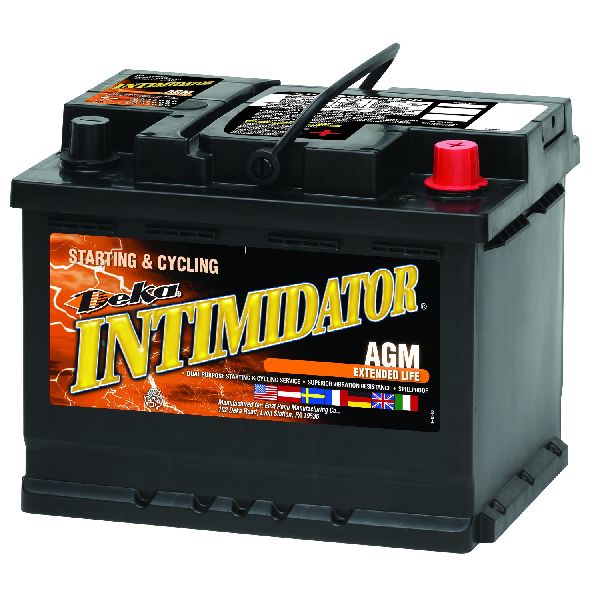
Est. part cost: $1-$5 - Weak or Failing Battery 🟡 Medium Probability → Shop Vehicle Battery A sharp voltage drop during engine cranking can be interpreted by the PCM as a power loss, similar to a fuse being pulled, triggering the code. This is a common cause across many modern Mazda models, especially after the battery is 3-5 years old.
How to confirm: Perform a professional load test on the battery. A simple voltage check is not sufficient, as a battery can show over 12.4V but still lack the Cold Cranking Amps (CCA) to start the car without a significant voltage drop.
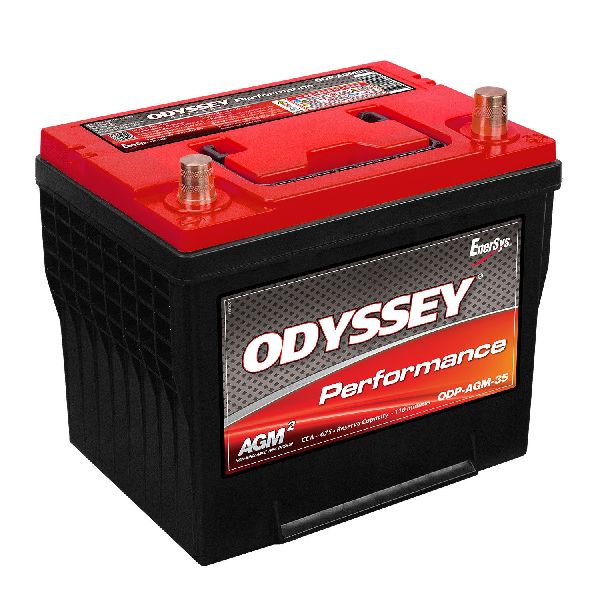
Typical fix: Replace the 12-volt battery. For models with i-stop, an EFB (Enhanced Flooded Battery) like a Q-85 type is recommended.
Est. part cost: $150-$350 - Loose or Corroded Battery Terminals/Grounds ⚪ Low Probability → Shop Vehicle Battery Poor ground connections can cause intermittent electrical issues that mimic a failing battery. Mazda has issued TSBs for other models regarding poor ground points causing various electrical malfunctions, highlighting the sensitivity of the electrical system.
How to confirm: Visually inspect the battery terminals for white or blue-green corrosion. Ensure the terminal clamps are tight and cannot be moved by hand. Check the main chassis ground strap for tightness and corrosion.
Typical fix: Clean the terminals and posts with a wire brush and corrosion-protectant spray. Tighten all connections.
Est. part cost: $5-$15
Rare But Worth Checking
- Faulty Instrument Cluster: → Shop Instrument Cluster Since the engine-off timer is internal to the instrument cluster, a failure of the cluster itself can cause this code. However, this is very uncommon and should only be considered after all power supply issues are ruled out.
- Faulty Powertrain Control Module (PCM): → Shop Engine Control Module (ECM) A malfunctioning PCM could misinterpret signals or fail internally. This is a last-resort diagnosis after all other power supply and component issues have been ruled out.
- Wiring Harness Issue: A damaged wire or poor connection in the CAN bus communication line between the instrument cluster and the PCM could trigger the code. This would likely be accompanied by other communication DTCs.
Diagnosis Steps
- Scan for codes and confirm if P2507 is also present. The combination strongly points to a power supply issue.
- Inquire about recent service history. Was the battery disconnected, jump-started, or were any fuses pulled? This often occurs after vehicle transport or service.
- Inspect the 15A 'ROOM' fuse in the engine bay fuse box. Ensure it is present, correctly seated, and not blown. Check that it is a 15A fuse and not a lower-rated one.
- If the fuse was missing or loose, follow the TSB procedure: Install it correctly, clear the codes, and perform a few drive cycles to see if the light returns.
- If the fuse is good, perform a professional load test on the battery. A weak battery is the next most likely cause, even if the car starts and lights turn on.
- Inspect and clean the battery terminals and check the main chassis ground connection for tightness and corrosion.
- If the code persists after confirming the fuse and battery are good, the issue may be more complex, such as a faulty instrument cluster, PCM, or wiring problem, which requires advanced diagnostics as outlined in Mazda's service manual.
Parts You'll Likely Need
- 12V Battery
(OEM #PE1T-18-520 (or similar, verify by VIN))— A weak battery causing a voltage drop during cranking is a very common trigger for P2610 on Mazda vehicles.
Trusted brands: Panasonic (OEM), Bosch, Duralast, Interstate
OEM price range: $250-$400
Aftermarket price range: $150-$350 - Mini Fuse (15 Amp)
(OEM #99-705-1315 (generic part))— This code is frequently set if the 15A 'ROOM' fuse is missing or blown, often during dealer prep or service.
Trusted brands: Bussmann, Littlefuse
OEM price range: $1-$5
Aftermarket price range: $1-$5
Related Codes That Often Appear With This One
- P2507 — Stands for 'PCM Battery Voltage Low Input'. Mazda TSBs explicitly state that P2610 and P2507 are set together when the 15A ROOM fuse is removed or when a weak battery causes a significant voltage drop during startup.
Technical Service Bulletins (TSBs) & Recalls
- 01-003-19-3557: Describes the CHECK ENGINE LIGHT ON with DTC P2610 and P2507 stored in memory after the 15A ROOM fuse is removed. This is the primary document for this issue.
- 01-003-21-3776: A later TSB that supersedes previous versions, confirming the same issue applies to newer models.
- 01-017-14-2973: An older TSB showing this issue has been documented by Mazda for many years across its Skyactiv lineup.
Platform-Specific Known Issues
- TSB #01-003-19-3557: The 'Transport Mode' Quirk: Mazda has issued Technical Service Bulletin #01-003-19-3557, which states: 'Some vehicles may experience the CHECK ENGINE LIGHT ON with DTC P2610 and P2507 stored in memory after engine start and room fuse 15A (A) removed.' This is a known electrical quirk primarily caused by dealers placing the car in 'transport mode' to save the battery, which involves pulling that specific fuse. The TSB notes this is caused by starting the engine multiple times with the fuse out. The fix is simply to reinstall the fuse and clear the codes following a specific procedure.
- Real-World Owner Experience: Dead Battery After Transport: → Shop Vehicle Battery A user on the r/mazda3 subreddit with a 2019 Mazda3 reported their car arrived via transport with a dead battery. After being jump-started, the check engine light was on with code P2610. The light cleared on its own after several drive cycles, illustrating a common scenario where a significant voltage drop from a dead or weak battery triggers this specific code.
Mechanic-Grade Diagnostic Values
- Battery Voltage (Resting, Engine Off) — expected: 12.4V to 12.7V. Failure: Below 12.3V may indicate a weak or discharged battery that can cause spurious codes during startup.
- Alternator Output Voltage (Engine Running at Idle) — expected: Approximately 14.2V to 14.5V. Failure: Voltage significantly below 14V or above 15V indicates a charging system problem that can create electrical instability.
- Live Data 'Engine Off Timer' Parameter — expected: Timer should count down to zero within 5-10 seconds after engine shutdown.. Failure: Timer does not start, gets stuck, or does not reach zero within the specified window.
Hidden / Shadow Codes Worth Checking
- F0-002: This message appears on the odometer display when the vehicle is in 'transport mode', which is activated by removing the 15A ROOM fuse. It is a direct indicator that the condition described in the TSB is active. (see via Visible on the instrument cluster's odometer display when the ROOM fuse is removed.)
Scan Tool Commands That Help
- Mazda IDS (or equivalent): Clear DTCs from PCM memory — This is the final step in the official TSB repair procedure after reinstalling the ROOM fuse and performing several key cycles to confirm the Check Engine Light is off.
- Professional Scan Tool: CAN Bus Test — If the code persists after addressing fuse and battery issues, a CAN bus test can be used to verify communication integrity between the PCM and the instrument cluster, ruling out wiring problems.
Wiring & Ground Locations
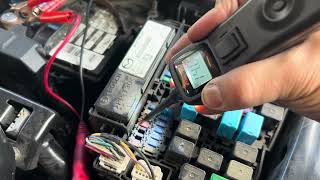
- ROOM Fuse 15A — Located in the under-hood fuse box.. This specific fuse provides power to the instrument cluster. Removing it directly causes the P2610 and P2507 codes to set, as documented by Mazda's TSBs.
- PCM and Chassis Grounds — Various points on the chassis, engine block, and near the battery negative terminal. Specific designators for the 2019 Mazda3 were not found, but common locations include the fender/shock tower area.. A poor ground connection can cause a voltage drop or electrical noise, confusing the PCM and instrument cluster and mimicking a low battery condition, which can trigger P2610.
Real Owner Repair Stories
- Reddit user r/mazda3 (2019 Mazda3, 40k miles) — Car arrived via transport with a dead battery. After a jump-start, the Check Engine Light was on with code P2610.
❌ Tried (didn't work) Initial driving for 20 miles with two restarts did not clear the light immediately.
✅ What actually fixed it The Check Engine Light cleared on its own after a few more drive cycles. The root cause was the temporary voltage disruption from the dead battery and jump-start, a classic scenario for this code. - Reddit user r/mazda3 (2019 Mazda3) — During a cold front, the battery was dead. After a jump-start, the car logged codes P2610 and P0685.
✅ What actually fixed it The user cleared the codes with an OBD scanner. A subsequent battery test at an auto parts store showed the battery was at 85% health and 'good'. The issue was attributed to the temporary voltage drop caused by the cold weather and jump-start, and the codes did not return after being cleared.
Helpful Videos

We Have This Part in Stock



The information in this article is provided for general reference and educational purposes only. Vehicle specifications, procedures, and part compatibility can vary by production date, trim level, and region. Always consult your vehicle's factory service manual and verify part numbers before purchasing or performing repairs. Safety-critical components such as airbags, seat belts, and braking systems should be installed by a qualified professional.
- Mazda MAZDA3:
- 🧭 Diagnostic Flowchart
- 🎬 Helpful Videos
- 🛍️ Shop This Part
- What's Unique About the 2019-2019 Mazda MAZDA3
- Symptoms You May Notice
- Most Likely Causes
- Rare But Worth Checking
- Diagnosis Steps
- Parts You'll Likely Need
- Related Codes That Often Appear With This One
- Technical Service Bulletins (TSBs) & Recalls
- Platform-Specific Known Issues
- Mechanic-Grade Diagnostic Values
- Hidden / Shadow Codes Worth Checking
- Scan Tool Commands That Help
- Wiring & Ground Locations
- Real Owner Repair Stories
- 🎟️ Get 5% Off