

P2610 on 2014-2016 Ram 3500: PCM Timer Performance Causes and Fixes
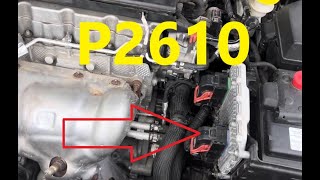
On a 2014-2016 Ram 3500, P2610 is often caused by a failing crankshaft position sensor or a software issue. The TSBs strongly link it to code P0335. Check for PCM software updates before replacing parts. For diesel models, weak or mismatched dual batteries are also a common culprit.
- P2610 on a 2014-2016 Ram 3500 is very often accompanied by code P0335 for the crankshaft position sensor.
- Always diagnose the crankshaft position sensor and its wiring before suspecting a faulty PCM.
- Check for available PCM software updates, as a reflash may be the required fix.
- Ensure the battery and charging system are healthy, as low voltage can trigger this code.
What's Unique About the 2014-2016 Ram 3500
For this generation of Ram HD trucks, P2610 is rarely an isolated code. Manufacturer Technical Service Bulletins (TSBs) repeatedly show it appearing with P0335 (Crankshaft Position Sensor Circuit). This strong correlation suggests the root cause is often not the PCM's timer itself, but a faulty signal from the crankshaft sensor that confuses the PCM about the engine's status (running or off). This makes diagnosing the crankshaft position sensor and its wiring a critical first step. Furthermore, on models with the 6.7L Cummins engine, the dual-battery system adds complexity; an imbalance or weakness in one of the two batteries can cause voltage drops that corrupt the PCM's timer memory.
Diagnostic Flowchart
Tap your situation to follow the diagnostic path that matches what you're seeing on this vehicle.
Symptoms You May Notice
- Check Engine Light is on.
- Vehicle may fail an emissions test.
- Remote start is disabled or inoperative.
- No noticeable difference in how the vehicle runs in most cases.
- In some cases, hard starting or longer cranking times.
- Reduced engine performance or fuel efficiency over time.
- Replacing the PCM without first checking for software updates or diagnosing the crankshaft position sensor.
- Replacing only one of the two batteries on a 6.7L Cummins model, leading to a voltage imbalance.
- Replacing the crankshaft position sensor when a PCM reflash was the actual required fix per a TSB.
Most Likely Causes
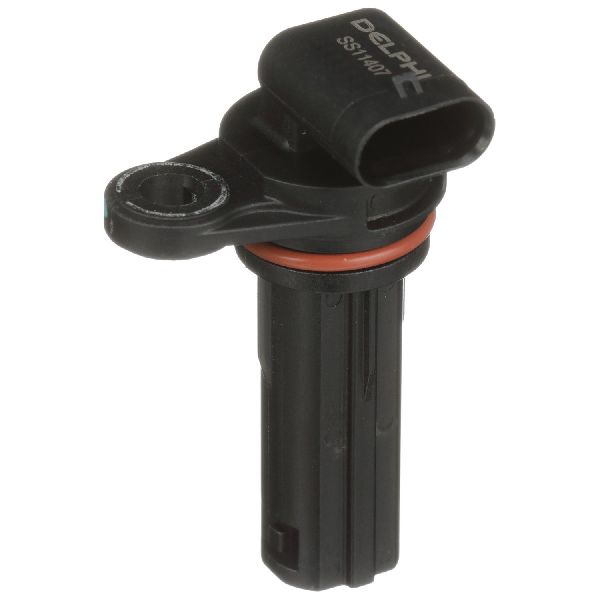
- Faulty Crankshaft Position Sensor (CKP) 🔴 High Probability → Shop Engine Crankshaft Position Sensor Multiple manufacturer TSBs for the 2014-2016 Ram 3500 explicitly link P2610 with P0335 (Crankshaft Position Sensor Circuit), making it the most likely culprit. A faulty CKP sensor provides incorrect data about the engine's rotational status, directly confusing the PCM's engine-off timer logic.
How to confirm: Scan for other codes; if P0335 is present, diagnose the CKP sensor. Use a multimeter to check the sensor's resistance against OEM specs. An oscilloscope can be used to verify a clean signal waveform while cranking. Visually inspect the sensor's wiring harness for damage, especially near the engine block and starter where heat exposure is high.
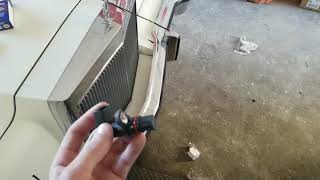
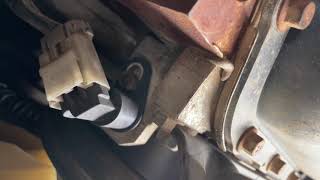
Typical fix: Replace the crankshaft position sensor. For the 6.7L Cummins, a common part number is Mopar 68581417AB. 🎬 See this step-by-step crankshaft position sensor replacement guide
Est. part cost: $50-$125 - PCM Software Glitch 🟡 Medium Probability FCA (Ram's parent company) has issued numerous TSBs, such as 18-082-16 and 18-062-16, to fix electronic glitches with software updates. These bulletins confirm that a cluster of codes including P2610, P0335, and P0456 can be resolved by reprogramming the PCM.
How to confirm: Contact a Ram dealership or a qualified shop with a subscription to OEM service information (like a wiTECH scan tool) to check if the vehicle's VIN has any open campaigns or applicable PCM software updates.
Typical fix: Reprogram (reflash) the Powertrain Control Module with the latest manufacturer software. This is a dealer or specialty shop repair.
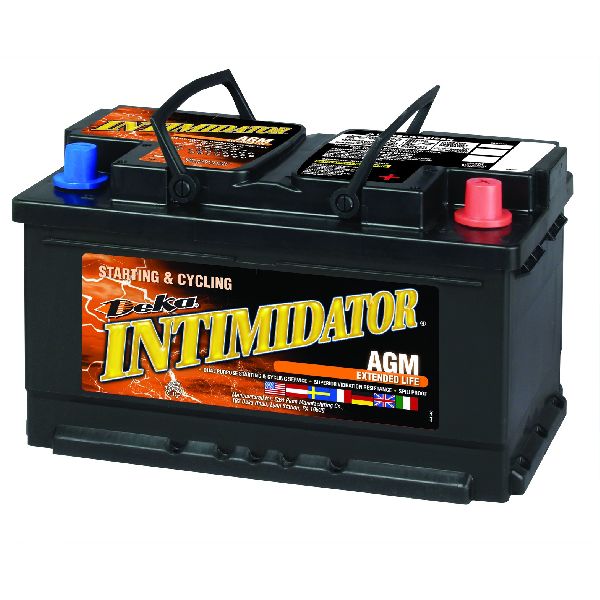
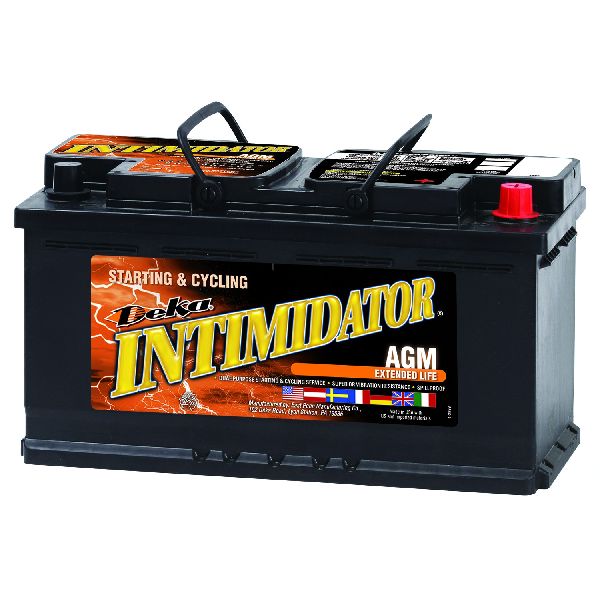
Est. part cost: $0 - Weak or Failing Battery / Charging System Issue 🟡 Medium Probability → Shop Vehicle Battery The PCM's internal 'engine off' timer relies on a constant, stable voltage from the battery to function. Heavy-duty trucks, especially the 6.7L Cummins models with dual batteries, have significant electrical demands. An aging or mismatched battery pair can cause voltage to drop during startup or while sitting, corrupting the timer's memory.
How to confirm: Test the battery with a digital multimeter or a load tester. A healthy, fully charged battery should read approximately 12.6 volts with the engine off. With the engine running, the alternator should be charging at 13.7 to 14.7 volts. For diesel models, both batteries should be tested individually and should have similar age and capacity.
Typical fix: Replace the battery. For 6.7L Cummins models, it is critical to replace both batteries at the same time with a matched pair to ensure system stability. 🎬 Watch: How to test for draw on dual battery systems
Est. part cost: $150-$500 - Damaged Wiring or Poor Connection ⚪ Low Probability Wiring harnesses, especially for the crankshaft sensor near the engine block and starter, can be exposed to heat and vibration, leading to chafing or corrosion over time. Rodent damage is also a possibility. Poor grounds on the engine block or chassis are also a known cause of various electrical issues on these trucks.
How to confirm: Visually inspect the wiring harness to the PCM and the crankshaft position sensor. Look for any signs of melting, chafing, or corrosion at the connectors. Check for related fuses, such as those for engine management (Fuses 21, 22, 57, 64, 72, 77, 78 in the engine bay fuse box). Perform a 'wiggle test' on the harness while monitoring sensor data to see if the signal drops out. Check and clean main engine and body ground connections.
Typical fix: Repair the damaged section of the wiring harness or clean/replace the affected connector.
Est. part cost: $10-$50
Rare But Worth Checking
- Faulty Powertrain Control Module (PCM): → Shop Engine Control Module (ECM) While the code definition says 'Internal... Performance', the PCM itself is rarely the point of failure. This should only be considered after all other possibilities, including software updates and wiring, have been exhaustively ruled out.
- Faulty Engine Coolant Temperature (ECT) Sensor: The PCM may cross-reference the engine off time with the ECT reading to see if a cold start is plausible. If the ECT sensor provides an illogical reading (e.g., shows a hot engine after sitting overnight), it can trigger P2610. This is less common on this platform than the CKP sensor issue, and would likely be accompanied by other ECT-related codes.
Diagnosis Steps
- Scan for Codes: Use an OBD-II scanner to confirm P2610 and check for any other codes, especially P0335 and P0456.
- Check for TSBs: Contact a Ram dealer with your VIN or use a professional service to investigate any Technical Service Bulletins related to P2610 or P0335. TSBs 18-082-16 and 18-062-16 specifically call for a PCM software update as a fix.
- Inspect Battery and Charging System: Test the battery voltage with the engine off (should be ~12.6V, and not drop below 12.2V). With the engine running, check for a stable charging voltage (should be 13.7-14.7V). For 6.7L Cummins models, test both batteries individually and ensure they are a matched set. Ensure battery terminals are clean and tight.
- Diagnose the Crankshaft Position Sensor (if P0335 is present): Visually inspect the sensor and its wiring for damage. Test the sensor's internal resistance with a multimeter and compare it to the manufacturer's specification. An oscilloscope provides the most definitive test of the sensor's signal.
- Inspect Wiring and Fuses: Carefully check the wiring harnesses to the PCM and relevant sensors (CKP, ECT) for any signs of damage, corrosion, or loose connections. Check and clean critical ground connections on the engine block and body. Check the engine management fuses in the under-hood fuse box.
- Consider ECT Sensor: If other tests are inconclusive, check the Engine Coolant Temperature sensor's reading on the scan tool to ensure it is logical for the engine's current state (e.g., reads ambient temperature after sitting overnight).
- PCM Diagnosis: If all other components, software, and wiring check out, the issue may be an internal fault with the PCM itself, though this is rare.
Parts You'll Likely Need
- Crankshaft Position Sensor
(OEM #68581417AB (for 6.7L Cummins))— This is the most frequent hardware failure causing P2610 on this specific vehicle, as indicated by numerous TSBs linking it to code P0335.
Trusted brands: Mopar, Bosch, Delphi
OEM price range: $80-$130
Aftermarket price range: $40-$80 - Battery — A weak or failing battery (or a mismatched pair on diesel models) can cause a voltage drop that corrupts the PCM's internal timer memory, triggering this code.
Trusted brands: Interstate, Deka, Odyssey
OEM price range: $250-$400
Aftermarket price range: $150-$300
Related Codes That Often Appear With This One
- P0335 - Crankshaft Position Sensor Circuit — This is the most common companion code, as documented in multiple TSBs (e.g., 18-082-16). A fault in the CKP circuit can prevent the PCM from knowing the engine's status, which directly impacts the engine-off timer logic.
- P0456 - EVAP System Small Leak — This code is also mentioned in the same TSBs. The engine-off timer is a critical prerequisite for the EVAP system's leak test, which runs after the vehicle has been off for some time. A faulty timer prevents the test from running, which can sometimes be flagged alongside the timer code itself.
Technical Service Bulletins (TSBs) & Recalls
- 1810822REVA: Links P2610 with P0335 and P0456 on 2016 models.
- 1810722REVA: Links P2610 with P0335 and P0456 on 2015 models.
- 18-082-16: Specifies a PCM reflash to correct P2610, P0335, and other codes on 2016 models with the 6.4L engine.
- 18-062-16: Specifies a PCM reflash for 2015 models with the 6.4L engine to resolve a cluster of codes including P2610 and P0335.
- 18-008-16 REV. A: A TSB for other FCA vehicles that shows a pattern of flashing the PCM to fix a bundle of codes including P2610 and P0335.
Platform-Specific Known Issues
- The primary vehicle-specific issue is the strong correlation between P2610, P0335 (Crankshaft Position Sensor), and P0456 (EVAP Leak), as documented in numerous TSBs. The fix is often not related to the timer itself but is either a PCM software update (per TSBs 18-082-16, 18-062-16) or a faulty crankshaft position sensor.
- For models equipped with the 6.7L Cummins engine, the dual battery system is a frequent source of electrical problems. An imbalance between the two batteries, poor connections, or corroded grounds can cause voltage instability that triggers P2610.
Mechanic-Grade Diagnostic Values
- Engine Coolant Temperature (ECT) Sensor Resistance — expected: 2,000 to 3,000 Ohms (Ω). Failure: A reading of OL (open loop) or a value significantly outside the expected range indicates a faulty sensor.
- Battery Voltage (Engine Off) — expected: Greater than 12.2 Volts. Failure: A reading below 12.2V indicates a discharged or failing battery that may not provide stable power to the PCM.
- Crankshaft Position Sensor (CKP) Signal (2-wire inductive type) — expected: Generates its own AC voltage that fluctuates as the engine is cranked.. Failure: No AC voltage produced while cranking indicates a dead sensor. An oscilloscope is best to see the full waveform.
Scan Tool Commands That Help
- wiTECH (OEM FCA Scan Tool): Reprogram Powertrain Control Module (PCM) — This function is used to flash the PCM with the latest manufacturer software. TSB #18-080-15 explicitly calls for this procedure to fix DTC P2610 on some 2016 models.
- Professional Scan Tool: Live Data Parameter: 'Engine Off Timer' — Monitor this data PID after shutting the engine off to see if the timer is counting as expected. Deviations from the expected countdown (typically a few seconds) can confirm a timer logic fault.
Wiring & Ground Locations
- CKP Sensor Pins (6.7L Cummins ECM) — At the main engine control module (ECM/PCM) connector, typically mounted on the driver's side of the engine block.. Allows for testing the crankshaft position sensor circuit directly at the computer. Pin A69 is the CKP Signal (Brown/Light Blue wire) and Pin A71 is the CKP Ground (Dark Blue/Gray wire).
- Engine Block Ground — A main ground connection on the engine block, sometimes located behind or near the starter motor.. A corroded or loose engine ground can cause a host of electrical issues, including unstable voltage references for the PCM and sensors, which can trigger P2610.
- Body Grounds near Batteries — On both the driver and passenger side inner fenders, near the battery trays.. These grounds are critical for the dual-battery system on Cummins models. Poor connections here can lead to charging imbalances and voltage instability.
Real Owner Repair Stories
- YouTube user review of Flagship One (2014 Ram 2500 with 6.7L Cummins) — Original PCM was bad and would not communicate with the dealer's scan tool or an aftermarket tuner. A salvage yard PCM also failed to work.
❌ Tried (didn't work) Attempting to program the original PCM., Installing a used PCM from a salvage yard which also could not be programmed correctly by the dealer.
✅ What actually fixed it The owner purchased a remanufactured, pre-programmed PCM from Flagship One for $1,160. After installation, the truck started and ran correctly, resolving the communication and no-start issues.
OEM Part Supersession History
68450921AA, 68581417AA→68581417AB— Standard part revision and improvement by the manufacturer.
Heads up: The new part number (68581417AB) is the correct replacement for the older numbers. While some parts catalogs list it for 2019+ models, it is the specified service part for the earlier 2014-2016 models as well.
Model Year Variations Within This Range
- 2014-2016: The Powertrain Control Modules (PCM) used in these trucks are often GPEC2A models. These PCMs require a special 'unlock' service before they can be custom-tuned with aftermarket software like HP Tuners. This is critical information for owners looking to modify their vehicle or for technicians replacing a PCM with a unit that may need programming.
- 2014-2016: While part numbers may differ slightly year to year, PCMs within this range may be interchangeable if they are the same hardware type (e.g., GPEC2A) and are properly reprogrammed with the vehicle's VIN and stock calibration file.
Helpful Videos


We Have This Part in Stock


The information in this article is provided for general reference and educational purposes only. Vehicle specifications, procedures, and part compatibility can vary by production date, trim level, and region. Always consult your vehicle's factory service manual and verify part numbers before purchasing or performing repairs. Safety-critical components such as airbags, seat belts, and braking systems should be installed by a qualified professional.
- Ram 3500:
- 🧭 Diagnostic Flowchart
- 🎬 Helpful Videos
- 🛍️ Shop This Part
- What's Unique About the 2014-2016 Ram 3500
- Symptoms You May Notice
- Most Likely Causes
- Rare But Worth Checking
- Diagnosis Steps
- Parts You'll Likely Need
- Related Codes That Often Appear With This One
- Technical Service Bulletins (TSBs) & Recalls
- Platform-Specific Known Issues
- Mechanic-Grade Diagnostic Values
- Scan Tool Commands That Help
- Wiring & Ground Locations
- Real Owner Repair Stories
- OEM Part Supersession History
- Model Year Variations Within This Range
- 🎟️ Get 5% Off