

P2610 on 2016-2018 Subaru Forester: ECM/PCM Engine Off Timer Fixes
On a 2016-2018 Subaru Forester with the 2.0L DIT engine, the P2610 code almost always points to an internal issue with the Engine Control Module (ECM). Subaru issued a Technical Service Bulletin (TSB 11-191-19R) for this exact problem, stating the cause is an electrostatic surge. The only definitive fix is to replace the ECM with an updated part from Subaru. This is not a DIY job and requires a professional with programming capabilities.
- P2610 on a 2016-2018 Forester (2.0 DIT) is almost certainly caused by an internal ECM fault, as confirmed by Subaru TSB 11-191-19R.
- The only reliable fix is to replace the ECM with an updated part from Subaru (specific part numbers exist for each model year) and have it professionally programmed.
- The same issue affects the 2015-2019 Subaru WRX, making it a known platform-wide problem.
- While checking the battery and wiring is good practice, these are unlikely to be the root cause for this specific code on this vehicle.
- This is not a DIY-friendly repair due to the need for specialized programming tools and a stable power supply during the procedure.
- The vehicle can be driven, but it will not pass an emissions test and could have potential starting issues.
What's Unique About the 2016-2018 Subaru FORESTER
Unlike many other vehicles where P2610 could have various causes, on the 2016-2018 Forester (and its platform-mate, the 2015-2019 WRX), this code is strongly linked to a specific manufacturing issue. Subaru released Technical Service Bulletin 11-191-19R explaining that "Under certain RARE conditions, an electrostatic surge may influence the ECM’s internal timer". The bulletin further states, "Hardware in the ECM has been changed to eliminate any impact from electrostatic surges." This makes the official fix a hardware update, meaning the ECM itself must be replaced with a newer, more robust version.
Diagnostic Flowchart
Tap your situation to follow the diagnostic path that matches what you're seeing on this vehicle.
Symptoms You May Notice
- Check Engine Light is on
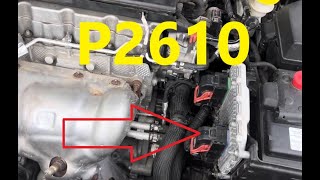
- Vehicle will fail an emissions test because internal readiness monitors cannot be completed 🎬 Watch: Understanding the P2610 engine off timer performance code
- Potential for intermittent no-start or difficulty starting conditions
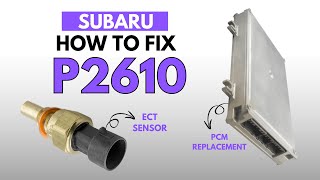
- Replacing the Engine Coolant Temperature (ECT) sensor. While a faulty ECT sensor can cause P2610 on some other vehicles by providing implausible data for the engine-off soak timer, it is not the documented cause for this specific Subaru model and year range. The issue is a known hardware fault within the ECM itself.
Most Likely Causes
- Internal ECM Fault (per TSB 11-191-19R) 🔴 High Probability Subaru identified that an electrostatic surge can affect the original ECM's internal timer, prompting the creation of an updated ECM with modified hardware to prevent the issue.
How to confirm: A Subaru dealer or qualified shop will confirm the P2610 code is present and verify that TSB 11-191-19R applies to the vehicle's VIN. There are no other practical tests for this specific internal fault once battery and connection issues are ruled out.
Typical fix: Replace the Engine Control Module (ECM) with the updated part number specified in the TSB. The new module must be professionally programmed to the vehicle.
Rare But Worth Checking
- Weak or Failing Battery: → Shop Vehicle Battery While the TSB is the most likely cause, a weak battery can cause a wide range of unpredictable electrical issues in modern cars. A low voltage condition can disrupt the ECM's ability to function correctly. It's a simple and inexpensive item to test before proceeding with an expensive ECM replacement.
- Poor ECM Power or Ground Connection: Corroded or loose connections to the ECM can mimic an internal fault by causing voltage drops or interruptions. A visual inspection of the ECM wiring harness and main engine grounds on the intake manifold is a worthwhile diagnostic step before condemning the module.
Diagnosis Steps
- Scan the vehicle for trouble codes to confirm P2610 is the primary or only code present.
- Check for any applicable Technical Service Bulletins. For this vehicle, TSB 11-191-19R is the key document.
- Using a scan tool, check for any live data parameters related to the timer, such as "Engine Off Timer", to see if it is counting correctly.
- Test the health of the 12V battery and the vehicle's charging system to rule out any voltage supply issues. The battery should maintain over 12.2V with the engine off and over 13.5V while running.
- Visually inspect the ECM's electrical connectors and main ground points on the intake manifold for any signs of corrosion, looseness, or damage.
- If the battery and connections are confirmed to be in good condition, the diagnosis points directly to the internal ECM fault described in TSB 11-191-19R.
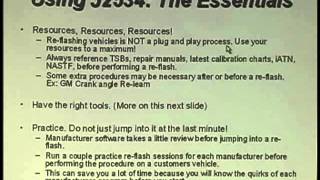
- Consult a Subaru dealership or a repair shop with J2534 programming capabilities to perform the ECM replacement. 🎬 Watch: A professional guide to J2534 module reprogramming Ensure they use a power supply maintainer set to 13.5V during the programming process as recommended by Subaru service procedures.
Parts You'll Likely Need
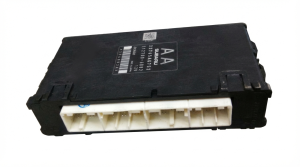
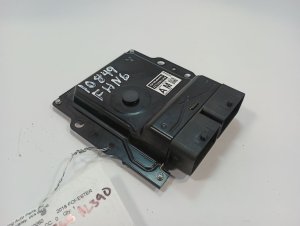
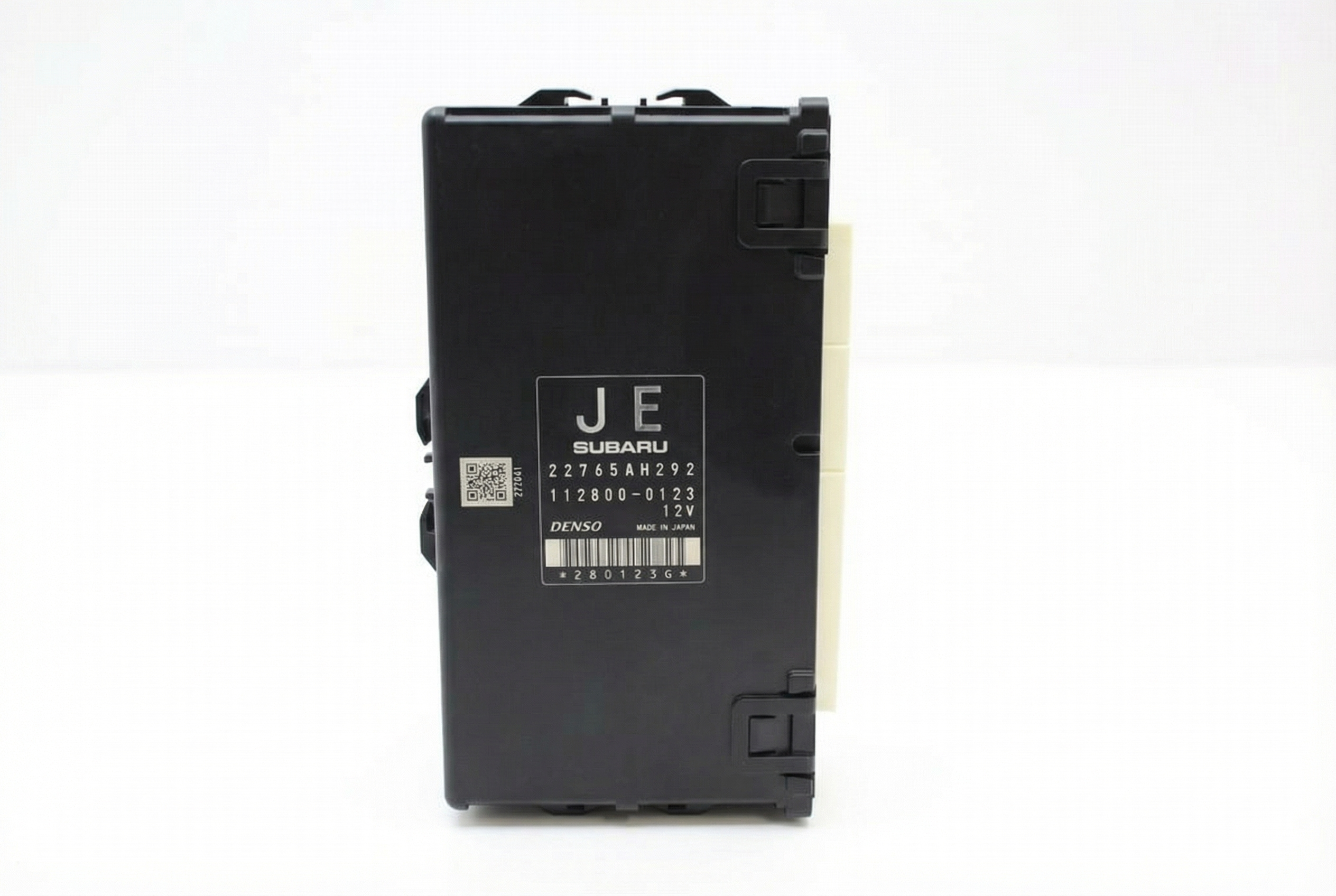
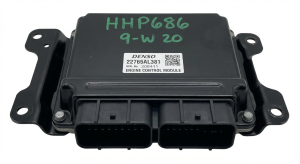
- Engine Control Module (ECM), Updated
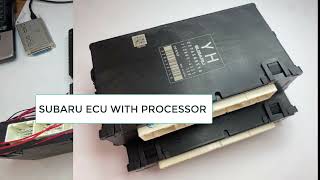
(OEM #2016 Forester: 22765AH515, 2017 Forester: 22765AH924, 2018 Forester: 22765AL592)— This is the specific updated part identified by Subaru in TSB 11-191-19R as the definitive fix for the P2610 code 🎬 See this walkthrough on how to swap a Subaru ECU on this vehicle due to an internal hardware vulnerability to electrostatic surges.
Trusted brands: Subaru (OEM)
OEM price range: $900-$1500
Aftermarket price range: Not Recommended
Technical Service Bulletins (TSBs) & Recalls
- 11-191-19R: Announces the availability of a new Engine Control Module (ECM) with updated hardware specifically designed to address DTC P2610 caused by electrostatic surge. It lists affected models (2016-18 Forester 2.0 DIT, 2015-19 WRX) and provides the new part numbers for the fix.
Platform-Specific Known Issues
- TSB Confirmed Hardware Fault: Subaru has officially documented in TSB 11-191-19R that the original ECM in 2016-2018 Foresters (2.0 DIT) can register a P2610 code due to sensitivity to electrostatic surges. An updated ECM with improved internal hardware was released to solve this permanently.
- Owner Experience (Platform Mate): A 2017 Subaru WRX owner on Reddit reported getting the P2610 code along with a misfire code after resetting the ECU via a Cobb Accessport. This highlights that the issue exists in the real world on platform-mate vehicles and can appear during normal ownership and maintenance activities.
Mechanic-Grade Diagnostic Values
- ECM Back-up Power Supply Voltage — expected: 10 - 13 Volts (with ignition OFF). Failure: 0V or significantly lower voltage indicates a problem with the constant power supply to the ECM, which could affect its internal timer.
- Battery / Charging System Voltage — expected: > 12.2 Volts (Engine Off), > 13.5 Volts (Engine Running). Failure: Low voltage can cause a wide range of electronic module errors, including P2610.
- Data Link Connector (DLC) Power — expected: 10 Volts or more (at Pin 16 to Chassis Ground). Failure: No voltage indicates a problem with the power supply to the diagnostic port itself, preventing communication.
Scan Tool Commands That Help
- Subaru Select Monitor (or equivalent): Live Data Parameter: 'Engine Off Timer' — To observe the ECM's internal timer value in real-time. Deviations from expected countdown behavior after shutting the engine off can help confirm the fault, though the TSB is the ultimate confirmation.
- Subaru Select Monitor (or equivalent): Clear Memory Mode — This is the standard Subaru-specific function to clear Diagnostic Trouble Codes (DTCs) after a repair is performed.
- Subaru Select Monitor (or equivalent): Inspection Mode — A diagnostic mode used to re-check for faults after clearing codes to confirm a repair was successful.
Wiring & Ground Locations
- Main ECM Ground — Bolted directly to the top of the intake manifold.. The ECM receives its primary ground reference from this point. A loose or corroded connection here can cause erratic ECM behavior and numerous electrical faults that could mimic an internal module failure. This is a crucial first check for any electrical diagnosis.
- ECM Backup Power Pin — Connector B135, Pin 5 on the ECM harness.. This pin supplies constant power to the ECM to maintain its memory functions, which includes the internal engine-off timer. A loss of voltage on this pin would disrupt the timer's operation and could be a potential cause of P2610 if the main TSB issue is not present.
- Data Link Connector (DLC) Pins — Under the driver's side dashboard. Pin 16 (Power), Pin 4 & 5 (Grounds).. Before diagnosing any module, a technician must confirm the diagnostic port itself is functional. Checking for battery voltage at Pin 16 and good ground at Pins 4/5 ensures the scan tool can communicate reliably with the ECM.
OEM Part Supersession History
See TSB 11-191-19R→22765AH515 (2016 Forester), 22765AH924 (2017 Forester), 22765AL592 (2018 Forester)— Updated internal hardware to eliminate sensitivity to electrostatic surges which caused the P2610 fault.
Heads up: The TSB also lists updated part numbers for the platform-mate 2015-2019 WRX. Using an ECM from a different year or model, even if it physically fits, will not work due to programming differences. Always order based on the vehicle's VIN.
Model Year Variations Within This Range
- 2015-2019 (WRX Platform Mate): For the related WRX model, Subaru incorporated the new, updated ECM into factory production starting with VIN K9820661 for manual transmission models and K8820856 for CVT models. Vehicles produced after these VINs should already have the corrected part.
Helpful Videos
![How to Change ECU [Engine Control Unit Swap // Subaru]](https://img.youtube.com/vi/-EmwuYWWbUE/mqdefault.jpg)
We Have This Part in Stock

The information in this article is provided for general reference and educational purposes only. Vehicle specifications, procedures, and part compatibility can vary by production date, trim level, and region. Always consult your vehicle's factory service manual and verify part numbers before purchasing or performing repairs. Safety-critical components such as airbags, seat belts, and braking systems should be installed by a qualified professional.
- Subaru FORESTER:
- 🧭 Diagnostic Flowchart
- 🎬 Helpful Videos
- 🛍️ Shop This Part
- What's Unique About the 2016-2018 Subaru FORESTER
- Symptoms You May Notice
- Most Likely Causes
- Rare But Worth Checking
- Diagnosis Steps
- Parts You'll Likely Need
- Technical Service Bulletins (TSBs) & Recalls
- Platform-Specific Known Issues
- Mechanic-Grade Diagnostic Values
- Scan Tool Commands That Help
- Wiring & Ground Locations
- OEM Part Supersession History
- Model Year Variations Within This Range
- 🎟️ Get 5% Off